10 Cultural Flowers and the Powerful Stories Behind Them
Introduction
Flowers have always carried deep meaning in human culture, symbolizing emotions, traditions, and beliefs across different societies. From ancient rituals to modern celebrations, cultural flowers play an important role in storytelling and identity. These flowers are not just admired for their beauty—they represent love, remembrance, spirituality, and even national pride. Each region of the world has its own unique floral symbols, shaped by history, environment, and cultural values. In this article, we will explore 10 cultural flowers and the powerful stories behind them, revealing how these blooms connect people, traditions, and ecosystems in meaningful ways.
🌿Summary
Cultural flowers hold a special place in human history, as they often represent traditions, beliefs, and emotional expressions that have been passed down through generations. These flowers are deeply connected to the identity of a region or community, and their meanings can vary widely depending on cultural context. For example, some flowers are associated with love and celebration, while others symbolize mourning, spirituality, or renewal.
Many cultural flowers are used in ceremonies and festivals. In weddings, certain flowers represent purity, commitment, or prosperity. In religious rituals, flowers are often offered as symbols of devotion and respect. Similarly, during times of remembrance, specific flowers are used to honor the memory of loved ones. This shows how flowers go beyond decoration—they become a language of emotion and tradition. Blue flowers create a peaceful atmosphere in gardens, especially when you explore rare blue flowers that calm the soul for their soothing beauty..
The stories behind these flowers are often rooted in history and mythology. Some flowers are linked to ancient legends, while others gained importance through historical events or national identity. For instance, a flower might become a symbol of resilience if it grows in harsh conditions or survives environmental challenges. In other cases, a flower may represent unity or peace within a culture.
Another important aspect of cultural flowers is their connection to the natural environment. Many of these flowers grow in specific regions and depend on local ecosystems to survive. This means that protecting these plants is also about preserving cultural heritage. When a rare or culturally significant flower disappears, a part of history and tradition may be lost as well.
In today’s world, cultural flowers continue to play an important role in connecting people to their roots. They remind us of shared traditions and the importance of preserving both nature and culture. Understanding the meaning behind these flowers allows us to appreciate not only their beauty but also the stories and values they represent.
Flowers are more than just pretty petals — they’re a universal language of emotion, tradition, and culture. Across the globe, different flowers symbolize love, honor, purity, and even life itself. From the cherry blossoms of Japan to the marigolds of Mexico, every culture has a bloom that holds deep meaning.
In this article, we’ll explore 10 cultural flowers that have shaped traditions, rituals, and festivals around the world. Each flower tells a story — of history, beauty, and identity.
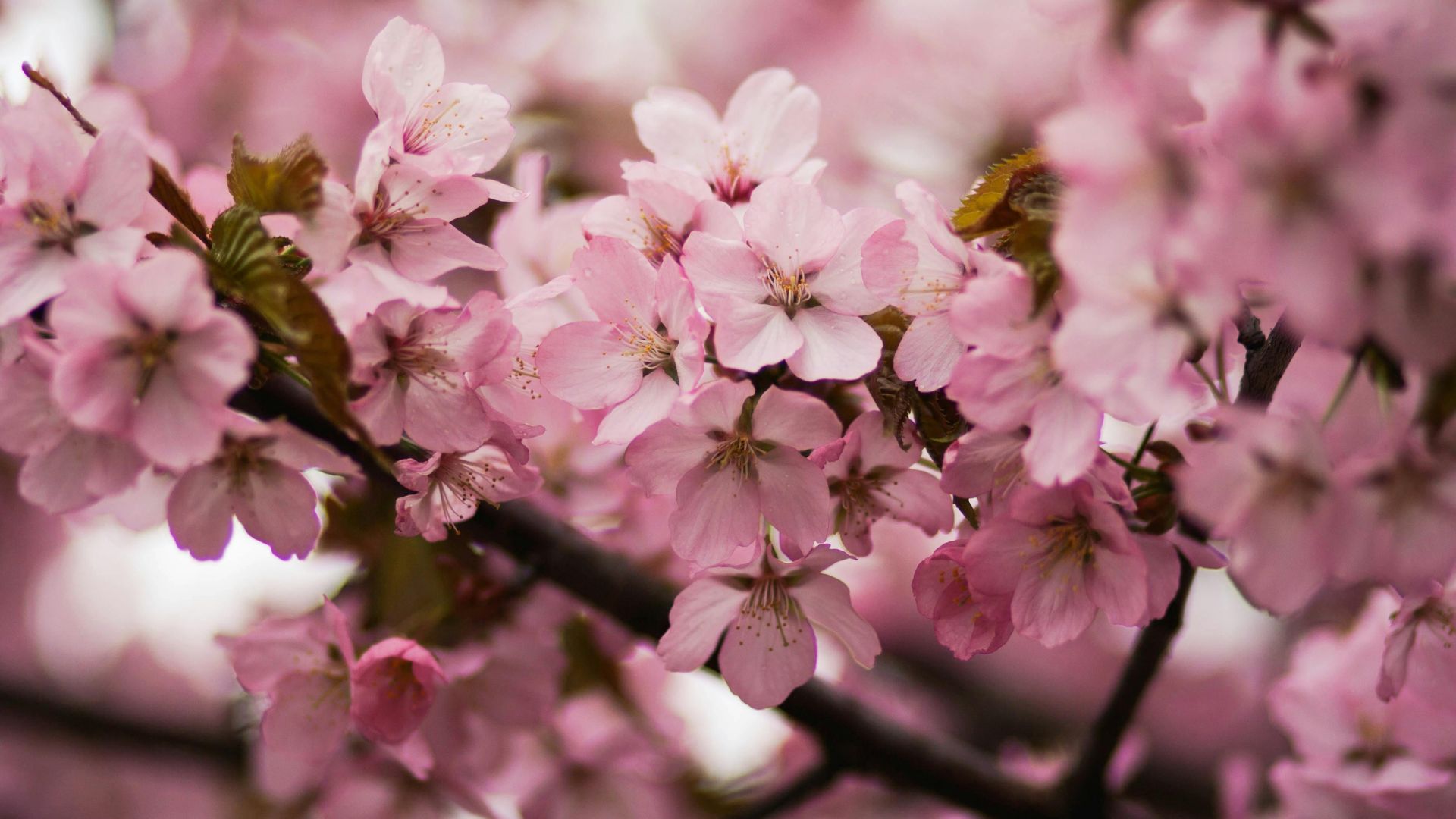
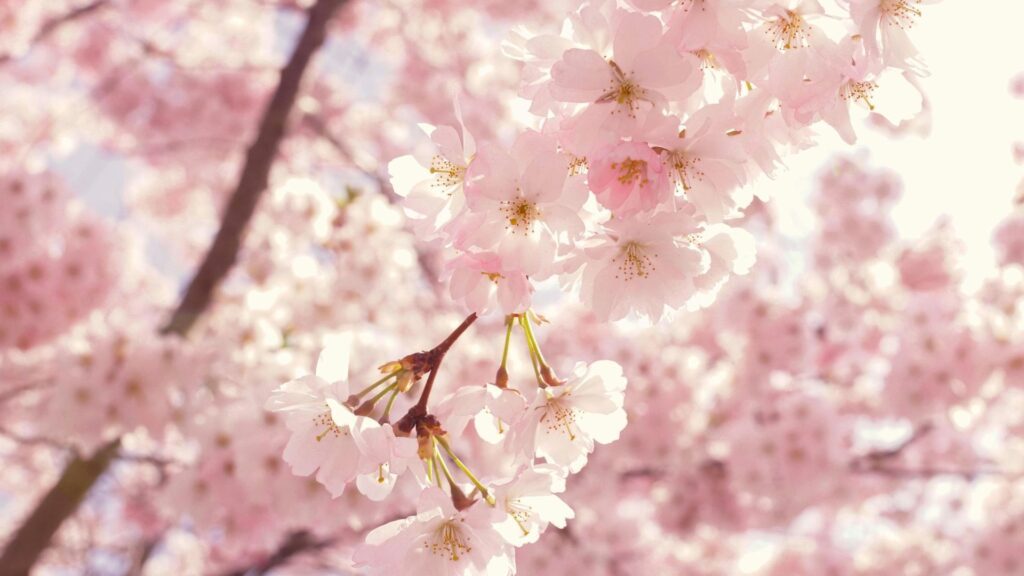
🌸 1. Cherry Blossom (Japan) – The Symbol of Life’s Beauty
In Japan, cherry blossoms (Sakura) are more than just flowers — they’re a national symbol. Every spring, Japan bursts into pink and white hues as people celebrate Hanami, the cherry blossom viewing festival.
Cultural Significance:
The fleeting bloom of cherry blossoms represents the beauty and fragility of life — a reminder that every moment should be cherished.
Use in Culture:
- Symbol of renewal and the changing of seasons
- Featured in Japanese art, poetry, and literature
- Used in weddings and festivals as a sign of new beginnings
Fun Fact:
In Japan, cherry blossom petals are even used to flavor sweets, teas, and traditional rice cakes.
🌼 2. Lotus (India & Egypt) – The Flower of Purity
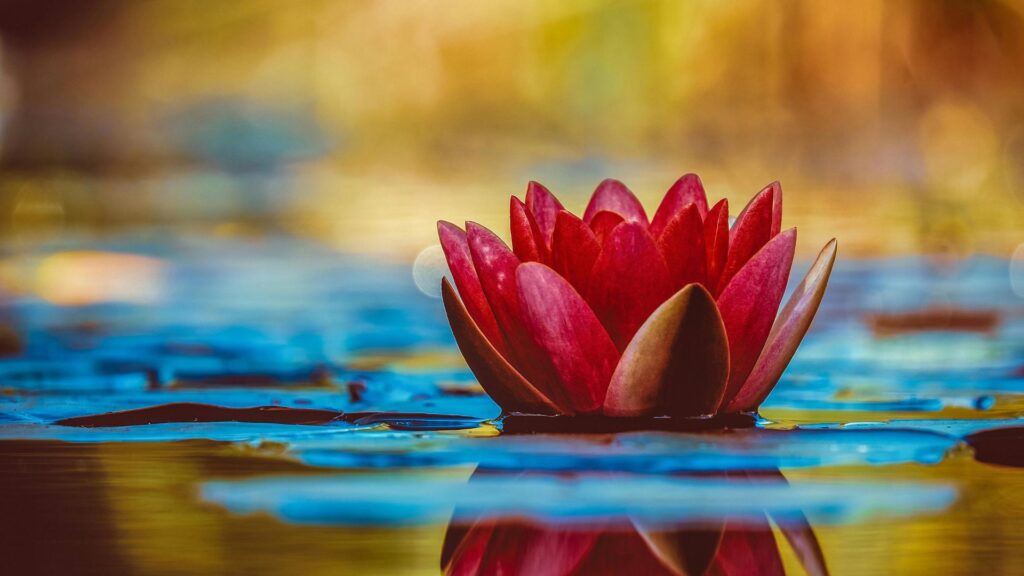
The lotus flower holds sacred meaning in both Indian and Egyptian cultures. Despite growing in muddy waters, it blooms clean and beautiful — making it a symbol of purity, enlightenment, and rebirth.
Cultural Significance:
- In Hinduism, the lotus is linked to gods like Vishnu and Lakshmi.
- In Buddhism, it represents the journey from ignorance to enlightenment.
- In ancient Egypt, the lotus symbolized the sun and creation.
Use in Culture:
- Common in temple art and spiritual rituals
- Featured in yoga and meditation symbolism
- Associated with peace and divine energy
Fun Fact:
The blue lotus was often painted on tombs of Egyptian pharaohs as a symbol of eternal life.
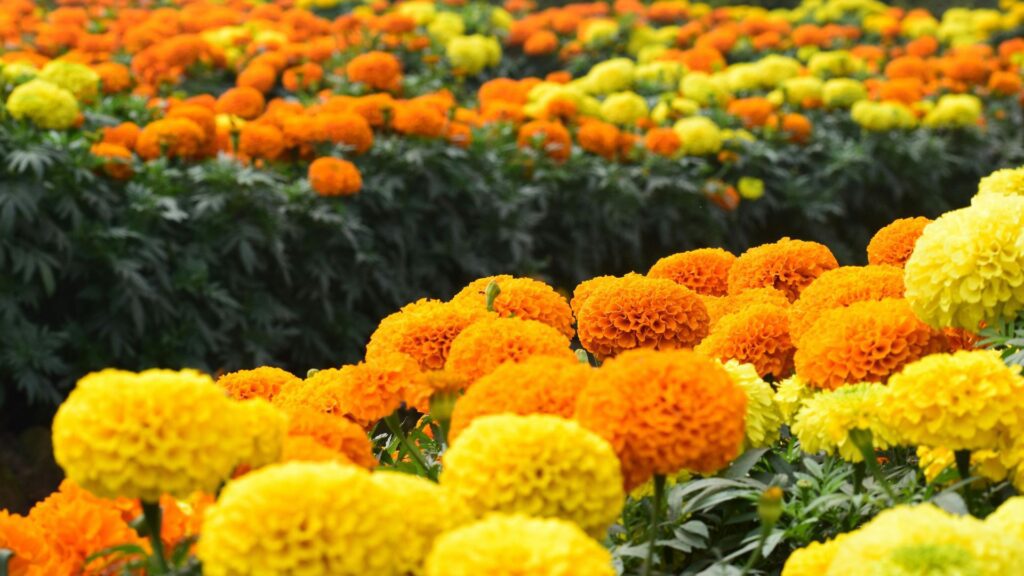
🌻 3. Marigold (Mexico & India) – The Flower of Celebration
Marigolds, with their bright orange and yellow hues, are beloved across cultures for their warmth and symbolism.
Cultural Significance:
- In Mexico, marigolds (known as Cempasúchil) are used during Día de los Muertos (Day of the Dead) to honor departed souls.
- In India, marigolds are used in weddings, festivals, and religious ceremonies to symbolize prosperity and positivity.
Use in Culture:
- Garlands for weddings and temple decorations
- Altar offerings in remembrance of ancestors
- Used in natural dyes and herbal remedies
Fun Fact:
The bright color of marigolds is believed to help guide spirits back home during Day of the Dead celebrations.
🌷 4. Tulip (Netherlands) – The National Pride
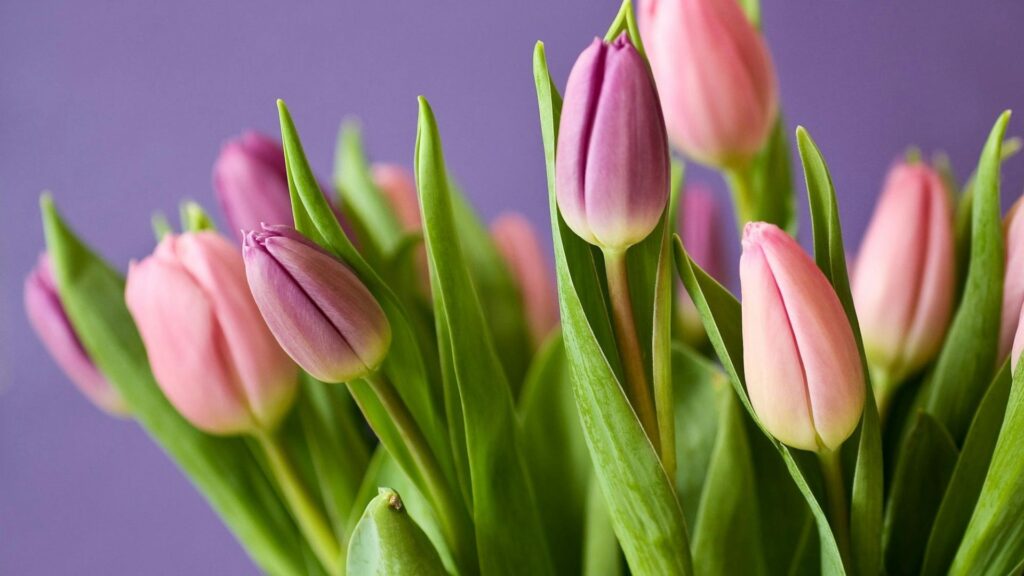
The tulip is inseparable from the Netherlands’ cultural identity. Once a symbol of luxury and status in the 17th century “Tulip Mania,” today it stands for beauty, grace, and love.
Cultural Significance:
Tulips symbolize perfect love and are often gifted during spring festivals.
Use in Culture:
- Central to the Dutch Keukenhof Festival
- Featured in art, tourism, and national branding
- Represents renewal and joy in Dutch traditions
Fun Fact:
At one point in history, tulip bulbs were worth more than gold in the Netherlands!
🌺 5. Hibiscus (Hawaii & Pacific Islands) – The Flower of Hospitality
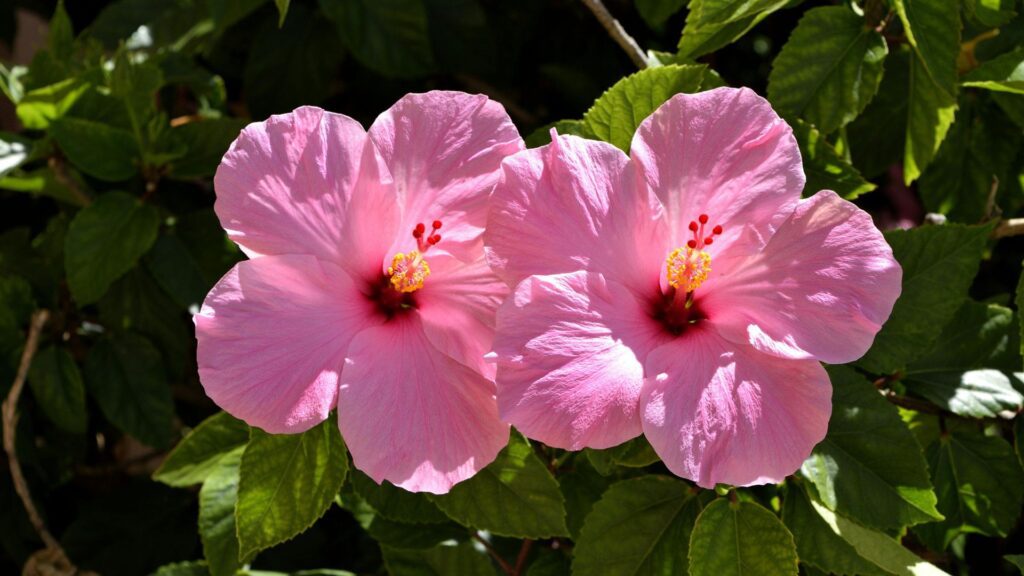
In Hawaii, the hibiscus flower embodies the island’s warm spirit and tropical beauty.
Cultural Significance:
It represents hospitality, delicate beauty, and joy. Women often wear hibiscus flowers behind the ear — the side you wear it on can signal relationship status!
Use in Culture:
- Used in leis and decorations
- Featured in traditional dances like the hula
- Symbol of aloha (love and peace)
Fun Fact:
A yellow hibiscus is Hawaii’s official state flower.
🌹 6. Rose (Worldwide) – The Flower of Love
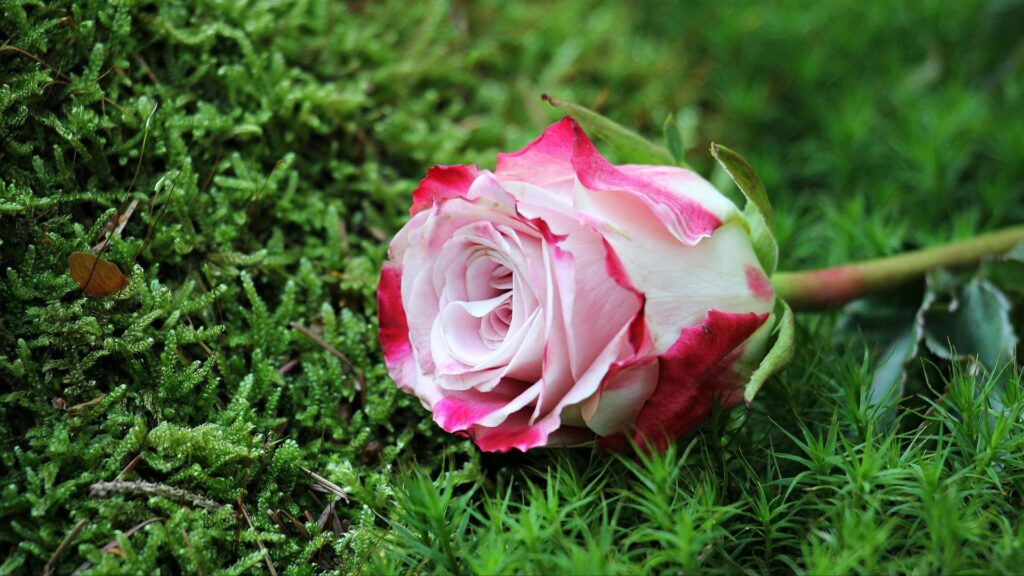
The rose transcends borders and time as the universal symbol of love and beauty. Its meaning varies by color and culture.
Cultural Significance:
- In Western cultures, red roses express romance.
- In Persian literature, roses symbolize divine love.
- In Greek mythology, the rose is linked to Aphrodite, the goddess of love.
Use in Culture:
- Used in weddings, poetry, and religious art
- Extracted into rose water and perfumes
- Represents love in Valentine’s Day traditions
Fun Fact:
In some cultures, white roses symbolize purity and spiritual love rather than romance.
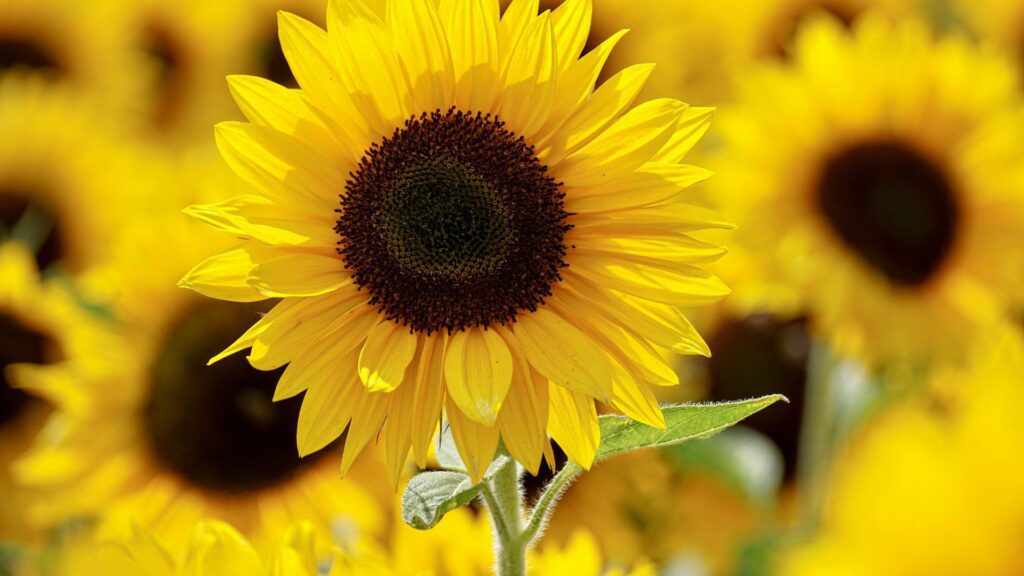
🌻 7. Sunflower (Native America & Ukraine) – The Symbol of Hope
Sunflowers are admired for their bright, cheerful appearance and deep symbolism.
Cultural Significance:
- In Native American culture, sunflowers represented loyalty, harvest, and happiness.
- In Ukraine, they symbolize peace and resilience, especially during modern conflicts.
Use in Culture:
- Used in folk art, embroidery, and festivals
- A source of cooking oil and nourishment
- Symbol of warmth and optimism
Fun Fact:
Sunflowers naturally turn to face the sun — a phenomenon known as heliotropism.
🌼 8. Chrysanthemum (China & Japan) – The Flower of Longevity
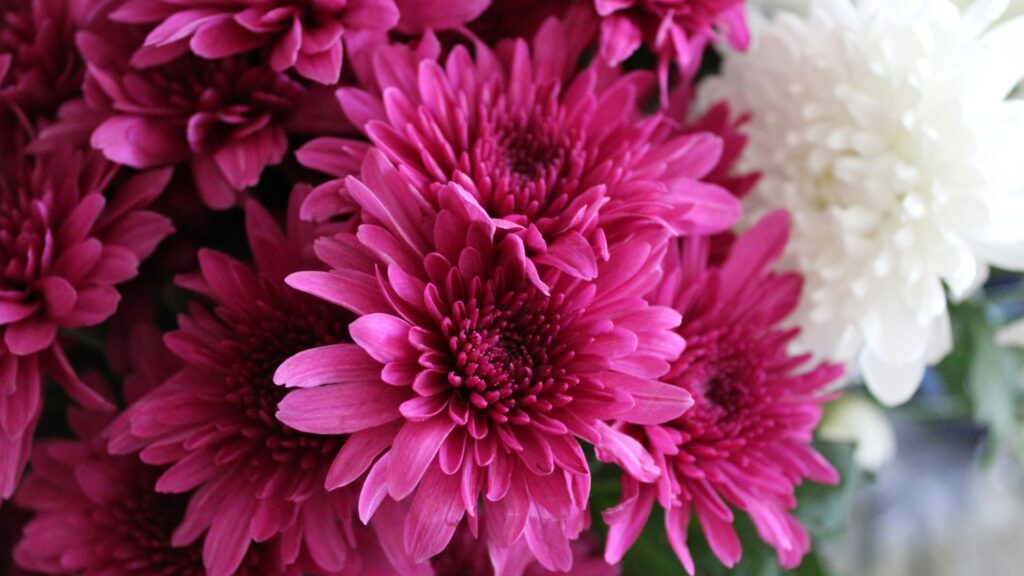
The chrysanthemum has been treasured in Asia for over 2,000 years.
Cultural Significance:
- In China, it’s a symbol of long life, happiness, and autumn.
- In Japan, it represents the Emperor and the Imperial family — even appearing on official seals.
Use in Culture:
- Used in festivals like Japan’s Festival of Happiness
- Featured in art, tea, and medicine
- Represents endurance and dignity
🌹 9. Jasmine (Middle East & South Asia) – The Flower of Purity and Love
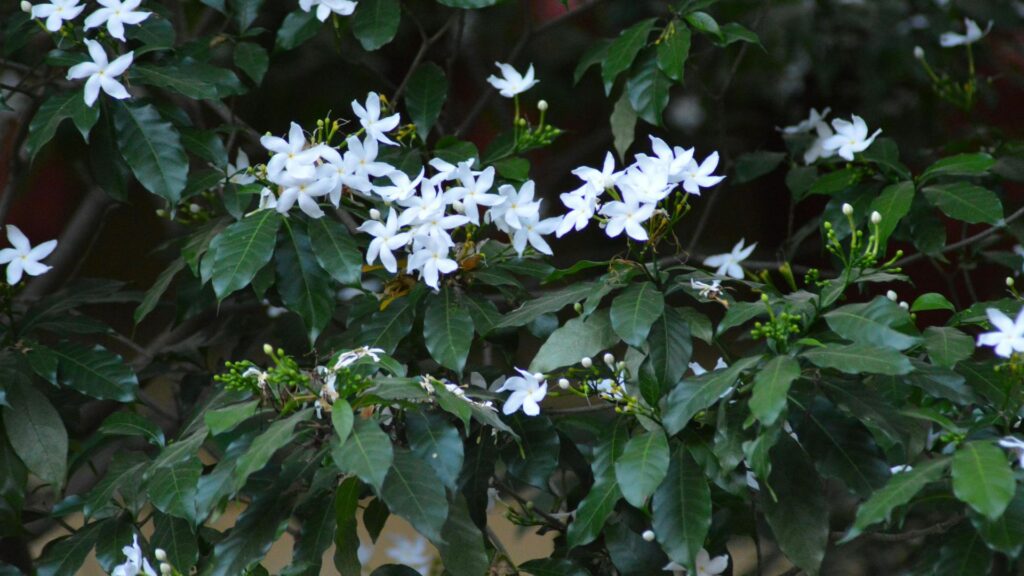
Jasmine is adored across cultures for its heavenly fragrance and romantic symbolism.
Cultural Significance:
- In Pakistan, jasmine (the national flower) symbolizes purity and love.
- In the Philippines and Indonesia, it’s used in weddings and religious offerings.
- In the Middle East, jasmine tea is a symbol of hospitality.
Use in Culture:
- Used in garlands, perfumes, and teas
- Essential in traditional ceremonies and festivals
- Associated with peace and affection
Fun Fact:
In ancient Persia, jasmine oil was considered more valuable than gold.
🌺 10. Lavender (Europe) – The Flower of Serenity
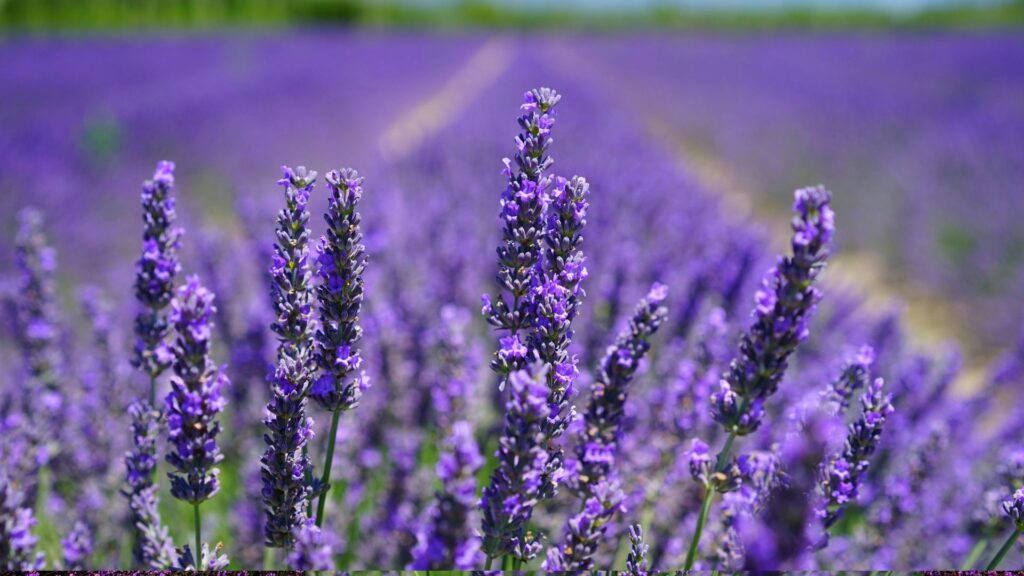
In European cultures, lavender has long represented calmness, cleanliness, and devotion. It’s been used in royal baths, perfumes, and even church rituals.
Cultural Significance:
- Associated with purity, love, and tranquility
- Used to ward off evil spirits in medieval times
- Symbol of devotion and spiritual healing
Use in Culture:
- Common in wedding decor and sachets
- Used in aromatherapy and herbal remedies
- Symbolizes peace and elegance in art
Fun Fact:
During the Renaissance, lavender was believed to protect against the plague — people carried lavender sachets for good health.
🌸 The Common Thread: Flowers as Cultural Bridges
Despite differences in traditions and geography, flowers unite humanity. Whether it’s the cherry blossoms of Japan or lotus of India, they all express emotions beyond words — love, remembrance, purity, and faith.
They connect people to nature and one another, proving that beauty truly knows no borders.
🌺 Conclusion
Flowers are silent storytellers — each one carrying the heart of its culture. From the peaceful lotus of the East to the joyful marigold of Latin America, they reveal humanity’s shared love for nature, color, and meaning.
Whether gifted, worn, or worshipped, flowers remind us that beauty transcends borders — blooming in every language, faith, and land.
So, next time you see a flower, remember: it may carry thousands of years of history in its petals. 🌸
2 Comments