
Top Exotic Rare Flowers and the Fragile Ecosystems They Depend On
Introduction
Some beauty shouts for attention.
Rare flowers do the opposite.
They bloom quietly, often unnoticed, in places most people never visit. Some appear for only a few hours. Others survive in just one corner of the planet. Many disappear before the world even realizes they existed.
That is what makes rare flowers unforgettable.
You can walk past thousands of common flowers and forget them by evening. But when you see a rare flower—even in a photograph—it stays with you. Something about it feels fragile, secret, and deeply emotional, as if nature trusted you with a moment it doesn’t share with everyone.
This guide is about those moments.
It is not just a list of unusual plants. It is a slow walk through the hidden side of nature—where beauty is brief, survival is difficult, and nothing is guaranteed.
By the end of this pillar guide, you will understand:
- Why some flowers are so rare that people travel for years just to see them
- How nature decides which flowers survive and which fade away
- Why rare flowers often bloom for the shortest time
- And why protecting rare flowers is about more than saving plants—it’s about protecting wonder
Before we explore individual flowers, we need to understand one important question.
What actually makes a flower rare?
What Does “Rare” Really Mean in the World of Flowers?
When people hear the word rare, they often think of expensive things. But rarity in nature has nothing to do with price.
A flower can be rare even if no one sells it.
A flower can be rare even if it’s not colorful.
A flower can be rare even if most people have never heard its name.
In nature, rarity means difficulty of survival.
A rare flower is one that exists under very strict conditions—conditions that are easy to disturb and hard to replace.
Let’s break this down simply.

1. Limited Geographic Location
One of the most common reasons flowers become rare is location.
Some flowers grow only:
- On a single island
- In one mountain range
- In a specific forest or wetland
- At a very precise altitude
If that location changes—even slightly—the flower struggles to survive.
Imagine a flower that grows only where:
- The soil has a certain mineral
- The air stays humid year-round
- The temperature never drops too low
Now imagine deforestation, construction, or climate change affecting that place.
Suddenly, the flower has nowhere else to go.
This is why many rare flowers feel almost mythical. They are tied to a place so specific that seeing them feels like discovering a hidden world.
2. Extremely Short Blooming Time
Some flowers are rare not because there are few plants—but because there is very little time to see them.
Certain rare flowers bloom:
- Only once a year
- Only for a few days
- Only for a few hours
- Only at night
Miss that moment, and the flower disappears again.
This is why people sometimes wait years to witness a single bloom. The flower might exist, but its beauty is fleeting—almost like a secret shared briefly before being taken back.
Short blooming times make flowers rare in experience, even if the plant itself survives.
And that rarity teaches patience.
3. Complex Survival Relationships
Some rare flowers cannot survive on their own.
They depend on:
- One specific insect for pollination
- One species of bird or bat
- A particular fungus in the soil
- A delicate balance of surrounding plants
If even one part of that relationship breaks, the flower fails to reproduce.
This is one of the most heartbreaking reasons flowers become rare. It’s not that the flower is weak—it’s that its entire world must stay in balance.
Nature is deeply connected. Rare flowers remind us of that connection.
4. Sensitivity to Environmental Change
Rare flowers are often environmental specialists.
They thrive only when:
- Temperature stays within a narrow range
- Rainfall follows a precise pattern
- Soil remains undisturbed
- Light exposure is just right
Small changes that common plants can tolerate may completely destroy rare species.
That’s why rare flowers are often the first to disappear when ecosystems change. They are nature’s early warning system.
When rare flowers vanish, it’s a sign that something deeper is wrong.
5. Human Impact and Overcollection
Some flowers became rare because humans loved them too much.
In the past:
- Rare flowers were collected without limits
- Forests were cleared without concern
- Habitats were destroyed for development
Many flowers that once grew freely are now protected—or already extinct in the wild.
Today, laws exist to protect rare plants, but damage from the past still affects their survival.
This makes rare flowers symbols of both beauty and responsibility.
6. Natural Rarity vs. Man-Made Rarity
It’s important to understand the difference between:
- Naturally rare flowers
- Flowers made rare by human actions
Some flowers were always rare. They evolved to live quietly in small numbers.
Others became rare because:
- Their habitat was destroyed
- They were overharvested
- Climate patterns changed too fast
Both types matter—but the second type carries a warning.
Nature can create rarity.
Humans can cause disappearance.
Why Rare Flowers Feel So Emotional
There is a reason people feel calm, emotional, or even spiritual when learning about rare flowers.
Rare flowers remind us that:
- Not everything lasts forever
- Not everything can be owned
- Not everything exists for profit
They bloom whether we are watching or not.
In a fast world obsessed with more, rare flowers teach us the value of less.
The Rarest Flowers in the World
Some rare flowers are known because they are beautiful.
Others are known because they are almost impossible to find.
And a few are famous simply because they refuse to exist on human terms.
In this section, we explore some of the most legendary rare blooms on Earth—flowers that have become symbols of mystery, patience, and survival.
Each of these flowers tells a story. Not just of beauty, but of balance, loss, and resilience.
The Ghost Orchid – The Flower That Refuses to Be Found
The Ghost Orchid is one of the most mysterious flowers in the world.
At first glance, it looks unreal. Its white petals stretch outward like a floating shape, giving the impression that the flower is suspended in midair. There are no visible leaves, no obvious roots, and no clear sign of how it survives.
That illusion is part of its magic.
The Ghost Orchid grows in deep, shadowy forests and swamps where humidity is high and disturbance is low. It can’t grow in soil. Instead, it clings to trees and survives through an extremely delicate relationship with fungi.
Why the Ghost Orchid Is Rare
- It depends on one specific type of fungus to absorb nutrients
- It grows in remote, difficult-to-access locations
- It blooms unpredictably, sometimes skipping years
- It dies quickly if disturbed
Many botanists spend years searching for a blooming Ghost Orchid and never succeed. Even when the plant is found, there is no guarantee it will flower.
Seeing a Ghost Orchid in bloom feels less like discovering a plant and more like witnessing a moment nature almost didn’t allow.

Middlemist Red – The Rarest Flower on Earth
If rarity were measured in numbers alone, Middlemist Red would sit at the very top.
Only two known Middlemist Red flowers exist in the world today.
That fact alone makes it astonishing—but its story makes it unforgettable.
This flower was originally collected centuries ago and transported far from its native land. Over time, it disappeared completely from the wild. No one noticed its disappearance until it was already gone.
The only reason it survives today is because it happened to be preserved in cultivation.
Why Middlemist Red Is So Rare
- It is extinct in the wild
- Only two known cultivated plants remain
- It cannot easily reproduce
- It requires very careful conditions to survive
Middlemist Red is a reminder that rarity is not always dramatic. Sometimes it happens quietly, while the world is distracted.
Jade Vine – A Color That Shouldn’t Exist
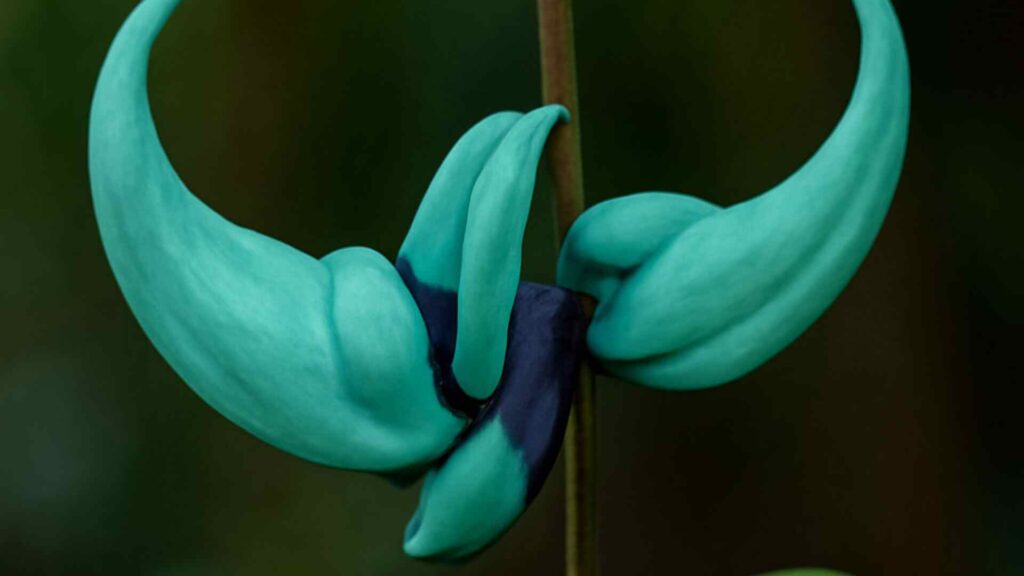
The Jade Vine is famous for one thing above all else: its color.
Its flowers hang in long clusters and glow in shades of turquoise and blue-green so intense that many people assume photographs are edited.
But the color is real.
The Jade Vine grows in tropical rainforests where warmth, humidity, and balance remain steady year-round. Its unusual color evolved to attract very specific pollinators—creatures that are now becoming less common.
Why the Jade Vine Is Rare
- It relies on specific pollinators
- It grows only in stable rainforest environments
- It is highly sensitive to deforestation
- It does not adapt well to changing conditions
As rainforests disappear, the Jade Vine fades with them. Its color, once a signal of survival, has become a warning.
Kadupul Flower – Beauty That Cannot Be Kept
The Kadupul flower is often described as priceless—not because it is valuable, but because it cannot be sold at all.
This flower blooms only at night, usually after midnight. By sunrise, it has already wilted. Attempting to cut or move it causes immediate death.
The Kadupul flower exists only to bloom, and then to vanish.
Why the Kadupul Flower Is Rare
- It blooms for only a few hours
- It blooms only at night
- It wilts immediately after blooming
- It cannot survive being picked or transported
People who witness a Kadupul bloom often describe the experience as emotional. There is no photograph, no preservation, no souvenir—only memory.
In a world obsessed with ownership, the Kadupul flower teaches a powerful lesson: some beauty exists only to be experienced.
Why These Flowers Feel So Powerful
What connects these rare flowers isn’t just scarcity—it’s fragility.
Each of them:
- Exists under strict conditions
- Refuses to be controlled
- Disappears easily
- Reminds us of limits
They bloom despite the odds, not because of human effort, but in spite of it.
That’s why rare flowers feel different from garden flowers. They carry tension. They carry risk. They carry the quiet knowledge that they could disappear at any moment.
Rarity Is Not a Design Choice
It’s important to understand this:
Rare flowers were not designed to impress us.
They did not evolve to be admired, photographed, or collected. Their shapes, colors, and behaviors exist because they helped the plant survive—at least for a time.
When survival becomes harder, rarity increases.
That is why so many rare flowers today are also endangered. Their rarity is not beauty alone—it is a signal.
The Rarest Flowers in the World
Some rare flowers are delicate and quiet.
Others are bold, strange, and impossible to ignore.
Rarity does not follow one pattern. Sometimes it appears as a tiny bloom hidden in a forest. Other times, it rises from the ground as something massive, dramatic, and unforgettable.
In this section, we explore rare flowers that challenge expectations—flowers that bloom rarely, smell unusual, grow enormous, or survive only because humans stepped in at the last possible moment.
Each one adds a new layer to what rarity really means.
Corpse Flower – The Giant That Blooms Once in a Decade
The Corpse Flower is famous long before it blooms.
People wait years—sometimes decades—for a single flowering event. When it finally happens, crowds gather, cameras flash, and yet the flower lasts only a few days before collapsing back into dormancy.
Its size is shocking.
Its smell is unforgettable.
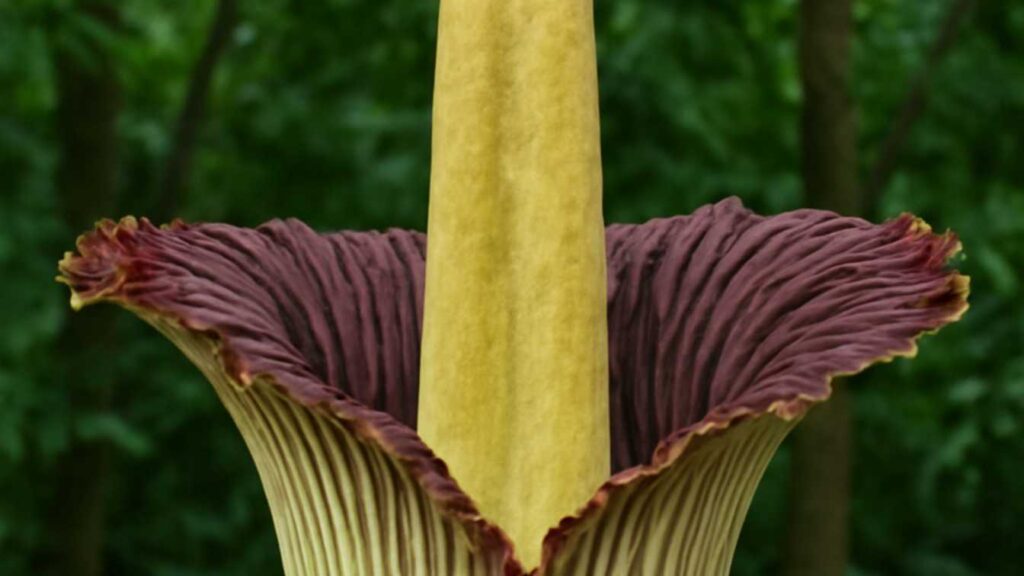
The Corpse Flower produces the largest flower structure in the world, rising like a pillar from the ground. But what truly makes it rare is not its size—it’s its patience.
Why the Corpse Flower Is Rare
- It can take 7 to 10 years to bloom
- Some plants bloom only once or twice in a lifetime
- The bloom lasts just a few days
- It requires extremely specific conditions
The strong smell, often compared to rotting flesh, is not a mistake. It evolved to attract insects that thrive on decay. Even this unpleasant trait has a purpose.
The Corpse Flower reminds us that nature doesn’t exist to please us—it exists to survive.
Franklin Tree Flower – A Flower Lost to the Wild
The Franklin Tree once grew naturally in North America. Today, it no longer exists in the wild at all.
Every Franklin Tree alive today descends from seeds collected centuries ago. Without that single act of preservation, this flower would be completely extinct.
That is what makes it haunting.
Why the Franklin Tree Flower Is Rare
- It is extinct in the wild
- It survives only through human cultivation
- It is vulnerable to disease
- It cannot compete naturally anymore
The Franklin Tree flower is not rare because it is hidden—it is rare because its natural home is gone.
It stands as proof that once a species disappears from the wild, bringing it back is nearly impossible.
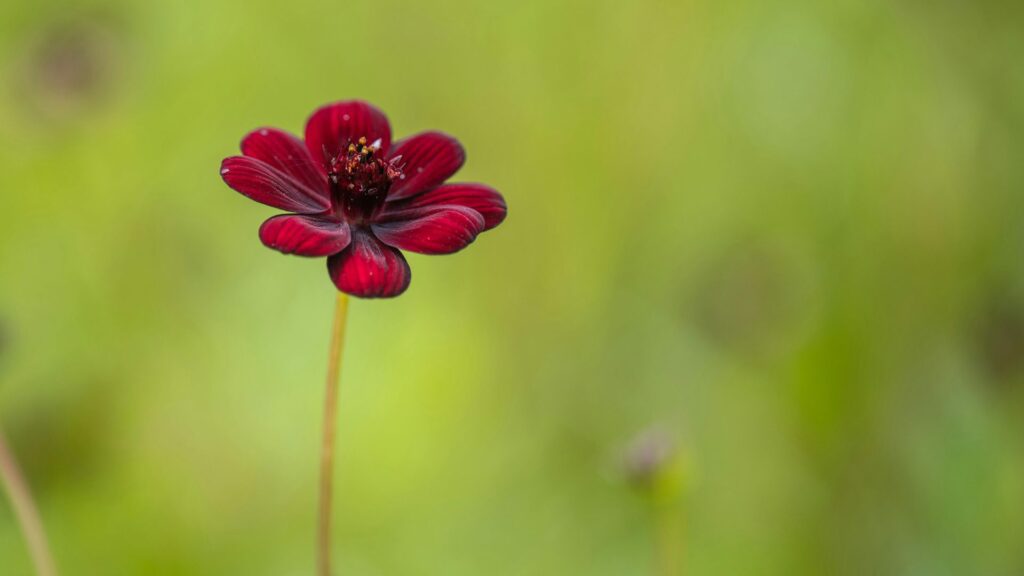
Chocolate Cosmos – A Scent That Shouldn’t Exist
At first glance, Chocolate Cosmos looks modest. Dark, velvety petals. A simple shape.
Then you lean closer.
That scent is not imagination—it’s real. And it’s one of the reasons people fell in love with this flower so intensely that it nearly disappeared.
Why Chocolate Cosmos Is Rare
- It is extinct in the wild
- It survives only through cloning
- It cannot produce viable seeds
- It is sensitive to environmental change
Every Chocolate Cosmos alive today is genetically identical. That alone makes it fragile.
This flower teaches us that rarity can exist in invisible ways. Sometimes it’s not about color or shape—it’s about memory and scent.
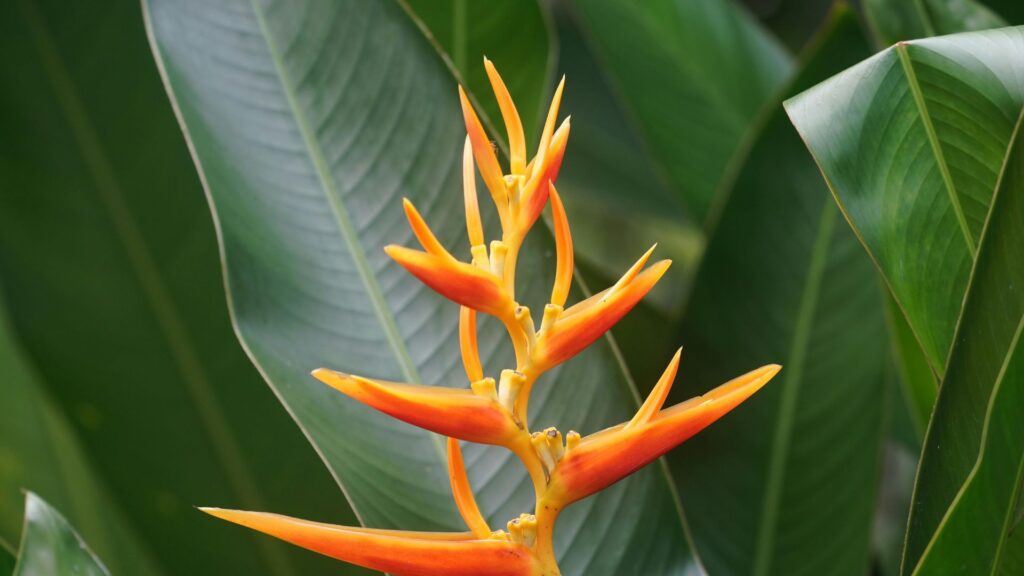
Parrot’s Beak – A Flower That Looks Painted
The Parrot’s Beak flower looks like something from a fantasy illustration. Its curved, brightly colored shape resembles a bird’s beak mid-song.
It grows in very specific climates and struggles to adapt elsewhere.
Why the Parrot’s Beak Is Rare
- It requires a narrow climate range
- It struggles outside its native region
- It is sensitive to temperature changes
- It depends on precise seasonal patterns
When those patterns shift, the flower struggles to return.
Its rarity shows how climate balance directly shapes beauty.
When Rarity Comes From Time, Not Numbers
Not all rare flowers are scarce in number.
Some are rare because they demand patience.
These flowers:
- Grow for many years before blooming
- Store energy slowly
- Bloom briefly and then rest again
To humans, they seem unpredictable. To nature, they are simply careful.
In a fast-moving world, flowers that move slowly become rare by default.
Why Size Doesn’t Protect a Flower
It’s easy to assume that large, dramatic flowers are safe from extinction. The Corpse Flower proves otherwise.
Size does not equal strength.
Even the largest blooms depend on:
- Stable ecosystems
- Predictable seasons
- Healthy soil
- Undisturbed surroundings
When those supports collapse, even giants fall.
Rarity does not discriminate by size.
The Emotional Weight of Lost Flowers
Flowers that no longer exist in the wild carry a special kind of sadness.
They remind us that:
- Extinction can happen quietly
- Beauty can vanish without notice
- Regret often comes too late
When we look at rare flowers preserved only through human care, we are looking at second chances—not guarantees.
And second chances are fragile.
A Pattern Begins to Appear
By now, a pattern is clear.
Rare flowers are not accidents.
They are results.
Results of:
- Environmental balance
- Time
- Isolation
- Human choices
Each rare flower carries a lesson. Some warn us about climate. Others about patience. Others about responsibility.
Rare Flowers by Color, Time, and Place
By now, you may have noticed something important.
Rare flowers are not random.
They follow patterns—patterns shaped by light, climate, time, and geography. When we step back and look at rarity this way, the natural world begins to make more sense.
In this section, we explore rare flowers not as individual stories, but as groups connected by color, blooming time, and location. These patterns reveal why certain types of flowers are rare everywhere on Earth—not just in one country or one forest.
Rare Flowers by Color
Color plays a huge role in rarity. Some colors are simply harder for plants to create and maintain.
Rare Blue Flowers – Nature’s Hardest Achievement
True blue flowers are among the rarest in the plant world.
This is because plants do not naturally produce blue pigments easily. To appear blue, a flower must manipulate light, pigment, and cell structure in very precise ways.
Blue flowers often require:
- Special pigment combinations
- Exact soil chemistry
- Specific light reflection
Even small environmental changes can alter the color—or stop blooming entirely.
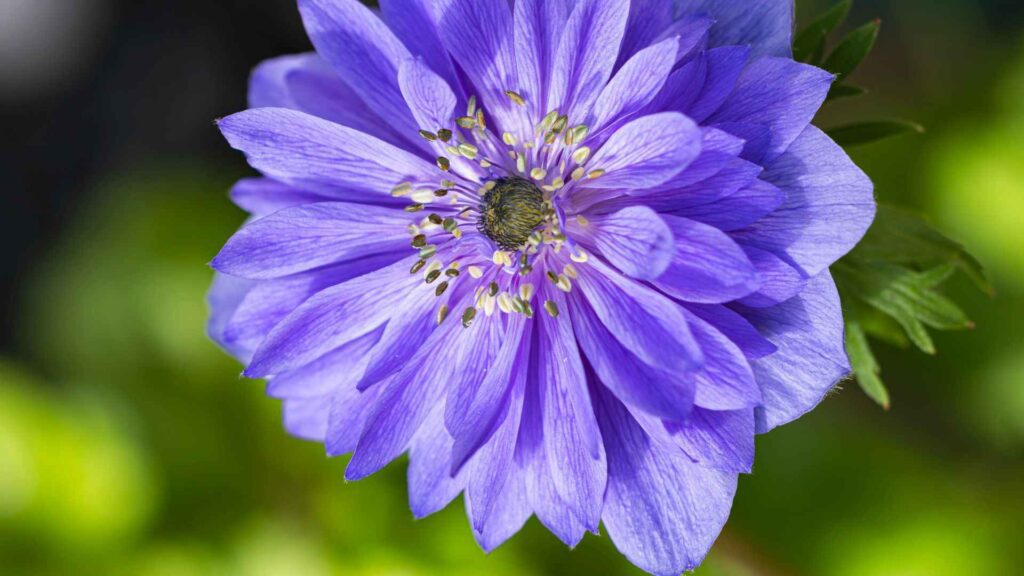
Because of this, blue flowers often appear in isolated regions with stable conditions. They symbolize calm, depth, and mystery because they are literally difficult to create.
When a rare blue flower disappears, recreating it is nearly impossible.
Blue flowers create a peaceful atmosphere in gardens, especially when you explore rare blue flowers that calm the soul for their soothing beauty..

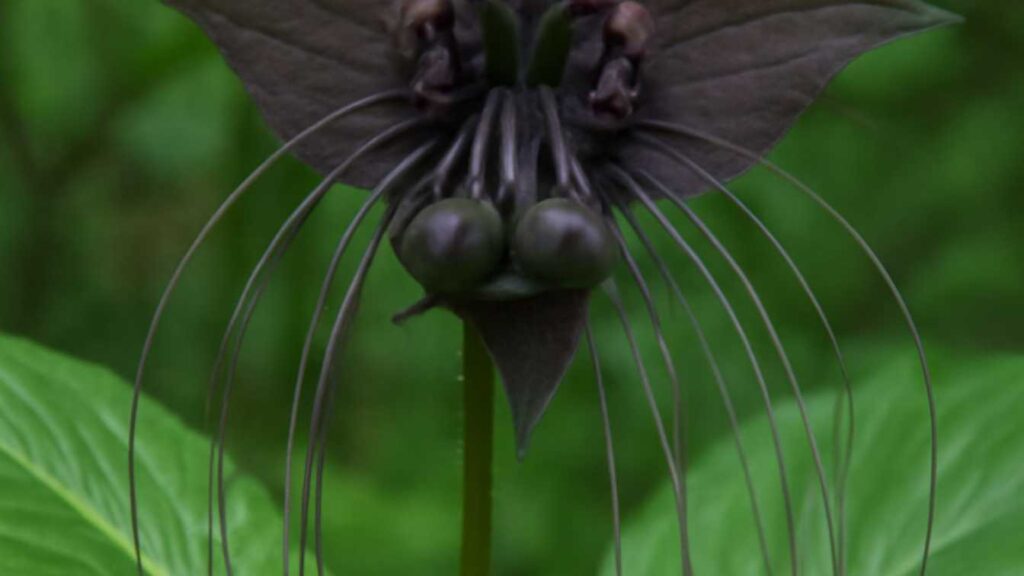
Rare Black Flowers – The Illusion of Darkness
True black flowers almost do not exist.
Most flowers that appear black are actually deep shades of purple, red, or brown. Pure black absorbs too much light, which can harm a plant’s ability to survive.
That makes dark flowers risky by nature.
Rare black flowers survive only when:
- Light exposure is balanced
- Temperature remains stable
- The plant has adapted over long periods
Because these conditions are uncommon, black or near-black flowers remain rare and dramatic.
They often symbolize:
- Strength
- Mystery
- Protection
- Rebirth
Their rarity comes from walking a fine line between beauty and survival.
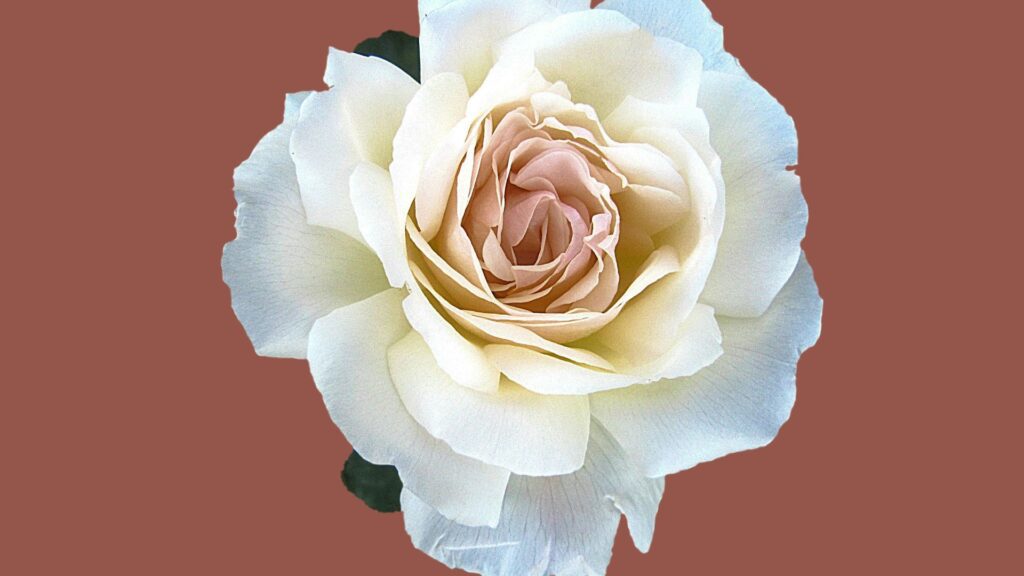
Rare White Flowers – Silent and Fragile
White flowers may seem common at first—but true rare white flowers are often incredibly delicate.
Many bloom at night, using white petals to reflect moonlight and attract nocturnal pollinators like moths and bats.
These flowers are rare because:
- Night blooming limits pollination
- Blooming time is extremely short
- Environmental disturbance affects them quickly
White rare flowers often fade before sunrise, making them rare not in number, but in experience.
They symbolize peace, stillness, and quiet beauty.
Rare Flowers by Blooming Time
Time is one of the strongest forces behind rarity.
Flowers That Bloom Only at Night
Night-blooming flowers live on a completely different schedule than most plants.
They open after sunset and close before morning, often releasing strong scents to attract pollinators in the dark.
This makes them rare because:
- Fewer pollinators are active at night
- Bloom windows are extremely short
- Missing one night means waiting another year
These flowers feel mysterious because they exist outside human routines. Most people are asleep when they bloom.
Flowers That Bloom Once a Year—or Less
Some flowers bloom:
- Once a year
- Once every few years
- Once in a lifetime
These plants spend years storing energy before releasing it all in a single bloom.
This strategy helps survival—but increases rarity.
If conditions are wrong during that single bloom, reproduction fails completely.
That makes timing everything.
Flowers That Bloom for Only Hours
A few rare flowers bloom for mere hours.
Their entire purpose—pollination, reproduction, beauty—must happen in that short window.
These flowers are rare because:
- Weather can ruin the bloom
- Pollinators may not arrive in time
- Humans rarely witness them
They remind us that some beauty is not meant to last.
Rare Flowers by Place
Geography shapes rarity more than any other factor.
Rare Flowers of Rainforests
Rainforests are home to many rare flowers because they provide:
- Constant humidity
- Stable temperatures
- Dense ecological relationships
However, this stability makes rainforest flowers highly sensitive to change.
Deforestation, even in small areas, can wipe out species that exist nowhere else.
That’s why so many rainforest flowers are rare or endangered.
Rare Flowers of Mountains
Mountain flowers face harsh conditions:
- Cold temperatures
- Strong winds
- Thin soil
- Short growing seasons
Only highly specialized plants survive here.
Mountain flowers are rare because they evolve slowly and have nowhere to migrate when climate conditions change.
Rare Flowers of Islands
Island flowers are among the rarest on Earth.
They evolve in isolation, often without natural predators or competition. This makes them unique—but extremely fragile.
If an island ecosystem changes, island flowers have nowhere else to go.
That isolation creates beauty—but also risk.
Rare Flowers of Deserts and Extreme Environments
Desert flowers are rare because survival itself is rare.
They may bloom only after rainfall, sometimes once every several years. When they do bloom, the landscape transforms briefly—and then returns to silence.
Can Rare Flowers Be Grown at Home? Why They Matter, and the Future of Rare Blooms
After learning about rare flowers—their beauty, fragility, and incredible stories—it’s natural to ask one question:
Can rare flowers be grown at home
Can You Grow Rare Flowers at Home?
Most true rare flowers should not be grown at home. Not because people are incapable—but because rarity often comes from conditions that cannot be recreated safely or ethically.
Why Most Rare Flowers Don’t Belong in Home Gardens
Rare flowers usually depend on:
- Very specific soil chemistry
- Unique fungi or microorganisms
- Precise humidity and temperature
- Natural pollinators
- Undisturbed ecosystems
Trying to grow these flowers outside their natural habitat often results in:
- Weak plants
- Failed blooms
- Plant death
- Damage to wild populations
In many cases, rare flowers are also legally protected. Removing them from the wild—even with good intentions—can accelerate extinction.
Owning a rare flower might feel special, but protecting it in nature matters far more.
Rare vs. Rare-Looking Flowers (An Important Difference)
Here’s the good news.
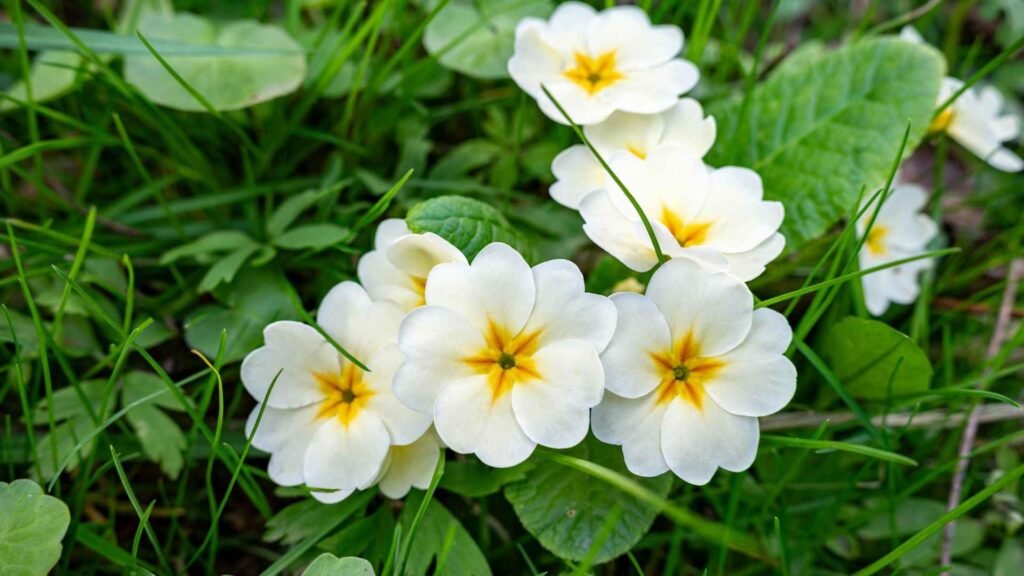
You can grow rare-looking flowers responsibly.
These are flowers that:
- Look exotic or unusual
- Have uncommon colors or shapes
- Are bred or cultivated ethically
- Do not threaten wild populations
Botanical gardens and ethical nurseries often offer plants inspired by rare species—without harming nature.
This allows people to enjoy beauty without stealing it from the wild.
Why Botanical Gardens Matter So Much
Botanical gardens play a critical role in rare flower survival.
They:
- Preserve endangered species
- Maintain genetic diversity
- Study plant behavior
- Educate the public
- Act as backup populations
Many flowers that no longer exist in the wild survive today only because botanical gardens stepped in before it was too late.
Supporting these spaces—by visiting, donating, or learning—directly helps protect rare flowers.
The Ethics of Rarity
Rare flowers raise an important ethical question:
Just because something is beautiful, does that mean we should own it?
Nature does not create rare flowers for decoration. Their beauty exists as part of a larger system—a system that collapses when pieces are removed.
Ethical appreciation means:
- Observing, not collecting
- Protecting habitats
- Supporting conservation
- Sharing knowledge, not plants
The rarest flowers teach us restraint.
Why Rare Flowers Matter Beyond Beauty
Rare flowers are not just decorations of nature—they are signals.
They tell us:
- Ecosystems are changing
- Climate balance is fragile
- Biodiversity is shrinking
When rare flowers disappear, it’s rarely an isolated event. It usually means insects, birds, fungi, and soil systems are struggling too.
Protecting rare flowers protects entire ecosystems.
Rare Flowers and Human Emotion
There’s another reason rare flowers matter—one that science doesn’t always measure.
They move us.
Rare flowers:
- Slow us down
- Inspire awe
- Create calm
- Encourage patience
In a world driven by speed, rare flowers operate on nature’s schedule—not ours.
They bloom when ready.
They disappear when finished.
They do not explain themselves.
That quiet independence is powerful.
Climate Change and the Future of Rare Flowers
The greatest threat to rare flowers today is speed.
Climate change is happening faster than many plants can adapt.
Rare flowers are especially vulnerable because:
- They evolve slowly
- They rely on stable environments
- They have limited range
- They cannot migrate easily
As temperatures rise and seasons shift, rare flowers are often the first to suffer.
Saving them requires:
- Habitat protection
- Climate awareness
- Long-term planning
- Global responsibility
Rarity does not mean weakness—but it does mean vulnerability.
What You Can Do to Help Rare Flowers
You don’t need to be a scientist to make a difference.
Simple actions matter:
- Support conservation organizations
- Visit and support botanical gardens
- Learn and share accurate information
- Avoid buying illegally collected plants
- Respect nature while traveling
Even awareness changes outcomes.
The more people care, the more protection rare flowers receive.
A Final Reflection on Rarity
Rare flowers are nature’s quiet miracles.
They don’t bloom for applause.
They don’t last long.
They don’t ask to be saved.
And yet, they remind us of something important:
Not everything valuable is common.
Not everything beautiful lasts.
Not everything exists for us.
When we protect rare flowers, we protect the idea that some beauty deserves space, time, and respect—without needing to be owned.
Final Words: Why Rare Flowers Will Always Matter
Rare flowers are proof that nature still holds secrets.
In a world where almost everything feels discovered, measured, and explained, rare flowers remind us that mystery still exists.
They bloom quietly.
They survive carefully.
They disappear softly.
And in doing so, they teach us how to live with more patience, more awareness, and more respect.
FAQs – Rare Flowers
❓ What are rare flowers?
Rare flowers are plants that grow in very limited areas, bloom for a short time, require special conditions, or exist in very small numbers. Some are rare naturally, while others have become rare due to habitat loss or climate change.
❓ Why are some flowers considered rare?
Flowers become rare because of factors like restricted locations, short blooming periods, dependence on specific pollinators, sensitive environments, or human activities such as deforestation and over-collection.
❓ What is the rarest flower in the world?
Middlemist Red is often considered the rarest flower in the world, with only two known living plants remaining today. It is extinct in the wild and survives only through careful cultivation.
❓ Where do rare flowers usually grow?
Rare flowers are commonly found in rainforests, remote islands, mountains, deserts, and wetlands. These environments provide very specific conditions that many rare flowers need to survive.
❓ Can rare flowers be grown at home?
Most true rare flowers should not be grown at home because they require special conditions and are often legally protected. However, rare-looking or exotic cultivated flowers can be grown responsibly without harming nature.
❓ Why do some rare flowers bloom only at night?
Some rare flowers bloom at night to attract nocturnal pollinators like moths or bats. Night blooming also helps them avoid heat stress and conserve moisture, making survival easier in certain environments.
❓ Are rare flowers endangered?
Many rare flowers are endangered, but not all endangered flowers are rare. Rarity can be natural, while endangerment often happens due to human impact such as climate change and habitat destruction.
❓ Why is it important to protect rare flowers?
Protecting rare flowers helps preserve biodiversity, maintain healthy ecosystems, and protect pollinators. Rare flowers are often early indicators of environmental change, making their protection especially important.