
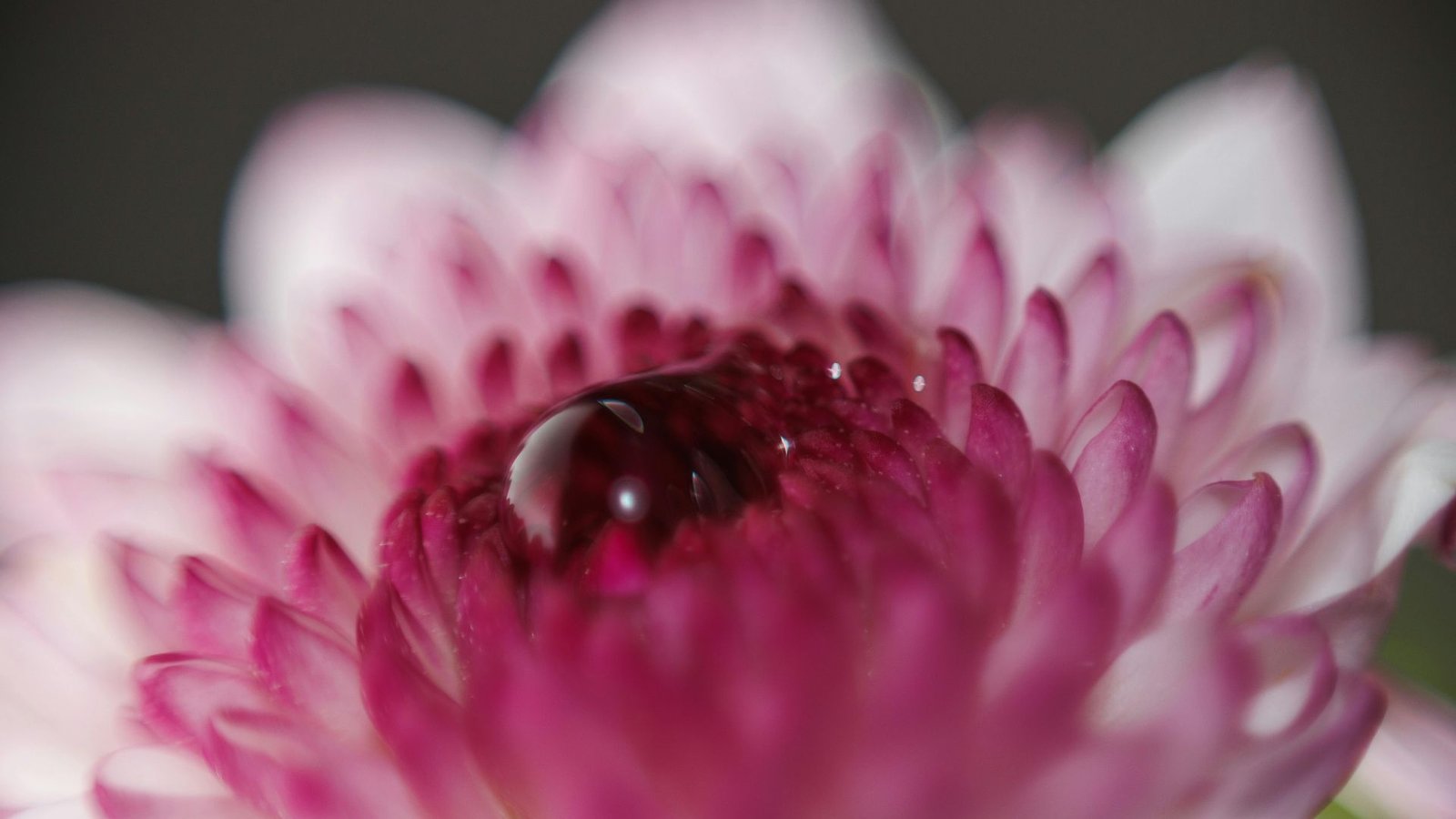
10 World Most Rarest Flowers You’ve Never Seen
World Most Rarest Flowers
Some flowers are so rare that most people will never see them growing in the wild. Their rarity can come from extremely limited habitats, declining populations, unusual growing conditions, or very restricted natural ranges. Some are also famous for unusual colors, shapes, or short blooming periods that make them especially difficult to encounter.
In this guide, you’ll discover 10 of the rarest flowers in the world that you may have never seen before, including the mysterious Middlemist Red, Ghost Orchid, Kadupul, Black Bat Flower, and other extraordinary blooms. Each flower has a unique story that explains why it is so difficult to find.
🌿 What Makes a Flower “Rare”?
Not all flowers are rare.
A flower becomes rare when:
- It grows in limited locations
- It has very small populations
- It requires specific conditions
- It blooms infrequently
Understanding rare flowers guide to exotic unusual blooms helps explain what makes these species so unique:
https://rareflowerworld.com/rare-flowers-guide-to-exotic-unusual-blooms/
Rare flowers are often highly specialized.
That is why they are difficult to find.
Quick Answer
The world’s rarest flowers are difficult to see because they may have extremely limited natural ranges, small populations, unusual growing requirements, or very short flowering periods. Some are also rare because their natural habitats have declined over time. Among the most unusual examples are the Middlemist Red, Rafflesia arnoldii, Ghost Orchid, Juliet Rose, Kadupul, Black Bat Flower, Chocolate Cosmos, Parrot’s Beak, Youtan Poluo, and Franklin Tree Flower. Each has a different reason for being considered rare, making them fascinating examples of the diversity of the plant world.
Quick Comparison
Not every rare flower is rare for the same reason. Some are restricted to a small geographic area, while others have unusual habitats, limited populations, or a history of disappearing from the wild. The table below gives a quick look at what makes each flower unusual and where it is associated with.
Rare Flowers at a Glance
| Flower | Known For | Where It Is Found / Associated With | What Makes It Rare or Unusual |
|---|---|---|---|
| Middlemist Red | Extremely limited surviving plants | New Zealand and cultivated collections | Exceptionally limited surviving population |
| Rafflesia arnoldii | One of the world’s largest individual flowers | Southeast Asia | Rare, parasitic, and dependent on specific host plants |
| Ghost Orchid | White, ghost-like flowers | Florida, Cuba, and parts of the Caribbean | Difficult to find and highly specialized growing conditions |
| Juliet Rose | Rare luxury rose | Cultivated by specialist growers | Famous for its long development and distinctive blooms |
| Kadupul | Night-blooming white flowers | Sri Lanka and tropical regions | Flowers open at night and last only a short time |
| Black Bat Flower | Bat-like appearance | Tropical Southeast Asia | Unusual dark flowers and specialized tropical habitat |
| Chocolate Cosmos | Chocolate-like fragrance | Native to Mexico; cultivated elsewhere | Extremely rare in the wild and largely propagated through cultivation |
| Parrot’s Beak | Curved, parrot-like flowers | Canary Islands | Very restricted natural distribution |
| Youtan Poluo | Tiny, unusual flowers | Reported in parts of Asia | Unusual appearance and uncertain botanical identity |
| Franklin Tree Flower | White, camellia-like blooms | Historically southeastern United States | Extinct in the wild and preserved mainly through cultivation |
Why Are Rare Flowers So Important?
Rare flowers play key roles in ecosystems:
- Supporting pollinators
- Maintaining biodiversity
- Strengthening soil health
- Supporting ecological balance
They are not just beautiful—they are essential.
Understanding rare flowers and ecological balance shows how they support ecosystems:
https://rareflowerworld.com/rare-flowers-and-ecological-balance/
🌿 World’s Most Rarest Flowers You’ve Never Seen
Let’s explore some of the rarest flowers on Earth.
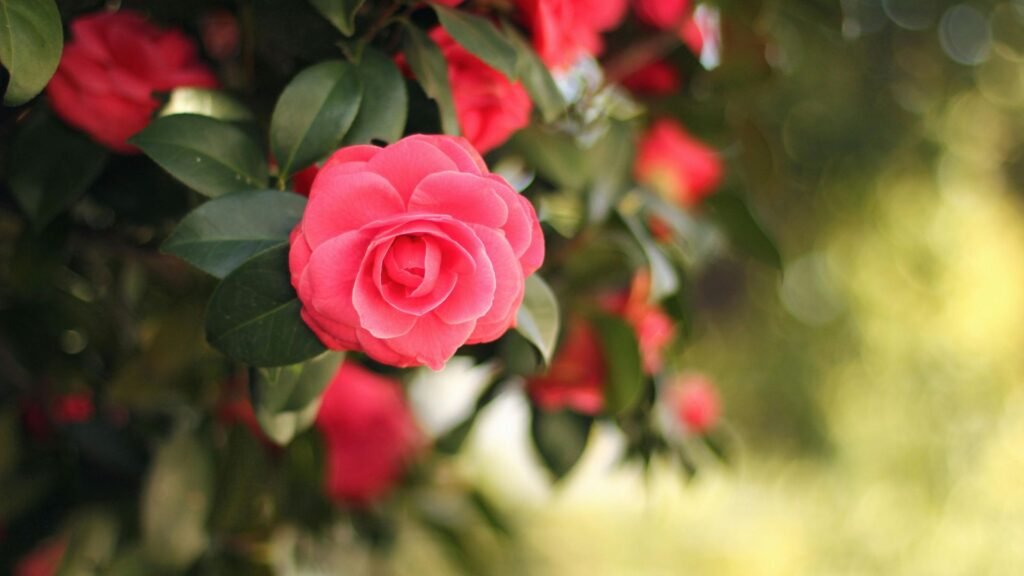
🌼 1. Middlemist Red
Why It’s Rare:
- Only two known plants exist
Location:
- United Kingdom and New Zealand
Unique Feature:
- Bright pink rose-like bloom
This is considered one of the rarest flowers in the world.
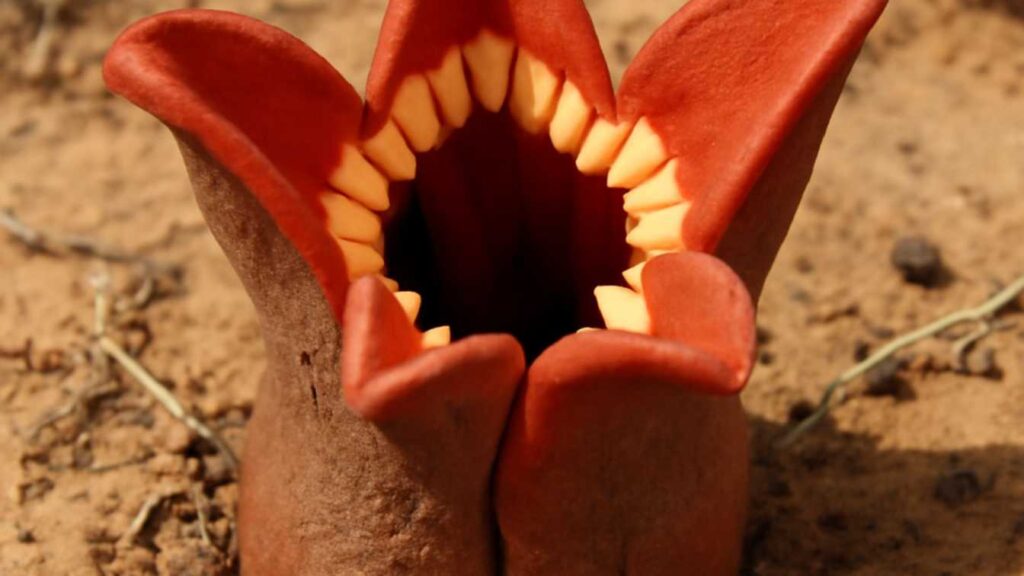
🌼 2. Rafflesia arnoldii
Why It’s Rare:
- Grows only in specific rainforests
Unique Feature:
- Largest individual flower
- Strong odor
It attracts flies for pollination.
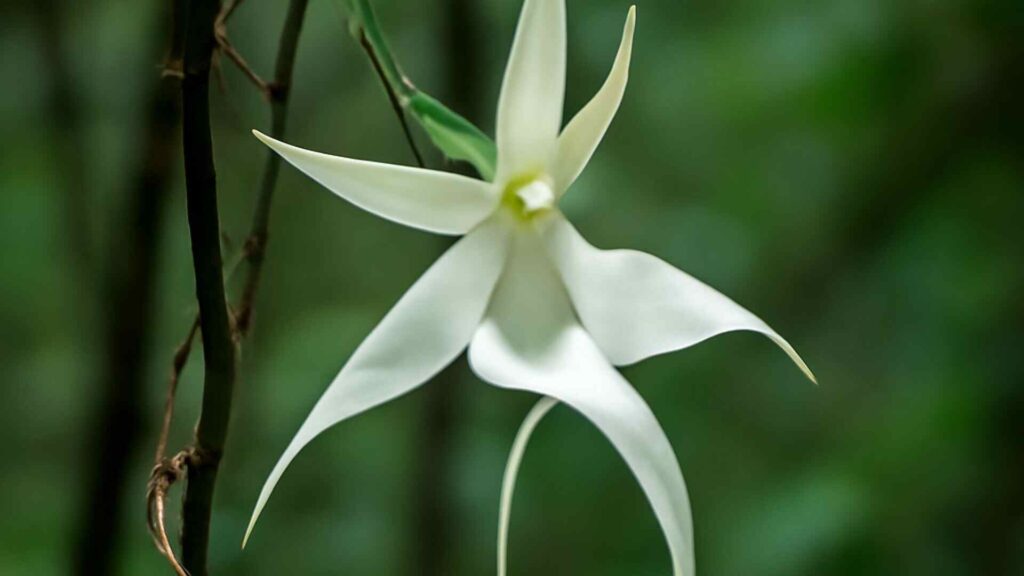
🌼 3. Ghost Orchid
Why It’s Rare:
- Extremely difficult to grow
- Requires specific fungal partners
Unique Feature:
- Appears to float in air
Understanding rare flowers struggle outside their habitat explains why this flower is so difficult to cultivate:
https://rareflowerworld.com/rare-flowers-struggle-outside-their-habitat/
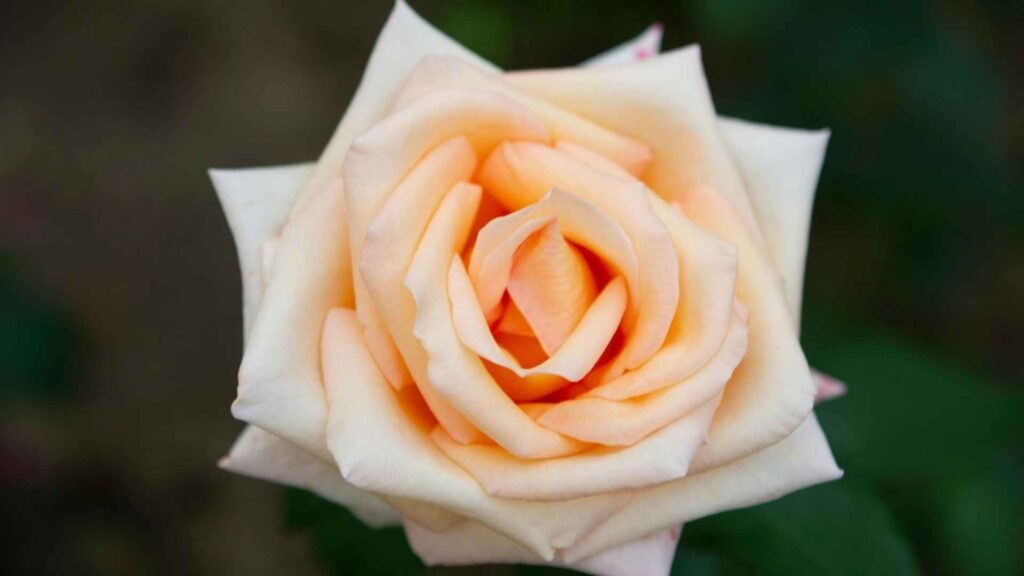
🌼 4. Juliet Rose
Why It’s Rare:
- Took years to develop
Unique Feature:
- Soft peach color
- Highly valued
🌼 5. Kadupul Flower
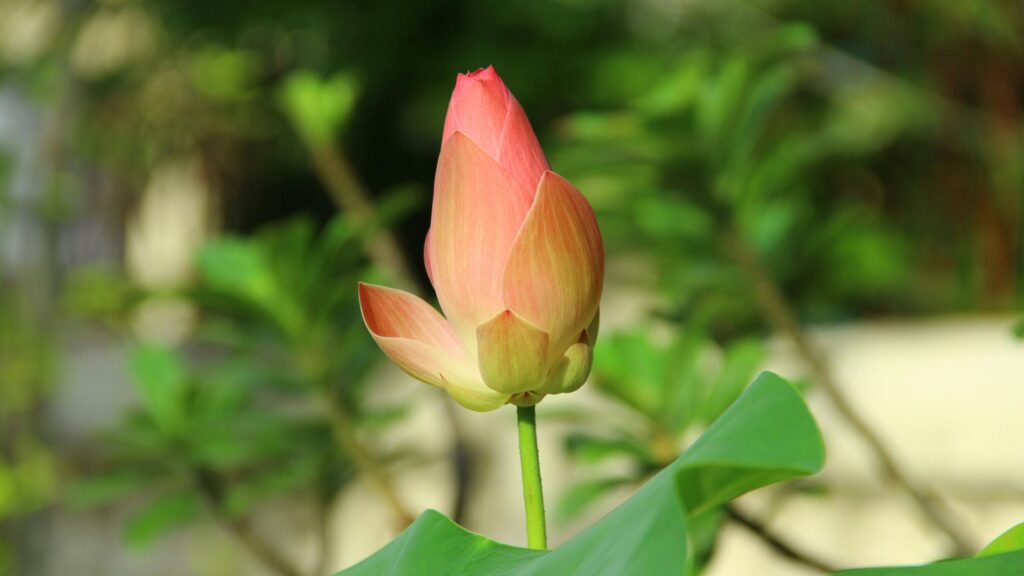
Why It’s Rare:
- Blooms at night
- Wilts before sunrise
Unique Feature:
- Extremely short lifespan
🌼 6. Black Bat Flower
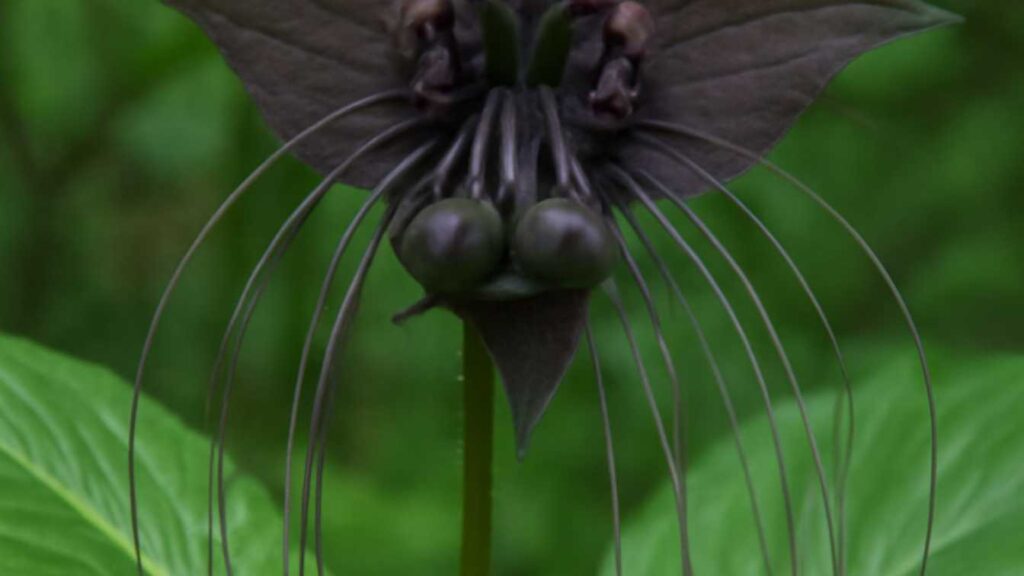
Why It’s Rare:
- Requires tropical conditions
Unique Feature:
- Bat-shaped dark petals
🌼 7. Chocolate Cosmos
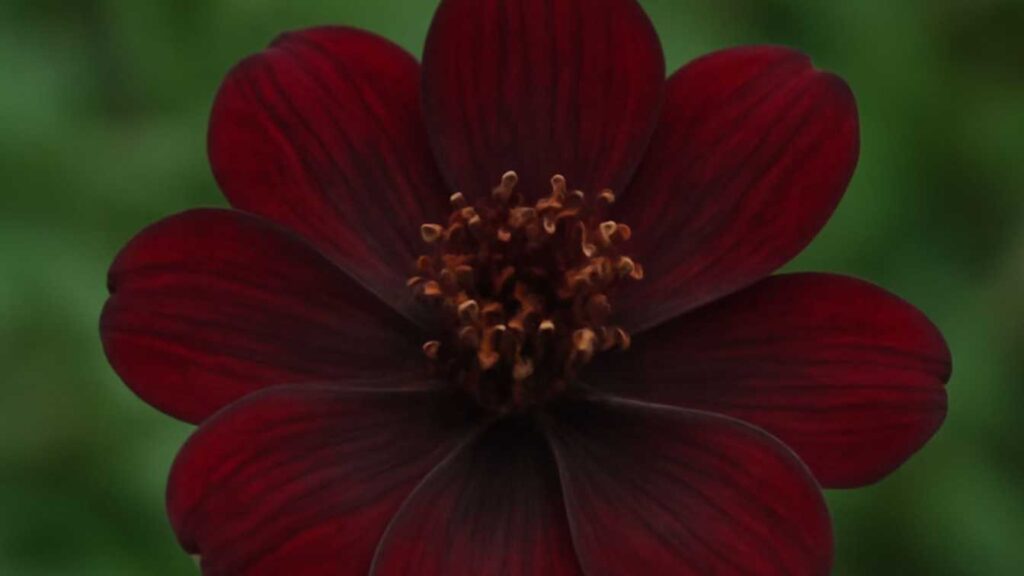
Why It’s Rare:
- Extinct in the wild
Unique Feature:
- Chocolate scent
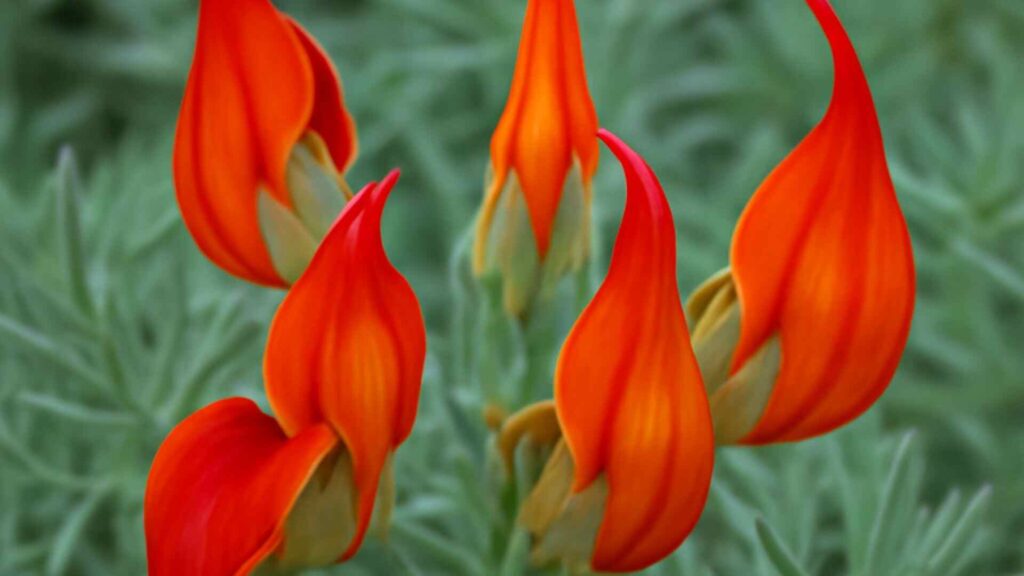
🌼 8. Parrot’s Beak
Why It’s Rare:
- Limited natural habitat
Unique Feature:
- Bird-like shape
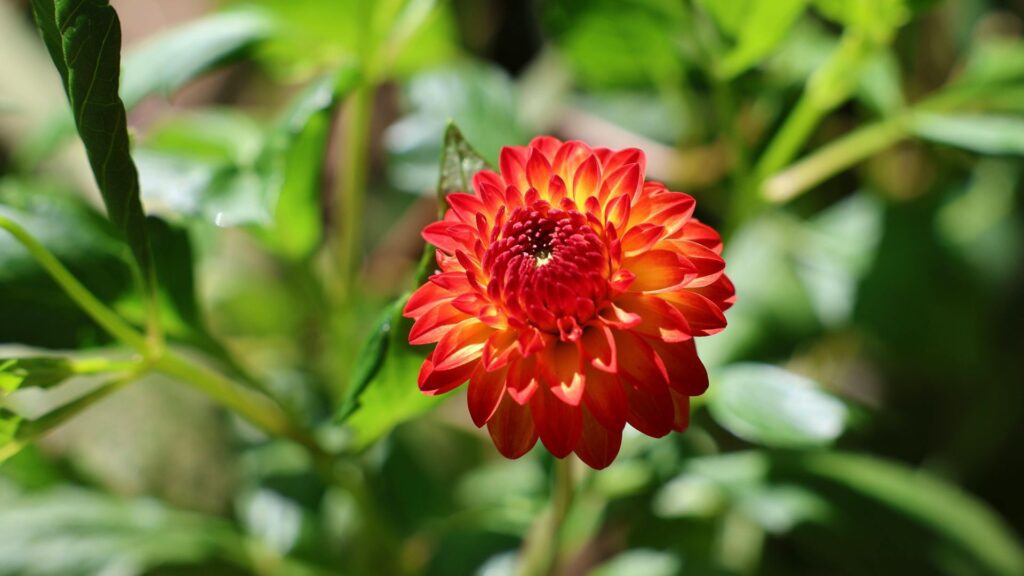
🌼 9. Youtan Poluo
Why It’s Rare:
- Extremely rare sightings
Unique Feature:
- Tiny white blooms
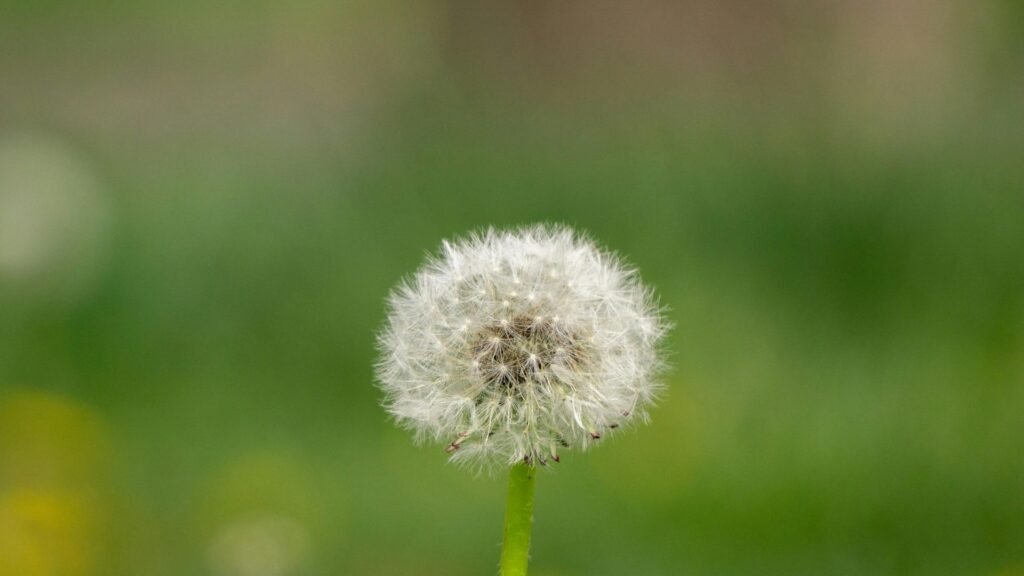
🌼 10. Franklin Tree Flower
Why It’s Rare:
- Extinct in the wild
Unique Feature:
- Beautiful white flowers
🌿 Why These Flowers Are So Hard to Find
Rare flowers survive only in:
- Specific climates
- Unique soil conditions
- Limited ecosystems
Understanding why rare flowers grow in specific regions explains this limitation:
https://rareflowerworld.com/rare-flowers-grow-in-specific-regions/
🌿 External Gardening Insight
Modern plants can be grown with controlled conditions.
For example, watering systems affect plant growth:
https://rootandgear.com/self-watering-pots-vs-regular-pots-which-is-better/
Rare flowers, however, depend entirely on natural ecosystems.
What Makes These Flowers So Rare?
These flowers are considered rare for different reasons. Some have extremely small natural populations, while others survive only in specific habitats or geographic regions. Habitat loss, environmental changes, limited natural reproduction, and specialized growing requirements can also make certain flowers difficult to find. In some cases, their rarity is simply the result of having a very restricted natural distribution.
FAQs
What is the rarest flower in the world?
There is no single universally agreed answer because flower rarity can be measured in different ways, including population size, natural distribution, and how often a species is encountered. Flowers such as the Middlemist Red and Ghost Orchid are often described as exceptionally rare.
Which flower is rarely seen?
The Middlemist Red, Ghost Orchid, and Youtan Poluo are examples of flowers that are rarely encountered. Their limited distribution or unusual flowering characteristics makes them difficult for most people to see.
Why are some flowers so rare?
Flowers can become rare because of habitat loss, restricted geographic ranges, specialized growing conditions, limited reproduction, or naturally small populations.
Can rare flowers be grown at home?
Some rare flowers can be cultivated by specialist growers, but many require specific temperature, humidity, soil, pollination, or growing conditions. A flower being rare in the wild does not necessarily mean it can easily be grown at home.
Final Thoughts
The world’s rarest flowers show just how diverse and unusual the plant kingdom can be. From flowers with extraordinary colors and shapes to species found only in very limited habitats, each one has a different reason for being difficult to see. Learning about these unusual blooms also highlights why protecting their natural habitats matters.