
50 Amazing Blue Flowers You Can Grow at Home (Complete List)
Blue Flowers You Can Grow at Home
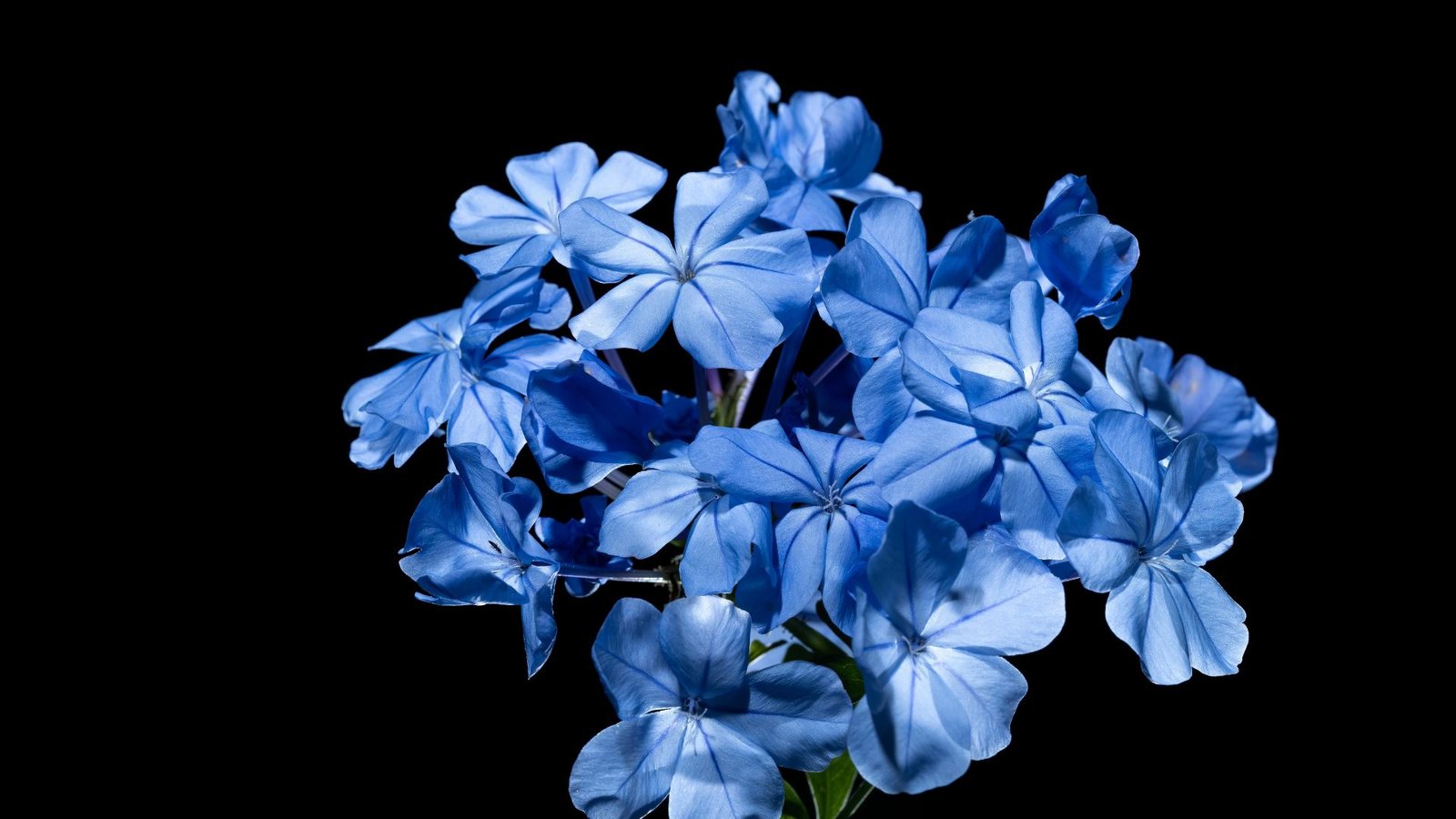
Blue flowers are some of the most beautiful and calming plants you can add to your garden. Unlike common colors like red or yellow, true blue blooms are rare in nature. That’s exactly what makes them so special.
If you’ve ever wanted a peaceful, eye-catching garden, blue flowers are the perfect choice. From deep royal blues to soft sky tones, they can completely transform your outdoor space.
In this guide, you’ll discover 50 blue flowers you can grow at home, along with tips, benefits, and everything you need to know to get started.
🌿 Why Blue Flowers Are So Special
Blue flowers are not just visually attractive—they also create a sense of calm and relaxation. The color blue is linked with:
- Peace and tranquility
- Mental clarity
- Emotional balance
This is why many people prefer blue flowers in gardens, balconies, and even indoor spaces.
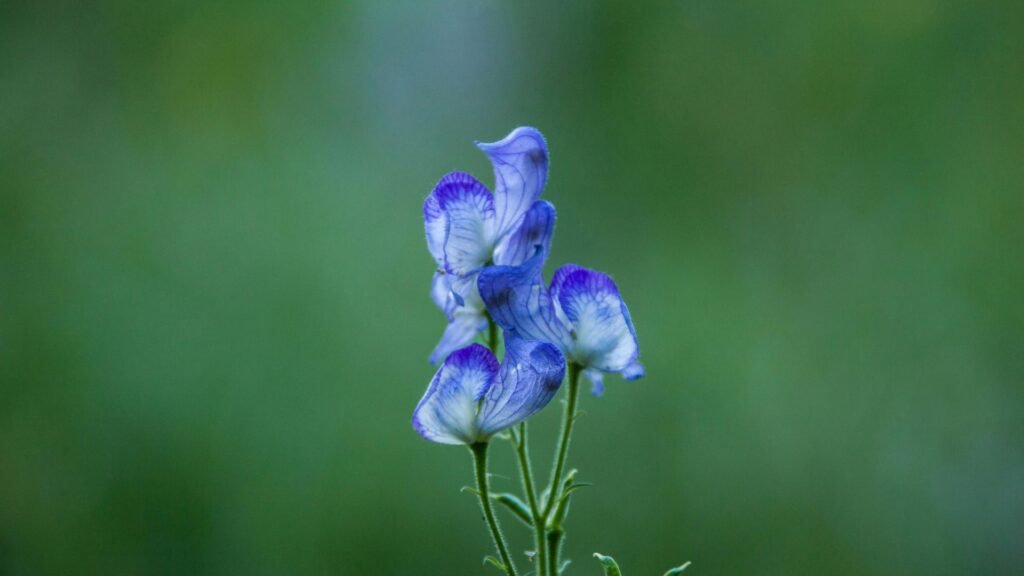
Another reason blue flowers are unique is that plants don’t easily produce blue pigment. This makes true blue flowers less common, increasing their beauty and value.
🌟 Top 15 Blue Flowers to Grow at Home
Let’s start with some of the best and most popular blue flowers you can easily grow.
1. Himalayan Blue Poppy
This is one of the rarest and most stunning blue flowers. It grows best in cool climates and shaded areas.
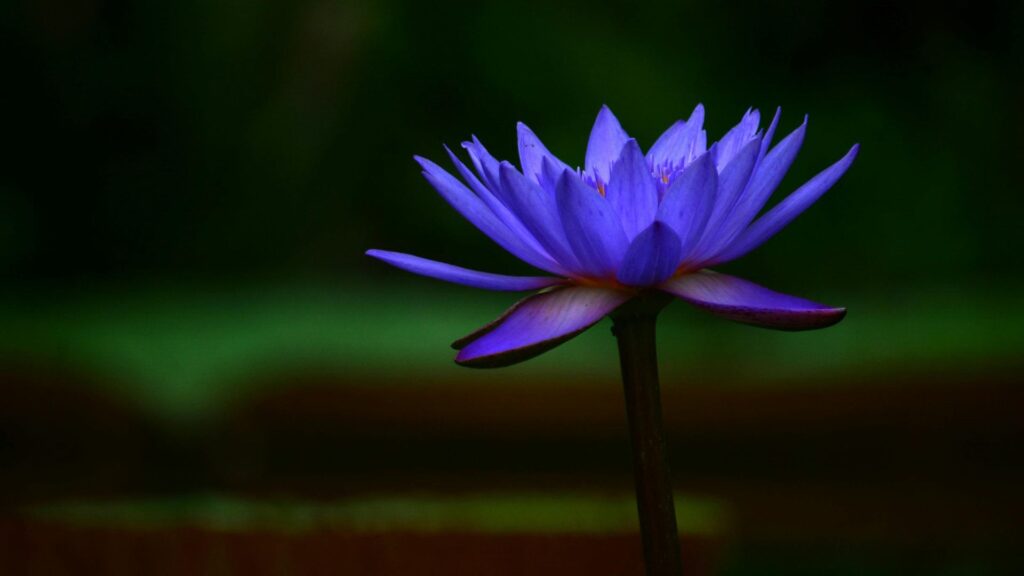
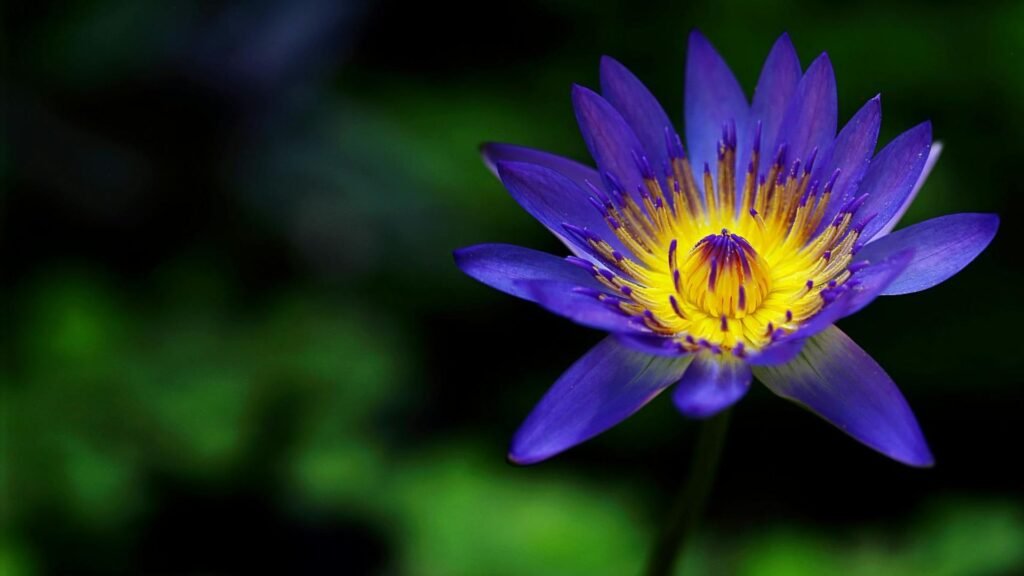
2. Blue Lotus
A symbol of peace and spirituality, the blue lotus grows in water and adds elegance to any garden.
3. Forget-Me-Not
These tiny flowers are easy to grow and perfect for beginners. They spread quickly and create a soft blue carpet.
4. Bluebell
Known for their bell-shaped blooms, bluebells create a magical look, especially in shaded gardens.
5. Delphinium
Tall and vibrant, delphiniums are perfect for adding height and structure to your garden.

6. Cornflower
A bright and cheerful flower that is very easy to grow, even for beginners.
7. Hydrangea (Blue)
Large and bold, hydrangeas can change color depending on soil pH, with blue being the most desired.
8. Morning Glory
A fast-growing climbing plant with beautiful blue flowers that open in the morning.
9. Iris
Elegant and widely loved, irises come in different shades of blue and are easy to maintain.
10. Lobelia
Perfect for hanging baskets and small spaces, lobelia adds a soft blue touch.
11. Gentian
Known for its deep blue color, this flower is rare and grows best in cool environments.
12. Veronica (Speedwell)
A long-lasting flowering plant that attracts bees and butterflies.
13. Balloon Flower
Named for its balloon-shaped buds, this plant is unique and fun to grow.
14. Salvia (Blue)
A hardy plant that thrives in sunny areas and attracts pollinators.
15. Clematis (Blue)
A climbing plant that produces stunning blue flowers and adds beauty to walls and fences.
🌸 Full List of 50 Blue Flowers
Here is the complete list of blue flowers you can explore and grow:
- Himalayan Blue Poppy
- Blue Lotus
- Forget-Me-Not
- Bluebell
- Delphinium
- Cornflower
- Hydrangea (Blue)
- Morning Glory
- Iris
- Lobelia
- Gentian
- Veronica
- Plumbago
- Scabiosa
- Balloon Flower
- Salvia (Blue)
- Clematis (Blue)
- Lithodora
- Campanula
- Aster (Blue varieties)
- Brunnera
- Evolvulus (Blue Daze)
- Agapanthus (Blue)
- Periwinkle
- Speedwell
- Blue Daisy
- Blue Flax
- Borage
- Tweedia
- Nemophila (Baby Blue Eyes)
- Blue Hibiscus
- Jacaranda
- Blue Orchid
- Blue Pea Flower
- Echium
- Anchusa
- Blue Lupine
- Chionodoxa
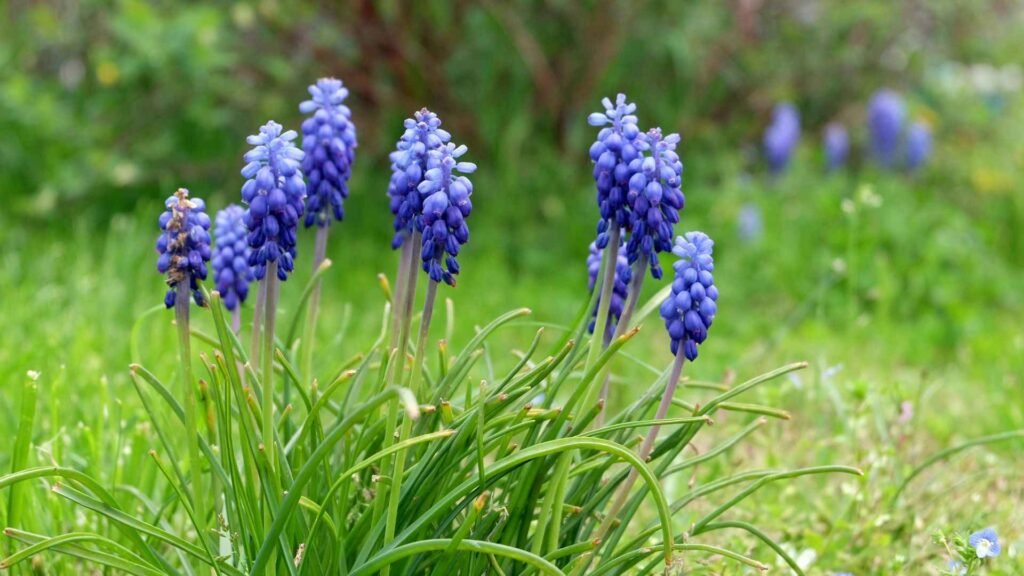
- Muscari (Grape Hyacinth)
- Blue Star Flower
- Pulmonaria
- Ceratostigma
- Blue Columbine
- Blue Foxglove
- Blue Snapdragon
- Blue Zinnia
- Meconopsis
- Nigella (Love-in-a-Mist)
- Anemone (Blue)
- Blue Rose (rare/artificial)
🌱 How to Grow Blue Flowers at Home
Growing blue flowers is not difficult if you follow the right steps.
1. Choose the Right Plants
Pick flowers that suit your climate. Some blue flowers need cool weather, while others grow well in warm regions.
2. Soil Preparation
Use well-drained soil rich in nutrients. Adding compost can improve plant health.
3. Sunlight
Most blue flowers need at least 4–6 hours of sunlight daily.
4. Watering
Keep soil moist but avoid overwatering, as it can damage roots.
5. Fertilizing
Use organic fertilizers to promote healthy growth and better blooms.
🌍 Where Blue Flowers Grow Naturally
Blue flowers can be found in:
- Mountain regions
- Forest areas
- Meadows
- Tropical climates
Some rare species only grow in specific regions, making them even more valuable.
🧠 Why Blue Flowers Are Rare
Blue flowers are rare because plants don’t easily produce blue pigments. It requires special chemical processes inside the plant, which only a few species can achieve.
This rarity is what makes blue flowers so attractive and unique.

🌸 Benefits of Growing Blue Flowers
Growing blue flowers offers many benefits:
- Creates a calm and relaxing environment
- Attracts pollinators like bees and butterflies
- Enhances garden beauty
- Adds uniqueness to your space
❓ Frequently Asked Questions
1. Which blue flower blooms the longest?
Flowers like salvia and lobelia bloom for a long time, especially with proper care and regular watering.
2. Do blue flowers grow in all climates?
Not all blue flowers grow everywhere. Some need cool climates, while others prefer warm and sunny areas.
3. Are blue flowers natural or artificially created?
Most blue flowers are natural, but some like blue roses are often created artificially or through special techniques.
4. Can blue flowers grow in pots?
Yes, many blue flowers like lobelia, petunia, and forget-me-not grow well in pots and containers.
5. Which blue flowers attract butterflies?
Flowers like salvia, lavender (blue varieties), and cornflower are great for attracting butterflies.
6. How often should blue flowers be watered?
Most blue flowers need regular watering, but the soil should not stay too wet. Always keep it slightly moist.
7. Do blue flowers need full sunlight?
Many blue flowers need 4–6 hours of sunlight daily, but some can grow in partial shade.

8. Are blue flowers good for indoor gardening?
Some varieties like blue orchids and hydrangeas can be grown indoors with proper light and care.
9. What is the easiest blue flower to grow?
Cornflower and forget-me-not are among the easiest and most beginner-friendly blue flowers.
10. Why do blue flowers fade or change color?
Some flowers change color due to soil conditions, especially pH levels, or due to environmental factors like sunlight.
11. Why are blue flowers rare?
Because plants struggle to produce true blue pigment naturally.
12. Can blue flowers grow at home?
Yes, many varieties are easy to grow with proper care.
13. Which blue flower is easiest for beginners?
Cornflower and Forget-Me-Not are great starting options.
14. Do blue flowers need special care?
Most need sunlight, good soil, and regular watering.
15. Are blue flowers good for mental health?
Yes, the color blue is known to reduce stress and promote calmness.

🧠 Final Thoughts
Blue flowers are more than just beautiful plants—they bring a sense of calm, balance, and uniqueness that few other colors can offer. In a world full of bright and common blooms, blue flowers stand out because they are rare and naturally soothing. Their presence in a garden can completely change the mood, making the space feel peaceful and refreshing.
Whether you are a beginner or an experienced gardener, growing blue flowers is a rewarding experience. You can start with easy options like cornflowers or forget-me-nots, and slowly explore more rare and exotic varieties as you gain confidence. Each flower has its own charm, story, and growing needs, which makes the journey even more exciting.
The best part is that you don’t need a large garden to enjoy them. Many blue flowers grow well in pots, small spaces, or even balconies. With the right care, sunlight, and soil, you can create a mini paradise filled with calming blue tones.
In the end, growing blue flowers is not just about gardening—it’s about creating a space that relaxes your mind and brings you closer to nature. Start with a few plants, experiment, and enjoy the process. Over time, your garden will become a peaceful escape filled with rare beauty.