
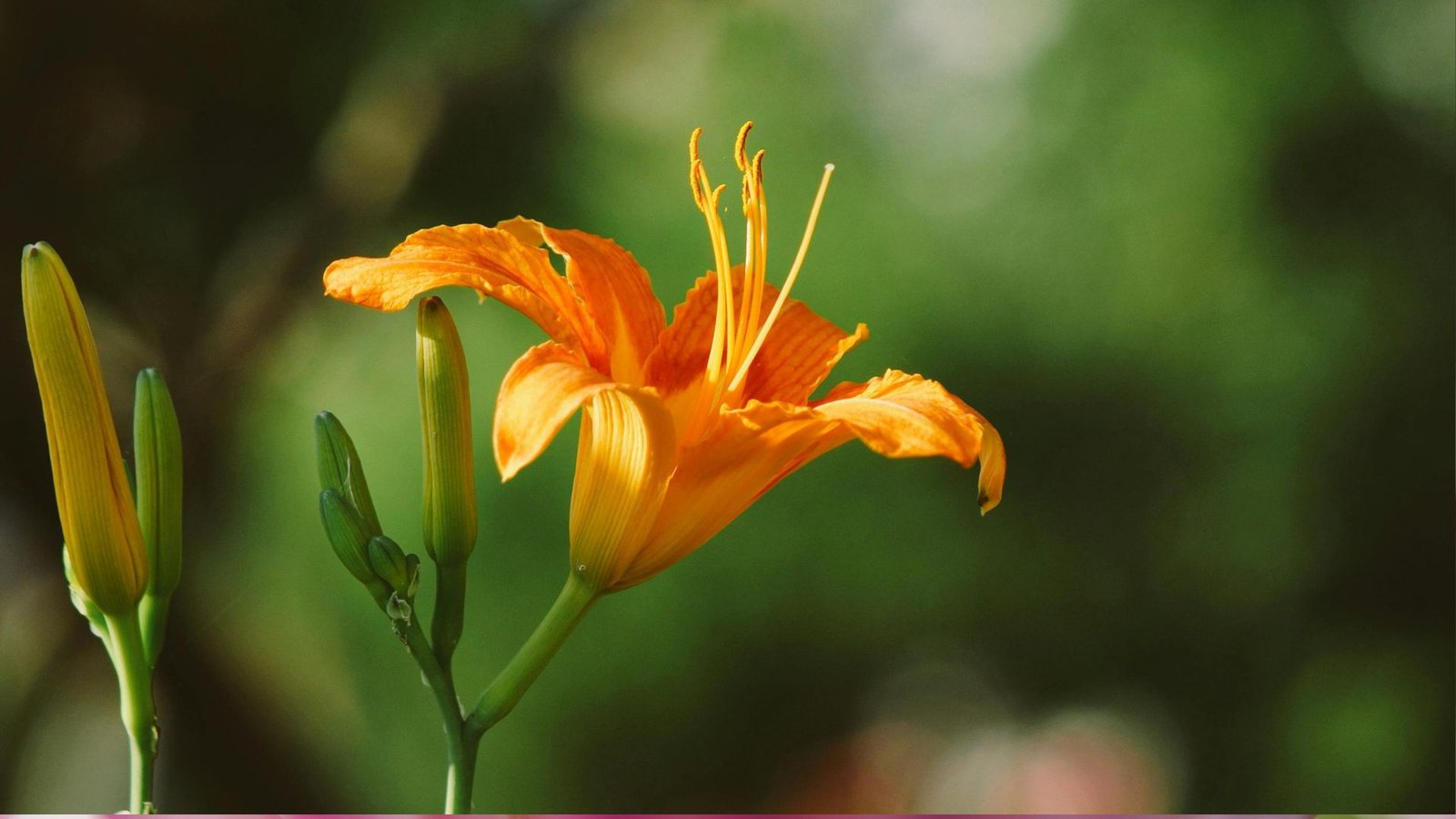
12 Rare Multicolor Flowers You Should Know About
Multicolor flowers bring several colors into a single bloom, creating striking patterns, contrasting edges, stripes, speckles, or blended shades. Some flowers naturally develop these patterns, while others display different colors because of their cultivar or hybrid characteristics.
Popular examples include multicolored roses, bearded irises, pansies, tulips, dahlias, and certain orchids. Their colors and patterns vary by species and variety, so choosing the right plant depends on the appearance you want and the growing conditions available in your garden.
In this guide, you’ll discover 12 multicolor flowers, what makes each one distinctive, when it typically blooms, and what it needs to grow successfully. You’ll also learn which options are suitable for garden beds, containers, and different sunlight conditions.
In this guide, you’ll discover 12 rare multicolor flowers with names, meanings, and fascinating facts that make them truly unforgettable.
Some of these flowers are so colorful that they look almost painted by hand.
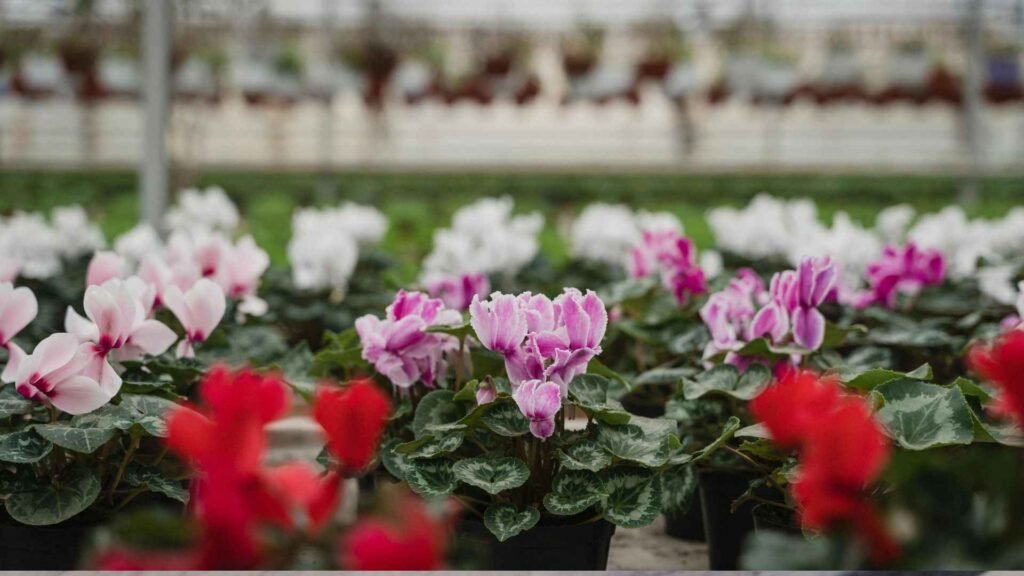
Quick Answer: What Are Rare Multicolor Flowers?
Quick Answer: Some of the most attractive multicolor flowers include bearded iris, pansy, tulip, dahlia, rose, orchid, zinnia, chrysanthemum, petunia, snapdragon, lantana, and blanket flower. Depending on the variety, their blooms may feature contrasting petals, stripes, speckles, colored edges, or several shades blending together. For the best results, choose a variety suited to your climate and check its sunlight, watering, and soil requirements before planting.
🌈 Quick Overview of Rare Multicolor Flowers
Quick Overview of Multicolor Flowers
Multicolor flowers display contrasting shades, stripes, speckles, or color changes within their blooms. Some are naturally patterned, while others owe their appearance to selective breeding or cultivation.
The comparison table below highlights 12 examples, their origins, and their distinguishing characteristics.
Quick Comparison: 12 Multicolor Flowers
| Flower | Main Colors or Patterns | Flowering Season | Best Growing Conditions |
|---|---|---|---|
| Rainbow Rose | Multiple bright colors created through artificial coloring | Depends on the rose variety | Full sun; fertile, well-drained soil |
| Joseph’s Coat Rose | Yellow, orange, red, and pink shades as blooms mature | Depends on cultivar | Full sun; well-drained soil |
| Parrot Tulip | Contrasting colors, streaks, and feathered petals | Spring | Full sun; well-drained soil |
| Multicolored Phalaenopsis Orchid | White, pink, purple, yellow, spots, or stripes, depending on hybrid | Depends on hybrid and growing conditions | Bright, indirect light; airy orchid medium |
| Multicolored Dahlia | Two-tone petals, contrasting tips, or blended shades | Summer to fall in suitable climates | Full sun; fertile, well-drained soil |
| Harlequin Flower (Sparaxis tricolor) | Contrasting petal colors with a darker central marking | Usually spring, depending on climate | Sunny location; well-drained soil |
| Multicolored Zinnia | Red, orange, yellow, and other contrasting shades, depending on cultivar | Summer to frost in suitable conditions | Full sun; well-drained soil |
| Bicolored Bearded Iris | Contrasting upper and lower petals, often with a distinct beard | Usually spring to early summer, depending on cultivar | Full sun; well-drained soil |
| Zinnia ‘Persian Carpet’ | Red, gold, orange, and mahogany tones | Summer to frost in suitable conditions | Full sun; well-drained soil |
| Confetti Lantana (Lantana camara ‘Confetti’) | Mixed yellow, pink, orange, or magenta tones | Extended season in warm climates | Full sun; well-drained soil |
| Candy Stripe Camellia | White petals with pink or red striping, if confirmed for the pictured cultivar | Depends on camellia species and cultivar | Partial shade; acidic, well-drained soil |
| Bicolored Petunia | Contrasting petal edges, stripes, or star-shaped patterns | Spring to frost in suitable conditions | Full sun; well-drained soil |
Note: Flower colors, flowering seasons, and growing requirements vary by species, cultivar, and climate. Confirm the exact cultivar against the image before publishing a specific color claim.
1. Rainbow Rose
Rainbow roses feature petals with multiple vivid colors, often including pink, yellow, blue, green, and purple. Unlike naturally multicolored roses, the bright rainbow effect is generally created by introducing different dyes into the stem so that the colors travel into different parts of the petals. The result is a decorative flower commonly used in bouquets and special-occasion arrangements.
Rainbow roses are usually florist-created flowers rather than a distinct rose cultivar that naturally produces rainbow-colored petals. If you want to grow roses in your garden, choose a suitable rose variety instead and enjoy its natural flower color.
Why It’s Unique: Its artificially created rainbow pattern gives each bloom a striking, multicolored appearance.
Growing Tip: If you want to grow the rose plant used to produce a rainbow-colored display, select a healthy rose suited to your climate. Most garden roses need several hours of sunlight, well-drained soil, and watering at the root zone. Do not describe a dyed cut rose as a naturally occurring rainbow variety.
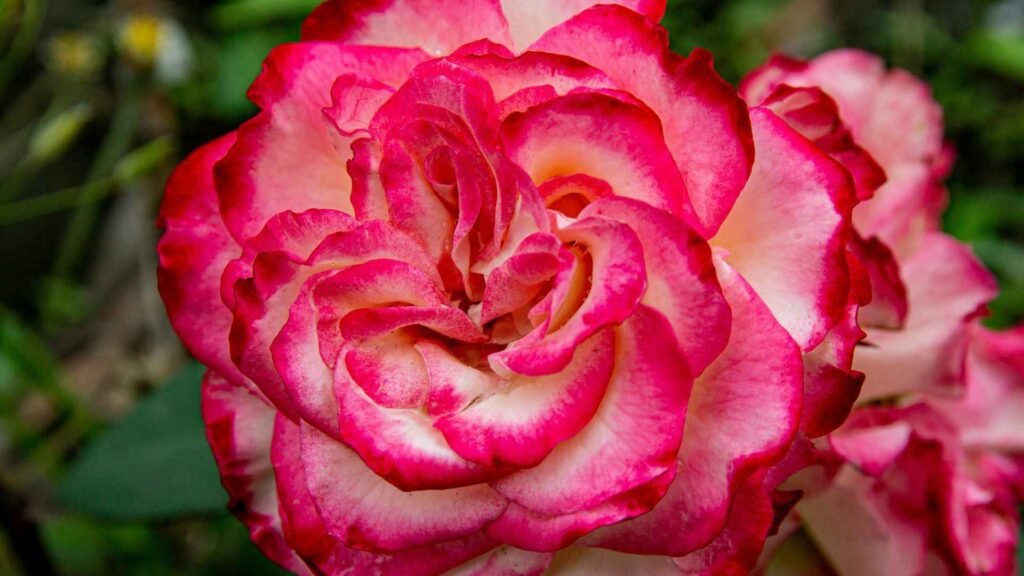
2. Joseph’s Coat Rose
Joseph’s Coat rose (Rosa ‘Joseph’s Coat’) is a climbing rose admired for flowers that can display yellow, orange, scarlet, and reddish tones as they open and mature. The changing colors create a lively display, especially when several blooms appear on the plant at different stages. It is useful for gardeners who want a colorful climber for a trellis, fence, or sturdy garden support.
This rose generally performs best in a sunny location with fertile, well-drained soil. Good air circulation around the foliage can help reduce common rose problems, while consistent watering supports healthy growth during dry weather.
Why It’s Unique: Flowers can show a mixture of warm colors on the same plant, and the display changes as individual blooms mature.
Growing Tip: Provide a strong support for the climbing stems, train new growth as it develops, and water near the soil rather than repeatedly wetting the foliage. Prune according to the rose’s growth habit and local recommendations.
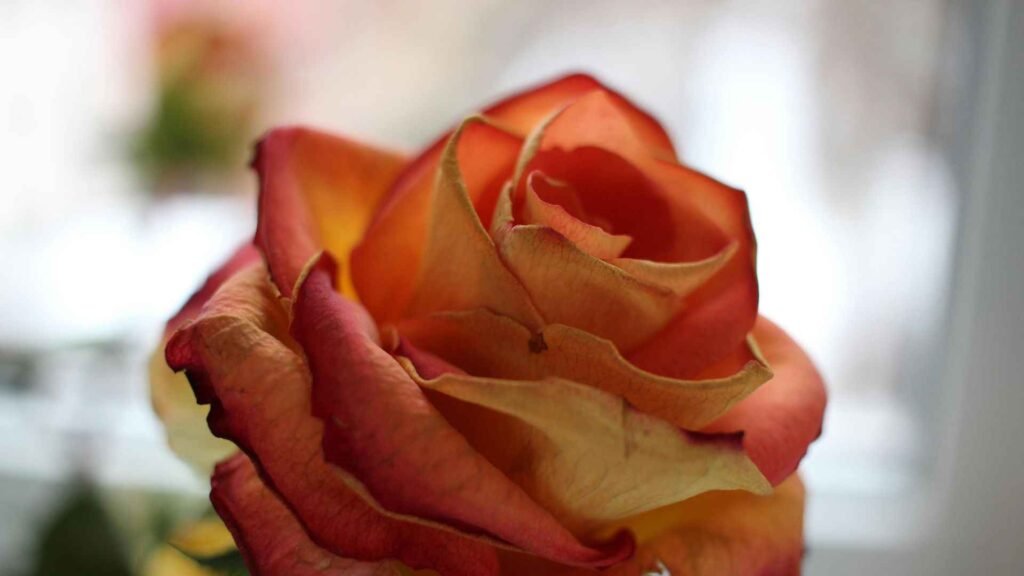
3. Parrot Tulip
Parrot Tulip
Parrot tulips are known for their large, ruffled petals, which often feature contrasting streaks, feathered edges, and combinations of colors such as red, yellow, pink, orange, and purple. Their unusual shapes make them stand out from traditional cup-shaped tulips, especially when planted in groups.
These tulips generally bloom in spring and grow best in a sunny location with well-drained soil. They are suitable for garden borders and containers, provided the bulbs receive the appropriate seasonal conditions.
Why It’s Unique: Its twisted, fringed petals and contrasting colors give each flower a distinctive appearance.
Growing Tip: Plant bulbs in well-drained soil according to your local planting season. Avoid waterlogged conditions, which can cause bulbs to rot.

4. Multicolored Phalaenopsis Orchid
Phalaenopsis orchids, commonly called moth orchids, include many cultivated hybrids with striking combinations of colors. Depending on the hybrid, their broad petals may feature white and pink contrasts, purple spots, yellow centers, stripes, or darker markings. However, not every Phalaenopsis orchid is multicolored, so the pictured plant should match the variety described.
These orchids are popular for indoor growing because their flowers can remain attractive for an extended period under suitable conditions. They generally prefer bright, indirect light, good air circulation, and an airy orchid potting medium rather than dense garden soil.
Why It’s Unique: Their broad, symmetrical petals can display intricate patterns and contrasting colors that make each hybrid distinctive.
Growing Tip: Keep the orchid in bright, indirect light and water when the potting medium approaches dryness. Avoid leaving its roots standing in water, and identify the exact hybrid if you want the article to describe a particular color pattern.

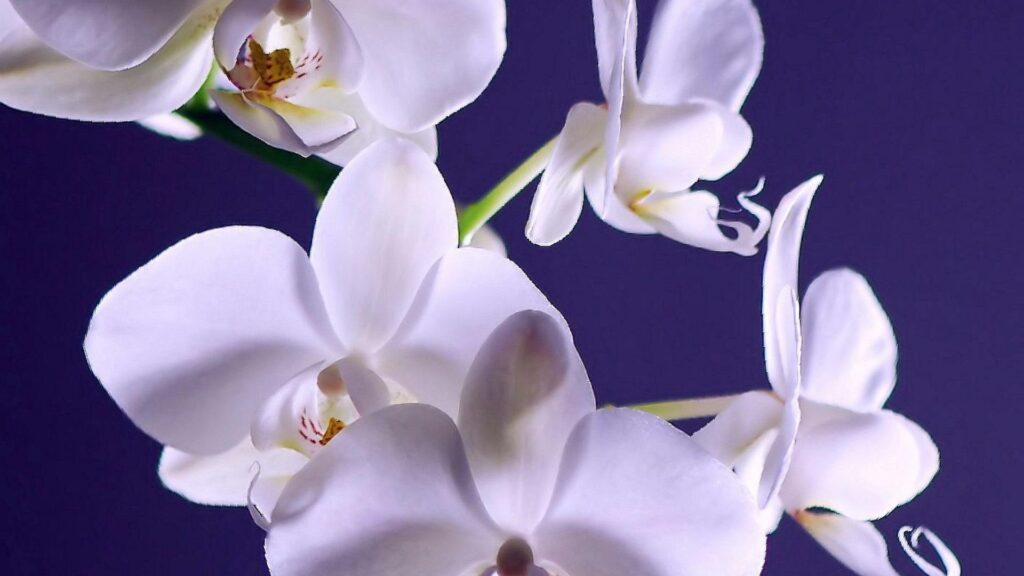
5. Butterfly Amaryllis
Scientific Name: Hippeastrum papilio
The Butterfly Amaryllis is one of the most striking multicolor flowers because of its unusual petal patterns.
Its blooms often combine shades of burgundy, green, white, and pink, creating a butterfly-like appearance.
Why It’s Unique
Its flowers resemble colorful butterfly wings.
Interesting Fact
The species name papilio means “butterfly” in Latin.
6. Multicolor Dahlia
Multicolored dahlias bring bold shapes and contrasting shades to summer and autumn gardens. Depending on the cultivar, their flowers may have two-tone petals, colored tips, stripes, or blends of red, yellow, orange, pink, and white. Dahlia flowers also vary greatly in shape, from simple open blooms to tightly packed, many-petaled forms.
Dahlias generally flower from summer into autumn when growing conditions are suitable. They perform best in a warm, sunny, sheltered spot with fertile, well-drained soil. Taller varieties may need staking because their large flower heads can become heavy, especially after rain.
Why It’s Unique: The wide range of flower shapes and color combinations makes it possible to choose dahlias for many different garden styles.
Growing Tip: Water regularly during active growth, particularly in hot weather, but avoid waterlogged soil. Remove faded flowers to encourage further blooming. In areas with freezing winters, protect or lift and store the tubers according to local growing guidance.

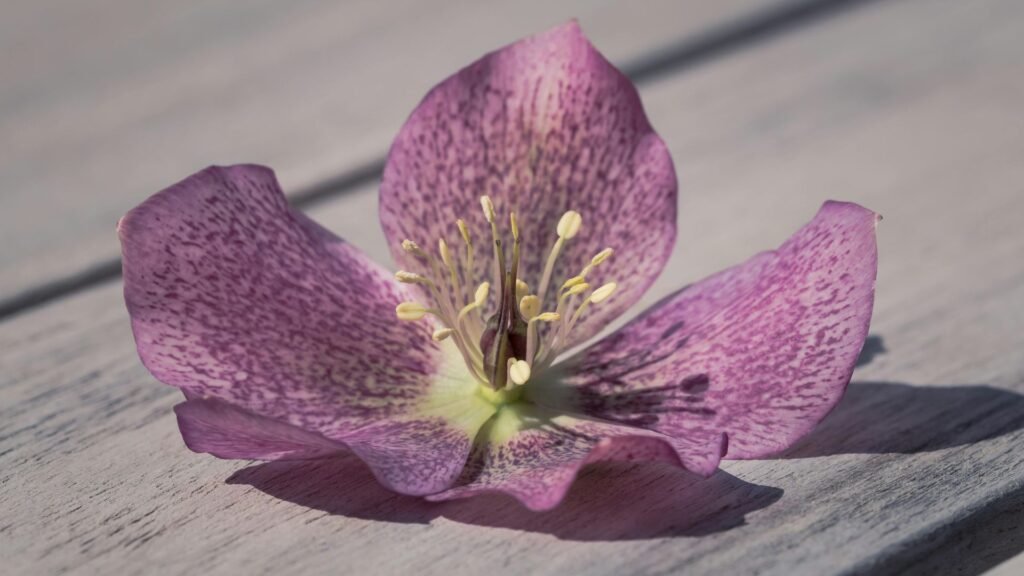
7. Harlequin Flower
Harlequin flower is a bulb-growing plant known for its bright, star-shaped flowers and contrasting central markings. Its petals may combine shades of orange, red, yellow, purple, or white, depending on the variety. The dark central markings make the colors appear especially vivid, giving the flowers a distinctive patterned look.
Harlequin flowers generally bloom in spring under suitable conditions, although timing varies with climate and planting conditions. They are often grown in groups in sunny borders, rock gardens, or containers where the individual flowers can be seen clearly.
Why It’s Unique: Its contrasting petal colors and dark central markings create a bold, geometric-looking flower pattern.
Growing Tip: Grow the bulbs in a sunny position with well-drained soil. Water during active growth, but reduce excess moisture when the plants are dormant. Check the local planting season and winter requirements before growing them outdoors year-round.
8.Zinnia ‘Persian Carpet’
Zinnia ‘Persian Carpet’ is a colorful flowering plant known for its warm, multicolored blooms. Its flowers can combine shades of red, gold, orange, and mahogany, creating contrasting patterns on individual flower heads. Unlike artificially dyed flowers, these colors are a natural feature of this cultivated zinnia variety.
This zinnia is an excellent choice for sunny flower beds, cottage gardens, and cutting gardens. It grows best in full sunlight and well-drained soil. Regularly removing faded flowers can encourage continued blooming and keep the plant looking attractive throughout the growing season.
Why It’s Unique: Its naturally occurring bicolored and multicolored blooms provide a vivid display without artificial coloring.
Growing Tip: Sow seeds after the danger of frost has passed, choose a sunny location, and avoid keeping the soil constantly waterlogged.

9. Multicolor Zinnia
Multicolored zinnias are popular annual flowers with bright, open or densely layered blooms. Depending on the cultivar, their petals may display contrasting tips, stripes, or combinations of colors such as red, orange, yellow, pink, and white. Some varieties produce mostly single-colored blooms, so choose a documented multicolored cultivar if color patterns are important to your garden design.
Zinnias grow well in sunny flower beds and containers and are also useful as cut flowers. They generally flower during summer and can continue into autumn where the weather remains suitable. Warm conditions, sufficient sunlight, and well-drained soil help them grow and bloom well.
Why It’s Unique: Named cultivars and seed mixes offer a broad range of color combinations, including genuinely bicolored flowers.
Growing Tip: Sow seeds in warm conditions and plant outdoors after the danger of frost has passed. Water at the soil level when practical, provide good spacing for airflow, and remove faded flowers to encourage further blooms.

10. Confetti Lantana (Lantana camara ‘Confetti’)
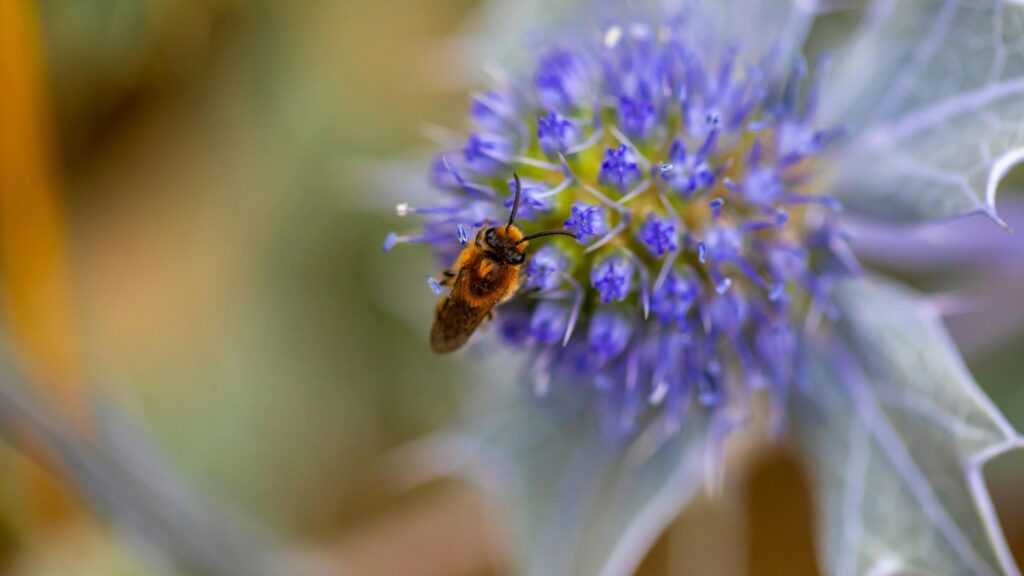
Confetti lantana is a flowering plant valued for its rounded clusters of small, multicolored flowers. Depending on the plant and growing conditions, these clusters can display combinations of yellow, pink, orange, and magenta. The individual flowers may change in appearance as they mature, giving each cluster a lively mix of colors.
This variety works well in sunny borders, landscape beds, and outdoor containers. It prefers full sun and well-drained soil and can tolerate heat once established. In warm climates, it may flower over a long season, while colder regions may require growing it as an annual or protecting it from frost.
Why It’s Unique: Several colors appear together in compact flower clusters, creating a confetti-like effect.
Growing Tip: Provide plenty of sunlight and avoid overwatering. Check local guidance before planting because lantana can spread in suitable climates, and its berries are toxic if eaten.
11. Candy Stripe Camellia
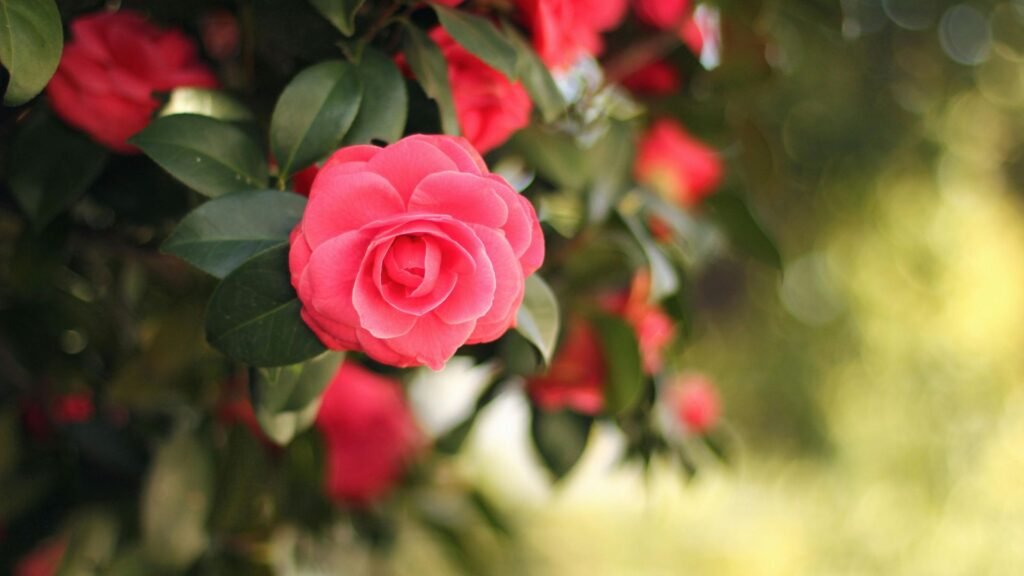
Scientific Name: Camellia japonica
The Candy Stripe Camellia is a beautiful flower known for its white petals decorated with pink or red stripes.
Its elegant appearance has made it one of the most popular multicolor camellia varieties.
Why It’s Unique
Its striped petals look hand-painted.
Interesting Fact
No two Candy Stripe Camellia flowers are exactly alike.
12. Bicolored Bearded Iris (Iris hybrids)
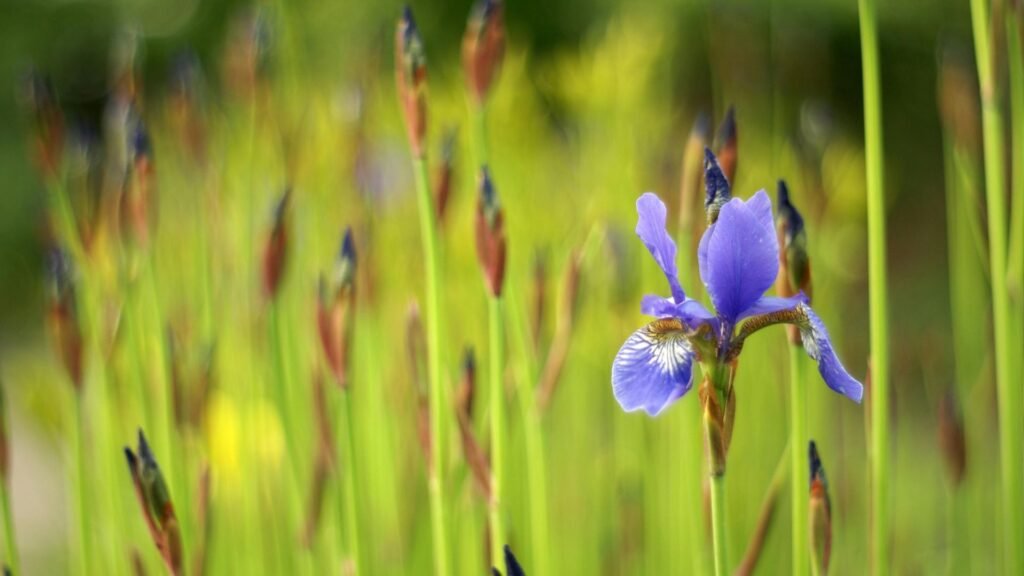
Bicolored bearded irises are cultivated iris varieties whose flowers display contrasting colors across their upper and lower petals. The upright petals are called standards, while the downward-facing petals are called falls. Depending on the cultivar, these parts may differ in color, include contrasting edges, or feature distinctive markings around the beard.
Bearded irises are attractive choices for sunny borders and perennial beds. Most prefer plenty of sunlight and well-drained soil. Their flowering season varies by cultivar and climate, and many bloom mainly during a particular period in spring or early summer rather than continuously throughout the year.
Why It’s Unique: The contrast between the standards, falls, and central beard creates a distinctive multicolored flower.
Growing Tip: Plant the rhizomes in a sunny, well-drained location and avoid burying them too deeply. Use the correct cultivar name and a matching photograph when describing a specific iris.
🌿 Best Rare Multicolor Flowers for Home Gardens
If you want colorful blooms in your garden, these varieties are excellent choices:
1. Joseph’s Coat Rose
Easy to grow and produces changing flower colors.
2. Multicolor Zinnia
Long blooming season and beginner-friendly.
3. Candy Stripe Camellia
Elegant flowers with unique striped petals.
4. Parrot Tulip
Creates dramatic spring displays.
These flowers provide exceptional color and visual interest throughout the growing season.
FAQs About Rare Multicolor Flowers
1. What is the rarest multicolor flower?
The Rainbow Rose is one of the rarest and most recognizable multicolor flowers because of its extraordinary rainbow-colored petals.
2. Are multicolor flowers natural?
Some multicolor flowers occur naturally due to genetics and natural variations, while others are developed through selective breeding and cultivation techniques.
3. What do multicolor flowers symbolize?
Multicolor flowers often symbolize:
- diversity
- creativity
- happiness
- beauty
- celebration
Their colorful appearance represents uniqueness and individuality.
4. Can multicolor flowers grow in home gardens?
Yes, many multicolor flowers can grow successfully in home gardens, including:
- Joseph’s Coat Rose
- Multicolor Zinnia
- Parrot Tulip
- Candy Stripe Camellia
5. Which multicolor flower is easiest to grow?
The Multicolor Zinnia is one of the easiest options because it blooms for a long time and requires relatively simple care.
6. Are multicolor flowers expensive?
Some rare multicolor flowers can be expensive because of their unique appearance and limited availability, especially specialty orchids and cultivated roses.
7. Which multicolor flower attracts pollinators?
Flowers such as Multicolor Zinnia, Parrot Tulip, and Harlequin Flower attract butterflies, bees, and other pollinators.
8. Why are multicolor flowers so unusual?
Multicolor flowers are uncommon because producing multiple pigments and patterns within a single bloom requires complex genetic and biological processes.
🌈 Final Thoughts on Rare Multicolor Flowers
Multicolor flowers bring variety to gardens through contrasting petals, stripes, speckles, and changing shades. From Parrot Tulips and bicolored irises to Joseph’s Coat Roses and multicolored zinnias, each offers a different way to add visual interest.
Choose varieties suited to your climate, sunlight, and available space, and check their individual growing requirements before planting. With the right selection, you can enjoy distinctive blooms without choosing plants that are difficult to maintain.
Whether you admire the vibrant beauty of the Rainbow Rose, the changing colors of Joseph’s Coat Rose, or the dramatic petals of the Parrot Tulip, these flowers demonstrate the incredible creativity found in the natural world.
🔗 Explore More Rare Flower Guides
You may also enjoy: