

10 Rare Flowers in the World You Should Know About
Introduction
Rare flowers are among the most fascinating plants on Earth. Some bloom only in remote regions, while others are so unusual that most people never see them in real life.
In this guide, you’ll discover 10 rare flowers in the world with names, origins, and fascinating facts that make them truly unique.
In this article, we’ll dive deep into the top 10 rare flowers in the world. Each one has its own charm, mystery, and history. From blossoms that look like parrots in flight to plants that bloom only once in decades, these flowers will change the way you think about the natural world. Whether you’re a flower enthusiast, a gardener, or simply someone curious about hidden wonders of Earth, you’re in for a treat.
“Some of these rare flowers are so unusual that they almost look unreal.”
Quick Answer: Rare flowers are uncommon plants that grow in limited environments or require special conditions to survive. Some of the rarest flowers in the world are endangered and difficult to find in nature.
🌿 Why Are Rare Flowers Important?
Rare flowers play an important role in maintaining biodiversity and healthy ecosystems. Many rare flowers support pollinators such as bees, butterflies, and birds, helping plants reproduce naturally.
Because some rare flowers grow only in specific regions, they are also important indicators of environmental health and ecological balance.
🌍 Where Do Rare Flowers Grow?
Rare flowers are usually found in isolated or specialized environments where unique climate and soil conditions exist.
Some grow in:
- tropical rainforests
- mountains
- deserts
- remote islands
- wetlands
These limited habitats make rare flowers difficult to find and protect.
⚠️ Why Are Rare Flowers Disappearing?
Many rare flowers are disappearing because of habitat destruction, climate change, pollution, and human activity.
Deforestation, urban expansion, and illegal plant collection have reduced the natural habitats of many rare species. Conservation efforts are important to protect these flowers for future
Chocolate Cosmos – A rare flower from Mexico with a fragrance similar to chocolate.generations.
Ghost Orchid – A mysterious flower known for its floating appearance and extreme rarity.
Kadupul Flower – A night-blooming flower from Sri Lanka that wilts before sunrise.
Jade Vine – Famous for its glowing turquoise-blue flowers found in the Philippines.
Corpse Flower – One of the world’s strangest flowers, known for its strong odor.
📊 Rare Flowers in the World (Quick Overview)
| Flower Name | Scientific Name | Origin/Region | Rarity Level |
|---|---|---|---|
| Parrot’s Beak | Lotus berthelotii | Canary Islands | Rare |
| Corpse Flower | Amorphophallus titanum | Indonesia | Rare |
| Ghost Orchid | Dendrophylax lindenii | USA & Cuba | Extremely Rare |
| Juliet Rose | Rosa ‘Juliet’ | Cultivated Worldwide | Rare |
| Chocolate Cosmos | Cosmos atrosanguineus | Mexico | Rare |
| Kadupul Flower | Epiphyllum oxypetalum | Sri Lanka | Extremely Rare |
| Youtan Poluo | Udumbara Flower | Asia | Extremely Rare |
| Gibraltar Campion | Silene tomentosa | Gibraltar | Extremely Rare |
| Fire Lily | Gloriosa superba | Africa & Asia | Rare |
| Jade Vine | Strongylodon macrobotrys | Philippines | Rare |
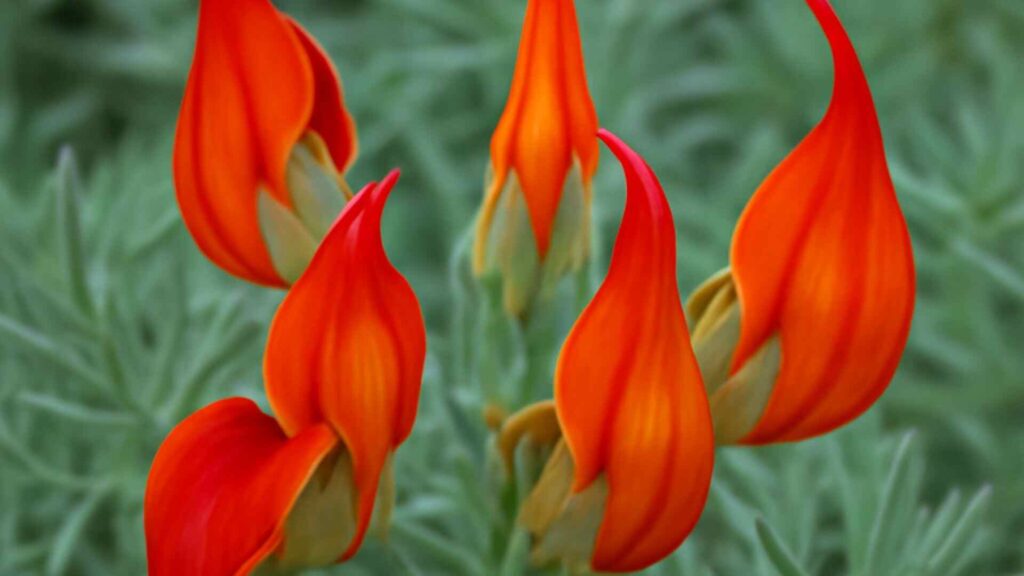
Parrot’s Beak (Lotus berthelotii)
- Scientific Name: Lotus berthelotii
- Where It Grows: Canary Islands
- Rarity Level: Rare
- Why It’s Rare: Habitat loss and lack of natural pollinators have reduced its population
- Interesting Fact: Its flowers resemble the curved beak of a parrot
The Parrot’s Beak flower, native to the Canary Islands, looks as if an artist painted it with fiery strokes of red, orange, and yellow. Its curved petals resemble a parrot in mid-flight, making it one of the most visually striking flowers in the world.
This plant thrives in rocky, sunny landscapes, but sadly, it has become extremely rare in the wild due to habitat loss. Conservationists have been working hard to preserve it, and it is now mostly grown in controlled environments or as an ornamental plant.
Fun fact: In the 19th century, botanists thought this flower was pollinated by sunbirds—yet no sunbirds currently live in the Canary Islands. This mystery has puzzled scientists for decades, adding to the allure of the Parrot’s Beak.
Gardeners love it as a hanging basket plant because the trailing vines showcase its vibrant, flame-like flowers beautifully. It’s a reminder that rare beauty often requires careful protection.
Corpse Flower (Amorphophallus titanum)
- Scientific Name: Amorphophallus titanum
- Where It Grows: Indonesia
- Rarity Level: Rare
- Why It’s Rare: Requires specific rainforest conditions and blooms infrequently
- Interesting Fact: Produces a strong odor similar to rotting flesh
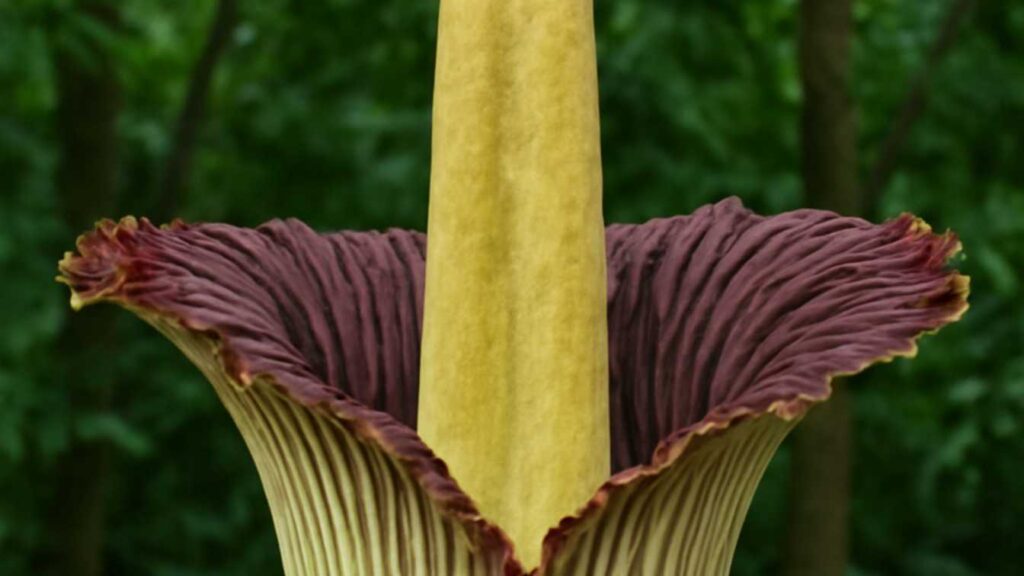
Known as the world’s largest flower, the Corpse Flower is infamous for its terrible smell, often compared to rotting flesh. Native to Sumatra, Indonesia, this plant can grow over 10 feet tall, and its bloom cycle is as rare as its odor—it can take up to 10 years or more for one flower to bloom.
Despite the unpleasant smell, crowds gather in botanical gardens whenever this flower blooms. The stench is actually part of its survival mechanism, attracting carrion beetles and flies that help with pollination.
What makes it even more fascinating is the plant’s life cycle. After blooming, the flower collapses within a few days, and the plant may not bloom again for years. Each appearance becomes a global event, making it one of the rarest floral spectacles on Earth.
If you ever get the chance to witness it, hold your nose—but don’t miss the opportunity.
Ghost Orchid (Dendrophylax lindenii)
- Scientific Name: Dendrophylax lindenii
- Where It Grows: USA and Cuba
- Rarity Level: Extremely Rare
- Why It’s Rare: Extremely sensitive to environmental changes and difficult to cultivate
- Interesting Fact: Appears to float in the air because it has no visible leaves
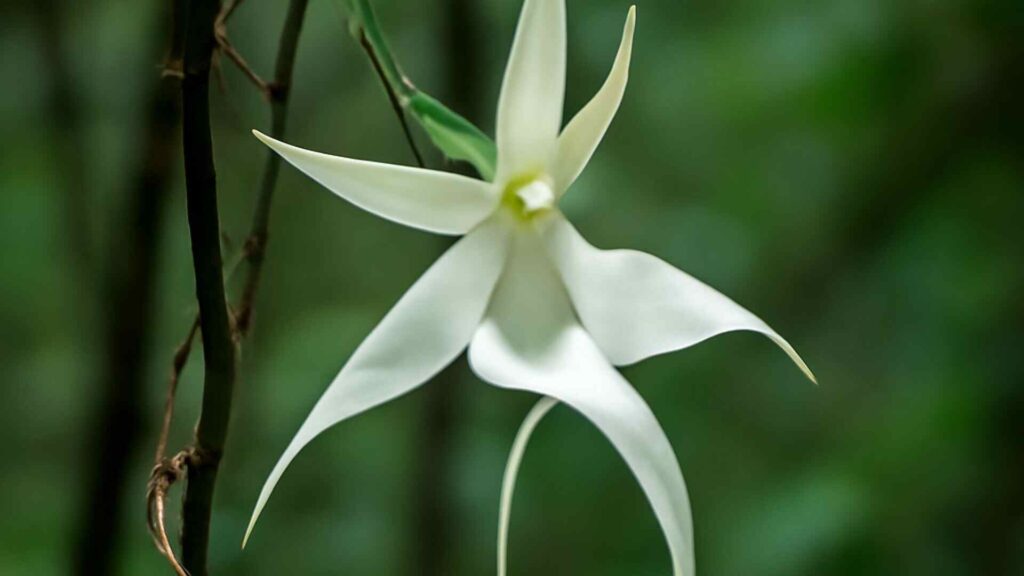
Hidden deep in the swamps of Florida and the Caribbean, the Ghost Orchid is one of the most mysterious flowers in the world. Its delicate white petals look like a ghost floating in midair, giving the flower its haunting name.
This orchid is almost impossible to cultivate outside its natural habitat because it requires a symbiotic relationship with specific fungi to survive. It clings to tree trunks in damp, shaded areas, making it an elusive sight even for seasoned orchid hunters.
Culturally, the Ghost Orchid has inspired legends and even crime novels. Its rarity has made it highly sought-after, sometimes even leading to illegal poaching. Yet its fragility makes it a symbol of purity and resilience at the same time.
Spotting a Ghost Orchid in the wild is considered a once-in-a-lifetime experience, one that leaves you with an unforgettable memory of nature’s hidden artistry.
Juliet Rose (Rosa ‘Juliet’)
- Scientific Name: Rosa ‘Juliet’
- Where It Grows: Cultivated worldwide
- Rarity Level: Rare
- Why It’s Rare: Took years of careful breeding to create
- Interesting Fact: Known as one of the most expensive roses ever developed
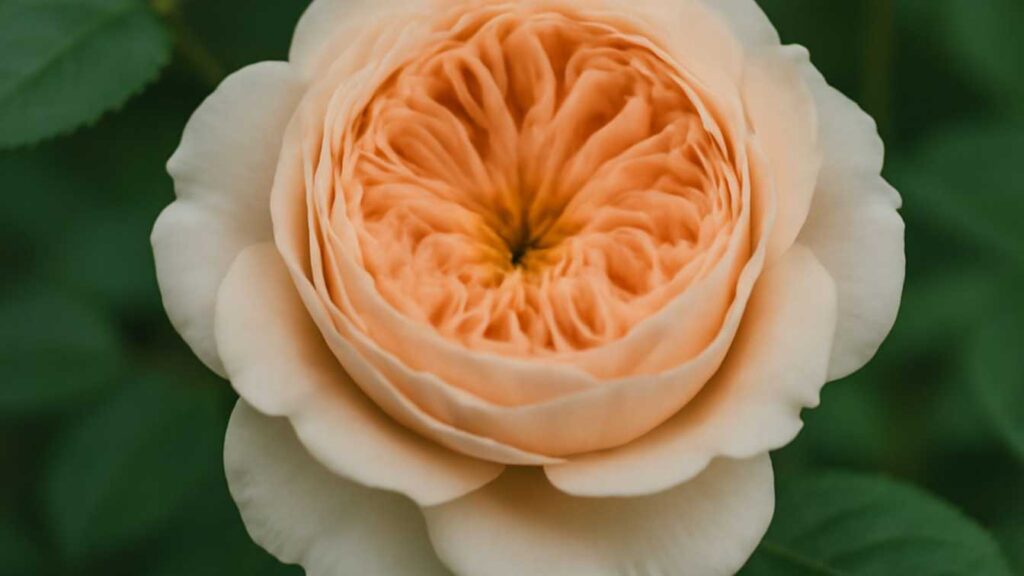
The Juliet Rose is often called the “£3 million rose” because that’s how much it cost British breeder David Austin to create it over 15 years. This peach-hued rose is not found in the wild—it’s a human-made masterpiece of patience, dedication, and botanical brilliance.
What makes the Juliet Rose so special is not just its rarity, but its perfection. The petals spiral into a symmetrical, cup-like bloom, releasing a subtle fragrance that feels almost royal. It’s often used in luxury weddings and floral displays, symbolizing elegance, grace, and timeless love.
Unlike other rare flowers that depend on fragile ecosystems, the Juliet Rose reminds us that human creativity, combined with respect for nature, can also give birth to marvels. It’s not just a flower—it’s a story of perseverance and artistry.
Chocolate Cosmos (Cosmos atrosanguineus)
- Scientific Name: Cosmos atrosanguineus
- Where It Grows: Mexico
- Rarity Level: Rare
- Why It’s Rare: Extinct in the wild and survives mainly through cultivation
- Interesting Fact: Produces a fragrance similar to chocolate
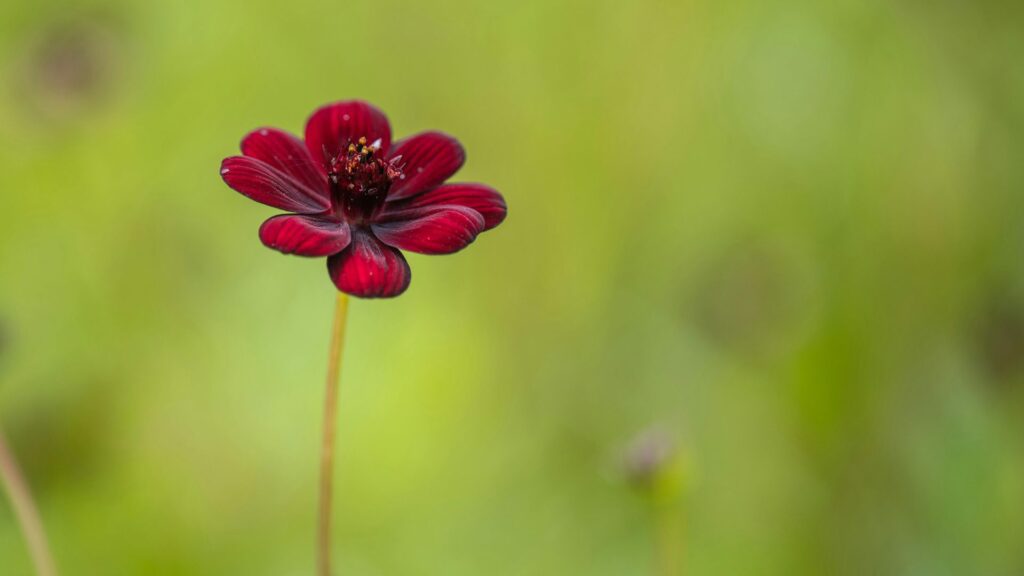
Imagine walking into a garden at night and smelling the rich aroma of chocolate—that’s the Chocolate Cosmos for you. Native to Mexico, this velvety maroon flower emits a delicious cocoa fragrance that makes it truly one of a kind.
Sadly, this flower is extinct in the wild. What survives today are clones cultivated by botanists to keep the species alive. That makes each bloom a living treasure, preserved through science and care.
Its unique scent, coupled with its rarity, makes the Chocolate Cosmos a favorite among collectors and gardeners looking for something truly special. It also serves as a reminder of the fragility of ecosystems and the importance of conservation.
Wouldn’t you love a flower that not only pleases your eyes but also tempts your nose with the smell of chocolate?
Kadupul Flower (Epiphyllum oxypetalum)
- Scientific Name: Epiphyllum oxypetalum
- Where It Grows: Sri Lanka
- Rarity Level: Extremely Rare
- Why It’s Rare: Blooms only at night and wilts before sunrise
- Interesting Fact: Often called the “Queen of the Night”
The Kadupul Flower, native to Sri Lanka, is considered priceless because it can’t be bought or sold. Why? Because it blooms only at night and wilts before dawn. By the time the sun rises, its beauty is already gone.
This ephemeral flower has earned legendary status. In Buddhist culture, it’s believed to bring blessings and good fortune. The fleeting nature of its bloom also makes it a powerful symbol of life’s transience—beautiful yet temporary.
Witnessing a Kadupul Flower bloom is almost magical. Its star-shaped white petals glow softly in the moonlight, and for a few short hours, it transforms the garden into something ethereal.
It’s the kind of flower that teaches us to appreciate beauty in the moment, reminding us that not everything precious can be possessed.
Youtan Poluo
- Scientific Name: Udumbara flower (legendary name)
- Where It Grows: Rarely reported in Asia
- Rarity Level: Extremely Rare
- Why It’s Rare: Said to bloom very rarely according to legends
- Interesting Fact: Associated with spiritual symbolism in Buddhist traditions
Youtan Poluo is a flower that sparks curiosity because of its tiny size—so small it can rest on the tip of your finger. Found in China, India, and parts of Asia, this flower is said to bloom only once every 3,000 years according to Buddhist folklore.
While scientists believe it’s actually a parasitic plant that blooms more often than the myth suggests, the flower’s mysterious reputation continues to capture imaginations. Its delicate, lace-like blossoms look almost unreal, like something out of a fairy tale.
Whether the legend is true or not, the Youtan Poluo stands as a reminder that even the smallest wonders of nature can carry the greatest stories.
Gibraltar Campion (Silene tomentosa)
- Scientific Name: Silene tomentosa
- Where It Grows: Gibraltar
- Rarity Level: Extremely Rare
- Why It’s Rare: Exists naturally in only a small rocky area
- Interesting Fact: Once believed to be extinct before rediscovery
Once thought to be extinct, the Gibraltar Campion is a rare flower that grows only on the rocky cliffs of Gibraltar. In fact, for years, scientists believed it was gone forever—until it was rediscovered in 1994.
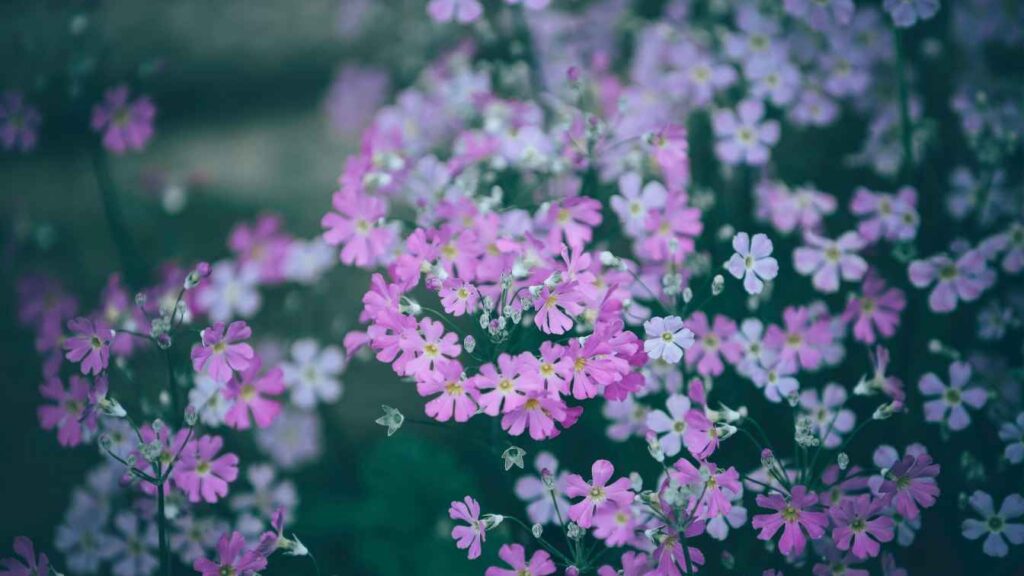
The flower has delicate pink or purple petals, but its real beauty lies in its resilience. Growing in cracks and crevices where few plants can survive, it represents survival against the odds.
Today, it’s carefully protected in Gibraltar’s botanical gardens, where it continues to thrive under conservation programs. For locals, it has become a symbol of national pride and strength.
It’s not just a flower—it’s proof that nature can surprise us even when we think all hope is lost.
Fire Lily (Gloriosa superba)
- Scientific Name: Gloriosa superba
- Where It Grows: Africa and Asia
- Rarity Level: Rare
- Why It’s Rare: Overharvesting and habitat destruction threaten its survival
- Interesting Fact: Its flame-like petals create a dramatic appearance
Also called the Glory Lily, this flame-shaped flower looks like fire frozen in bloom. Native to tropical regions of Africa and Asia, the Fire Lily is both stunning and dangerous—it contains toxins that can be lethal if ingested.
Its bright red and yellow petals curl backward dramatically, resembling flickering flames. In many cultures, it symbolizes passion, courage, and transformation. However, its poisonous nature makes it a flower to admire from afar rather than handle directly.
The Fire Lily’s duality—both beautiful and deadly—shows us that not all rare things are meant to be possessed. Some are meant to be respected for their wild power.

Jade Vine (Strongylodon macrobotrys)
- Scientific Name: Strongylodon macrobotrys
- Where It Grows: Philippines
- Rarity Level: Rare
- Why It’s Rare: Deforestation has reduced its natural habitat
- Interesting Fact: Famous for its glowing turquoise-blue flowers
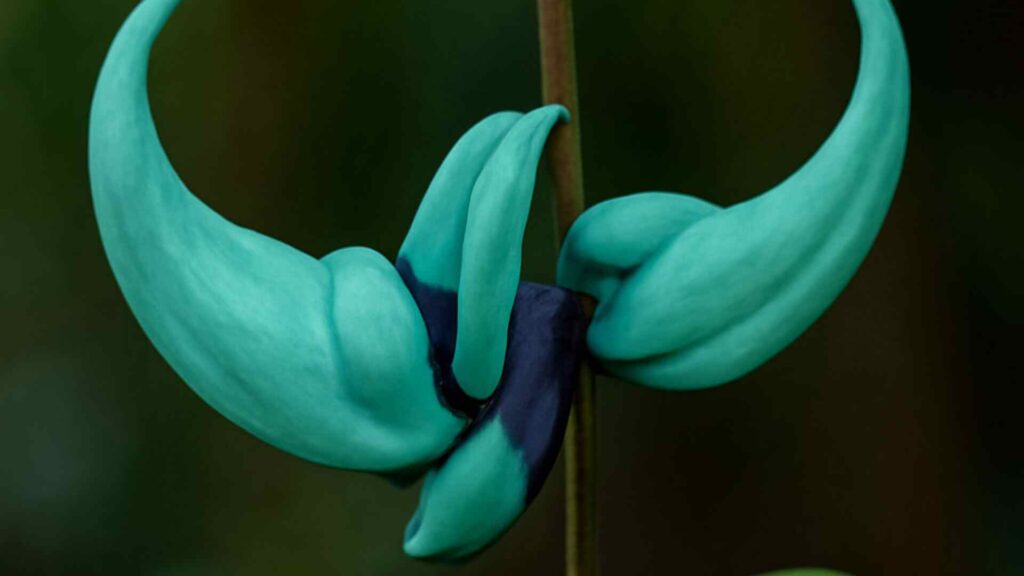
Native to the rainforests of the Philippines, the Jade Vine is famous for its cascading clusters of turquoise-blue flowers. Its color is so unusual in the plant kingdom that it often leaves first-time viewers speechless.
The vine grows best in tropical, humid environments, relying on bats for pollination. Sadly, deforestation has threatened its existence, making it increasingly rare to find in the wild.
When in full bloom, the Jade Vine looks like a waterfall of gemstones hanging from the treetops. It’s no wonder that this plant is considered one of the crown jewels of the botanical world.
Rare Flowers in the World
These 10 rare flowers remind us that nature is full of surprises—some breathtaking, some fleeting, and others even a little strange. Each one tells a story of resilience, fragility, and wonder. From flowers that bloom for just a few hours to those that smell like chocolate or rotting flesh, they show us that beauty comes in many forms.
More than just pretty faces, these flowers are symbols of conservation. Many of them are endangered or extinct in the wild, which means protecting them is crucial. They remind us to cherish the planet’s biodiversity and to recognize the magic in every corner of the natural world.
So the next time you pass by a common rose or daisy, remember: somewhere out there, in a remote jungle or rocky cliff, a flower is blooming that few humans will ever see.
❓ FAQs About Rare Flowers in the World
1. What is the rarest flower in the world?
The Middlemist Red is often considered one of the rarest flowers because only a few known plants exist.
2. Why are some flowers so rare?
Some flowers are rare because they grow only in specific environments and require unique climate conditions.
3. Are rare flowers endangered?
Yes, many rare flowers are threatened by habitat destruction, climate change, and human activity.
4. Can rare flowers be grown at home?
Some rare flowers can be cultivated at home, but others require specialized environments and care.
5. Where are rare flowers commonly found?
Rare flowers are often found in rainforests, mountains, remote islands, and protected natural areas.
6. Why are rare flowers important?
Rare flowers support biodiversity, help pollinators survive, and maintain ecological balance.