Most Fragrant Flowers That Attract Pollinators (Guide)
Introduction
Have you ever walked into a garden and instantly felt calm just because of the scent in the air? That’s the magic of fragrant flowers. But their sweet smell isn’t just for humans to enjoy — it plays a powerful role in nature’s survival system.
Fragrant flowers use their scent as a signal, attracting pollinators like bees, butterflies, and even night-flying moths. These scents act like invisible invitations, guiding pollinators to the flower’s nectar while helping plants reproduce. In fact, many of the world’s most fragrant blooms have evolved specifically to attract certain species, making them an essential part of pollination ecosystems.
What’s even more fascinating is that different flowers release their fragrance at different times. Some bloom during the day to attract bees, while others release stronger scents at night to attract moths and bats. This perfectly timed strategy ensures that pollination continues around the clock.
Understanding the role of fragrant flowers goes beyond gardening — it reveals how deeply connected plants and pollinators are. Without these natural interactions, many ecosystems would struggle to survive.
A flower’s beauty may first catch your eye, but its fragrance captures your heart. Around the world, there are countless flowers that bring joy with their unique colors and shapes. But nothing compares to the magic of walking through a garden and being surrounded by sweet, soothing scents. Fragrant flowers not only elevate the mood but also attract pollinators like bees, butterflies, and even hummingbirds. Many cultures use these flowers in rituals, perfumes, teas, and medicines because of their heavenly aromas.
In this article, we’ll take a closer look at the top 10 most fragrant flowers in the world. From exotic blossoms that bloom only at night to classics like roses that never go out of style, you’ll discover their origins, cultural meanings, and why they’re loved by gardeners and flower enthusiasts worldwide.
SUMMARY
Fragrant flowers are more than just beautiful additions to gardens — they play a crucial role in supporting pollination ecosystems. Their scents attract specific pollinators, helping plants reproduce and maintain biodiversity. Different flowers adapt their fragrance patterns to match the behavior of pollinators, ensuring effective pollination both day and night.
By planting fragrant flowers in your garden, you can support local pollinators while enhancing the sensory beauty of your space. These flowers not only improve the environment but also contribute to a balanced and thriving ecosystem.
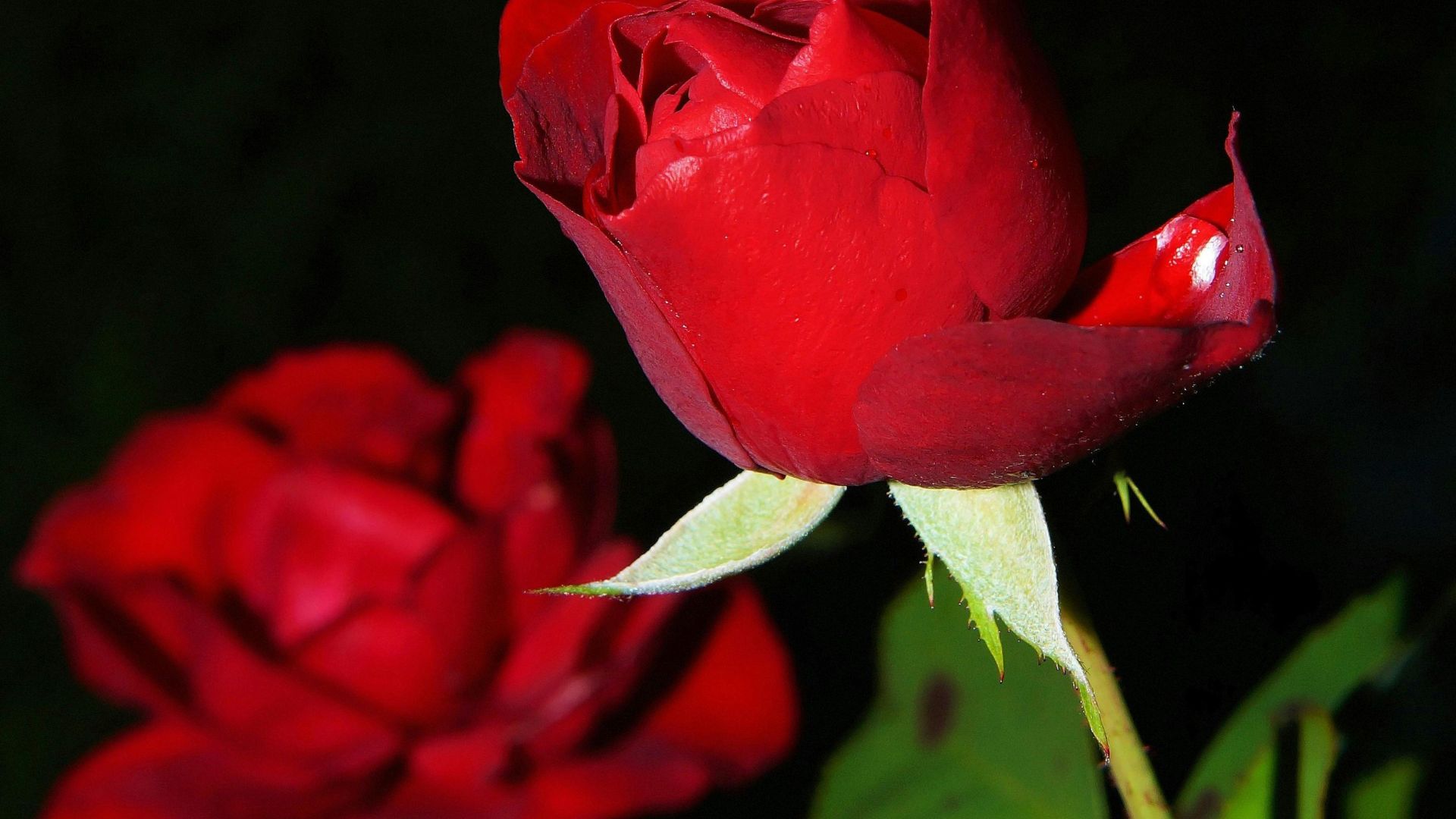
1. Rose – The Queen of Fragrance 🌹
The rose is one of the most famous flowers in the world, and for good reason. Known as the “queen of flowers,” roses symbolize love, romance, and passion. Beyond their breathtaking beauty, roses are also admired for their incredible fragrance. Different varieties give off distinct scents, ranging from sweet and citrusy to deep and musky.
- Origin: Asia, later spread worldwide.
- Uses: Perfumes, oils, teas, and skincare products.
- Fun fact: The Damask rose, grown in Bulgaria and Turkey, is considered one of the most fragrant types and is used to make luxurious rose oil.
Gardeners often choose fragrant roses for romantic gardens, while perfumers value them as the backbone of classic scents.
2. Jasmine – A Sweet Night Blooming Star 🌙
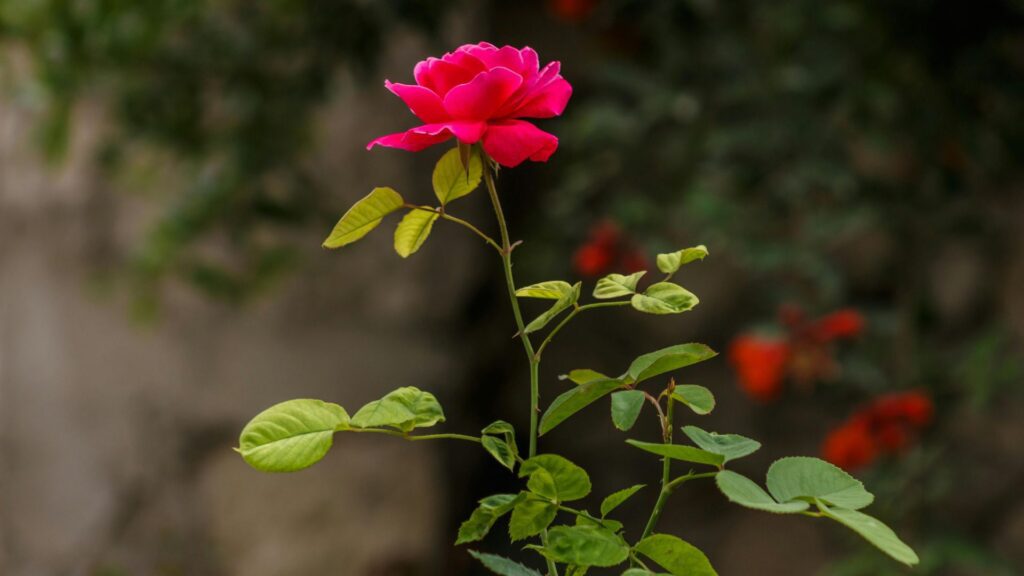
Jasmine is celebrated across Asia for its intoxicating fragrance. Unlike many flowers that bloom in the day, jasmine releases its scent in the evening, filling the air with sweetness when the world is quiet.
- Origin: Native to tropical and warm temperate regions of Eurasia, Africa, and Oceania.
- Symbolism: Purity, beauty, and divine hope.
- Cultural use: In India and Thailand, jasmine is used in weddings and religious ceremonies.
The essential oil from jasmine flowers is a prized ingredient in perfumes, and the flowers are also brewed into calming teas.
3. Gardenia – Elegance with an Intense Aroma 🌼
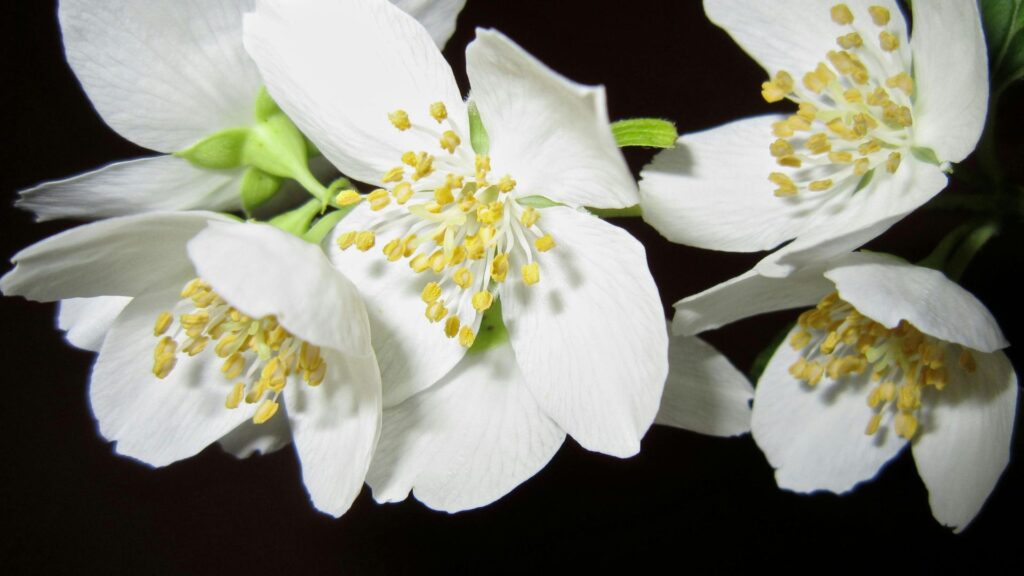
Gardenias are known for their creamy white petals and rich, intoxicating fragrance. These flowers often symbolize purity, love, and refinement.
- Origin: Native to Asia and the Pacific Islands.
- Uses: Perfumes, essential oils, and traditional medicine.
- Fun fact: In Victorian times, gardenias were considered a symbol of secret love.
Their strong aroma makes them perfect for both indoor and outdoor gardens, though they require a bit of care to thrive.
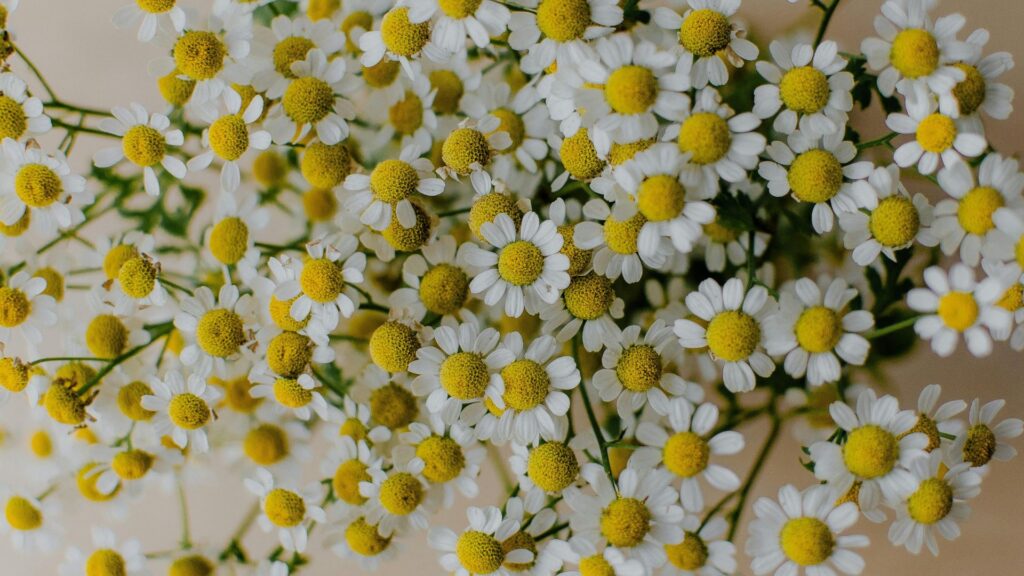
4. Tuberose – The Night Fragrance Jewel 🌺
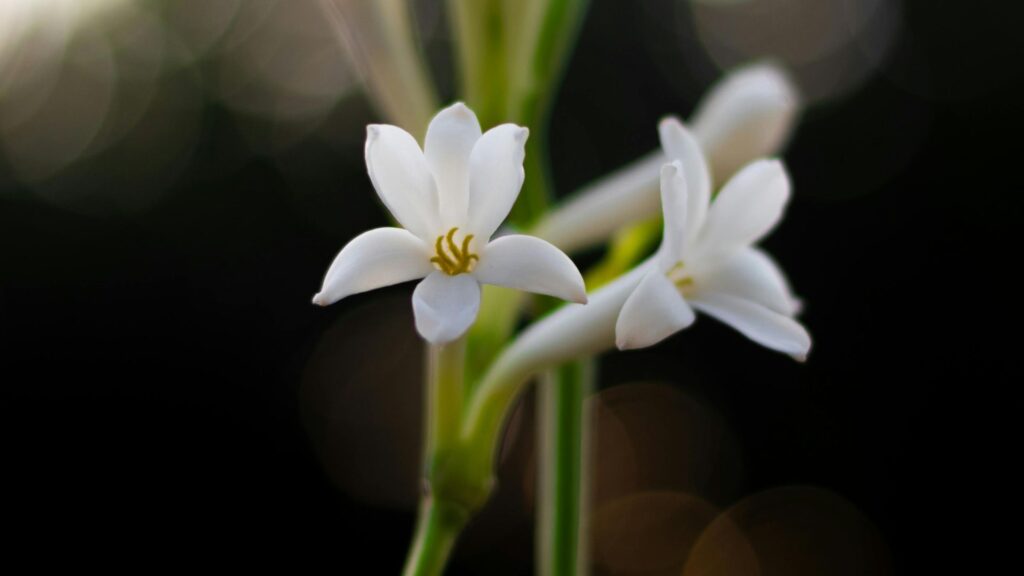
Tuberose may look delicate, but its fragrance is powerful and exotic. Known as “Rajnigandha” in India, it blooms at night and has a heady, almost hypnotic scent.
- Origin: Mexico, later cultivated in India and France.
- Uses: Perfumes, garlands, and ceremonies.
- Cultural note: In India, tuberose is a favorite for weddings and festive decorations.
Perfumers often describe tuberose as warm, creamy, and seductive—making it a star in many luxury fragrances.
5. Lavender – The Calming Purple Wonder 💜
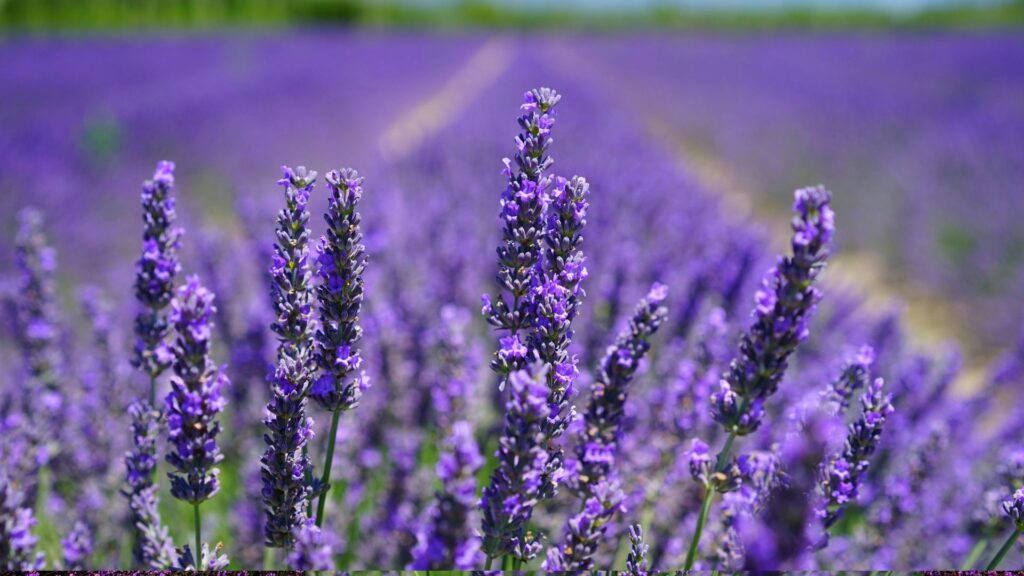
Lavender isn’t just beautiful—it’s also one of the most versatile fragrant flowers. Its fresh, herbal, and slightly sweet aroma is known for reducing stress and promoting relaxation.
- Origin: Mediterranean region.
- Uses: Aromatherapy, skincare, culinary dishes, teas.
- Fun fact: Ancient Romans used lavender in their baths for relaxation and cleansing.
Lavender fields in France and England attract tourists every year, not only for their beauty but also for the soothing scent that fills the air.
6. Lilac – Spring’s Fragrant Gift 🌸
Lilacs are adored for their charming clusters of tiny blooms and sweet fragrance that signals the arrival of spring.
- Origin: Southeastern Europe.
- Symbolism: Renewal, love, and youthful innocence.
- Cultural note: In the United States, lilacs are celebrated in festivals, especially in Rochester, New York.
Their scent is light, floral, and slightly spicy, often used in perfumes and home fragrances.
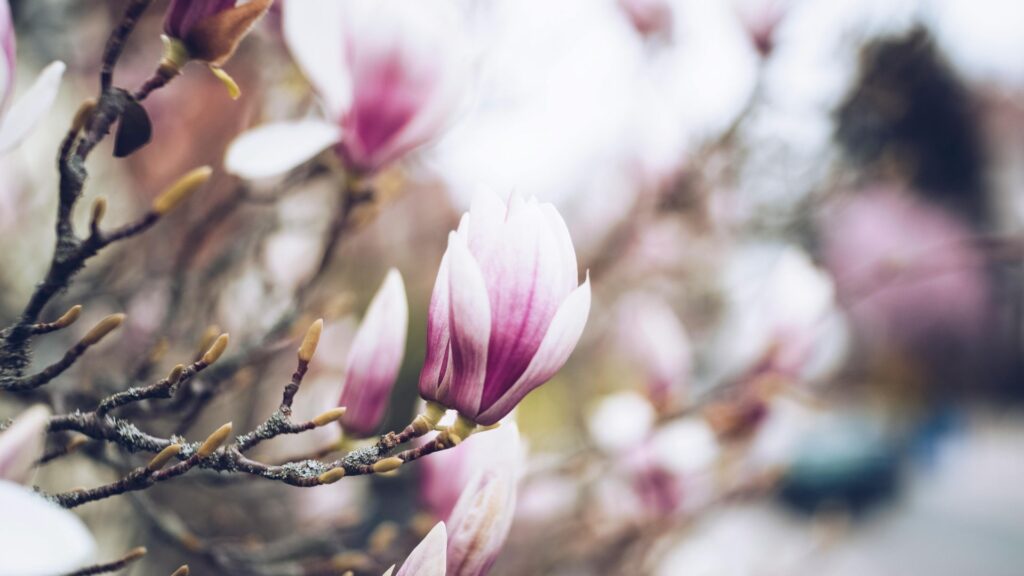
7. Magnolia – A Bold and Exotic Aroma 🌺
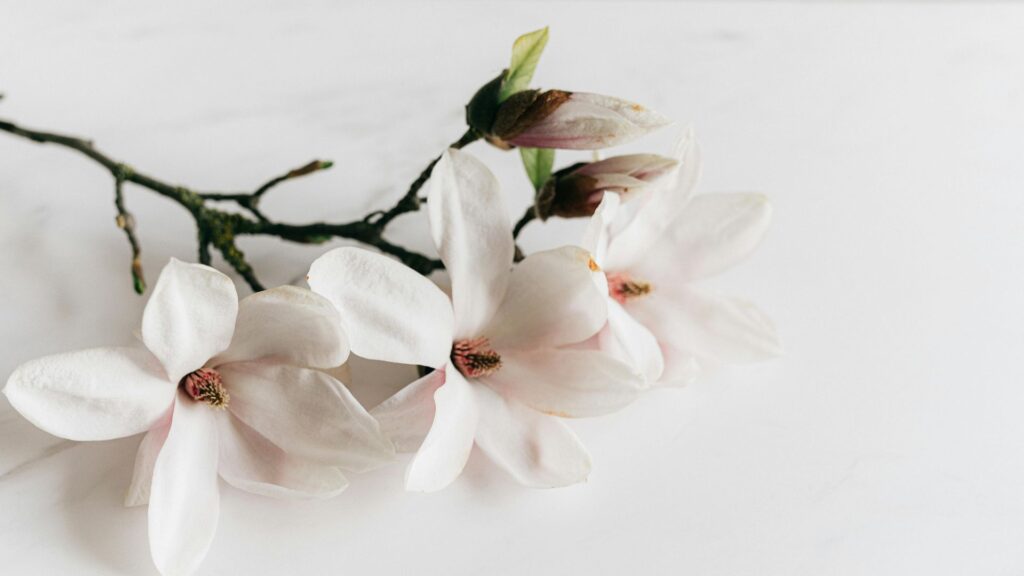
Magnolias are ancient flowers, dating back more than 100 million years. Their large blossoms and strong fragrance make them stand out in any garden.
- Origin: Asia and the Americas.
- Symbolism: Nobility, perseverance, and dignity.
- Uses: Perfumes, teas, and traditional medicines.
Magnolia’s fragrance is often described as citrusy and floral with a hint of spice, making it refreshing and energizing.
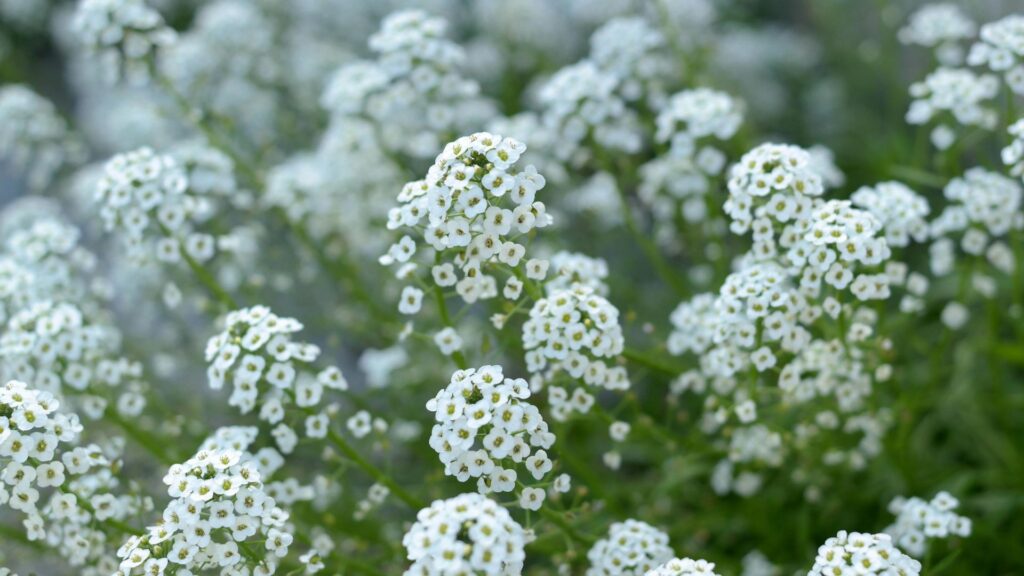
8. Sweet Alyssum – A Blanket of Honey-Scented Blooms 🍯
Sweet Alyssum is a low-growing flower that releases a delicate honey-like fragrance. It’s a favorite for gardeners who want to add both beauty and aroma to their landscapes.
- Origin: Mediterranean region.
- Symbolism: Emotional balance and calmness.
- Uses: Garden borders, flower beds, and pollinator attraction.
Though small, the sweet scent of alyssum can easily fill the air in a garden.
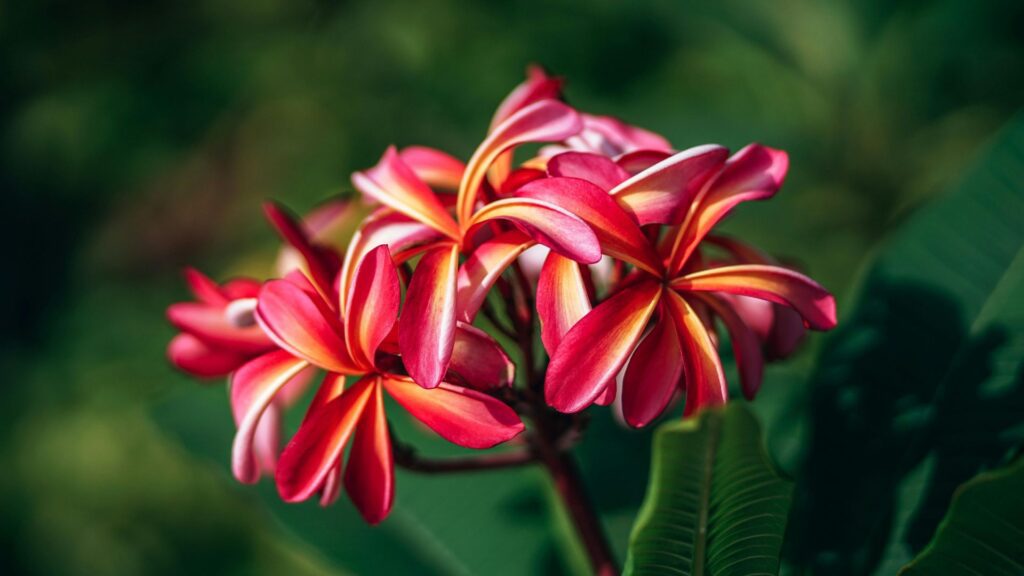
9. Plumeria – The Tropical Scent of Paradise 🌴
Plumeria, also known as frangipani, is often associated with tropical islands and leis in Hawaii. Its sweet, fruity fragrance instantly reminds people of vacations and beaches.
- Origin: Central America and the Caribbean.
- Symbolism: Immortality, beauty, and new beginnings.
- Cultural use: Used in Hawaiian leis and Polynesian traditions.
Its scent is fresh, uplifting, and long-lasting, making it a favorite in perfumes and scented oils.
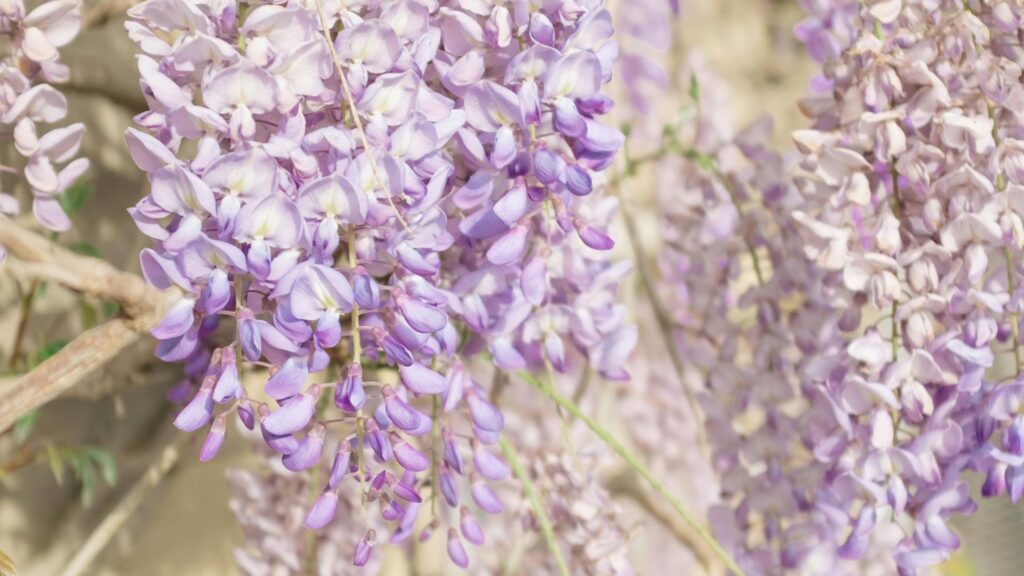
10. Wisteria – Cascading Purple Fragrance 🌿
Wisteria is famous for its cascading clusters of purple flowers that smell as enchanting as they look. Their sweet and slightly musky aroma lingers in the air, making them a romantic addition to gardens.
- Origin: China, Japan, and the U.S.
- Symbolism: Long life, devotion, and love.
- Fun fact: Wisteria plants can live for more than 100 years!
In Japan, wisteria tunnels are major tourist attractions where visitors can stroll under fragrant purple canopies.
Conclusion
From the classic rose to the exotic plumeria, fragrant flowers add more than just beauty to our world. They bring joy, calm, romance, and memories that linger long after their petals fade. Whether you want to relax with lavender, set a romantic mood with tuberose, or bring tropical vibes with plumeria, there’s a fragrant flower for everyone.
Planting these flowers in your garden doesn’t just make it look beautiful—it makes it smell heavenly, turning any space into a personal paradise.
FAQs
1. Why do flowers have fragrance?
Flowers produce fragrance to attract pollinators like bees and butterflies, which help in transferring pollen for reproduction.
2. Which flowers are the most fragrant?
Some of the most fragrant flowers include jasmine, gardenia, rose, lavender, and tuberose.
3. How does fragrance help in pollination?
Fragrance acts as a signal that guides pollinators to nectar-rich flowers, ensuring pollination occurs efficiently.
4. Do all flowers produce fragrance?
No, not all flowers are fragrant. Some rely on color or shape instead of scent to attract pollinators.
5. Why do some flowers smell stronger at night?
Night-blooming flowers release stronger scents to attract nocturnal pollinators like moths and bats.
6. Can fragrant flowers improve garden ecosystems?
Yes, they attract pollinators, which helps increase plant health and biodiversity in gardens.
7. What pollinators are attracted to fragrant flowers?
Bees, butterflies, moths, birds, and even bats are attracted to different types of floral scents.
8. Are fragrant flowers beneficial for humans?
Yes, they improve mood, reduce stress, and enhance the beauty of living spaces.
9. How can I grow fragrant flowers at home?
Choose the right plants, provide adequate sunlight, use well-drained soil, and water regularly.
10. What is the relationship between fragrance and flower color?
Bright flowers often attract daytime pollinators visually, while fragrant flowers may rely more on scent, especially at night.