
10 Medicinal Plants You Can Grow at Home (Natural Remedies)
For centuries, people around the world have turned to plants for their healing powers. Before modern medicine, herbs and leaves were nature’s first pharmacy — soothing burns, calming coughs, and boosting immunity. The best part? Many of these medicinal plants can easily be grown right in your backyard, balcony, or even kitchen windowsill.
In this article, we’ll explore 10 powerful medicinal plants, how to grow them, and how to use them safely for natural healing at home.
Growing medicinal plants at home is a simple and powerful way to support your health naturally. Many plants contain healing properties that have been used for centuries to treat common problems like stress, digestion issues, and minor infections. The best part is that these plants are easy to grow and require very little space, making them perfect for home gardens or even small pots.
Popular medicinal plants such as aloe vera, mint, basil, turmeric, and ginger are known for their natural benefits. Aloe vera helps soothe skin irritation, while mint supports digestion and freshens breath. Basil is widely used for boosting immunity, and turmeric has strong anti-inflammatory properties. Ginger is another powerful plant that helps with nausea and improves overall health.
By growing these plants at home, you always have fresh, chemical-free remedies available. With proper sunlight, watering, and care, medicinal plants can thrive easily. They not only improve your well-being but also add greenery and freshness to your home environment.
🌿 1. Aloe Vera – The “Plant of Immortality”
Aloe vera is one of the most popular medicinal plants in the world — and for good reason. Its thick, juicy leaves contain a cooling gel used to treat burns, wounds, and skin irritations. The ancient Egyptians even called it the “plant of immortality.”
Medicinal Benefits:
- Heals sunburns and minor cuts
- Moisturizes dry skin
- Aids digestion when consumed in small amounts
- Soothes inflammation and acne
Growing Tips:
Aloe thrives in bright sunlight and well-draining soil. Water sparingly — about once every two weeks — and let the soil dry between waterings.
Pro Tip: Always remove the yellow latex (aloin) near the base before using the gel internally, as it can cause stomach upset.

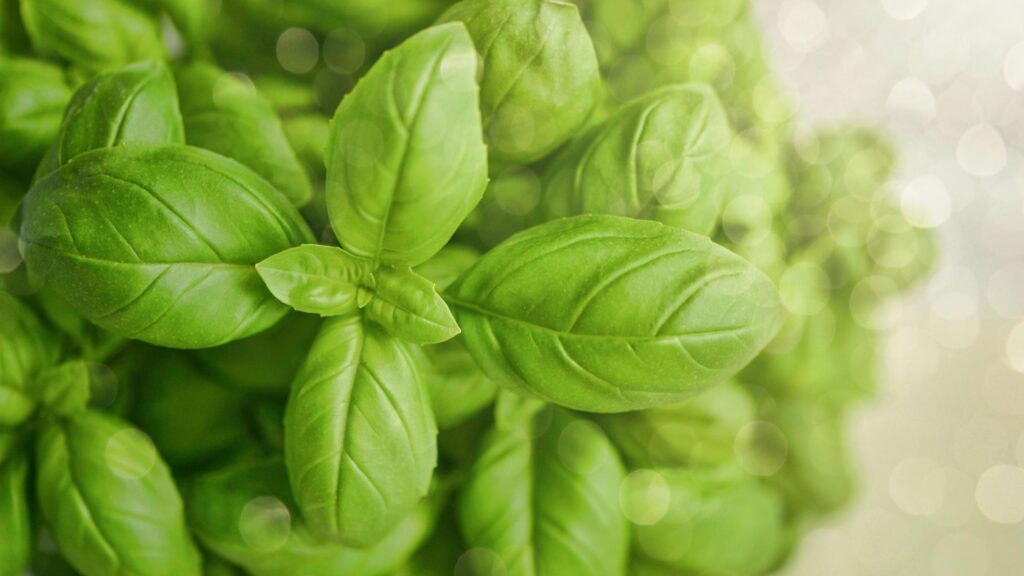
🌼 2. Holy Basil (Tulsi) – The Queen of Herbs
In India, Tulsi (Holy Basil) is not just a plant — it’s sacred. Known for its strong aroma and spiritual significance, it’s also a powerful immunity booster.
Medicinal Benefits:
- Fights colds, coughs, and respiratory issues
- Reduces stress and anxiety
- Regulates blood sugar levels
- Strengthens the immune system
Growing Tips:
Tulsi loves warm temperatures and sunlight. Keep the soil moist but not soggy. Prune regularly to encourage bushier growth.
How to Use:
Drink Tulsi tea daily by steeping fresh leaves in hot water. It helps purify the body and calm the mind.
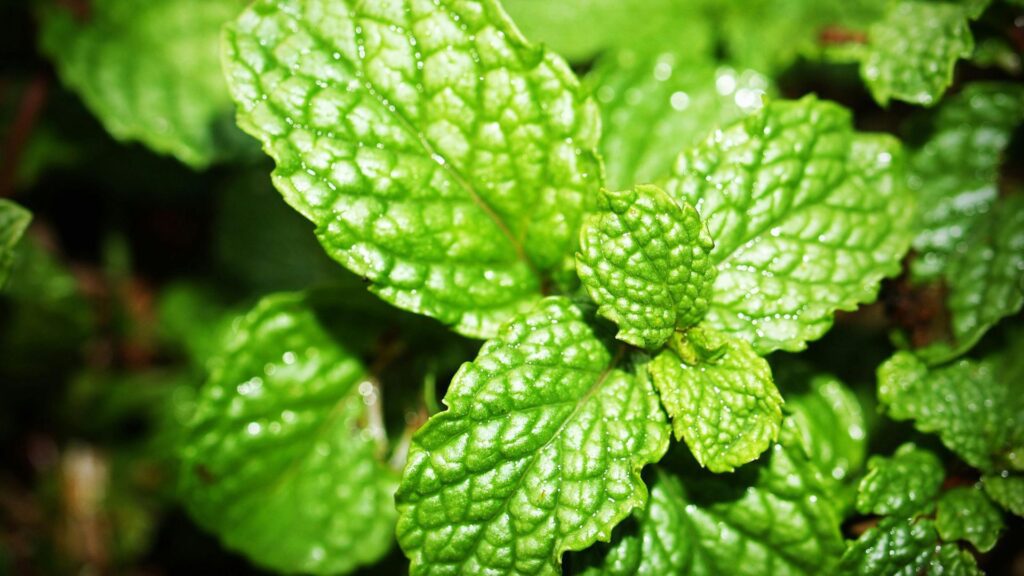
🌸 3. Peppermint – The Refreshing Healer
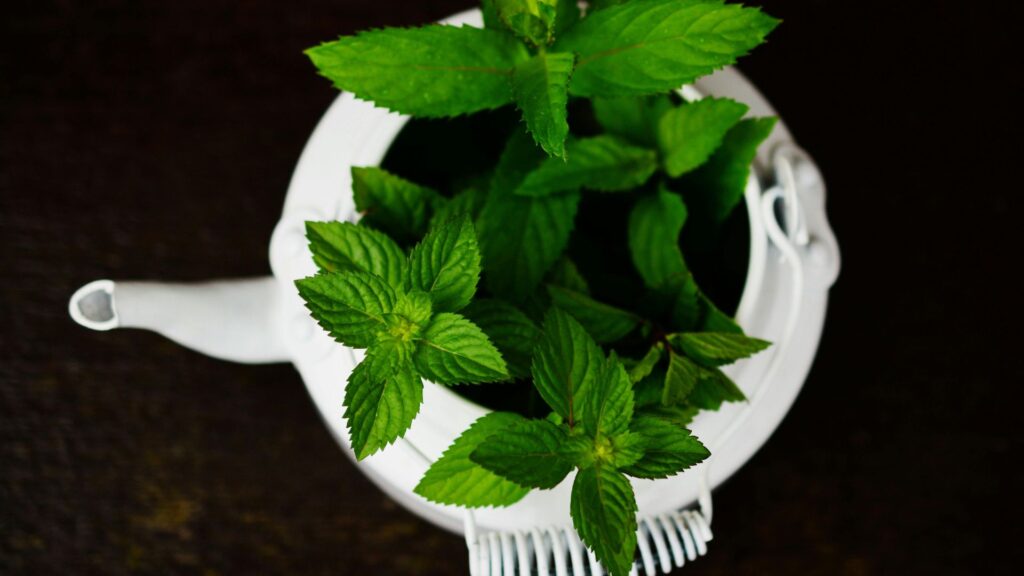
That fresh, minty aroma isn’t just for toothpaste — peppermint is a powerhouse herb that can ease digestion and headaches.
Medicinal Benefits:
- Relieves nausea and indigestion
- Soothes headaches and migraines
- Reduces muscle pain when applied topically
- Freshens breath naturally
Growing Tips:
Peppermint grows best in partial sunlight and moist soil. It spreads quickly, so plant it in a container to control its growth.
How to Use:
Brew the leaves into tea for stomach relief, or crush them to release oils for aromatherapy.
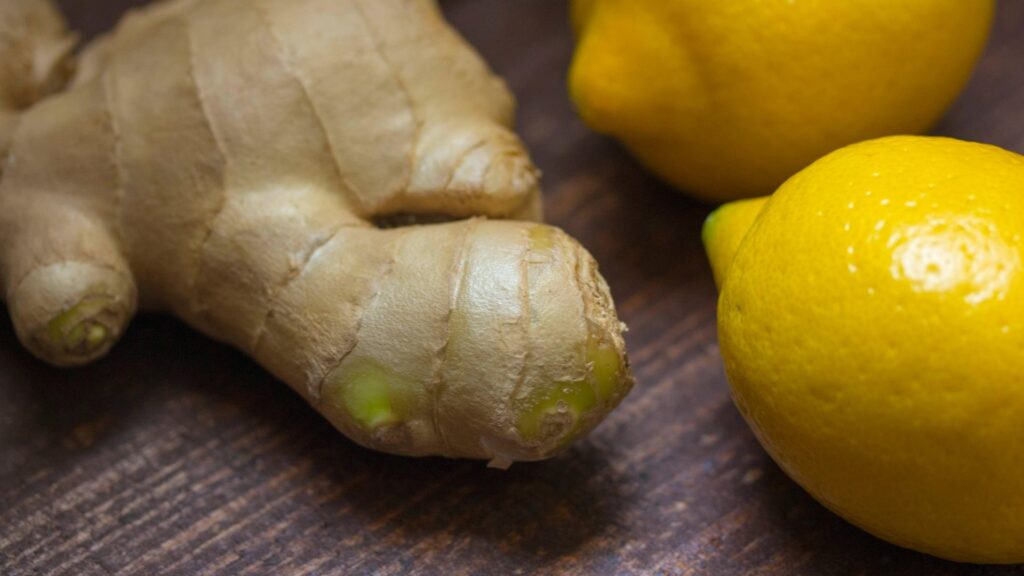
🌾 4. Ginger – The Root of All Healing
Ginger isn’t just a spice — it’s one of nature’s strongest natural medicines. Used for over 2,000 years in Ayurvedic and Chinese medicine, ginger supports the immune system and promotes overall wellness.
Medicinal Benefits:
- Reduces nausea and motion sickness
- Eases muscle pain and arthritis
- Supports digestion and gut health
- Fights inflammation
Growing Tips:
Grow ginger from a fresh root (rhizome). Soak it overnight and plant in rich, moist soil with indirect sunlight. Keep it warm and humid.
How to Use:
Make ginger tea or add grated ginger to meals. For sore throats, mix ginger juice with honey for instant relief.
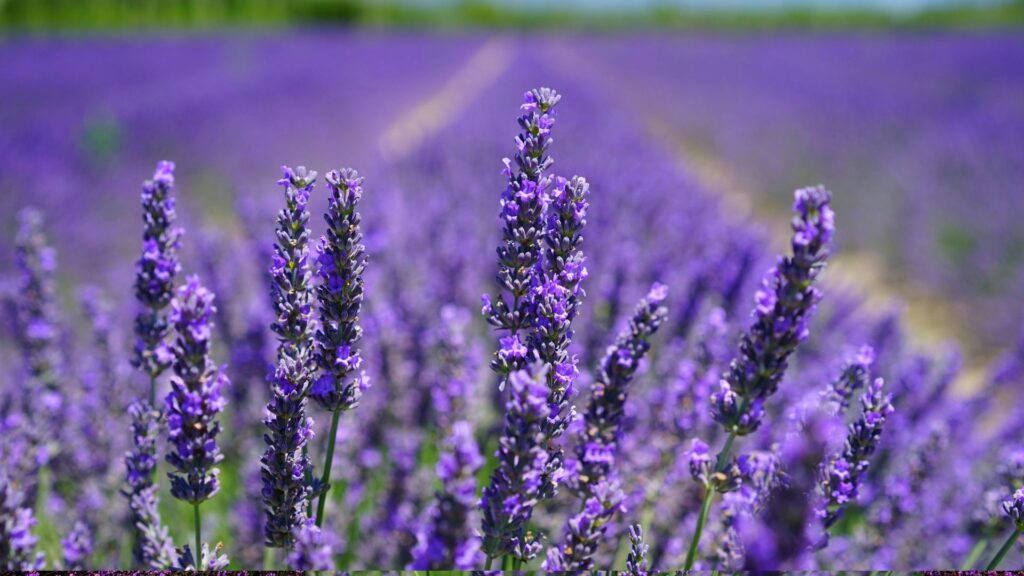
🌻 5. Lavender – The Flower of Calm
Lavender isn’t just beautiful — it’s a natural stress reliever. Its soothing aroma can help with sleep problems, anxiety, and minor burns.
Medicinal Benefits:
- Reduces anxiety and promotes relaxation
- Aids sleep and relieves insomnia
- Eases headaches and skin irritations
- Acts as a natural air freshener
Growing Tips:
Lavender loves full sunlight and dry, well-drained soil. Avoid overwatering; too much moisture can cause root rot.
How to Use:
Use dried lavender flowers in sachets or pillows, or brew them for calming tea. You can also apply diluted lavender oil to the skin for relaxation.
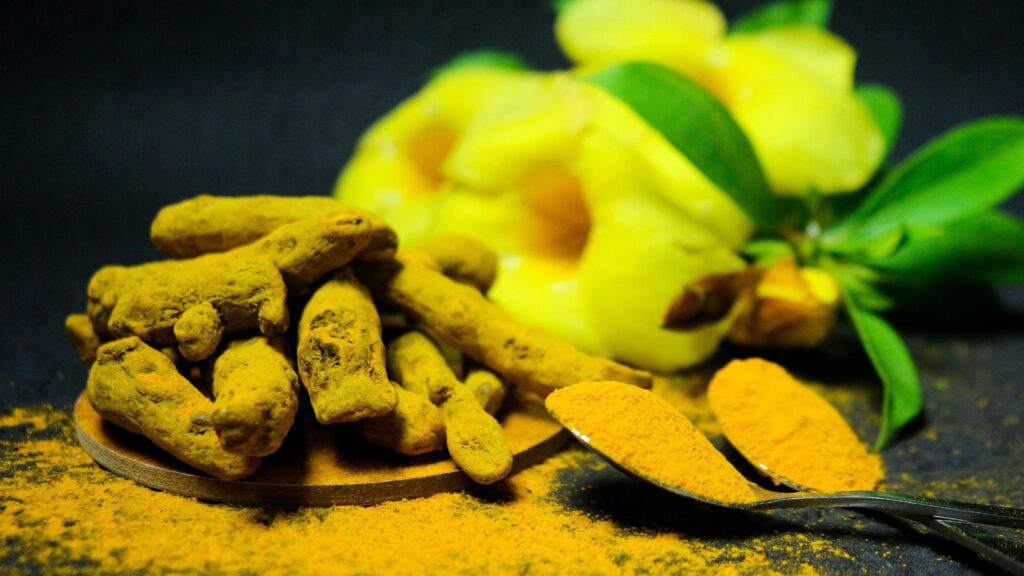
🌿 6. Turmeric – The Golden Healer
Turmeric is famous for its golden color and powerful medicinal compound curcumin, known for its anti-inflammatory and antioxidant effects.
Medicinal Benefits:
- Reduces joint pain and inflammation
- Supports liver health
- Boosts immunity
- Improves skin tone and glow
Growing Tips:
Plant turmeric rhizomes in warm, humid environments with partial shade. Keep soil moist but not soggy.
How to Use:
Add fresh or powdered turmeric to soups, teas, or golden milk. For skin, make a turmeric paste with honey for a natural face mask.
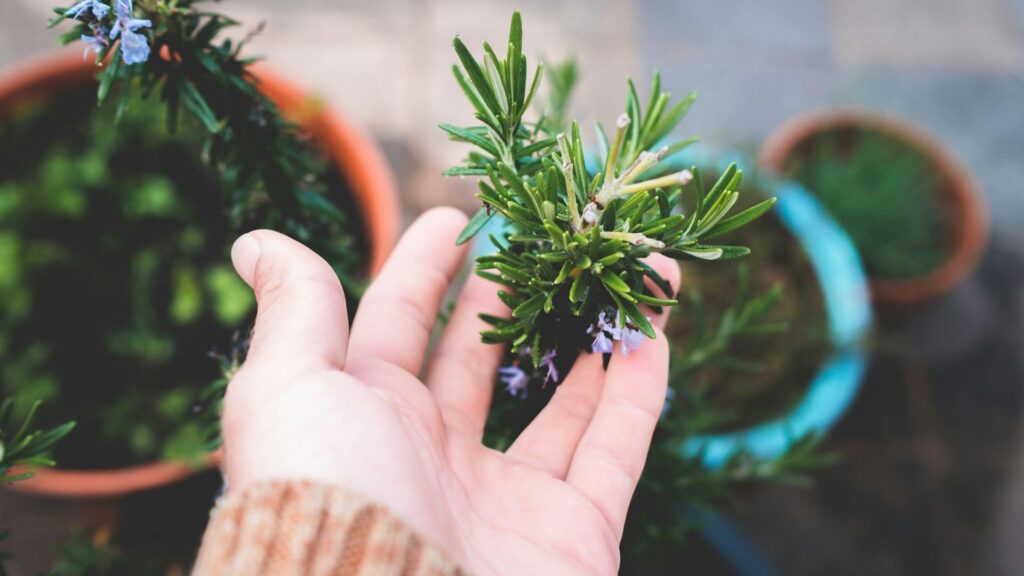
🌿 7. Rosemary – The Memory Booster
This aromatic herb is not only great for cooking — it’s also known to improve memory, concentration, and digestion.
Medicinal Benefits:
- Enhances memory and focus
- Boosts circulation
- Eases muscle pain
- Promotes hair growth
Growing Tips:
Rosemary loves sunny, dry conditions. Use sandy or loamy soil and avoid overwatering.
How to Use:
Brew rosemary tea to improve concentration or use rosemary oil for scalp massages to encourage hair growth.
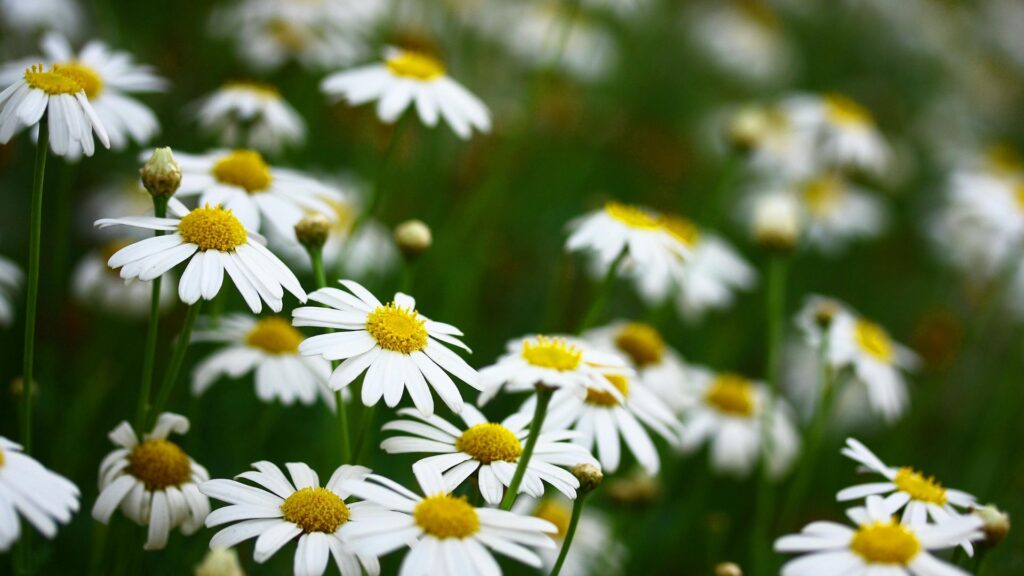
🌸 8. Chamomile – The Sleep Flower
Chamomile is known worldwide as the “sleep flower.” Its daisy-like blooms are gentle yet powerful, providing relaxation and digestive relief.
Medicinal Benefits:
- Reduces anxiety and stress
- Promotes sleep
- Soothes upset stomachs
- Helps with skin rashes
Growing Tips:
Chamomile grows best in cool, sunny locations with well-drained soil. Harvest flowers once fully bloomed for the best flavor and potency.
How to Use:
Steep the dried flowers in hot water for 5–10 minutes to make calming chamomile tea before bed.
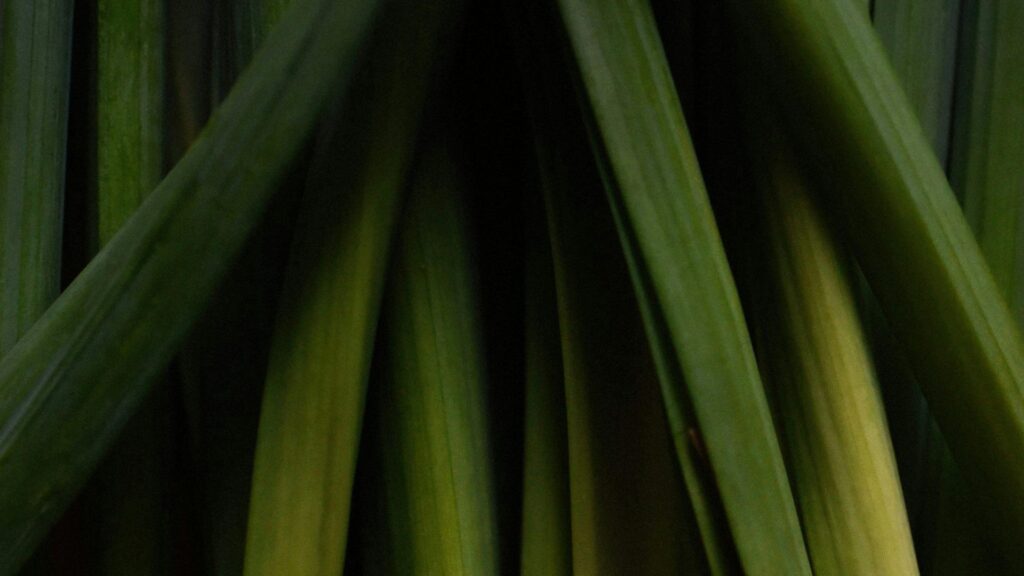
🌼 9. Lemongrass – The Detox Herb
Lemongrass has a zesty lemon aroma and powerful detox properties. It’s great for teas and also repels mosquitoes naturally.
Medicinal Benefits:
- Detoxifies the liver and kidneys
- Aids digestion and reduces bloating
- Fights bacteria and inflammation
- Relieves cold symptoms
Growing Tips:
Lemongrass prefers warm climates and full sunlight. Keep the soil consistently moist but well-drained.
How to Use:
Brew fresh stalks for tea, or add to soups and curries for flavor and health benefits.
🌿 10. Neem – The Village Pharmacy
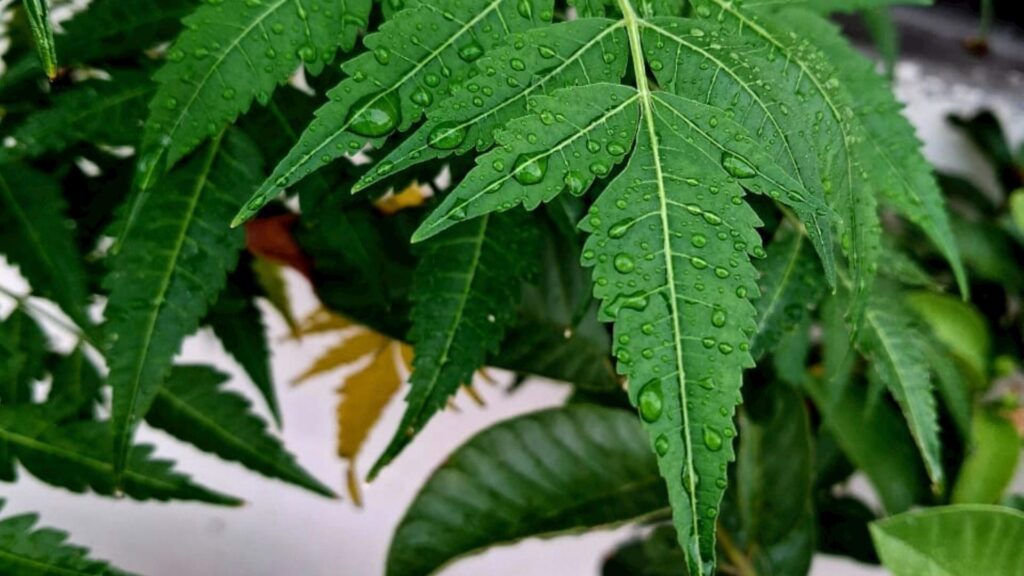
In traditional medicine, neem is often called the “village pharmacy” for its wide range of healing powers. Almost every part of the neem tree — leaves, bark, and seeds — has medicinal use.
Medicinal Benefits:
- Fights bacteria, fungi, and viruses
- Purifies blood and detoxifies the body
- Treats acne and dandruff
- Strengthens immunity
Growing Tips:
Neem thrives in hot, dry climates and doesn’t need much water. It grows well in poor soil — just make sure it gets plenty of sunlight.
How to Use:
Make neem leaf paste for skin treatments or boil leaves in water to create a natural antiseptic rinse.
🌱 Bonus: Tips for Growing and Using Medicinal Plants Safely
- Know your plant: Research each herb’s properties before using it medicinally.
- Avoid overuse: Even natural remedies can cause side effects if overused.
- Consult your doctor: Especially if you’re pregnant, breastfeeding, or on medication.
- Harvest responsibly: Take only what you need and let your plants regenerate.
- Dry herbs properly: Store dried herbs in airtight containers away from sunlight.
🌸 Conclusion
Medicinal plants are a gift from nature — powerful, healing, and surprisingly easy to grow. From soothing aloe to detoxifying lemongrass and calming chamomile, each plant adds both beauty and wellness to your home.
By nurturing these green healers, you not only save money but also take a step toward a more sustainable, chemical-free lifestyle. So grab a few pots, some good soil, and start your own healing garden today! 🌿
🌿 FAQs: Medicinal Plants
1. What are medicinal plants?
Medicinal plants are plants that have natural healing properties and are used to treat health conditions.
2. Which medicinal plants are easy to grow at home?
Aloe vera, mint, basil, ginger, and turmeric are among the easiest to grow at home.
3. Do medicinal plants require special care?
Most medicinal plants require basic care like sunlight, water, and well-drained soil.
4. Can medicinal plants be grown indoors?
Yes, many medicinal plants grow well indoors if they receive enough light.
5. What is the benefit of growing medicinal plants at home?
They provide fresh, natural remedies and reduce the need for chemical-based treatments.
6. How often should medicinal plants be watered?
Watering depends on the plant, but generally 2–3 times a week is sufficient.
7. Are medicinal plants safe to use?
Most are safe when used properly, but it’s important to understand correct usage and dosage.
8. Which plant is best for skin problems?
Aloe vera is widely used for treating skin irritation and burns.
9. Can medicinal plants boost immunity?
Yes, plants like basil and turmeric are known to strengthen the immune system.
10. How long do medicinal plants take to grow?
Most medicinal plants grow quickly and can be harvested within a few weeks to months.