
Christmas Flowers: 7 Traditional Blooms and Their Meanings Guide
SUMMARY
Christmas flowers are an important part of holiday traditions, adding beauty, color, and meaning to festive celebrations. These flowers are not just decorative — they carry deep symbolism connected to joy, love, hope, and renewal. Many traditional Christmas blooms have been used for centuries in homes, churches, and celebrations around the world.
One of the most popular Christmas flowers is the poinsettia, known for its bright red leaves and association with the holiday spirit. It symbolizes purity, success, and celebration. Another common flower is the Christmas rose, which represents hope and new beginnings during the winter season. Holly, with its green leaves and red berries, is also widely used and symbolizes protection and eternal life.
These flowers are often chosen not only for their beauty but also for their meanings, which reflect the essence of Christmas. They help create a warm and festive atmosphere, making homes feel more inviting and joyful. Whether used in decorations, gifts, or centerpieces, Christmas flowers bring a sense of tradition and emotional connection.
Today, these blooms continue to play a special role in holiday celebrations, reminding people of the deeper meaning of Christmas and the importance of sharing happiness with loved ones.
Christmas is more than a festival; it is a feeling of warmth, hope, love, and togetherness. As winter wraps the world in cold silence, flowers bring life, color, and emotion to the season. Christmas flowers have been part of holiday traditions for centuries, symbolizing joy, faith, peace, and new beginnings. From homes to churches and celebrations across cultures, these blooms quietly tell stories of comfort and renewal.
In this article, we explore the most meaningful Christmas flowers, their symbolism, cultural importance, and why they continue to touch hearts year after year. Along with traditional Christmas flowers, Christmas trees also hold deep symbolic meaning during the holiday season, representing hope, renewal, and togetherness in winter celebrations.
Why Flowers Are Important During Christmas
Flowers play a special role during Christmas because they soften the cold season with beauty and meaning. Winter is often associated with stillness, yet flowers blooming during this time represent hope and resilience.
Historically, people decorated homes and sacred spaces with plants and flowers to bring warmth and life indoors. Over time, certain flowers became closely linked to Christmas traditions due to their seasonal bloom, colors, or symbolic meanings.
Christmas flowers are not just decorations. They express emotions that words often cannot—comfort, gratitude, love, and peace.
Poinsettia: The Most Iconic Christmas Flower
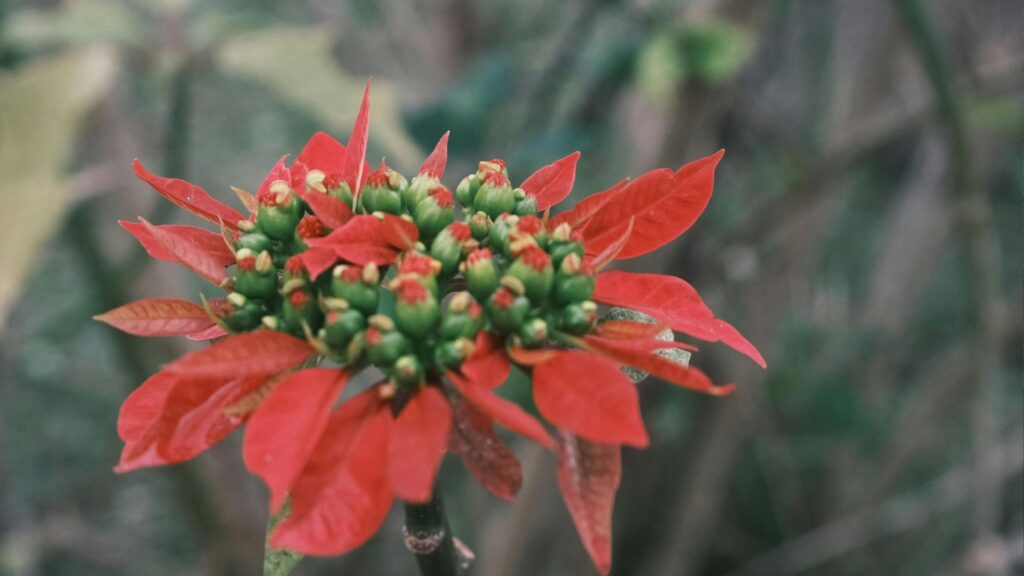
The poinsettia is without question the most recognized Christmas flower in the world. With its bold red and green colors, it has become a universal symbol of the holiday season.
Meaning and Symbolism
- Red symbolizes love, sacrifice, and warmth
- Green represents hope and renewal
- White varieties symbolize purity and peace
The poinsettia originated in Mexico, where it is known as La Flor de la Nochebuena. According to legend, a humble offering of weeds transformed into a beautiful flower, teaching the message that sincere emotions matter more than wealth.
Christmas Rose: A Flower of Hope in Winter
Despite its name, the Christmas rose is not a true rose. It blooms in the heart of winter, often through snow, making it a powerful symbol of hope.
Symbolic Meaning
- Hope during difficult times
- Inner strength
- New beginnings
The Christmas rose has long been associated with faith and miracles. Its ability to bloom in harsh conditions reminds us that beauty can emerge even in the coldest moments of life.
Holly: A Timeless Christmas Plant
Holly is one of the oldest Christmas plants used in winter celebrations. Its glossy green leaves and bright red berries make it instantly recognizable.
Meaning of Holly
- Protection and goodwill
- Eternal life
- Strength and endurance
In ancient traditions, holly was believed to ward off negativity. Today, it represents joy and life continuing through winter’s darkness.
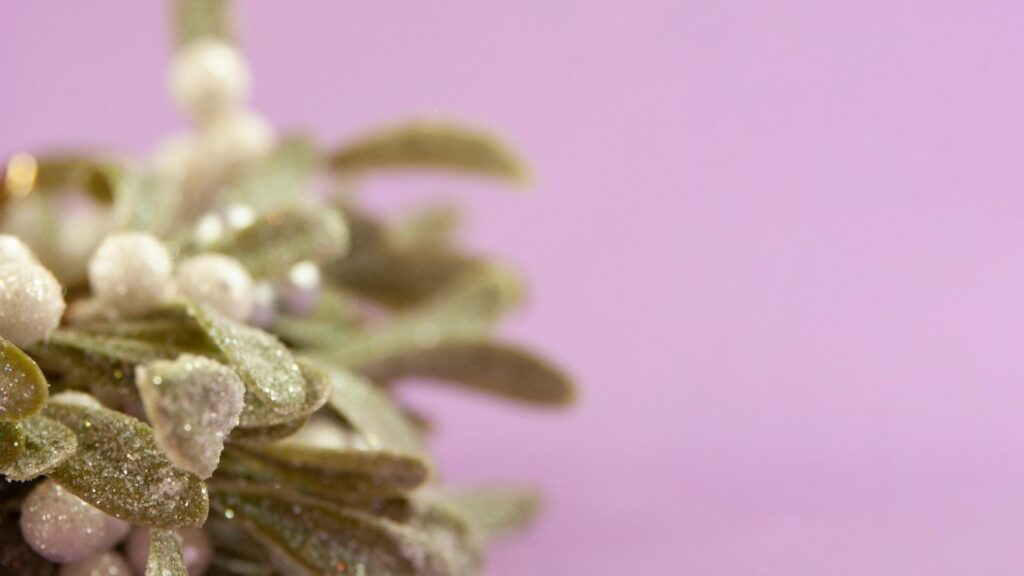
Mistletoe: A Symbol of Peace and Unity
Mistletoe holds a special place in Christmas traditions, especially in Western cultures. Hanging mistletoe indoors represents goodwill and harmony.
Symbolism
- Peace and reconciliation
- Love and connection
- Friendship
Historically, mistletoe was considered sacred and used to settle disputes. Its Christmas tradition reflects the spirit of forgiveness and unity.
Amaryllis: Elegance and Celebration
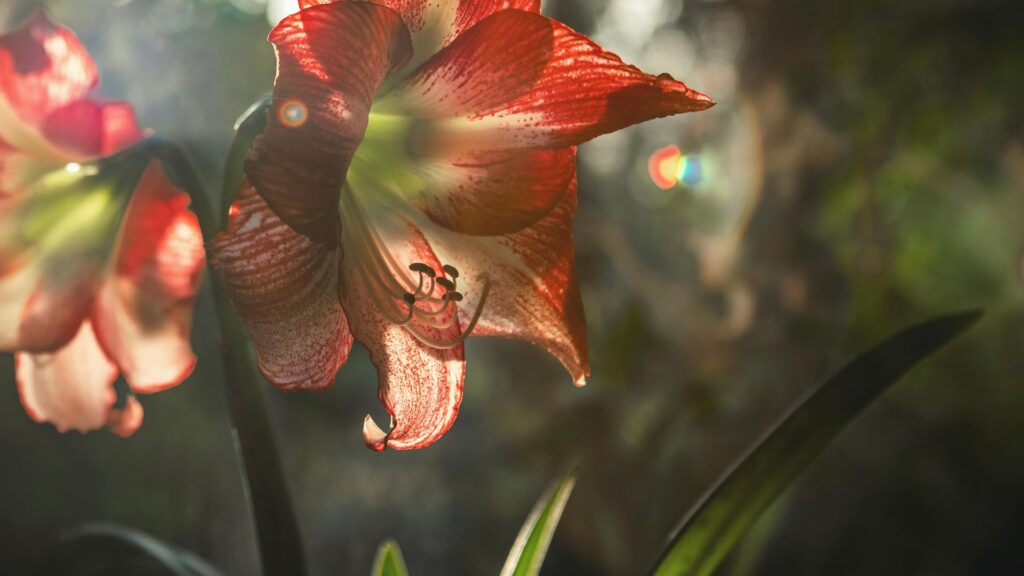
Amaryllis flowers are admired for their tall stems and large trumpet-shaped blooms. They add elegance to Christmas decorations.
What Amaryllis Represents
- Beauty and pride
- Strength and determination
- Celebration and joy
Amaryllis blooms are often associated with personal growth and confidence, making them a meaningful flower for the season of reflection.
Christmas Cactus: A Bloom of Patience
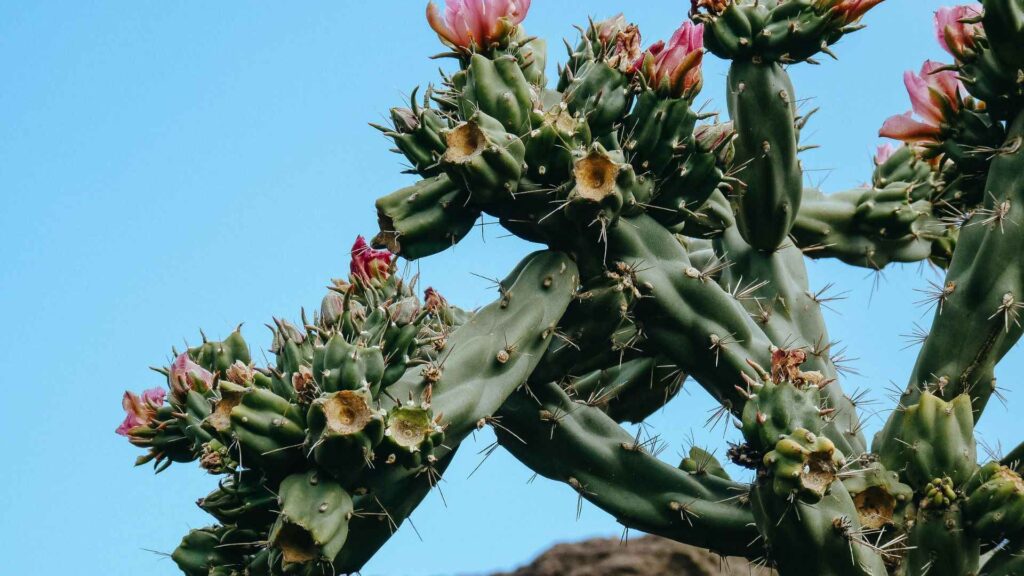
The Christmas cactus blooms around December, making it naturally tied to the holiday season.
Symbolic Meaning
- Patience and endurance
- Loyalty and family bonds
- Quiet joy
Its long lifespan and yearly bloom symbolize lasting relationships and steady growth, values closely connected to Christmas traditions.
White Lilies: Purity and Peace
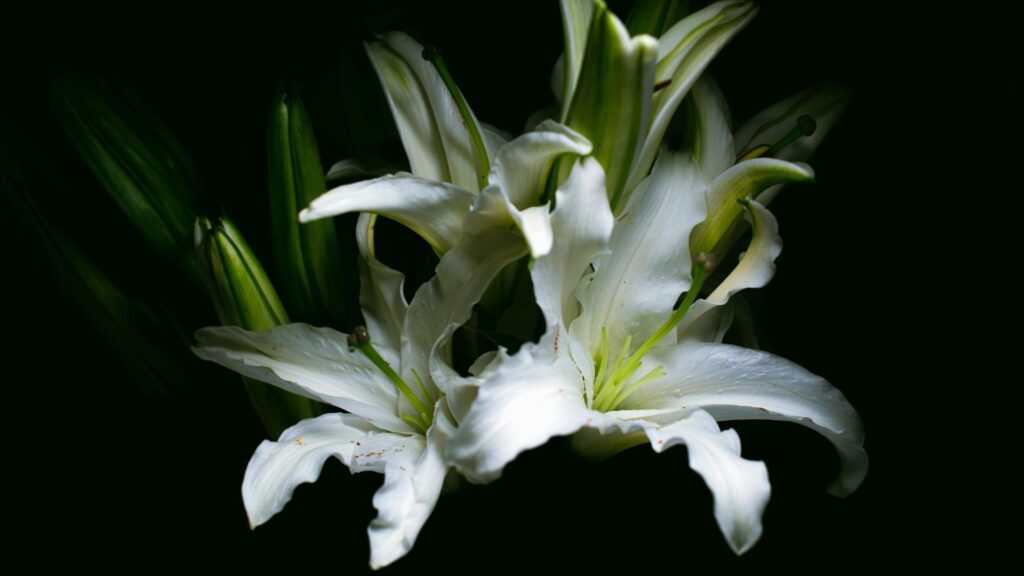
White lilies are often used in churches and religious Christmas settings. Their pure white petals and gentle fragrance create a peaceful atmosphere.
Meaning of White Lilies
- Purity and innocence
- Peace and spiritual renewal
- Comfort and hope
White lilies remind us of calmness and reflection during a busy festive season.
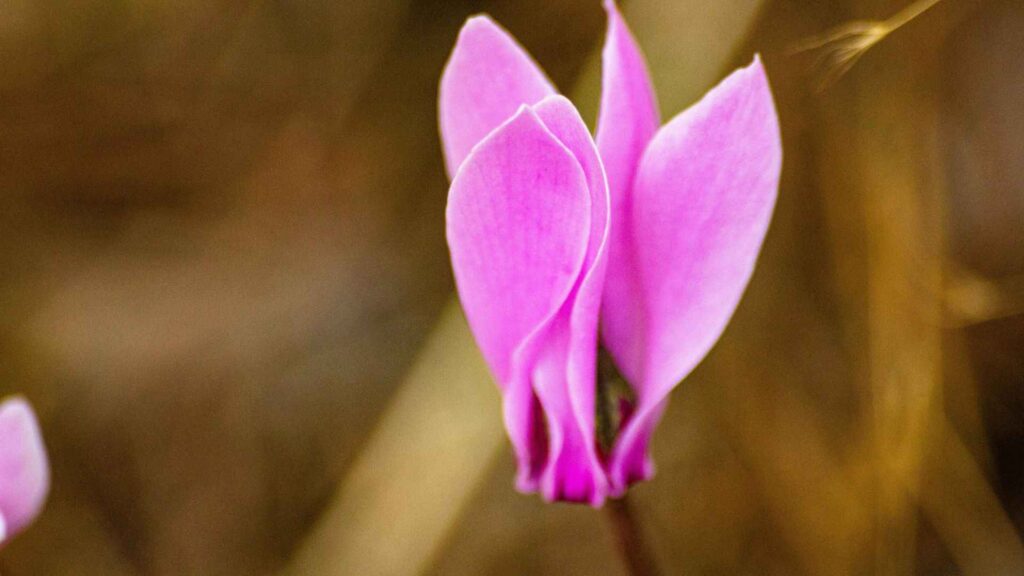
Cyclamen: Love and Sincerity
Cyclamen flowers bloom during winter and are often overlooked, yet they carry deep meaning.
Symbolism
- Sincere love
- Devotion and empathy
- Emotional balance
Cyclamen’s delicate appearance paired with strong roots reflects quiet strength and emotional warmth.
Colors of Christmas Flowers and Their Meanings
Colors play a significant role in the symbolism of Christmas flowers.
- Red: Love, warmth, sacrifice
- White: Peace, purity, hope
- Green: Renewal, life, growth
- Pink: Compassion and kindness
- Gold: Celebration and light
These colors reflect the emotional heart of Christmas and why flowers feel so meaningful during this season.
Cultural Significance of Christmas Flowers
Different cultures embrace Christmas flowers in unique ways:
- In Europe, holly and ivy are traditional winter symbols
- In Latin America, poinsettias dominate Christmas celebrations
- In churches worldwide, white flowers symbolize peace and faith
Despite cultural differences, flowers universally express hope and togetherness.
Rare and Unique Christmas Flowers
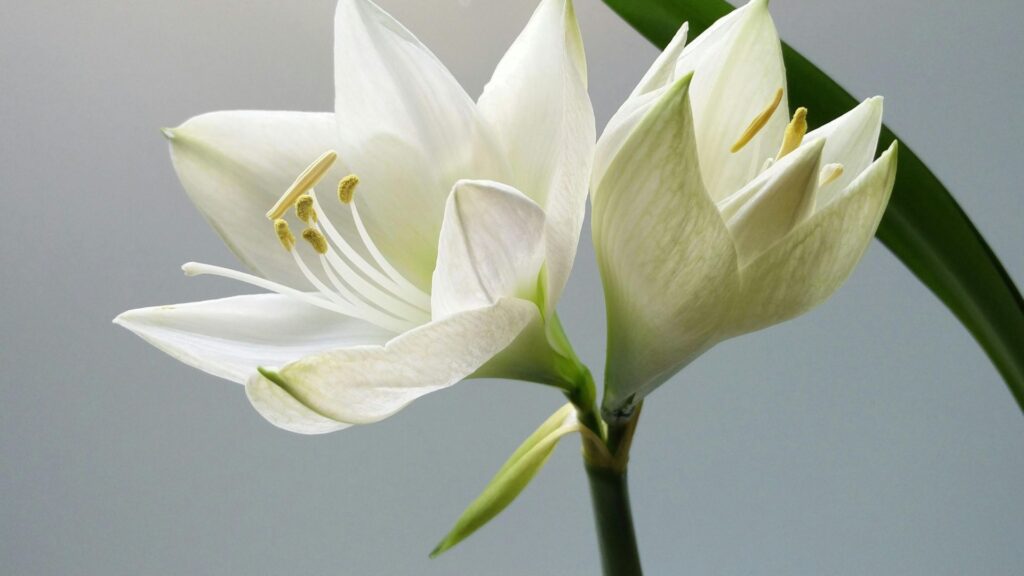
Some rare flowers bloom during winter or are traditionally associated with Christmas in specific regions. These blooms are cherished for their uniqueness and resilience.
Rare Christmas flowers remind us that beauty does not always need to be loud—it can be subtle, quiet, and deeply meaningful.
Why Christmas Flowers Continue to Touch Hearts
Christmas flowers endure because they represent emotions that never change. They bloom during winter when warmth is needed most. Their colors brighten dark days, and their meanings remind us of love, faith, and hope.
Flowers don’t speak, yet during Christmas, they say everything.
A Gentle Emotional Reflection
As Christmas approaches, flowers quietly stand beside us—on tables, in homes, and in places of worship. They don’t demand attention, yet they hold deep meaning. In their petals live messages of hope, peace, and renewal.
Just like the season itself, Christmas flowers remind us to slow down, appreciate beauty, and cherish moments of togetherness. In a world that often moves too fast, these blooms gently whisper that warmth still exists—even in winter.
Frequently Asked Questions (FAQs)
1. What are traditional Christmas flowers?
Traditional Christmas flowers include poinsettias, Christmas roses, holly, and amaryllis.
2. Why are poinsettias popular during Christmas?
Poinsettias are popular because of their bright red color and strong association with holiday celebrations.
3. What does the Christmas rose symbolize?
The Christmas rose symbolizes hope, purity, and new beginnings.
4. What is the meaning of holly in Christmas decorations?
Holly represents protection, eternal life, and festive spirit.
5. Are Christmas flowers used for decoration only?
No, they also carry symbolic meanings and are often used as gifts.
6. Can Christmas flowers be grown at home?
Yes, many Christmas flowers can be grown indoors or in gardens with proper care.
7. What colors are common in Christmas flowers?
Red, white, and green are the most common colors associated with Christmas flowers.
8. How long do Christmas flowers last?
Most flowers last 5–10 days, depending on care and environment.
9. Why are flowers important during Christmas?
Flowers add beauty, create a festive atmosphere, and symbolize joy and love.
10. Which Christmas flower is best for gifting?
Poinsettias and amaryllis are popular choices for Christmas gifts.