
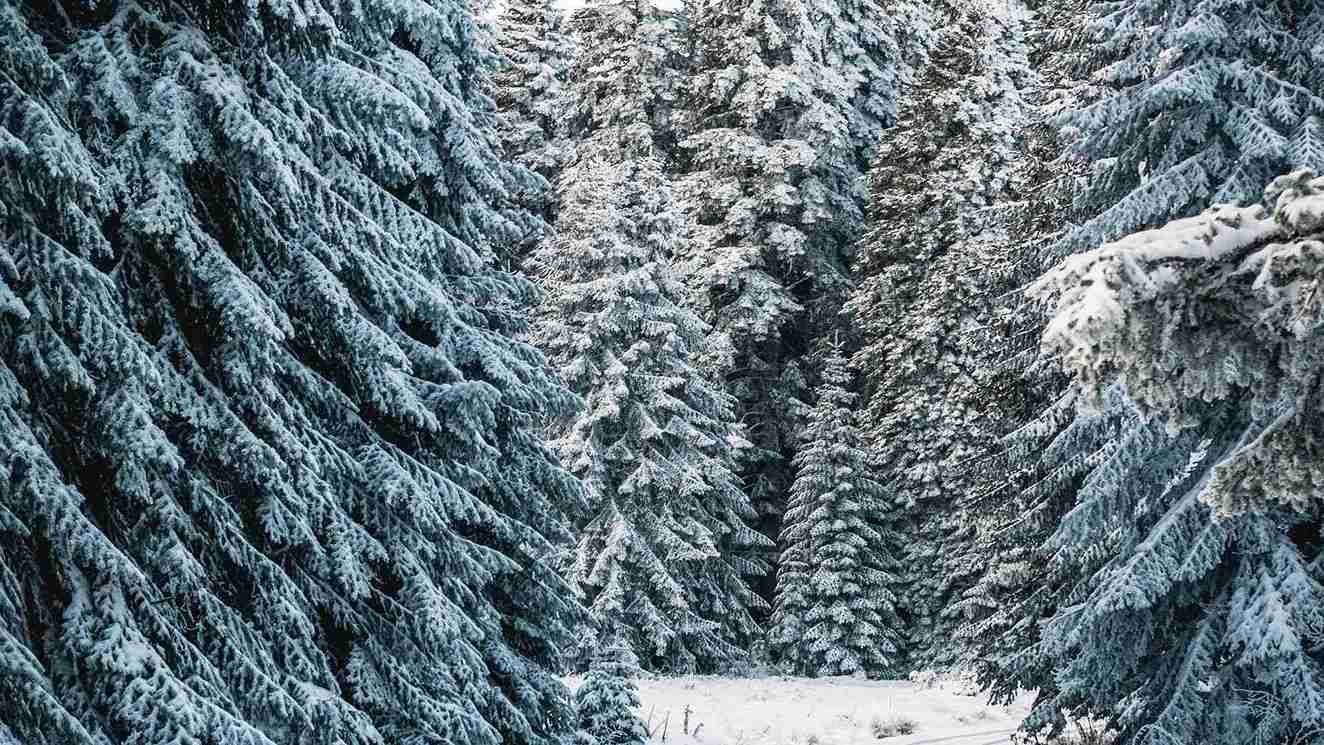
Christmas Trees: Meaning, History & Symbolism Explained
Introduction
As winter arrives and the world grows quieter under cold skies, one timeless symbol begins to appear in homes, streets, and hearts — the Christmas trees. Standing tall and green when most of nature sleeps, the Christmas tree represents more than a festive decoration. It carries centuries of history, deep symbolism, and emotional meaning that connects families, cultures, and generations.
From softly glowing lights to carefully chosen ornaments, the Christmas tree becomes the heart of Christmas celebrations. This article explores the meaning, history, symbolism, and cultural importance of the Christmas tree, helping you understand why this evergreen tradition continues to inspire warmth and hope across the world.
SUMMARY
In this article we will explain Christmas trees are one of the most recognizable symbols of the holiday season, representing joy, hope, and celebration. The tradition of decorating evergreen trees dates back centuries, long before modern Christmas celebrations began. Ancient cultures used evergreen branches during winter to symbolize life and renewal, as these trees stayed green even in the coldest months.
The modern Christmas tree tradition is believed to have originated in Germany during the 16th century. Families would decorate trees with candles, fruits, and handmade ornaments to celebrate the festive season. Over time, this custom spread across Europe and eventually to the United States and other parts of the world.
Symbolically, Christmas trees represent eternal life, strength, and the spirit of giving. The evergreen nature of the tree reminds people that life continues even during harsh winters. Decorations like lights symbolize hope and guidance, while ornaments reflect joy and celebration.
Today, Christmas trees are a central part of holiday traditions in many countries. Whether natural or artificial, they bring families together and create a warm, festive atmosphere. Beyond decoration, they carry deep cultural and emotional significance, reminding people of unity, generosity, and the importance of celebrating together.
What Is a Christmas Tree?
A Christmas tree is traditionally an evergreen tree — most commonly pine, fir, or spruce — decorated during the Christmas season. Evergreen trees retain their green leaves throughout winter, making them powerful symbols of life, endurance, and renewal during the coldest months of the year.
While styles and decorations vary across cultures, the core meaning remains universal: the Christmas tree represents light, life, and togetherness.

The Ancient Origins of the Christmas Tree
The history of the Christmas tree begins long before modern Christmas celebrations.
Evergreen Trees in Ancient Cultures
Thousands of years ago, ancient civilizations valued evergreen plants during winter festivals:
- Ancient Egyptians used green palm leaves to symbolize rebirth.
- Romans decorated homes with evergreens during Saturnalia.
- Norse cultures associated evergreen trees with life and protection.
These cultures believed evergreen plants held special power during winter, when the world seemed lifeless.
The Christian History of the Christmas Tree
The Christmas tree as we know it today developed in Europe.
Germany and the First Christmas Trees
In 16th-century Germany, Christians began bringing decorated evergreen trees into their homes during Christmas. The tree symbolized:
- Eternal life
- Faith
- God’s presence during dark winter days
According to popular tradition, reformer Martin Luther was inspired to add candles to a tree after seeing stars shining through forest branches at night.

How the Christmas Tree Spread Worldwide
By the 19th century, Christmas trees became popular across Europe.
- England: Queen Victoria and Prince Albert popularized Christmas trees.
- United States: Immigrants brought the tradition to America.
- Global spread: The tradition reached nearly every continent.
Today, Christmas trees are displayed in homes, churches, and public spaces worldwide.
The Meaning of the Christmas Tree 🌿
The Christmas tree carries several layers of meaning.
Symbol of Eternal Life
Because evergreen trees remain green year-round, they symbolize:
- Eternal life
- Renewal
- Hope beyond hardship
This meaning resonates deeply during winter, a season often associated with darkness and reflection.
Light in the Darkness
Christmas tree lights symbolize:
- Hope
- Guidance
- Positivity during difficult times
As days grow shorter, the glowing tree becomes a reminder that light always returns.
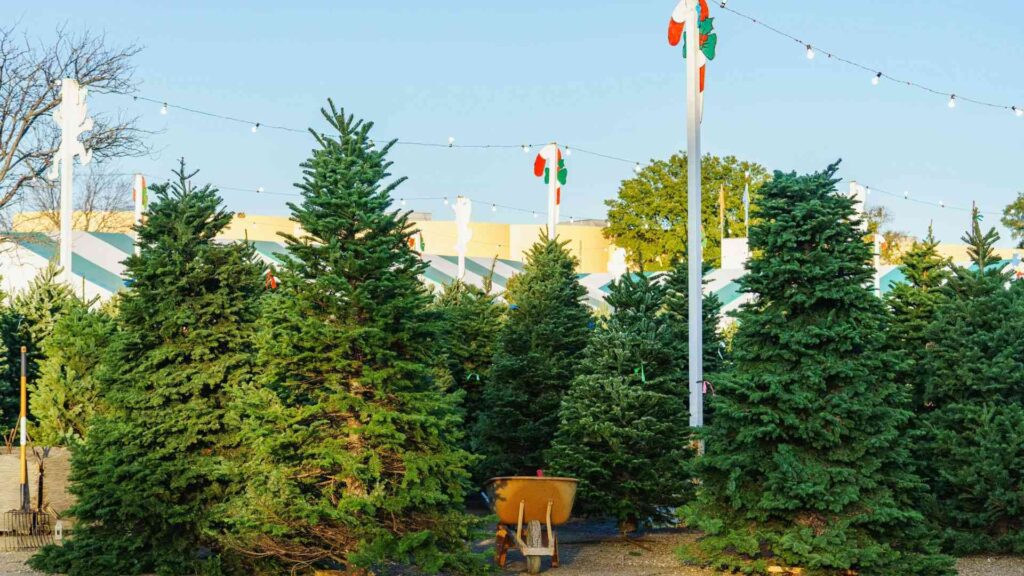
Christmas Tree Symbolism Explained 🎄
Every element of the Christmas tree carries symbolic meaning.
The Star or Angel
- Star: Guidance, faith, and the Star of Bethlehem
- Angel: Protection, peace, and spiritual presence
Ornaments
Ornaments represent:
- Personal memories
- Blessings
- Family traditions
Each ornament often holds emotional value, passed down through generations.
Garlands and Tinsel
These symbolize:
- Unity
- Continuity
- Connection among loved ones

Why Do People Decorate Christmas Trees?
Decorating the Christmas tree is a meaningful ritual rather than a simple task.
Families often gather together, sharing stories, laughter, and memories while decorating. This act strengthens emotional bonds and builds traditions that children carry into adulthood.
The process itself becomes part of the celebration.
Emotional Importance of the Christmas Tree ❤️
For many people, the Christmas tree represents:
- Childhood wonder
- Family warmth
- Comfort and safety
- A sense of home
Even for those celebrating alone, a Christmas tree can bring peace and emotional grounding during winter.

Types of Christmas Trees
Christmas trees come in various forms, each with its own charm.
Natural Christmas Trees
Popular varieties include:
- Pine
- Fir
- Spruce
They offer natural fragrance and authenticity.
Artificial Christmas Trees
Artificial trees are:
- Reusable
- Allergy-friendly
- Available in many styles
Regardless of type, the symbolism remains the same.
Christmas Tree Traditions Around the World 🌍
Different cultures celebrate the Christmas tree in unique ways:
- Germany: Birthplace of the modern Christmas tree
- United States: Trees serve as family centerpieces
- Scandinavia: Trees symbolize light during long winters
- United Kingdom: Royal traditions influenced popularity
Despite cultural differences, the message remains universal.

Environmental Perspective 🌱
Modern celebrations increasingly focus on sustainability:
- Recyclable trees
- Eco-friendly ornaments
- Replantable trees
These efforts preserve the tradition while respecting nature.
Christmas Tree as a Symbol of Hope
In uncertain times, the Christmas tree reminds us:
- Life continues
- Light remains
- Togetherness matters
Its steady presence encourages reflection, gratitude, and kindness.
Emotional Reflection
As the Christmas tree glows softly in the quiet of winter nights, it becomes more than decoration. It stands as a gentle reminder that love gathers, hope survives, and even in the coldest seasons, warmth can still grow.

Final Thoughts 🌲✨
The Christmas tree is more than a seasonal tradition or a beautiful decoration. It is a quiet symbol of continuity in a world that constantly changes. Through centuries, cultures, and generations, the evergreen tree has remained a source of comfort, reminding us that life, hope, and love endure even during the coldest and darkest times of the year.
Each ornament placed on its branches carries a story — a memory from childhood, a moment shared with family, or a tradition passed down through generations. The soft glow of its lights creates a space where people pause, reflect, and reconnect, not only with others but also with themselves. In many homes, the Christmas tree becomes a silent witness to laughter, prayers, and heartfelt conversations.
In today’s fast-moving world, the Christmas tree invites us to slow down. It encourages togetherness, gratitude, and kindness — values that matter far beyond the holiday season. Whether real or artificial, large or small, a Christmas tree holds the same meaning: a reminder that warmth can exist in winter, light can shine in darkness, and hope can quietly grow where we least expect it.
As each Christmas returns, the tree stands patiently once again, offering its message without words — that love gathers, memories remain, and the simple act of coming together can still bring peace to our hearts.
Frequently Asked Questions (FAQs)

1. What does a Christmas tree symbolize?
A Christmas tree symbolizes eternal life, hope, and joy, representing the spirit of the holiday season.
2. Where did the Christmas tree tradition originate?
The tradition started in Germany during the 16th century and later spread worldwide.
3. Why are evergreen trees used for Christmas?
Evergreen trees stay green all year, symbolizing life and resilience even in winter.
4. When did Christmas trees become popular worldwide?
They became widely popular in the 19th century, especially after being introduced in England and America.
5. What do Christmas tree lights represent?
Lights symbolize hope, warmth, and guidance during the holiday season.
6. What is the meaning of decorating a Christmas tree?
Decorating a tree represents celebration, joy, and the sharing of happiness with loved ones.
7. Are Christmas trees religious or cultural symbols?
They are both — originally cultural but now also associated with Christian traditions.
8. What types of Christmas trees are used today?
Both natural evergreen trees and artificial trees are commonly used.
9. Why is a star placed on top of a Christmas tree?
The star represents the Star of Bethlehem, guiding people in the Christmas story.
10. How can I choose the best Christmas tree?
Choose a tree based on size, freshness, and durability to suit your space and decoration needs.
thc gummies for stress relief with lab tested potency