
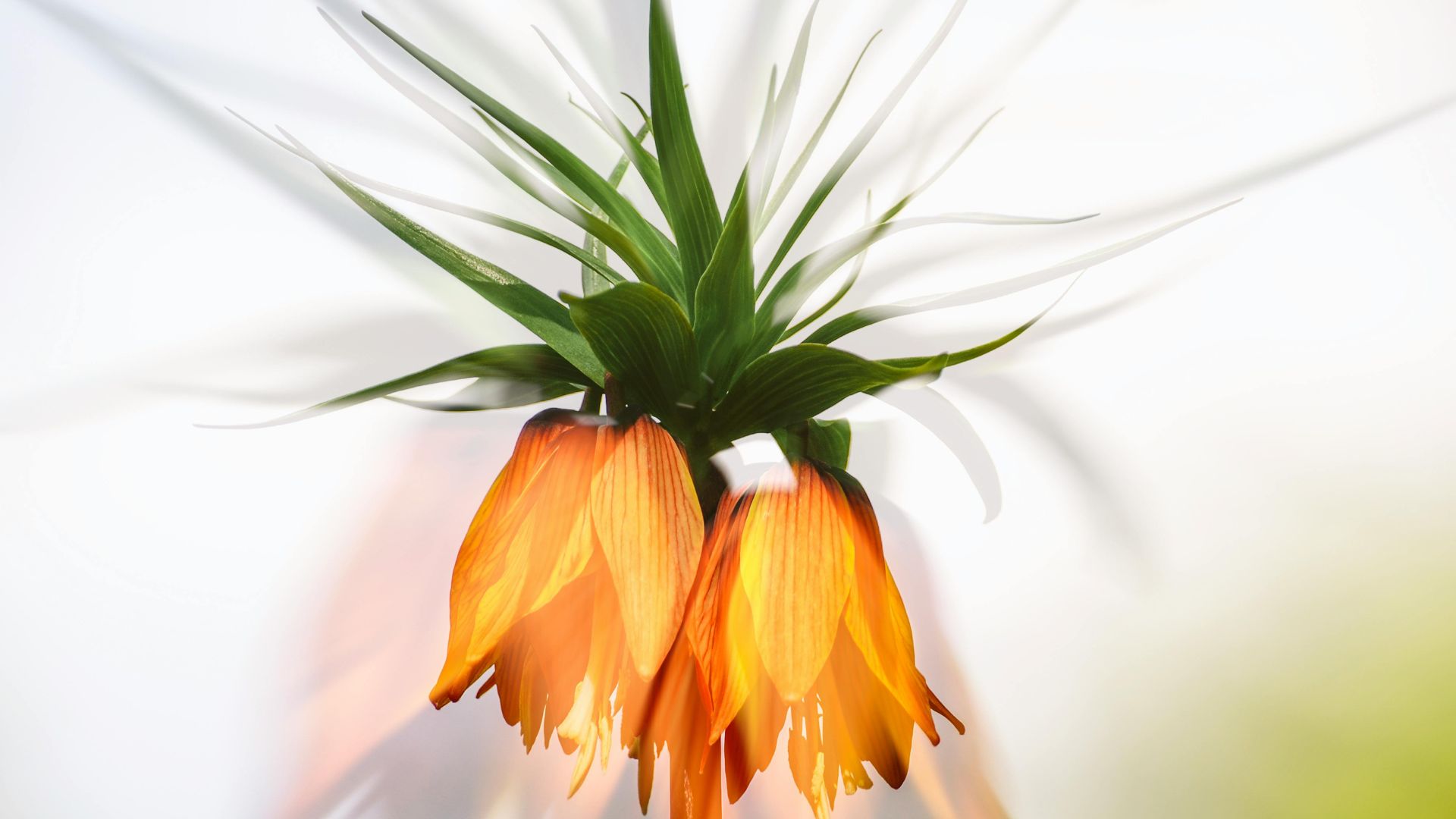
10 Essential Flower Care Tips to Keep Your Blooms Fresh
Flowers are more than just decoration — they’re living art. Their colors, fragrances, and shapes bring life to our homes and gardens, but keeping them healthy and radiant requires a bit of care and attention. Whether you’re nurturing an outdoor garden or arranging a vase on your dining table, these flower care tips will help your blooms last longer and look their best.
🌸 1. Choose Healthy Flowers from the Start
The secret to long-lasting flowers begins before you even bring them home. Always start with healthy plants. When buying from a nursery or florist, check that the stems are firm, leaves are bright green, and petals are free of brown edges or spots. Avoid plants with drooping or yellowing leaves — they’re already under stress.
If you’re growing your own flowers, use high-quality seeds or bulbs and ensure your soil drains well. Healthy beginnings mean your flowers will have stronger resistance to pests, drought, and disease later on.
🌿 2. Use Clean Tools and Containers
Just like doctors sterilize their tools, gardeners should keep theirs clean. Dirty shears or vases harbor bacteria that can quickly kill delicate flowers. Always wash scissors, pruning shears, and vases with mild soap and warm water. If you’re arranging cut flowers, rinse the stems before placing them in fresh water.
Tip: Add a drop of bleach or a teaspoon of baking soda to the vase water once a week — it helps kill harmful microorganisms that cause rot and foul smells.

🌼 3. Trim Stems Properly and Regularly
When you first bring flowers home, trim the stems at a 45-degree angle under running water. This diagonal cut allows the stem to absorb more water while preventing air bubbles from blocking the flow.
For woody-stemmed flowers like roses, hydrangeas, or lilacs, make small vertical slits at the base of each stem to encourage better water uptake. Trim stems every two days and change the water each time — it keeps the blooms looking vibrant and healthy.
🌞 4. Mind the Water Temperature and Quality
Temperature matters! Most flowers prefer room-temperature water (around 20–25°C). Cold water can shock tender stems, while hot water may damage them. For tropical flowers like orchids or hibiscus, lukewarm water is ideal.
Use filtered or distilled water if possible, as hard water can contain minerals that block the flower’s ability to absorb nutrients. And don’t forget — always refill the vase with fresh water before it becomes cloudy.
🌻 5. Feed Your Flowers for Longevity
Just like people need food, flowers need nutrients to thrive. You can use commercial flower food packets (usually included with bouquets), or make your own at home. A simple mix of 1 teaspoon sugar, 2 teaspoons lemon juice, and a few drops of bleach per liter of water works wonders.
In gardens, use an all-purpose fertilizer (10-10-10) every two weeks during the growing season. Always follow the label’s directions — overfeeding can burn delicate roots and leaves.
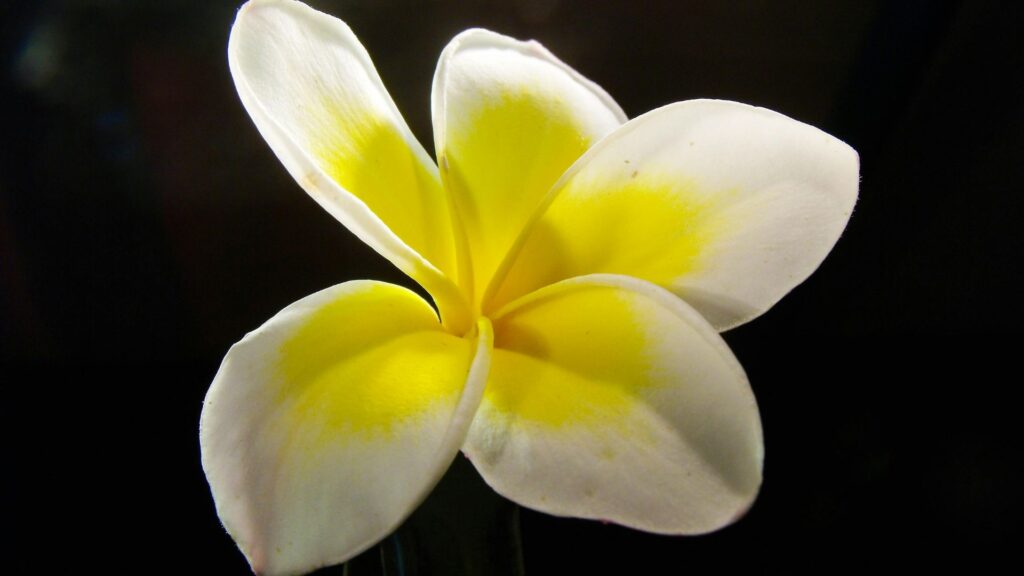
🌺 6. Provide the Perfect Amount of Light
Light is one of the most important factors in flower care. Too little light, and your blooms will fade quickly. Too much direct sunlight, and petals may burn or wilt.
Indoor flowers should sit near a bright window where they can receive indirect sunlight for several hours each day. Outdoor flowers thrive best with morning sunlight and afternoon shade, especially during hot summer months.
Remember: each flower species has its own lighting preference. For example, lilies and daisies love sunshine, while orchids and violets prefer filtered light.
💧 7. Control Humidity and Temperature
Humidity plays a major role in keeping your flowers hydrated. Dry indoor air (especially from heaters or air conditioners) can cause petals to crisp and fall prematurely.
Maintain a humidity level of 40–60% indoors. You can use a small humidifier, or lightly mist the petals once daily with a spray bottle — especially for tropical species like bromeliads or anthuriums.
Keep flowers away from heat sources, direct drafts, or cold windows. Temperature fluctuations stress plants and shorten their lifespan. Ideally, maintain a consistent environment between 18–24°C for most flowers.
🌹 8. Prune and Deadhead Regularly
Pruning isn’t just about looks — it’s about keeping your flowers healthy. Remove any dead, discolored, or wilting petals as soon as you spot them. This helps prevent mold and allows your plant to focus energy on producing new blooms.
For garden plants, deadheading (cutting off faded flowers) encourages continuous blooming throughout the season. Use sharp, clean scissors and always cut just above a leaf node for best results.
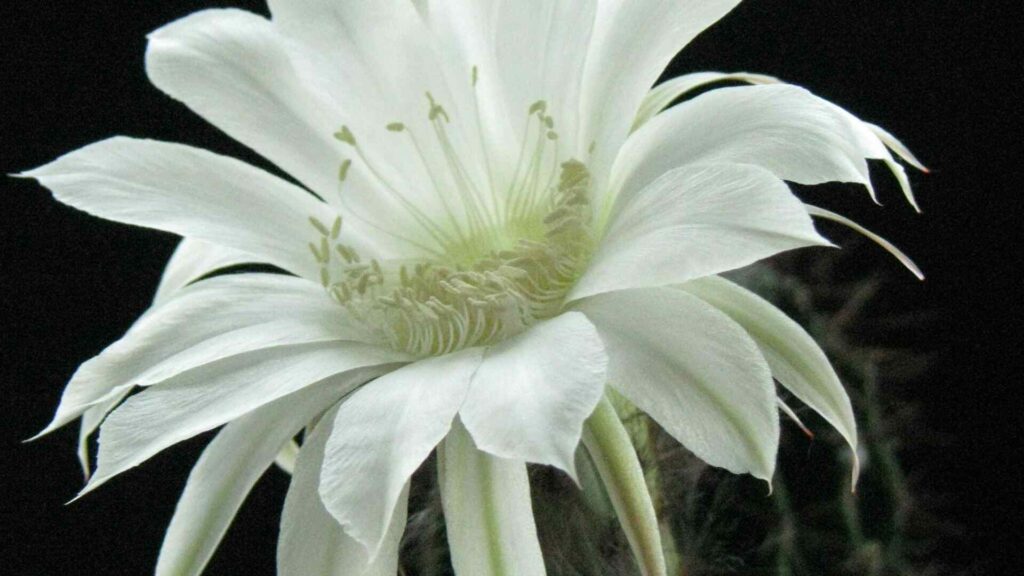
🐞 9. Protect from Pests and Diseases
Pests like aphids, mealybugs, and spider mites can sneak up on your flowers quickly. Regularly check the undersides of leaves and stems for small insects or webbing.
If you notice pests, don’t panic. Start with natural remedies — mix 1 tablespoon of neem oil with a liter of water and spray affected areas. Neem oil is safe, organic, and very effective.
For fungal diseases like powdery mildew, use a homemade mix of 1 teaspoon baking soda, a few drops of dish soap, and 1 liter of water to spray infected leaves. Prevention is always easier than treatment — so keep your plants clean and well-spaced to ensure good airflow.
🌷 10. Observe and Adapt
Every flower has its own personality. Some thrive in full sun, others in shade. Some prefer moist soil, others dry conditions. Pay attention to how your flowers respond to changes in light, watering, or fertilizer.
Keep a small garden journal or notes app to record what works best for each species. Over time, you’ll develop an intuitive understanding of your flowers’ unique needs — the secret of every great gardener!
🌼 Bonus: Soil Care and Flower Hydration Hacks
Healthy flowers start with healthy soil. Always use well-draining, nutrient-rich soil for potted or garden flowers. Add compost, coconut coir, or perlite to improve aeration.
When watering, avoid soaking the soil; water deeply but less often to encourage strong roots. For cut flowers, you can extend freshness by placing them in the fridge overnight — this slows down respiration and keeps petals firm longer.
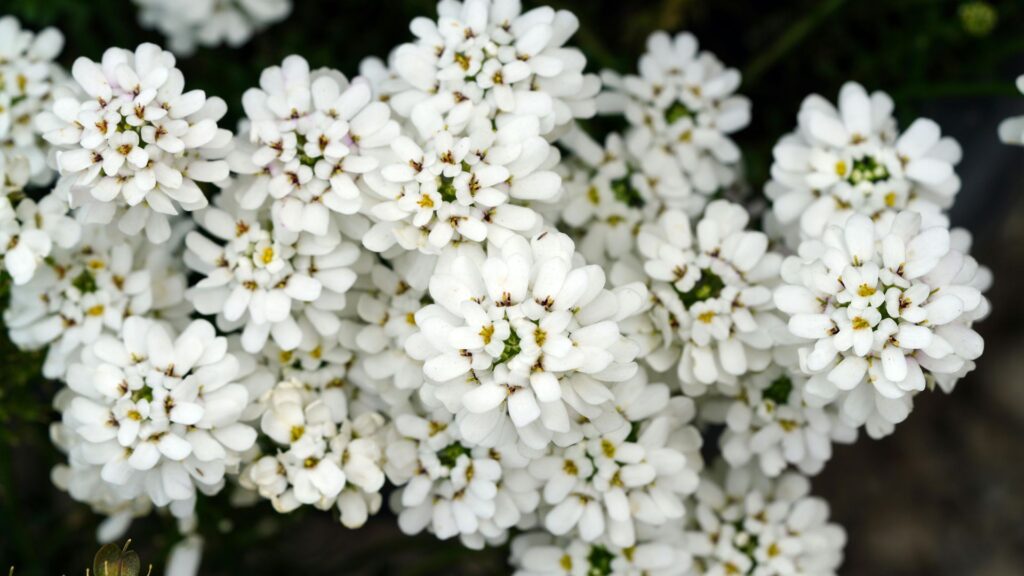
🌸 Conclusion
Caring for flowers is both science and art — a blend of technique, observation, and affection. By choosing healthy blooms, keeping tools clean, trimming properly, and understanding your plant’s needs, you’ll create a space filled with color, life, and fragrance.
Remember: happy flowers reflect a caring gardener. With consistency and love, your garden (or vase) will reward you with the kind of beauty that lifts the spirit and brightens every day. 🌼
One Comment