
Ghost Orchid: The World’s Most Mysterious Flower ( Guide)
Ghost Orchid Flower
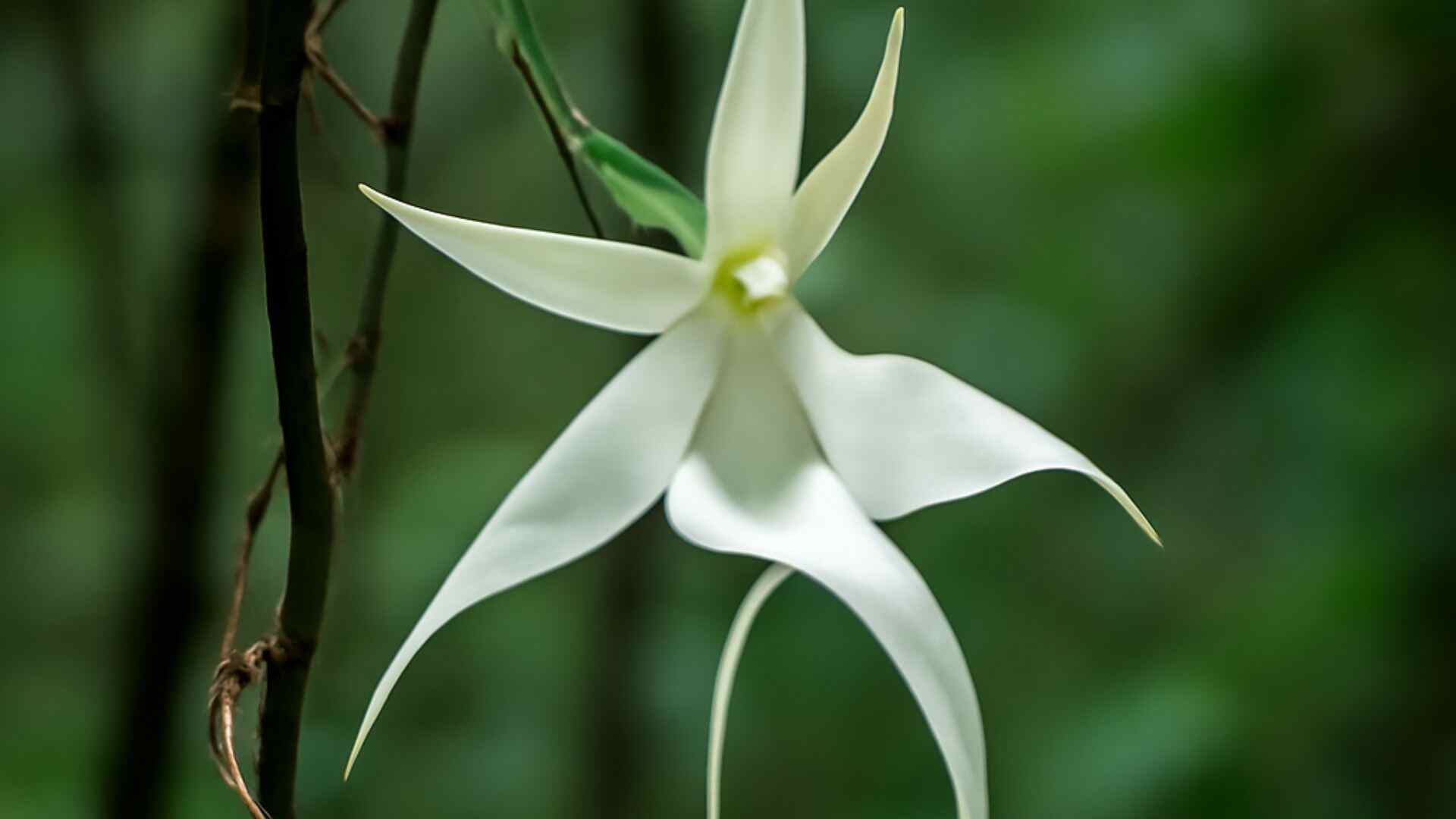
Hidden deep within swamps and dense forests, the ghost orchid is one of the most mysterious and fascinating flowers on Earth. Unlike ordinary blooms, this rare plant seems to float in mid-air, with no visible leaves and an almost ghost-like appearance — giving it a reputation that has captured the imagination of botanists and nature lovers alike.
“The ghost orchid is often considered one of the rarest flowers in the world due to its strict habitat requirements.”
But what truly makes the ghost orchid so special isn’t just how it looks — it’s how incredibly difficult it is to find and grow. This elusive flower thrives only in very specific conditions, often in remote and protected habitats where few people ever get the chance to see it in person.
Even more intriguing is its survival strategy. The ghost orchid depends on a delicate balance of humidity, temperature, and specific pollinators to reproduce. Without these perfect conditions, it simply cannot survive — which is why it remains one of the rarest flowers in the world.
If you’ve ever wondered why some flowers seem almost impossible to grow or even locate, the ghost orchid is the perfect example. It’s not just a flower — it’s a living mystery of nature.
SUMMARY
The ghost orchid is one of the rarest and most mysterious flowers in the world, known for its unique appearance and highly specific growing conditions. Found mainly in humid, swampy environments, it depends on a delicate ecosystem to survive, including specific pollinators and environmental factors.
Because of its rarity and sensitivity, the ghost orchid is extremely difficult to grow outside its natural habitat. Understanding its needs highlights the importance of preserving natural ecosystems and protecting rare plant species from environmental changes.
🌫️ What Makes the Ghost Orchid So Special?
Unlike most plants, the Ghost doesn’t have leaves. Instead, it lives as a network of green, thread-like roots that cling tightly to tree trunks. These roots absorb moisture and nutrients directly from the air — a rare adaptation that makes this orchid truly one-of-a-kind.
The name “Ghost Orchid” comes from its haunting look. When it blooms, the flower seems to hover in mid-air, like a ghost floating through the forest. This illusion happens because its roots blend perfectly into the tree bark, hiding its physical connection to the tree.
🌴 Natural Habitat: Hidden in the Swamps
The Orchid’s home is as mysterious as the flower itself. It grows only in a few secret spots — mainly in the Florida Everglades and Cuba’s tropical forests. These regions offer exactly what the plant needs: high humidity, stable temperatures, and trees like the pond-apple or pop ash that provide a good surface for its roots.
But finding one in bloom isn’t easy. The Orchid flowers only once a year, between June and August, and even then, only for a few weeks. Many people spend years searching and never see it at all.
👻 Why Is It So Rare?
The Ghost Orchid is endangered for several reasons.
- Habitat loss: The draining of swamps and deforestation have destroyed much of its natural home.
- Climate change: Small shifts in temperature and humidity make it difficult for this delicate plant to survive.
- Pollination struggles: It relies on a single type of moth — the giant sphinx moth — for pollination. If these moths disappear, so does the orchid.
Because of this fragile balance, conservationists treat the Ghost Orchid as a symbol of environmental preservation.

🌸 The Pollination Mystery
One of the most fascinating aspects of the Ghost flower is how it reproduces. The flower emits a faint, sweet scent at night to attract the giant sphinx moth. The moth, with its long proboscis, can reach the deep nectar hidden inside the orchid’s slender tube. As it drinks, pollen sticks to the moth’s body, transferring to another orchid during its next visit.
This delicate partnership is one of nature’s finest examples of mutual evolution — a dance that’s been happening for centuries, unseen by human eyes.
🧬 Scientific Background
- Scientific name: Dendrophylax lindenii
- Family: Orchidaceae
- Habitat: Tropical swamps and humid forests
- Blooming season: June to August
- Conservation status: Endangered
Fun fact: The Orchid doesn’t perform photosynthesis in its leaves (since it has none). Instead, its roots contain chlorophyll, allowing it to produce energy directly from sunlight!
🌎 Conservation Efforts and Protection
Conservationists across Florida and Cuba have launched multiple efforts to save this botanical treasure. Protected swamp zones, strict regulations on orchid collection, and artificial propagation programs are helping increase their numbers.
Botanists have even succeeded in growing Orchids in laboratories, but reintroducing them into the wild remains challenging — the orchid’s relationship with its environment is too delicate to easily replicate.
Organizations like The Ghost Orchid Alliance and Florida Panther National Wildlife Refuge play crucial roles in monitoring and protecting the remaining plants.
🌼 Symbolism and Myths Surrounding the Ghost Orchid
Throughout history, the Orchid has been surrounded by mystery, myth, and magic.
- Symbol of rarity: It represents something unattainable or extraordinary.
- Symbol of resilience: Despite its fragility, it has survived in some of the toughest environments.
- Mythical charm: In folklore, it’s said that spotting a Ghost Orchid brings luck, but trying to pick one brings misfortune.
Many artists and writers have been inspired by this rare bloom, including Susan Orlean in her book “The Orchid Thief,” which even inspired a Hollywood movie, Adaptation.
🌺 How to Grow Ghost Orchids (If You Dare)
For those brave enough to try growing one, prepare for a challenge.
- Orchids cannot grow in regular soil — they must attach to a host tree or bark.
- They need 95% humidity, indirect sunlight, and a consistent temperature of around 70–85°F (21–29°C).
- The roots must remain moist, but not waterlogged.
In short — growing one is more of an art than a science. Most enthusiasts consider it a lifelong project.
🌿 Why the Orchid Deserves Our Protection
The Orchid is not just another pretty flower — it’s a symbol of ecological balance and the hidden beauty of the wild. Protecting it means protecting entire ecosystems. Each bloom is a delicate reminder of what’s at stake when nature’s harmony is disturbed.
🌸 Final Thoughts
The Ghost Orchid stands as a timeless wonder of the natural world — a fragile, beautiful secret hidden among ancient trees and misty wetlands. It reminds us that the rarest treasures on Earth are often those we can’t easily see — or possess.
❓FAQs About the Ghost Orchid
1. Why is the ghost orchid so rare?
The orchid is rare because it requires very specific environmental conditions and relies on particular pollinators, making it difficult to grow and reproduce.
2. Where is the orchid found?
It is mainly found in swampy forests, especially in regions like Florida and parts of the Caribbean.
3. Can the orchid be grown at home?
It is extremely difficult to grow at home due to its strict requirements for humidity, temperature, and natural habitat.
4. Why is it called the ghost orchid?
It gets its name from its pale, floating appearance, which makes it look like a ghost in the wild.
5. What pollinates the ghost orchid?
It is pollinated by a specific species of moth that can reach its deep nectar structure.
2 Comments