
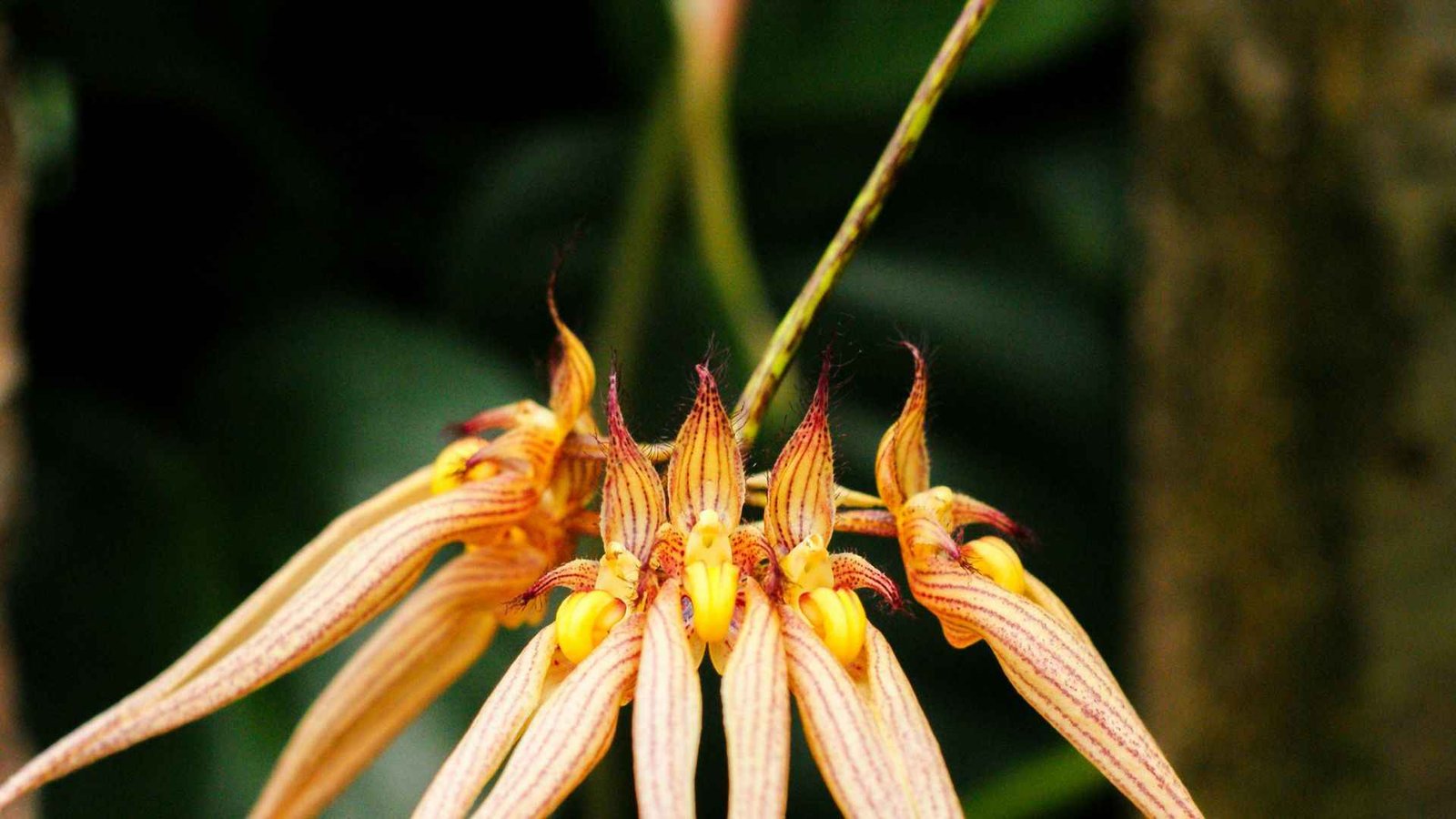
How Rare Flowers Support Soil Health Naturally
Summary
Rare Flowers Support Soil Health in powerful and often overlooked ways. While they are usually admired for their beauty and rarity, these plants play an essential role in maintaining soil structure, boosting biodiversity, and promoting long-term ecological balance.
One of the main ways rare flowers improve soil health is through their root systems. Their roots break up compacted soil, improve aeration, increase water infiltration, and prevent erosion. In fragile ecosystems like rainforests, wetlands, and mountain slopes, rare flowers help stabilize soil and protect it from degradation.
Rare flowers also release root exudates—natural compounds such as sugars and organic acids—that feed beneficial soil microbes. These microorganisms are critical for nutrient cycling, disease prevention, and soil fertility. By supporting microbial communities, rare flowers help maintain a living, active soil ecosystem.
Another key reason Rare Flowers Support Soil Health is through nutrient cycling. When leaves, stems, and flowers decompose, they add organic matter back into the soil. This organic material improves soil texture, enhances water retention, and increases carbon storage. Over time, this process builds fertile topsoil and strengthens ecosystem resilience.
Many rare flowers also form partnerships with mycorrhizal fungi. These fungal networks extend deep into the soil, increasing nutrient and water absorption while connecting multiple plants underground. Species such as the Ghost Orchid rely heavily on these symbiotic relationships, which contribute to long-term soil stability.
In biodiverse ecosystems, rare flowers help prevent soil nutrient depletion by increasing plant diversity. Diverse plant systems use nutrients at different depths and rates, reducing the risk of monoculture-related soil exhaustion. Tropical species like Amorphophallus titanum and rainforest plants such as Rafflesia arnoldii are part of complex ecosystems that continuously recycle nutrients and maintain soil balance.
Rare flowers also contribute to carbon sequestration. Through photosynthesis, they absorb carbon dioxide and store carbon in roots and soil organic matter. Carbon-rich soil improves fertility, water retention, and microbial activity, strengthening the overall ecosystem.
Additionally, rare flowers support ecosystem resilience. Healthy soil systems recover more quickly from droughts, floods, and climate stress. By improving soil structure and maintaining biodiversity, rare flowers help ecosystems adapt to environmental changes.
In restoration projects, native and rare plant species are often used to rebuild degraded land. Because they evolved in specific environments, they help restore local soil biology and encourage natural regeneration processes.
Ultimately, rare flowers are more than decorative plants. They are ecological engineers that help build, protect, and regenerate soil systems over time. Protecting rare species means protecting the health of the soil beneath them.
When rare flowers thrive, soil thrives.
And when soil thrives, entire ecosystems flourish.

Root Systems, Soil Structure & Nutrient Cycling
Rare flowers are often admired for their beauty, rarity, and ecological uniqueness. But beyond their visual appeal, rare flowers play a powerful and often overlooked role in maintaining soil health.
When we say rare flowers support soil health, we are talking about their ability to improve soil structure, promote microbial diversity, enhance nutrient cycling, and contribute to long-term ecosystem stability.
Let’s begin with the foundation — roots.
1. Root Systems Improve Soil Structure
One of the primary ways rare flowers support soil health is through their root systems.
Roots do much more than anchor a plant. They:
- Break up compacted soil
- Improve aeration
- Increase water infiltration
- Create channels for microorganisms
Many rare flowers grow in fragile ecosystems such as rainforests, wetlands, alpine slopes, or nutrient-poor soils. Their root systems are specially adapted to stabilize these environments.
For example:
- Ghost Orchid grows on trees and contributes to moisture retention in humid forest systems.
- Rafflesia arnoldii interacts with host plants in rainforest ecosystems, influencing underground biological networks.
Even when rare flowers have shallow roots, they help create micro-channels that allow water and oxygen to move deeper into the soil profile.
Healthy soil needs air and water movement. Rare flowers help maintain that balance.
2. Root Exudates Feed Soil Microorganisms
Roots release natural substances called exudates into the soil.
These exudates include:
- Sugars
- Amino acids
- Organic acids
- Enzymes
These substances feed beneficial soil microbes.
When rare flowers support soil health, they do so by feeding entire underground microbial communities.
Microorganisms in the soil:
- Decompose organic matter
- Release nutrients
- Protect plants from disease
- Improve soil fertility
Without plants like rare flowers contributing organic compounds into the soil, microbial diversity declines.
And when microbes decline, soil health declines.
3. Rare Flowers Enhance Nutrient Cycling
Nutrient cycling is the process of moving nutrients like nitrogen, phosphorus, and potassium through the ecosystem.
Rare flowers contribute to this cycle in several ways:
- Absorbing nutrients from deep soil layers
- Returning nutrients through leaf litter
- Supporting decomposer organisms
When leaves fall and decompose, they add organic matter back to the soil.
This organic matter:
- Improves soil texture
- Enhances water retention
- Increases fertility
In forest ecosystems where species like Amorphophallus titanum grow, plant material contributes to rich rainforest soils.
Even though some rainforest soils are naturally nutrient-poor, continuous plant litter maintains ecological balance.
Rare flowers are part of that system.

4. Soil Stabilization and Erosion Prevention
Rare flowers often grow in fragile environments such as:
- Mountain slopes
- Riverbanks
- Wetlands
- Tropical forest floors
Root systems help:
- Hold soil particles together
- Reduce runoff
- Prevent nutrient loss
- Stabilize slopes
Even small-rooted rare flowers contribute to overall plant cover, which reduces direct rain impact on soil surfaces.
Less erosion means:
- More nutrient retention
- Greater long-term soil fertility
- Improved ecosystem stability
So when rare flowers support soil health, they also protect landscapes from degradation.
5. Supporting Mycorrhizal Networks
Many rare flowers form partnerships with mycorrhizal fungi.
These fungi attach to plant roots and extend far into the soil.
This network:
- Increases nutrient absorption
- Improves water uptake
- Connects multiple plants underground
Some rare orchids depend almost entirely on fungal partnerships.
For example:
- Ghost Orchid relies heavily on fungal symbiosis for survival.
These fungal networks also benefit surrounding plants, creating cooperative underground systems.
In this way, rare flowers don’t just improve their own soil conditions — they enhance entire ecosystems.
6. Organic Matter Contribution
Every plant contributes organic matter when:
- Leaves fall
- Flowers drop
- Roots decay
- Plant tissue decomposes
Rare flowers add to this natural compost system.
Organic matter improves:
- Soil carbon content
- Moisture retention
- Soil texture
- Microbial diversity
Soil rich in organic matter supports more plant life.
This creates a positive cycle:
Plants improve soil → Soil supports plants → Ecosystem thrives.
Rare flowers are an essential part of this loop.

7. Rare Flowers Increase Soil Biodiversity
Healthy soil is alive.
A single teaspoon of healthy soil can contain:
- Millions of bacteria
- Thousands of fungal strands
- Microscopic insects
- Protozoa
- Nematodes
When rare flowers support soil health, they do so by increasing biodiversity both above and below ground.
Rare flowers attract:
- Pollinators
- Insects
- Birds
- Microorganisms
These organisms contribute organic waste, decomposing matter, and microbial activity.
For example:
- Rafflesia arnoldii interacts with rainforest ecosystems, influencing surrounding biological systems.
- Amorphophallus titanum contributes organic material to tropical forest floors.
Higher biodiversity means:
- Stronger nutrient cycling
- Better disease resistance
- Greater ecosystem balance
Soil biodiversity is the foundation of regeneration.
Rare flowers help maintain that diversity.
8. Rare Flowers Help Rebuild Degraded Soil
Soil degradation happens due to:
- Deforestation
- Overgrazing
- Pollution
- Intensive farming
- Erosion
In degraded environments, soil becomes:
- Compacted
- Nutrient-poor
- Low in microbial life
- Vulnerable to erosion
Certain rare flowers that grow in harsh conditions help initiate regeneration.
They act as ecological pioneers.
Their roots:
- Break compacted soil
- Introduce organic material
- Support microbial recolonization
When rare flowers support soil health in damaged ecosystems, they create conditions for other plants to return.
They are often part of the first stage of ecological restoration.
9. Carbon Sequestration and Soil Organic Carbon
One of the most important roles rare flowers play is in carbon storage.
Plants absorb carbon dioxide during photosynthesis.
Some of that carbon is stored:
- In roots
- In stems
- In leaves
- In soil organic matter
When plant material decomposes, carbon becomes part of soil organic carbon.
Healthy soils store massive amounts of carbon.
Rare flowers contribute to:
- Long-term carbon storage
- Reduction of atmospheric CO₂
- Improved soil fertility
For example, rainforest species like Amorphophallus titanum participate in high-biomass ecosystems that cycle and store carbon efficiently.
More soil carbon means:
- Better water retention
- Improved soil texture
- Increased microbial activity
Carbon-rich soil is healthy soil.

10. Rare Flowers Strengthen Ecosystem Resilience
Resilience means the ability of an ecosystem to recover from disturbance.
Disturbances include:
- Storms
- Drought
- Flooding
- Fire
- Human activity
When rare flowers support soil health, they improve resilience by:
- Holding soil in place
- Maintaining microbial diversity
- Supporting pollinator networks
- Stabilizing nutrient cycles
In wetland systems, rare plants help regulate water flow.
In mountain regions, they prevent erosion.
In rainforests, they contribute to continuous organic matter recycling.
Stronger soil systems recover faster after disturbance.
11. Rare Flowers Support Mutualistic Networks
Ecosystems operate through networks of cooperation.
Rare flowers often participate in:
- Mycorrhizal fungal networks
- Plant-to-plant nutrient exchange
- Root communication systems
Some plants share nutrients through fungal pathways.
Even rare orchids rely heavily on fungal support.
For example:
- Ghost Orchid depends almost entirely on fungal relationships for nutrient uptake.
These networks increase soil stability and fertility.
When rare flowers are present, these underground systems thrive.
12. Pollinator Support Indirectly Improves Soil Health
It might not seem obvious, but pollinators affect soil health indirectly.
Rare flowers attract:
- Bees
- Flies
- Beetles
- Moths
Pollinators contribute:
- Organic waste
- Nutrient redistribution
- Increased plant reproduction
More plants mean:
- More root systems
- More organic matter
- More microbial activity
This creates a reinforcing cycle.
Rare flowers support biodiversity, and biodiversity strengthens soil.

13. Rare Flowers Prevent Monoculture Imbalance
Monoculture environments — where only one plant species dominates — weaken soil over time.
Rare flowers increase plant diversity.
Greater plant diversity means:
- Varied root depths
- Diverse nutrient usage
- Reduced disease spread
- Balanced soil microbiomes
When rare flowers support soil health, they prevent ecological simplification.
Diversity keeps soil alive.
14. Rare Flowers in Wetlands and Water Regulation
Some rare flowers grow in wetlands and marsh ecosystems.
These plants:
- Filter water
- Trap sediment
- Slow water runoff
- Reduce nutrient pollution
Healthy wetlands protect soil from:
- Erosion
- Chemical contamination
- Nutrient imbalance
Rare species in wet ecosystems play a crucial role in maintaining soil-water relationships.
15. Rare Flowers and Long-Term Soil Regeneration Cycles
Soil regeneration is not a short-term process.
It can take:
- Years to rebuild organic matter
- Decades to restore microbial balance
- Centuries to form stable topsoil
Rare flowers support soil health over long ecological timelines.
Unlike fast-growing annual plants, many rare flowers are perennials. They remain in the soil for years, continuously contributing:
- Root biomass
- Leaf litter
- Organic compounds
- Microbial support
For example:
- Amorphophallus titanum grows in rainforest ecosystems where long-term nutrient cycling sustains soil fertility.
- Ghost Orchid participates in stable fungal networks that support soil balance over time.
Because rare flowers grow slowly, their contributions to soil regeneration are gradual but deeply integrated into ecosystem stability.
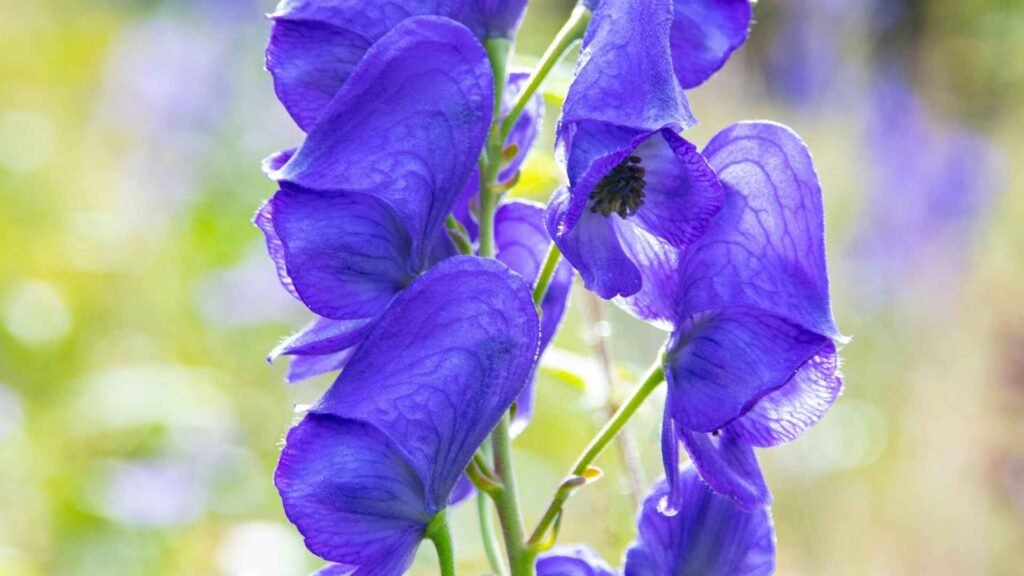
16. Rare Flowers Improve Soil Resilience Against Climate Stress
Climate change increases:
- Drought frequency
- Flood intensity
- Heatwaves
- Soil erosion
Healthy soil is the first defense against climate instability.
When rare flowers support soil health, they improve the soil’s ability to:
- Retain moisture during drought
- Absorb excess water during heavy rains
- Maintain microbial activity under temperature stress
Root systems stabilize soil and reduce runoff.
Organic matter increases water-holding capacity.
Microbial diversity improves nutrient cycling even during environmental shifts.
This makes ecosystems more climate-resilient.
17. Rare Flowers Support Underground Communication Networks
Recent ecological research shows that plants communicate underground through fungal networks.
These networks allow plants to:
- Share nutrients
- Exchange chemical signals
- Warn neighboring plants of stress
Rare flowers often participate in these “wood wide web” systems.
For instance:
- Ghost Orchid relies heavily on mycorrhizal fungal connections.
When rare flowers are present, underground networks become more complex and stable.
Stable underground communication strengthens soil ecosystems.
18. Soil Restoration Programs Use Native and Rare Species
Many ecological restoration projects focus on native plants — including rare flowers — to rebuild damaged soil systems.
Why?
Because native rare species:
- Are adapted to local soil
- Support native microbial communities
- Encourage biodiversity
- Restore natural nutrient cycles
Introducing non-native plants can sometimes disrupt soil balance.
But rare native flowers often enhance regeneration because they evolved alongside local soil ecosystems.
In restoration ecology, plant diversity equals soil diversity.

19. Rare Flowers Help Maintain Soil pH Balance
Soil pH affects nutrient availability.
Some rare flowers influence pH through:
- Leaf litter composition
- Root secretions
- Microbial interactions
Organic acids released by roots can adjust micro-pH levels around root zones.
Over time, this creates balanced soil chemistry.
Balanced soil pH improves:
- Nutrient uptake
- Microbial stability
- Root growth
- Plant diversity
So when rare flowers support soil health, they also contribute to chemical balance.
20. Rare Flowers Prevent Soil Nutrient Depletion
Monocultures often exhaust soil nutrients.
But ecosystems with rare flower diversity distribute nutrient demand across species.
Different plants:
- Absorb different nutrients
- Have varying root depths
- Use soil layers differently
This prevents over-depletion of one specific nutrient.
For example:
- Rainforest species like Rafflesia arnoldii exist within highly diverse ecosystems where nutrient sharing and recycling are constant.
Diversity ensures soil remains productive.
21. Rare Flowers Strengthen Pollinator-Soil Relationships
Healthy pollinator populations indirectly benefit soil.
More pollinators lead to:
- Greater plant reproduction
- Increased plant cover
- More organic matter
- Enhanced root systems
Rare flowers attract specialized pollinators, increasing ecological complexity.
Greater ecological complexity strengthens soil regeneration.
Everything is connected.
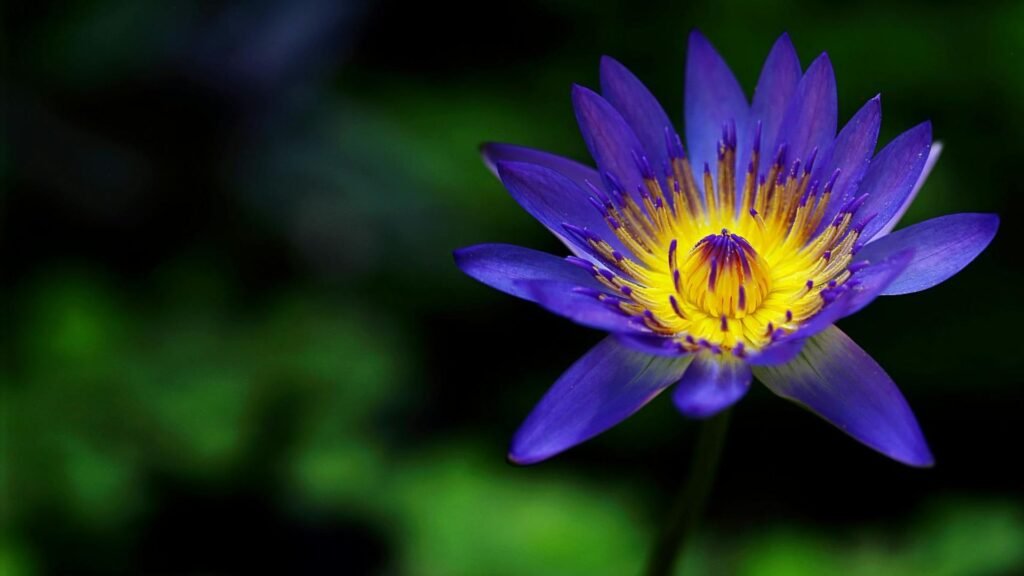
22. Protecting Rare Flowers Protects Soil
When rare flowers disappear:
- Biodiversity declines
- Microbial diversity drops
- Nutrient cycling weakens
- Soil erosion increases
Losing rare flowers often signals declining ecosystem health.
Protecting rare flowers means protecting:
- Forest soil
- Wetland sediment
- Mountain slopes
- Tropical nutrient cycles
Soil health and rare plant survival are inseparable.
23. Why Rare Flowers Are Indicators of Healthy Soil
Rare flowers often thrive only in undisturbed ecosystems.
Their presence indicates:
- Stable soil structure
- Balanced nutrient cycles
- Intact fungal networks
- Healthy biodiversity
When rare flowers disappear from an area, it often signals soil degradation.
They are ecological indicators of soil quality.
24. The Future of Soil Health Depends on Biodiversity
Modern agriculture and deforestation threaten soil worldwide.
Loss of plant diversity reduces:
- Microbial life
- Organic matter
- Nutrient cycling efficiency
- Water retention capacity
Rare flowers represent biodiversity at its most specialized level.
Protecting them helps preserve ecosystem complexity.
And ecosystem complexity protects soil.

Final Conclusion
Rare flowers support soil health in ways that go far beyond surface beauty.
They:
- Improve soil structure
- Feed microbial communities
- Enhance nutrient cycling
- Increase biodiversity
- Sequester carbon
- Strengthen resilience
- Support fungal networks
- Prevent erosion
- Regulate water
- Restore degraded land
From root systems to carbon storage, rare flowers are active contributors to soil regeneration.
Healthy soil depends on biodiversity.
And biodiversity depends on protecting rare species.
If we want fertile soil, climate resilience, and ecosystem stability, protecting rare flowers is not optional.
It is essential.
FAQs
1. How do rare flowers support soil health?
Rare flowers support soil health by improving soil structure, feeding beneficial microbes, increasing organic matter, and enhancing nutrient cycling within ecosystems.
2. Why are rare flowers important for soil regeneration?
Rare flowers help regenerate soil through root systems that prevent erosion, improve aeration, and promote microbial diversity essential for healthy nutrient cycles.
3. Do rare flowers improve soil biodiversity?
Yes, rare flowers increase soil biodiversity by supporting fungi, bacteria, insects, and other microorganisms that maintain soil balance and fertility.
4. Can rare flowers help restore degraded land?
Rare flowers, especially native species, are often used in ecological restoration because they help rebuild soil structure, restore nutrient cycles, and support long-term ecosystem recovery.
5. How do rare flowers contribute to carbon storage in soil?
Rare flowers absorb carbon dioxide through photosynthesis and store carbon in roots and organic matter, increasing soil carbon and improving fertility.