

How Rare Flowers Survive in Extreme Environments
Summary
Rare flowers survive in extreme environments through a combination of adaptation, specialization, and efficiency developed over thousands of years. These environments include freezing regions, deserts, high-altitude landscapes, nutrient-poor soils, and flooded wetlands—places where most plants cannot survive. Some plants can survive only in specific regions, just like these unique flowers found only in one country.
Their survival depends on slow growth, compact structures, specialized root systems, water conservation, and protective leaf adaptations. In cold or dry conditions, rare flowers use dormancy and rapid blooming to take advantage of short favorable periods. In poor soils, they rely on symbiotic relationships with fungi and efficient nutrient use. Some survive flooding by developing oxygen-absorbing roots.
Rare flowers also survive by managing energy carefully. Many bloom only when conditions are ideal, conserving resources during harsh periods. Long lifespans allow them to persist through years of stress until reproduction becomes possible.
While these strategies ensure survival, they also limit expansion. Rare flowers remain rare because they depend on precise conditions and reproduce slowly. Their existence is a testament to nature’s resilience and balance.
Understanding how rare flowers survive extreme environments highlights the importance of protecting these fragile ecosystems. Preserving rare flowers means preserving the unique environments that support life in its most resilient forms.
Understanding Extreme Environments and Plant Survival
Rare flowers are often found in places where life seems almost impossible. Some grow on frozen mountains, others in dry deserts, deep forests, rocky cliffs, or nutrient-poor soils. These environments appear harsh and unforgiving, yet rare flowers not only survive there — they adapt, evolve, and persist.
To understand how rare flowers survive in extreme environments, we must first understand what makes an environment “extreme” and why only certain plants are capable of living under such conditions. Survival in extreme environments is not accidental; it is the result of long-term adaptation, specialization, and resilience.
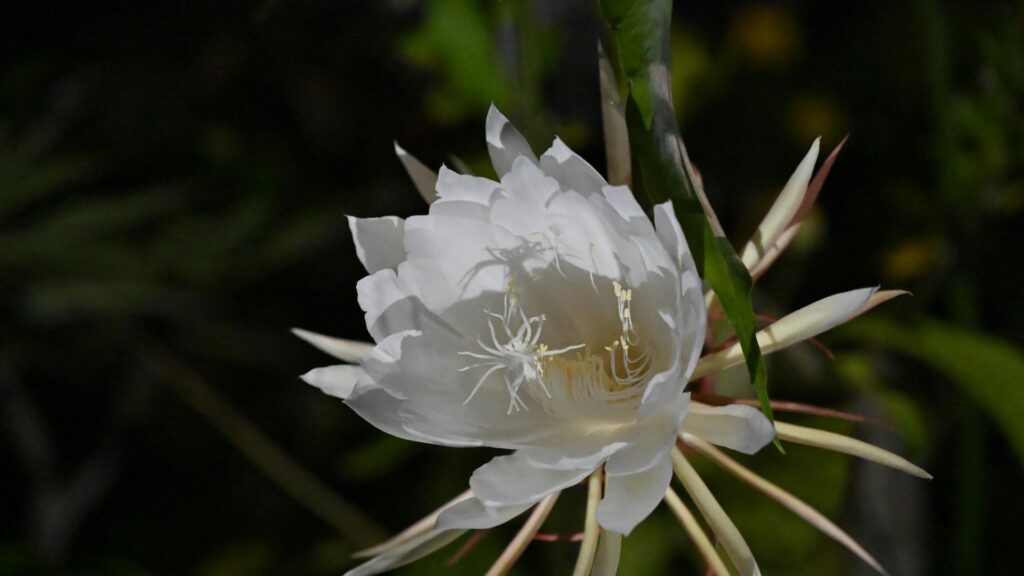
What Are Extreme Environments for Plants?
An extreme environment is any place where conditions make plant survival difficult or unstable. These conditions push plants to their limits and prevent most common species from growing successfully.
Extreme environments for flowers include:
- Very cold regions with freezing temperatures
- Hot and dry deserts with little rainfall
- High-altitude mountains with thin air
- Rocky or nutrient-poor soils
- Areas with strong winds or intense sunlight
- Wetlands with waterlogged or oxygen-poor soil
In such environments, survival requires special traits that most plants do not possess.
Why Only Rare Flowers Survive in These Conditions
Most common flowers thrive in balanced environments where water, sunlight, and nutrients are easily available. Extreme environments lack this balance.
Rare flowers survive because they:
- Adapted slowly over thousands of years
- Developed specialized physical traits
- Formed unique relationships with their environment
- Reduced their dependence on external resources
These adaptations make rare flowers unsuitable for normal garden conditions, but perfectly suited for their extreme habitats.
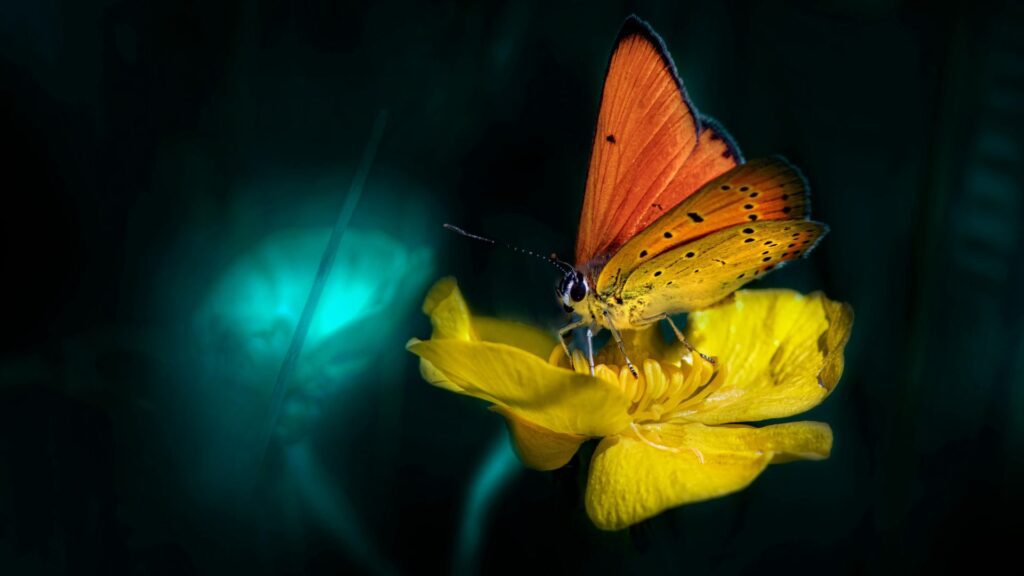
Adaptation: The Key to Survival
Adaptation is the process by which plants change over generations to survive in challenging conditions. Rare flowers that live in extreme environments are the result of countless small adaptations accumulated over time.
These adaptations affect:
- Root systems
- Leaf structure
- Flowering cycles
- Growth speed
- Reproductive strategies
Without adaptation, survival in extreme environments would be impossible.
Slow Growth as a Survival Strategy
Many rare flowers grow very slowly. While this may seem like a disadvantage, slow growth helps plants survive where resources are limited.
Slow growth allows rare flowers to:
- Use minimal water and nutrients
- Reduce energy consumption
- Survive long periods of stress
In harsh environments, growing fast often leads to exhaustion and death. Slow growth increases longevity.
Limited Size and Compact Structure
Rare flowers in extreme environments are often small or compact. This physical trait helps them resist harsh conditions.
A compact structure:
- Reduces water loss
- Protects against strong winds
- Limits exposure to extreme temperatures
By staying close to the ground or growing in tight clusters, rare flowers increase their chances of survival.

Specialized Root Systems
Roots play a critical role in survival. Rare flowers often develop root systems specifically designed for extreme conditions.
Some roots:
- Grow very deep to reach underground water
- Spread widely to capture scarce moisture
- Anchor plants firmly in rocky terrain
These root systems allow rare flowers to access resources unavailable to other plants.
Leaf Adaptations for Harsh Conditions
Leaves are another area where rare flowers show remarkable adaptation.
In extreme environments, leaves may:
- Be thick or waxy to reduce water loss
- Be small or needle-like to limit exposure
- Change orientation to avoid direct sunlight
These adaptations help flowers survive heat, cold, drought, and strong winds.

Reduced Dependence on Frequent Blooming
Many rare flowers do not bloom every year. Some bloom only when conditions are favorable.
This strategy:
- Conserves energy
- Reduces risk during bad seasons
- Allows survival during long periods of stress
Blooming becomes a carefully timed event rather than a regular cycle.
Why These Survival Traits Create Rarity
The same adaptations that allow rare flowers to survive extreme environments also make them rare.
Because they depend on:
- Specific climates
- Unique soils
- Narrow environmental windows
They cannot spread easily. Their survival strategies limit expansion, keeping populations small and localized.
Survival in Cold, Dry, and High-Altitude Environments
Extreme environments push plants to their biological limits. Rare flowers that survive in these conditions do so by developing highly specialized survival mechanisms. Cold regions, deserts, and high-altitude landscapes are among the harshest places on Earth for plant life, yet rare flowers continue to exist there.

Survival in Extremely Cold Environments
Cold environments are defined by freezing temperatures, short growing seasons, and limited sunlight. In such regions, rare flowers must survive long winters and make the most of very brief summers.
Rare flowers in cold climates survive by:
- Remaining dormant for most of the year
- Completing their life cycle quickly during short warm periods
- Producing antifreeze-like compounds that protect cells
- Growing close to the ground to retain heat
Many cold-region flowers bloom rapidly as soon as snow melts, taking advantage of the small window available for reproduction.
Adapting to Dry and Desert Conditions
Deserts and arid regions are defined by extreme water scarcity, intense sunlight, and poor soil quality. Most plants cannot survive here, but some rare flowers have adapted perfectly.
Key survival strategies include:
- Storing water in roots, stems, or leaves
- Having waxy or thick leaf surfaces to prevent evaporation
- Closing leaf pores during the hottest parts of the day
- Growing deep roots to access underground moisture
Some desert flowers remain dormant as seeds for years, waiting for rare rainfall events before blooming briefly.
High-Altitude Survival Strategies
High-altitude environments combine multiple challenges:
- Thin air
- Strong winds
- Intense ultraviolet radiation
- Cold temperatures
Rare flowers at high altitudes often grow in compact forms to reduce wind damage and conserve heat. Their pigments may be darker to protect against ultraviolet radiation, and their growth is slow but efficient.
These adaptations allow survival where most plants fail.

Soil, Nutrients, and Symbiotic Relationships
Extreme environments are not only defined by climate but also by poor soil conditions. Many rare flowers survive in places where nutrients are scarce, soil is rocky, or oxygen levels are low.
Surviving in Nutrient-Poor Soils
Some rare flowers grow in soils lacking essential nutrients like nitrogen or phosphorus. Instead of relying on soil fertility, they develop alternative strategies.
These include:
- Slow metabolism to reduce nutrient demand
- Specialized root systems to absorb trace minerals
- Forming partnerships with soil organisms
By reducing their nutrient needs, rare flowers survive where other plants starve.
Symbiotic Relationships With Fungi
Many rare flowers depend on mycorrhizal fungi—microscopic organisms that attach to plant roots.
In return, the plant provides sugars produced through photosynthesis.
This partnership:
- Improves nutrient uptake
- Increases drought resistance
- Enhances survival in poor soils
Without these fungi, many rare flowers could not survive.
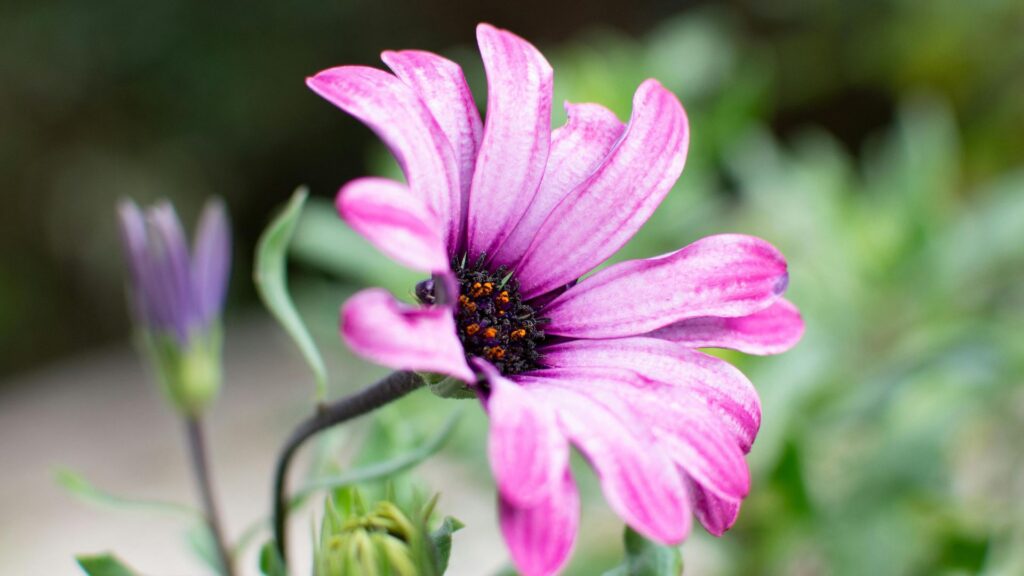
Adaptation to Waterlogged or Oxygen-Poor Soil
Some rare flowers grow in wetlands or marshes where soil contains little oxygen. To survive, they develop specialized root systems that allow oxygen intake directly from the air.
These adaptations prevent root suffocation and allow survival in flooded environments that would kill most plants.
Reproductive Timing, Energy Conservation, and Long-Term Survival
Survival in extreme environments is not only about physical adaptation. Rare flowers must also reproduce successfully under unpredictable conditions.
Strategic Blooming and Reproductive Timing
Many rare flowers bloom only when conditions are favorable. This may happen once a year, once every few years, or even once in decades.
This strategy:
- Conserves energy
- Reduces exposure to harsh conditions
- Increases chances of successful pollination
Rather than blooming regularly, rare flowers wait for optimal conditions.
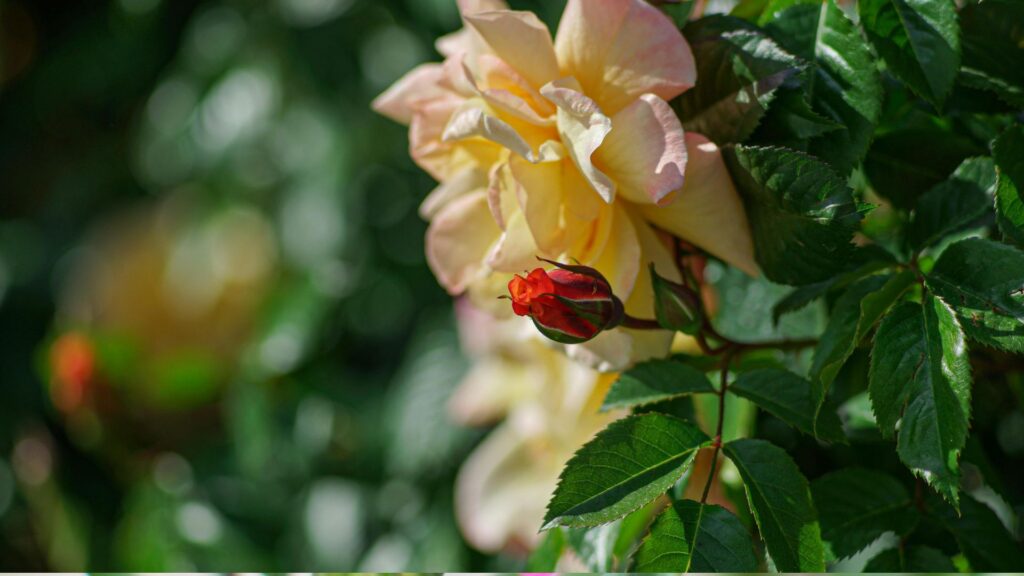
Energy Conservation as a Survival Tool
Energy conservation is critical in extreme environments. Rare flowers minimize energy use by:
- Growing slowly
- Producing fewer but stronger seeds
- Limiting unnecessary growth
This efficiency allows survival during long periods of environmental stress.
Longevity and Persistence
Some rare flowers live for many years or even decades. Long lifespans compensate for slow reproduction and infrequent blooming.
By surviving longer, rare flowers increase the chances of reproducing successfully at least once during favorable conditions.
Why These Strategies Keep Flowers Rare
The same strategies that allow survival also limit population growth. Because rare flowers:
- Reproduce slowly
- Bloom infrequently
- Depend on specific conditions
Their populations remain small and localized, preserving rarity.

Final Thought
Rare flowers survive in extreme environments not by chance, but through remarkable adaptation, patience, and efficiency. Over thousands of years, they have learned how to conserve energy, endure harsh climates, and bloom only when conditions allow. These survival strategies make them resilient, yet they also keep their populations small and fragile.
Understanding how rare flowers survive extreme environments helps us appreciate the delicate balance of nature. Their existence reminds us that life can persist even under the toughest conditions—but only when ecosystems remain intact. Protecting rare flowers means protecting the environments that shaped them, ensuring that nature’s most resilient beauty continues to survive for future generations.
FAQs
❓ How do rare flowers survive extreme environments?
Rare flowers survive extreme environments by developing special adaptations such as slow growth, water conservation, compact structures, and strategic blooming during favorable conditions.
❓ What types of extreme environments do rare flowers live in?
Rare flowers can survive in cold regions, deserts, high-altitude mountains, nutrient-poor soils, and wetlands where most plants cannot grow.
❓ Why do rare flowers grow slowly in harsh conditions?
Slow growth helps rare flowers conserve energy and resources, allowing them to survive long periods of stress when water, nutrients, or warmth are limited.
❓ Do survival adaptations make rare flowers endangered?
Yes, while these adaptations help rare flowers survive harsh environments, they also limit reproduction and expansion, keeping populations small and vulnerable to environmental change.
В Москве существует множество автосервисов, специализирующихся на Тойота. Специалисты готовы осуществлять ремонт и обслуживание ваших автомобилей.
Если вам нужен качественный и надежный автосервис Тойота, мы предлагаем широкий спектр услуг для вашего автомобиля.
Работа с автомобилями этой марки требует особого подхода. Каждый механик проходит специальное обучение и сертификацию.
В автосервисе установлено современное оборудование. Это позволяет проводить диагностику и ремонт на высшем уровне.
Обращаясь в автосервис Тойота, вы можете рассчитывать на высокое качество услуг. Наши клиенты всегда остаются довольны результатом работ.