

The Life Cycle of Rare Flowers: From Seed to Survival
Summary
The life cycle of rare flowers is a slow, delicate, and highly specialized biological process that depends on perfect environmental balance. Unlike common plants that bloom annually with minimal conditions, rare flowers often require specific habitats, specialized pollinators, and years of energy storage before reproduction occurs. Some plants can survive only in specific regions, just like these unique flowers found only in one country.
The cycle begins with pollination, where pollen is transferred from the male to the female part of a flower. Many rare species rely on specific insects or animals. For example, the Ghost Orchid depends on a long-tongued moth, while Rafflesia arnoldii attracts flies using its strong odor. If pollinators are absent, reproduction fails.
After pollination comes fertilization, where ovules develop into seeds. Seeds mature inside fruits and are later dispersed by wind, animals, water, or gravity. However, because rare flowers grow in highly specific environments, most seeds never land in suitable conditions.
Next comes germination, which begins when seeds absorb water and activate growth enzymes. Some rare flowers, especially orchids, require fungal symbiosis to survive early development. Without the correct soil fungi, germination fails.
The seedling stage is the most vulnerable phase. Young plants face threats such as drought, disease, competition, and habitat disturbance. Many seedlings do not survive to maturity.
If they do survive, the plant enters vegetative growth, which can last several years. During this time, the plant builds roots, grows leaves, and stores energy. For example, Amorphophallus titanum may spend 7–10 years gathering enough energy before producing a single bloom.
Once mature, the plant waits for specific environmental triggers such as rainfall, temperature shifts, or daylight changes before forming buds. Bud formation marks the shift toward reproduction. Blooming is often brief but spectacular. Some flowers bloom for only 24–48 hours, investing years of stored energy into one reproductive event.
After blooming, successful pollination leads to fruit and seed development, restarting the cycle. However, environmental threats such as habitat destruction, climate change, and pollinator decline can interrupt any stage of this process.
Understanding the life cycle of rare flowers highlights how interconnected ecosystems truly are. Protecting these flowers means protecting pollinators, forests, soil systems, and climate stability. Their survival depends on preserving every stage of this delicate biological journey.
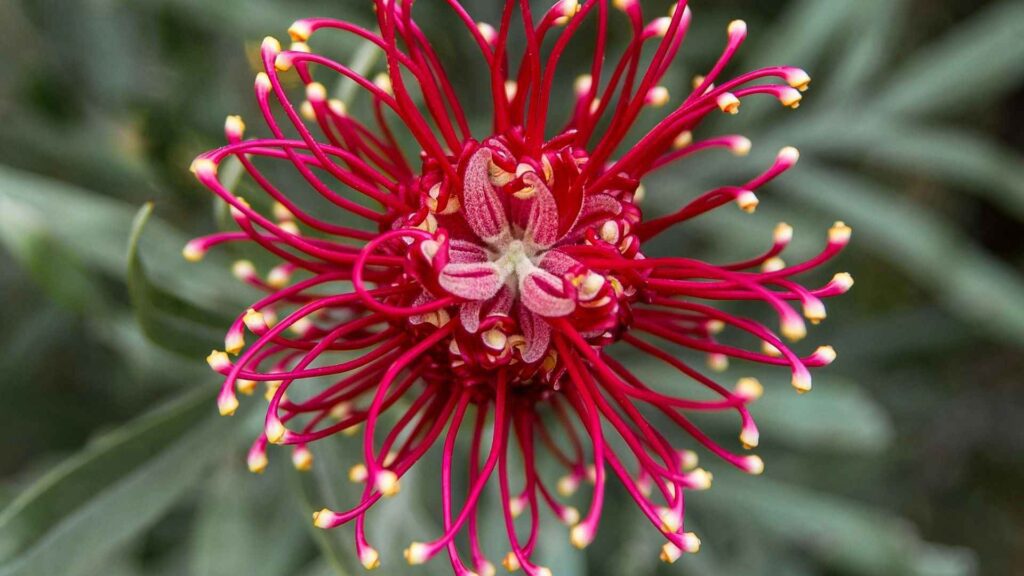
Life Cycle Flowers Explained Step by Step
Rare flowers are some of the most fascinating and delicate organisms on Earth. Unlike common garden flowers that bloom every season, rare flowers often grow in isolated regions, require highly specific environmental conditions, and sometimes bloom only once in several years.
Understanding the life cycle of rare flowers is important because their survival depends on every single stage working perfectly. If even one stage fails — pollination, germination, or seedling growth — the entire population may decline.
In this first part, we will explore the early stages of the life cycle of rare flowers, from pollination to early vegetative growth. Many plants cannot survive in new environments, especially rare flowers struggle outside their habitat due to strict climate and soil needs.
What Makes a Flower Rare?
A flower becomes rare for several reasons:
- Limited geographic distribution
- Small population size
- Specialized pollination requirements
- Dependence on specific soil or climate conditions
- Habitat destruction
Some famous examples of rare flowers include:
- Rafflesia arnoldii
- Amorphophallus titanum
- Middlemist Red
- Ghost Orchid
Although these plants are very different from each other, they follow the same basic biological pattern — the flowering plant life cycle.
Stage 1: Pollination – The Real Beginning
The life cycle of rare flowers truly begins with pollination.
Pollination is the transfer of pollen from the male part of a flower (anther) to the female part (stigma). Without pollination, fertilization cannot occur, and no seeds will form.
Why Pollination Is Harder for Rare Flowers
Rare flowers often rely on very specific pollinators.
For example:
- Ghost Orchid depends on a long-tongued moth to access its nectar.
- Rafflesia arnoldii produces a strong rotting smell to attract flies.
If these specific pollinators are not present, reproduction fails.
Because rare flowers usually grow in small populations, they may also be spread far apart. This makes it harder for pollinators to transfer pollen between plants.
This is one major reason why rare flowers remain rare.
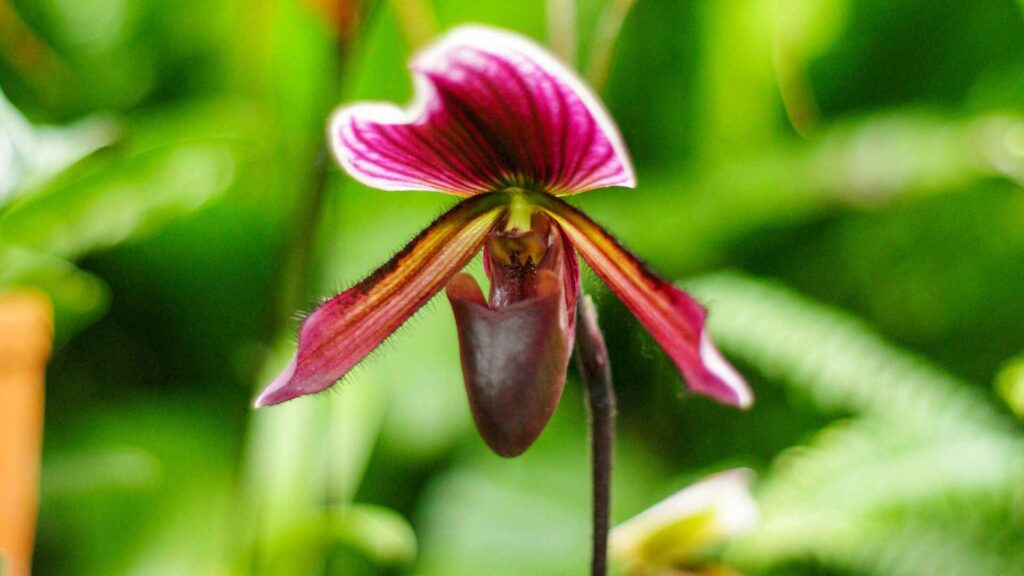
Stage 2: Fertilization – The Formation of New Life
Once pollen lands on the stigma, it travels down a tube to reach the ovule inside the flower. When fertilization happens, the ovule transforms into a seed.
This stage involves:
- Cell division
- Genetic combination
- Protective seed coat development
However, fertilization success in rare flowers can be low due to:
- Short blooming periods
- Limited pollinator visits
- Environmental stress
In species like Amorphophallus titanum, flowering itself is rare, so opportunities for fertilization are limited.
If fertilization fails, the life cycle stops there.
Stage 3: Seed Development – Preparing for Survival
After fertilization, the flower begins producing seeds.
Seeds contain:
- An embryo (baby plant)
- Stored nutrients (in many species)
- A protective outer coating
In some rare flowers, thousands of tiny seeds are produced. Orchids, for example, produce dust-like seeds that are extremely lightweight.
However, not all seeds are viable.
Environmental conditions such as:
- Temperature
- Soil nutrients
- Water availability
affect seed development quality.
If conditions are poor, seeds may not mature properly.
Stage 4: Seed Dispersal – Spreading the Next Generation
Once seeds are mature, they must leave the parent plant.
Rare flowers use several dispersal methods:
1. Wind Dispersal
Lightweight seeds travel through the air.
2. Animal Dispersal
Animals eat fruit and later deposit seeds elsewhere.
3. Water Dispersal
4. Gravity
Seeds simply fall to the ground.
However, rare flowers grow in highly specialized habitats.
For example:
- Ghost Orchid seeds must land on specific host trees in humid swamp forests.
If seeds land outside their ideal habitat, they will not survive.
This strict environmental requirement drastically limits successful reproduction.
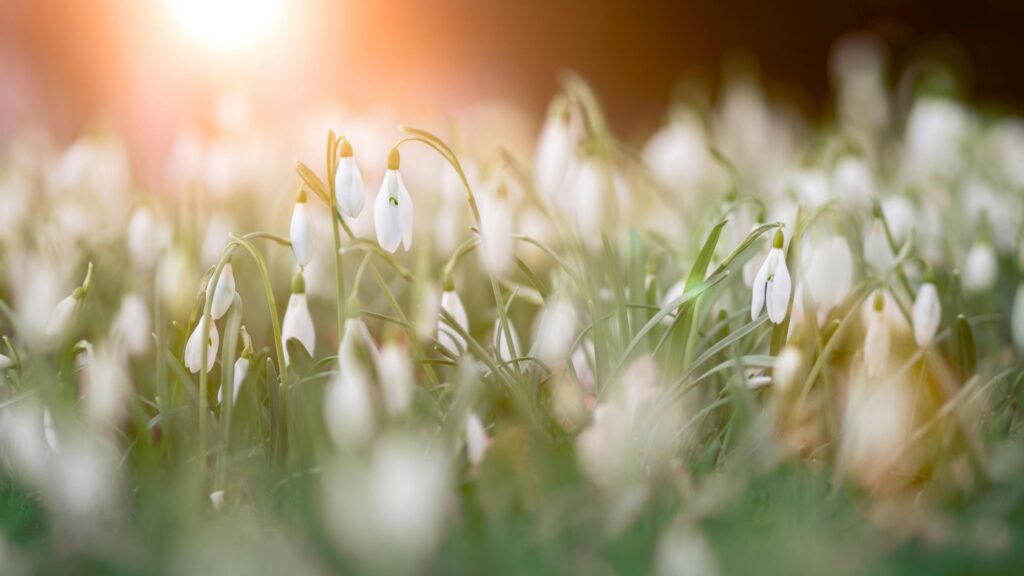
Stage 5: Dormancy – Waiting for the Perfect Moment
Not all seeds begin growing immediately.
Some enter a phase called dormancy.
Dormancy allows seeds to:
- Survive drought
- Endure cold temperatures
- Wait for seasonal changes
During dormancy, seeds monitor environmental signals like:
- Moisture
- Temperature
- Light exposure
Only when the conditions are correct does germination begin.
For rare flowers, this waiting period can last months or even years.
Dormancy increases survival chances in unpredictable environments.
Stage 6: Germination – The Awakening
Germination starts when a seed absorbs water.
This activates enzymes inside the seed, beginning growth.
The steps include:
- Water absorption
- Swelling of the seed
- Root (radicle) emergence
- Shoot growth
In many rare orchids, germination requires fungal symbiosis.
Orchid seeds do not contain stored food. Instead, they depend on fungi in the soil to provide nutrients.
Without this fungal partner, the seed cannot grow.
This makes rare flowers highly sensitive to soil ecosystem changes.
If the fungal network is damaged, germination rates drop dramatically.
Stage 7: Early Seedling Development – The Most Dangerous Stage
After germination, the seed becomes a seedling.
This stage is extremely fragile.
Seedlings face threats such as:
- Herbivores
- Drought
- Disease
- Competition from other plants
- Human disturbance
For rare flowers, losing seedlings has a major impact because populations are already small.
In many species, only a small percentage of seedlings survive to maturity.
This completes the early stages of the life cycle.
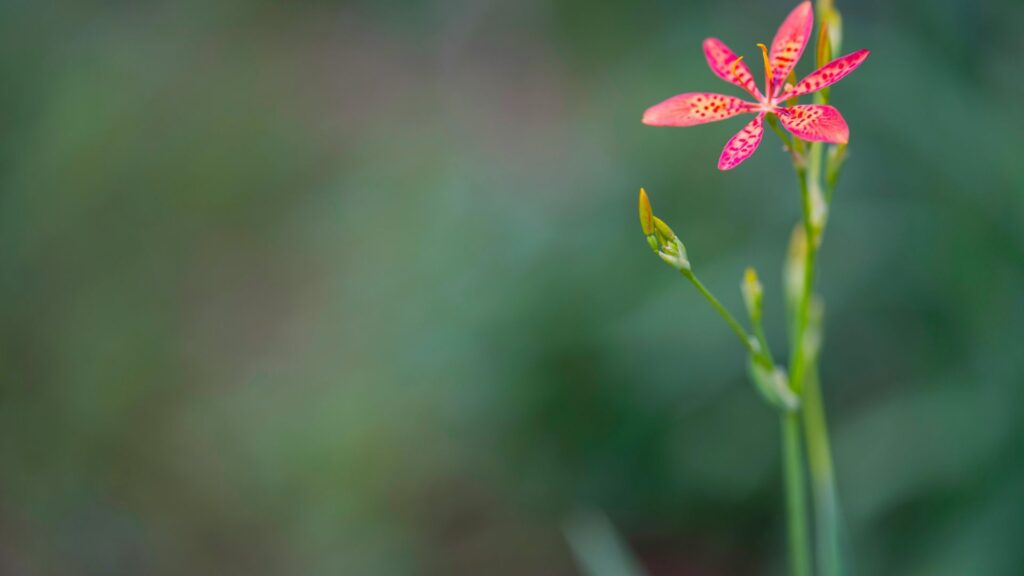
Stage 8: Vegetative Growth – Building Strength for the Future
After surviving the fragile seedling stage, a rare flower enters vegetative growth. This stage can last several years — sometimes even a decade.
During vegetative growth, the plant focuses on:
- Expanding leaves
- Strengthening roots
- Increasing photosynthesis
- Storing carbohydrates
- Developing structural stability
Unlike fast-growing garden plants, rare flowers often grow slowly. This slow growth is an adaptation to limited nutrients or harsh environmental conditions.
For example:
- Amorphophallus titanum produces a single enormous leaf structure that resembles a small tree. Beneath the soil, it develops a large underground corm that stores massive amounts of energy.
This energy storage is critical because flowering requires tremendous resources.
If the plant does not gather enough energy, it will delay reproduction.
Why Rare Flowers Grow Slowly
Rare flowers often grow in environments such as:
- Dense rainforests
- Swamps
- Rocky mountains
- Nutrient-poor soils
Because of these conditions:
- Sunlight may be limited
- Soil nutrients may be scarce
- Water availability may fluctuate
Slow growth allows the plant to survive longer and avoid exhausting resources.
In many cases, slow growth increases long-term survival.
Stage 9: Root System Expansion – The Hidden Foundation
While leaves are visible above ground, roots play an equally important role below the surface.
During this stage:
- Roots expand outward
- Water absorption increases
- Nutrient uptake improves
- Fungal partnerships strengthen
Many rare orchids, including the Ghost Orchid, have specialized root systems that absorb moisture directly from the air.
Some rare flowers even rely almost entirely on their roots for photosynthesis.
Healthy root systems are essential for future blooming success.
If roots are damaged by soil disturbance or habitat destruction, the entire life cycle is disrupted.
Stage 10: Maturity – Reaching Reproductive Age
After years of vegetative growth, the plant reaches maturity.
However, maturity does not automatically mean blooming.
Rare flowers often wait for environmental triggers before initiating reproduction.
These triggers may include:
- Seasonal rainfall patterns
- Temperature fluctuations
- Daylight duration changes
- Nutrient thresholds
For instance:
- Amorphophallus titanum may take 7–10 years to bloom for the first time.
If conditions are not favorable, the plant may postpone flowering for additional years.
This waiting strategy prevents wasted energy.
Stage 11: Energy Accumulation – The Final Preparation
Before bud formation begins, the plant enters a phase of energy concentration.
During this stage:
- Photosynthesis increases
- Stored starches accumulate
- Nutrients shift toward reproductive tissues
Flower production is extremely expensive in biological terms.
For rare flowers that bloom infrequently, reproduction is a major event.
In species like Rafflesia arnoldii, the plant spends years as a parasite inside host vines before producing a single giant bloom.
That bloom represents years of preparation.
Stage 12: Bud Formation – The Turning Point
Bud formation marks the shift from vegetative growth to reproduction.
The plant redirects energy toward:
- Petal formation
- Reproductive organ development
- Nectar production
- Scent gland development
Bud formation may take weeks or months depending on the species.
In extremely rare species such as:
- Middlemist Red
each bud is considered precious because only two cultivated plants are known to exist.
Botanists often monitor bud development carefully in botanical gardens to ensure successful blooming.
At this stage, the plant is highly sensitive to environmental stress.
A sudden drought or temperature change can cause the bud to drop before opening.
Stage 13: Blooming – The Spectacular Moment
Blooming is the most dramatic stage in the life cycle of rare flowers.
For many rare species, blooming is:
- Short-lived
- Unpredictable
- Highly specialized
For example:
- Amorphophallus titanum blooms for only 24–48 hours.
Some rare flowers produce strong odors to attract specific pollinators. The Titan Arum is often called the “corpse flower” because of its smell.
Blooming involves:
- Petal expansion
- Scent release
- Nectar production
- Reproductive organ exposure
The bloom must attract pollinators quickly because the window of opportunity is small.
If pollination does not occur during this period, reproduction fails.
Stage 14: Pollinator Interaction – A Delicate Partnership
Rare flowers often co-evolve with specific pollinators.
These partnerships may involve:
- Long nectar spurs
- Nocturnal blooming
- Unique color patterns
- Specialized scents
The Ghost Orchid has a long nectar spur that only certain moths can reach.
If that pollinator species declines due to habitat destruction or climate change, the flower’s reproduction rate drops.
This interdependence increases extinction risk.
Rare flowers are often part of a tightly connected ecological network.
Stage 15: Post-Bloom Phase – What Happens After Flowering?
Once blooming ends, the petals begin to wilt. For many rare flowers, this moment signals either success or failure.
If pollination was successful:
- The flower begins developing fruit.
- Nutrients shift toward seed production.
- The plant reduces energy spent on petals and scent.
If pollination failed:
- The flower dies without producing seeds.
- Years of stored energy may result in no reproductive success.
For species like Amorphophallus titanum, failure can mean waiting several more years for another chance to bloom.
That is how fragile the life cycle can be.
Stage 16: Fruit Development – Protecting the Next Generation
After successful pollination, fertilized ovules develop into seeds inside fruits.
Fruit development includes:
- Thickening of protective tissue
- Nutrient storage
- Seed coat hardening
- Color changes to attract dispersers
For example:
- Amorphophallus titanum produces bright red fruits after flowering.
These fruits often attract birds or animals that help spread seeds.
In some species like Rafflesia arnoldii, seed dispersal mechanisms are still not fully understood, making conservation more difficult.
Fruit development may take weeks or months depending on environmental conditions.
Stage 17: Seed Maturation – Ensuring Viability
Seeds must fully mature before dispersal.
During maturation:
- Embryos complete development
- Protective layers harden
- Moisture content decreases
- Dormancy mechanisms activate
Environmental stress during this stage can reduce seed viability.
Factors that affect seed health include:
- Drought
- Nutrient deficiency
- Extreme temperatures
- Disease
If seeds are weak, the next generation struggles from the start.
Rare flowers cannot afford low seed survival rates.
Stage 18: Seed Dispersal and Restarting the Cycle
Once fruits ripen, seeds are released.
Dispersal may occur through:
- Wind
- Animals
- Water
- Gravity
However, because rare flowers grow in highly specific environments, most dispersed seeds will not survive.
For example:
- Ghost Orchid seeds must land on suitable host trees in humid swamps.
Only a tiny fraction of seeds successfully establish.
This low success rate explains why populations remain small.
And then the entire cycle begins again — pollination, germination, growth, blooming, and reproduction.
Environmental Threats That Disrupt the Life Cycle
Every stage of the rare flower life cycle can be disrupted by environmental threats.
1. Habitat Destruction
Deforestation directly affects species like Rafflesia arnoldii.
When forests are cleared:
- Host plants disappear
- Pollinators lose habitat
- Soil conditions change
Without habitat, the life cycle cannot continue.
2. Climate Change
Climate change affects:
- Bloom timing
- Pollinator migration
- Rainfall patterns
- Temperature thresholds
If flowers bloom earlier than pollinators arrive, pollination fails.
This timing mismatch is a growing concern for rare species.
3. Decline of Pollinators
Many rare flowers depend on specific insects.
The Ghost Orchid relies on long-tongued moths.
If pollinator populations decline due to pesticide use or habitat loss, reproduction becomes rare.
4. Illegal Collection
Some rare flowers are collected illegally by plant enthusiasts.
Removing even a few individuals from a small population can push the species closer to extinction.
Why Rare Flowers Bloom So Infrequently
One common question is: why don’t rare flowers bloom every year?
The answer lies in energy economics.
Blooming requires:
- Massive nutrient investment
- Scent production
- Nectar formation
- Structural growth
In species like Amorphophallus titanum, years of energy storage are needed for a single bloom.
Blooming too often could weaken the plant and reduce long-term survival.
Nature favors patience over speed.
Conservation Efforts to Protect Rare Flowers
Understanding the life cycle helps conservationists protect each stage.
Conservation methods include:
Botanical Gardens
Institutions cultivate rare species for research and education.
For example, Amorphophallus titanum is grown in controlled environments worldwide.
Seed Banks
Seeds are stored at low temperatures to preserve genetic material.
Habitat Protection
Governments establish protected areas to conserve ecosystems.
Artificial Pollination
Scientists manually transfer pollen when natural pollinators are scarce.
Tissue Culture
Plants are propagated in laboratories to increase population numbers.
These efforts aim to stabilize rare species populations.
The Importance of Preserving the Entire Life Cycle
Protecting rare flowers means protecting every stage:
- Pollination
- Seed formation
- Germination
- Growth
- Blooming
- Seed renewal
If one stage fails repeatedly, extinction risk increases.
Rare flowers often represent unique evolutionary histories that cannot be replaced.
Losing them means losing biodiversity.
Final Thoughts: A Delicate and Extraordinary Journey
The life cycle of rare flowers is:
- Slow
- Complex
- Highly specialized
- Deeply interconnected with ecosystems
From the moment pollen reaches a stigma to the dispersal of the next generation of seeds, every stage requires precise environmental balance.
Rare flowers are not just beautiful.
They are biological masterpieces shaped by millions of years of evolution.
Their rarity reminds us of nature’s fragility.
Protecting rare flowers means protecting forests, pollinators, soil health, and climate stability.
The life cycle continues — but only if we allow it to.
FAQs
1. What are the main stages in the life cycle of rare flowers?
The life cycle of rare flowers includes pollination, fertilization, seed formation, seed dispersal, germination, seedling growth, vegetative development, bud formation, blooming, and seed renewal. Each stage depends on precise environmental conditions for survival.
2. Why do rare flowers bloom so infrequently?
Rare flowers often bloom infrequently because flowering requires large amounts of stored energy. Species like Amorphophallus titanum may take several years to gather enough nutrients before producing a single bloom.
3. What makes a flower species rare?
A flower is considered rare when it has a limited geographic range, small population size, specialized habitat requirements, or depends on specific pollinators. Habitat destruction and climate change also contribute to rarity.
4. How does pollination affect rare flower survival?
Pollination is critical because it allows fertilization and seed production. Many rare flowers rely on specific pollinators, such as the Ghost Orchid, which depends on specialized moth species. Without pollinators, reproduction declines.
5. How can rare flowers be protected?
Rare flowers can be protected through habitat conservation, seed banking, botanical garden cultivation, artificial pollination, and climate protection efforts. Protecting entire ecosystems ensures the full life cycle continues uninterrupted.
Здравствуйте всем! Думаю о поездку в Таиланд и стремлюсь уточнить несколько моментов. Кто только что ездил, посоветуйте насчет погоды — наиболее интересует погода хуахин и погода на патонге, а также пляжи Самуи на карте, чтобы грамотно спланировать маршрут. И, очевидно, интересуюсь об аренде транспорта: сколько стоит аренда байка на Пхукете в 2025 году и есть ли большая разница между арендой мопеда и байка на острове? Исчерпывающий обзор с ценами и советами обнаружил вот тут погода хуахин .
Помимо этого заботит вопрос разницы во времени с Таиландом — время в Бангкоке и Москве часто путается, да и разница во времени Москва-Бангкок становится важна для перелётов и связи. Дополнительно интересуют отзывы про Андаманда Пхукет и безопасна ли аренда байка на Пхукете в 2025, чтобы избежать в неприятности. И не могу не вспомнить про цунами в Таиланде 2004 года, очень важно учитывать риски. Кто в последнее время был на рынке на Патонге, может сообщить, как там с ценами и ассортиментом? Как всегда, благодарность всем заранее за помощь!
Если вы собираетесь странствие по самым красивым городам Чехии, несомненно посетите Прагу — тут есть на что посмотреть даже за 1 день. Староместская площадь, самая маленькая улица в Праге, Петршинская башня и замок Гоуска — лишь некоторая часть достопримечательностей, которые необходимо включить в ваш гид по Праге. Для знатоков пива особенно интересно познакомиться с брендами чешского пива, такими как Козловна Прага, и вкусить лучшее чешское пиво и чешский горячительное в аутентичных заведениях. Подробнее о вояжах, включая советы по аренде машины за 1 евро, можно прочитать здесь: марки чешского пива .
Наряду с Праги, стоит посмотреть на не столь раскрученные города Чехии и навестить, например, Седлецкий монастырь, где также можно ознакомиться с увлекательной историей и культурой страны. Я бы посоветовал попробовать разнообразные чешские сорта пива, ведь чешское пиво — одна из символов страны, а первоклассные марки чешского пива и пиво чешское высокого уровня найдутся в том или ином регионе. Не упустите также ознакомиться о выдающихся чехах, таких как Ян Гус, чтобы разобраться в контекст и местную атмосферу лучше.
Когда вы решите продумываете путешествие между Берлином и Польшей, необходимо знать удаленность и возможности добраться. Например, познань берлин расстояние исчисляется около 270 км, а прибыть можно поездом, что удобно и быстро. К тому же многие осведомляются, как переместиться из берлина в потсдам или как добраться до берлин-бранденбург аэропорт — есть некоторое количество путей, вместе с поезд и автобус.
Для энтузиастов истории рекомендуется заглянуть в берлинский дворец или усадьбы в пригородах берлина, а если появляется желание больше деталей о курсах и сообщении, настоятельно рекомендую заглянуть в замки возле берлина . В случае если вам нужно прибыть из аэропорта берлина до автовокзала или узнать информацию про поезда днепр-берлин или ужгород-берлин поезд, на форуме часто рассматривают такие пути и передают важные подсказки.
Ежели планируете поездку в Потсдам и думаете, что осмотреть за один день, безусловно призываем обратить внимание на дворец Сан-Суси, Голландский квартал и японский сад. Кроме привычных достопримечательностей Потсдама, рекомендуется заглянуть в кинопарк Бабельсберг и замок Вальдек, чтобы обрести полное представление об этом восхитительном городе. Для ценителей природы здесь также изобилие парков Германии, где можно чудесно провести время и оценить красотой ландшафта.
Ежели вам любопытно, что взглянуть на в Дюссельдорфе, не упустите блошиный рынок с его особенной атмосферой и разнообразием товаров (адрес и расписание несложно найти на браунфельс ), а также японский парк, который ранее назывался японским садом Дюссельдорфа. Приверженцам насыщенного отдыха и коллективного семейного времяпрепровождения придётся по душе Фантазия Ленд — советуем заранее ознакомиться с ценами на билеты и аттракционами. Настолько многогранные направления позволят сделать ваше путешествие по Германии насыщенным и впечатляющим.
Grasping your skin tone is vital to finding the best colors that flatter your natural complexion. For those with a porcelain olive skin color palette or fair olive skin tone, knowing whether your olive green undertones are warm or cool can make a significant difference when choosing clothing or makeup. One favored method is the vein color analysis or vein test, which helps identify if you have red undertones, yellow undertones, or a neutral undertone, directing you towards the right colour seasons like soft autumn, deep summer, or cool winter palettes.
If you’re unclear about what season you belong to, there are numerous free colour analysis apps and quizzes offered that use AI technology to analyze your skin complexion and propose the best color season for your skin tone. These tools often include features like virtual hair color try on and color analysis test photo uploads, making it easier to experiment with different shades like muted summer or light spring palette before committing. For a beneficial start, you can check out this tool try on hair color that covers everything from skin tone color charts to season color analysis tips.
If you’re trying to work out “what season am I” in terms of seasonal color analysis, starting with your skin tone and undertone is key. For example, a deep summer color palette functions great for those with an olive skin tone or yellow undertone skin, blending cool and muted shades that suit colors like deep blues and soft roses. Utilities like the colour analysis app or an online quiz can facilitate this process, giving insights into skin tone charts and vein test undertones to help pinpoint your best colors, whether it’s the soft summer color palette, deep winter color palette, or light spring color palette. For a useful guide, check out deep summer colors to investigate palettes and analysis tips personalized for various skin tones such as amber skin tone, pale skin, or warm beige skin tone.
It’s also helpful to consider specialized options like color analysis pro for a more comprehensive breakdown; though some users check out how to cancel subscription plans if they want to experiment with the service before signing up permanently. Whether you’re eager about the best colors for pale skin or want to determine the right clothing colors for yellow skin tone females, recognizing your seasonal color palette can really transform your wardrobe choices. No-cost color analysis tools, apps, and quizzes provide a great beginning to explore skin color types and recognize flattering hues that complement your natural coloring, from deep summer celebrities to those with reddish undertone skin.