
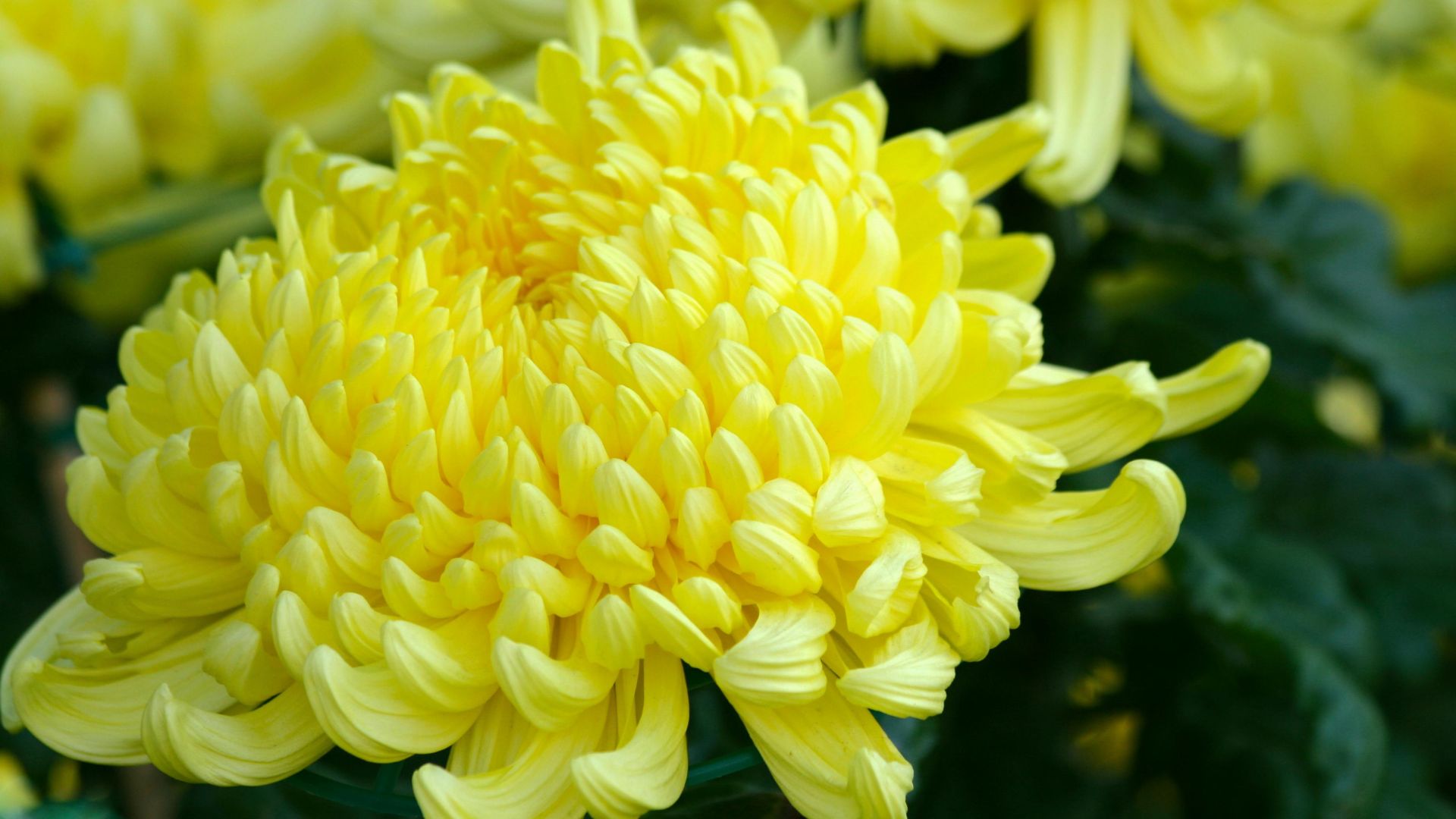
The Role of Rare Flowers in Ecosystem Balance
Summary
Do you know about The Role of Rare Flowers in Ecosystem Balance ?
Rare flowers play an essential role in maintaining ecosystem balance through their contribution to biodiversity, ecological stability, and environmental resilience. Although they exist in limited numbers, rare flowers perform specialized functions that common plants cannot replace.
They strengthen ecosystems by increasing genetic diversity, supporting specialized pollinators, and stabilizing food webs. Rare flowers often bloom during critical seasonal gaps, providing essential resources when few other plants are available. Their disappearance can trigger ecological chain reactions that disrupt entire ecosystems.
Beyond pollination, rare flowers improve soil health, prevent erosion, and create microhabitats that support insects and small organisms. Their root systems stabilize fragile environments, while their interactions with microorganisms support long-term nutrient cycling.
Rare flowers also act as ecological indicators, signaling changes in soil quality, climate stability, and environmental stress. Their decline often warns of deeper ecosystem imbalance. Protecting rare flowers helps conserve entire habitats, ensuring long-term ecosystem stability and adaptability.
In essence, rare flowers are foundational to ecosystem balance. Preserving them protects biodiversity, strengthens environmental resilience, and supports the health of natural systems for generations to come. Some plants can survive only in specific regions, just like these unique flowers found only in one country.
Ecosystems, Biodiversity, and the Importance of Rarity
Ecosystems are complex networks where plants, animals, microorganisms, soil, water, and climate interact in delicate balance. Every living organism plays a role, no matter how small or rare. Among these organisms, rare flowers hold a unique and often underestimated position. Though they exist in limited numbers, their contribution to ecosystem balance is far greater than their population size suggests.
To understand the role of rare flowers in ecosystem balance, it is essential to first understand how ecosystems function and why biodiversity is critical for environmental stability.
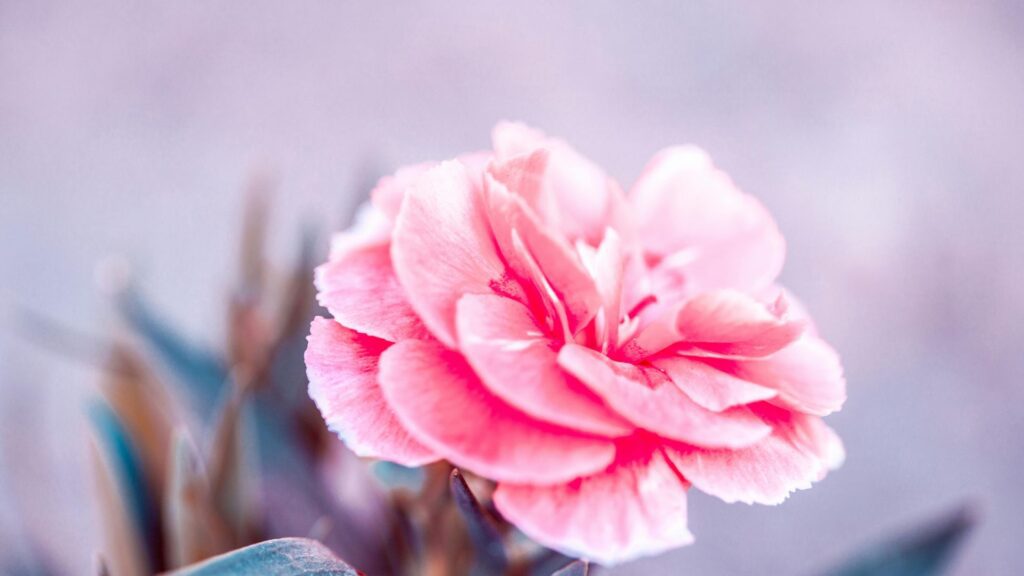
What Is Ecosystem Balance?
Ecosystem balance refers to the stable interaction between living organisms and their environment. In a balanced ecosystem:
- Plant and animal populations remain stable
- Resources such as nutrients and water are efficiently recycled
- Natural disturbances can be absorbed and recovered from
Plants form the foundation of ecosystems. They produce oxygen, stabilize soil, regulate water cycles, and provide food and shelter for countless organisms. When plant diversity is high, ecosystems are more resilient and adaptable.
Why Biodiversity Matters in Ecosystems
High biodiversity allows ecosystems to:
- Adapt to environmental changes
- Resist diseases and invasive species
- Recover from natural disturbances
Rare flowers contribute to biodiversity by adding unique genetic traits and ecological functions that common plants do not provide.
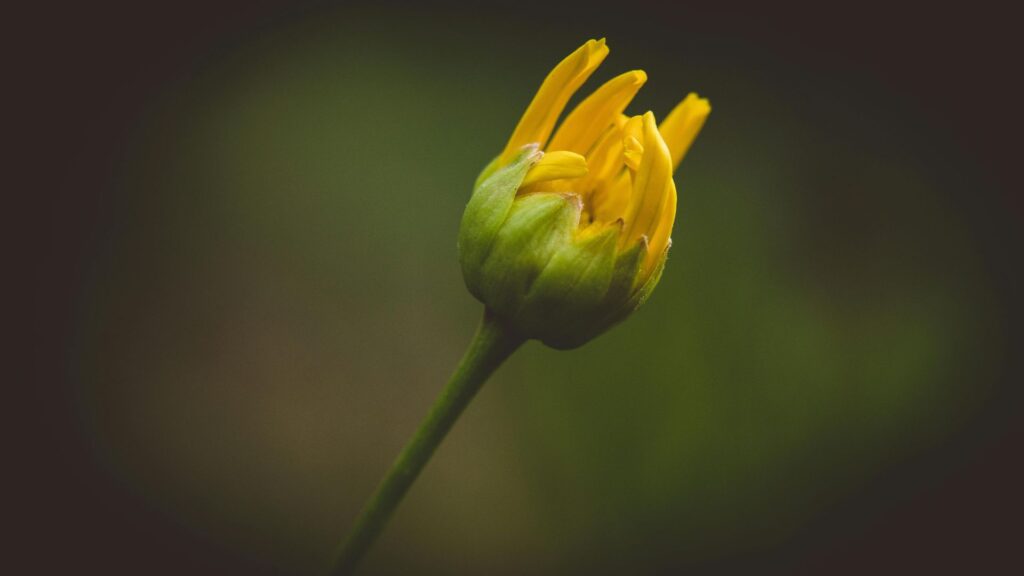
The Ecological Value of Rare Flowers
Rare flowers are often highly specialized. Over long periods of evolution, they adapted to specific environmental conditions such as certain soils, climates, or pollinators. Because of this specialization, rare flowers often perform roles that no other plant can replace.
Their ecological value includes:
- Supporting specialized insects or pollinators
- Contributing to unique nutrient cycles
- Maintaining plant diversity within habitats
Removing rare flowers from an ecosystem can disrupt these specialized relationships, leading to imbalance.
Rare Flowers and Genetic Diversity
Genetic diversity is essential for long-term ecosystem health. Rare flowers often carry genetic traits that are not found in common plant species. These traits may include:
- Resistance to extreme temperatures
- Tolerance to poor soil conditions
- Adaptations to drought or flooding
Even if these traits are not immediately visible, they represent nature’s long-term strategy for survival. Losing rare flowers means losing valuable genetic resources that could help ecosystems adapt to future environmental changes.

Rare Does Not Mean Unimportant
A common misunderstanding is that rare species are less important because they are fewer in number. In reality, rarity often indicates specialization. Rare flowers may:
- Bloom at specific times when other plants do not
- Provide resources during seasonal gaps
- Support species that depend on limited food sources
In some ecosystems, the disappearance of a single rare flower can affect multiple species, triggering a chain reaction.
Rare Flowers as Stabilizing Elements
Rare flowers help stabilize ecosystems by increasing complexity. Ecosystems with diverse plant life are less likely to collapse when conditions change. Each additional species adds another layer of interaction, making the system more flexible and resilient.
When rare flowers are lost:
- Ecosystem complexity decreases
- Dependence on fewer species increases
- Vulnerability to disturbance grows
This is why ecosystems with low biodiversity are often fragile.
Early Signs of Ecosystem Stress
Because rare flowers are sensitive to environmental change, they often decline before more common species. Their disappearance can serve as an early warning sign that:
- Soil quality is degrading
- Pollution levels are increasing
- Climate conditions are shifting
Monitoring rare flowers helps scientists understand ecosystem health and identify problems early.
Pollinators, Food Webs, and Ecological Chain Reactions
One of the most important roles rare flowers play in ecosystem balance is their connection to pollinators and food webs. While rare flowers may appear isolated or insignificant, they often support highly specific ecological relationships. These relationships help stabilize entire ecosystems, even when the flowers themselves exist in small numbers.
Understanding this role reveals why the loss of rare flowers can create ripple effects far beyond plant life.
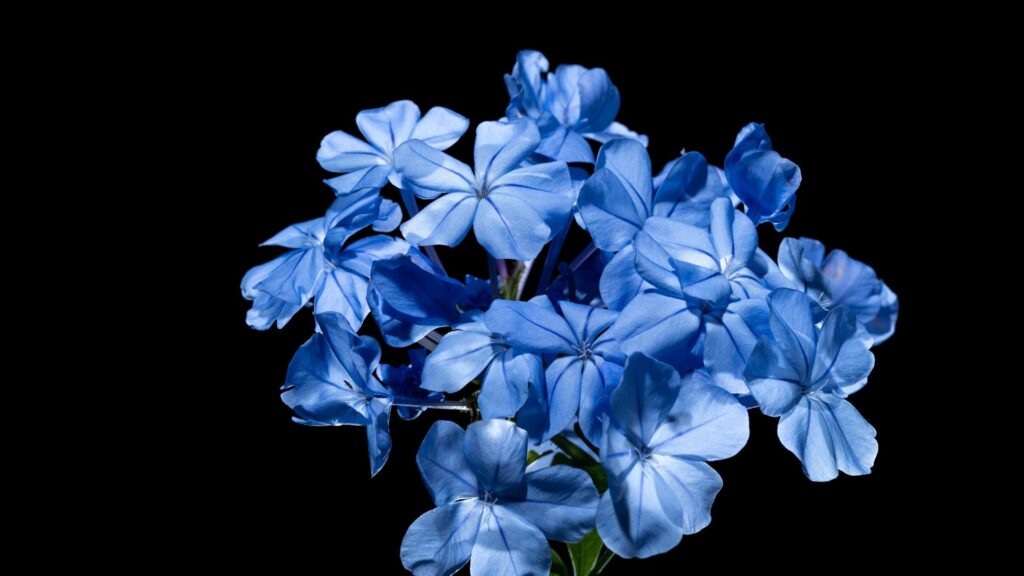
Rare Flowers and Specialized Pollinators
Many rare flowers have evolved alongside specific pollinators such as certain insects, birds, or small mammals. Unlike common flowers that attract a wide range of pollinators, rare flowers often rely on:
- A single insect species
- A specific bird or animal
- A narrow pollination window
This specialization improves pollination efficiency but also creates vulnerability. If a rare flower disappears, the pollinator that depends on it may struggle to survive. Likewise, if the pollinator declines, the flower’s reproduction is affected.
These tightly connected relationships are essential for ecosystem stability.
Seasonal Importance of Rare Flowers
Rare flowers often bloom during times when few other plants are flowering. This makes them critical seasonal resources.
They provide:
- Nectar and pollen during food shortages
- Support for early or late-season pollinators
- Continuity in ecological cycles
Without rare flowers, pollinators may face starvation during certain periods, leading to population declines that affect the entire ecosystem.
Rare Flowers and Food Web Stability
Food webs are complex systems of energy transfer between organisms. While plants form the base of food webs, not all plants contribute equally.
Rare flowers influence food webs by:
- Supporting pollinators that serve as prey for other species
- Indirectly feeding birds, reptiles, and small mammals
- Helping maintain population balance
When rare flowers disappear, these connections weaken. Pollinator decline can reduce food availability for predators, disrupting population balance at multiple levels.

Chain Reactions in Ecosystems
The loss of rare flowers can trigger ecological chain reactions.
For example:
- A rare flower disappears
- A specialized pollinator declines
- Predators that feed on that pollinator decrease
- Competing species increase uncontrollably
These chain reactions can alter ecosystem structure in lasting ways. Because rare flowers often occupy unique ecological niches, their loss cannot be easily compensated by common plants.
Supporting Ecological Diversity
Rare flowers increase ecological diversity by offering unique resources that common plants do not provide. This diversity reduces competition and promotes coexistence among species.
High ecological diversity:
- Improves ecosystem resilience
- Reduces dominance by a few species
- Stabilizes population cycles
Rare flowers help prevent ecosystems from becoming overly simplified and fragile.
Buffering Against Environmental Change
Ecosystems with a wide range of plant species, including rare flowers, respond better to environmental change.
Rare flowers can:
- Support pollinators when common plants fail
- Maintain food availability during extreme weather
- Reduce sudden population crashes
This buffering effect helps ecosystems absorb stress and recover more effectively.

Human Impact on Pollinator Relationships
Human activity often disrupts the delicate relationships between rare flowers and pollinators. Habitat loss, pesticide use, and climate instability reduce pollinator populations, weakening reproduction for rare flowers.
Once these relationships break, restoring them becomes extremely difficult. This is why protecting rare flowers also means protecting pollinators and their habitats.
Soil Health, Microhabitats, and Environmental Resilience
Beyond their visible beauty, rare flowers play an important hidden role beneath the surface of ecosystems. Their influence on soil health, habitat structure, and environmental resilience is often overlooked, yet it is one of the most critical ways they help maintain ecosystem balance.
Healthy ecosystems are not defined only by what grows above ground. Soil quality, moisture retention, microbial life, and physical structure all determine whether an ecosystem can survive stress and recover from disturbance. Rare flowers contribute to all of these factors in unique and irreplaceable ways.
Rare Flowers and Soil Stability
Many rare flowers grow in fragile environments such as rocky slopes, sandy soils, wetlands, or nutrient-poor ground. Their root systems are often specially adapted to stabilize these difficult terrains.
Rare flowers help soil stability by:
- Anchoring loose or eroding soil
- Reducing surface runoff during rain
- Preventing landslides in steep areas
- Holding together fragile ecosystems
Without these plants, soil erosion increases, nutrients are washed away, and ecosystems become less capable of supporting life.
Contribution to Soil Fertility and Nutrient Cycling
Rare flowers influence soil fertility through their interaction with microorganisms. Their roots often form relationships with beneficial bacteria and fungi that help recycle nutrients.
These interactions:
- Improve nutrient availability
- Support healthy microbial communities
- Enhance long-term soil productivity
Even after rare flowers die, their organic matter enriches the soil, supporting future plant growth. This slow but continuous process helps maintain ecosystem balance over time.
Creation of Microhabitats
Rare flowers often create microhabitats—small, localized environments that support other organisms. These microhabitats may exist under leaves, around roots, or within flower structures.
Microhabitats provided by rare flowers can:
- Offer shelter to insects and small animals
- Retain moisture in dry environments
- Regulate temperature near the ground
- Protect organisms from harsh weather
Though small in scale, these microhabitats support biodiversity and improve ecosystem resilience.
Supporting Insects Beyond Pollination
While pollination is a major role of rare flowers, they also support insects in other ways. Some insects use rare flowers as:
- Resting sites
- Breeding grounds
- Protective cover from predators
By supporting insect populations, rare flowers indirectly support birds, reptiles, and other species higher in the food chain.

Rare Flowers and Environmental Resilience
Environmental resilience refers to an ecosystem’s ability to withstand stress and recover after disturbance. Ecosystems that contain diverse plant life, including rare flowers, recover faster from events such as:
- Droughts
- Floods
- Fires
- Storms
Rare flowers contribute to resilience by increasing ecological complexity. When one species fails, others can temporarily fill the gap, preventing complete collapse.
Adaptation to Extreme and Changing Conditions
Many rare flowers evolved in challenging environments and carry traits that help ecosystems cope with change. These traits may include:
- Tolerance to temperature extremes
- Ability to survive low nutrient levels
- Resistance to drought or flooding
These adaptations strengthen ecosystem flexibility, allowing environments to persist under changing conditions.
Loss of Rare Flowers and Ecosystem Weakening
When rare flowers disappear, ecosystems lose more than just plant diversity. The loss often leads to:
- Increased erosion
- Reduced soil fertility
- Loss of microhabitats
- Lower resilience to environmental stress
Over time, ecosystems become simpler, weaker, and more vulnerable to collapse.
Conservation, Long-Term Balance, and the Future of Ecosystems
Understanding the ecological role of rare flowers naturally leads to an important question: what happens when they are protected—or when they are lost? Conservation of rare flowers is not just about saving individual species. It is about maintaining long-term ecosystem balance and preventing irreversible environmental damage.
Rare Flowers and Ecosystem Conservation
Protecting rare flowers often results in the protection of entire ecosystems. Because rare flowers usually grow in sensitive or specialized habitats, conserving them means preserving:
- Soil structure and fertility
- Water cycles and moisture balance
- Pollinator populations
- Native plant communities
When conservation efforts focus on rare flowers, the benefits extend far beyond a single species.
Why Rare Flowers Are Conservation Priorities
Rare flowers are often prioritized in conservation because they:
- Indicate ecosystem health
- Represent unique evolutionary history
- Support specialized ecological relationships
Their decline usually signals broader environmental stress. Protecting them early helps prevent larger ecosystem collapse later.
Human Responsibility in Maintaining Balance
Human activities play a major role in determining the future of rare flowers and ecosystems. Sustainable land use, reduced pollution, and habitat protection directly affect whether rare flowers can survive.
Responsible actions include:
- Preserving natural habitats
- Supporting conservation programs
- Reducing chemical use
- Promoting environmental awareness
Small changes in human behavior can significantly improve ecosystem stability.

Long-Term Ecosystem Stability
Ecosystems remain stable when diversity is protected. Rare flowers add complexity to ecosystems, making them more adaptable to environmental change.
Without rare flowers:
- Ecosystems become simpler
- Recovery from disturbance slows
- Vulnerability to climate stress increases
Protecting rare flowers ensures ecosystems remain resilient over time.
Rare Flowers as a Legacy for the Future
Rare flowers represent more than ecological value. They are living records of nature’s resilience and adaptation. Preserving them ensures future generations inherit ecosystems that are balanced, diverse, and alive.
✅ Final Thought
Rare flowers may exist quietly within ecosystems, but their influence is profound. They stabilize soils, support pollinators, strengthen food webs, and increase environmental resilience. Their rarity does not diminish their importance—it amplifies it.
Protecting rare flowers is not simply about preserving beauty. It is about safeguarding the balance that sustains life itself. When rare flowers thrive, ecosystems remain healthy, adaptable, and resilient. Their survival is a reminder that even the smallest and rarest elements of nature play a vital role in maintaining harmony across the natural world.
FAQs
❓ Why are rare flowers important for ecosystem balance?
Rare flowers support biodiversity, stabilize food webs, improve soil health, and maintain ecological interactions that common plants cannot replace.
❓ How do rare flowers support pollinators?
Many rare flowers provide specialized or seasonal food sources for pollinators, helping sustain insects and animals critical to ecosystem stability.
❓ What happens when rare flowers disappear from an ecosystem?
Their loss can trigger chain reactions, including pollinator decline, soil degradation, reduced biodiversity, and weaker ecosystem resilience.
❓ Does conserving rare flowers help protect entire ecosystems?
Yes. Protecting rare flowers often preserves their habitats, benefiting many plants, animals, and ecological processes at the same time.
Если вы продвигаете сайт и ищете понятные материалы, советую глянуть SEO-блог по техническому SEO — там есть разборов по оптимизации контента и структуре.
Готовя отдых в Таиланде, особенно на Пхукете или Самуи, критически важно понимать, сколько стоит путешествие в Таиланд и сколько брать денег для приятного отдыха на 10 дней. Например, цены на найм байка на Пхукете без прав и расценки экскурсий, а также поездку на пароме с Пхукета на Самуи, очень варьируются. Рынок Патонг и ТЦ на Патонге привлекут разнообразием товаров и экзотических фруктов, а массажные салоны предлагают услуги разных категорий, с учётом массаж с хэппи эндом. Чтобы не заблудиться в транспорте и трансферах, стоит узнать, как маневрировать в аэропорту Пхукета и как добраться от Пхукета до Самуи самостоятельно, например, на такси или пароме. Подробнее ценную информацию можно найти тут сколько стоит поездка в таиланд
Что касается времени поездки, оптимально ехать на Пхукет и в другие части Таиланда в сезон с ноября по апрель, когда атмосфера наиболее подходящая. Безопасность тоже значима: стоит принять во внимание правила въезда в Таиланд для россиян в 2025 году, а также учитывать о возможных опасных животных и анализировать отзывы туристов об отдыхе в Андманде и других районах. Любителям природы и спортивного отдыха стоит посещать пляжи Рейли Бич и заниматься снорклингом, чтобы увидеть живописных рыб Таиланда. Стоит также планировать бюджет, учитывая цены на питание, массаж, экскурсии и замену валюты – самый лучший обменник на Пхукете поможет предотвратить лишних затрат.
Vertyowdiwjodko kofkosfjwgojfsjf oijwfwsfjowehgewjiofwj jewfkwkfdoeguhrfkadwknfew ijedkaoaswnfeugjfkadcajsfn rareflowerworld.com