

10 Winter Flowers That Bloom Even in Cold (Surprising )
Introduction
Most people believe winter is the season when gardens go silent — leaves fall, colors fade, and flowers disappear under the cold. But nature has a different story to tell. Even in freezing temperatures, when frost covers the ground and the air feels lifeless, some flowers continue to bloom with quiet strength.
These winter flowers are not just beautiful — they are survivors. They thrive in conditions where most plants fail, proving that life doesn’t stop when the temperature drops. From delicate petals pushing through snow to vibrant blooms brightening grey landscapes, these flowers bring hope and color when everything else seems still.
If you’ve ever thought your garden has to wait for spring to look alive again, you’re in for a surprise. Winter-blooming flowers can transform even the coldest outdoor spaces into something magical. And the best part? Many of them are easier to grow than you might expect.
Whether you’re a beginner gardener or someone looking to add year-round beauty to your space, these resilient blooms will show you that winter isn’t the end of the growing season — it’s just a different kind of beginning.
Blue flowers create a peaceful atmosphere in gardens, especially when you explore rare blue flowers that calm the soul for their soothing beauty..
🌿SUMMARY
Winter flowers prove that beauty and life can exist even in the harshest conditions. These unique plants are specially adapted to survive cold temperatures, low sunlight, and frost, making them perfect for gardens that need color during the colder months.
By choosing the right winter-blooming flowers and providing basic care like proper soil, sunlight, and protection from extreme frost, you can enjoy a vibrant garden all year round. From hardy perennials to seasonal blooms, winter flowers offer both visual appeal and a reminder of nature’s resilience.
Adding these flowers to your garden not only enhances its beauty but also creates a peaceful and refreshing environment during a time when most landscapes appear dull and lifeless.
Winter Flowers
When winter arrives, the world feels quieter. Trees lose their leaves, gardens rest, and cold winds replace warm sunshine. Many people believe flowers disappear completely during this season—but nature has a beautiful secret. Even in the coldest months, some flowers continue to bloom, reminding us that life never truly pauses.
Winter flowers are special because they bloom when conditions are harsh. Snow, frost, and short days don’t stop them. Instead, these flowers quietly bring color, hope, and beauty to a season often seen as dull. In this article, we explore winter flowers that bloom during cold seasons and why they are so remarkable.
Why Do Some Flowers Bloom in Winter?
Most flowers wait for spring warmth, but winter flowers are built differently. They have adapted over time to survive low temperatures and reduced sunlight. Some grow close to the ground for warmth, while others bloom during brief warm spells in winter.
These flowers don’t just survive winter—they thrive in it. Their presence supports insects, brightens landscapes, and proves that nature always finds a way forward.
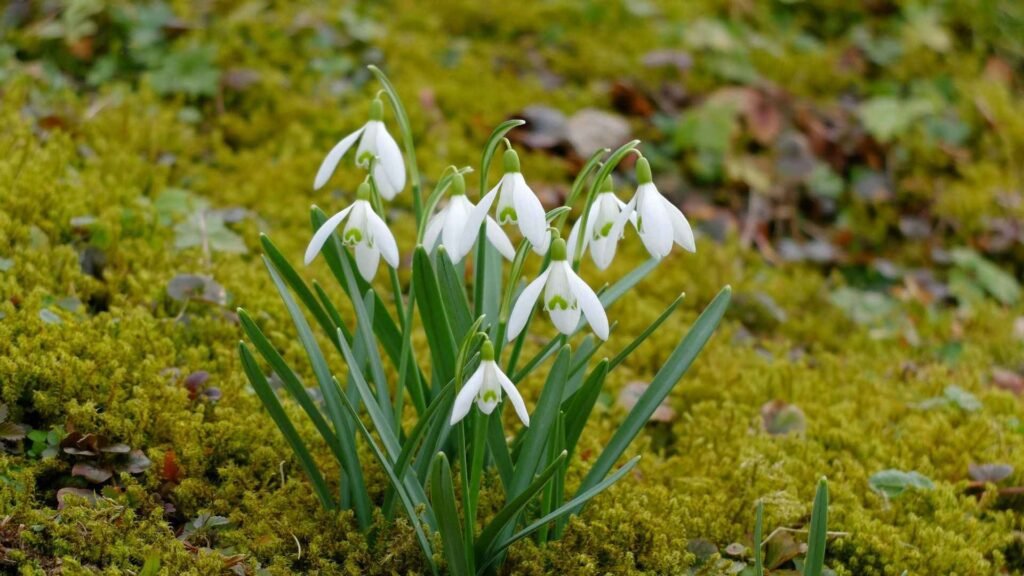
1. Snowdrop (Galanthus)
Snowdrops are often the first sign that winter is slowly fading. These small white flowers push through frozen soil and even snow. Their delicate appearance hides incredible strength.
Snowdrops symbolize hope and new beginnings. Seeing them bloom in cold weather reminds us that change is coming, even when winter feels endless.
2. Hellebore (Winter Rose)
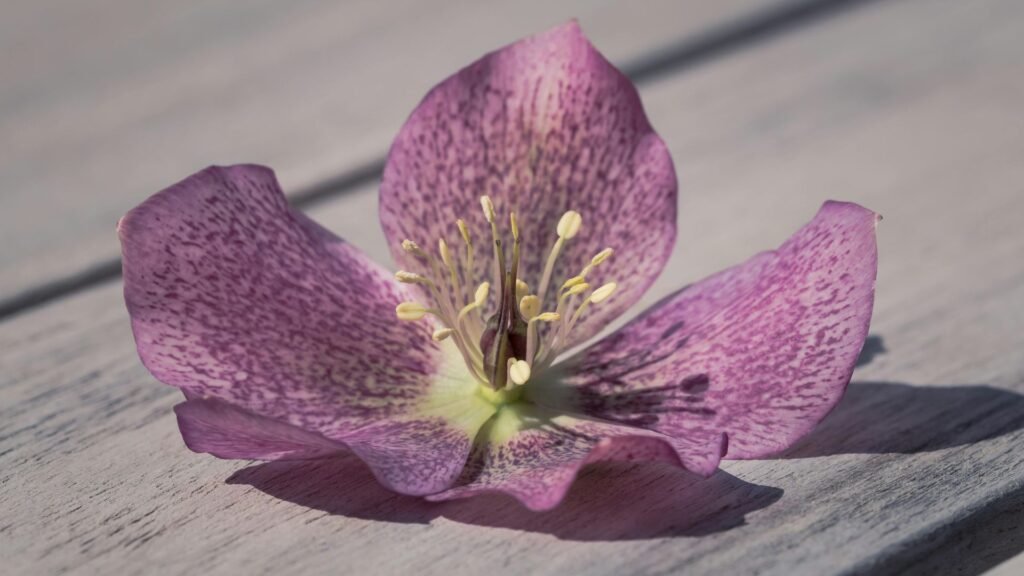
Hellebores are sometimes called winter roses, though they aren’t true roses. They bloom from late winter to early spring and come in shades of white, pink, purple, and green.
These flowers are long-lasting and can survive frost without damage. Their calm beauty makes them a favorite in winter gardens.
3. Camellia
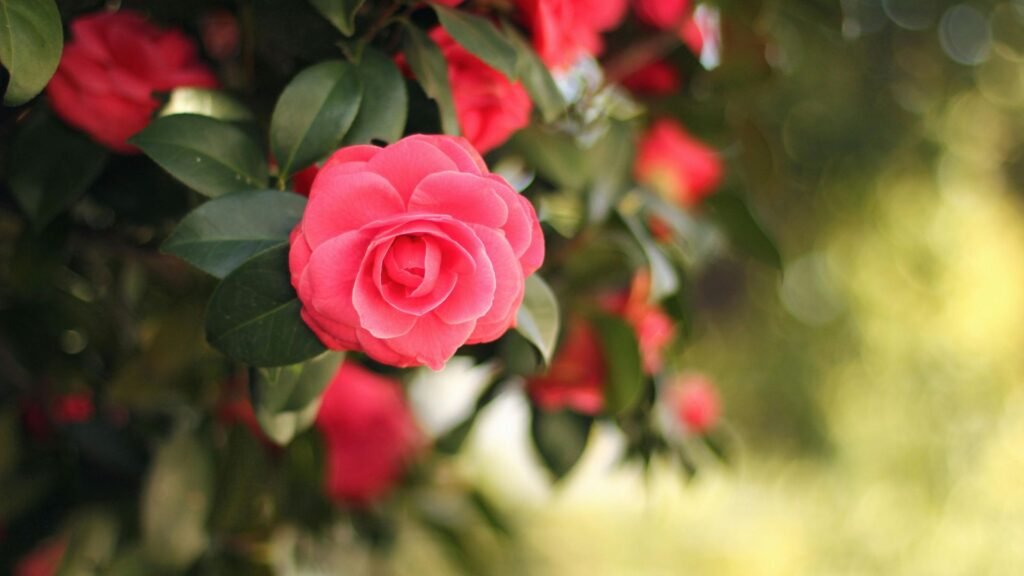
Camellias bloom when most plants are resting. Their glossy green leaves and rose-like flowers create a striking contrast against winter skies.
Camellias represent admiration and perfection. They are proof that elegance doesn’t depend on warm weather.
4. Winter Jasmine
Winter jasmine brightens cold days with small yellow flowers. Unlike spring jasmine, it blooms on bare branches, making its color stand out even more.
This flower is often associated with joy and optimism—two emotions we all need during winter.
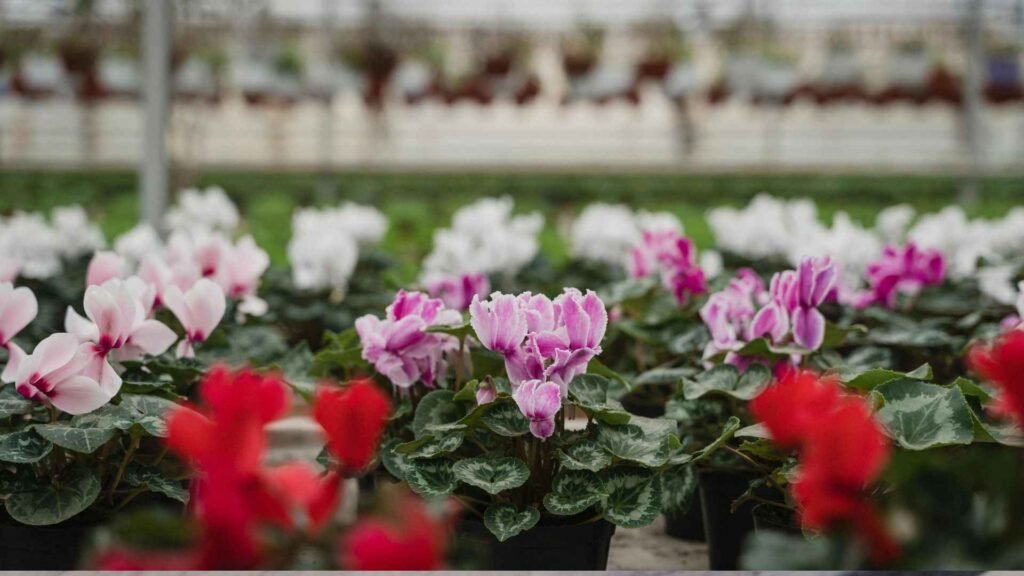
5. Cyclamen
Cyclamen flowers flourish during cooler months, showcasing delicate petals that sweep backward like tiny works of art. They grow well in winter gardens and indoor pots.
Their soft pinks, whites, and reds add gentle color to winter landscapes without overpowering them.
6. Witch Hazel
Witch hazel blooms in the middle of winter with thin, ribbon-like flowers in yellow or orange. It’s one of the most unusual winter flowers and often surprises people who see it for the first time.
It blooms when days are shortest, proving that beauty doesn’t wait for perfect conditions.
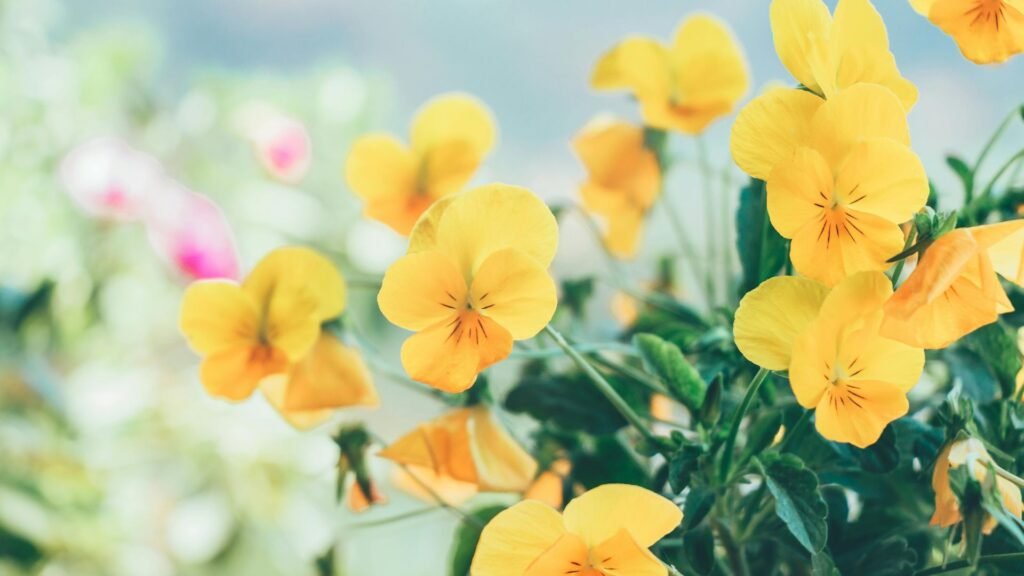
7. Christmas Rose
Despite its name, the Christmas rose is actually a type of hellebore. It blooms around mid-winter and often flowers during the holiday season.
This flower has long been associated with peace, purity, and quiet strength.
8. Winter Aconite
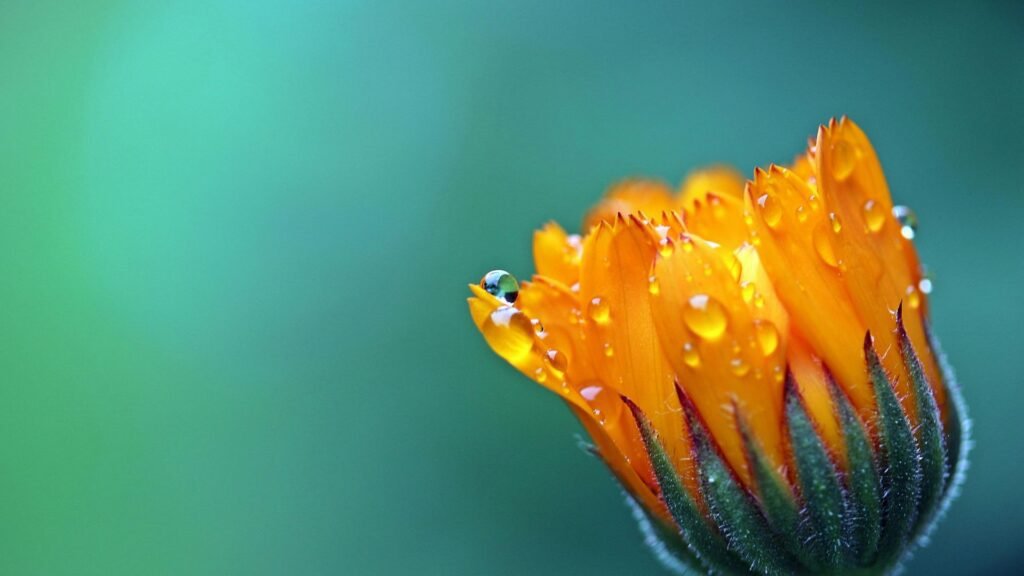
Winter aconite produces small, bright yellow flowers that bloom close to the ground. They often appear while snow is still present.
Their golden color brings warmth to cold gardens and signals that life is slowly returning.
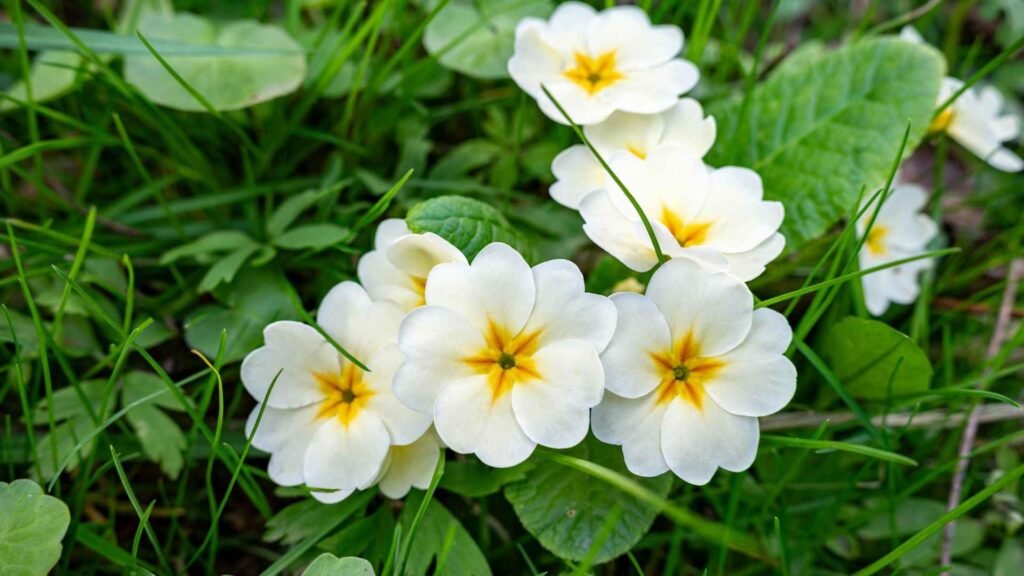
9. Primrose (Winter Varieties)
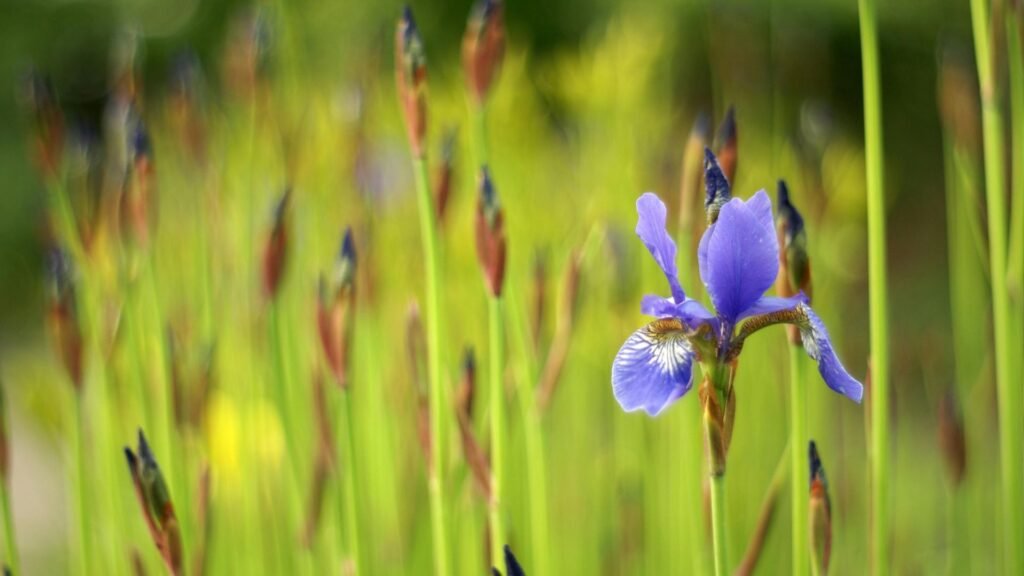
Some primrose varieties bloom in late winter. Their soft petals and bright centers create cheerful displays during gloomy months.
Primroses symbolize youth and renewal, making them perfect winter blooms.
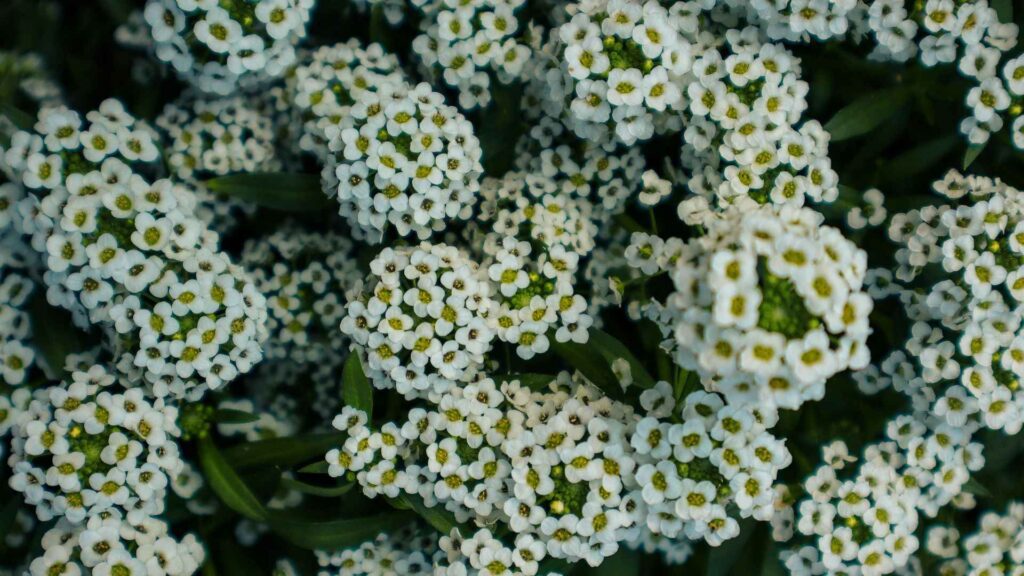
10. Sweet Alyssum (Mild Winters)
In regions with mild winters, sweet alyssum can bloom almost year-round. Its tiny white or purple flowers release a gentle fragrance even in cool weather.
It shows that winter flowers don’t always need dramatic colors to make an impact.
Why Winter Flowers Matter
Winter flowers are more than just plants. They remind us of patience, resilience, and quiet strength. When everything else looks lifeless, these blooms stand firm.
They also support early pollinators and help maintain balance in nature. Even during winter, life continues in small but meaningful ways.
How Winter Flowers Change the Way We See the Season
Winter is often seen as a time of waiting, but winter flowers tell a different story. They show us that growth doesn’t stop—it simply slows down.
Just like these flowers, people also go through quiet seasons. Winter blooms remind us that rest is part of growth, and beauty can exist even in stillness.
Final Thoughts
Flowers have a quiet way of teaching us about resilience, beauty, and timing—and Cyclamen is a perfect example of that lesson. While many plants wait for warmth and sunshine, cyclamen chooses the cooler months to shine, reminding us that beauty doesn’t always follow the usual rules. Its soft colors, heart-shaped leaves, and gracefully curved petals make it stand out in gardens, indoor pots, and even natural landscapes.
Beyond its visual charm, cyclamen carries a deeper meaning. It is often associated with sincerity, devotion, and lasting love, making it more than just a decorative plant. Whether grown indoors during winter or admired in nature, cyclamen brings a sense of calm and quiet elegance that feels especially comforting in colder seasons.
For gardeners, cyclamen is a rewarding choice. With the right care and cool conditions, it blooms generously when most other plants rest. For flower lovers, it offers a gentle reminder that life continues to bloom even in unexpected moments.
In a world that often celebrates loud and flashy beauty, cyclamen stands as proof that subtle elegance and quiet strength can be just as powerful. It’s not just a flower—it’s a symbol of grace, patience, and hope during the coldest days of the year. 🌿
FAQs Section
1. What are winter flowers and how do they survive cold weather?
Winter flowers are plants that bloom during the colder months, even in low temperatures and frost. They survive by having special adaptations like thick leaves, slow growth cycles, and the ability to tolerate freezing conditions. Some even produce natural antifreeze-like compounds that protect their cells from damage.
2. Which flowers bloom best in winter?
Some of the best winter-blooming flowers include pansies, hellebores, snowdrops, winter jasmine, and cyclamen. These flowers are known for their ability to thrive in cold weather while adding color to otherwise dull landscapes.
3. Can winter flowers grow in extremely cold climates?
Yes, many winter flowers are specifically adapted for cold climates. However, in extremely harsh conditions, they may need extra protection such as mulch, proper soil drainage, or being planted in sheltered areas to survive freezing temperatures.
4. Do winter flowers need sunlight?
Yes, winter flowers still require sunlight, although they can tolerate lower light levels compared to summer plants. Most winter blooms grow best with at least a few hours of sunlight each day, especially in areas where daylight is limited.
5. How often should winter flowers be watered?
Winter flowers generally need less water than summer plants because evaporation is lower. Overwatering can be harmful, so it’s best to water only when the soil feels dry and ensure proper drainage to prevent root rot.
6. Are winter flowers suitable for home gardens?
Absolutely. Many winter flowers are perfect for home gardens and even small spaces like balconies or containers. They are low-maintenance and can bring color and life to your garden during the colder months.
7. What type of soil is best for winter flowers?
Well-drained, nutrient-rich soil is ideal for winter flowers. Adding organic matter like compost can improve soil structure and help retain enough moisture without causing waterlogging.
8. Can winter flowers be grown in pots?
Yes, many winter flowers grow well in pots and containers. This is especially useful if you want to move them indoors during extreme cold or decorate patios and balconies with seasonal blooms.
9. Why are winter flowers important for the ecosystem?
Winter flowers provide essential nectar and food for pollinators like bees during a time when most plants are not blooming. They help maintain ecological balance and support biodiversity even in colder seasons.
10. How can I protect winter flowers from frost damage?
To protect winter flowers from frost, you can use mulch around the base of the plants, cover them with cloth or frost blankets during extreme cold, and plant them in sheltered areas away from strong winds.
3 Comments