
10 Unusual Flowers That Look Like Animals
Unusual Flowers
When most people think of flowers, they picture roses, tulips, or daisies—classic blooms with familiar shapes and colors. But the natural world is full of surprises, and some flowers break the mold entirely. They twist, curl, and bloom into forms that look like animals, objects, or even human faces. Others feature striking patterns that seem almost too artistic to be real.
These flowers with unusual shapes and patterns remind us of nature’s creativity and beauty. Some resemble monkeys, parrots, or even ballerinas, while others display spots, stripes, and colors that make them look like works of art. In this article, we’ll explore 10 of the most extraordinary flowers that will leave you amazed at just how diverse plant life can be.
Why These Flowers Look So Strange
Flowers may look strange or unusual, but there is always a reason behind their unique shapes and patterns. These designs are not random. They are the result of long-term evolution and survival strategies.
Many flowers develop unusual shapes to attract specific pollinators. For example, some flowers look like insects, animals, or even faces. This helps them trick pollinators like bees, birds, or flies into landing on them. Once the pollinator lands, it helps spread pollen, allowing the plant to reproduce.
In some cases, flowers evolve to protect themselves. Strange shapes can make it harder for unwanted insects to reach the nectar. This ensures that only the right pollinators can access the flower.
Environmental conditions also play a role. Flowers growing in extreme climates—such as mountains, forests, or tropical regions—adapt their shapes to survive. This can lead to unusual forms, colors, and patterns that we don’t commonly see in typical garden plants.
In simple terms, these strange-looking flowers are nature’s way of solving problems. Every unusual shape has a purpose, whether it’s attracting pollinators, surviving harsh conditions, or improving reproduction.
Some Flowers Have Unusual Shapes
Flowers develop unusual shapes and patterns as a result of evolution and survival strategies. Many plants adapt their appearance to attract specific pollinators such as bees, birds, or insects. For example, some flowers mimic the shape of animals or insects to trick pollinators into landing on them.
In botany, flower shapes can vary from symmetrical to highly irregular forms. Some flowers even lack symmetry entirely due to complex growth patterns . These unusual structures help plants improve pollination success and increase their chances of survival.
Nature is full of patterns like spirals, stripes, and symmetry, which are commonly seen in flowers and other living organisms . These patterns are not random—they play an important role in reproduction and adaptation.
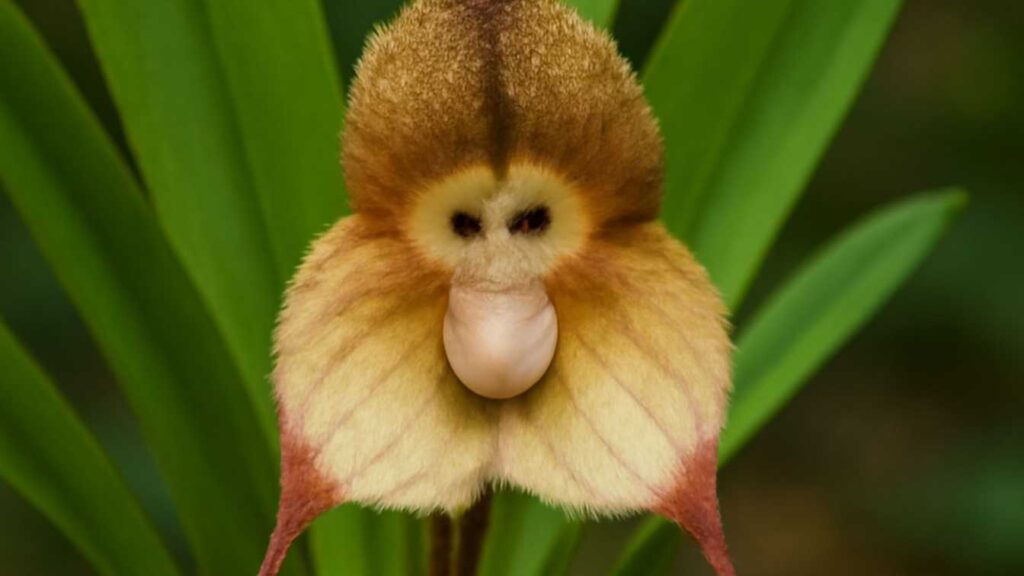
1. Monkey Orchid – The Flower with a Face 🐒
The Monkey Orchid (Dracula simia) is famous for its uncanny resemblance to a monkey’s face. Native to the cloud forests of Ecuador and Peru, this orchid grows in high-altitude regions.
- Unique feature: Its petals and lip form patterns that look like the eyes, nose, and mouth of a monkey.
- Blooming season: Almost year-round in the wild.
- Symbolism: Playfulness, curiosity, and rarity.
Gardeners love this orchid not only for its look but also for its unusual citrus-like fragrance.
2. Parrot Flower – A Bird in Bloom 🦜
The Parrot Flower (Impatiens psittacina) is a rare species native to Thailand, India, and Myanmar. Its blossoms look exactly like flying parrots.
- Appearance: Bright pink and purple petals shaped like wings and a beak.
- Symbolism: Freedom and exotic beauty.
- Status: Extremely rare, protected in Thailand.
Tourists are often stunned by its natural birdlike design, making it one of the most photographed flowers in Asia.
3. Swaddled Babies Orchid – Nature’s Nursery 👶
The Swaddled Babies Orchid (Anguloa uniflora) is as adorable as it sounds. When the flower first blooms, the central part looks like tiny infants wrapped in blankets.
- Origin: South America.
- Symbolism: New beginnings and innocence.
- Unique feature: Its fragrance is similar to cinnamon.
It’s a favorite among orchid collectors because of its rare design and sweet aroma.
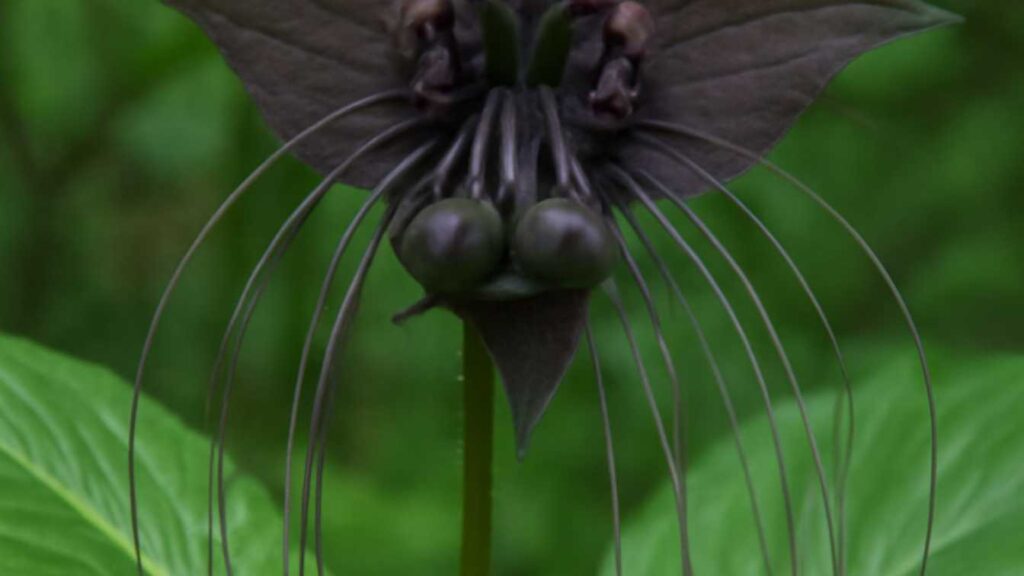
4. Bat Flower – Mysterious and Gothic 🦇
The Bat Flower (Tacca chantrieri) is one of the most unusual-looking flowers in the world. Its black or dark purple petals spread out like bat wings, with long whisker-like filaments dangling down.
- Origin: Southeast Asia.
- Appearance: Dark petals with whiskers up to 28 inches long.
- Symbolism: Mystery, courage, and uniqueness.
This flower is often associated with gothic aesthetics and has become a favorite for rare plant enthusiasts.
5. Naked Man Orchid – A Blooming Surprise 🙈
The Naked Man Orchid (Orchis italica) is native to the Mediterranean region. Its clusters of flowers resemble tiny pink and white human figures.
- Unique feature: Each bloom looks like a small human with arms, legs, and even “hair.”
- Cultural note: Associated with fertility in Mediterranean folklore.
- Symbolism: Humor, life, and vitality.
Its quirky shape makes it one of the most unusual orchids on Earth.

6. Ballerina Orchid – Dancing in the Breeze 💃
The Ballerina Orchid (Caladenia melanema) is native to Western Australia and is named for its resemblance to a ballerina mid-dance.
- Appearance: Pink and white petals spread like a tutu.
- Status: Critically endangered due to habitat loss.
- Symbolism: Grace, beauty, and movement.
It’s admired as one of the most elegant wild orchids in the world.
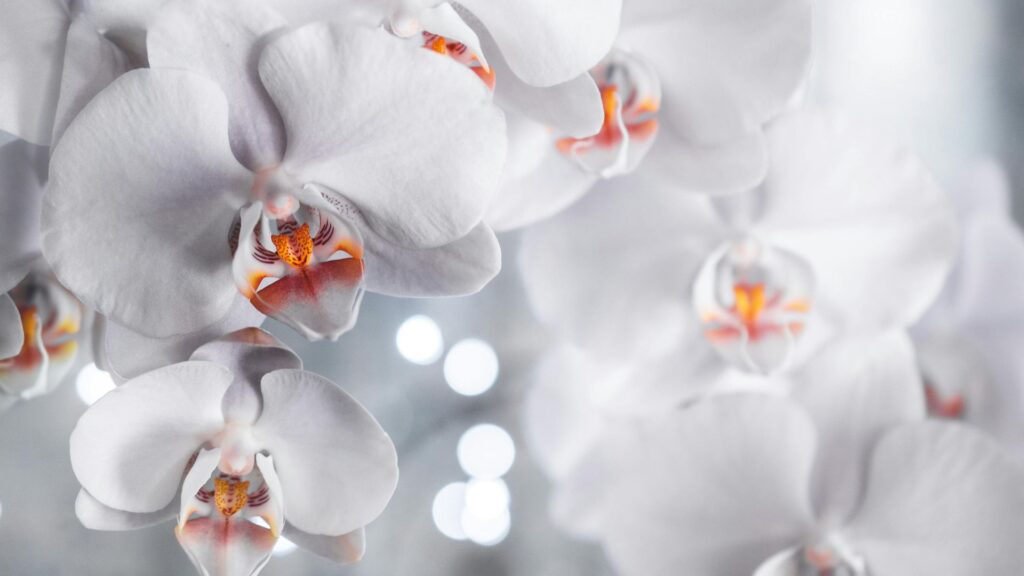
7. Snake’s Head Fritillary – Nature’s Checkered Pattern 🐍
The Snake’s Head Fritillary (Fritillaria meleagris) is a spring-blooming flower that has a unique checkerboard pattern on its petals.
- Origin: Europe, especially the UK.
- Appearance: Purple or pink petals with dark square markings.
- Symbolism: Mystery and resilience.
- Fun fact: Known as “chess flower” or “leper lily.”
Its natural patterns look so precise that people often think they’re painted on.
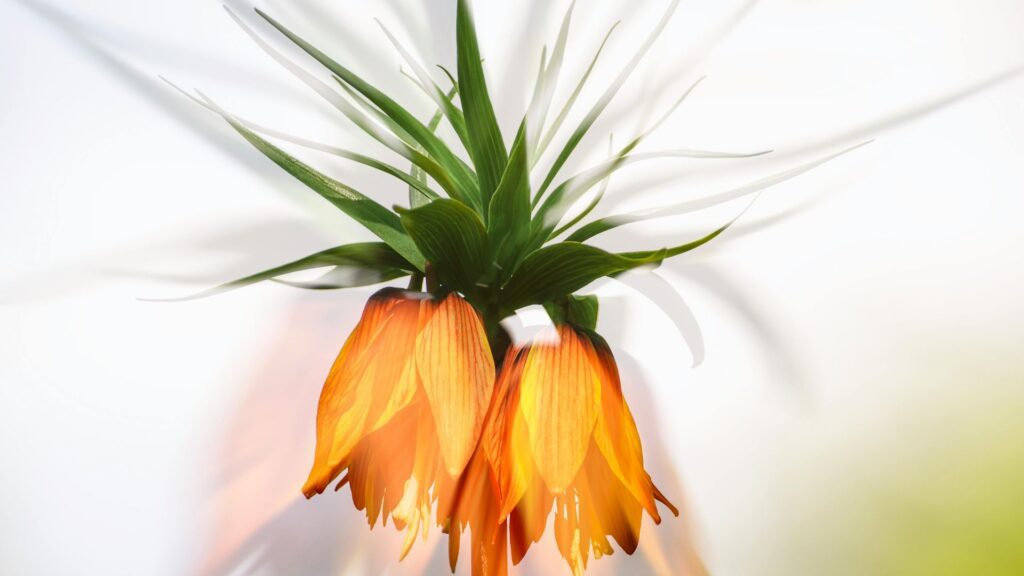
8. Bee Orchid – Nature’s Pollination Trick 🐝
The Bee Orchid (Ophrys apifera) has petals that mimic the appearance of a female bee. This clever adaptation tricks male bees into trying to mate with the flower, which helps with pollination.
- Origin: Europe and the Mediterranean.
- Symbolism: Deception and survival.
- Unique feature: Each bloom looks like a fuzzy little bee sitting on petals.
It’s one of nature’s best examples of mimicry.
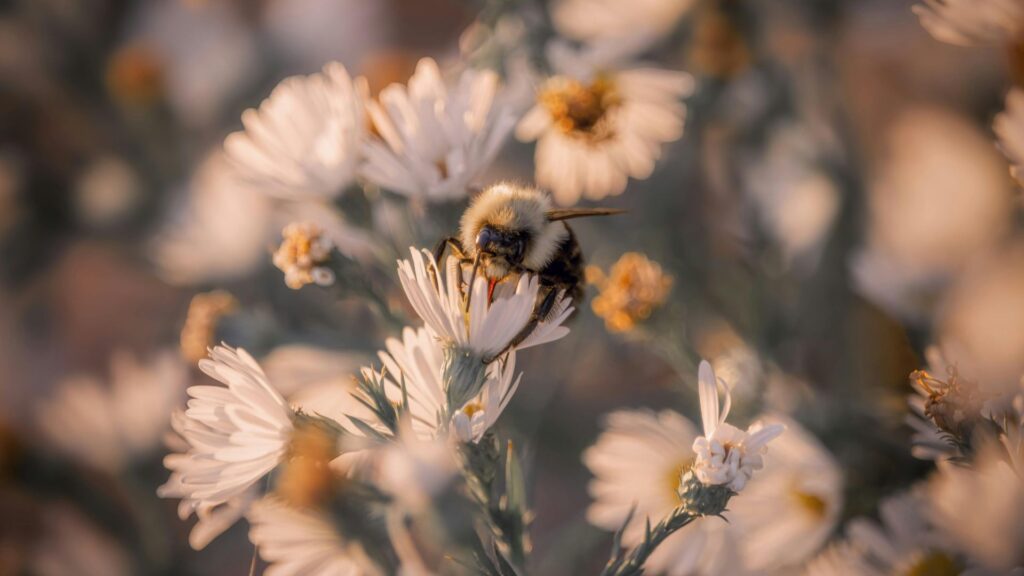
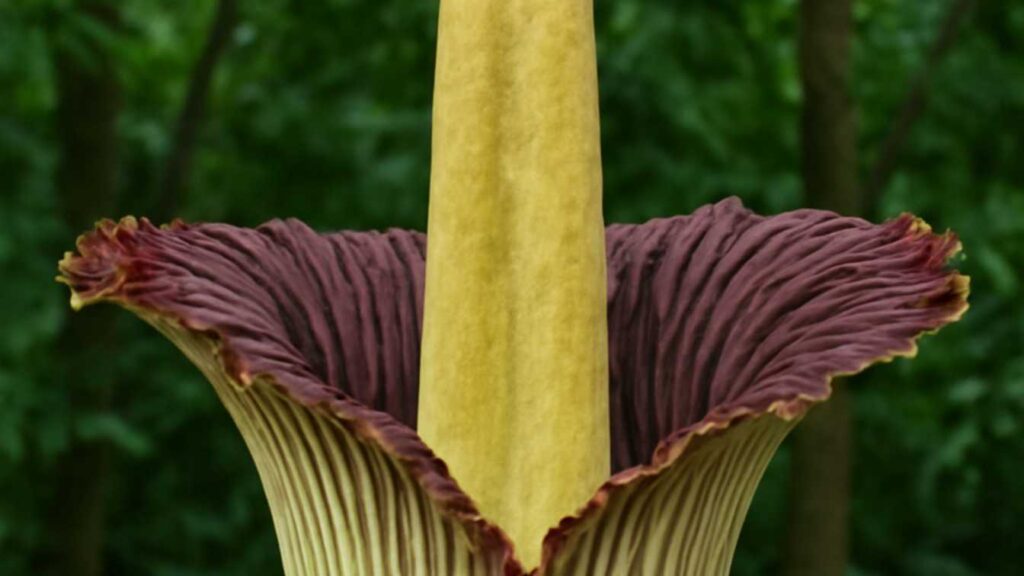
9. Corpse Flower – Giant and Strange 🌋
The Corpse Flower (Amorphophallus titanum) may not win awards for beauty, but its bizarre shape and massive size make it famous. It’s also known for emitting a smell similar to rotting flesh.
- Origin: Indonesia (Sumatra).
- Unique feature: Can grow over 10 feet tall.
- Symbolism: Power of survival and rarity.
Despite its foul odor, thousands flock to botanical gardens whenever it blooms because it’s such a rare event.
10. Passion Flower – An Intricate Work of Art 🌐
The Passion Flower (Passiflora) is one of the most intricately patterned flowers in the world. With its layered filaments, radial symmetry, and bold colors, it looks like something designed by an artist.
- Origin: South America.
- Symbolism: Faith, spirituality, and sacrifice (linked to Christian symbolism).
- Uses: Herbal remedies and calming teas.
Its complex design makes it a favorite for gardeners and photographers alike.

Conclusion
These flowers prove that nature is the greatest artist. From orchids shaped like monkeys and babies to blossoms patterned like chessboards, the plant world is full of surprises. They not only enrich ecosystems but also spark human imagination, reminding us how much beauty exists beyond the ordinary.
If you’re a gardener or plant enthusiast, these unusual flowers can inspire you to look deeper into the natural world and maybe even try growing some rare species yourself.
Frequently Asked Questions
1. Why do some flowers have unusual shapes?
Some flowers have unusual shapes because they evolved to attract specific pollinators like bees, birds, or insects. These shapes help guide pollinators directly to the nectar, making pollination more efficient. Over time, plants developed unique forms to survive and reproduce better in their environments.
2. Why do certain flowers look like animals or objects?
Some flowers mimic animals, insects, or objects to trick pollinators. For example, a flower might look like a bee or a bird to attract attention. This clever adaptation increases the chances of pollination without needing strong scents or bright colors.
3. Are unusual-shaped flowers rare in nature?
Yes, many unusual-shaped flowers are rare because they grow only in specific climates or regions. Some are found only in rainforests, mountains, or isolated ecosystems. Their rarity often makes them more valuable and important for biodiversity.
4. What is the strangest flower in the world?
One of the strangest flowers is the Corpse Flower, known for its huge size and strong odor. Another example is the Monkey Orchid, which looks like a monkey’s face. These flowers stand out because of their unique appearance and unusual features.
5. Do unusual flower shapes help in survival?
Yes, unusual shapes can help flowers survive. They may protect the flower from harsh weather, attract specific pollinators, or prevent unwanted insects from accessing nectar. These adaptations improve the plant’s chances of reproduction.
6. Can unusual flowers be grown at home?
Some unusual flowers can be grown at home if the right conditions are provided. However, many require specific temperatures, humidity levels, and soil types. It’s important to choose varieties that match your local climate.
7. Why do flowers have unique patterns and colors?
Patterns and colors help attract pollinators. Bright colors, stripes, and spots act like signals that guide insects toward the nectar. These visual cues make it easier for pollinators to find and visit the flower.
8. Are unusual flowers endangered?
Many unusual flowers are at risk of becoming endangered due to habitat loss, climate change, and human activities. Because they often grow in limited areas, any environmental change can affect their survival.
9. How do flowers develop such complex shapes?
Flower shapes are formed through genetic changes over many generations. Plants adapt slowly over time, developing features that improve pollination and survival. This process is part of natural evolution.
10. Where can you see unusual flowers in real life?
You can find unusual flowers in botanical gardens, nature reserves, and specific regions around the world. Some are also displayed in plant exhibitions or preserved in protected environments to ensure their survival.