
30 Most Beautiful Rare Flowers in the World
Introduction
Flowers can be beautiful, unusual, and incredibly rare. Around the world, some blooms stand out because of their striking colors, unusual shapes, limited habitats, or extremely short flowering periods.From the elegant Ghost Orchid and vibrant Jade Vine to the mysterious Queen of the Night, these flowers offer something far beyond ordinary garden beauty.
In this guide, we explore 30 of the most beautiful rare flowers in the world, including what makes each one special, where it grows, and why it is considered rare. Whether you love unusual plants or simply want to discover nature’s most extraordinary blooms, this list is a great place to
In this guide, we’ll explore 30 of the most beautiful rare flowers in the world, learn what makes each one unique, and discover why these extraordinary blooms deserve a place among nature’s greatest wonders.
Whether you’re a passionate gardener, a flower collector, or simply someone who appreciates natural beauty, this article will introduce you to flowers that few people ever have the opportunity to see in person.
Quick Answer
The most beautiful rare flowers are extraordinary blooms known for their unique colors, unusual shapes, limited natural distribution, or exceptional beauty.
Some of the most admired include the Ghost Orchid, Middlemist’s Red, Jade Vine, Blue Himalayan Poppy, Black Bat Flower, Flame Lily, Chocolate Cosmos, Bleeding Heart, Rothschild’s Slipper Orchid, Kadupul Flower, and Parrot’s Beak. These flowers are prized by gardeners and botanists for their rarity, elegance, and remarkable characteristics.
Quick Comparison
Rare flowers differ not only in appearance but also in where they grow, how difficult they are to cultivate, and why they are considered rare. The comparison below highlights the key differences between rare flowers and common ornamental flowers.
| Feature | Beautiful Rare Flowers | Common Ornamental Flowers |
|---|---|---|
| Availability | Limited to specific regions or specialty nurseries | Easily available worldwide |
| Visual Appeal | Highly unique colors, shapes, and forms | Familiar and widely recognized |
| Growing Difficulty | Moderate to Very Difficult | Easy to Moderate |
| Conservation Status | Many are protected or endangered | Generally stable populations |
| Collector Value | Extremely High | Moderate |
| Bloom Frequency | Some bloom rarely or briefly | Usually bloom every season |
| Price | Often expensive | Generally affordable |
| Gardening Experience Needed | Intermediate to Expert | Beginner Friendly |
Comparison Table: 30 Most Beautiful Rare Flowers at a Glance
The following table introduces the 30 beautiful rare flowers featured in this guide. Later sections will explore each flower in greater detail, including its native habitat, standout features, and what makes it so special.
| # | Flower | Native Region | Famous For |
|---|---|---|---|
| 1 | Ghost Orchid | Florida, Cuba, Caribbean | Floating white flowers |
| 2 | Middlemist’s Red | China (cultivated) | One of the world’s rarest blooms |
| 3 | Jade Vine | Philippines | Turquoise hanging flowers |
| 4 | Blue Himalayan Poppy | Himalayan Mountains | Brilliant blue petals |
| 5 | Black Bat Flower | Southeast Asia | Bat-shaped black blooms |
| 6 | Chocolate Cosmos | Mexico | Chocolate fragrance |
| 7 | Rothschild’s Slipper Orchid | Borneo | Elegant striped orchid |
| 8 | Flame Lily | Africa & Asia | Flame-like petals |
| 9 | Kadupul Flower | Sri Lanka | Blooms for only one night |
| 10 | Parrot’s Beak | Canary Islands | Bird-like flowers |
| 11 | Corpse Flower | Indonesia | Massive bloom and unique scent |
| 12 | Gibraltar Campion | Gibraltar | Extremely limited wild population |
| 13 | Shenzhen Nongke Orchid | China | Human-developed rare orchid |
| 14 | Hooker’s Lips | Central & South America | Lip-shaped red bracts |
| 15 | Green Rose | China | Distinctive green petals |
| 16 | Sea Daffodil | Mediterranean Region | Coastal white blooms |
| 17 | Persian Lily | Middle East | Graceful pendant flowers |
| 18 | Queen of the Night | Central & South America | Night-blooming cactus flower |
| 19 | Youtan Poluo | Asia (legendary reports) | Tiny mysterious blossoms |
| 20 | Yellow Lady’s Slipper Orchid | North America | Bright yellow orchid |
| 21 | Glory Lily | Tropical Africa | Curled colorful petals |
| 22 | Red Spider Lily | East Asia | Dramatic crimson flowers |
| 23 | Bleeding Heart | East Asia | Heart-shaped blossoms |
| 24 | Cobra Lily | Himalayan Region | Snake-like flower shape |
| 25 | White Egret Orchid | Japan | Resembles a flying egret |
| 26 | Darwin’s Orchid | Madagascar | Long nectar spur |
| 27 | Fire Lily | Southern Africa | Bright orange-red flowers |
| 28 | Blue Puya | Chile | Metallic turquoise blooms |
| 29 | Desert Rose (Rare Varieties) | Africa & Arabian Peninsula | Sculptural trunk and vibrant flowers |
| 30 | Franklin Tree Flower | United States (extinct in the wild) | Elegant white blossoms |

How We Selected These 30 Beautiful Rare Flowers
Thousands of flowering plants could be described as rare, but only a select few have earned worldwide recognition for their beauty.
The flowers included in this guide were chosen based on several factors:
Exceptional Beauty
Each flower offers outstanding visual appeal through its color, shape, texture, or floral display.
Genuine Rarity
Many of these flowers have limited natural populations, restricted geographic ranges, or are difficult to cultivate successfully.
Botanical Significance
Several flowers have historical, scientific, or conservation importance beyond their ornamental value.
Popularity Among Plant Enthusiasts
These species are consistently admired by gardeners, photographers, botanical gardens, and collectors around the world.
Diversity
The collection includes orchids, vines, wildflowers, tropical blooms, alpine flowers, cacti, and woodland species to showcase the incredible variety found within the plant kingdom.
1. Ghost Orchid (Dendrophylax lindenii)
The Ghost Orchid is often considered one of the most enchanting flowers in the world. Its pure white blooms appear to float in midair because the plant has almost no visible leaves. Instead, its roots cling tightly to tree trunks while the flower extends gracefully into the air.
This unique appearance gives the impression of a ghost drifting through the forest, inspiring its memorable name.
Native Habitat
The Ghost Orchid grows naturally in:
- Southern Florida
- Cuba
- The Bahamas
- Other parts of the Caribbean
It thrives in warm, humid swamps where mature trees provide ideal support.
Why It’s So Beautiful
- Elegant white petals
- Floating appearance
- Delicate star-like shape
- Graceful long nectar spur
- Soft fragrance during blooming
Why It’s Rare
- Very limited natural habitat
- Sensitive to environmental changes
- Difficult to propagate
- Specialized pollination requirements
- Habitat loss from development
Interesting Fact
A Ghost Orchid may spend years growing before producing a single bloom, making each flowering event especially exciting for botanists and photographers.
2. Middlemist’s Red (Camellia japonica ‘Middlemist’s Red’)
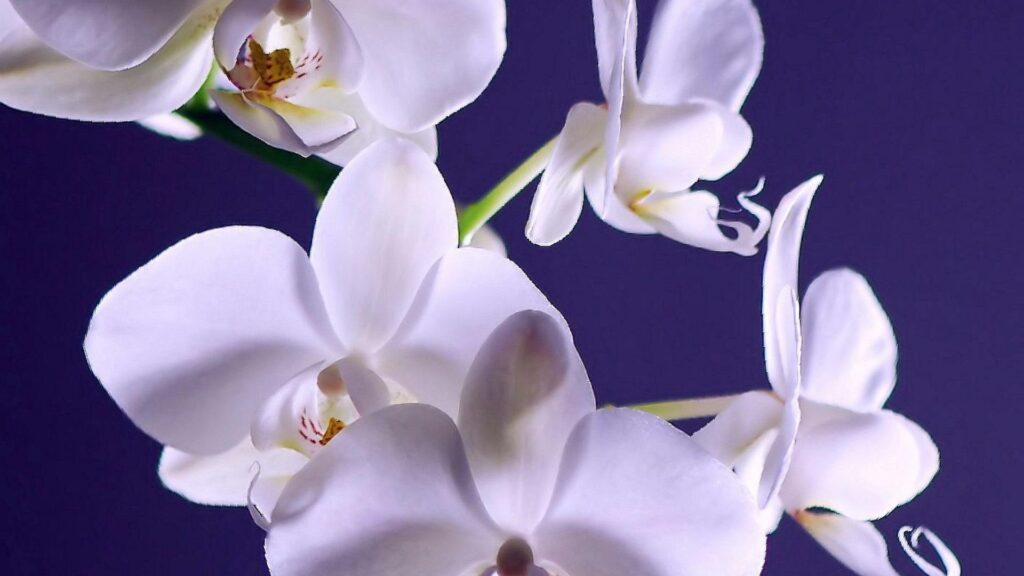
Middlemist’s Red is widely regarded as one of the rarest cultivated flowers in existence. Despite its name, the blossoms are actually a rich, vibrant pink rather than true red.
Its perfectly layered petals create an elegant, rose-like appearance that has fascinated gardeners for generations.
Native Origin
Originally introduced from China during the early nineteenth century, it now survives in only a few cultivated collections.
Why It’s So Beautiful
- Perfectly symmetrical blooms
- Rich pink petals
- Glossy evergreen foliage
- Long-lasting flowers
- Elegant ornamental form
Why It’s Rare
- Extremely limited cultivated specimens
- Historical loss of original plants
- Slow propagation
- Rarely available commercially
Interesting Fact
Unlike many rare flowers found in the wild, Middlemist’s Red survives primarily because of careful cultivation in botanical gardens.
3. Jade Vine (Strongylodon macrobotrys)
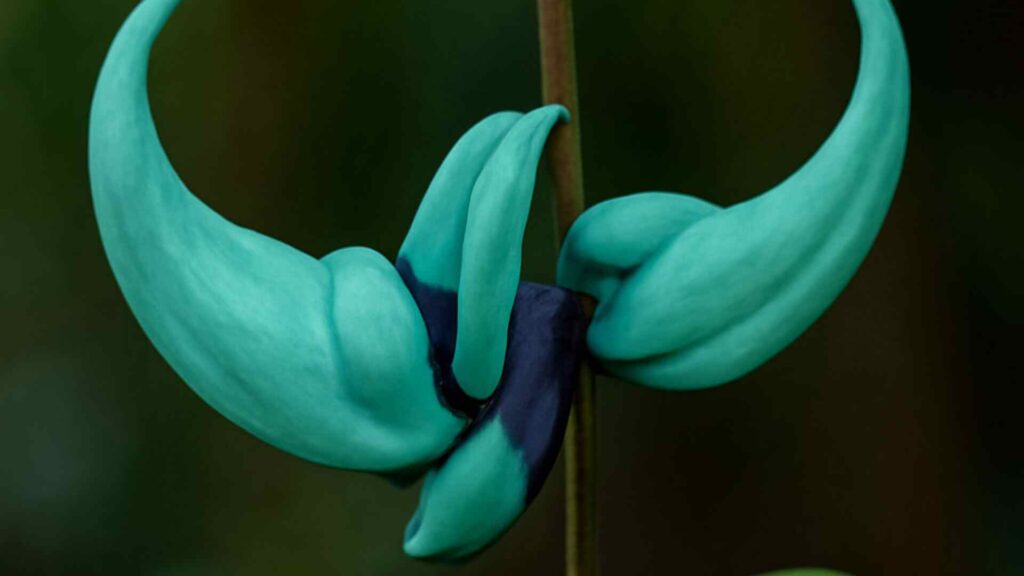
Few flowers can compete with the incredible color of the Jade Vine. Its long hanging clusters of turquoise-green flowers create one of the most spectacular floral displays found anywhere in nature.
The blossoms often appear almost artificial because such vivid blue-green shades are exceptionally rare among flowering plants.
Native Habitat
The Jade Vine is native to the tropical rainforests of the Philippines.
Why It’s So Beautiful
- Brilliant turquoise flowers
- Cascading flower clusters
- Exotic tropical appearance
- Dramatic flowering displays
- Attractive climbing habit
Why It’s Rare
- Declining rainforest habitat
- Specialized pollinators
- Sensitivity to cold weather
- Difficult cultivation outside tropical climates
Interesting Fact
Individual flower clusters may exceed one meter (three feet) in length, creating breathtaking displays during peak blooming season.
4. Blue Himalayan Poppy (Meconopsis betonicifolia)
The Blue Himalayan Poppy is famous for producing one of the truest blue flowers found in nature. Its silky petals seem to glow against cool mountain landscapes, making it one of the most photographed alpine flowers.
Native Habitat
It naturally grows in the cool mountain regions of:
- Tibet
- Bhutan
- Nepal
- Southwestern China
Why It’s So Beautiful
- Brilliant sky-blue petals
- Golden center
- Graceful upright stems
- Soft silky texture
- Elegant garden appearance
Why It’s Rare
- Requires cool climates
- Sensitive to heat
- Short flowering period
- Difficult to cultivate in warm regions
Interesting Fact
Many gardeners spend years trying to recreate the cool mountain conditions needed to grow this remarkable flower successfully.
5. Black Bat Flower (Tacca chantrieri)
The Black Bat Flower is unlike almost any other ornamental plant. Its deep purple-black blooms resemble a bat with outstretched wings, while long thread-like whiskers extend dramatically below the flower.
Its unusual appearance has made it one of the most recognizable rare flowers in the world.
Native Habitat
It grows naturally in the tropical forests of Southeast Asia.
Why It’s So Beautiful
- Velvet-like black petals
- Dramatic bat-shaped blooms
- Long whisker-like filaments
- Exotic tropical foliage
- Unforgettable appearance
Why It’s Rare
- Limited tropical habitat
- High humidity requirements
- Difficult propagation
- Sensitive to cold temperatures
Interesting Fact
Some whisker-like filaments can grow over 70 cm (28 inches) long, making the flower appear even more dramatic.
6. Chocolate Cosmos (Cosmos atrosanguineus)
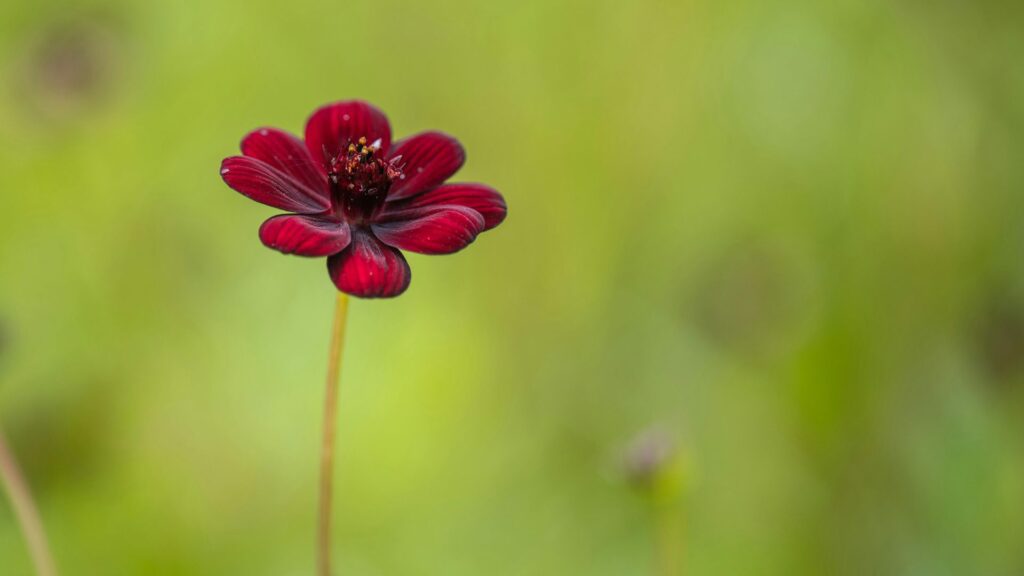
Chocolate Cosmos combines elegant beauty with an unforgettable fragrance. Its dark burgundy flowers release a sweet scent remarkably similar to chocolate, making it a favorite among gardeners seeking something truly unusual.
Native Habitat
Originally native to Mexico.
Why It’s So Beautiful
- Deep velvety burgundy petals
- Chocolate fragrance
- Long blooming season
- Attractive compact growth
- Excellent cut flower
Why It’s Rare
- Extinct in the wild
- Propagated only through cultivated tubers
- Limited commercial production
Interesting Fact
The pleasant chocolate scent becomes stronger during warm afternoons and evenings.
7. Rothschild’s Slipper Orchid (Paphiopedilum rothschildianum)
Often called the “Gold of Kinabalu,” this spectacular orchid is admired for its large striped petals and distinctive pouch-shaped bloom.
Its combination of elegance and rarity has made it one of the world’s most valuable orchids.
Native Habitat
Mount Kinabalu, Borneo.
Why It’s So Beautiful
- Bold striped petals
- Elegant orchid form
- Large impressive blooms
- Long-lasting flowers
- Glossy green foliage
Why It’s Rare
- Naturally restricted range
- Slow growth
- Illegal collection
- Specialized growing requirements
Interesting Fact
A mature plant may take well over a decade to reach full flowering size.
8. Flame Lily (Gloriosa superba)
The Flame Lily produces striking red and yellow petals that curve backward like flickering flames.
Its vibrant colors and climbing growth habit make it one of the most dramatic flowering vines in tropical gardens.
Native Habitat
Africa and parts of Asia.
Why It’s So Beautiful
- Flame-like petals
- Bright red and yellow coloring
- Graceful climbing stems
- Long flowering season
Why It’s Rare
- Declining wild populations
- Habitat destruction
- Overharvesting in some regions
Interesting Fact
The Flame Lily is the national flower of Zimbabwe.

9. Kadupul Flower (Epiphyllum oxypetalum)
The Kadupul Flower is famous for its breathtaking beauty and incredibly short lifespan. It blooms only at night, releasing a sweet fragrance before wilting by sunrise.
Because of its brief appearance, many people consider witnessing its bloom a once-in-a-lifetime experience.
Native Habitat
Widely associated with Sri Lanka and also cultivated in other tropical regions.
Why It’s So Beautiful
- Large snow-white petals
- Strong pleasant fragrance
- Elegant night bloom
- Rare flowering event
Why It’s Rare
- Blooms only for one night
- Short-lived flowers
- Requires warm tropical conditions
Interesting Fact
Many gardeners stay awake throughout the night just to witness the Kadupul Flower in full bloom.
10. Parrot’s Beak (Lotus berthelotii)
Parrot’s Beak is admired for its brilliant orange-red flowers that closely resemble the curved beak of a parrot. Combined with its soft, silvery foliage, it creates an unforgettable display in hanging baskets and rock gardens.
Native Habitat
Canary Islands.
Why It’s So Beautiful
- Bright flame-colored flowers
- Unique bird-like shape
- Silvery foliage
- Attractive trailing growth habit
Why It’s Rare
- Extremely limited natural distribution
- Habitat degradation
- Declining wild populations
Interesting Fact
Although uncommon in the wild, Parrot’s Beak has become a prized ornamental plant among collectors of unusual flowering species.
11. Corpse Flower (Amorphophallus titanum)
The Corpse Flower is one of the most famous rare plants in the world, not because of its fragrance but because of the opposite. During bloom, it releases a powerful odor similar to rotting meat, attracting carrion beetles and flesh flies for pollination. Despite its unpleasant scent, the flower’s enormous size makes it one of the most impressive botanical wonders on Earth.
Native Habitat
The tropical rainforests of Sumatra, Indonesia.
Why It’s So Beautiful
- One of the world’s largest flower structures
- Dramatic burgundy interior
- Towering central spike
- Spectacular bloom that attracts worldwide attention
Why It’s Rare
- Native rainforest habitat is shrinking.
- Blooms only once every several years.
- Flowers remain open for only 24–48 hours.
- Difficult to cultivate outside botanical gardens.
Interesting Fact
A mature Corpse Flower can exceed 10 feet (3 meters) in height during bloom.

12. Gibraltar Campion (Silene tomentosa)
Once believed extinct, the Gibraltar Campion was rediscovered growing on steep limestone cliffs in Gibraltar. Today, conservation programs have successfully reintroduced the species into protected areas.
Native Habitat
The rocky cliffs of Gibraltar.
Why It’s So Beautiful
- Soft pink flowers
- Compact flowering habit
- Attractive gray-green foliage
- Delicate spring blooms
Why It’s Rare
- Extremely limited natural range
- Small wild population
- Intensive conservation management
Interesting Fact
Every living Gibraltar Campion today descends from only a few surviving wild plants.
13. Shenzhen Nongke Orchid
Unlike most flowers in this guide, the Shenzhen Nongke Orchid was developed through years of scientific research rather than occurring naturally in the wild. It became internationally famous after selling for an extraordinary price at auction.
Native Origin
Developed in China.
Why It’s So Beautiful
- Elegant orchid form
- Graceful creamy-green petals
- Long-lasting flowers
- Highly refined appearance
Why It’s Rare
- Produced through specialized breeding
- Extremely limited availability
- Slow cultivation process
Interesting Fact
It reportedly took researchers eight years to successfully develop this orchid.
14. Hooker’s Lips (Psychotria elata)
Hooker’s Lips is instantly recognizable because its bright red bracts resemble a pair of lips before opening into small white flowers.
Native Habitat
Rainforests of Central and South America.
Why It’s So Beautiful
- Brilliant red bracts
- Unique lip-like appearance
- Lush tropical foliage
- Attractive flowering display
Why It’s Rare
- Habitat destruction
- Rainforest deforestation
- Limited natural distribution
Interesting Fact
Its unusual appearance has made it one of the most photographed tropical plants in the world.
15. Green Rose (Rosa chinensis viridiflora)
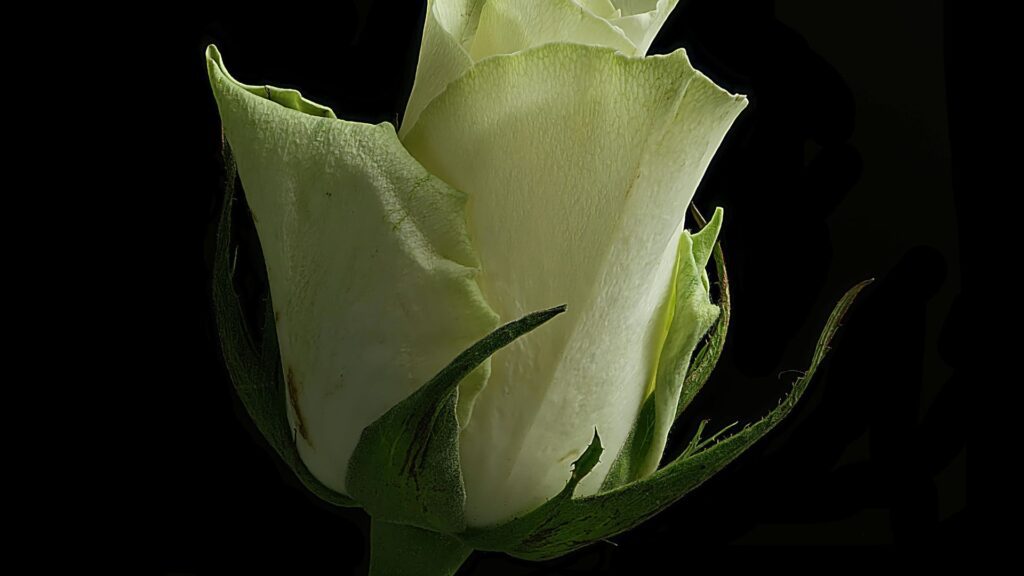
The Green Rose is unlike traditional roses because its “petals” are actually green leafy structures, creating a fascinating ornamental effect.
Native Origin
China.
Why It’s So Beautiful
- Distinctive green blooms
- Unusual texture
- Excellent conversation plant
- Long flowering season
Why It’s Rare
- Unique genetic mutation
- Limited commercial production
- Rare in traditional gardens
Interesting Fact
The Green Rose has been cultivated for centuries as a botanical curiosity.
16. Sea Daffodil (Pancratium maritimum)
Growing naturally along sandy coastlines, the Sea Daffodil produces elegant white flowers that contrast beautifully against beach landscapes.
Native Habitat
Mediterranean coastal regions.
Why It’s So Beautiful
- Pure white petals
- Sweet fragrance
- Graceful spider-like flower shape
- Coastal elegance
Why It’s Rare
- Coastal habitat loss
- Tourism development
- Sensitive growing conditions
Interesting Fact
Sea Daffodils often bloom during the hottest part of summer when many other coastal plants have stopped flowering.
17. Persian Lily (Fritillaria persica)
The Persian Lily produces tall spikes covered with dozens of deep purple, bell-shaped flowers, making it one of the most elegant spring bulbs.
Native Habitat
Middle Eastern mountains.
Why It’s So Beautiful
- Rich purple blooms
- Tall architectural stems
- Elegant hanging flowers
- Attractive garden focal point
Why It’s Rare
- Limited native range
- Specialized growing conditions
- Less common in commercial nurseries
Interesting Fact
A mature flowering spike may carry more than 30 individual blossoms.
18. Queen of the Night (Epiphyllum oxypetalum)
Often confused with the Kadupul Flower, the Queen of the Night is another spectacular night-blooming cactus known for its enormous white flowers.
Native Habitat
Central and South America.
Why It’s So Beautiful
- Large white blooms
- Powerful fragrance
- Elegant layered petals
- Dramatic nighttime display
Why It’s Rare
- Flowers open for only one night.
- Short blooming period.
- Requires warm growing conditions.
Interesting Fact
Gardeners often organize nighttime gatherings to witness its spectacular bloom.
19. Youtan Poluo
Youtan Poluo is surrounded by mystery and legend. Tiny white flowers identified as “Youtan Poluo” occasionally appear in media reports and folklore, though scientific evidence about these claims is limited.
Reported Habitat
Various parts of Asia.
Why It’s So Beautiful
- Tiny delicate flowers
- Extraordinary appearance
- Cultural significance
- Legendary status
Why It’s Considered Rare
- Extremely uncommon reports
- Difficult to verify
- Associated with ancient legends
Interesting Fact
According to Buddhist tradition, the flower is believed to bloom only under exceptionally rare circumstances.
20. Yellow Lady’s Slipper Orchid (Cypripedium parviflorum)
This native North American orchid is admired for its bright yellow pouch-shaped flowers and woodland elegance.
Native Habitat
North American forests and meadows.
Why It’s So Beautiful
- Bright yellow blooms
- Graceful orchid structure
- Attractive woodland appearance
Why It’s Rare
- Habitat destruction
- Slow growth
- Difficult propagation
Interesting Fact
Some plants may take several years before flowering for the first time.
21. Glory Lily (Gloriosa superba)
Often called the climbing lily, the Glory Lily produces vibrant red and yellow flowers with dramatically recurved petals.
Why It’s Beautiful
- Fiery colors
- Elegant climbing stems
- Exotic tropical appearance
22. Red Spider Lily (Lycoris radiata)
Known for its striking crimson flowers and long graceful stamens, the Red Spider Lily blooms dramatically before producing leaves.
Why It’s Beautiful
- Brilliant scarlet flowers
- Spider-like appearance
- Spectacular autumn display
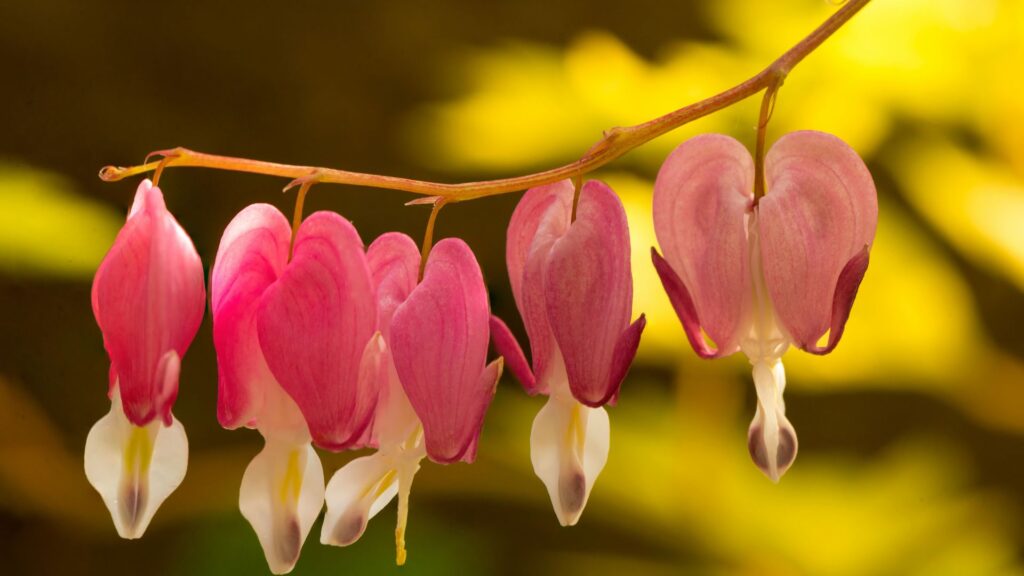
23. Bleeding Heart (Lamprocapnos spectabilis)
The Bleeding Heart is treasured for its heart-shaped pink and white flowers that hang gracefully from arching stems.
Why It’s Beautiful
- Romantic heart-shaped blooms
- Elegant arching growth
- Excellent shade garden plant
24. Cobra Lily (Arisaema species)
The Cobra Lily’s hooded flower resembles the head of a striking cobra, making it one of nature’s most unusual flowering plants.
Why It’s Beautiful
- Exotic shape
- Dramatic foliage
- Unique woodland appearance
25. White Egret Orchid (Habenaria radiata)
This remarkable orchid resembles a white egret spreading its wings in flight.
Why It’s Beautiful
- Pure white petals
- Bird-like flower shape
- Graceful ornamental value
26. Darwin’s Orchid (Angraecum sesquipedale)
Darwin’s Orchid is famous for its extraordinarily long nectar spur, which inspired Charles Darwin’s prediction of a moth capable of pollinating it.
Why It’s Beautiful
- Elegant white flowers
- Long graceful spur
- Fascinating scientific history
27. Fire Lily (Cyrtanthus ventricosus)
The Fire Lily often blooms after wildfires, transforming burned landscapes with brilliant orange-red flowers.
Why It’s Beautiful
- Bright fiery colors
- Unique blooming habit
- Symbol of renewal
28. Blue Puya (Puya berteroniana)
Blue Puya produces metallic turquoise flowers unlike almost any other flowering plant.
Why It’s Beautiful
- Metallic blue-green blooms
- Towering flower spikes
- Exotic appearance
29. Desert Rose (Rare Varieties) (Adenium obesum)
Rare Desert Rose cultivars combine sculptural swollen trunks with vivid pink, red, white, or multi-colored flowers.
Why It’s Beautiful
- Bonsai-like appearance
- Brilliant flowers
- Long blooming season
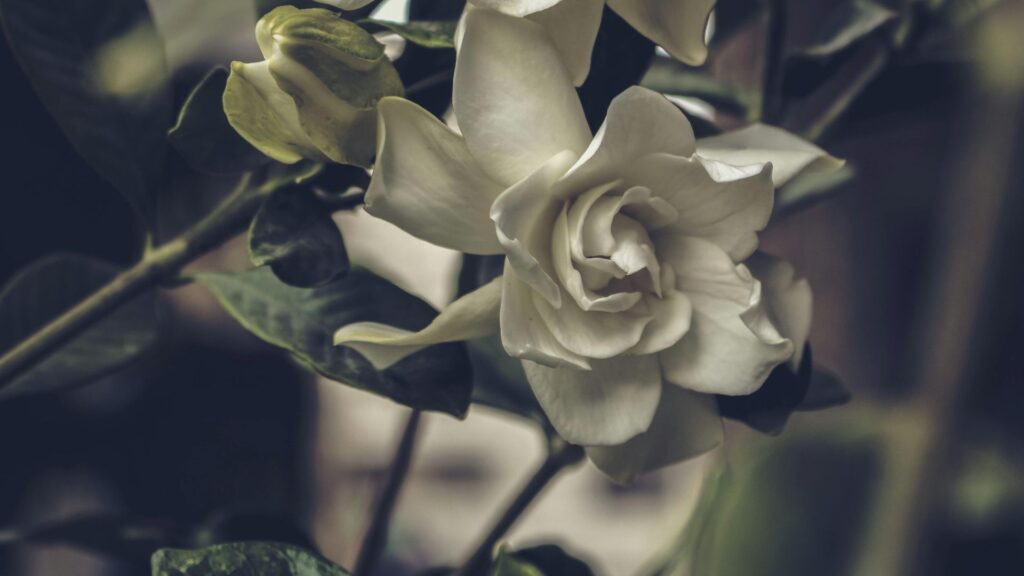
30. Franklin Tree Flower (Franklinia alatamaha)
The Franklin Tree Flower is one of America’s botanical treasures. Although extinct in the wild, it survives through cultivated specimens grown by gardeners and botanical institutions.
Native Origin
Originally discovered in Georgia, United States.
Why It’s So Beautiful
- Elegant white blossoms
- Golden yellow centers
- Glossy green foliage
- Brilliant autumn color
Why It’s Rare
- Extinct in the wild
- Survives only through cultivation
- Limited commercial availability
Interesting Fact
Every Franklin Tree alive today is believed to descend from seeds collected in the 18th century before the species disappeared from its natural habitat.
Appreciating Rare Flowers Responsibly
The beauty of rare flowers should inspire admiration, not exploitation. Many species in this guide face threats from habitat destruction, climate change, and illegal collection. Choosing nursery-propagated plants, supporting botanical gardens, and respecting protected habitats are meaningful ways to help conserve these remarkable blooms for future generations.
Best Recommendations
Rare flowers come in many forms, from elegant orchids to dramatic tropical vines. Choosing the right one depends on your climate, gardening experience, and the growing conditions you can provide. While some species are best admired in botanical gardens, others can become stunning additions to home landscapes with proper care.
Here are some of the best rare flowers based on different gardening needs.
Best Rare Flowers for Beginners
If you’re just starting your journey into growing uncommon flowers, choose varieties that are relatively easy to maintain while still offering exceptional beauty.
1. Chocolate Cosmos
Chocolate Cosmos is an excellent choice for beginners because it combines attractive dark burgundy flowers with a pleasant chocolate-like fragrance. It grows well in containers and garden beds and requires only moderate care.
2. Flame Lily
This climbing flower produces striking red and yellow blooms that instantly become the focal point of any garden. It performs well in warm climates with a sturdy support structure.
3. Bleeding Heart
Perfect for shaded gardens, the Bleeding Heart rewards gardeners with graceful, heart-shaped flowers during spring and early summer.
4. Desert Rose
Desert Rose is valued for its sculptural trunk and vibrant blooms. It thrives in sunny locations and is an excellent choice for container gardening in warm climates.
Best Rare Flowers for Tropical Gardens
Warm, humid regions provide ideal conditions for many of the world’s most spectacular rare flowers.
Excellent tropical options include:
- Ghost Orchid
- Jade Vine
- Black Bat Flower
- Hooker’s Lips
- Flame Lily
- Queen of the Night
- Chocolate Cosmos
These plants often reward gardeners with dramatic blooms when grown in conditions similar to their natural habitats.
Frequently Asked Questions (FAQs)
What is the most beautiful rare flower in the world?
Beauty is subjective, but the Ghost Orchid, Jade Vine, Blue Himalayan Poppy, Middlemist’s Red, and Black Bat Flower are frequently regarded as some of the most beautiful rare flowers because of their exceptional colors, forms, and rarity.
What is the rarest flower on Earth?
Middlemist’s Red is widely recognized as one of the rarest cultivated flowers in the world. Other extremely rare flowers include the Ghost Orchid and several endangered orchid species.
Can rare flowers be grown at home?
Yes. Many rare flowers can be successfully cultivated at home if their growing requirements are met. Some species are suitable for beginners, while others require greenhouse conditions or advanced gardening experience.
Why are rare flowers expensive?
Rare flowers are often expensive because they grow slowly, are difficult to propagate, require specialized care, and are available from only a limited number of reputable growers.
Are rare flowers endangered?
Not all rare flowers are endangered. Some are naturally uncommon because they exist only in specific regions, while others have become threatened due to habitat destruction, climate change, or illegal collection.
Which rare flower blooms only at night?
The Kadupul Flower and the Queen of the Night are among the most famous night-blooming flowers. Their spectacular blooms open after sunset and usually fade by morning.
How can I help protect rare flowers?
You can contribute to conservation by:
- Purchasing nursery-propagated plants
- Supporting botanical gardens
- Avoiding wild-collected specimens
- Respecting protected natural habitats
- Learning about and promoting plant conservation
Final Thoughts
Rare flowers remind us that nature’s greatest masterpieces are often its most fragile. From the ghostly elegance of the Ghost Orchid and the vivid turquoise blooms of the Jade Vine to the striking beauty of the Blue Himalayan Poppy, Chocolate Cosmos and the mysterious charm of the Kadupul Flower, each species tells a remarkable story of evolution, adaptation, and survival.
While their beauty captures our attention, their rarity highlights the importance of conservation. Many of these extraordinary plants face challenges such as habitat loss, climate change, and illegal collection.
By choosing responsibly propagated plants and supporting conservation initiatives, gardeners can enjoy these botanical treasures while helping protect them for future generations.
Whether you’re searching for inspiration, expanding your plant collection, or simply appreciating the diversity of the natural world, the 30 most beautiful rare flowers featured in this guide demonstrate that the plant kingdom still holds countless wonders waiting to be discovered.