
Why Rare Flowers Are Disappearing 2026 (Unexpected Ecosystem Changes)
The Silent Extinction Nobody Talks About
🔥 Imagine walking through a forest where the most beautiful flowers no longer exist… not because you missed them—but because they’re gone forever.
That’s not a future scenario.
That’s happening right now.
🚀 Here’s the harsh reality: Rare flowers across the world are disappearing at an alarming rate—and most people don’t even realize it. These are not ordinary plants. These are species that took thousands, sometimes millions of years to evolve.
And now?
They’re vanishing within decades.
👉 In this guide, you’ll understand exactly why rare flowers are disappearing due to ecosystem changes, and why this matters more than you think.
🌸 What Exactly Are Rare Flowers?
Rare flowers are not just “hard to find” plants.
They are highly specialized species that depend on very specific conditions to survive.
🌱 Key Characteristics of Rare Flowers
Rare flowers usually:
- Grow in limited geographic areas
- Require specific soil, moisture, and temperature conditions
- Depend on specific pollinators
- Have low reproduction rates
👉 This makes them extremely vulnerable to change.
🌼 Real-Life Examples That Show the Problem
Think about flowers like:
- Ghost Orchid → grows only in very specific swamp environments
- Blue Himalayan Poppy → survives only in cold mountain climates
- Corpse Flower → blooms rarely and requires precise conditions
👉 These plants are not flexible.
They are ecosystem-dependent survivors.
🌍 Why Rare Flowers Matter More Than You Think
Most people underestimate flowers.
They think:
👉 “It’s just a plant.”
But that thinking is dangerous.
Rare flowers are critical to ecosystem survival.
🐝 1. They Support Pollinators
Many rare flowers produce specialized nectar.
Pollinators like:
- Bees
- Butterflies
- Birds
depend on them.
👉 Some pollinators rely on only one type of flower.
If that flower disappears →
the pollinator disappears too.
🌿 2. They Maintain Ecosystem Stability
Rare plants:
- Improve soil health
- Support microorganisms
- Help nutrient cycling
👉 Remove one plant, and you disturb the entire system.
🌎 3. They Strengthen Biodiversity
Biodiversity means:
👉 More species = stronger ecosystem
Rare flowers are like:
🧩 critical puzzle pieces
Remove them → ecosystem becomes weak and unstable.
💊 4. Hidden Medical Potential
Many life-saving medicines come from plants.
👉 Rare flowers may contain:
- Future cancer treatments
- Anti-inflammatory compounds
- Unknown medicinal breakthroughs
If they disappear →
we lose those possibilities forever.

⚠️ The Core Problem: Ecosystem Changes
Now let’s get to the real issue.
Rare flowers are not disappearing randomly.
👉 They are disappearing because ecosystems are changing too fast.
🔍 What Is an Ecosystem?
An ecosystem includes:
- Plants
- Animals
- Soil
- Water
- Climate
Everything is connected.
🔄 What Is an Ecosystem Change?
An ecosystem change happens when:
- Temperature shifts
- Rainfall patterns change
- Soil conditions degrade
- Habitats are destroyed
👉 Even small changes can have huge effects.
💥 Why Rare Flowers Are the First to Disappear
Here’s the key insight most people miss:
👉 Rare flowers are not weak—but they are specialized.
That specialization makes them:
- Unique
- Beautiful
- AND fragile
⚡ Example to Understand This
Imagine two plants:
- A common weed → grows anywhere
- A rare orchid → needs exact humidity, shade, and soil
Now change the environment slightly.
👉 The weed survives
👉 The orchid dies
That’s exactly what’s happening globally.
🌡️ The Early Warning Sign of Ecosystem Collapse
Rare flowers are like:
🚨 nature’s warning system
When they start disappearing, it means:
- Ecosystems are unstable
- Conditions are changing
- Collapse may follow
👉 In simple terms:
Rare flowers don’t just disappear…
They signal that something bigger is wrong.
🌱 A Real-World Scenario
Let’s make this real.
Imagine a mountain valley where a rare blue flower grows.
For hundreds of years:
- Climate stayed stable
- Pollinators arrived on time
- Soil conditions remained perfect
Now fast forward to today:
- Temperature rises slightly
- Snow melts earlier
- Pollinators arrive late
👉 The flower blooms… but no pollinator comes.
No pollination =
No seeds =
No next generation
👉 Within a few years, that flower disappears.
Not because of one big disaster…
But because of small ecosystem changes adding up.
🔗 Connecting the Dots
So far, we know:
- Rare flowers are highly specialized
- Ecosystems are changing rapidly
- Small changes = big consequences
👉 This leads to one unavoidable truth:
Rare flowers are disappearing because they cannot keep up with ecosystem changes.
🌡️ Why Climate Change Hits Rare Flowers First
Here’s something most people don’t understand:
👉 Climate change doesn’t affect all plants equally.
Common plants (like weeds):
- Adapt quickly
- Grow in many conditions
Rare flowers:
- Need specific temperature ranges
- Depend on precise seasonal timing
- Cannot adapt fast
👉 That’s why they are the first victims.
🌞 Rising Temperatures: A Small Change, A Big Problem
At first glance, a 1–2°C increase doesn’t sound like much.
But for rare flowers?
👉 It’s the difference between life and extinction.
🔥 What Rising Temperature Actually Does
Even a slight increase can:
- Stop flowering cycles
- Reduce seed production
- Kill young plants before maturity
👉 Many rare flowers are programmed to survive in very narrow temperature windows.
🌄 Mountain Flowers: Nowhere Left to Go
Mountain ecosystems are among the most affected.
Rare flowers that grow in high altitudes:
- Need cold temperatures
- Depend on snow cycles
As temperatures rise:
- Snow melts earlier
- Soil dries faster
- Suitable zones move higher
👉 Eventually, there’s no higher place left.
This is called:
👉 “Habitat compression”
And it leads directly to extinction.
🌧️ Rainfall Changes: Too Much or Too Little
Climate change is also disrupting rainfall patterns.
Rain is becoming:
- Unpredictable
- Extreme
- Unevenly distributed
💧 Drought: Slow Death for Plants
When rain decreases:
- Soil dries out
- Roots fail to absorb nutrients
- Flowers cannot bloom
👉 Rare flowers with shallow roots suffer the most.
🌊 Flooding: Sudden Destruction
Too much rain causes:
- Root rot
- Soil erosion
- Nutrient loss
👉 Plants literally drown underground.
⚖️ The Real Problem = Imbalance
Rare flowers don’t just need water.
They need:
👉 The right amount of water at the right time
Climate change destroys that balance.
❄️ Seasonal Disruption: Nature’s Timing Is Breaking
Plants rely on natural timing systems.
They bloom based on:
- Temperature
- Day length
- Rain cycles
⏰ What’s Happening Now?
Climate change is causing:
- Early springs
- Late winters
- Irregular transitions
👉 This creates a major problem:
Flowers and pollinators are no longer synchronized.
🐝 Example of Timing Failure
- A flower blooms earlier than usual
- Pollinators (like bees) arrive later
👉 Result:
- No pollination
- No seeds
- No next generation
This is called:
👉 Phenological mismatch
And it’s a major driver of extinction.
🌬️ Extreme Weather Events: Sudden Ecosystem Shocks
Climate change is increasing extreme events:
- Heatwaves
- Storms
- Cold snaps
- Wildfires
🔥 Heatwaves
Extended heat:
- Burns plant tissues
- Dries soil rapidly
- Stops growth
🌪️ Storms
Strong storms:
- Destroy habitats
- Uproot plants
- Wash away seeds
🔥 Wildfires
Fires are becoming more frequent.
Impact:
- Entire plant populations wiped out
- Soil becomes infertile
👉 Rare flowers cannot recover quickly after such events.
🌊 Changing Soil Conditions
Climate change also affects soil in hidden ways.
🌱 Soil Moisture Imbalance
- Too dry → plants starve
- Too wet → roots rot
🧴 Nutrient Loss
Heavy rainfall washes away nutrients.
👉 Plants lose access to essential minerals.
🧪 Soil Chemistry Changes
Temperature and moisture shifts alter:
- pH levels
- Microbial activity
👉 Rare flowers often need very specific soil chemistry.
🧠 The Key Insight Most People Miss
Climate change doesn’t kill plants directly.
👉 It changes the system they depend on.
And when that system changes:
- Pollination fails
- Growth cycles break
- Reproduction stops
👉 Extinction becomes inevitable.
🌍 Real Ecosystem Example
Imagine a rainforest where a rare orchid grows.
For centuries:
- Rainfall is consistent
- Humidity stays high
- Pollinators arrive on time
Now climate change hits:
- Rainfall becomes irregular
- Dry periods increase
- Pollinators decline
👉 The orchid still exists… for now.
But:
- It produces fewer seeds
- Fewer plants grow each year
👉 Slowly, silently… it disappears.
Not instantly.
But inevitably.
🔵 Special Case: Rare Blue Flowers Under Climate Pressure
Blue flowers are already rare due to:
- Complex pigmentation
- Specific soil requirements
🔗 Internal read:
- rare-blue-flowers-that-calm-the-soul
Why Climate Change Hits Them Harder
- Sensitive to soil chemistry
- Require stable conditions
- Cannot tolerate fluctuation
👉 These are often the first to disappear.
🔗 Connecting Climate Change to Extinction
Let’s simplify the chain:
Rising Temperature
↓
Rainfall Imbalance
↓
Seasonal Disruption
↓
Pollinator Mismatch
↓
Reproduction Failure
↓
Extinction
👉 This is not theory.
This is happening globally.
🚀 What This Means Moving Forward
Climate change is not just one factor.
👉 It is the force that amplifies every other problem:
- Habitat loss becomes worse
- Pollinator decline accelerates
- Ecosystem instability increases
👉 In simple words:
Climate change doesn’t act alone—it makes everything worse.
The Brutal Truth About Habitat Loss
Let’s be real:
👉 Rare flowers don’t usually die slowly.
They disappear because:
- Their land is destroyed
- Their environment is altered
- Their ecosystem is removed completely
⚠️ Why Habitat Loss Is So Dangerous
Unlike climate change (which is gradual), habitat loss is:
- Fast
- Irreversible
- Widespread
👉 Once a habitat is gone, rare flowers have nowhere to go.
🌍 What Is Habitat Loss?
Habitat loss happens when natural environments are:
- Cleared
- Altered
- Fragmented
This includes:
- Forests
- Wetlands
- Grasslands
- Mountains
👉 And here’s the key:
Rare flowers depend on very specific habitats.
Remove that habitat →
👉 You remove the species.
🚜 The Main Causes of Habitat Loss
Let’s break down the biggest drivers.
🌳 1. Deforestation
Forests are being cleared for:
- Timber
- Agriculture
- Development
💥 Impact on Rare Flowers
- Shade conditions disappear
- Soil structure changes
- Moisture levels drop
👉 Many rare plants rely on forest microclimates.
When forests are cut:
👉 These plants die almost immediately.
🌾 2. Agricultural Expansion
Farming is one of the biggest land users globally.
Natural land is converted into:
- Crop fields
- Plantations
- Grazing land
⚠️ What This Means
- Native plants are removed
- Soil is chemically altered
- Biodiversity drops
👉 Rare flowers are replaced by monocultures (single crops).
🏙️ 3. Urban Development
Cities are expanding faster than ever.
Natural ecosystems are turned into:
- Housing
- Roads
- Infrastructure
💥 Impact
- Complete habitat destruction
- Soil sealing (covered by concrete)
- Loss of pollinators
👉 Once land is urbanized, it rarely returns to nature.
⛏️ 4. Mining and Industrial Activities
Mining destroys ecosystems completely.
Impact
- Land is excavated
- Soil becomes toxic
- Water systems are disrupted
👉 Rare flowers cannot survive in such conditions.
🧠 Why Rare Flowers Can’t “Just Move”
Here’s a common misconception:
👉 “Why don’t plants just grow somewhere else?”
Sounds simple. But it’s wrong.
🌱 Rare Flowers Need Exact Conditions
They depend on:
- Specific soil composition
- Exact moisture levels
- Unique microbial life
- Particular pollinators
👉 These conditions don’t exist everywhere.
⚡ Real Example
A rare orchid may need:
- A specific fungus in the soil
- A certain insect for pollination
- Exact humidity levels
Remove one factor →
👉 The plant cannot survive.
🧩 Habitat Fragmentation: The Hidden Problem
Habitat loss isn’t always total destruction.
Sometimes, it’s fragmentation.
🔍 What Is Fragmentation?
Large habitats are broken into smaller pieces.
Example:
- Forest → divided by roads or farms
💥 Why This Is Dangerous
Small isolated areas:
- Cannot support large populations
- Reduce genetic diversity
- Limit pollination
👉 Over time, populations shrink and disappear.
🐝 How Habitat Loss Affects Pollinators
Pollinators need:
- Food sources
- Nesting areas
- Stable environments
What Happens When Habitats Are Destroyed?
- Bees lose nesting grounds
- Butterflies lose host plants
- Birds lose feeding areas
👉 Pollinators decline → flowers can’t reproduce.
👉 This creates a double impact:
- Habitat loss
- Pollinator collapse
🌊 Wetland Destruction: A Silent Crisis
Wetlands are often drained for:
- Agriculture
- Construction
Why Wetlands Matter
They provide:
- Unique water conditions
- Rich soil nutrients
👉 Many rare flowers depend on wetlands.
Impact of Wetland Loss
- Water balance is destroyed
- Soil dries out
- Plant species disappear
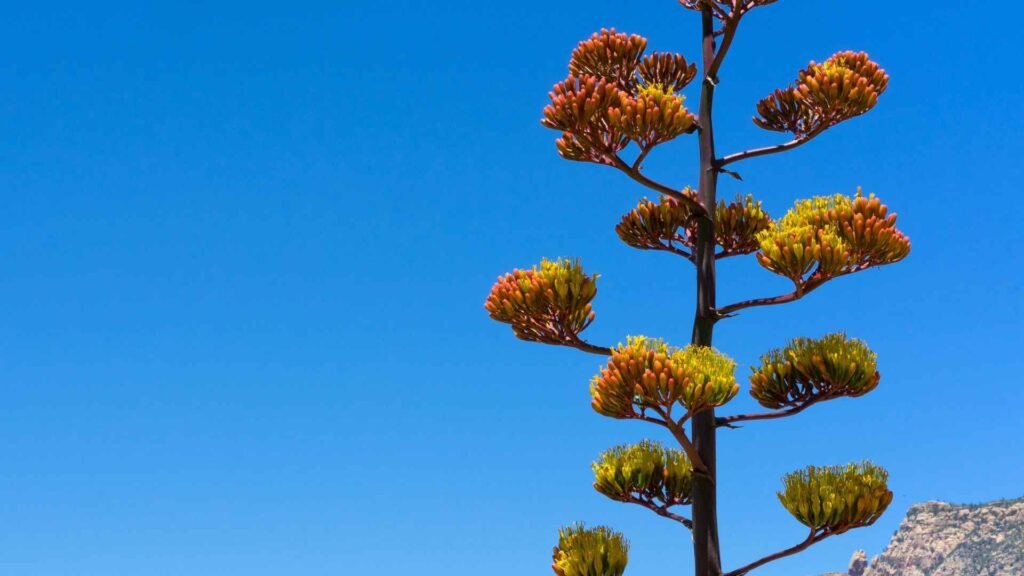
🌄 Mountain Ecosystems Under Pressure
Mountain habitats are fragile.
Threats
- Tourism development
- Road construction
- Climate shifts
Impact
- Soil erosion
- Habitat disturbance
- Limited space for plants
👉 Rare mountain flowers are among the most endangered.
🔵 Blue Flowers and Habitat Sensitivity
Rare blue flowers are extremely sensitive to habitat conditions.
🔗 Internal read:
Why They Disappear Quickly
- Require specific soil chemistry
- Sensitive to environmental change
👉 Even slight habitat disturbance can wipe them out.
🔗 The Chain Reaction of Habitat Loss
Let’s connect everything:
Habitat Destruction
↓
Loss of Plant Species
↓
Pollinator Decline
↓
Reduced Reproduction
↓
Ecosystem Imbalance
↓
Extinction
👉 This is why habitat loss is the #1 driver of biodiversity loss worldwide.
📖 Real-World Scenario
Imagine a rainforest where a rare flower grows.
For centuries:
- Dense canopy protects it
- Moisture stays constant
- Pollinators visit regularly
Now deforestation begins:
- Trees are cut
- Sunlight increases
- Soil dries out
👉 Within months:
- The flower stops growing
- Pollinators disappear
👉 Within years:
- The species is gone
Not because it was weak…
👉 But because its home was destroyed.
🧠 The Hard Truth
Rare flowers don’t die because they fail.
👉 They die because we remove the conditions they need to live.
🚀 What This Means
Habitat loss is:
- Immediate
- Irreversible
- Human-driven
👉 And it is happening faster than ever before.
Why Pollution Is More Dangerous Than You Think
Unlike deforestation or urbanization, pollution doesn’t always look destructive.
👉 There’s no dramatic event.
👉 No visible warning.
But beneath the surface:
- Soil becomes toxic
- Water becomes contaminated
- Air becomes harmful
👉 And rare flowers slowly die.
⚠️ The Core Problem with Pollution
Pollution doesn’t just damage plants directly.
👉 It alters the environment they depend on.
And remember:
Rare flowers need:
- Perfect soil
- Clean water
- Balanced air
👉 Even small contamination = major damage.
🌫️ Air Pollution: Damage You Can’t See
Air pollution affects plants more than most people realize.
🌬️ What’s in Polluted Air?
- Carbon emissions
- Sulfur dioxide
- Nitrogen oxides
- Industrial chemicals
💥 How It Affects Rare Flowers
Air pollution can:
- Reduce photosynthesis
- Damage leaf tissues
- Slow growth
👉 Leaves become weaker and less efficient.
🌧️ Acid Rain: A Hidden Threat
Air pollution leads to acid rain.
What Acid Rain Does
- Changes soil pH
- Damages roots
- Washes away nutrients
👉 Rare flowers that need specific soil conditions cannot survive this shift.
💧 Water Pollution: Poison at the Roots
Water is life for plants.
But polluted water becomes:
👉 A slow poison.
🧪 Sources of Water Pollution
- Agricultural runoff (fertilizers, pesticides)
- Industrial waste
- Sewage discharge
💥 Impact on Rare Flowers
Polluted water:
- Damages root systems
- Disrupts nutrient absorption
- Alters soil chemistry
👉 Over time, plants weaken and die.
⚠️ Wetland Plants Are at High Risk
Wetlands depend on clean water.
When polluted:
- Ecosystem balance breaks
- Rare aquatic flowers disappear
🧴 Soil Pollution: The Foundation Is Breaking
Soil is where everything begins.
When soil is polluted:
👉 Plants lose their ability to survive.
🧪 Common Soil Pollutants
- Heavy metals (lead, mercury)
- Chemical fertilizers
- Pesticides
💥 Impact
Soil pollution:
- Blocks nutrient absorption
- Kills beneficial microbes
- Alters soil structure
👉 Rare flowers cannot tolerate these changes.
🐝 Pollution and Pollinators: A Double Crisis
Pollution doesn’t just affect plants.
👉 It also harms pollinators.
🐝 What Happens to Pollinators?
- Bees exposed to pesticides die or lose navigation
- Butterflies lose habitats
- Birds lose food sources
🔗 Result
- Pollinator decline
- Reduced pollination
- No seed production
👉 This creates a combined extinction effect.
🌊 Microplastics and Emerging Threats
Here’s something new and alarming:
👉 Microplastics are now entering ecosystems.
💥 Impact on Plants
- Affect soil structure
- Interfere with water absorption
- Harm microorganisms
👉 Rare flowers, already fragile, are highly vulnerable.
🌿 Chemical Overuse in Agriculture
Modern farming uses:
- Fertilizers
- Herbicides
- Pesticides
⚠️ What This Does
- Alters soil chemistry
- Kills beneficial insects
- Pollutes nearby ecosystems
👉 Rare flowers near agricultural zones are often the first to disappear.
🔵 Rare Blue Flowers: Highly Sensitive to Pollution
🔗 Internal read:
- rare-blue-flowers-that-calm-the-soul
Why They Are at Risk
- Depend on precise soil chemistry
- Sensitive to pH changes
👉 Pollution disrupts these conditions easily.
🧠 The Key Insight
Pollution doesn’t always kill instantly.
👉 It creates gradual decline:
- Weak growth
- Poor reproduction
- Reduced survival
👉 Over time → extinction.
🔗 The Pollution Chain Reaction
Let’s simplify:
Pollution
↓
Soil/Water/Air Damage
↓
Plant Weakening
↓
Pollinator Decline
↓
Reproduction Failure
↓
Extinction
👉 This is a slow but deadly process.
📖 Real-World Scenario
Imagine a meadow with a rare flower species.
For decades:
- Soil is clean
- Water is pure
- Pollinators thrive
Now nearby farming begins:
- Fertilizers enter soil
- Pesticides spread
- Water becomes contaminated
👉 At first, nothing seems wrong.
But slowly:
- Plants grow weaker
- Fewer flowers bloom
- Pollinators decline
👉 Within years, the species disappears.
Not suddenly.
👉 But silently and gradually.
⚠️ Why Pollution Is Hard to Stop
Unlike deforestation:
- Pollution spreads easily
- It’s hard to detect early
- Effects take time to appear
👉 By the time we notice…
it’s often too late.
🚀 What This Means
Pollution is:
- Invisible
- Widespread
- Long-lasting
👉 And extremely dangerous for rare flowers.
The Silent War Inside Ecosystems
Nature is not static.
It’s a system of competition, balance, and survival.
When ecosystems are disturbed:
👉 That balance breaks.
And suddenly:
- New species invade
- Old relationships collapse
- Survival becomes harder
👉 Rare flowers don’t just face environmental stress…
They face competition, disruption, and biological threats.
🌊 Invasive Species: The Most Dangerous Competitors
Let’s start with one of the biggest hidden threats:
👉 Invasive species
🔍 What Are Invasive Species?
These are plants or organisms that:
- Are introduced to new environments
- Grow aggressively
- Outcompete native species
⚠️ Why They Are So Dangerous
Invasive plants:
- Grow faster
- Spread quickly
- Use more resources
👉 Rare flowers simply cannot compete.
💥 What Happens in Reality
When an invasive species enters an ecosystem:
- It takes over space
- Absorbs nutrients faster
- Blocks sunlight
👉 Native rare flowers slowly decline… and disappear.
📖 Real Example
Imagine a meadow with a rare flower.
For years:
- It grows slowly
- Maintains a small population
Now an invasive plant arrives:
- Grows faster
- Spreads rapidly
- Covers the ground
👉 Within a few seasons:
- The rare flower loses space
- Cannot access nutrients
- Stops reproducing
👉 Eventually, it disappears.
Not because it was weak…
👉 But because it was outcompeted.
🐝 Pollinator Collapse: A System Breaking Down
We’ve touched on pollinators before…
But now let’s go deeper.
🐝 Why Pollinators Are Critical
Pollinators enable:
👉 Plant reproduction
Without them:
- No fertilization
- No seeds
- No new plants
⚠️ Why Pollinators Are Disappearing
Pollinators are declining due to:
- Pesticides
- Habitat loss
- Climate change
- Pollution
💥 The Impact on Rare Flowers
Rare flowers often depend on:
👉 Specific pollinators
If that pollinator disappears:
👉 The plant cannot reproduce at all.
⚡ Example
A rare orchid may rely on:
- One specific insect
If that insect disappears:
👉 The orchid’s lifecycle ends.
🧬 Loss of Genetic Diversity
Here’s a deeper concept most people miss:
👉 Small populations = genetic weakness.
🔍 What Happens
When rare flower populations shrink:
- Fewer plants reproduce
- Less genetic variation exists
⚠️ Why This Is Dangerous
Low genetic diversity means:
- Less adaptability
- Higher disease risk
- Lower survival rates
👉 Over time, extinction becomes inevitable.
🌾 Human Interference: Direct and Indirect Damage
Humans don’t just destroy habitats.
👉 They also interfere directly with plant survival.
🌿 1. Overharvesting
Rare flowers are collected for:
- Decoration
- Trade
- Traditional medicine
💥 Impact
- Population drops quickly
- Reproduction cycles break
👉 One plant removed = fewer seeds = fewer future plants.
📸 2. Tourism Pressure
Eco-tourism sounds positive…
But unmanaged tourism:
- Tramples plants
- Damages soil
- Disturbs ecosystems
👉 Fragile flowers cannot handle repeated disturbance.
🌱 3. Gardening and Transplanting
Some people try to grow rare flowers at home.
⚠️ Problem
- Plants are removed from natural habitat
- They often fail to grow elsewhere
👉 This damages wild populations without success.
🔵 Rare Blue Flowers in This Biological War
🔗 Internal read:
- rare-blue-flowers-that-calm-the-soul
Why They Are at Higher Risk
- Highly specialized
- Sensitive to competition
- Dependent on precise conditions
👉 Invasive species + pollinator loss = rapid disappearance.
🧠 The Key Insight
Here’s what most people don’t realize:
👉 Rare flowers don’t face one problem…
They face multiple threats at the same time.
🔗 Combined Effect
- Invasive species take space
- Pollinators disappear
- Humans interfere
👉 This creates a multi-layered extinction pressure.
🔗 The Biological Collapse Chain
Let’s simplify:
Invasive Species
- Pollinator Decline
- Human Interference
↓
Reduced Reproduction
↓
Population Decline
↓
Genetic Weakness
↓
Extinction
👉 This is happening quietly across ecosystems worldwide.
📖 Real-World Scenario
Imagine a forest clearing where a rare flower grows.
Everything is balanced:
- Pollinators visit regularly
- Soil is stable
- Competition is minimal
Now changes begin:
- Invasive plants spread
- Pollinators decline
- Tourists visit frequently
👉 Over time:
- Fewer flowers bloom
- Pollination decreases
- Seeds become rare
👉 Within a decade:
- The species disappears
Not from one cause…
👉 But from multiple pressures working together.

⚠️ Why This Stage Is the Most Dangerous
At this stage:
- The ecosystem still exists
- The plant still exists
👉 But survival is no longer sustainable.
👉 This is called:
🔥 “Ecological tipping point”
Once reached:
👉 Recovery becomes extremely difficult.
🚀 What This Means
Even if we stop:
- Deforestation
- Pollution
👉 Rare flowers may still decline…
Because internal ecosystem balance is already broken.
The Good News: Not All Hope Is Lost
Here’s the part most people don’t hear:
👉 Many rare flowers can still be saved.
But only if:
- Action is taken early
- Ecosystems are protected
- Awareness increases
🌍 Conservation Efforts That Are Working
Let’s break down real solutions.
🌿 1. Protected Areas (Nature Reserves)
Governments and organizations are creating:
- National parks
- Wildlife reserves
- Conservation zones
✅ Why This Works
- Protects natural habitats
- Limits human interference
- Preserves ecosystems
👉 Rare flowers survive best when left undisturbed.
🌱 2. Seed Banks: Saving the Future
Seed banks store plant seeds for future use.
🌾 What They Do
- Preserve genetic material
- Allow replanting in future
- Protect against extinction
👉 Think of them as a backup system for nature.
🌼 3. Botanical Gardens & Research Centers
These institutions:
- Grow rare plants in controlled environments
- Study their needs
- Develop conservation strategies
⚠️ Limitation
They help…
But they cannot replace natural ecosystems.
👨🌾 Sustainable Practices (The Real Game Changer)
Long-term survival depends on how humans interact with nature.
🌿 Eco-Friendly Farming
Reducing:
- Chemical fertilizers
- Pesticides
👉 Helps protect nearby ecosystems.
🌍 Land Management
- Avoid deforestation
- Protect natural habitats
- Restore degraded land
💧 Water Conservation
- Prevent pollution
- Maintain natural water cycles
👉 Healthy ecosystems = healthy plants.
👉 These articles strengthen your understanding of rarity and ecosystem dependency.
🧠 The Most Important Shift: Awareness
Here’s the real truth:
💡 Why Awareness Matters
When people understand:
- They support conservation
- They change habits
- They protect ecosystems
👉 Awareness drives action.
💡 What You Can Do (Real Impact Section)
This is where you come in, buddy.
🌱 1. Plant Native Species
Native plants:
- Support local ecosystems
- Help pollinators
🚫 2. Avoid Harmful Chemicals
Reduce:
- Pesticides
- Chemical fertilizers
👉 Protects soil and pollinators.
🌍 3. Support Conservation Efforts
- Donate to environmental groups
- Support eco-projects
📢 4. Spread Awareness
- Share information
- Educate others
👉 Awareness multiplies impact.
🔗 The Complete Big Picture
Let’s connect everything
Climate Change
- Habitat Loss
- Pollution
- Invasive Species
- Pollinator Decline
- Human Interference
↓
Ecosystem Breakdown
↓
Rare Flower Extinction
👉 This is the full system behind what’s happening.
🧠 Final Insight (The Most Important Lesson)
Rare flowers are not disappearing randomly.
👉 They are disappearing because ecosystems are breaking.
⚠️ And Here’s the Real Warning
Rare flowers are just the beginning.
If they disappear:
👉 Other species follow.
Eventually:
👉 Entire ecosystems collapse.
📊 Deep Summary
Rare flowers are disappearing due to:
- Climate change (temperature + rainfall changes)
- Habitat destruction (deforestation, urbanization)
- Pollution (soil, water, air damage)
- Biological threats (invasive species, pollinator loss)
- Human interference (overharvesting, tourism)
👉 These factors are:
- Interconnected
- Accelerating
- Mostly human-driven
❓ FAQs
1. Why are rare flowers disappearing?
Because of ecosystem changes like climate change, habitat loss, and pollution.
2. Are humans responsible for this?
Yes, most of these changes are caused by human activity.
3. Can extinct flowers come back?
No, extinction is permanent.
4. What is the biggest threat to rare flowers?
Habitat loss and climate change combined.
5. Why are pollinators important?
They help flowers reproduce and survive.
6. Can rare flowers be saved?
Yes, through conservation, awareness, and sustainable practices.
7. What ecosystems are most affected?
Rainforests, mountains, and wetlands.
8. What can individuals do to help?
Plant native species, reduce chemicals, and support conservation.