
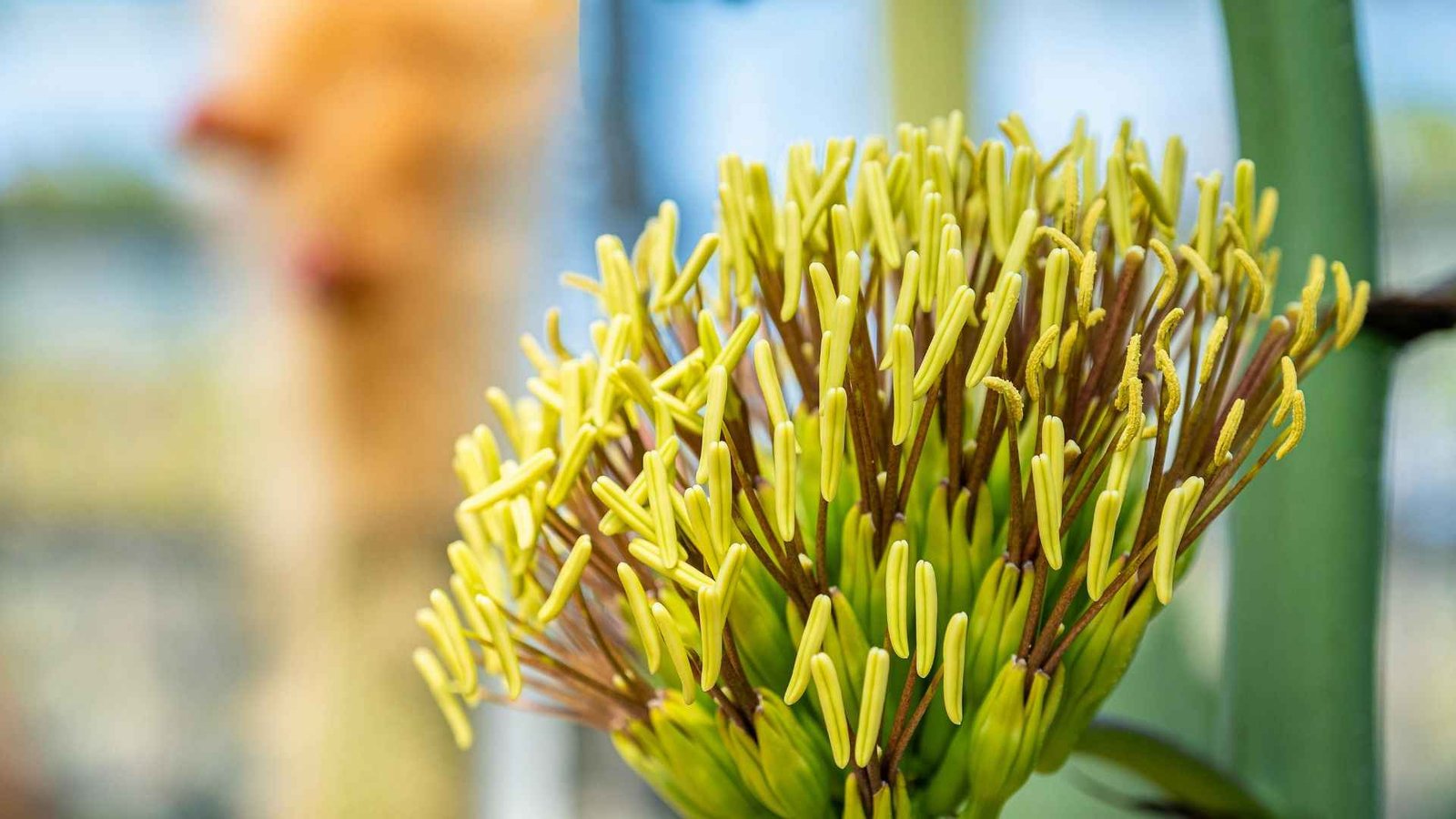
Flowers That Bloom Once in 100 Years: 7 Rare Bloomers
Flowers That Bloom Once in 100 Years
Some flowers are famous because they can take decades to produce a spectacular bloom. But is there really a flower that blooms exactly once every 100 years?
The answer is more complicated than the popular search phrase suggests. There is no single flower universally recognized as blooming exactly once every 100 years. Instead, several plants have extremely long flowering cycles, while others bloom only once during their lifetime.
Some of the closest examples include the Queen of the Andes, certain bamboo species, Talipot Palm, century plants such as Agave americana, and Neelakurinji, which has a much shorter but remarkable 12-year flowering cycle.
Quick Answer
The Queen of the Andes (Puya raimondii) is one of the best examples of a plant associated with a near-century-long life cycle. Individual plants can live for many decades and flower only once before dying.
Some bamboo species can also have very long flowering intervals, with certain species flowering at intervals of up to 130 years.
However, Neelakurinji (Strobilanthes kunthiana) does not bloom once every 100 years. It is famous for its mass flowering cycle of about 12 years.
So, when people search for a “flower that blooms once every 100 years,” they are usually looking for plants with unusually long flowering cycles rather than a species that follows an exact 100-year schedule.
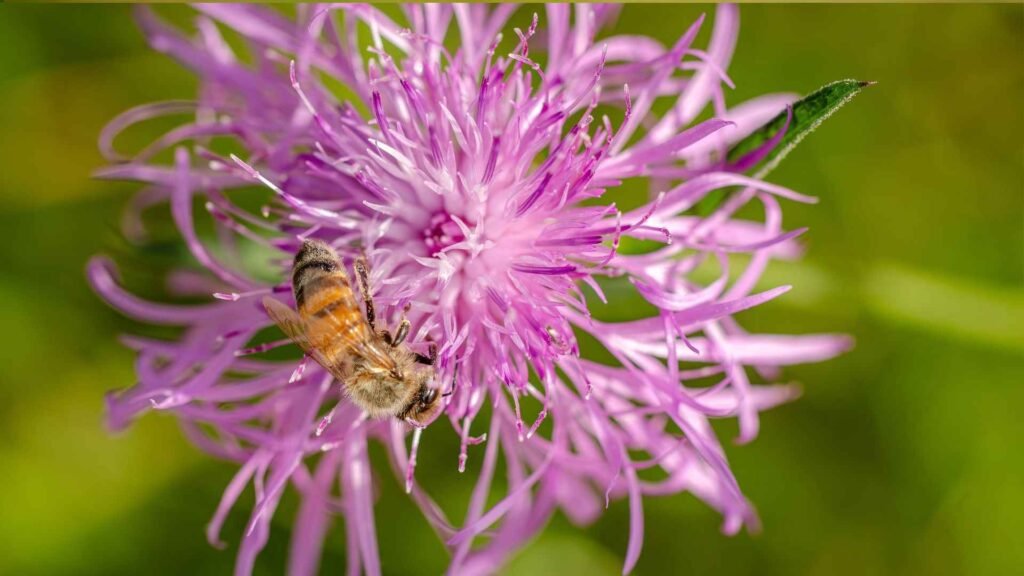
Quick Comparison
| Plant | Approximate flowering cycle | Blooms only once? | Why it is famous |
|---|---|---|---|
| Queen of the Andes | Several decades; individual plants can approach 100 years | Yes | Giant Andean bromeliad |
| Some bamboo species | Up to 130 years | Depends on species | Mass flowering events |
| Talipot Palm | About 30–80 years | Yes | Huge flowering structure |
| Agave americana | Several decades | Yes | Famous “century plant” |
| Neelakurinji | About 12 years | Yes | Blue mass flowering |
| Titan arum | Rare and unpredictable | No | Giant, foul-smelling bloom |
| Rafflesia | Irregular and difficult to predict | No | One of the world’s largest individual flowers |
Do Any Flowers Really Bloom Exactly Once Every 100 Years?
Not in the simple way the phrase suggests.
Plants do not generally follow a universal rule where a flower opens precisely once every 100 years. Flowering cycles depend on the species, genetics, climate, growing conditions, plant age and environmental factors.
The confusion also comes from common names.
For example, Agave americana is often called the century plant, but that name does not mean it reliably waits 100 years before flowering. Individual plants can flower after several decades.
Likewise, the Queen of the Andes can live for a very long time before producing its enormous flowering display, but its life cycle should not be described as a guaranteed 100-year flowering clock.
The more accurate description is long-interval flowering.
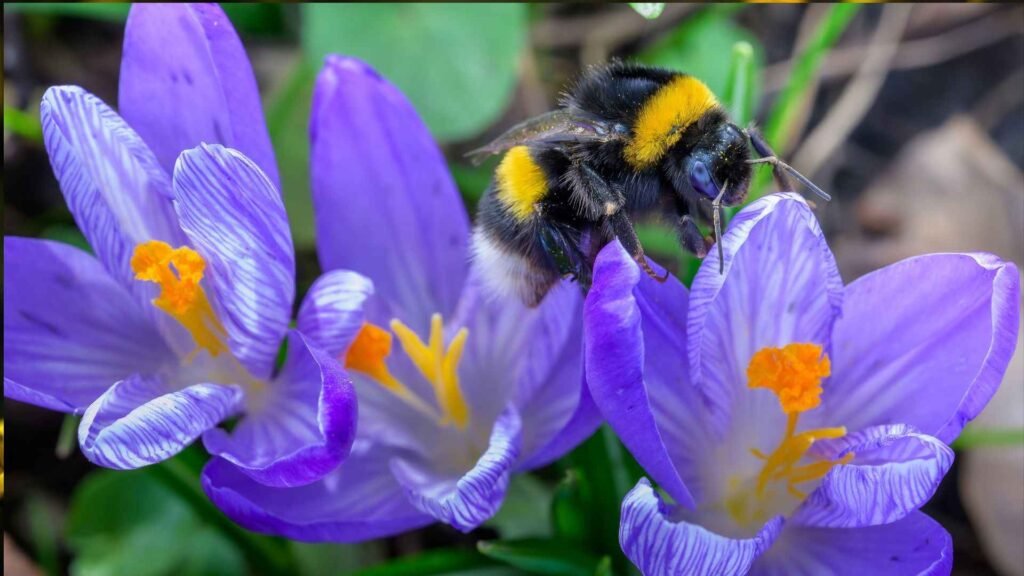
1. Queen of the Andes — Puya raimondii
The Queen of the Andes is probably the closest match to what many people imagine when they search for a flower that blooms once in 100 years.
Native to the high Andes of Peru and Bolivia, Puya raimondii is a remarkable bromeliad that can spend decades growing before flowering.
Kew describes individual plants as capable of living for almost 100 years. The species is monocarpic, meaning the plant flowers once and then completes its life cycle.
Its flowering display is enormous, making the wait particularly spectacular.
Flowering: Once near the end of its life
Cycle: Several decades; individual plants can approach a century
Native range: Peru and Bolivia
Special feature: One of the world’s largest bromeliads
This is one of the strongest examples to mention when explaining why the “100-year flower” phrase exists.
2. Bamboo — Some Species Can Wait More Than a Century
Bamboo is another reason long-interval flowering has become part of botanical folklore.
The important point is that bamboo is not one species. Different species have different flowering schedules.
According to Kew, many bamboo species exhibit mass flowering at intervals of up to 130 years, depending on the species. In some cases, large populations flower together before the plants die.
One example is Melocanna baccifera, which has been associated with mass flowering approximately every 50 years in parts of Mizoram.
These flowering events can have major ecological effects because enormous quantities of bamboo seed become available at the same time.
Flowering: Species-dependent
Cycle: Can range from years to more than a century
Special feature: Some species flower simultaneously across large areas
So if someone asks, “What plant can flower only once every 100 years?” bamboo species are worth mentioning—but the exact interval must always be tied to the species.

3. Talipot Palm — Corypha umbraculifera
The Talipot Palm is one of the most dramatic examples of a plant that flowers only once.
Corypha umbraculifera can spend roughly 30 to 80 years growing before producing its enormous flowering structure. After flowering and fruiting, the palm dies.
Its flowering structure is especially impressive because it can rise several metres above the crown and contain a huge number of small flowers.
The plant’s life cycle makes its flowering event genuinely a once-in-a-lifetime spectacle.
Flowering: Once
Age at flowering: About 30–80 years
Native range: India and Sri Lanka, with a wider cultivated range
Special feature: Enormous terminal flowering structure
It is not a 100-year flower, but its decades-long life before flowering makes it a good example of long-interval blooming.
4. Agave americana — The “Century Plant”
The name century plant makes Agave americana one of the most commonly associated plants with the idea of a flower that waits 100 years.
But the name is misleading if interpreted literally.
Agaves can spend decades growing before producing a towering flowering stalk. Once Agave americana flowers, the parent plant completes its life cycle.
A 2026 flowering event at Purdue University’s botanic teaching greenhouse again demonstrated this unusual “death bloom” behavior: the plant had grown for decades before producing its enormous flower stalk.
Flowering: Once in the plant’s life
Timing: Usually measured in decades rather than a guaranteed 100 years
Special feature: Huge flowering stalk followed by the end of the parent plant’s life
This is why calling it a “100-year flower” can be confusing. Century plant is a common name, not a promise of a 100-year flowering interval.
5. Neelakurinji — Strobilanthes kunthiana
If you searched for “which flower blooms once in 12 years?”, the answer is Neelakurinji.
Its scientific name is Strobilanthes kunthiana, and it is native to southwestern India.
Kew records its remarkable mass flowering cycle at approximately 12 years, with most plants flowering during the main flowering year. The species is particularly associated with the mountains of Kerala and Tamil Nadu.
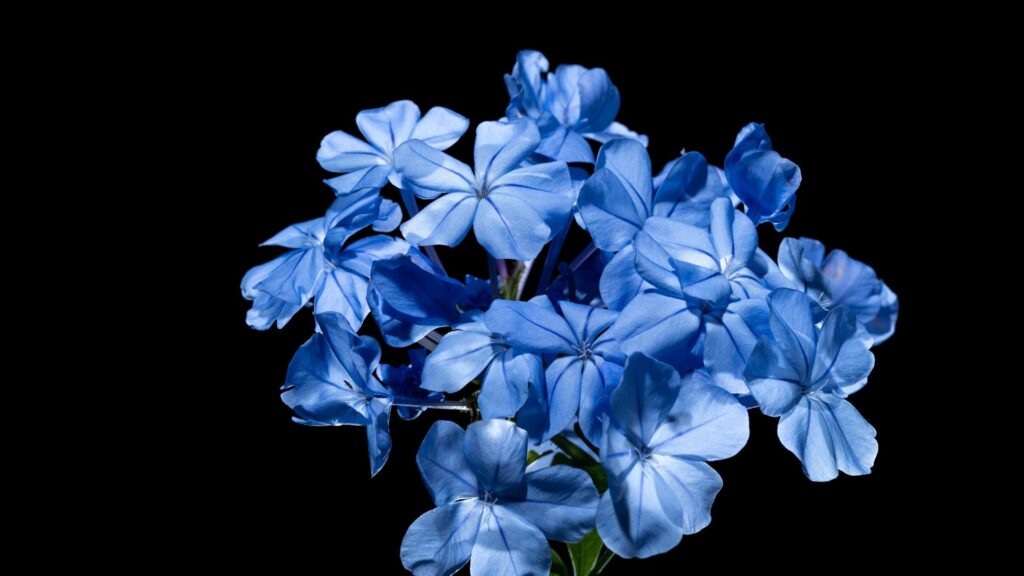
When large populations flower together, hillsides can appear covered in blue or purple-blue flowers.
Flowering cycle: About 12 years
Native range: Southwestern India
Special feature: Mass flowering that can transform mountain landscapes
Neelakurinji is therefore not a 100-year flower, but it is one of the most famous examples of a plant with a synchronized long flowering cycle.
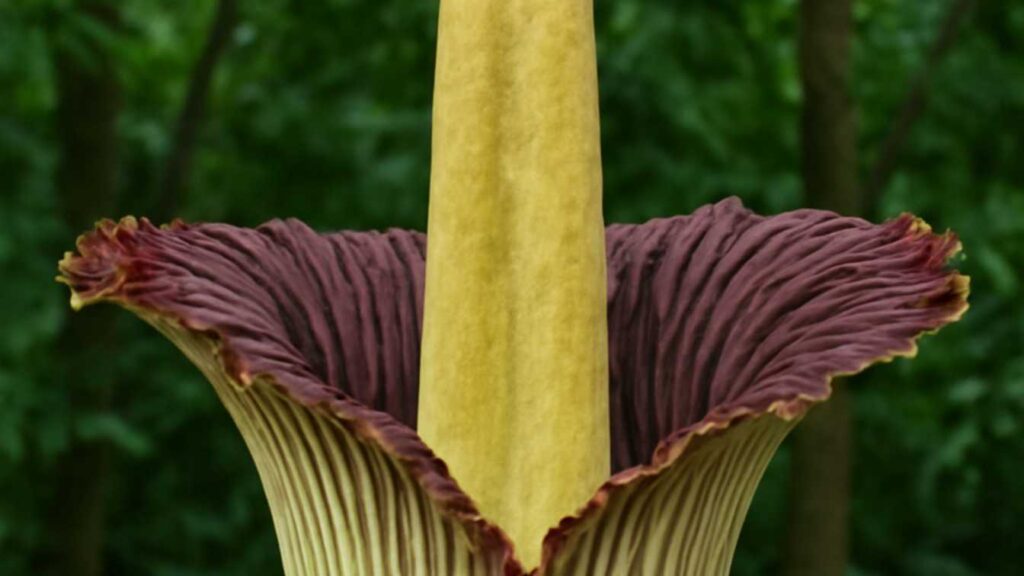
6. Titan Arum — Amorphophallus titanum
The Titan arum, often called the corpse flower, is famous for its enormous flowering structure and unpleasant smell.
Unlike the Queen of the Andes, bamboo and Talipot Palm, it should not be presented as a plant that waits 100 years to flower.
Its flowering is rare and unpredictable, and individual plants can flower at different intervals. Kew notes that even under cultivation, it can be difficult to predict exactly when the next bloom will occur.
When it does flower, the event can last only a few days. Kew reported in 2026 that one of its titan arums had an open bloom phase lasting roughly two to three days.
Flowering: Rare and unpredictable
Native range: Sumatra
Special feature: Huge inflorescence and powerful smell
The Titan arum belongs on a list of rare bloomers, but not as a literal 100-year flower.
7. Rafflesia — A Rare Flower With an Unusual Life Cycle
Rafflesia is another plant that often appears in lists of rare flowers.
It is famous for producing one of the largest individual flowers in the world and for its unusual parasitic lifestyle.
However, Rafflesia should not be described as a flower that blooms once every 100 years.
Its flowering is difficult to observe because the plant spends much of its life hidden within its host. The flowers themselves are also relatively short-lived.
That makes Rafflesia extremely rare and fascinating, but it is better classified as a rare and unpredictable bloomer, not a century-cycle flower.
Why Do Some Plants Take Decades to Flower?
Long flowering cycles can be connected to the way certain plants allocate energy throughout their lives.
Some species spend years or decades building up enough resources to produce a massive reproductive display.
This is particularly noticeable in plants such as:
- Queen of the Andes
- Talipot Palm
- Agave species
- Some bamboo species
- Neelakurinji
In some plants, flowering is also linked to synchronized reproduction. When many individuals flower around the same time, the resulting abundance of flowers, pollen or seeds can create a major ecological event.
The important thing is that not every long-lived plant uses the same strategy. A 12-year flowering cycle in Neelakurinji is biologically different from the once-in-a-lifetime flowering of a Talipot Palm.
Why Do Some Flowers Bloom Only Once?
Plants that flower once before completing their life cycle are often described as monocarpic.
For these plants, flowering represents the final stage of reproduction.
Instead of flowering repeatedly every year, the plant invests heavily in one major reproductive event. After producing flowers and, in many cases, seeds or fruit, the parent plant dies.
Examples include:
- Queen of the Andes
- Talipot Palm
- Agave americana
This strategy can look extreme, but it is an effective way for certain plants to concentrate their resources into reproduction.
What Is the Longest Flowering Cycle?
There is no single universal answer because flowering intervals vary between species and sometimes between populations.
Some bamboo species can have flowering intervals of more than a century, while the Queen of the Andes can live for many decades before its final flowering.
That means the phrase “flower that blooms once every 100 years” is better understood as a search for extremely long-lived or long-interval flowering plants.
It should not be treated as the scientific name of one specific flower.
Frequently Asked Questions
What flower blooms once every 100 years?
There is no single flower proven to follow an exact 100-year flowering schedule. Some bamboo species can flower at intervals approaching or exceeding 100 years, while the Queen of the Andes can live for almost a century before flowering once.
Is there really a flower that blooms exactly every 100 years?
Not as a universal botanical rule. The phrase is commonly used to describe plants with extremely long flowering intervals.
Which flower blooms once every 12 years?
Neelakurinji (Strobilanthes kunthiana) is famous for its approximately 12-year mass flowering cycle.
What is the Neelakurinji flower?
Neelakurinji is a flowering plant native to southwestern India. It is famous for producing large-scale blue blooms during its flowering cycle.
Does the century plant really take 100 years to bloom?
Not necessarily. Agave americana is called the century plant, but its flowering occurs after a long period of growth rather than according to a guaranteed 100-year schedule. Individual plants can flower after several decades.
Which plant can take the longest time to flower?
Some bamboo species have exceptionally long flowering intervals, with Kew noting intervals of up to 130 years in some species. The Queen of the Andes can also spend many decades growing before its final bloom.
Do plants die after flowering once?
Some do. Plants with a monocarpic life cycle flower once and then complete their life cycle. Talipot Palm, Agave americana and Queen of the Andes are examples of plants associated with this strategy.
Final Thoughts
The idea of a flower that blooms once every 100 years is fascinating, but the reality is even more interesting.
There is no single flower that universally opens exactly once every century. Instead, nature has produced several extraordinary long-interval bloomers.
The Queen of the Andes can spend decades growing before its final flowering. Some bamboo species can wait more than a century between mass flowering events. The Talipot Palm can flower once after 30–80 years, while Agave americana may spend decades preparing for its final bloom.
And then there is Neelakurinji, which creates its own spectacular event approximately every 12 years.
These plants show that flowering does not always have to happen every spring. For some species, reproduction is a once-in-a-lifetime event—or an event separated by decades.
The longer the wait, the more remarkable the bloom can seem.