
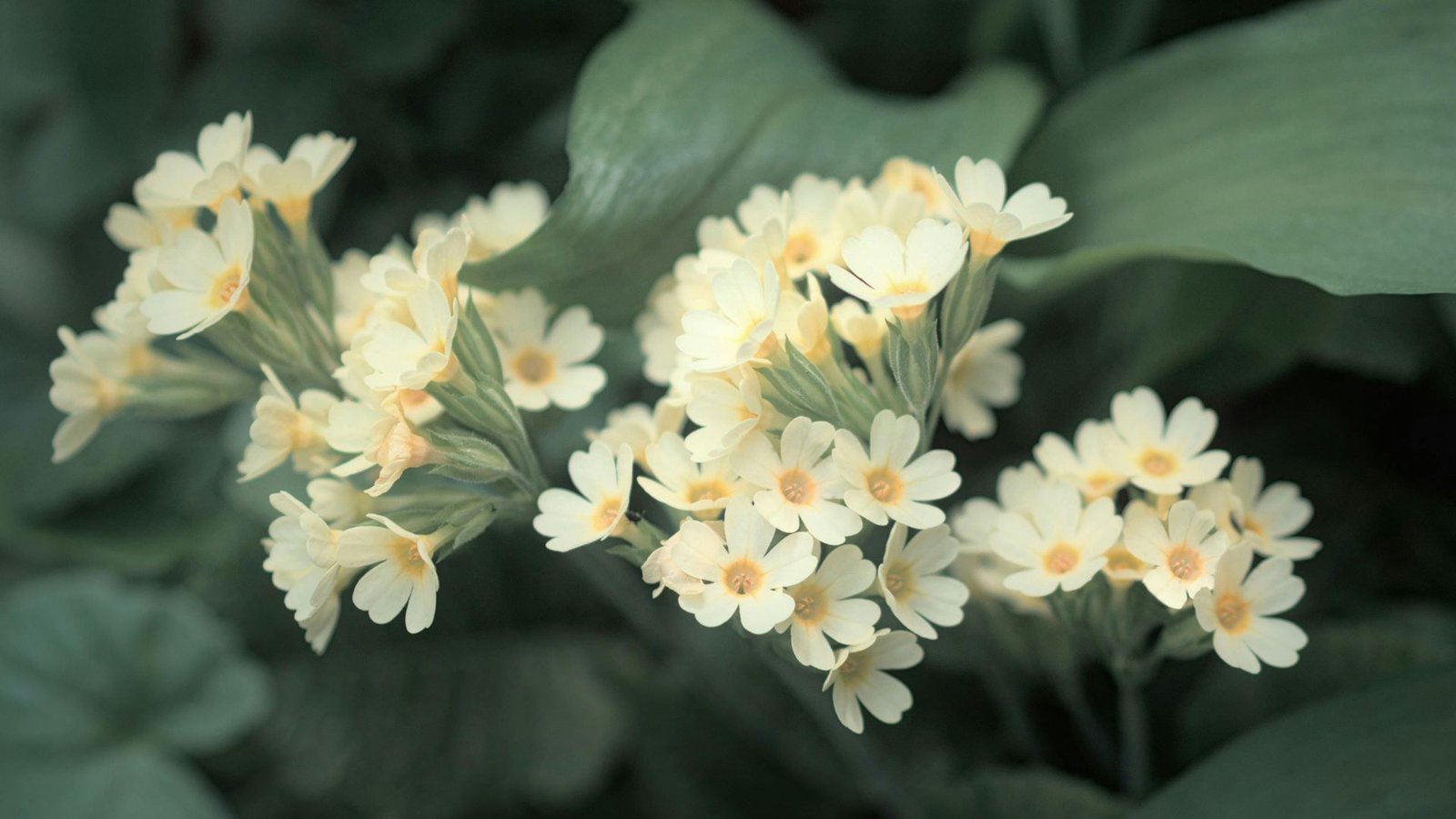
30 Exotic Rare Flowers From Around the World
Introduction
The world is home to hundreds of thousands of flowering plants, but only a select few can truly be described as exotic rare flowers. These remarkable blooms captivate gardeners, botanists, and nature lovers with their extraordinary colors, unusual shapes, fascinating fragrances, and limited natural distribution. Some grow deep within tropical rainforests, while others thrive on isolated mountains, remote islands, or unique ecosystems that exist nowhere else on Earth.
In this guide, you’ll discover 30 of the most exotic rare flowers from around the world, learn what makes each one unique, explore their native habitats, and understand why these extraordinary plants continue to fascinate gardeners and plant enthusiasts worldwide.
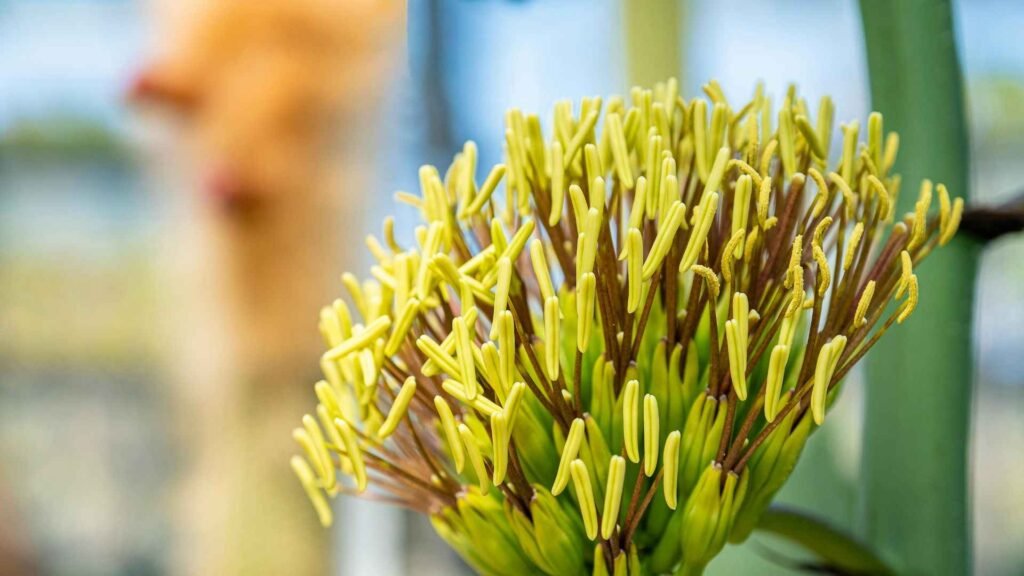
Quick Answer
Exotic rare flowers are uncommon flowering plants known for their unique appearance, limited natural distribution, or specialized growing requirements. They often feature unusual colors, striking shapes, or rare blooming habits that distinguish them from common garden flowers. Famous examples include the Ghost Orchid, Jade Vine, Black Bat Flower, Middlemist’s Red, and Blue Himalayan Poppy.
Quick Comparison
| Feature | Exotic Rare Flowers | Common Garden Flowers |
|---|---|---|
| Availability | Limited to specific regions or specialty nurseries | Widely available |
| Appearance | Unique colors, shapes, and forms | Familiar flower structures |
| Growing Difficulty | Moderate to Very Difficult | Easy to Moderate |
| Conservation Status | Many are protected or endangered | Usually stable populations |
| Collector Value | Very High | Moderate |
| Price | Often expensive | Generally affordable |
| Best For | Plant collectors, botanical gardens, experienced gardeners | Home gardens and landscapes |
Comparison Table
| Flower | Native Region | Main Color | Bloom Season | Why It’s Exotic |
|---|---|---|---|---|
| Ghost Orchid | Florida, Cuba | White | Summer | Floating ghost-like flowers |
| Jade Vine | Philippines | Turquoise | Spring–Summer | Rare blue-green blooms |
| Black Bat Flower | Southeast Asia | Black | Summer | Bat-shaped flowers |
| Middlemist’s Red | China | Pink | Spring | One of the rarest cultivated flowers |
| Blue Himalayan Poppy | Himalayas | Blue | Late Spring | Naturally blue petals |
| Chocolate Cosmos | Mexico | Burgundy | Summer | Chocolate fragrance |
| Rothschild’s Slipper Orchid | Borneo | Yellow & Red | Spring | Spectacular orchid blooms |
| Flame Lily | Africa & Asia | Red & Yellow | Summer | Flame-like petals |
| Kadupul Flower | Sri Lanka | White | Summer | Blooms for only one night |
| Parrot’s Beak | Canary Islands | Orange-Red | Spring | Bird-like flowers |
| Corpse Flower | Indonesia | Burgundy | Irregular | Giant flowering structure |
| Gibraltar Campion | Gibraltar | Pink | Spring | Extremely limited wild population |
| Hooker’s Lips | Central America | Red | Seasonal | Lip-shaped bracts |
| Green Rose | China | Green | Spring–Fall | Unique green blooms |
| Sea Daffodil | Mediterranean | White | Summer | Coastal flowering plant |
| Persian Lily | Middle East | Purple | Spring | Elegant hanging flowers |
| Queen of the Night | Central America | White | Summer | Night-blooming cactus flower |
| Yellow Lady’s Slipper Orchid | North America | Yellow | Spring | Rare woodland orchid |
| White Egret Orchid | Japan | White | Summer | Bird-shaped flowers |
| Darwin’s Orchid | Madagascar | White | Winter | Exceptionally long nectar spur |
| Red Spider Lily | East Asia | Crimson | Autumn | Spider-like petals |
| Bleeding Heart | East Asia | Pink & White | Spring | Heart-shaped blooms |
| Cobra Lily | Himalayas | Green & Purple | Summer | Cobra-shaped flower |
| Blue Puya | Chile | Turquoise | Summer | Metallic blue flowers |
| Desert Rose | Africa | Pink | Spring–Fall | Sculptural trunk and vivid blooms |
| Franklin Tree Flower | United States | White | Summer | Extinct in the wild |
| Fire Lily | Southern Africa | Orange-Red | Summer | Blooms after wildfires |
| Shenzhen Nongke Orchid | China | Cream & Green | Seasonal | Laboratory-developed orchid |
| Glory Lily | Tropical Africa | Red & Yellow | Summer | Curled flame-like petals |
| Youtan Poluo | Asia (legendary) | White | Rare | Mysterious tiny blossoms |
What Makes a Flower Exotic?
The term exotic flower refers to a flowering plant that is unusual, distinctive, or native to a region outside a gardener’s local environment. Exotic flowers often stand out because of their extraordinary colors, fascinating shapes, unique fragrances, or uncommon growing habits. While many exotic flowers are also rare, not every exotic flower is considered rare. Likewise, some rare flowers may appear simple but are difficult to find due to their limited natural distribution.

Ghost Orchid (Dendrophylax lindenii)
The Ghost Orchid is one of the world’s most mysterious and captivating flowers. Its pure white blossoms appear to float in midair because the plant has almost no visible leaves. Instead, its roots cling to tree trunks while the delicate flower extends gracefully into open space.
Native Habitat
The Ghost Orchid grows naturally in:
- Southern Florida
- Cuba
- The Bahamas
It thrives in warm, humid swamps and forests where mature trees provide ideal support.
Why It’s Exotic
Its ghost-like appearance, leafless growth habit, and elegant white flowers make it unlike almost any other orchid in the world.
Why It’s Rare
- Extremely limited natural habitat
- Difficult to cultivate
- Specialized pollination requirements
- Sensitive to environmental changes
Interesting Fact
A Ghost Orchid may take several years to bloom, and each flowering event attracts botanists and photographers hoping to witness its spectacular display.
Jade Vine (Strongylodon macrobotrys)
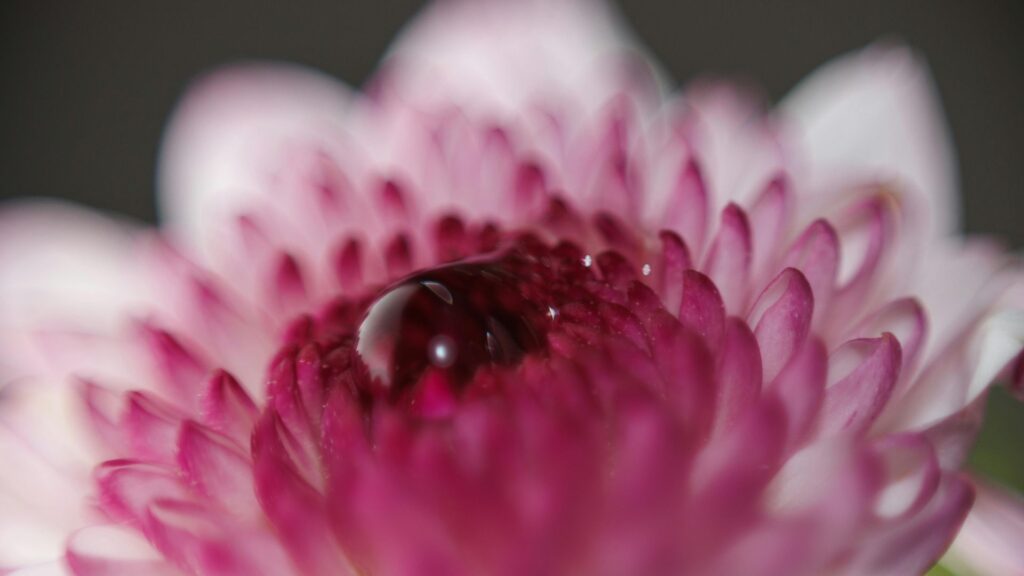
The Jade Vine is famous for its breathtaking turquoise flowers that hang in long cascading clusters. Its unique blue-green color is exceptionally rare in the plant kingdom, making it one of the most recognizable exotic flowers in the world.
Native Habitat
Native to the tropical rainforests of the Philippines.
Why It’s Exotic
- Brilliant turquoise blooms
- Long hanging flower clusters
- Vigorous climbing habit
- Tropical rainforest origin
Why It’s Rare
- Habitat destruction
- Declining wild populations
- Specialized pollinators
- Requires tropical growing conditions
Interesting Fact
Individual flower clusters can exceed 3 feet (1 meter) in length, creating spectacular displays during peak blooming.
Black Bat Flower (Tacca chantrieri)
The Black Bat Flower is instantly recognizable because of its dramatic black-purple blooms and long whisker-like filaments. Its unusual appearance resembles a bat in flight, making it one of the most unusual ornamental plants available.
Native Habitat
Tropical forests of Southeast Asia.
Why It’s Exotic
- Bat-shaped flowers
- Velvet-like dark petals
- Long trailing whiskers
- Large tropical foliage
Why It’s Rare
- Requires consistently high humidity
- Sensitive to cold temperatures
- Difficult propagation
- Limited commercial production
Interesting Fact
The whisker-like filaments can grow more than 28 inches (70 cm) long.
Middlemist’s Red (Camellia japonica ‘Middlemist’s Red’)
Despite its name, Middlemist’s Red produces beautiful deep pink flowers. It is widely recognized as one of the rarest cultivated flowers in existence and remains a prized specimen in botanical collections.
Native Origin
Originally introduced from China.
Why It’s Exotic
- Perfectly layered blooms
- Rich pink color
- Elegant camellia form
- Historic botanical significance
Why It’s Rare
- Extremely limited cultivated specimens
- Slow propagation
- Rarely available commercially
Interesting Fact
Only a handful of verified cultivated specimens are known to exist today.
Blue Himalayan Poppy (Meconopsis betonicifolia)
Few flowers can match the stunning natural blue color of the Blue Himalayan Poppy. Its silky petals create a breathtaking display against cool mountain landscapes, making it one of the world’s most admired alpine flowers.
Native Habitat
Mountain regions of:
- Tibet
- Bhutan
- Nepal
- Southwestern China
Why It’s Exotic
- Naturally blue petals
- Golden flower center
- Elegant alpine appearance
Why It’s Rare
- Difficult to grow outside cool climates
- Requires consistent moisture
- Sensitive to heat
Interesting Fact
Many experienced gardeners consider successfully growing Blue Himalayan Poppies a major horticultural achievement.

Chocolate Cosmos (Cosmos atrosanguineus)
Chocolate Cosmos combines striking beauty with a delightful fragrance. Its velvety dark burgundy flowers release a scent remarkably similar to chocolate, making it one of the most unique flowers in cultivation.
Native Habitat
Originally native to Mexico.
Why It’s Exotic
- Chocolate-like fragrance
- Deep burgundy petals
- Long blooming season
Why It’s Rare
- Extinct in the wild
- Propagated through cultivated tubers
- Limited commercial availability
Interesting Fact
The sweet chocolate fragrance becomes stronger during warm afternoons.
Rothschild’s Slipper Orchid (Paphiopedilum rothschildianum)
Known as the “Gold of Kinabalu,” this magnificent orchid is admired for its large striped flowers and elegant pouch-shaped bloom. It is one of the most valuable orchids cultivated today.
Native Habitat
Mount Kinabalu, Borneo.
Why It’s Exotic
- Large striped petals
- Unique slipper-shaped flower
- Long-lasting blooms
Why It’s Rare
- Restricted natural range
- Illegal collection
- Slow growth
- Specialized cultivation requirements
Interesting Fact
A healthy plant may require more than a decade before reaching full flowering maturity.
Flame Lily (Gloriosa superba)
The Flame Lily produces spectacular red and yellow petals that curve backward like flickering flames. Its dramatic appearance makes it one of the most striking climbing flowers found in tropical gardens.
Native Habitat
Africa and parts of Asia.
Why It’s Exotic
- Flame-like petals
- Brilliant red and yellow colors
- Climbing growth habit
Why It’s Rare
- Habitat loss
- Overharvesting
- Declining wild populations
Interesting Fact
The Flame Lily is the national flower of Zimbabwe.
Kadupul Flower (Epiphyllum oxypetalum)
The Kadupul Flower is famous for its breathtaking white blooms that open only at night and wilt before sunrise. Because of its extremely short flowering period, witnessing it in bloom is considered a special experience.
Native Habitat
Widely associated with Sri Lanka and cultivated in tropical regions.
Why It’s Exotic
- Large white flowers
- Sweet fragrance
- Night-blooming habit
Why It’s Rare
- Blooms for only one night
- Short-lived flowers
- Requires warm tropical conditions
Interesting Fact
Many gardeners stay awake specifically to watch the Kadupul Flower bloom after sunset.
Parrot’s Beak (Lotus berthelotii)
Parrot’s Beak is one of the most eye-catching flowering plants thanks to its brilliant orange-red blossoms that resemble the curved beak of a parrot. Combined with its soft, silvery foliage and trailing stems, it creates a spectacular display in hanging baskets, rock gardens, and containers.
Native Habitat
Native to the Canary Islands.
Why It’s Exotic
- Distinctive bird-like flowers
- Brilliant orange-red color
- Silvery needle-like foliage
- Cascading growth habit
Why It’s Rare
- Extremely limited natural distribution
- Habitat degradation
- Declining wild populations
Interesting Fact
Although uncommon in the wild, Parrot’s Beak is cultivated by specialty nurseries for gardeners who enjoy unusual ornamental plants.

Corpse Flower (Amorphophallus titanum)
The Corpse Flower is one of the most famous rare plants in the world. It produces one of the largest flowering structures on Earth and is known for its strong odor, which resembles decaying flesh. While the smell may be unpleasant to humans, it attracts carrion insects that pollinate the flower.
Native Habitat
Rainforests of Sumatra, Indonesia.
Why It’s Exotic
- Massive flowering structure
- Deep burgundy interior
- Dramatic appearance
- One of the largest blooms in the plant kingdom
Why It’s Rare
- Native habitat continues to shrink
- Flowers only every several years
- Bloom lasts for just one or two days
- Difficult to cultivate
Interesting Fact
A blooming Corpse Flower can grow over 10 feet (3 meters) tall, attracting thousands of visitors whenever botanical gardens announce a flowering event.
Gibraltar Campion (Silene tomentosa)
Once believed extinct, the Gibraltar Campion was rediscovered growing on steep limestone cliffs. Conservation programs have since helped restore its population, making it one of conservation’s greatest botanical success stories.
Native Habitat
The rocky cliffs of Gibraltar.
Why It’s Exotic
- Delicate pink flowers
- Compact growth
- Exclusive native range
Why It’s Rare
- Naturally restricted distribution
- Small wild population
- Protected through conservation programs
Interesting Fact
Every cultivated Gibraltar Campion can trace its origin back to a small number of surviving wild plants.
Hooker’s Lips (Psychotria elata)
Hooker’s Lips is one of the world’s most recognizable tropical plants because of its bright red bracts that resemble a pair of lips before opening into small white flowers.
Native Habitat
Central and South American rainforests.
Why It’s Exotic
- Bright red lip-shaped bracts
- Lush tropical foliage
- Unusual flowering structure
Why It’s Rare
- Rainforest habitat loss
- Sensitive growing conditions
- Limited natural range
Interesting Fact
Its distinctive appearance has made Hooker’s Lips one of the most photographed tropical flowering plants.
Green Rose (Rosa chinensis ‘Viridiflora’)
Unlike traditional roses, the Green Rose produces green leafy floral structures instead of colorful petals. Its unusual appearance makes it a favorite among collectors of rare ornamental plants.
Native Origin
China.
Why It’s Exotic
- Unusual green blooms
- Unique botanical mutation
- Attractive ornamental shrub
Why It’s Rare
- Rare cultivated variety
- Limited commercial production
- Difficult to find in local nurseries
Interesting Fact
The Green Rose has fascinated gardeners for centuries because of its completely different appearance from ordinary roses.
Sea Daffodil (Pancratium maritimum)
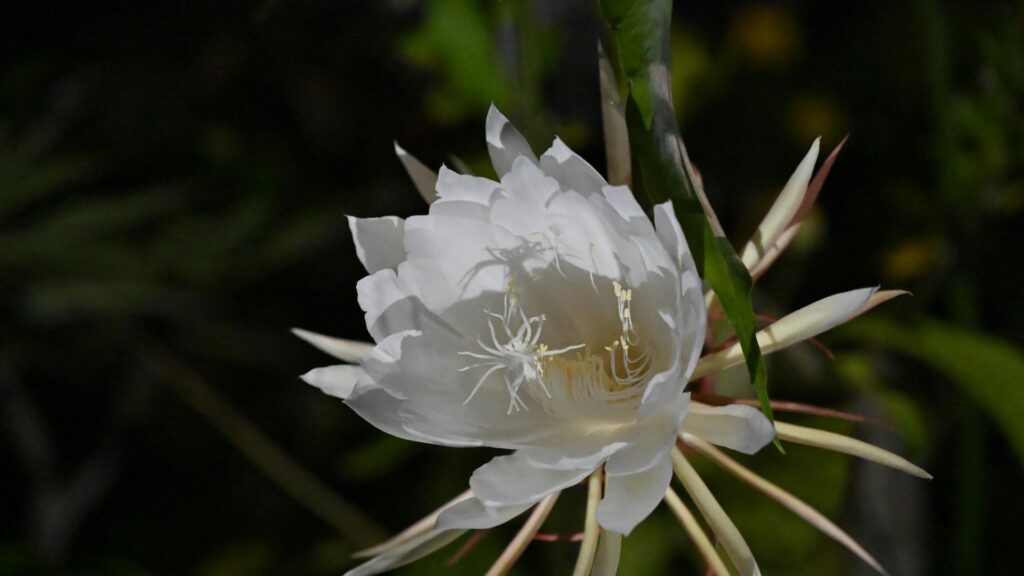
The Sea Daffodil grows naturally along sandy coastlines where few flowering plants can survive. Its fragrant white blooms create a striking contrast against beaches and coastal dunes.
Native Habitat
Mediterranean coastal regions.
Why It’s Exotic
- Elegant white flowers
- Sweet fragrance
- Adapted to sandy coastal environments
Why It’s Rare
- Coastal habitat destruction
- Tourism development
- Sensitive natural habitat
Interesting Fact
Sea Daffodils often bloom during the hottest months of the year when many other coastal plants have stopped flowering.
Persian Lily (Fritillaria persica)
The Persian Lily produces tall flower spikes covered with elegant bell-shaped blooms ranging from deep purple to almost black. Its dramatic appearance makes it a favorite in spring gardens.
Native Habitat
Mountainous regions of the Middle East.
Why It’s Exotic
- Tall flowering stems
- Rich purple blossoms
- Elegant architectural form
Why It’s Rare
- Limited native range
- Specialized growing conditions
- Less common in commercial horticulture
Interesting Fact
A mature Persian Lily can produce dozens of flowers on a single flowering stem.
Queen of the Night (Epiphyllum oxypetalum)
The Queen of the Night is a spectacular cactus known for producing large, fragrant white flowers that bloom only after sunset. By sunrise, the flowers begin to fade, making every bloom a memorable event.
Native Habitat
Central and South America.
Why It’s Exotic
- Large white flowers
- Powerful fragrance
- Night-blooming habit
Why It’s Rare
- Blooms for only one night
- Short flowering period
- Requires warm growing conditions
Interesting Fact
Many gardeners host nighttime gatherings to witness this remarkable cactus flower in bloom.
Yellow Lady’s Slipper Orchid (Cypripedium parviflorum)
This beautiful woodland orchid is admired for its bright yellow pouch-shaped flower and graceful appearance. It is one of North America’s most recognizable native orchids.
Native Habitat
Woodlands and meadows across North America.
Why It’s Exotic
- Bright yellow blooms
- Elegant orchid structure
- Woodland beauty
Why It’s Rare
- Habitat destruction
- Slow natural growth
- Difficult propagation
Interesting Fact
Some Yellow Lady’s Slipper Orchids require several years of growth before producing their first flowers.
White Egret Orchid (Habenaria radiata)
The White Egret Orchid is named for its remarkable flowers, which closely resemble a white egret with its wings fully extended in flight. It is considered one of Japan’s most beautiful native orchids.
Native Habitat
Wetlands of Japan, Korea, China, and eastern Russia.
Why It’s Exotic
- Bird-shaped white flowers
- Elegant fringed petals
- Graceful appearance
Why It’s Rare
- Wetland habitat loss
- Declining wild populations
- Specialized growing conditions
Interesting Fact
Its flowers are so realistic that they appear to be tiny white birds hovering above the foliage.
Why Exotic Rare Flowers Matter
Exotic rare flowers are much more than ornamental plants. They are an important part of Earth’s biodiversity and play essential roles in supporting ecosystems, pollinators, and scientific research.
Many of these species have evolved alongside specific insects, birds, or animals that depend on them for food or pollination. Losing even one rare flower can affect an entire ecological network.
Conserving exotic flowers also preserves genetic diversity, supports future plant research, and helps protect some of the world’s most fragile habitats. By choosing responsibly propagated plants and supporting conservation efforts, gardeners can enjoy these extraordinary blooms while helping ensure their survival for future generations.
Frequently Asked Questions
What is an exotic rare flower?
An exotic rare flower is an uncommon flowering plant known for its unusual appearance, limited natural distribution, or specialized growing requirements. Many exotic flowers are native to tropical rainforests, mountains, islands, or other unique ecosystems.
What is the most exotic flower in the world?
There is no single answer, but the Ghost Orchid, Jade Vine, Black Bat Flower, and Rothschild’s Slipper Orchid are widely considered among the world’s most exotic flowers because of their extraordinary appearance and rarity.
Are exotic flowers difficult to grow?
Some exotic flowers are relatively easy to cultivate, while others require highly specific environmental conditions such as controlled humidity, filtered light, or tropical temperatures. Researching each species before planting is essential.
Can exotic rare flowers be grown indoors?
Yes. Many exotic flowers, including certain orchids, Desert Rose, Black Bat Flower, and Queen of the Night, can be grown indoors when provided with sufficient light, warmth, and humidity.
Why are exotic flowers expensive?
Exotic flowers are often expensive because they grow slowly, are difficult to propagate, require specialized care, and are available from only a limited number of reputable growers.
Are exotic flowers endangered?
Not all exotic flowers are endangered, but many face threats from habitat destruction, climate change, and illegal collection. Purchasing nursery-propagated plants helps reduce pressure on wild populations.
Where can I buy exotic rare flowers?
Purchase exotic rare flowers from reputable nurseries, botanical gardens, or licensed specialty growers. Avoid buying plants collected from the wild, as doing so may contribute to the decline of endangered species.
Final Thoughts
Exotic rare flowers represent some of the most remarkable achievements of nature. Their extraordinary colors, fascinating shapes, and remarkable adaptations make them far more than ornamental plants—they are living examples of the incredible diversity found within the plant kingdom.
From the ghostly elegance of the Ghost Orchid to the vibrant turquoise blooms of the Jade Vine and the dramatic beauty of the Black Bat Flower, each species offers something truly unique. While many of these flowers require specialized care, they also provide gardeners and collectors with the opportunity to grow plants that few people ever experience firsthand.
As interest in rare plants continues to grow, responsible gardening becomes increasingly important. Choosing sustainably propagated plants, supporting conservation programs, and respecting protected habitats all help preserve these botanical treasures for future generations.