
Most Expensive Rare Flowers in the world
Most Expensive Rare Flowers
Some flowers are expensive because they are rare, difficult to grow, or available only in extremely limited quantities. But when we talk about the most expensive rare flowers in the world, “expensive” does not always mean a flower has a fixed retail price. A reported value may come from a historical sale, auction, breeding or development cost, collector market, or the exceptional rarity of the plant. In this guide, we compare some of the world’s most expensive and sought-after flowers while explaining what makes each one valuable.
The world’s most expensive rare flowers aren’t always the largest or most colorful. Their value often comes from a combination of rarity, cultivation difficulty, historical significance, and demand. In some cases, years of careful breeding or decades of patient growth are required before a single flower blooms.
Whether you’re a flower enthusiast, gardener, collector, or simply curious about nature’s most luxurious blooms, this guide explores the flowers that stand at the top of the floral world in terms of value and exclusivity.
Why are some rare flowers so expensive?
The price of a rare flower can rise when supply is extremely limited and demand comes from collectors, breeders, or specialist growers. Some species are difficult to cultivate, take many years to develop, or require very specific environmental conditions. Others are valuable because of their unusual genetics, history, or extremely short flowering period. This is why the “most expensive” flowers on this list should not all be compared as ordinary retail products—their reported values can come from very different circumstances.
Quick Answer
The most expensive rare flowers include the Shenzhen Nongke Orchid, Juliet Rose, Gold of Kinabalu Orchid, Kadupul Flower, Ghost Orchid, Rothschild’s Slipper Orchid, Saffron Crocus, Middlemist Red, Tulip Bulbs (historically), and Black Bat Flower. Their extraordinary prices result from rarity, slow growth, specialized cultivation, and high collector demand.
Quick Comparison
- Most Valuable Overall: Shenzhen Nongke Orchid
- Most Expensive Rose: Juliet Rose
- Most Expensive Wild Orchid: Gold of Kinabalu Orchid
- Most Priceless Flower: Kadupul Flower
- Rarest Historic Flower: Middlemist Red
- Most Valuable Spice Flower: Saffron Crocus
- Best for Collectors: Rothschild’s Slipper Orchid
Comparison Table
| Flower | Estimated Value | Native Region | Why It’s Expensive |
|---|---|---|---|
| Shenzhen Nongke Orchid | Over $200,000 | China | Artificially bred over many years |
| Juliet Rose | Development cost $5 million | United Kingdom | Fifteen years of breeding |
| Gold of Kinabalu Orchid | Up to $6,000 per stem | Malaysia | Extremely rare wild orchid |
| Kadupul Flower | Priceless | Sri Lanka | Blooms for one night only |
| Ghost Orchid | Hundreds to thousands | Florida & Caribbean | Difficult to cultivate |
| Rothschild’s Slipper Orchid | Up to $5,000 | Borneo | Endangered orchid |
| Saffron Crocus | Extremely valuable harvest | Mediterranean | Labor-intensive spice production |
| Middlemist Red | Priceless | United Kingdom & New Zealand | Only a few known plants |
| Semper Augustus Tulip* | Historic millions | Netherlands | Tulip Mania collectible |
| Black Bat Flower | Premium nursery prices | Southeast Asia | Exotic appearance and slow growth |
*Historic value during the 17th-century Tulip Mania.
Detailed Guide
1. Shenzhen Nongke Orchid
The Shenzhen Nongke Orchid is widely regarded as the world’s most expensive flower ever sold.
Unlike naturally occurring orchids, this remarkable plant was created by Chinese agricultural scientists through years of careful research and selective breeding. Developing the flower reportedly took eight years of experimentation before the first successful bloom appeared.
One of the reasons it commands such an extraordinary price is its patience requirement. A mature plant blooms only once every four to five years, making each flowering event highly anticipated.
Why It Is So Valuable
- Scientific achievement
- Extremely slow blooming
- Rare availability
- Collector demand
- Auction history
Its elegant petals feature a refined appearance that reflects years of meticulous breeding rather than dramatic coloration.
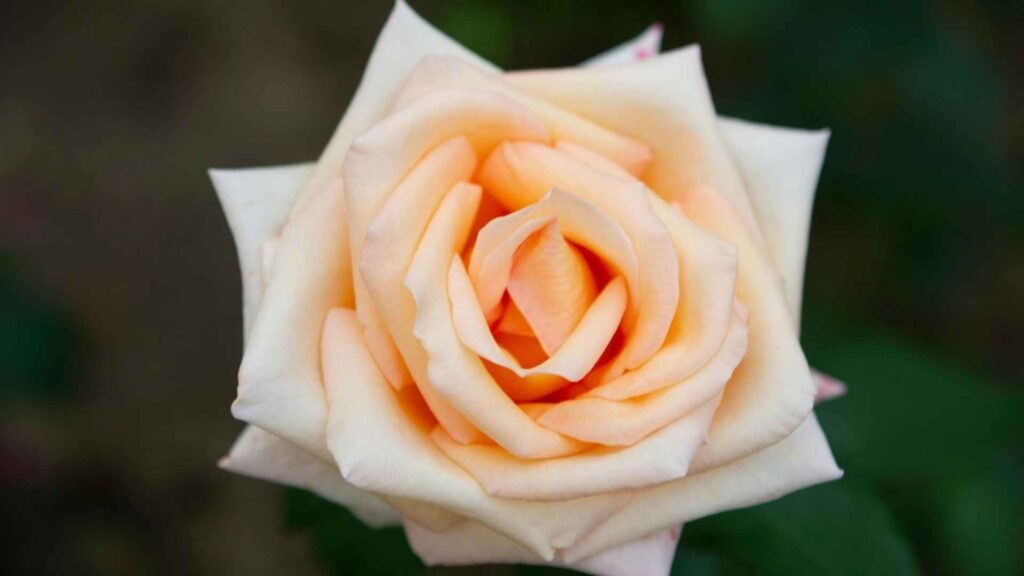
2. Juliet Rose
Known as the “£3 Million Rose” during its debut, the Juliet Rose became one of the most famous roses ever introduced.
Renowned rose breeder David Austin spent approximately fifteen years developing this unique variety, investing millions of dollars before unveiling it at the Chelsea Flower Show.
The flower features:
- Soft apricot petals
- Large rosette blooms
- Rich fragrance
- Excellent garden performance
- Exceptional symmetry
Today, it remains one of the most recognizable luxury roses in the gardening world.
3. Gold of Kinabalu Orchid
Native to Malaysia’s Kinabalu National Park, this orchid is among the rarest naturally occurring flowers on Earth.
Its striking green petals decorated with reddish markings make it instantly recognizable.
Reasons for Its High Price
- Protected habitat
- Slow growth
- Limited natural population
- Illegal collection restrictions
- Rare blooming conditions
Collectors may pay thousands of dollars for legally propagated specimens.
4. Kadupul Flower
Unlike many expensive flowers that are sold commercially, the Kadupul Flower is considered priceless because it cannot be harvested or transported successfully.
Native to Sri Lanka, this cactus flower blooms only late at night and begins to wilt before sunrise.
People often gather specifically to witness its brief appearance.
What Makes It Special
- Blooms once
- Lasts only a few hours
- Cannot survive after cutting
- Deep cultural significance
- Extraordinary rarity
Although impossible to buy fresh, its fleeting beauty makes it one of nature’s greatest treasures.
5. Ghost Orchid
The Ghost Orchid is one of North America’s most mysterious flowers.
Its leafless appearance creates the illusion that white blossoms are floating through the forest.
Growing this orchid successfully requires:
- High humidity
- Mature host trees
- Excellent air circulation
- Specialized fungi
- Stable temperatures
Its cultivation challenges contribute significantly to its high market value among experienced growers.
6. Rothschild’s Slipper Orchid
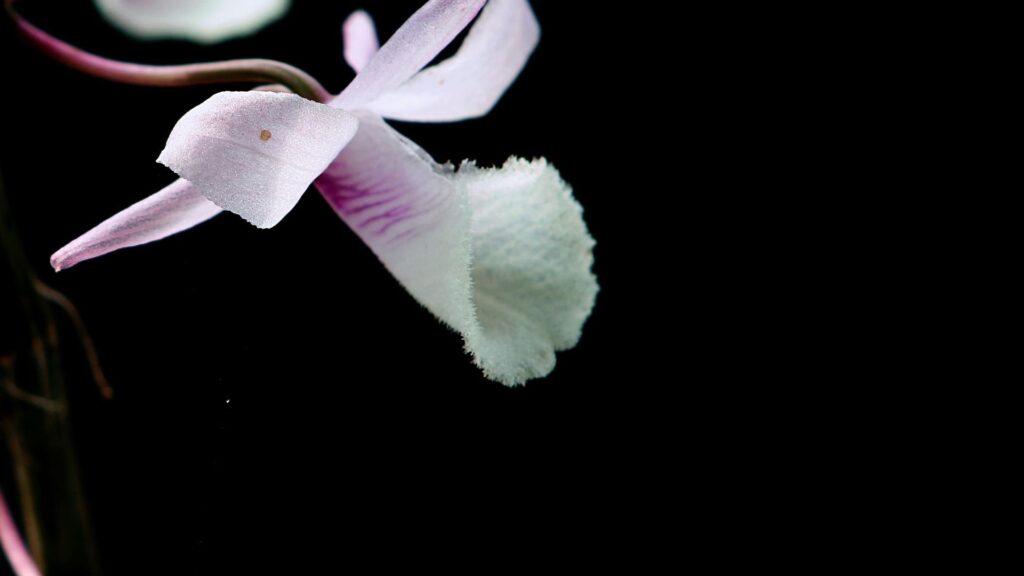
The Rothschild’s Slipper Orchid (Paphiopedilum rothschildianum) is one of the world’s most coveted orchids. Native to the slopes of Mount Kinabalu in Borneo, this magnificent species is admired for its unusually large blooms, striped petals, and elegant shape.
Because it grows naturally in only a small geographic area and takes many years to mature, legally propagated plants are highly prized by orchid enthusiasts. Wild collection is strictly prohibited, making conservation efforts essential.
Why It’s So Expensive
Several factors contribute to its premium value:
- Extremely limited natural habitat
- Slow-growing plant that may take 10–15 years to flower
- Protected under international conservation laws
- Difficult propagation process
- High demand among serious orchid collectors
Appearance
This orchid produces large flowers with:
- Cream-colored petals
- Dark maroon stripes
- Long horizontal sepals
- Distinctive slipper-shaped pouch
- Impressive flower size compared to many orchids
Its dramatic appearance has earned it the nickname “King of Orchids.”
7. Saffron Crocus
At first glance, the Saffron Crocus (Crocus sativus) doesn’t appear particularly luxurious. However, it produces one of the world’s most valuable spices—saffron—which explains why its flowers are associated with exceptional value.
Each flower contains only three delicate crimson stigmas. These must be harvested entirely by hand, making saffron production incredibly labor-intensive.
Why It Costs So Much
Producing even a small amount of saffron requires an enormous number of flowers.
For example:
- Around 150,000–200,000 flowers are needed to produce just 1 kilogram (2.2 pounds) of saffron.
- Harvesting must be completed quickly during a short blooming period.
- Every stigma is picked manually.
- Drying and processing require great care.
Because of this painstaking work, saffron is often called “red gold.”
Flower Characteristics
- Soft lavender-purple petals
- Bright orange-red stigmas
- Blooms during autumn
- Compact size
- Pleasant fragrance
Although gardeners appreciate its beauty, its true value lies in the spice it produces.
8. Middlemist Red
The Middlemist Red is often described as one of the rarest flowers on Earth.
Originally introduced from China to England in the early 1800s, it eventually disappeared from its native habitat. Today, only a tiny number of cultivated specimens are known to exist, making it virtually priceless.
Why It’s Considered Priceless
Unlike flowers that command high prices due to commercial demand, the Middlemist Red is valuable because of its extraordinary scarcity.
Its rarity results from:
- Near extinction in the wild
- Very limited cultivated plants
- Historical significance
- Difficult conservation efforts
- Botanical importance
Since it is not commercially traded, assigning a market value is nearly impossible.
Appearance
The flower resembles a lush camellia with:
- Deep pink to crimson petals
- Dense, layered blooms
- Glossy evergreen foliage
- Long flowering season under ideal conditions
Its beauty and rarity make it one of the botanical world’s greatest treasures.
9. Semper Augustus Tulip
Although no longer available today, the Semper Augustus Tulip remains one of the most famous flowers in history because of its role in the Dutch Tulip Mania of the 17th century.
During this extraordinary economic bubble, rare tulip bulbs sold for prices comparable to luxury homes, farms, and substantial fortunes.
Why It Became So Valuable
Its incredible value was driven by:
- Rare color patterns caused by a tulip-breaking virus
- Limited availability
- Intense speculation
- Status among wealthy buyers
- Historic demand
Some bulbs reportedly changed hands multiple times before ever flowering.
Historic Significance
Tulip Mania is frequently cited as one of the earliest recorded speculative market bubbles. While prices eventually collapsed, the Semper Augustus Tulip remains a symbol of rarity, luxury, and the unpredictable nature of markets.
10. Black Bat Flower
The Black Bat Flower (Tacca chantrieri) is unlike almost any other flowering plant.
Its unusual blossoms resemble a bat with outstretched wings, complete with long whisker-like filaments that can reach more than 20 inches (50 cm) in length.
Although it isn’t as expensive as rare orchids, mature specimens often sell for premium prices because they are challenging to grow successfully.
Why It’s Valuable
The Black Bat Flower requires very specific growing conditions, including:
- Warm temperatures year-round
- High humidity
- Rich, well-draining soil
- Bright, indirect light
- Consistent moisture
These demanding requirements make healthy plants relatively uncommon in the nursery trade.
Unique Features
- Nearly black flowers
- Long trailing bracts
- Large tropical leaves
- Exotic appearance
- Excellent conversation piece for collectors
Its dramatic look has made it increasingly popular among enthusiasts of unusual plants.
Why Some Flowers Become So Expensive
Flower prices are influenced by much more than appearance. In many cases, rarity and cultivation challenges have a greater impact on value than beauty alone.
Limited Natural Distribution
Some flowers grow only in one mountain range, island, or protected forest. Their restricted habitats naturally limit supply.
Examples include:
- Gold of Kinabalu Orchid
- Rothschild’s Slipper Orchid
- Ghost Orchid
Slow Growth
Certain flowers require years before reaching maturity or producing their first blooms.
For instance:
- Shenzhen Nongke Orchid blooms only every four to five years.
- Rothschild’s Slipper Orchid may take a decade or more to flower.
- Some orchids require years of specialized care before becoming saleable.
Slow growth reduces availability and increases production costs.
Difficult Cultivation
Many rare flowers cannot simply be planted in ordinary garden soil.
They often require:
- Precise humidity levels
- Stable temperatures
- Specific soil or growing media
- Beneficial fungi or microorganisms
- Specialized greenhouse environments
The expertise and equipment needed to meet these requirements add significantly to their cost.
Conservation and Legal Protection
Many of the world’s rarest flowers are protected by national laws and international agreements.
Legal restrictions help prevent overcollection but also limit commercial availability.
Protected species often require:
- Licensed propagation
- Official permits
- Certified nurseries
- Conservation compliance
These measures support the survival of endangered plants while increasing the value of legally cultivated specimens.
Collector Demand
Collectors play a major role in determining the value of rare flowers. Just as rare coins, stamps, or gemstones become more valuable due to scarcity, exceptional flowers attract enthusiasts willing to invest significant amounts for unique specimens.
Collectors often seek flowers that have:
- Limited availability
- Unusual colors or patterns
- Historical significance
- Award-winning genetics
- Exceptional fragrance
- Rare blooming habits
As demand increases while supply remains limited, prices naturally rise.
Years of Breeding and Research
Not every expensive flower is rare in the wild. Some owe their value to the years of work required to create them.
Plant breeders may spend decades:
- Cross-pollinating varieties
- Selecting the best seedlings
- Testing disease resistance
- Improving flower size and color
- Stabilizing new cultivars
The Juliet Rose, for example, required approximately 15 years of careful breeding before its public introduction, making the investment in its development a significant factor in its value.
Can You Grow Expensive Rare Flowers at Home?
The answer depends on the species.
Some expensive flowers can be grown successfully by experienced home gardeners, while others are nearly impossible to cultivate outside their native habitats or specialized facilities.
Suitable for Home Gardens
These flowers are available from reputable nurseries and can thrive with proper care:
- Juliet Rose
- Black Bat Flower
- Saffron Crocus
- Some propagated orchid varieties
Although they may require extra attention, they are realistic choices for dedicated gardeners.
Better Left to Botanical Gardens
Certain flowers demand environmental conditions that are difficult to replicate.
These include:
- Ghost Orchid
- Gold of Kinabalu Orchid
- Rothschild’s Slipper Orchid
- Middlemist Red
Growing these plants often requires specialized expertise, controlled environments, or conservation permits.
Tips for Buying Rare Flowers
If you’re interested in adding rare flowers to your collection, it’s important to purchase responsibly.
Buy From Reputable Nurseries
Choose nurseries with a proven reputation for propagating plants legally and ethically.
A trustworthy seller should provide:
- Healthy, well-established plants
- Accurate botanical names
- Care instructions
- Information about the plant’s origin
- Documentation when required
Avoid purchasing plants from unknown sources that cannot verify their propagation methods.
Verify Legal Status
Many rare flowers are protected under national and international regulations.
Before purchasing:
- Check import and export rules.
- Confirm the species can be legally sold.
- Request any necessary certificates or permits.
- Ensure the plant was propagated rather than collected from the wild.
Responsible buying helps protect endangered species.
Understand the Care Requirements
Rare flowers often have specialized needs. Before buying, ask yourself whether you can provide:
- Appropriate light conditions
- Correct humidity
- Suitable temperature range
- Proper watering schedule
- Adequate growing space
Researching these requirements beforehand can prevent disappointment and improve your chances of success.
Be Prepared for Higher Costs
The purchase price is only part of the investment.
Additional expenses may include:
- Premium potting media
- Greenhouse equipment
- Humidifiers
- Grow lights
- Fertilizers
- Pest management
- Replacement containers
Planning for ongoing care ensures your investment remains healthy over time.
Caring for Valuable Flowers
Owning an expensive flower comes with the responsibility of providing excellent care.
Maintain Stable Conditions
Many rare flowers dislike sudden environmental changes.
Aim to keep:
- Consistent temperatures
- Stable humidity
- Good air circulation
- Appropriate light levels
- Regular watering routines
Avoid moving plants frequently, as this can cause stress.
Water Carefully
Overwatering is one of the most common reasons rare plants fail.
General best practices include:
- Water only when needed.
- Ensure containers have good drainage.
- Avoid allowing roots to sit in standing water.
- Adjust watering based on the season and plant type.
Different species have unique moisture requirements, so always follow guidance specific to your plant.
Feed Appropriately
Rare flowers benefit from balanced nutrition, but excessive fertilization can damage roots or reduce flowering.
Use:
- Fertilizers formulated for the specific plant type
- Recommended application rates
- Seasonal feeding schedules
More fertilizer does not necessarily produce better blooms.
Monitor for Pests and Diseases
Inspect your plants regularly for signs of trouble, including:
- Yellowing leaves
- Spots or discoloration
- Wilting
- Insect damage
- Mold or fungal growth
Early detection makes treatment more effective and helps prevent problems from spreading to other plants.
Are Expensive Flowers Worth Buying?
Whether an expensive flower is worth the investment depends on your goals.
For Collectors
Rare flowers can offer:
- A unique collection
- Long-term enjoyment
- Botanical significance
- Conversation value
- The satisfaction of growing something extraordinary
Collectors often appreciate these plants for reasons beyond their monetary value.
For Gardeners
Home gardeners may find that many expensive flowers require more care than common varieties.
However, the rewards can include:
- Spectacular blooms
- Unique garden displays
- Personal achievement
- Opportunities to learn advanced gardening techniques
Patience and proper care are essential for success.
For Investors
While some rare flowers have achieved remarkable prices historically, purchasing plants solely as an investment carries risks.
Market demand can change due to:
- Trends in horticulture
- Availability of propagated plants
- Conservation regulations
- Economic conditions
If you choose to buy a rare flower, it is best to do so because you genuinely enjoy growing and appreciating it, rather than expecting financial returns.
Best Recommendations
Choosing the right expensive rare flower depends on your experience level and interests.
| Purpose | Recommended Flower | Why It Stands Out |
|---|---|---|
| Best Overall | Shenzhen Nongke Orchid | Unmatched rarity and auction value |
| Best Rose | Juliet Rose | Elegant blooms and fascinating breeding history |
| Best Orchid | Gold of Kinabalu Orchid | Exceptional rarity and striking appearance |
| Best Collector’s Plant | Rothschild’s Slipper Orchid | Highly sought-after among orchid enthusiasts |
| Best for Home Gardens | Saffron Crocus | Beautiful flowers with the bonus of producing saffron |
| Best Exotic Display | Black Bat Flower | Dramatic, unusual blooms that attract attention |
| Most Mysterious | Ghost Orchid | Fascinating growth habit and elusive beauty |
| Most Historic | Semper Augustus Tulip | Famous for its role in Tulip Mania |
| Rarest Living Flower | Middlemist Red | Extremely scarce and botanically significant |
| Most Priceless | Kadupul Flower | Ephemeral bloom that cannot be commercially sold |
FAQs
What is the most expensive rare flower in the world?
The Shenzhen Nongke Orchid is widely recognized as the most expensive flower ever sold. Developed by Chinese researchers over eight years, it reportedly sold at auction for more than $200,000, making it one of the most valuable flowers in history.
Why are rare flowers so expensive?
Rare flowers become expensive because of several factors, including:
- Limited availability
- Slow growth and blooming cycles
- Difficult cultivation requirements
- High collector demand
- Conservation protections
- Years of breeding and research
When a flower is both difficult to produce and highly sought after, its value naturally increases.
Is the Kadupul Flower really priceless?
Yes. The Kadupul Flower is often described as priceless because it blooms for only a single night and wilts before sunrise. Since it cannot be harvested or transported successfully, it isn’t sold commercially, making it impossible to assign a conventional market price.
Which expensive flower is easiest to grow?
Among the flowers featured in this guide, the Saffron Crocus is one of the most accessible for home gardeners. It thrives in well-drained soil and sunny conditions, while rewarding growers with beautiful blooms and valuable saffron threads.
The Juliet Rose is another excellent option for gardeners willing to provide regular care.
Are expensive flowers always rare?
No. Some flowers are expensive because of extensive breeding programs, specialized cultivation techniques, or historical significance rather than natural rarity.
For example:
- Juliet Rose gained fame due to years of breeding.
- Saffron Crocus is valuable because harvesting saffron is extremely labor-intensive.
- Semper Augustus Tulip became famous because of historical market speculation.
Can I legally buy rare orchids?
Yes, but only from reputable growers or licensed nurseries that propagate plants legally.
Many wild orchids are protected under national laws and international agreements. Purchasing propagated specimens helps support conservation while ensuring compliance with regulations.
What flower was worth more than a house?
During the Dutch Tulip Mania in the 17th century, rare Semper Augustus Tulip bulbs reportedly sold for prices comparable to luxurious homes and estates. Although the market eventually collapsed, it remains one of history’s most famous examples of speculative investing.
Which rare flower blooms only once a year?
Several rare flowers have limited blooming periods, but the Kadupul Flower is especially remarkable because each bloom lasts only a few hours during a single night before fading by sunrise.
Do expensive flowers require greenhouses?
Not always. Some expensive flowers, such as Juliet Rose and Saffron Crocus, can be grown outdoors in suitable climates.
Others, including many tropical orchids and the Black Bat Flower, often benefit from greenhouse conditions that provide stable temperatures and humidity.
Are rare flowers a good investment?
Rare flowers should primarily be purchased for their beauty, botanical interest, and gardening enjoyment rather than as financial investments.
While certain flowers have achieved remarkable historical prices, market values fluctuate based on:
- Availability
- Consumer demand
- Conservation regulations
- Advances in propagation techniques
Growing rare flowers can be rewarding, but there is no guarantee of future financial appreciation.
Final Thoughts
The world’s most expensive rare flowers demonstrate that beauty is only one part of what makes a plant valuable. Scientific innovation, natural rarity, conservation status, historical importance, and years of patient cultivation all contribute to their remarkable worth.
From the record-breaking Shenzhen Nongke Orchid to the legendary Juliet Rose, these extraordinary blooms represent the pinnacle of horticultural achievement. Others, such as the Gold of Kinabalu Orchid, Ghost Orchid, and Middlemist Red, remind us how precious and fragile biodiversity can be.
Some flowers captivate collectors with their exclusivity, while others inspire gardeners to expand their skills and appreciation for the natural world. Even the fleeting Kadupul Flower, which blooms for only a few hours, proves that true value cannot always be measured in dollars.
Whether you dream of cultivating a rare orchid, adding a unique rose to your garden, or simply learning about the planet’s most extraordinary flowers, these remarkable species offer endless fascination. By purchasing plants responsibly, supporting ethical growers, and respecting conservation efforts, you can help ensure that future generations will continue to admire these botanical treasures.
As you continue exploring rare flowers, you’ll discover that their greatest value lies not only in their price but also in the stories, history, and natural wonder they bring to every garden and every admirer.