
Rare Flowers in America (2026): 20 Stunning Native Blooms
Introduction
The United States is home to one of the world’s richest collections of native flowering plants. From the deserts of the Southwest and the wetlands of the Southeast to the Rocky Mountains and the Hawaiian Islands, America’s diverse landscapes support thousands of plant species. Among these are some of the rarest flowers on Earth—plants that grow only in a single valley, on one mountain range, or within a small protected habitat.
Many of these flowers are considered rare because they have extremely limited distributions, specialized growing requirements, or declining populations caused by habitat loss, invasive species, climate change, and human activity. Some are protected under federal or state conservation laws, while others are carefully managed by botanical gardens and conservation organizations to prevent extinction.
Rare flowers are more than beautiful plants. They play an essential role in local ecosystems by supporting pollinators, maintaining biodiversity, and contributing to scientific research. Many also have fascinating stories, unique adaptations, and cultural significance that make them favorites among gardeners, botanists, photographers, and nature enthusiasts.
In this guide, you’ll discover 20 rare flowers in America, where they naturally grow, why they are considered rare, and what makes each species truly remarkable.

Quick Answer
Some of the most beautiful rare flowers in America include the Ghost Orchid, Franklin Tree Flower, Colorado Columbine, Western Prairie Fringed Orchid, Showy Lady’s Slipper, Small Whorled Pogonia, Tennessee Coneflower, Harper’s Beauty, Arizona Hedgehog Cactus Flower, Kincaid’s Lupine, Texas Wild Rice Flower, Haleakalā Silversword Flower, Running Buffalo Clover, Virginia Round-leaf Birch Flower, Florida Ziziphus Flower, Lakeside Daisy, Smooth Coneflower, Oahu Schiedea, Bracted Twistflower, and Santa Cruz Island Ironwood Flower.
These flowers are admired for their beauty, rarity, ecological importance, and restricted natural habitats.
Quick Comparison
- Rarest Orchid: Ghost Orchid
- Best Native Wildflower: Colorado Columbine
- Most Endangered: Franklin Tree Flower
- Best Desert Bloom: Arizona Hedgehog Cactus Flower
- Most Colorful: Showy Lady’s Slipper
- Best Prairie Flower: Western Prairie Fringed Orchid
- Best Hawaiian Flower: Haleakalā Silversword Flower
Comparison Table
| Flower | Native Region | Bloom Season | Why It’s Rare |
|---|---|---|---|
| Ghost Orchid | Florida | Summer | Extremely limited habitat |
| Franklin Tree Flower | Cultivated only | Late Summer | Extinct in the wild |
| Colorado Columbine | Rocky Mountains | Spring–Summer | Limited alpine habitat |
| Western Prairie Fringed Orchid | Midwest Prairies | Summer | Loss of native prairie |
| Showy Lady’s Slipper | Northern U.S. | Late Spring | Slow-growing orchid |
| Small Whorled Pogonia | Eastern U.S. | Spring | Endangered woodland orchid |
| Tennessee Coneflower | Tennessee | Summer | Very small native range |
| Harper’s Beauty | Southeastern U.S. | Spring | Restricted limestone habitat |
| Arizona Hedgehog Cactus Flower | Southwest | Spring | Desert specialist |
| Kincaid’s Lupine | Pacific Northwest | Late Spring | Prairie habitat loss |
Detailed Guide
1. Ghost Orchid
The Ghost Orchid (Dendrophylax lindenii) is one of the most famous and mysterious flowers found in America. It is best known for its delicate white blooms that appear to float in midair because the plant has almost no visible leaves.
This remarkable orchid grows high on tree trunks in humid swamps and forests, making it one of the most difficult wildflowers to observe. Its unusual appearance and limited habitat have made it a symbol of rare plant conservation in the United States.
Why It’s Rare
Several factors contribute to the Ghost Orchid’s rarity:
- Very limited natural range
- Requires warm, humid swamp forests
- Depends on specific fungi for growth
- Pollinated by only a few specialized moths
- Vulnerable to habitat destruction
Where It Grows
In the United States, the Ghost Orchid is primarily found in:
- South Florida
- Everglades National Park
- Fakahatchee Strand Preserve State Park
- Big Cypress National Preserve
These protected wetlands provide the moisture and shade the orchid requires to survive.
Interesting Facts
- The plant has almost no leaves.
- Its roots perform photosynthesis.
- Individual flowers can reach 4 to 5 inches across.
- Blooms usually appear between June and August.
- It is one of America’s most photographed wild orchids.
2. Franklin Tree Flower
The Franklin Tree (Franklinia alatamaha) is one of the rarest flowering trees in North America. Although it once grew naturally along the Altamaha River in Georgia, it disappeared from the wild during the early 1800s.
Fortunately, botanists had already collected seeds, allowing the species to survive in cultivation.
Why It’s Rare
The Franklin Tree is unique because:
- It is extinct in the wild.
- Every living tree descends from cultivated plants.
- It has a very limited genetic population.
- It requires careful cultivation.
- Its natural cause of extinction remains unknown.
Flower Characteristics
Its beautiful flowers feature:
- Large white petals
- Bright golden-yellow stamens
- Sweet fragrance
- Camellia-like appearance
- Brilliant red fall foliage
The tree blooms from late summer into early autumn, making it unusual among flowering trees.
3. Colorado Columbine
The Colorado Columbine (Aquilegia caerulea) is the official state flower of Colorado and one of the country’s most recognizable mountain wildflowers.
Its elegant blue and white flowers bloom across alpine meadows, rocky slopes, and forest clearings during the warmer months.
Unique Features
The Colorado Columbine is admired for its:
- Blue and white petals
- Long nectar spurs
- Graceful nodding flowers
- Attractive fern-like foliage
- Excellent pollinator value
Natural Habitat
It naturally grows in:
- Colorado
- Wyoming
- Utah
- New Mexico
- Rocky Mountain forests
It thrives in cool mountain climates with well-drained soil.
4. Western Prairie Fringed Orchid
The Western Prairie Fringed Orchid (Platanthera praeclara) is one of North America’s most endangered native orchids.
Its creamy white flowers have delicate fringed petals that give the plant a soft, elegant appearance.
Why It’s Special
The orchid is valued for:
- Beautiful fringed flowers
- Pleasant evening fragrance
- Importance to native pollinators
- Tall flowering spikes
- Prairie ecosystem significance
Native Distribution
It naturally occurs in:
- Minnesota
- Iowa
- Nebraska
- Kansas
- North Dakota
Most remaining populations survive in protected tallgrass prairie habitats.
5. Showy Lady’s Slipper
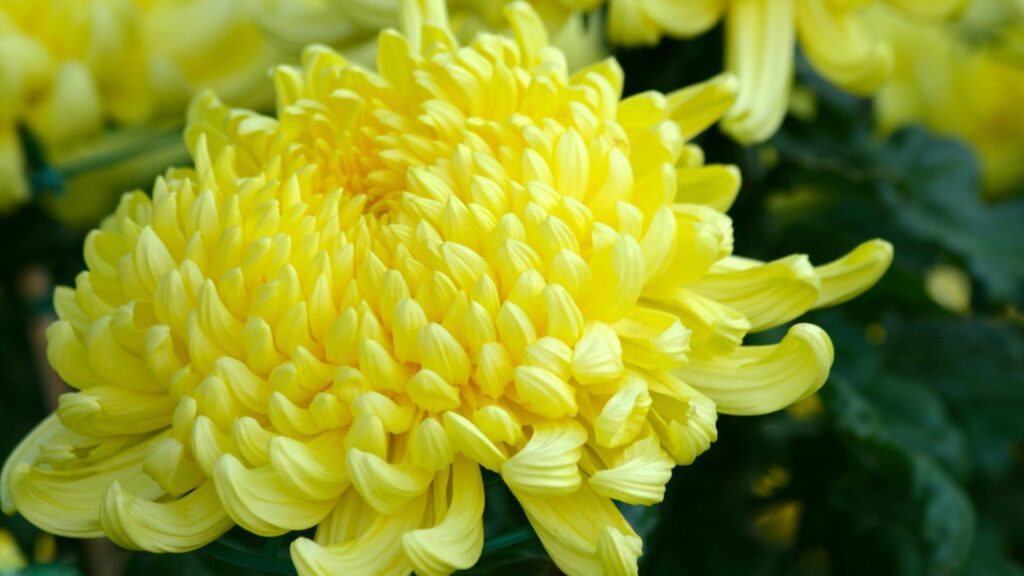
The Showy Lady’s Slipper (Cypripedium reginae) is one of the largest and most colorful native orchids in North America.
Its white petals and bright pink pouch make it one of the most striking wildflowers found in northern forests and wetlands.
Why It’s Rare
The Showy Lady’s Slipper faces several challenges:
- Slow natural growth
- Specific soil requirements
- Illegal collection
- Wetland habitat loss
- Sensitive root system
Habitat
It grows naturally in:
- Minnesota
- Wisconsin
- Michigan
- Maine
- New Hampshire
Moist woodlands, bogs, and fens provide ideal growing conditions.
Why America Has So Many Rare Flowers
The United States supports thousands of native flowering plants because of its incredible range of climates and ecosystems.
Diverse Landscapes
America contains nearly every major habitat type, including:
- Deserts
- Alpine mountains
- Grasslands
- Wetlands
- Coastal forests
- Tropical islands
Each ecosystem supports different flowering species with unique adaptations.
Geographic Isolation
Some flowers evolved in isolated mountain ranges, islands, or remote valleys.
Over thousands of years, this isolation produced endemic species found nowhere else in the world.
Protected National Parks
Many rare flowers survive today because they are protected in national parks, wildlife refuges, and nature preserves where development and habitat destruction are limited.
These conservation efforts have helped prevent several species from disappearing completely.
6. Small Whorled Pogonia
The Small Whorled Pogonia (Isotria medeoloides) is one of America’s rarest native orchids. Unlike many colorful orchids, this species has subtle yellowish-green flowers that blend into the forest floor, making it difficult to spot.
It is listed as a federally threatened species because of its declining populations and highly specific habitat requirements.
Why It’s Rare
The Small Whorled Pogonia is considered rare because it:
- Grows in only a few eastern states
- Requires mature deciduous forests
- Depends on underground fungi for survival
- Produces flowers inconsistently
- Is sensitive to habitat disturbance
Where It Grows
Its remaining populations are found in:
- Maine
- New Hampshire
- Vermont
- Massachusetts
- Virginia
- North Carolina
- Georgia
Most plants grow in shaded woodlands with rich, well-drained soil.
7. Tennessee Coneflower
The Tennessee Coneflower (Echinacea tennesseensis) is one of America’s greatest conservation success stories. Once believed to be nearly extinct, this beautiful wildflower has recovered thanks to habitat restoration and legal protection.
Its bright pink petals and raised central cone attract butterflies, bees, and other beneficial pollinators.
Unique Features
The Tennessee Coneflower is known for its:
- Pink-purple petals
- Upright flower shape
- Long blooming period
- Excellent drought tolerance
- High pollinator value
Native Habitat
It naturally grows in:
- Central Tennessee
- Limestone cedar glades
- Open grasslands
- Sunny rocky areas
Although its population has improved, it remains restricted to a relatively small geographic area.
8. Harper’s Beauty
Harper’s Beauty (Harperocallis flava) is a delicate yellow wildflower native to the southeastern United States. It blooms in wet pine flatwoods and seepage slopes, habitats that have declined significantly over the past century.
Because of its narrow range, it is considered one of America’s rarest flowering plants.
Why It’s Special
Harper’s Beauty stands out because it has:
- Bright yellow star-shaped flowers
- Grass-like foliage
- Short flowering season
- Limited natural range
- High conservation importance
Distribution
It occurs naturally in:
- Florida
- Georgia
Its survival depends on maintaining healthy wetland ecosystems.
9. Arizona Hedgehog Cactus Flower
The Arizona Hedgehog Cactus (Echinocereus triglochidiatus and related species) produces brilliant flowers that contrast beautifully against rocky desert landscapes.
The vibrant blooms often appear after spring rains, transforming otherwise dry environments into colorful displays.
Distinctive Characteristics
This desert flower features:
- Bright red, pink, or magenta blooms
- Thick spiny stems
- Excellent drought resistance
- Large showy flowers
- Adaptation to harsh climates
Natural Habitat
It grows throughout:
- Arizona
- New Mexico
- Utah
- Colorado
- Desert mountain slopes
Despite its resilience, some local populations are threatened by development and illegal collection.
10. Kincaid’s Lupine
The Kincaid’s Lupine (Lupinus oreganus) is a beautiful perennial wildflower native to the Pacific Northwest.
It produces tall spikes of purple-blue flowers that support one of America’s rarest butterflies, the Fender’s Blue Butterfly.
Why It’s Rare
The species has declined because of:
- Prairie habitat loss
- Urban development
- Agricultural expansion
- Invasive grasses
- Fire suppression
Native Range
It naturally occurs in:
- Oregon
- Southwestern Washington
Conservation efforts now focus on restoring native prairie ecosystems where it once flourished.
11. Texas Wild Rice Flower
Although best known for its long aquatic leaves, Texas Wild Rice (Zizania texana) also produces delicate flowering stems that are essential for reproduction.
This endangered aquatic plant grows in only one river system in the entire world.
Why It’s Rare
Texas Wild Rice is exceptionally rare because it:
- Exists naturally in one river
- Requires clean flowing water
- Is affected by drought
- Faces pressure from pollution
- Has a very limited population
Native Habitat
It grows exclusively in:
- San Marcos River
- Central Texas
Protecting water quality is critical for the species’ long-term survival.
12. Haleakalā Silversword Flower
The Haleakalā Silversword (Argyroxiphium sandwicense subsp. macrocephalum) is one of Hawaii’s most iconic native plants.
For many years, the plant forms a stunning silver rosette before producing an enormous flowering stalk covered with hundreds of purple blossoms. After flowering once, the plant completes its life cycle.
Unique Features
The Haleakalā Silversword is admired for its:
- Silvery leaves
- Massive flower spike
- Hundreds of purple flowers
- High-altitude adaptation
- Remarkable life cycle
Distribution
It grows naturally only on:
- Haleakalā National Park
- Maui, Hawaii
Strict conservation measures have helped increase its population after decades of decline.
13. Running Buffalo Clover
The Running Buffalo Clover (Trifolium stoloniferum) is a rare native clover once thought to be extinct.
It was rediscovered in the 1980s, giving conservationists hope for its recovery.
Why It’s Rare
Its rarity is linked to:
- Loss of natural grazing habitats
- Forest succession
- Habitat fragmentation
- Small isolated populations
- Limited seed production
Native Habitat
It naturally occurs in parts of:
- Kentucky
- Indiana
- Ohio
- West Virginia
- Missouri
Today, it survives mainly in protected forests and carefully managed grasslands.
Why Are So Many American Flowers Endangered?
Many of America’s native flowers face increasing pressure despite decades of conservation work.
Habitat Destruction
Urban growth, agriculture, logging, and infrastructure projects continue to reduce natural habitats.
Rare flowers often survive only in small protected areas where conditions remain suitable.
Climate Change
Changing temperatures, droughts, and shifting rainfall patterns affect flowering times and suitable growing environments.
Mountain and desert species are especially vulnerable because they have limited opportunities to move into new habitats.
Invasive Species
Non-native plants often outcompete native wildflowers for sunlight, nutrients, water, and space.
Without active management, invasive species can quickly dominate sensitive ecosystems.
Illegal Collection
Rare orchids, cacti, and wildflowers are sometimes removed from their natural habitats by collectors.
Even removing a few plants can seriously impact small wild populations that take many years to recover.
14. Virginia Round-leaf Birch Flower
The Virginia Round-leaf Birch (Betula uber) is one of the rarest native trees in the United States. Although it is primarily known for its distinctive rounded leaves, it also produces small flowering catkins that are essential for seed production.
For many years, scientists believed this species had become extinct until a small population was rediscovered in Virginia.
Why It’s Rare
The Virginia Round-leaf Birch is rare because it:
- Exists in only a few natural populations
- Has a very limited geographic range
- Grows in specialized streamside habitats
- Produces relatively few seeds
- Requires ongoing conservation efforts
Native Habitat
It naturally grows in:
- Southwestern Virginia
- Moist mountain valleys
- Stream banks
- Rocky forest slopes
Botanical gardens now help preserve the species through propagation programs.
15. Florida Ziziphus Flower
The Florida Ziziphus (Pseudoziziphus celata) is one of the most endangered flowering shrubs in the United States. Native to central Florida, it produces clusters of small yellow-green flowers that later develop into attractive fruit.
Only a handful of naturally occurring populations remain.
Unique Features
This rare shrub is known for its:
- Small star-shaped flowers
- Thorny branches
- Dense growth habit
- Excellent wildlife value
- Extremely limited distribution
Where It Grows
Its natural habitat includes:
- Central Florida
- Sandy scrublands
- Dry upland ecosystems
Conservation organizations continue to restore suitable habitat for this endangered species.
16. Lakeside Daisy
The Lakeside Daisy (Tetraneuris herbacea) is a cheerful yellow wildflower that blooms in early spring. Despite its bright appearance, it has one of the smallest natural ranges of any North American wildflower.
Its remaining populations survive mainly on limestone outcrops around the Great Lakes region.
Why It’s Special
The Lakeside Daisy features:
- Bright yellow daisy-like flowers
- Compact growth
- Early spring blooms
- Long lifespan
- Excellent drought tolerance
Native Distribution
It grows naturally in:
- Ohio
- Michigan
- Ontario, Canada
Protected nature preserves play a vital role in safeguarding the remaining populations.
17. Smooth Coneflower
The Smooth Coneflower (Echinacea laevigata) is a federally endangered wildflower native to the southeastern United States.
Its elegant pink-purple flowers attract numerous pollinators and contribute to the health of native grassland ecosystems.
Why It’s Rare
Its population has declined because of:
- Habitat destruction
- Fire suppression
- Agricultural development
- Invasive plant species
- Small remaining populations
Native Habitat
It occurs naturally in:
- Georgia
- South Carolina
- North Carolina
- Virginia
Most populations are carefully monitored by conservation agencies.
18. Oahu Schiedea
The Oahu Schiedea (Schiedea adamantis and related species) represents a group of extremely rare flowering plants found only in Hawaii.
Many Schiedea species survive on steep cliffs that are difficult for humans and grazing animals to reach.
Distinctive Characteristics
These unique plants are recognized by:
- Small white flowers
- Narrow green leaves
- Compact growth
- High adaptability to rocky terrain
- Exceptional endemism
Native Habitat
They naturally grow on:
- Oahu
- Rocky volcanic cliffs
- Coastal mountain slopes
Because many populations consist of only a few hundred plants, conservation programs remain essential.
19. Bracted Twistflower
The Bracted Twistflower (Streptanthus bracteatus) is an endangered member of the mustard family found in Texas.
Its slender stems produce delicate purple flowers that bloom in spring before forming long seed pods.
Why It’s Rare
The Bracted Twistflower faces several threats:
- Urban expansion
- Habitat fragmentation
- Invasive grasses
- Limited natural distribution
- Declining population size
Native Range
It occurs primarily in:
- Central Texas
- Limestone hills
- Open woodlands
- Grassland edges
Habitat restoration projects continue to support this fragile species.
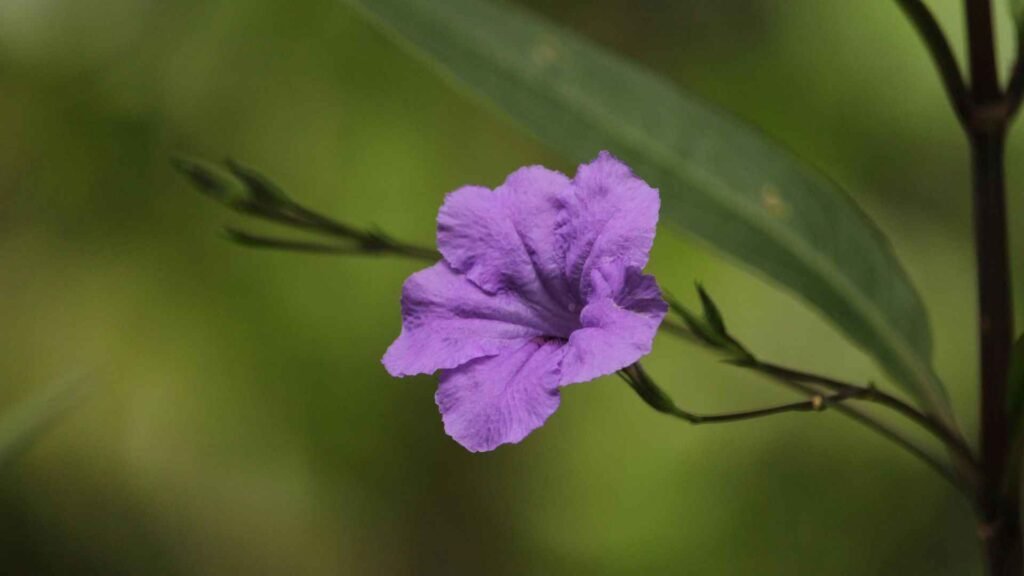
20. Santa Cruz Island Ironwood Flower
The Santa Cruz Island Ironwood (Lyonothamnus floribundus subsp. aspleniifolius) is a rare flowering tree native to California’s Channel Islands.
During late spring, it produces large clusters of creamy-white flowers that attract native bees and other pollinators.
Unique Features
This remarkable tree offers:
- Fragrant white flower clusters
- Attractive fern-like leaves
- Strong drought tolerance
- Long lifespan
- Important wildlife habitat
Natural Habitat
It grows naturally on:
- Santa Cruz Island
- Santa Rosa Island
- California Channel Islands
Conservation work has helped stabilize several remaining populations.
Best Places to See Rare Flowers in America
The United States has many protected landscapes where visitors can admire native rare flowers in their natural habitats.
Some of the best destinations include:
| Destination | Famous Flowers |
|---|---|
| Everglades National Park, Florida | Ghost Orchid |
| Fakahatchee Strand Preserve, Florida | Ghost Orchid, native orchids |
| Rocky Mountain National Park, Colorado | Colorado Columbine |
| Haleakalā National Park, Hawaii | Haleakalā Silversword |
| Tallgrass Prairie National Preserve, Kansas | Western Prairie Fringed Orchid |
| Great Smoky Mountains National Park | Native orchids and wildflowers |
| Channel Islands National Park, California | Santa Cruz Island Ironwood |
| Cedar Glades, Tennessee | Tennessee Coneflower |
| Oregon Prairie Preserves | Kincaid’s Lupine |
| Central Texas Nature Preserves | Bracted Twistflower |
These protected areas showcase America’s incredible floral diversity while helping conserve endangered species for future generations.
How Rare Flowers Benefit the Environment
Rare flowers do much more than add beauty to the landscape. They play an important role in maintaining healthy ecosystems.
Support Pollinators
Many rare flowers provide nectar and pollen for:
- Native bees
- Butterflies
- Moths
- Hummingbirds
- Beetles
Some flowers depend on a single pollinator species, making both plants and insects essential to each other’s survival.
Preserve Biodiversity
Each rare flower contributes to the rich diversity of native ecosystems.
Greater biodiversity helps:
- Improve ecosystem stability
- Increase resilience to environmental changes
- Support wildlife populations
- Maintain healthy food webs
Improve Scientific Knowledge
Botanists study rare flowers to better understand:
- Plant evolution
- Pollination biology
- Climate adaptation
- Habitat restoration
- Conservation techniques
Research often leads to improved methods for protecting endangered species.
Best Recommendations
| Purpose | Recommended Flower | Why It Stands Out |
|---|---|---|
| Best Overall | Ghost Orchid | America’s most famous rare orchid |
| Rarest Flower | Franklin Tree Flower | Extinct in the wild but preserved through cultivation |
| Best Mountain Flower | Colorado Columbine | Iconic alpine wildflower with striking blue and white blooms |
| Best Orchid | Showy Lady’s Slipper | One of North America’s largest native orchids |
| Best Prairie Flower | Western Prairie Fringed Orchid | Elegant fringed blooms and important pollinator plant |
| Best Hawaiian Flower | Haleakalā Silversword | Unique plant that flowers only once in its lifetime |
| Best Desert Flower | Arizona Hedgehog Cactus Flower | Brilliant blooms adapted to harsh desert conditions |
| Best Conservation Success | Tennessee Coneflower | Recovered through dedicated habitat protection |
| Best Spring Wildflower | Lakeside Daisy | Bright yellow blooms with a very limited natural range |
| Best for Wildlife | Kincaid’s Lupine | Essential host plant for the endangered Fender’s Blue Butterfly |

FAQs
What is the rarest flower in America?
The Ghost Orchid (Dendrophylax lindenii) is widely considered one of the rarest flowers in America because of its extremely limited habitat in the swamps of South Florida and its specialized growing requirements. Another exceptionally rare species is the Franklin Tree Flower, which is extinct in the wild and survives only through cultivated plants.
Which rare flower is extinct in the wild?
The Franklin Tree (Franklinia alatamaha) is one of the few flowering trees that is extinct in the wild. It disappeared from its natural habitat in Georgia during the early 1800s, but seeds collected by botanists allowed the species to survive in botanical gardens and private collections.
Where can I see rare flowers in America?
Some of the best places to observe rare flowers include:
- Everglades National Park, Florida
- Fakahatchee Strand Preserve State Park, Florida
- Rocky Mountain National Park, Colorado
- Haleakalā National Park, Hawaii
- Great Smoky Mountains National Park
- Tallgrass Prairie National Preserve, Kansas
- Channel Islands National Park, California
These protected areas provide important habitats for many endangered and native flowering plants.
Are rare flowers protected in the United States?
Yes. Many rare flowers are protected under the Endangered Species Act (ESA) and additional state conservation laws. National parks, wildlife refuges, botanical gardens, and conservation organizations also play a major role in protecting these species and restoring their natural habitats.
Can I grow rare American flowers in my garden?
Some native flowers, such as the Colorado Columbine and Lakeside Daisy, can be grown successfully if your local climate is suitable. However, federally protected species like the Ghost Orchid or Small Whorled Pogonia should never be collected from the wild. Always purchase plants from licensed native plant nurseries.
Why are so many native American flowers becoming rare?
Several factors contribute to their decline, including:
- Habitat destruction
- Urban expansion
- Climate change
- Invasive plant species
- Pollution
- Illegal collection
- Wildfires and drought
Conservation programs are working to reduce these threats and restore natural ecosystems.
Which state has the most diverse native flowers?
California is home to the largest number of native flowering plant species in the United States due to its wide range of climates and ecosystems. Other states with exceptional floral diversity include Hawaii, Texas, Florida, Oregon, and Colorado.
Are rare flowers important for pollinators?
Absolutely. Many rare flowers provide essential nectar and pollen for bees, butterflies, hummingbirds, moths, and other pollinators. Some species even rely on a single pollinator, making the survival of both the plant and the animal closely connected.
When is the best time to see wildflowers in America?
The ideal season varies by region:
- Southwest Deserts: February to April
- Rocky Mountains: June to August
- Florida: Spring and Summer
- Hawaii: Year-round, depending on elevation
- Midwestern Prairies: May to July
Visiting during peak bloom offers the best opportunity to experience America’s remarkable native flowers.
How can I help protect rare flowers?
You can support conservation by:
- Visiting protected parks responsibly
- Staying on designated trails
- Avoiding the collection of wild plants
- Purchasing native plants from reputable nurseries
- Supporting botanical gardens and conservation organizations
- Planting native flowers that benefit local pollinators
Even small actions can help preserve these extraordinary species for future generations.
Final Thoughts
The United States is home to an extraordinary collection of native flowering plants, many of which exist nowhere else on Earth. From the humid swamps of Florida and the towering peaks of the Rocky Mountains to the volcanic landscapes of Hawaii and the vast Midwestern prairies, each region supports unique flowers that have evolved to thrive in specialized environments.
Species such as the Ghost Orchid, Franklin Tree Flower, Colorado Columbine, Western Prairie Fringed Orchid, and Haleakalā Silversword showcase the incredible diversity of American flora. Their striking beauty, fascinating adaptations, and ecological importance make them valuable treasures that deserve continued protection.
Although many rare flowers face challenges from habitat loss, climate change, invasive species, and human activities, ongoing conservation efforts have helped stabilize or even restore several populations. National parks, botanical gardens, research institutions, and dedicated volunteers continue to play an essential role in preserving these remarkable plants.
Whether you’re a gardener, hiker, photographer, or nature enthusiast, exploring rare flowers in America offers a deeper appreciation for the country’s natural heritage. By supporting conservation initiatives and respecting protected habitats, we can help ensure these stunning blooms continue to flourish for generations to come.
One Comment