
Blue Wildflowers You Can Grow: 25 Beautiful and Easy Choices
Introduction
Blue flowers bring a cool, natural look to gardens, meadows, borders, and pollinator spaces. While truly blue blooms are less common than white, yellow, pink, or red flowers, there are many beautiful wildflowers with blue, sky-blue, blue-violet, or blue-purple blooms that gardeners can grow at home.
The best choices depend on your climate, sunlight, soil, and moisture conditions. Some blue wildflowers are excellent beginner plants, while others need specific conditions such as consistently moist soil or a period of winter cold.
This guide focuses on blue wildflowers you can grow, with practical information to help you choose varieties that fit your garden.
Quick Answer
Yes, you can grow many blue wildflowers at home. Some of the easiest choices include cornflower, blue flax, blue-eyed grass, wild blue phlox, and forget-me-nots. Most prefer good drainage and plenty of sunlight, although several woodland and moisture-loving species perform better in partial shade or damp soil.
For the best results, choose species suited to your local climate rather than selecting a flower based only on its color.
Quick Comparison
| # | Blue Wildflower | Type | Light | Difficulty | Typical Bloom |
|---|---|---|---|---|---|
| 1 | Cornflower | Annual | Full sun | Easy | Late spring–summer |
| 2 | Great Blue Lobelia | Perennial | Sun–part shade | Easy–moderate | Summer–fall |
| 3 | Blue-Eyed Grass | Perennial | Full sun–part shade | Easy | Spring–summer |
| 4 | Wild Blue Phlox | Perennial | Part shade–sun | Easy | Spring |
| 5 | Blue Flax | Perennial | Full sun | Easy | Spring–summer |
| 6 | Lupine | Perennial/annual | Full sun | Moderate | Spring–summer |
| 7 | Forget-Me-Not | Annual/biennial/perennial | Part shade | Easy | Spring |
| 8 | Blue Vervain | Perennial | Full sun | Easy–moderate | Summer–fall |
| 9 | Blue Penstemon | Perennial | Full sun | Easy–moderate | Late spring–summer |
| 10 | Virginia Bluebells | Perennial | Part shade | Easy–moderate | Spring |
| 11 | Harebell | Perennial | Full sun–part shade | Moderate | Summer |
| 12 | Blue Flag Iris | Perennial | Full sun–part shade | Moderate | Late spring–summer |
| 13 | Camassia | Perennial bulb | Full sun–part shade | Easy–moderate | Spring |
| 14 | Gentian | Perennial | Sun–part shade | Moderate–difficult | Late summer–fall |
| 15 | Jacob’s Ladder | Perennial | Part shade | Easy–moderate | Spring–early summer |
| 16 | Blue Columbine | Perennial | Full sun–part shade | Easy–moderate | Spring–summer |
| 17 | Spiderwort | Perennial | Full sun–part shade | Easy | Late spring–summer |
| 18 | Chicory | Perennial/biennial | Full sun | Easy | Summer–fall |
| 19 | Blue Mistflower | Perennial | Full sun–part shade | Easy–moderate | Late summer–fall |
| 20 | Azure Bluet | Perennial | Full sun–part shade | Moderate | Summer |
| 21 | Bluehead Gilia | Annual | Full sun | Easy | Spring–summer |
| 22 | Blue Sage | Perennial | Full sun | Easy–moderate | Summer–fall |
| 23 | Rocky Mountain Columbine | Perennial | Full sun–part shade | Moderate | Late spring–summer |
| 24 | Culver’s Root | Perennial | Full sun–part shade | Easy–moderate | Summer |
| 25 | Blue-Eyed Mary | Annual | Part shade–sun | Easy–moderate | Spring |
1. Cornflower
Cornflower (Centaurea cyanus) is one of the easiest blue-flowering plants to grow from seed. Its intense blue flowers make it especially popular in cottage gardens, wildflower patches, borders, and cutting gardens.
Although it is often called bachelor’s button, cornflower has a distinctly wildflower-like appearance and can establish quickly when given the right conditions.
Growing conditions: Full sun and reasonably well-drained soil are ideal. It can tolerate relatively poor soil and does not usually need heavy fertilization.
Best for: Beginners, cutting gardens, pollinator gardens, and informal flower beds.
Growing tip: Sow seeds directly where you want them to grow because cornflower generally dislikes having its roots disturbed. Once established, it can produce flowers for an extended period if spent blooms are removed.
2. Great Blue Lobelia
Great blue lobelia (Lobelia siphilitica) produces upright spikes covered with attractive blue flowers. It is especially useful for gardeners who want a blue wildflower for areas where the soil remains consistently moist.
Unlike many sun-loving wildflowers, great blue lobelia can tolerate partial shade, making it useful in gardens with changing light conditions.
Growing conditions: Moist, fertile soil and full sun to partial shade. It performs particularly well beside ponds, rain gardens, streams, or other areas that do not dry out quickly.
Best for: Moist gardens, rain gardens, pollinator areas, and partly shaded borders.
Growing tip: Keep young plants consistently watered while they establish. Avoid placing them in very dry, sandy locations unless irrigation is reliable.
3. Blue-Eyed Grass
Blue-eyed grass (Sisyrinchium species) is a small, grass-like wildflower that produces delicate blue or blue-violet flowers above narrow leaves.
Despite its name, it is not a true grass. It belongs to the iris family and works particularly well as a low-growing plant around paths, rock gardens, native borders, and meadow-style plantings.
Growing conditions: Full sun to light shade and well-drained soil. Once established, many species can tolerate periods of moderate dryness.
Best for: Rock gardens, borders, native gardens, and small spaces.
Growing tip: Avoid constantly wet soil. Good drainage is generally more important than rich soil for this compact wildflower.
4. Wild Blue Phlox
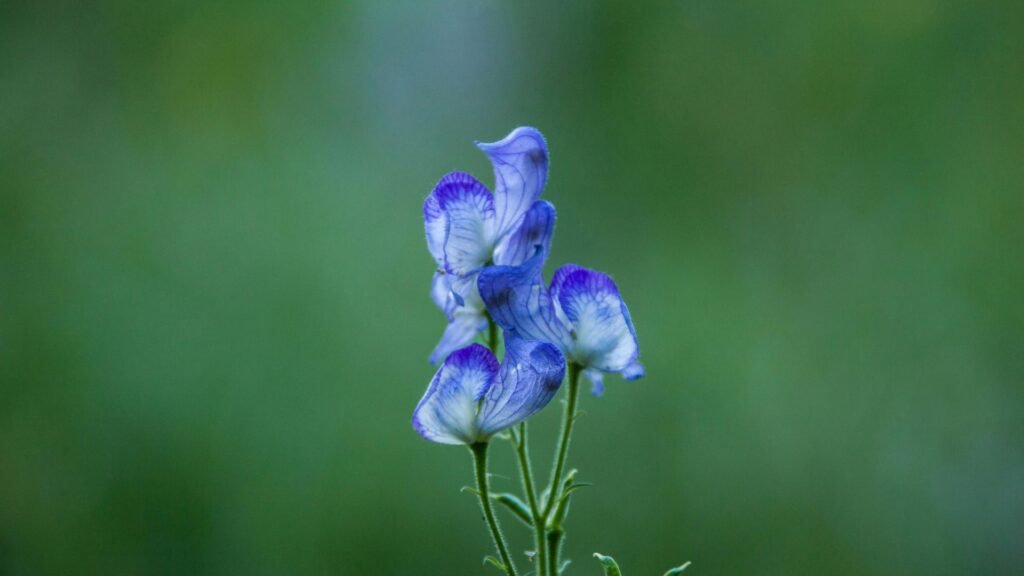
Wild blue phlox (Phlox divaricata) is a spring-blooming native wildflower valued for its soft blue to blue-violet flowers and spreading growth habit.
It is particularly attractive in woodland-style gardens where many full-sun wildflowers would struggle.
Growing conditions: Part shade is often ideal, particularly where the soil stays moderately moist and rich in organic matter. It can also tolerate more sun when adequate moisture is available.
Best for: Woodland gardens, shaded borders, native plant gardens, and spring displays.
Growing tip: Add organic matter to poor soil and provide regular moisture during establishment. A location with morning sun and afternoon shade can work especially well in warmer climates.
5. Blue Flax
Blue flax (Linum perenne and related flax species) produces delicate, sky-blue flowers on slender stems. Individual flowers can be short-lived, but new blooms can appear repeatedly during the flowering season.
Its airy appearance makes it excellent for naturalistic gardens where you want a less formal look.
Growing conditions: Full sun and well-drained soil. Blue flax generally prefers conditions that are not excessively wet.
Best for: Dry gardens, rock gardens, prairie-style plantings, and low-maintenance borders.
Growing tip: Do not overwater established plants. Excess moisture, particularly in poorly drained soil, can cause problems with root health.
6. Lupine
Lupines (Lupinus species) are striking wildflowers with tall flower spikes that can range from blue and violet to pink, white, and other shades.
Blue-flowering lupines are especially valuable when you want vertical interest rather than low-growing ground cover.
Growing conditions: Full sun is generally best, with soil requirements varying by species. Good drainage is important.
Best for: Meadows, cottage gardens, pollinator gardens, and naturalized borders.
Growing tip: Lupines can be more sensitive to transplanting than some beginner flowers, so starting them from seed in the correct location can be helpful. Choose a species adapted to your region because lupine requirements vary considerably.
7. Forget-Me-Not
Forget-me-nots (Myosotis species) are famous for their small blue flowers with contrasting centers. They create a delicate carpet of color and are particularly effective in informal or cottage-style gardens.
They generally prefer cooler conditions and can spread readily when growing conditions are favorable.
Growing conditions: Moist, well-drained soil and partial shade are often ideal, although some species can handle more sunlight in cooler climates.
Best for: Cottage gardens, woodland edges, containers, and spring displays.
Growing tip: Allowing some plants to set seed can help establish new plants naturally. If you want to keep them contained, remove spent flowers before extensive seed production.
8. Blue Vervain
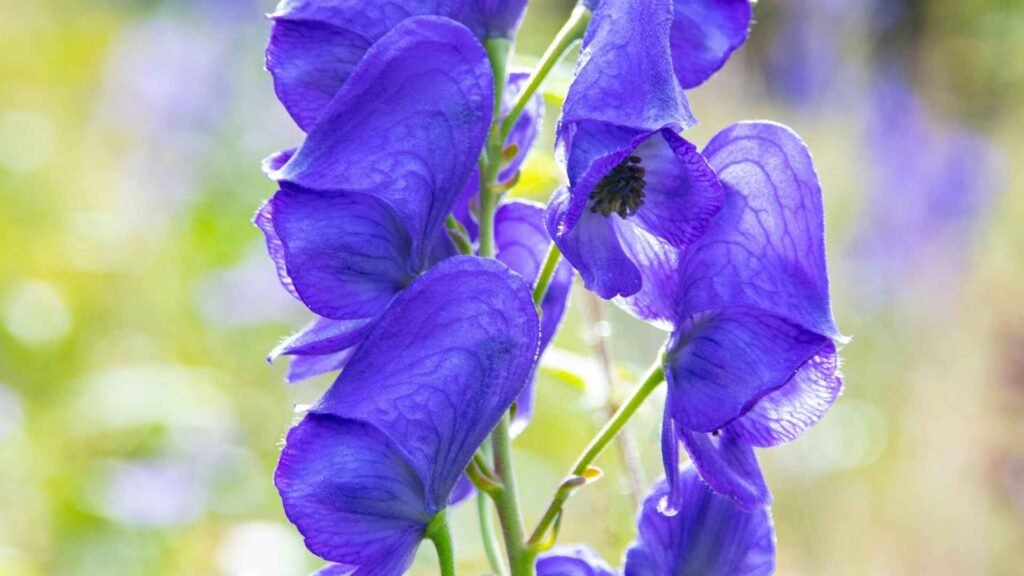
Blue vervain (Verbena hastata) is a tall native wildflower with narrow spikes of small blue to violet flowers. It is particularly valuable in naturalistic and wildlife-friendly gardens.
Its upright growth gives it a different appearance from low-growing blue flowers, and its blooms can attract pollinators during summer.
Growing conditions: Full sun is preferred. It can tolerate moist to moderately wet soil and is especially well suited to rain gardens and naturally damp locations.
Best for: Pollinator gardens, rain gardens, native landscapes, and larger borders.
Growing tip: Give blue vervain enough room to develop its upright form. It is generally better suited to informal gardens than tightly packed formal beds.
Choosing Your First Blue Wildflower
If you are new to growing wildflowers, start by matching the plant to your garden rather than choosing solely by flower color.
For full sun and easy growing, cornflower and blue flax are excellent places to start.
For moist soil, great blue lobelia and blue vervain are better choices.
For partial shade, wild blue phlox and forget-me-nots can provide attractive blue blooms where many sun-loving wildflowers perform poorly.
For vertical interest, lupine is an eye-catching option.
The next section will cover more blue wildflowers, including blue penstemon, Virginia bluebells, harebell, blue flag iris, Camassia, gentian, Jacob’s ladder, and other distinctive choices, followed by recommendations for different garden conditions.
9. Blue Penstemon
Blue penstemon refers to several Penstemon species and cultivars that produce blue to blue-violet tubular flowers. These native-style plants are especially attractive to bees, butterflies, and other pollinators.
Their upright flower stems add height without creating an overly dense appearance, making them useful in borders and naturalistic plantings.
Growing conditions: Full sun and well-drained soil are generally best. Many penstemons prefer soil that does not remain wet for long periods.
Best for: Pollinator gardens, native plantings, rock gardens, and sunny borders.
Growing tip: Avoid heavy, constantly wet soil. Good drainage is particularly important during winter.
10. Virginia Bluebells
Virginia bluebells (Mertensia virginica) are elegant spring wildflowers known for clusters of soft blue, bell-shaped flowers. They are particularly effective in woodland-style gardens and shaded natural areas.
The plants often emerge early in spring, flower beautifully, and then gradually become dormant as the season progresses.
Growing conditions: Part shade and moist, well-drained soil rich in organic matter. They can tolerate more sun where soil moisture remains adequate.
Best for: Woodland gardens, shady borders, native gardens, and areas beneath deciduous trees.
Growing tip: Don’t be concerned when the foliage begins disappearing after flowering. This seasonal dormancy is part of the plant’s natural growth cycle.
11. Harebell
Harebell (Campanula rotundifolia) is a delicate wildflower with slender stems carrying nodding blue or blue-violet bell-shaped flowers.
Its lightweight appearance makes it particularly attractive in rock gardens, wildflower meadows, and informal borders.
Growing conditions: Full sun to partial shade and well-drained soil. It generally prefers conditions that are not excessively wet.
Best for: Rock gardens, meadow plantings, cottage gardens, and naturalized areas.
Growing tip: Give the plants enough space for their slender stems to grow naturally. They can look especially effective among grasses and low-growing companion plants.
12. Blue Flag Iris
Blue flag iris (Iris versicolor and related species) produces showy blue to blue-violet flowers and sword-like foliage. Several blue flag species are associated with wetlands and naturally moist habitats.
Because its growing requirements can differ from those of dry-soil wildflowers, selecting the right location is especially important.
Growing conditions: Full sun to partial shade with consistently moist soil. Some species tolerate wet conditions particularly well.
Best for: Rain gardens, pond edges, wet meadows, and moist native plantings.
Growing tip: Research the particular blue flag species before planting because regional species can have different habitat requirements.
13. Camassia
Camassia, sometimes called camas, produces star-shaped blue, blue-violet, or lavender flowers arranged along tall flower spikes. It grows from bulbs and can create an impressive spring display when planted in groups.
It works especially well in naturalistic landscapes where bulbs can blend with grasses and other native-style plants.
Growing conditions: Full sun to partial shade and soil that retains some moisture while still providing adequate drainage.
Best for: Meadows, naturalistic borders, rain-friendly gardens, and spring bulb displays.
Growing tip: Plant bulbs at the recommended depth for the species and allow the foliage to mature naturally after flowering so the bulb can store energy for the following season.
14. Gentian
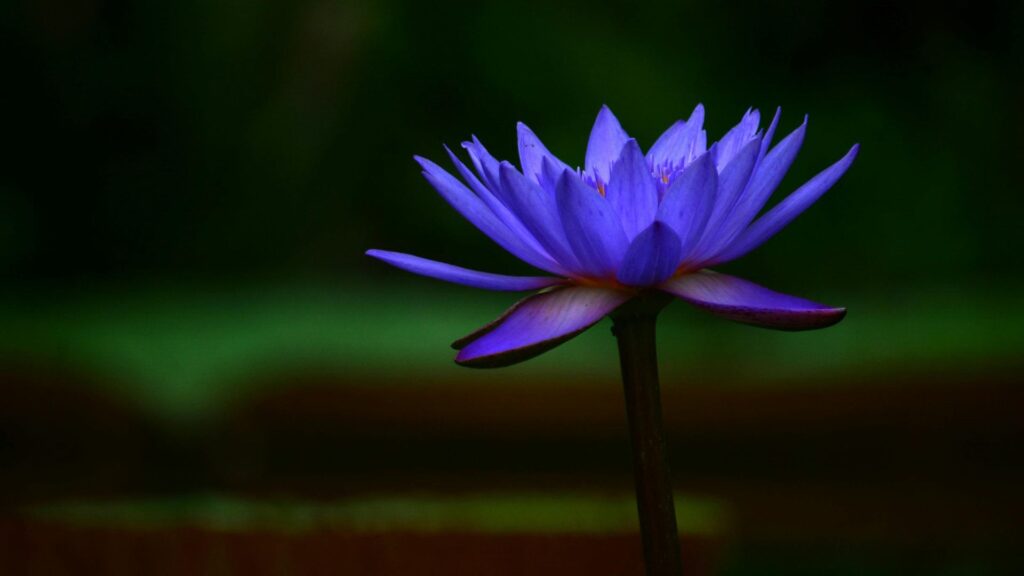
Gentians (Gentiana species) are famous for some of the most intense blue flowers found in gardens and wild landscapes. Their trumpet- or bell-shaped blooms can be spectacular, but gentians vary considerably in their growing requirements.
Some species are considerably more demanding than beginner-friendly wildflowers.
Growing conditions: Varies by species. Many prefer cool conditions, good drainage, and soil with consistent moisture. Light requirements can range from sun to partial shade.
Best for: Experienced gardeners, rock gardens, alpine plantings, and specialist native gardens.
Growing tip: Choose a gentian species specifically suited to your local conditions. Do not assume that the requirements of one gentian apply to all others.
15. Jacob’s Ladder
Jacob’s ladder (Polemonium species) is a clump-forming perennial named for its ladder-like arrangement of leaves. Depending on the species, its flowers can range from pale blue to deeper blue-violet.
It is a useful choice for gardens that need blue flowers in areas with some afternoon shade.
Growing conditions: Part shade is often ideal, with moist but well-drained soil. Some species tolerate more sun in cooler climates.
Best for: Woodland borders, cottage gardens, shade gardens, and perennial beds.
Growing tip: Keep the soil evenly moist during establishment, especially during hot weather.
16. Blue Columbine
Blue columbines include several Aquilegia species and forms with blue or blue-and-white flowers. Their distinctive spurred blooms give them a graceful appearance and make them excellent additions to informal gardens.
Columbines can also self-seed under suitable conditions, allowing new plants to appear naturally.
Growing conditions: Full sun to partial shade depending on climate, with fertile, well-drained soil.
Best for: Cottage gardens, woodland edges, pollinator gardens, and mixed perennial borders.
Growing tip: In hot climates, afternoon shade can help plants cope with summer heat. Allowing some flowers to form seed can encourage natural regeneration.
17. Spiderwort
Spiderwort (Tradescantia species) produces three-petaled flowers that may appear blue, blue-violet, or purple depending on the species and variety.
The plants are adaptable and can provide a succession of colorful blooms in naturalistic borders.
Growing conditions: Full sun to partial shade and moderately fertile, well-drained soil. Established plants can tolerate a range of conditions.
Best for: Native-style gardens, perennial borders, cottage gardens, and pollinator-friendly landscapes.
Growing tip: Cut back tired foliage after the main flowering period if the plants become untidy. New growth can often produce a fresher appearance.
18. Chicory
Chicory (Cichorium intybus) is a familiar roadside wildflower with bright blue flowers that open during favorable daylight conditions. Its ability to tolerate relatively poor soil makes it an easy plant in many suitable climates.
It has a naturalized appearance rather than the polished form of a typical ornamental perennial.
Growing conditions: Full sun and well-drained soil. It can tolerate dry and relatively poor conditions once established.
Best for: Naturalized areas, wildflower gardens, roadsides, and low-maintenance landscapes.
Growing tip: Because chicory can spread readily in favorable conditions, check local recommendations before planting it and avoid introducing it where it may become invasive.

19. Blue Mistflower
Blue mistflower (Conoclinium coelestinum) produces clusters of fluffy blue to blue-violet flowers late in the growing season. Its flowering period makes it especially valuable when many spring and early-summer wildflowers have already finished.
It can spread through underground growth and may form a substantial patch over time.
Growing conditions: Full sun to partial shade with moist, reasonably fertile soil.
Best for: Pollinator gardens, rain-friendly borders, native plantings, and late-season color.
Growing tip: Give it enough space to spread, or divide plants when necessary if you want to keep the planting controlled.
20. Azure Bluet
Azure bluet (Houstonia caerulea) is a small native wildflower with delicate blue to pale blue flowers. Its compact size makes it particularly useful where larger wildflowers would overwhelm the planting.
It can work as a low-growing accent in suitable naturalized settings.
Growing conditions: Requirements vary by location, but it generally performs best in well-drained soil with adequate moisture and light conditions ranging from sun to partial shade.
Best for: Native plantings, small garden spaces, woodland edges, and naturalized areas.
Growing tip: Because this is a relatively delicate plant, avoid burying it under aggressive ground covers or dense neighboring vegetation.
21. Bluehead Gilia
Bluehead gilia (Gilia capitata) is an annual wildflower producing rounded clusters of small blue to lavender-blue flowers. It can be particularly attractive in meadow-style plantings because of its airy, natural appearance.
It is often grown from seed rather than purchased as a mature garden plant.
Growing conditions: Full sun and well-drained soil. It generally performs best without excessive fertilization or consistently wet conditions.
Best for: Wildflower meadows, pollinator gardens, naturalized borders, and seed-grown displays.
Growing tip: Direct sowing is often the simplest approach. Follow the seed supplier’s recommendations for your region because sowing times vary with climate.
22. Blue Sage
Blue sage is a common name used for several Salvia species with blue or blue-violet flowers. Because the name covers different plants, always check the botanical name before purchasing seeds or plants.
Many blue-flowering sages provide upright flower spikes and are attractive to pollinators.
Growing conditions: Usually full sun and well-drained soil, although exact requirements vary by species.
Best for: Sunny borders, pollinator gardens, dry gardens, and naturalistic plantings.
Growing tip: Choose a species adapted to your climate and avoid keeping the soil constantly saturated.
23. Rocky Mountain Columbine
Rocky Mountain columbine (Aquilegia caerulea) is a striking perennial with blue-and-white flowers and distinctive long spurs. It is the state flower of Colorado and is especially well suited to gardens that recreate mountainous or naturalistic conditions.
The flowers stand above attractive foliage, creating a graceful display in spring and early summer.
Growing conditions: Full sun to partial shade, depending on climate, with well-drained soil.
Best for: Rock gardens, cottage gardens, mountain-inspired landscapes, and perennial borders.
Growing tip: In hot regions, provide some afternoon shade. Avoid waterlogged soil, especially during winter.
24. Culver’s Root
Culver’s root (Veronicastrum virginicum) is a tall perennial native wildflower with slender flower spikes that can appear white, pink, or pale blue-violet depending on the form.
It adds vertical structure to naturalistic plantings and works particularly well among grasses and other meadow plants.
Growing conditions: Full sun to partial shade and moderately moist, fertile soil.
Best for: Native gardens, pollinator borders, rain-friendly landscapes, and large perennial beds.
Growing tip: Because the plant can become tall, place it toward the back or middle of a border where its flower spikes can rise above shorter plants.

25. Blue-Eyed Mary
Blue-eyed Mary (Collinsia species) is a delicate annual wildflower that can produce attractive blue, lavender, and white flowers. Its small size makes it useful for naturalistic plantings where a softer, less formal effect is desired.
It is particularly interesting for gardeners who enjoy growing native-style annuals from seed.
Growing conditions: Requirements vary by species, but many prefer cool-season conditions, well-drained soil, and sun to partial shade.
Best for: Wildflower gardens, woodland edges, containers, and informal borders.
Growing tip: Check the species and local seed instructions before sowing because blue-eyed Mary varieties can differ in their preferred growing conditions.
How to Choose the Right Blue Wildflower
With 25 options available, the easiest way to choose is to start with your garden’s conditions.
For beginners: Cornflower, blue flax, blue-eyed grass, and spiderwort are useful starting points.
For moist soil: Great blue lobelia, blue vervain, blue flag iris, and blue mistflower are worth considering.
For shade or woodland conditions: Virginia bluebells, wild blue phlox, Jacob’s ladder, and forget-me-nots are better suited than many full-sun wildflowers.
For dry, sunny locations: Blue flax, cornflower, blue penstemon, and chicory can be useful choices, depending on the species and local climate.
For pollinators: Great blue lobelia, blue vervain, penstemon, lupine, spiderwort, and blue mistflower can add valuable flowering resources.
For a natural meadow look: Bluehead gilia, cornflower, lupine, chicory, blue flax, and blue-eyed grass can work particularly well.
The key is to match the wildflower’s natural habitat with the conditions in your garden. A plant that thrives in a moist woodland setting may struggle in a hot, dry border, even if both locations receive similar amounts of sunlight.
How to Grow Blue Wildflowers Successfully
Growing blue wildflowers is usually straightforward when you select species suited to your garden. The biggest mistake is choosing a flower based only on appearance without considering its natural growing environment.
1. Match the Flower to Your Climate
Before buying seeds or plants, check whether the species is suitable for your USDA hardiness zone or local climate.
A wildflower native to cool northern regions may struggle in a hot climate, while a species adapted to warm, dry conditions may perform poorly in a cool, wet garden.
When possible, choose regionally appropriate native or well-adapted species.
2. Choose the Right Amount of Sun
Most blue wildflowers prefer at least several hours of sunlight, but there are important exceptions.
Sun-loving choices include:
- Cornflower
- Blue flax
- Blue penstemon
- Chicory
- Bluehead gilia
Better choices for partial shade include:
- Virginia bluebells
- Wild blue phlox
- Jacob’s ladder
- Forget-me-nots
Check the requirements of the exact species before planting.
3. Prepare the Soil
Many wildflowers don’t need extremely rich soil. In fact, excessive fertilizer can encourage foliage at the expense of flowers in some species.
Before sowing or planting:
- Remove aggressive weeds
- Loosen compacted soil
- Improve drainage where necessary
- Add organic matter when appropriate
- Avoid excessive fertilizer
The ideal soil depends on the species. Moisture-loving plants and drought-tolerant wildflowers should not be treated the same way.
4. Starting Blue Wildflowers From Seed
Many wildflowers are inexpensive and rewarding to grow from seed.
For direct sowing:
- Prepare a relatively weed-free planting area.
- Scatter or sow seeds according to the packet instructions.
- Press small seeds gently into the soil rather than burying them deeply.
- Keep the seedbed appropriately moist during germination.
- Thin seedlings if they become overcrowded.
- Reduce watering gradually as plants establish when appropriate.
Some species benefit from fall sowing or a period of cold, while others are better started in spring.
Always follow species-specific seed instructions, because germination requirements can vary considerably.

5. Water During Establishment
Young wildflowers generally need more attention than established plants.
Water newly planted areas according to the moisture needs of the species, particularly during dry weather. Once established, many wildflowers become considerably more resilient.
However, drought tolerance does not mean a plant should be left completely dry immediately after germination.
6. Avoid Over-Fertilizing
Wildflowers generally don’t require the same feeding program as heavy-feeding ornamental plants.
If the soil is reasonably suitable, excessive fertilizer can result in:
- Excessive leafy growth
- Weak stems
- Reduced flowering
- Unnecessary nutrient runoff
A soil test is a better way to determine whether nutrients are actually needed.
7. Let Some Flowers Set Seed
If you want a more natural wildflower garden, allow some flowers to produce seeds at the end of their flowering period.
This can encourage self-sowing in species that readily reseed.
However, don’t assume every wildflower should be allowed to spread freely. Some plants can become aggressive outside their intended area, and local regulations or ecological concerns may apply.
Best Blue Wildflowers for Different Gardens
Choosing by garden condition is often easier than choosing from a long flower list.
| Garden Condition | Good Choices |
|---|---|
| Beginner garden | Cornflower, Blue Flax, Blue-Eyed Grass |
| Full sun | Cornflower, Blue Flax, Chicory, Blue Penstemon |
| Partial shade | Virginia Bluebells, Wild Blue Phlox, Jacob’s Ladder |
| Moist soil | Great Blue Lobelia, Blue Vervain, Blue Flag Iris |
| Pollinator garden | Blue Penstemon, Lupine, Blue Vervain, Great Blue Lobelia |
| Rock garden | Harebell, Blue Flax, Blue-Eyed Grass |
| Woodland garden | Virginia Bluebells, Wild Blue Phlox, Jacob’s Ladder |
| Meadow garden | Bluehead Gilia, Cornflower, Lupine, Chicory |
| Late-season color | Blue Vervain, Blue Mistflower, Gentian |
| Small garden | Blue-Eyed Grass, Azure Bluet, Harebell |
Best Blue Wildflowers for Beginners
If this is your first time growing wildflowers, you don’t need to start with the most unusual species.
Cornflower is one of the strongest beginner choices because it can be grown readily from seed and tolerates relatively modest soil conditions.
Blue flax is another good option for sunny, well-drained locations.
Blue-eyed grass works well when you want a smaller plant rather than tall flower spikes.
Spiderwort can be useful if you want an adaptable perennial.
The best beginner flower ultimately depends on your local climate and garden conditions.
Blue Wildflowers for Pollinators
Blue wildflowers can be valuable additions to pollinator-friendly gardens, particularly when combined with flowers of different colors, shapes, and flowering periods.
Good candidates from this list include:
- Great blue lobelia
- Blue penstemon
- Lupine
- Blue vervain
- Blue mistflower
- Spiderwort
- Blue flag iris
Instead of planting only one species, consider creating a succession of blooms so that pollinators have flowering resources across multiple seasons.
Common Mistakes When Growing Blue Wildflowers
Choosing the Wrong Species
A beautiful flower is not necessarily suitable for your garden. Always consider climate, soil, moisture, and sunlight.
Planting in Heavy Shade
Many blue wildflowers need sunlight to flower well. If a species requires full sun, planting it beneath dense trees may result in weak growth and fewer flowers.
Overwatering
Moisture-loving wildflowers need water, but that doesn’t mean every blue wildflower wants wet soil. Plants such as blue flax and many penstemons generally perform better with good drainage.
Sowing Seeds Too Deeply
Small wildflower seeds often need light or shallow planting. Follow the seed packet instructions rather than automatically burying all seeds deeply.
Removing Everything After Flowering
If you want natural reseeding, leaving some mature seed heads can help certain species reproduce naturally.
Ignoring Local Invasiveness
A plant marketed as a wildflower may behave differently outside its native range. Check local invasive-species guidance before introducing unfamiliar species.
Frequently Asked Questions
What are the easiest blue wildflowers to grow?
Cornflower, blue flax, blue-eyed grass, and some spiderwort species are among the easier choices for suitable gardens. The easiest option depends on your climate and soil conditions.
Can blue wildflowers grow from seed?
Yes. Many blue wildflowers can be started from seed, including cornflower, blue flax, bluehead gilia, lupines, and other species. Germination requirements vary, so follow the instructions for the specific species.
Do blue wildflowers need full sun?
Not all of them. Many prefer full sun, but Virginia bluebells, wild blue phlox, Jacob’s ladder, and forget-me-nots can perform well in partial shade.
What blue wildflowers are good for pollinators?
Great blue lobelia, blue penstemon, lupine, blue vervain, blue mistflower, and spiderwort can be useful additions to pollinator-friendly gardens.
Can I grow blue wildflowers in containers?
Some compact species can grow successfully in containers, particularly when the container provides suitable drainage and enough root space. Blue-eyed grass, harebell, and some smaller blue-flowering species may be more practical than large plants such as blue vervain.
Final Thoughts
Blue wildflowers can bring an unusual and calming color to gardens while also supporting naturalistic planting styles and, in many cases, local pollinators.
The best choice isn’t necessarily the flower with the brightest blue color. The best blue wildflower is the one that matches your garden’s conditions.
For sunny beginner gardens, start with options such as cornflower or blue flax. For moist areas, consider great blue lobelia or blue vervain. For woodland and partially shaded spaces, Virginia bluebells and wild blue phlox can provide beautiful spring color.
Before purchasing seeds, check the botanical name, growing requirements, and suitability for your region. With the right plant in the right place, blue wildflowers can become a beautiful and relatively low-maintenance part of your garden.