

Flowers Safe for Cats (2026): 25 Beautiful Cat-Friendly Picks
Introduction
Flowers can make a home and garden more beautiful, but cat owners need to choose them carefully. Cats are naturally curious animals, and some may chew leaves, petals, stems, or other parts of plants. Unfortunately, several popular flowers can be harmful to cats if eaten.
Choosing flowers safe for cats allows you to enjoy colorful arrangements, indoor plants, and beautiful gardens while reducing the risk of accidental exposure to toxic plants.
It is important to remember that “safe” does not necessarily mean a flower should be eaten. Even non-toxic plants can sometimes cause mild stomach upset if a cat consumes a large amount. However, cat-safe flowers are not known to contain the dangerous toxins associated with poisonous plants.
One especially important warning involves true lilies. Many lilies are highly dangerous to cats, and even small amounts can cause severe poisoning. For this reason, cat owners should always identify flowers carefully before bringing them into the home.
In this guide, you will discover 25 flowers safe for cats, learn which options work best indoors and outdoors, and find beautiful alternatives to potentially dangerous flowers.
Quick Answer
Some of the best flowers safe for cats include Roses, Orchids, Sunflowers, Snapdragons, Zinnias, Marigolds, Petunias, African Violets, Asters, Camellias, Gerbera Daisies, Freesias, Lisianthus, Wax Flowers, and certain other non-toxic flowering plants.
However, plant safety can depend on the exact species. Always confirm the scientific name of a plant before purchasing it, especially when common names can refer to different plants.
Quick Comparison
- Best Overall: Rose
- Best Indoor Flower: Orchid
- Best for Beginners: African Violet
- Best Garden Flower: Zinnia
- Best Large Flower: Sunflower
- Best Colorful Choice: Gerbera Daisy
- Best for Containers: Petunia
- Best Cut Flower: Rose
Comparison Table
| Flower | Best Location | Main Feature | Cat-Friendly |
|---|---|---|---|
| Rose | Indoors or Garden | Classic blooms | Yes |
| Orchid | Indoors | Elegant flowers | Yes |
| Sunflower | Garden | Large cheerful blooms | Yes |
| Zinnia | Garden | Long-lasting color | Yes |
| Petunia | Containers | Continuous blooms | Yes |
| African Violet | Indoors | Compact colorful flowers | Yes |
| Snapdragon | Garden | Tall flower spikes | Yes |
| Gerbera Daisy | Indoors or Garden | Bright large blooms | Yes |
| Aster | Garden | Late-season color | Yes |
| Camellia | Garden | Elegant flowering shrub | Yes |
Detailed Guide
1. Rose
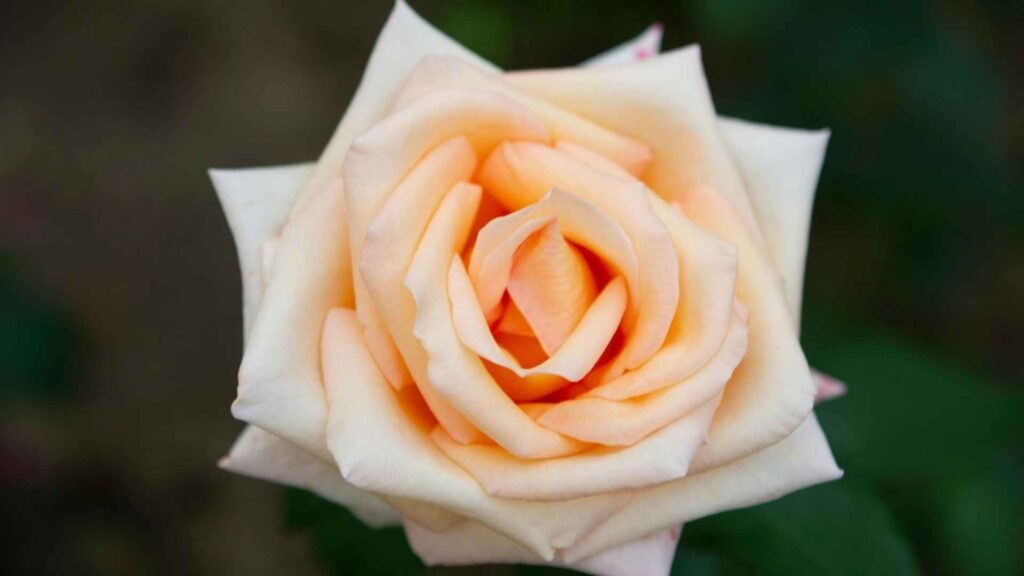
Roses (Rosa species) are among the most popular flowers in the world and are generally considered a cat-friendly choice.
Their beautiful blooms make them suitable for gardens, bouquets, containers, and indoor arrangements.
Why Roses Are a Great Choice
Roses offer:
- Beautiful classic flowers
- A wide range of colors
- Fragrant varieties
- Excellent garden performance
- Attractive cut flowers
Important Considerations
Although the flower itself is considered safe, rose plants have thorns that can cause physical injury. Cats may also experience mild digestive upset if they eat large amounts of plant material.
Avoid using pesticides or chemical treatments on roses where cats may have access to the plants.
Growing Tips
For healthy roses:
- Provide plenty of sunlight.
- Use fertile, well-drained soil.
- Water deeply.
- Prune regularly.
- Monitor for pests.
2. Orchid
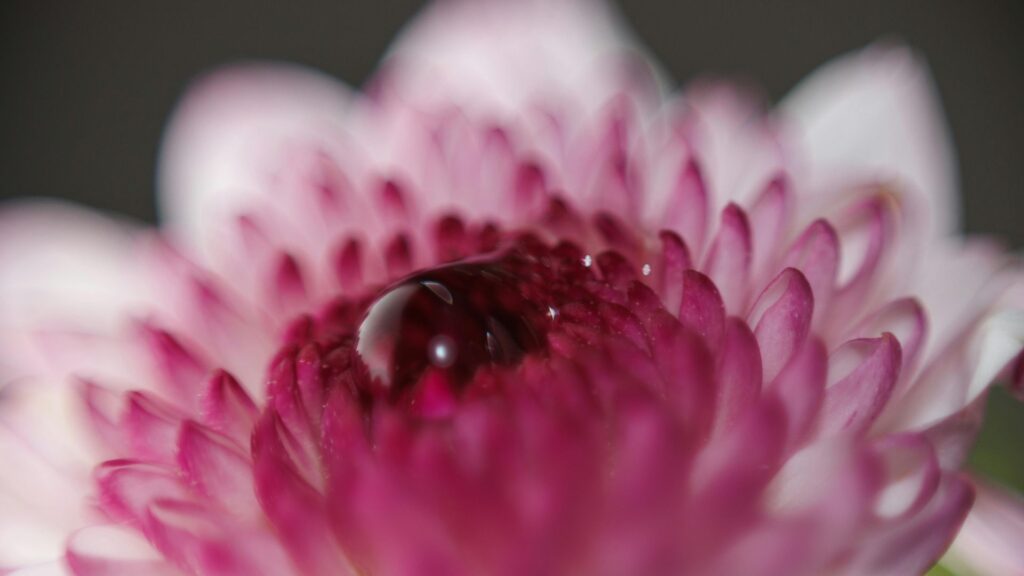
Orchids, particularly popular houseplant varieties such as Phalaenopsis Orchids, are a beautiful option for cat owners.
Their elegant flowers can last for weeks or even months, making them one of the best decorative flowering plants for indoor spaces.
Why Orchids Are Popular
Orchids offer:
- Elegant flowers
- Long-lasting blooms
- Many colors and patterns
- Compact indoor growth
- Attractive decorative value
Growing Conditions
Most common indoor Orchids prefer:
- Bright, indirect light
- Specialized, well-draining growing media
- Moderate watering
- Warm temperatures
- Moderate humidity
Orchids are an excellent alternative for cat owners who want a sophisticated flowering houseplant.
3. Sunflower
Sunflowers (Helianthus species) bring a cheerful and dramatic appearance to gardens.
Their large yellow flower heads are instantly recognizable and can attract pollinators such as bees and butterflies.
Why Sunflowers Are a Good Choice
Sunflowers provide:
- Large, impressive flowers
- Bright summer color
- Easy growth from seed
- Pollinator value
- Attractive garden height
Growing Tips
Sunflowers grow best with:
- Full sun
- Well-drained soil
- Regular watering while young
- Enough space for mature growth
Some varieties can become very tall, while dwarf Sunflowers are suitable for containers.
4. Zinnia
Zinnias (Zinnia species) are colorful annual flowers that can provide blooms throughout much of the summer.
They are especially useful for sunny gardens and are available in numerous colors, including pink, red, orange, yellow, purple, and white.
Why Zinnias Are Excellent
Zinnias offer:
- Bright colorful flowers
- A long blooming season
- Easy growth from seed
- Excellent cut flowers
- Strong pollinator appeal
Growing Conditions
For the best results:
- Plant in full sun.
- Use well-drained soil.
- Water near the base of the plant.
- Provide good air circulation.
- Remove faded flowers to encourage more blooms.
Zinnias are one of the easiest options for creating a colorful cat-friendly flower garden.
5. Petunia
Petunias (Petunia hybrids) are popular flowering plants for containers, hanging baskets, window boxes, and garden borders.
Their colorful blooms can create an impressive display throughout the warmer months.
Why Petunias Are Popular
Petunias provide:
- A long flowering season
- Many color options
- Excellent container performance
- Trailing and upright varieties
- Continuous summer color
Growing Tips
Petunias generally need:
- Full sun
- Fertile, well-drained soil
- Regular watering
- Occasional fertilizer
Some modern varieties are self-cleaning and require less deadheading.
6. African Violet
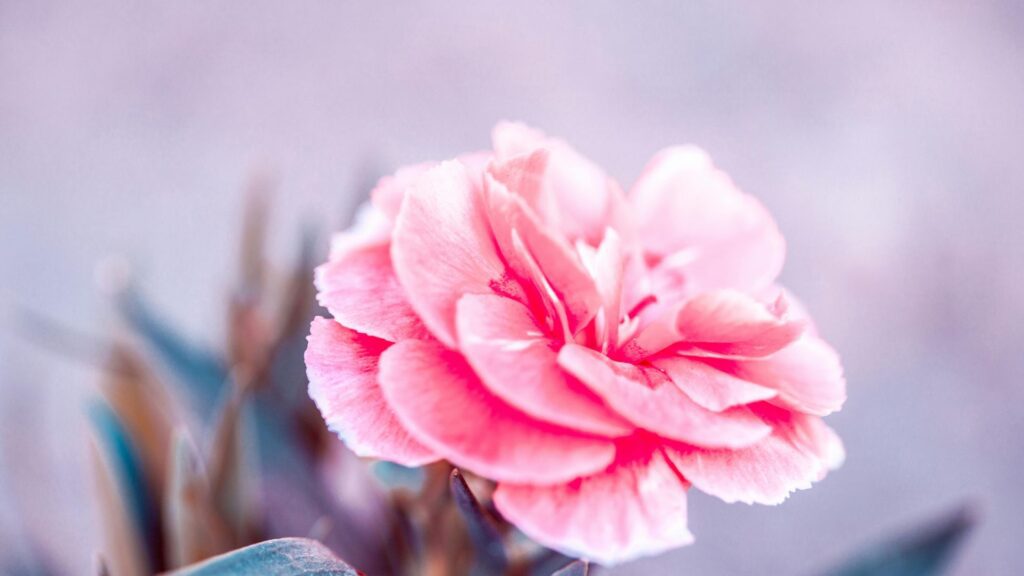
African Violets (Streptocarpus section Saintpaulia) are among the best compact flowering plants for cat-friendly indoor spaces.
Their soft, attractive leaves and colorful flowers make them ideal for shelves, tables, and bright windows.
Why African Violets Are Great Indoors
They offer:
- Compact growth
- Repeated flowering
- Beautiful purple, pink, white, and blue shades
- Attractive foliage
- Easy container growing
Growing Conditions
For healthy plants:
- Provide bright, indirect light.
- Use a lightweight potting mix.
- Keep the soil lightly moist.
- Maintain warm temperatures.
- Avoid harsh direct sunlight.
African Violets are particularly useful for homes where space is limited.
7. Snapdragon
Snapdragons (Antirrhinum majus) are charming flowers known for their distinctive blooms, which resemble small dragon-like faces.
They are popular in cottage gardens, borders, and containers.
Why Snapdragons Are a Great Choice
Snapdragons offer:
- Unique flower shapes
- Tall and colorful flower spikes
- Many color choices
- Excellent border performance
- Attractive cut flowers
Growing Tips
Snapdragons generally grow best with:
- Full sun to partial sun
- Fertile, well-drained soil
- Moderate watering
- Cooler growing conditions
In many climates, they perform particularly well during spring and fall.
8. Gerbera Daisy
Gerbera Daisies (Gerbera jamesonii and hybrids) are known for their large, colorful, daisy-like flowers.
They can brighten indoor spaces, patios, and gardens with shades of red, orange, yellow, pink, and white.
Why Gerbera Daisies Stand Out
They provide:
- Large, colorful flowers
- Bright cheerful appearance
- Excellent cut flowers
- Compact growth
- Strong decorative value
Growing Conditions
Gerbera Daisies perform best with:
- Bright light
- Well-drained soil
- Moderate watering
- Good air circulation
Avoid overwatering because excessive moisture can create problems around the roots and crown.
9. Aster
Asters (Symphyotrichum species and hybrids) are beautiful flowering plants that provide valuable late-season color. Their daisy-like blooms appear in shades of purple, pink, blue, and white, making them excellent additions to gardens.
They are especially useful when many summer flowers begin to fade.
Why Asters Are a Great Choice
Asters offer:
- Late-season flowers
- Bright, colorful blooms
- Strong pollinator appeal
- Perennial varieties
- Excellent garden value
Growing Tips
For healthy growth:
- Plant in full sun.
- Use fertile, well-drained soil.
- Water during prolonged dry periods.
- Provide good air circulation.
- Divide crowded perennial varieties when necessary.
10. Camellia
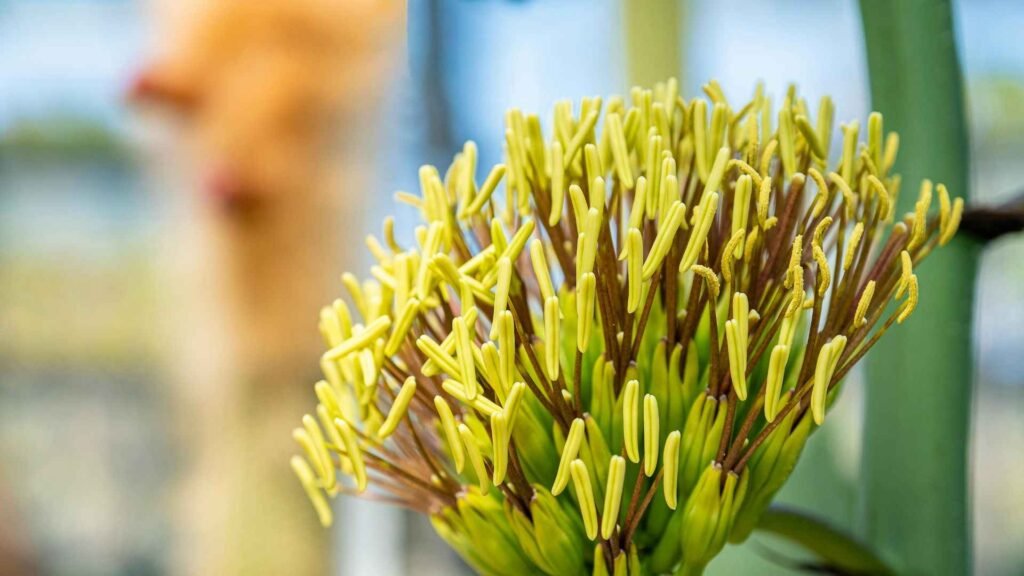
Camellias (Camellia species) are elegant flowering shrubs known for their rose-like blooms and glossy evergreen foliage.
They can produce beautiful flowers in shades of white, pink, and red.
Why Camellias Stand Out
Camellias provide:
- Elegant, long-lasting flowers
- Attractive evergreen foliage
- Many flower forms
- Long-lived shrub growth
- Excellent ornamental value
Growing Conditions
Camellias generally prefer:
- Partial shade
- Well-drained, acidic soil
- Consistent moisture
- Protection from harsh afternoon sun
They are particularly attractive in gardens with mild climates.
11. Freesia
Freesias (Freesia species) are popular for their delicate, trumpet-shaped flowers and sweet fragrance.
They are often grown for cut flowers and can bring elegant color to gardens and indoor arrangements.
Why Freesias Are Special
Freesias offer:
- Sweet fragrance
- Colorful flowers
- Attractive arching stems
- Excellent cut flowers
- Elegant appearance
Growing Tips
For the best results:
- Provide bright light.
- Use well-drained soil.
- Water moderately.
- Avoid constantly wet conditions.
- Support taller stems if needed.
12. Lisianthus
Lisianthus (Eustoma grandiflorum) produces elegant flowers that resemble Roses or Peonies.
Its blooms are available in beautiful shades of purple, pink, white, blue, and bicolor combinations.
Why Lisianthus Is Beautiful
Lisianthus offers:
- Elegant rose-like flowers
- Long-lasting cut blooms
- Multiple color choices
- Sophisticated appearance
- Excellent decorative value
Growing Tips
Lisianthus can be more demanding than some common garden flowers. It generally prefers:
- Bright light
- Fertile, well-drained soil
- Moderate watering
- Warm growing conditions
It is often easier to purchase established plants than to grow from seed.
13. Wax Flower
Wax Flower (Chamelaucium uncinatum) is an attractive flowering shrub known for its small, waxy blooms.
Its delicate flowers are often used in bouquets and floral arrangements because they add texture and can last well after cutting.
Why Wax Flowers Are Popular
Wax Flowers provide:
- Small decorative blooms
- Attractive waxy appearance
- Long-lasting cut flowers
- Fragrant foliage
- Excellent bouquet filler
Growing Conditions
Wax Flower generally prefers:
- Plenty of sunlight
- Well-drained soil
- Moderate watering
- Warm conditions
It is best suited to climates where Mediterranean-type plants can grow successfully.
14. Statice
Statice (Limonium species) is known for its clusters of tiny flowers and papery texture.
It is particularly popular for fresh and dried flower arrangements.
Why Statice Is a Good Choice
Statice offers:
- Long-lasting flowers
- Attractive clusters
- Excellent dried flowers
- Multiple colors
- Good cut-flower value
Growing Tips
Statice performs best with:
- Full sun
- Well-drained soil
- Moderate watering
- Good airflow
Avoid excessive moisture around the roots.
15. Stock
Stock (Matthiola incana) is a classic flowering plant valued for its colorful flower spikes and sweet fragrance.
It is especially popular in cottage gardens and cut-flower arrangements.
Why Stock Is Special
Stock offers:
- Sweet fragrance
- Colorful flower spikes
- Excellent cut flowers
- Classic garden appearance
- Cool-season performance
Growing Conditions
Stock generally grows best with:
- Full sun
- Fertile, well-drained soil
- Moderate watering
- Cooler temperatures
It may struggle during periods of intense summer heat.
16. Celosia
Celosia (Celosia species) is one of the most unusual-looking flowering plants. Its flowers may resemble feathers, flames, or coral-like crests depending on the variety.
Its bold colors make it a striking choice for gardens and containers.
Why Celosia Stands Out
Celosia offers:
- Unique flower shapes
- Bright colors
- Long-lasting blooms
- Good heat tolerance
- Excellent decorative value
Growing Tips
Celosia grows best with:
- Full sun
- Well-drained soil
- Warm temperatures
- Regular watering during establishment
Avoid overwatering mature plants.
17. Magnolia
Magnolias (Magnolia species) are beautiful flowering trees and shrubs known for their large, dramatic blossoms.
Depending on the species, their flowers may appear in white, pink, purple, or cream shades.
Why Magnolias Are Special
Magnolias offer:
- Large, dramatic flowers
- Fragrant varieties
- Long-lived growth
- Beautiful ornamental value
- Attractive landscape presence
Growing Conditions
Magnolia requirements vary by species, but many prefer:
- Full sun to partial shade
- Fertile, well-drained soil
- Regular watering while young
- Enough space for mature growth
Choose a species suitable for your climate and available garden space.
18. Orchids
Orchids are among the most elegant flowers for cat-friendly homes. Many commonly grown Orchids, including Phalaenopsis Orchids, are popular indoor plants because of their long-lasting and colorful blooms.
Why Orchids Are an Excellent Choice
Orchids offer:
- Elegant flowers
- Long-lasting blooms
- Compact indoor growth
- Many colors and patterns
- Strong decorative appeal
Growing Tips
Most common houseplant Orchids prefer:
- Bright, indirect light
- A well-draining orchid-growing medium
- Moderate watering
- Warm indoor temperatures
- Moderate humidity
Orchids can make a beautiful alternative to more problematic flowering plants for homes with curious cats.
19. Sunflower
Sunflowers (Helianthus species) are cheerful, large flowers that can add dramatic color to a cat-friendly garden.
They are easy to grow from seed and are available in dwarf varieties suitable for containers as well as tall varieties for garden borders.
Why Sunflowers Are Popular
Sunflowers provide:
- Large, cheerful flowers
- Easy growth from seed
- Bright summer color
- Pollinator appeal
- Excellent garden height
Growing Conditions
For healthy Sunflowers:
- Plant in full sun.
- Use well-drained soil.
- Water regularly while young.
- Give tall varieties enough space.
- Support very tall plants if necessary.
20. Cosmos
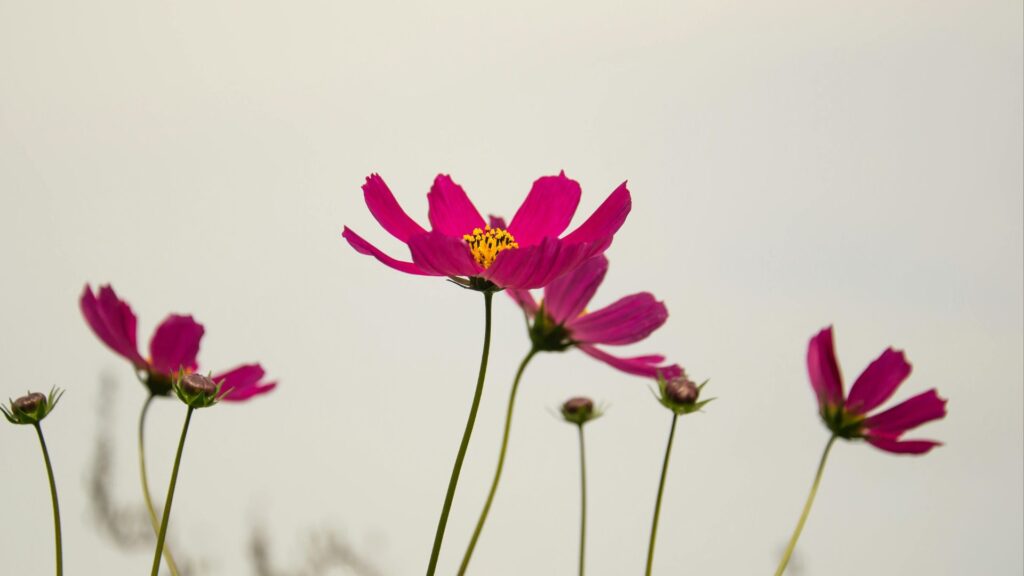
Cosmos (Cosmos species) are delicate-looking but surprisingly easy annual flowers.
Their daisy-like blooms appear in shades of pink, white, purple, orange, yellow, and other colors, depending on the variety.
Why Cosmos Are a Great Garden Choice
Cosmos offer:
- Long blooming periods
- Easy growth from seed
- Attractive flowers
- Pollinator appeal
- Low-maintenance care
Growing Tips
Cosmos perform best with:
- Full sun
- Well-drained soil
- Moderate watering
- Minimal fertilizer
Overly rich soil may encourage excessive foliage growth rather than flowers.
21. Nasturtium
Nasturtiums (Tropaeolum majus) are colorful flowering plants with distinctive round leaves and bright blooms.
They are often grown in containers, borders, and vegetable gardens.
Why Nasturtiums Stand Out
Nasturtiums provide:
- Bright orange, yellow, and red flowers
- Attractive foliage
- Easy growth
- Compact or trailing varieties
- Excellent container performance
Growing Tips
For the best results:
- Provide plenty of sunlight.
- Use well-drained soil.
- Water moderately.
- Avoid excessive fertilizer.
Nasturtiums can grow vigorously and trailing varieties look particularly attractive in hanging baskets.
22. Orchid Cactus
Orchid Cactus (Epiphyllum species and hybrids) produces some of the most spectacular flowers among indoor and container plants.
Its large, dramatic blooms can appear in shades of white, pink, red, orange, and other colors.
Why Orchid Cactus Is Unique
It offers:
- Large, dramatic flowers
- Attractive trailing stems
- Excellent container growth
- Long-lived plant potential
- Tropical appearance
Growing Conditions
Orchid Cactus generally prefers:
- Bright, indirect light
- Well-drained growing media
- Moderate watering
- Warm temperatures
Unlike desert cacti, many Orchid Cactus varieties appreciate more regular moisture during active growth.
23. Spider Flower
Spider Flower (Cleome hassleriana) is a distinctive garden flower known for its unusual blooms and long, prominent stamens.
Its tall growth makes it useful for adding height to flower beds.
Why Spider Flower Is Interesting
Spider Flowers offer:
- Unique flower shapes
- Tall garden growth
- Pink, white, and purple blooms
- Pollinator appeal
- Strong visual impact
Growing Tips
Spider Flowers generally grow best with:
- Full sun
- Well-drained soil
- Moderate watering
- Enough space for mature growth
They can self-seed in suitable garden conditions.
24. Cornflower
Cornflowers (Centaurea cyanus), also known as Bachelor’s Buttons, are charming flowers with distinctive blue blooms.
Modern varieties are also available in pink, purple, white, and other colors.
Why Cornflowers Are a Good Choice
Cornflowers provide:
- Beautiful blue flowers
- Easy growth from seed
- Cottage garden appeal
- Pollinator value
- Excellent cut flowers
Growing Conditions
For healthy growth:
- Plant in full sun.
- Use well-drained soil.
- Water moderately.
- Remove faded flowers for a tidier appearance.
Cornflowers can be especially attractive when planted alongside other colorful annual flowers.
25. Alstroemeria
Alstroemeria (Alstroemeria species), often called Peruvian Lily, produces colorful flowers with attractive markings.
Its long-lasting blooms make it popular in gardens and floral arrangements.
Why Alstroemeria Is Popular
Alstroemeria offers:
- Colorful patterned flowers
- Long-lasting cut blooms
- Multiple flowers per stem
- Elegant garden appearance
- Perennial growth in suitable climates
Growing Tips
For successful growth:
- Provide full sun or light partial shade.
- Use fertile, well-drained soil.
- Water regularly during active growth.
- Protect plants from extreme conditions when necessary.
Always identify plants carefully when shopping because common names can sometimes create confusion with unrelated plants.
How to Choose Flowers for a Home With Cats
Choosing flowers safe for cats involves more than selecting a beautiful plant. It is important to identify the exact species before bringing it into your home.
Check the Scientific Name
Common names can sometimes refer to different plants. For example, plants described as “lilies” may belong to completely different botanical groups.
Always check:
- The scientific name
- The exact species
- Plant safety information
- Labels from reputable nurseries
Consider the Whole Plant
Cats may interact with more than flowers. They can chew:
- Leaves
- Stems
- Petals
- Seeds
- Pollen
Even flowers considered non-toxic should not be treated as food for cats.
Avoid Chemical Exposure
A flower itself may be considered non-toxic, but pesticides, fertilizers, floral preservatives, and other chemicals can create additional risks.
For flowers placed where cats can reach them:
- Avoid unnecessary chemical treatments.
- Keep fertilizers stored safely.
- Do not allow cats to drink vase water containing preservatives.
- Remove damaged plant material promptly.
Know the Difference Between Cat-Friendly and Cat-Proof
No plant is completely “cat-proof” if a determined cat can knock over a pot, dig in the soil, or chew large amounts of plant material.
The goal is to choose plants that are not known to contain dangerous toxins while also reducing opportunities for destructive behavior.
Best Flowers Safe for Cats by Location
Best Indoor Flowers Safe for Cats
Popular choices for indoor spaces include:
- Orchids
- African Violets
- Gerbera Daisies
- Some Begonias
- Christmas Cactus
These plants can add color to bright indoor rooms while remaining attractive in containers.
Best Outdoor Flowers Safe for Cats
For gardens and sunny spaces, consider:
- Roses
- Sunflowers
- Zinnias
- Petunias
- Snapdragons
- Cosmos
- Cornflowers
Combining several species can create a colorful garden with flowers blooming at different times.
Best Cat-Friendly Flowers for Cut Arrangements
Beautiful options for floral displays can include:
- Roses
- Orchids
- Gerbera Daisies
- Freesias
- Lisianthus
- Sunflowers
When purchasing bouquets, carefully check every flower and filler plant because mixed arrangements may contain ingredients that are not suitable for homes with cats.
Best Recommendations
| Purpose | Recommended Flower | Why It Stands Out |
|---|---|---|
| Best Overall | Rose | Classic, beautiful, and widely available |
| Best Indoor Flower | Orchid | Elegant and long-lasting blooms |
| Best for Beginners | African Violet | Compact and relatively easy to grow |
| Best Garden Flower | Zinnia | Colorful and long blooming |
| Best Large Flower | Sunflower | Dramatic and cheerful |
| Best for Containers | Petunia | Excellent long-season color |
| Best Cut Flower | Rose | Beautiful and versatile |
| Most Colorful | Gerbera Daisy | Bright, bold flower shades |
| Best for Pollinators | Cosmos | Attractive to beneficial insects |
| Best Low-Maintenance | Sunflower | Easy to grow from seed |
FAQs
What flowers are completely safe for cats?
Many commonly recommended cat-friendly flowers include Roses, Orchids, African Violets, Sunflowers, Zinnias, Petunias, Snapdragons, Gerbera Daisies, Cosmos, and Freesias.
However, always confirm the exact plant species before bringing a flower home.
Are Roses safe for cats?
Roses are generally considered a cat-friendly flower. However, rose thorns can cause physical injury, and pesticides or other chemicals used on the plant may create additional risks.
Are Orchids safe for cats?
Common houseplant Orchids are widely considered a cat-friendly choice and are popular for homes with cats.
Are Sunflowers safe for cats?
Sunflowers are generally considered a cat-friendly flowering option. As with other plants, cats should not be encouraged to eat large amounts of any plant material.
Which flowers should cat owners be especially careful about?
Cat owners should be particularly cautious about true lilies and other plants commonly referred to as lilies, because some can be extremely dangerous to cats.
Always check the exact scientific name rather than relying only on a common name.
What should I do if my cat eats an unknown flower?
If your cat has eaten an unidentified plant or flower, contact a veterinarian or an appropriate animal poison service as soon as possible. If possible, keep a sample or photograph of the plant to help with identification.
Final Thoughts
Choosing flowers safe for cats allows cat owners to enjoy colorful gardens and beautiful indoor arrangements while making more informed plant choices.
Roses, Orchids, Sunflowers, Zinnias, Petunias, African Violets, Snapdragons, and Gerbera Daisies are among the many attractive options that can bring color into a home or garden.
The most important step is always accurate plant identification. Common names can be misleading, and mixed bouquets may contain several different plant species. Checking the scientific name and reliable plant-safety information before purchasing is especially important for households with curious cats.
By selecting suitable plants and avoiding potentially dangerous flowers, you can create a beautiful space filled with color while helping make your home and garden more cat-friendly.