
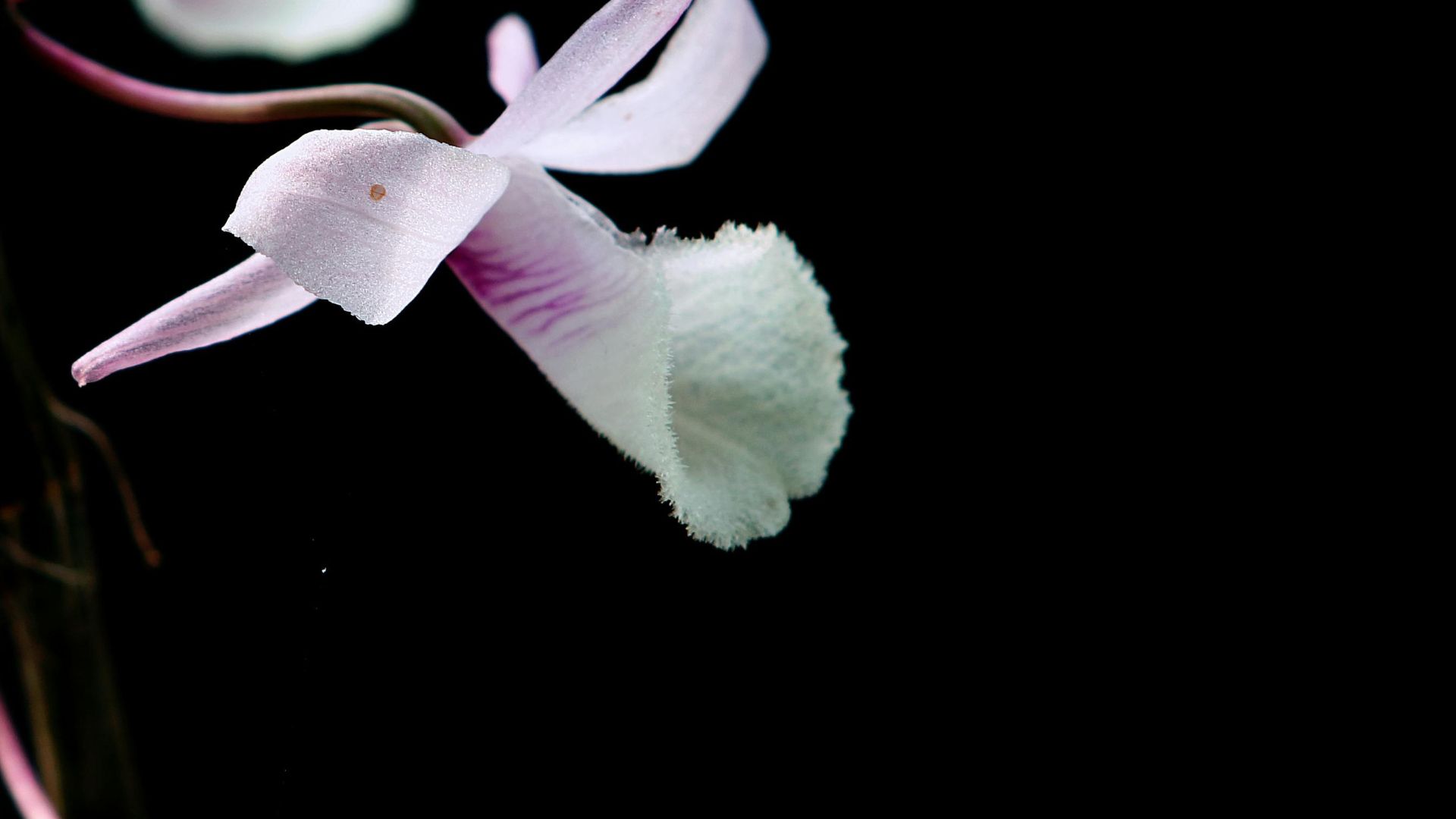
Rare Flowers That Bloom at Night (2026): 20 Magical Night Bloomers
Introduction
While most flowers open their petals during the day to attract bees and butterflies, some of the world’s most extraordinary blooms wait until sunset to reveal their beauty. These rare night-blooming flowers transform gardens, forests, deserts, and tropical landscapes after dark, filling the air with powerful fragrances and attracting nocturnal pollinators such as moths, bats, and beetles.
Night-blooming flowers have evolved unique adaptations that help them thrive when the sun goes down. Many produce bright white or pale-colored petals that reflect moonlight, making them easier for nighttime pollinators to locate. Others release their strongest fragrance only after dusk, ensuring their scent travels farther through the cool evening air.
Many of these flowers are also exceptionally rare. Some bloom for only a single night each year, while others flower unpredictably or grow only in remote tropical forests and mountain habitats. Because their blooms are so short-lived, witnessing one in full bloom is often considered a once-in-a-lifetime experience for gardeners and nature lovers.
In this guide, you’ll discover 20 rare flowers that bloom at night, learn where they grow, what makes them unique, and why these mysterious nocturnal blooms continue to fascinate botanists around the world.
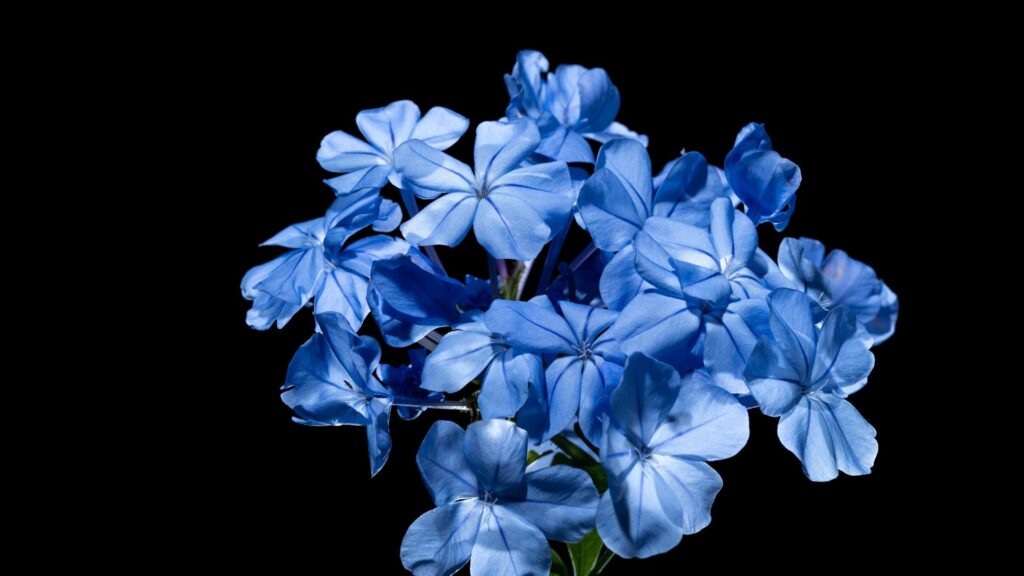
Quick Answer
Some of the most spectacular rare flowers that bloom at night include the Kadupul Flower, Queen of the Night, Night-Blooming Cereus, Moonflower, Brahma Kamal, Dutchman’s Pipe Cactus, Evening Primrose, Angel’s Trumpet, Moon Orchid, Night Phlox, Tuberose, Chocolate Flower, Four O’Clock Flower, Night-Scented Orchid, Epiphyllum Hookeri, Corpse Flower, Night Gladiolus, Queen Victoria Agave, Silene noctiflora, and Casablanca Lily.
These flowers are famous for their nighttime blooms, intoxicating fragrances, and specialized relationships with nocturnal pollinators.
Quick Comparison
- Rarest Night Bloomer: Kadupul Flower
- Best Fragrance: Night Phlox
- Largest Night Bloom: Corpse Flower
- Best Moon Garden Flower: Moonflower
- Most Famous Cactus Bloom: Queen of the Night
- Best Tropical Night Flower: Moon Orchid
- Most Sacred Night Flower: Brahma Kamal
Comparison Table
| Flower | Native Region | Bloom Time | Why It’s Rare |
|---|---|---|---|
| Kadupul Flower | Sri Lanka | Midnight | Blooms only for one night |
| Queen of the Night | Central America | Late Night | Short-lived annual bloom |
| Night-Blooming Cereus | Americas | Evening | Flowers only one night |
| Moonflower | Tropical Americas | Dusk | Large fragrant night blooms |
| Brahma Kamal | Himalayas | Night | High-altitude habitat |
| Dutchman’s Pipe Cactus | Mexico | Night | Rare cactus flowering |
| Evening Primrose | North America | Evening | Brief nightly blooms |
| Angel’s Trumpet | South America | Evening | Strong nocturnal fragrance |
| Moon Orchid | Southeast Asia | Night | Specialized pollination |
| Night Phlox | South Africa | Evening | Powerful nighttime scent |
Detailed Guide
1. Kadupul Flower
The Kadupul Flower (Epiphyllum oxypetalum), often called the Queen of the Night in Sri Lanka, is one of the world’s most legendary night-blooming flowers.
Its enormous white blossoms open only after dark and begin fading before sunrise, making every bloom a brief but unforgettable spectacle.
Why It’s Rare
The Kadupul Flower is considered rare because it:
- Blooms only at night
- Lasts just a few hours
- Produces unpredictable flowering cycles
- Wilts before daylight
- Is difficult to witness in full bloom
Native Habitat
It naturally grows in:
- Sri Lanka
- India
- Southern Asia
- Tropical forests
Today it is also cultivated in botanical gardens and home collections throughout tropical regions.
Interesting Facts
- The flowers often begin opening around 9–10 PM.
- Peak fragrance usually occurs near midnight.
- Individual blooms can exceed 10 inches (25 cm) across.
- It is considered sacred in parts of Sri Lanka.
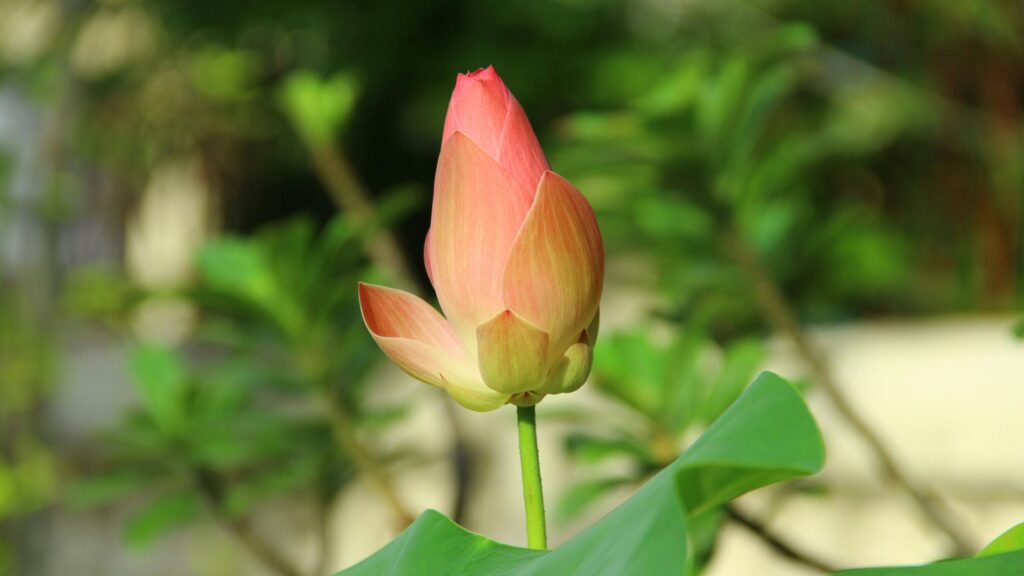
2. Queen of the Night
The Queen of the Night (Epiphyllum hookeri and related night-blooming cacti) is famous for producing spectacular white flowers that open after sunset.
The blooms are exceptionally fragrant and often attract large hawk moths during the night.
Unique Features
This remarkable cactus is admired for its:
- Giant white flowers
- Sweet fragrance
- Elegant narrow petals
- One-night blooming cycle
- Fast-opening blossoms
Native Habitat
It naturally occurs in:
- Mexico
- Central America
- Caribbean forests
The plant grows as an epiphyte on trees in warm tropical environments.
3. Night-Blooming Cereus
The Night-Blooming Cereus (Selenicereus grandiflorus) is one of the most famous nocturnal cacti.
Its flowers remain tightly closed during the day before suddenly opening after sunset to reveal spectacular white petals surrounding golden stamens.
Why It’s Special
The Night-Blooming Cereus is known for:
- Large white flowers
- Strong sweet fragrance
- Rapid nighttime blooming
- Pollination by moths
- Rare annual flowering
Distribution
It naturally grows in:
- Caribbean
- Mexico
- Central America
It thrives in warm, humid climates with excellent drainage.
4. Moonflower
The Moonflower (Ipomoea alba) is a vigorous climbing vine that produces enormous trumpet-shaped white flowers.
Each bloom opens rapidly at dusk and remains open throughout the night before closing the following morning.
Distinctive Characteristics
The Moonflower features:
- Large white blooms
- Heart-shaped leaves
- Sweet evening fragrance
- Fast-growing vines
- Excellent moonlight visibility
Native Habitat
It naturally grows in:
- Mexico
- Central America
- Tropical South America
The plant is widely cultivated in moon gardens around the world.
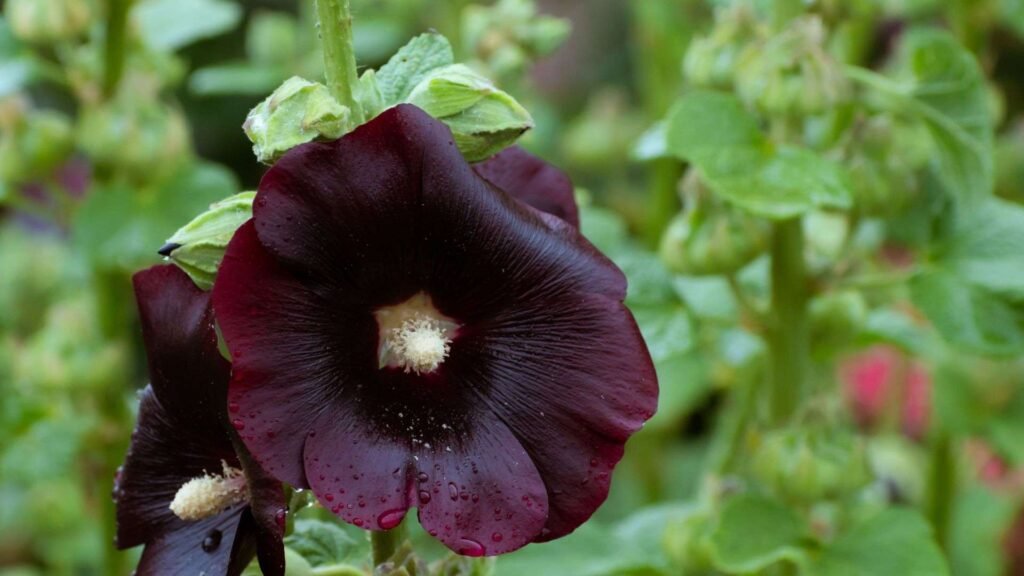
5. Brahma Kamal
The Brahma Kamal (Saussurea obvallata) is one of the Himalayas’ most sacred flowers.
Although growing in harsh alpine environments, its large creamy-white blooms often open during the evening or nighttime, adding to its mystical reputation.
Why It’s Special
The Brahma Kamal is admired for its:
- Sacred significance
- Night-opening blooms
- Large white flowers
- High-altitude adaptation
- Exceptional rarity
Native Habitat
It naturally occurs in:
- India
- Nepal
- Bhutan
- Tibet
It grows on rocky Himalayan slopes above 3,000 meters where few flowering plants can survive.
Why Do Some Flowers Bloom at Night?
Night-blooming flowers have evolved specialized adaptations that increase their chances of successful pollination.
Attracting Nocturnal Pollinators
Many nighttime flowers rely on:
- Hawk moths
- Bats
- Beetles
- Nocturnal bees
These animals become active after sunset when daytime pollinators have disappeared.
Stronger Fragrance
Many night flowers release their strongest scent only after dark.
The cooler evening air allows fragrances to travel farther, helping pollinators locate flowers more easily.
Bright White Petals
Many nocturnal flowers have white or pale-colored petals because they reflect moonlight.
This makes them highly visible during the night while remaining attractive to nighttime insects and bats.
6. Dutchman’s Pipe Cactus
The Dutchman’s Pipe Cactus (Epiphyllum oxypetalum relatives and other epiphytic cacti) produces enormous white flowers that bloom after sunset and usually fade shortly after sunrise.
Its elegant blossoms are among the largest produced by any cactus and release a rich, sweet fragrance throughout the night.
Why It’s Rare
This cactus is considered rare because it:
- Blooms only at night
- Produces flowers for just one night
- Requires mature plants before flowering
- Grows naturally in limited tropical habitats
- Has an unpredictable blooming schedule
Native Habitat
It naturally grows in:
- Mexico
- Central America
- Tropical forests
The plant often grows on tree trunks and rocky cliffs in humid environments.
7. Evening Primrose
The Evening Primrose (Oenothera biennis and related species) is well known for its fascinating blooming habit.
Its yellow flowers begin opening rapidly around sunset, sometimes so quickly that the movement can be observed with the naked eye.
Unique Features
The Evening Primrose is admired for its:
- Bright yellow flowers
- Rapid evening opening
- Sweet fragrance
- Long flowering season
- Pollinator-friendly nectar
Native Habitat
It naturally occurs in:
- North America
- Meadows
- Roadsides
- Open grasslands
Many species have become popular ornamental and medicinal plants worldwide.
8. Angel’s Trumpet
The Angel’s Trumpet (Brugmansia species) is one of the most spectacular night-fragrant flowering shrubs.
Its enormous trumpet-shaped flowers hang downward and release an intense perfume after sunset to attract nocturnal pollinators.
Distinctive Characteristics
Angel’s Trumpet features:
- Large hanging flowers
- White, yellow, pink, or peach blooms
- Strong nighttime fragrance
- Long flowering season
- Tropical appearance
Native Habitat
It naturally grows in:
- Colombia
- Ecuador
- Peru
- Bolivia
Note: All parts of the plant are highly toxic if ingested.
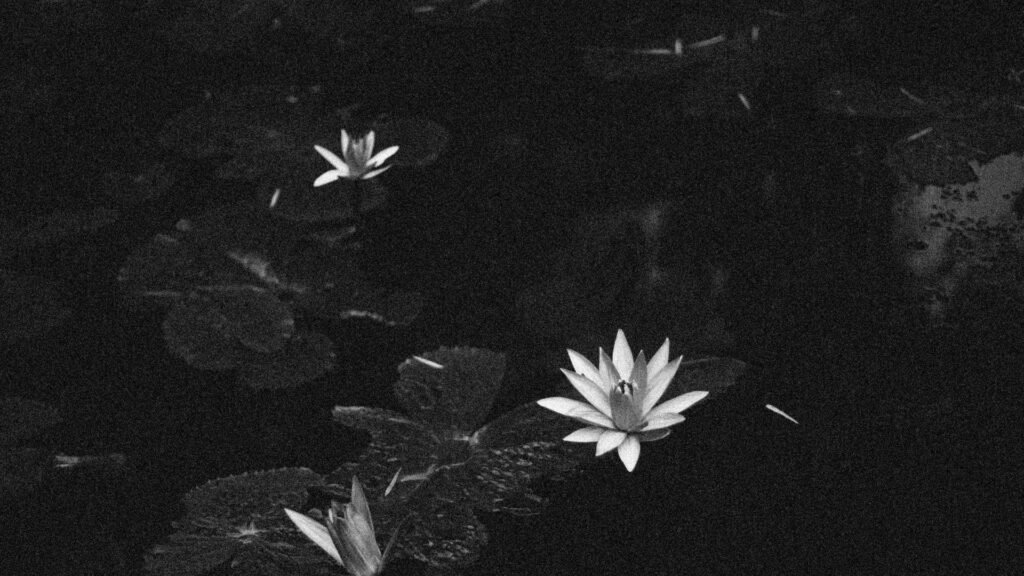
9. Moon Orchid
The Moon Orchid (Phalaenopsis amabilis) is one of Asia’s most elegant orchids.
Although its flowers remain open during the day, their fragrance becomes much stronger during the evening and nighttime when moth pollinators are most active.
Why It’s Special
The Moon Orchid is prized for its:
- Elegant white blooms
- Long-lasting flowers
- Graceful arching stems
- Sweet nighttime fragrance
- Excellent ornamental value
Native Habitat
It naturally occurs in:
- Indonesia
- Malaysia
- Philippines
- Papua New Guinea
The orchid grows naturally on rainforest trees in humid tropical climates.
10. Night Phlox
The Night Phlox (Zaluzianskya capensis) may appear modest during daylight, but after sunset it becomes one of the most fragrant flowers in the garden.
Its sweet scent is often compared to vanilla, almonds, honey, and jasmine.
Why It’s Popular
Gardeners love Night Phlox for its:
- Powerful evening fragrance
- White reverse petals
- Compact growth
- Easy cultivation
- Long blooming season
Native Habitat
It naturally grows in:
- South Africa
It thrives in sunny gardens with well-drained soil.
11. Tuberose
The Tuberose (Agave amica, formerly Polianthes tuberosa) is cultivated worldwide for its incredibly fragrant white flower spikes.
Its perfume becomes noticeably stronger after sunset, making it a favorite for moon gardens and evening landscapes.
Unique Features
The Tuberose is known for its:
- Intense floral fragrance
- Tall flower spikes
- Elegant white blossoms
- Long vase life
- Commercial perfume production
Native Habitat
It originated in:
- Mexico
Today it is widely cultivated throughout Asia and other tropical and subtropical regions.
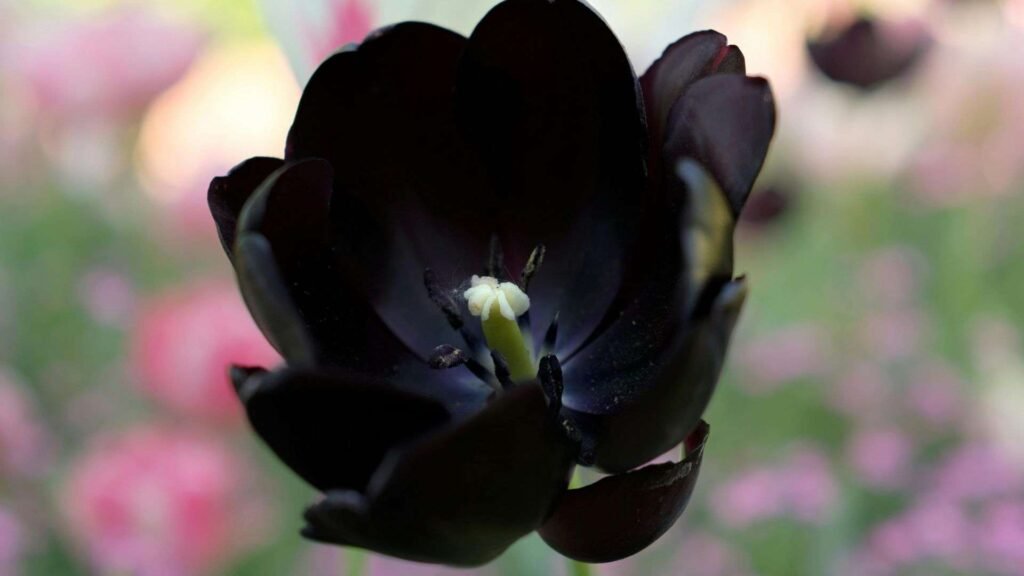
12. Chocolate Flower
The Chocolate Flower (Berlandiera lyrata) produces cheerful yellow daisy-like blooms that release a delicious chocolate-like fragrance during the early morning and evening.
Although not exclusively nocturnal, its scent is strongest during cooler hours.
Why It’s Unique
The Chocolate Flower offers:
- Chocolate-scented blooms
- Bright yellow petals
- Excellent drought tolerance
- Long flowering season
- Pollinator attraction
Native Habitat
It naturally occurs in:
- Texas
- New Mexico
- Arizona
- Northern Mexico
The plant grows well in dry grasslands and rocky soils.
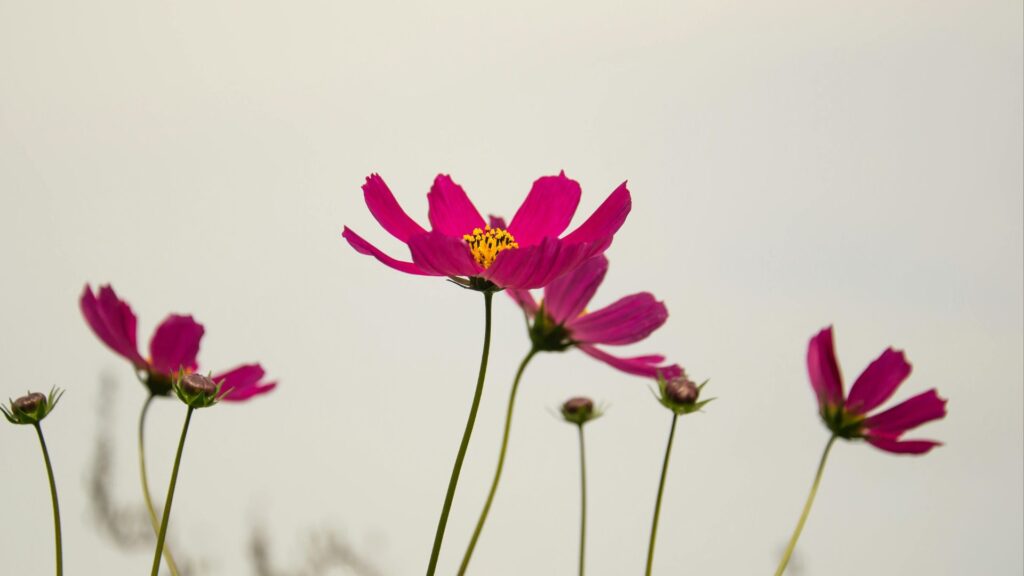
13. Four O’Clock Flower
The Four O’Clock Flower (Mirabilis jalapa) gets its name because its colorful blooms typically begin opening during the late afternoon and remain open throughout the evening and night.
Its sweet fragrance attracts hawk moths and other nighttime pollinators.
Distinctive Characteristics
The Four O’Clock Flower features:
- Trumpet-shaped blooms
- White, pink, yellow, red, or multicolored flowers
- Pleasant evening fragrance
- Easy growth
- Self-seeding habit
Native Habitat
It naturally grows in:
- Peru
- Tropical South America
Today it is cultivated in gardens around the world because of its colorful nighttime display.
Why Night-Blooming Flowers Are So Fragrant
One of the defining features of nocturnal flowers is their strong fragrance.
Attracting Pollinators from a Distance
Because visibility is lower at night, many flowers rely on scent instead of bright colors.
Their fragrance helps attract:
- Hawk moths
- Bats
- Night-flying beetles
- Other nocturnal insects
Cooler Evening Air
Fragrance molecules often travel farther in the cooler, calmer air after sunset.
This allows pollinators to locate flowers more efficiently over greater distances.
Conserving Energy
Many plants release fragrance only during the hours when their pollinators are active.
By producing scent only at night, they conserve energy while maximizing pollination success.
14. Night-Scented Orchid
The Night-Scented Orchid (Epidendrum nocturnum) is one of the most enchanting orchids to bloom after sunset. Its elegant white flowers release a rich, sweet fragrance during the evening, attracting moths that pollinate the blooms under the cover of darkness.
Although the flowers may remain open during daylight, their scent is strongest at night.
Why It’s Rare
The Night-Scented Orchid is considered uncommon because it:
- Grows in specialized tropical habitats
- Depends on nocturnal pollinators
- Produces seasonal blooms
- Is affected by habitat loss
- Has localized wild populations
Native Habitat
It naturally grows in:
- Florida
- Caribbean
- Central America
- Northern South America
The orchid prefers humid forests and swampy environments.
15. Epiphyllum hookeri
The Epiphyllum hookeri is another spectacular night-blooming cactus known for its enormous white flowers and intoxicating fragrance.
Each bloom usually lasts only one night before fading shortly after sunrise.
Unique Features
This remarkable cactus is admired for its:
- Large white flowers
- Strong sweet fragrance
- Long slender petals
- Epiphytic growth habit
- One-night blooming cycle
Distribution
It naturally occurs in:
- Mexico
- Central America
- Caribbean Islands
It commonly grows on trees in tropical rainforests.
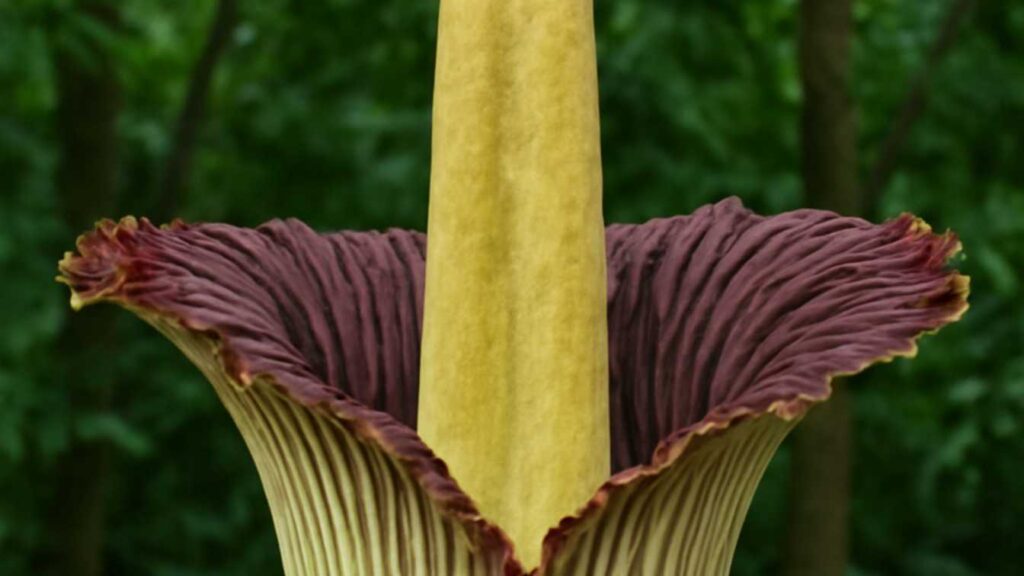
16. Corpse Flower
The Corpse Flower (Amorphophallus titanum) is one of the world’s most unusual flowering plants.
Although it may remain open for more than one evening, its strongest scent and peak pollination activity typically occur at night.
Why It’s Special
The Corpse Flower is famous for its:
- Massive flowering structure
- Powerful odor resembling decaying flesh
- Rare blooming events
- Heat-producing flower spike
- Attraction of carrion insects
Native Habitat
It naturally grows in:
- Sumatra, Indonesia
Botanical gardens around the world often announce blooming events because they occur so infrequently.
17. Night Gladiolus
The Night Gladiolus (Gladiolus tristis) is a graceful flowering bulb native to South Africa.
Unlike many gladiolus species grown for daytime color, this plant produces pale cream flowers with an exceptionally sweet evening fragrance.
Distinctive Characteristics
The Night Gladiolus features:
- Cream-colored flowers
- Strong spicy fragrance
- Slender flower spikes
- Elegant appearance
- Evening blooming habit
Native Habitat
It naturally grows in:
- South Africa
The species thrives in well-drained soils and Mediterranean-type climates.
18. Queen Victoria Agave
The Queen Victoria Agave (Agave victoriae-reginae) is admired for its striking rosette of geometric leaves, but mature plants eventually produce a spectacular flowering stalk.
The flowers open gradually and attract many nocturnal pollinators, including nectar-feeding bats in their native habitat.
Why It’s Unique
This remarkable succulent is known for its:
- Dramatic flower spike
- Long lifespan
- Bat pollination
- Architectural foliage
- Desert adaptation
Native Habitat
It naturally occurs in:
- Northern Mexico
Most plants bloom only once after decades of growth before completing their life cycle.
19. Silene noctiflora
The Silene noctiflora, commonly called the Night-Flowering Catchfly, is a delicate wildflower whose blossoms open during the evening and remain open throughout the night.
Its pale petals and soft fragrance make it easy for moths to locate after sunset.
Why It’s Rare
The Night-Flowering Catchfly remains uncommon because it:
- Has declining natural populations
- Depends on open grasslands
- Produces short-lived blooms
- Faces habitat loss
- Is overlooked because of nighttime flowering
Native Habitat
It naturally grows in:
- Europe
- Western Asia
It thrives in open fields, meadows, and disturbed grasslands.
20. Casablanca Lily
The Casablanca Lily (Lilium ‘Casablanca’) is one of the world’s most fragrant lilies.
While its large white flowers remain open during the day, their powerful perfume becomes much stronger in the evening, attracting night-flying moths.
Unique Features
The Casablanca Lily is admired for its:
- Large snow-white blooms
- Rich evening fragrance
- Elegant trumpet shape
- Long-lasting flowers
- Popularity in gardens and floral arrangements
Cultivation
Although widely cultivated, its parent species originate from East Asia, particularly:
- Japan
- Taiwan
It grows best in fertile, well-drained soil with plenty of sunlight.
Best Places to See Night-Blooming Flowers
Many botanical gardens and protected natural areas host spectacular displays of nocturnal flowers.
| Destination | Famous Night-Blooming Flowers |
|---|---|
| Peradeniya Royal Botanical Garden, Sri Lanka | Kadupul Flower |
| Singapore Botanic Gardens | Moon Orchid, tropical orchids |
| Fairchild Tropical Botanic Garden, USA | Night-Blooming Cereus, Epiphyllum |
| Desert Botanical Garden, Arizona | Night-blooming cacti |
| Royal Botanic Gardens, Kew | Rare orchids and tropical night bloomers |
| Bogor Botanical Gardens, Indonesia | Corpse Flower |
| Himalayan Botanical Gardens | Brahma Kamal |
| Tropical Botanical Gardens, Mexico | Queen of the Night, Agaves |
| Kirstenbosch National Botanical Garden | Night Gladiolus |
| Private Moon Gardens Worldwide | Moonflower, Night Phlox, Tuberose |
These gardens often announce blooming events because many nocturnal flowers bloom for only a single night.
Why Night-Blooming Flowers Are Important
Night-blooming flowers play a vital role in ecosystems by supporting animals that are active after sunset.
Supporting Nocturnal Pollinators
Many species provide nectar for:
- Hawk moths
- Nectar-feeding bats
- Night-flying beetles
- Nocturnal butterflies
Without these flowers, many nighttime pollinators would lose an important food source.
Increasing Biodiversity
Night bloomers help maintain ecological balance by extending pollination beyond daylight hours.
This supports greater plant diversity and healthier ecosystems.
Scientific Value
Researchers study these flowers to better understand:
- Plant evolution
- Pollination strategies
- Fragrance chemistry
- Climate adaptation
- Conservation biology
Their unique flowering behavior continues to inspire botanical research around the world.
Best Recommendations
| Purpose | Recommended Flower | Why It Stands Out |
|---|---|---|
| Best Overall | Kadupul Flower | Legendary one-night bloom with unforgettable beauty |
| Best Fragrance | Night Phlox | Powerful vanilla-like scent after sunset |
| Largest Bloom | Corpse Flower | Produces one of the world’s largest flowering structures |
| Best Moon Garden Plant | Moonflower | Large glowing white blooms that open at dusk |
| Best Night Cactus | Night-Blooming Cereus | Spectacular flowers lasting only one night |
| Best Orchid | Moon Orchid | Elegant white flowers with stronger nighttime fragrance |
| Best Alpine Night Bloomer | Brahma Kamal | Sacred Himalayan flower that often opens at night |
| Best Tropical Flower | Queen of the Night | Stunning white cactus blooms with intense perfume |
| Best Garden Flower | Tuberose | Long-lasting spikes with exceptional evening fragrance |
| Most Unique | Queen Victoria Agave | Flowers only once after decades of growth |
FAQs
What is the rarest flower that blooms at night?
The Kadupul Flower is widely considered one of the rarest night-blooming flowers because it opens only for a single night and begins to wilt before sunrise. Other exceptionally rare night bloomers include the Corpse Flower, Brahma Kamal, and Night-Blooming Cereus.
Why do some flowers bloom only at night?
Night-blooming flowers have evolved to attract nocturnal pollinators such as hawk moths, bats, and beetles. By opening after sunset and releasing strong fragrances, they maximize their chances of successful pollination.
Which night-blooming flower is the most fragrant?
Night Phlox, Tuberose, Queen of the Night, and Night-Blooming Cereus are among the most fragrant flowers after dark. Their scents become much stronger during the evening when nocturnal pollinators are active.
Can night-blooming flowers be grown at home?
Yes. Many species, including Moonflower, Tuberose, Four O’Clock Flower, and Night-Blooming Cereus, can be grown successfully in home gardens if provided with the right climate and growing conditions.
Which pollinators visit flowers at night?
Common nighttime pollinators include:
- Hawk moths
- Nectar-feeding bats
- Beetles
- Nocturnal bees
- Certain butterflies
These animals rely on fragrance and pale-colored flowers to locate nectar after dark.
Final Thoughts
Rare flowers that bloom at night reveal a fascinating side of the plant kingdom that many people never experience. While most gardens come alive in daylight, these extraordinary blooms wait until sunset to display their beauty, release their richest fragrances, and attract specialized nighttime pollinators.
From the legendary Kadupul Flower and the spectacular Night-Blooming Cereus to the elegant Moon Orchid, fragrant Night Phlox, and majestic Brahma Kamal, each species has evolved unique adaptations for life after dark. Their glowing white petals, intoxicating scents, and brief blooming periods make every flowering event feel truly special.
Many of these remarkable plants also remind us of the importance of conservation. Habitat destruction, climate change, and illegal collection continue to threaten several rare night-blooming species. By supporting botanical gardens, protecting natural habitats, and growing responsibly sourced plants, we can help preserve these nocturnal wonders for future generations.
Whether you’re creating a moon garden, exploring botanical collections, or simply appreciating nature’s diversity, rare flowers that bloom at night offer an unforgettable glimpse into one of the most magical and mysterious aspects of the natural world.