

Rare Mountain Flowers 20 Stunning Alpine Blooms
Introduction
Mountain landscapes are among the most challenging environments for plants to survive. Freezing temperatures, rocky soils, strong winds, intense sunlight, and short growing seasons create harsh conditions that only the toughest species can endure. Yet these rugged environments are home to some of the world’s most breathtaking flowers. Many mountain blooms are found nowhere else on Earth, making them some of the rarest and most valuable plants in nature.
Rare mountain flowers have evolved remarkable adaptations that allow them to thrive at high elevations. Some grow in tiny rock crevices where their roots are protected from freezing temperatures, while others develop woolly leaves that reduce water loss and shield them from intense ultraviolet radiation. Many bloom for only a few weeks each year, taking advantage of the brief alpine summer before snow returns.
Unfortunately, many of these extraordinary flowers face growing threats from climate change, habitat loss, overgrazing, and illegal collection. As temperatures rise, alpine habitats continue shrinking, leaving many mountain plants with fewer suitable places to grow. Conservation programs around the world now work to protect these unique species and preserve their fragile ecosystems.
In this guide, you’ll discover 20 rare mountain flowers, learn where they naturally grow, what makes them unique, and why protecting these remarkable alpine plants is so important.
Quick Answer
Some of the most beautiful rare mountain flowers include the Edelweiss, Himalayan Blue Poppy, Brahma Kamal, Alpine Pasqueflower, Glacier Lily, Snowdon Lily, Queen of the Andes, Ghost Orchid, Pyrenean Lily, Alpine Snowbell, Saussurea gossypiphora, Yellow Lady’s Slipper, Alpine Aster, Moss Campion, Alpine Forget-Me-Not, Blue Himalayan Gentian, Carpathian Bellflower, Mountain Avens, Rock Jasmine, and Balkan Ramonda.
These flowers are admired for their beauty, resilience, limited distribution, and ability to survive in some of the world’s harshest environments.
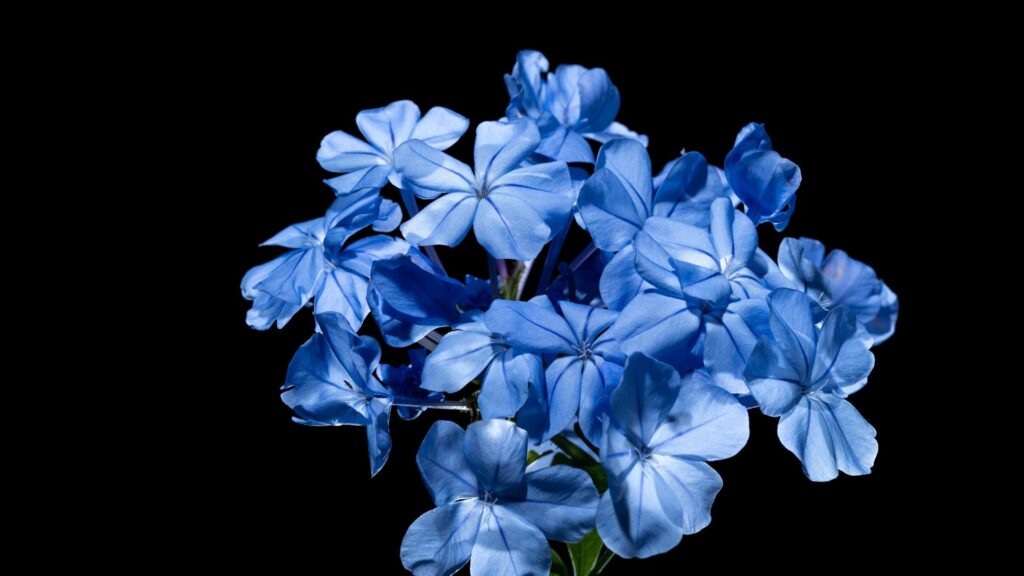
Quick Comparison
- Most Famous Alpine Flower: Edelweiss
- Best Himalayan Flower: Brahma Kamal
- Rarest Orchid: Yellow Lady’s Slipper
- Most Colorful: Himalayan Blue Poppy
- Best Rocky Mountain Flower: Glacier Lily
- Most Unique: Queen of the Andes
- Most Resilient: Balkan Ramonda
Comparison Table
| Flower | Mountain Region | Bloom Season | Why It’s Rare |
|---|---|---|---|
| Edelweiss | European Alps | Summer | High-altitude habitat |
| Himalayan Blue Poppy | Himalayas | Late Spring | Difficult growing conditions |
| Brahma Kamal | Himalayas | Summer | Restricted alpine range |
| Alpine Pasqueflower | Alps | Spring | Limited mountain habitat |
| Glacier Lily | Rocky Mountains | Spring | Short blooming season |
| Snowdon Lily | Wales | Summer | Extremely small population |
| Queen of the Andes | Andes | Once every several decades | Rare flowering cycle |
| Ghost Orchid | Mountain forests | Summer | Specialized habitat |
| Pyrenean Lily | Pyrenees | Summer | Endemic mountain species |
| Alpine Snowbell | Alps | Early Spring | Snowmelt dependence |
Detailed Guide
1. Edelweiss
The Edelweiss (Leontopodium nivale) is one of the world’s most recognizable mountain flowers. Its star-shaped white blooms have become a symbol of the European Alps and represent courage, endurance, and natural beauty.
Its soft, woolly appearance is actually an important survival adaptation that protects the plant from freezing temperatures and intense mountain sunlight.
Why It’s Rare
Several factors contribute to the Edelweiss’s rarity:
- Restricted to high elevations
- Slow natural growth
- Specialized limestone habitat
- Sensitive to environmental changes
- Protected in many countries
Where It Grows
Edelweiss naturally occurs in:
- Switzerland
- Austria
- France
- Italy
- Germany
It thrives on rocky alpine slopes between 1,800 and 3,000 meters above sea level.
Interesting Facts
- The white “petals” are actually woolly bracts.
- Dense hairs reduce water loss and UV damage.
- It has become a symbol of alpine conservation.
- Picking wild Edelweiss is prohibited in many protected areas.
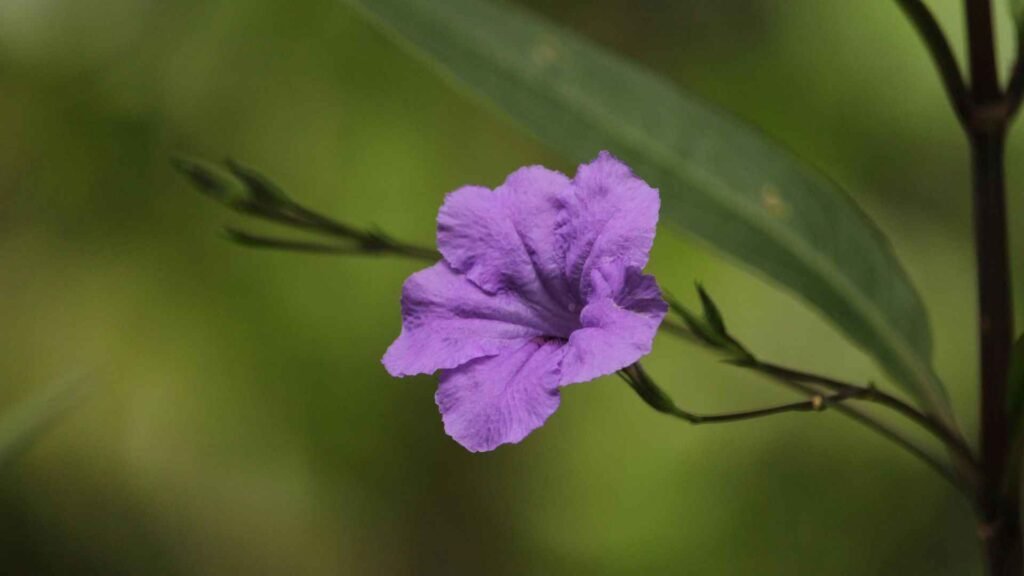
2. Himalayan Blue Poppy
The Himalayan Blue Poppy (Meconopsis species) is widely regarded as one of the world’s most beautiful mountain flowers.
Its brilliant sky-blue petals stand out against rocky Himalayan landscapes, making it a favorite among botanists and alpine gardeners.
Unique Features
The Himalayan Blue Poppy is admired for its:
- Brilliant blue petals
- Golden-yellow center
- Delicate silky texture
- Short blooming period
- Exceptional ornamental value
Native Habitat
It naturally grows in:
- Nepal
- Bhutan
- Northern India
- Tibet
- Southwestern China
The flower prefers cool alpine meadows with moist, well-drained soil.
3. Brahma Kamal
The Brahma Kamal (Saussurea obvallata) is one of the Himalayas’ most sacred and rare flowers. It is the state flower of Uttarakhand and holds great significance in Hindu traditions.
This remarkable alpine plant blooms at elevations where few flowering species can survive.
Why It’s Special
The Brahma Kamal is valued for its:
- Sacred cultural importance
- Large creamy-white blooms
- High-altitude adaptation
- Short flowering season
- Exceptional cold tolerance
Distribution
It naturally occurs in:
- Uttarakhand
- Himachal Pradesh
- Kashmir
- Nepal
- Tibet
The plant grows on rocky alpine slopes above 3,000 meters.
4. Alpine Pasqueflower
The Alpine Pasqueflower (Pulsatilla alpina) is among the first flowers to bloom after mountain snow begins to melt.
Its large white flowers brighten alpine meadows while many surrounding plants are still emerging from winter dormancy.
Distinctive Characteristics
The Alpine Pasqueflower features:
- White cup-shaped flowers
- Bright yellow centers
- Silky stems
- Decorative seed heads
- Excellent frost resistance
Natural Habitat
It naturally grows in:
- Switzerland
- France
- Austria
- Italy
- Slovenia
The flower prefers sunny alpine grasslands and rocky mountain slopes.
5. Glacier Lily
The Glacier Lily (Erythronium grandiflorum) is a beautiful mountain wildflower native to western North America.
Its bright yellow flowers often bloom immediately after snow melts, creating colorful displays across alpine meadows and mountain forests.
Why It’s Rare
Although locally abundant in some areas, the Glacier Lily is considered rare in many alpine ecosystems because it:
- Has a short flowering season
- Depends on snowmelt timing
- Grows mainly at higher elevations
- Is sensitive to climate change
- Requires undisturbed mountain habitats
Where It Grows
Glacier Lilies naturally occur in:
- Rocky Mountains
- Cascade Range
- Sierra Nevada
- British Columbia
- Montana
They flourish in moist mountain meadows, open forests, and subalpine slopes.
Why Mountain Flowers Are So Unique
Mountain flowers have evolved extraordinary adaptations that allow them to survive in some of the planet’s harshest environments.
Adaptation to Extreme Weather
Alpine plants regularly experience:
- Freezing temperatures
- Strong winds
- Heavy snowfall
- Intense sunlight
- Rapid weather changes
Many develop compact growth habits and thick leaves to withstand these conditions.
Short Growing Seasons
Most mountain flowers have only a few weeks each year to:
- Produce leaves
- Grow rapidly
- Flower
- Attract pollinators
- Produce seeds
This short life cycle makes successful reproduction essential for survival.
Specialized Habitats
Many rare mountain flowers grow only in very specific environments, such as:
- Limestone cliffs
- Rocky crevices
- Alpine meadows
- Snowmelt zones
- High-elevation grasslands
Because these habitats are limited, many mountain flowers naturally have very small populations.
6. Snowdon Lily
The Snowdon Lily (Gagea serotina) is one of Britain’s rarest mountain flowers. Despite its common name, this delicate alpine plant is found only in a few isolated mountain locations where cool temperatures and rocky terrain provide suitable conditions.
Its small white flowers bloom during the short mountain summer, making sightings uncommon even for experienced hikers.
Why It’s Rare
The Snowdon Lily is considered rare because it:
- Has an extremely limited distribution
- Requires cold alpine environments
- Grows on steep rocky cliffs
- Produces small natural populations
- Is vulnerable to climate change
Native Habitat
It naturally grows in:
- Snowdonia (Eryri), Wales
- Scottish Highlands
- Other isolated alpine locations in Europe
The plant thrives in rocky crevices where snow often remains late into spring.
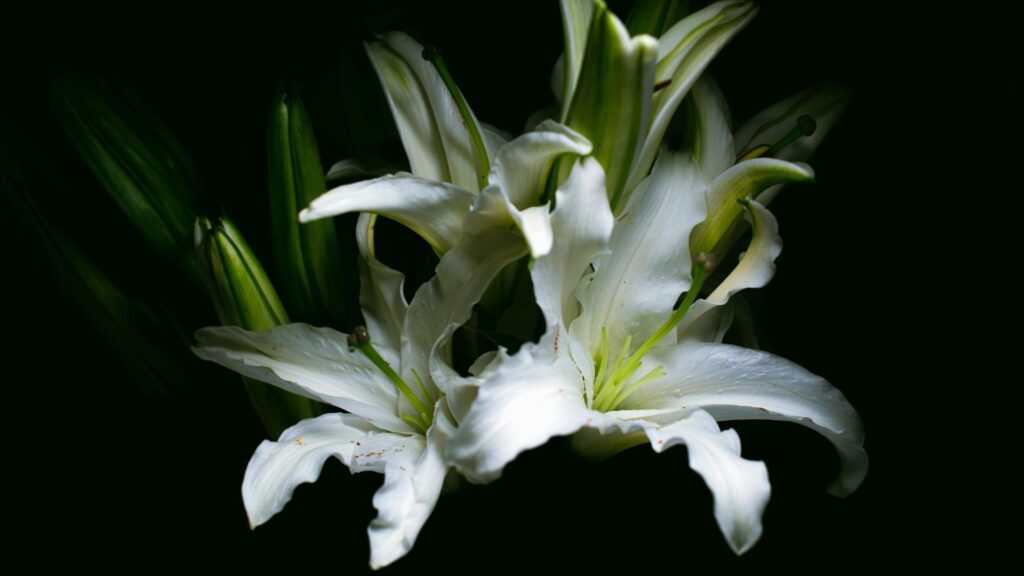
7. Queen of the Andes
The Queen of the Andes (Puya raimondii) is one of the most extraordinary mountain plants in the world. Native to the Andes Mountains, it produces the largest flower spike of any flowering plant.
This giant bromeliad spends decades growing before flowering once and then completing its life cycle.
Unique Features
The Queen of the Andes is famous for its:
- Massive flower spike
- Thousands of individual flowers
- Exceptional height
- Long lifespan
- Once-in-a-lifetime blooming cycle
Native Habitat
It naturally occurs in:
- Peru
- Bolivia
- High Andes Mountains
The species grows at elevations above 3,000 meters in dry alpine grasslands.
8. Ghost Orchid
The Ghost Orchid (Epipogium aphyllum) is one of the world’s most mysterious mountain orchids.
Unlike most flowering plants, it lacks green leaves and depends entirely on underground fungi for nutrients.
Why It’s Special
The Ghost Orchid is admired because of its:
- Pale cream-colored flowers
- Leafless stems
- Unpredictable flowering
- Hidden underground growth
- Rare appearances
Distribution
It naturally occurs in mountainous forests of:
- Switzerland
- Austria
- Germany
- Poland
- Czech Republic
Because it may remain underground for years without flowering, it is rarely seen in the wild.
9. Pyrenean Lily
The Pyrenean Lily (Lilium pyrenaicum) is a beautiful mountain flower that grows only in the Pyrenees between France and Spain.
Its nodding yellow flowers, covered with dark spots, make it easy to recognize.
Distinctive Characteristics
The Pyrenean Lily features:
- Bright yellow flowers
- Curved petals
- Dark spotting
- Graceful stems
- Excellent cold tolerance
Native Habitat
It naturally grows in:
- France
- Spain
- Pyrenees Mountains
- Mountain meadows
- Rocky forest edges
The flower blooms during the warmest weeks of summer.
10. Alpine Snowbell
The Alpine Snowbell (Soldanella alpina) is among the earliest flowers to bloom after winter.
Its delicate violet-blue bells often emerge through melting snow, adding color to alpine landscapes.
Why It’s Rare
Its rarity results from:
- Short flowering season
- Dependence on snowmelt
- High-altitude habitat
- Limited growing range
- Climate sensitivity
Distribution
It naturally occurs in:
- Alps
- Carpathians
- High mountain meadows
- Snowmelt zones
Its early blooms provide valuable nectar for insects emerging after winter.
11. Saussurea gossypiphora
The Saussurea gossypiphora, often called the Snow Lotus, is one of the Himalayas’ most remarkable alpine flowers.
Its dense white woolly covering protects the plant from freezing temperatures and intense ultraviolet radiation.
Unique Features
The Snow Lotus is recognized by its:
- Cotton-like appearance
- Compact growth
- Thick protective hairs
- High-altitude adaptation
- Exceptional cold resistance
Native Habitat
It naturally grows in:
- India
- Nepal
- Bhutan
- Tibet
- Himalayan alpine slopes
Many populations occur above 4,000 meters.
12. Yellow Lady’s Slipper
The Yellow Lady’s Slipper (Cypripedium calceolus) is one of the world’s most famous mountain orchids.
Its brilliant yellow pouch-shaped flower attracts insects through an unusual pollination strategy.
Why It’s Rare
The orchid has become uncommon because of:
- Illegal collection
- Slow growth
- Habitat destruction
- Dependence on soil fungi
- Small remaining populations
Native Distribution
It naturally occurs in:
- Alps
- Carpathian Mountains
- Scandinavian mountains
- Central Europe
Strict legal protection helps conserve this spectacular orchid.
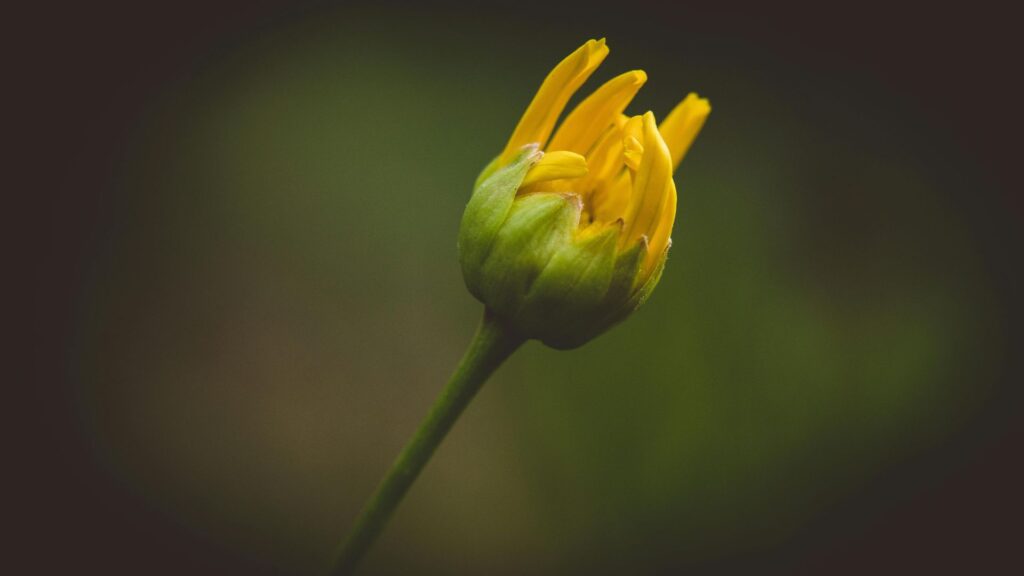
13. Alpine Aster
The Alpine Aster (Aster alpinus) is a colorful perennial wildflower that brightens rocky mountain slopes during summer.
Its purple-blue petals and bright yellow center attract numerous alpine pollinators.
Distinctive Characteristics
The Alpine Aster offers:
- Violet-blue flowers
- Golden center
- Compact growth
- Long blooming period
- Excellent frost tolerance
Natural Habitat
It naturally grows in:
- Alps
- Pyrenees
- Carpathians
- Rocky Mountains
- Scandinavian mountains
The species thrives in sunny alpine meadows and limestone slopes.
Why Many Mountain Flowers Are Endangered
Although mountain ecosystems often appear untouched, many rare alpine flowers are becoming increasingly vulnerable.
Climate Change
Rising temperatures are forcing many alpine species to higher elevations.
Eventually, mountain flowers may have nowhere left to migrate, increasing their risk of extinction.
Habitat Disturbance
Construction of roads, ski resorts, hiking trails, and tourism facilities can damage fragile alpine habitats.
Because many mountain flowers grow slowly, recovering from disturbance may take decades.
Overcollection
Some rare flowers are collected for ornamental or medicinal purposes.
Removing plants from small wild populations can significantly reduce their chances of survival.
Limited Distribution
Many mountain flowers grow on only:
- One mountain
- One valley
- A single mountain range
- Isolated rocky cliffs
This naturally restricted distribution makes them especially vulnerable to environmental changes.
14. Moss Campion
The Moss Campion (Silene acaulis) is one of the toughest mountain flowers in the world. Instead of growing tall, it forms dense, cushion-like mats that hug the ground. This compact shape helps protect the plant from freezing winds while trapping warmth close to its leaves.
Despite its small size, Moss Campion can live for decades and sometimes even more than a century in favorable alpine conditions.
Why It’s Rare
The Moss Campion is considered rare because it:
- Grows mainly at high elevations
- Develops very slowly
- Requires rocky alpine habitats
- Is sensitive to rising temperatures
- Has isolated mountain populations
Native Habitat
It naturally grows in:
- European Alps
- Rocky Mountains
- Arctic regions
- Scandinavian Mountains
- Scottish Highlands
The plant thrives in exposed rocky slopes and alpine tundra.
15. Alpine Forget-Me-Not
The Alpine Forget-Me-Not (Myosotis alpestris) is a charming mountain wildflower known for its brilliant sky-blue petals and bright yellow center.
Although small, its vibrant blooms create stunning displays across alpine meadows during summer.
Unique Features
The Alpine Forget-Me-Not is admired for its:
- Bright blue flowers
- Yellow central eye
- Compact growth habit
- Cold resistance
- Excellent pollinator value
Native Habitat
It naturally occurs in:
- Switzerland
- Austria
- France
- Canada
- Alaska
It prefers cool mountain meadows and well-drained alpine soils.
16. Blue Himalayan Gentian
The Blue Himalayan Gentian (Gentiana species) is one of the most intensely blue flowers found in high mountain ecosystems.
Its trumpet-shaped flowers bloom during late summer, attracting bees and other alpine pollinators.
Why It’s Special
This remarkable flower is known for:
- Brilliant blue petals
- Funnel-shaped blooms
- Rich nectar supply
- High-altitude adaptation
- Exceptional ornamental beauty
Distribution
It naturally grows in:
- Nepal
- Bhutan
- Northern India
- Tibet
- Southwestern China
The species flourishes in moist alpine grasslands and rocky slopes.
17. Carpathian Bellflower
The Carpathian Bellflower (Campanula carpatica) is a graceful perennial that produces numerous blue to violet bell-shaped flowers throughout the summer.
Its colorful blooms brighten rocky mountain landscapes and provide valuable nectar for insects.
Distinctive Characteristics
The Carpathian Bellflower features:
- Bell-shaped flowers
- Blue or violet petals
- Long flowering season
- Compact growth
- Excellent hardiness
Native Habitat
It naturally grows in:
- Romania
- Slovakia
- Ukraine
- Poland
The flower prefers rocky cliffs, mountain meadows, and limestone slopes.
18. Mountain Avens
The Mountain Avens (Dryas octopetala) is a low-growing alpine shrub that produces elegant white flowers with bright yellow centers.
After flowering, its feathery seed heads remain attractive for weeks, adding texture to mountain landscapes.
Why It’s Rare
Mountain Avens is valued because it:
- Thrives in harsh alpine conditions
- Stabilizes rocky soils
- Supports pollinators
- Grows slowly
- Is limited to cold mountain environments
Native Habitat
It naturally occurs in:
- Alps
- Arctic regions
- Scottish Highlands
- Rocky Mountains
- Scandinavian Mountains
It grows on rocky limestone soils with excellent drainage.
19. Rock Jasmine
The Rock Jasmine (Androsace species) is a tiny alpine flower that thrives in narrow rock crevices where few other plants can survive.
Its clusters of pink or white flowers appear during the short alpine summer.
Unique Features
The Rock Jasmine is recognized by its:
- Compact cushion growth
- Small star-shaped flowers
- Excellent drought tolerance
- Frost resistance
- Adaptation to rocky cliffs
Native Habitat
It naturally grows in:
- Alps
- Himalayas
- Pyrenees
- Carpathians
- Rocky Mountains
These plants often survive in places with very little soil.
20. Balkan Ramonda
The Balkan Ramonda (Ramonda serbica) is one of the world’s most remarkable mountain flowers.
Often called a resurrection plant, it can survive extended periods without water by entering a dormant state. Once moisture returns, the plant quickly revives and resumes normal growth.
What Makes It Unique?
The Balkan Ramonda is admired for its:
- Purple-violet flowers
- Resurrection ability
- Evergreen leaves
- Exceptional drought tolerance
- Long lifespan
Native Habitat
It naturally grows in:
- Serbia
- North Macedonia
- Montenegro
- Bulgaria
- Albania
It thrives on shaded limestone cliffs and moist mountain ravines.
Best Places to See Rare Mountain Flowers
Mountain ranges around the world offer incredible opportunities to observe rare alpine flowers in their natural habitats.
| Destination | Famous Flowers |
|---|---|
| Swiss Alps | Edelweiss, Alpine Snowbell |
| Himalayas | Brahma Kamal, Blue Himalayan Gentian, Snow Lotus |
| Rocky Mountains | Glacier Lily, Alpine Aster |
| Pyrenees | Pyrenean Lily |
| Carpathian Mountains | Carpathian Bellflower |
| Andes Mountains | Queen of the Andes |
| Scottish Highlands | Moss Campion |
| Snowdonia, Wales | Snowdon Lily |
| Scandinavian Mountains | Yellow Lady’s Slipper |
| Alpine National Parks | Edelweiss, Alpine Pasqueflower |
These protected mountain regions preserve some of the world’s most extraordinary alpine plants while offering unforgettable hiking and photography opportunities.
How Mountain Flowers Survive Extreme Conditions
Rare mountain flowers have evolved remarkable adaptations that allow them to thrive where few other plants can survive.
Compact Growth
Many alpine flowers grow close to the ground, helping them:
- Resist powerful winds
- Retain heat
- Reduce moisture loss
- Avoid snow damage
Specialized Leaves
Mountain plants often have:
- Thick leaves
- Waxy coatings
- Fine hairs
- Compact leaf arrangements
These adaptations protect them from freezing temperatures, strong sunlight, and dry alpine air.
Deep Root Systems
Many species develop extensive roots that:
- Anchor plants among rocks
- Access deep moisture
- Absorb scarce nutrients
- Improve stability on steep slopes
Rapid Flowering
Because alpine summers are short, many mountain flowers bloom quickly after snow melts.
This allows them to:
- Attract pollinators
- Produce seeds
- Complete reproduction
- Prepare for the next winter
Best Recommendations
| Purpose | Recommended Flower | Why It Stands Out |
|---|---|---|
| Best Overall | Edelweiss | The world’s most iconic alpine flower |
| Best Himalayan Flower | Brahma Kamal | Sacred bloom adapted to extreme elevations |
| Most Colorful | Himalayan Blue Poppy | Brilliant naturally blue petals |
| Most Unique | Queen of the Andes | Produces the world’s largest flower spike |
| Best Early Bloomer | Glacier Lily | Appears soon after mountain snow melts |
| Best Orchid | Yellow Lady’s Slipper | Spectacular protected mountain orchid |
| Most Resilient | Balkan Ramonda | Can revive after severe drought |
| Best Ground Cover | Moss Campion | Forms dense cushions that survive harsh climates |
| Best Pollinator Plant | Alpine Aster | Rich nectar source for alpine insects |
| Best Rock Garden Plant | Rock Jasmine | Beautiful blooms perfect for rocky environments |
FAQs
What is the rarest mountain flower?
The Snowdon Lily and the Queen of the Andes are among the rarest mountain flowers due to their limited natural ranges and specialized habitats. Other exceptionally rare species include the Brahma Kamal, Ghost Orchid, and Yellow Lady’s Slipper.
Which mountain flower is the most famous?
The Edelweiss is widely regarded as the world’s most famous mountain flower. It symbolizes the Alps and is celebrated for its distinctive white, star-shaped blooms and ability to thrive at high elevations.
Why do mountain flowers grow close to the ground?
Many alpine flowers stay low to protect themselves from strong winds, freezing temperatures, and moisture loss. Their compact shape also helps trap warmth from the sun, increasing their chances of survival.
Can mountain flowers grow in home gardens?
Some species, such as the Alpine Aster, Mountain Avens, and cultivated Edelweiss, can be grown in cool climates with excellent drainage. However, many rare alpine flowers require specialized conditions and should never be collected from the wild.
Why are mountain flowers threatened by climate change?
As temperatures rise, alpine habitats become warmer and smaller. Since mountain flowers already grow near the highest elevations, many species have nowhere higher to migrate, increasing their risk of extinction.
Final Thoughts
Rare mountain flowers are among nature’s most remarkable survivors. Growing in some of the harshest environments on Earth, they have evolved extraordinary adaptations that allow them to flourish despite freezing temperatures, rocky soils, powerful winds, and short growing seasons.
From the iconic Edelweiss of the Alps and the sacred Brahma Kamal of the Himalayas to the towering Queen of the Andes and the resilient Balkan Ramonda, each species tells a unique story of adaptation and survival. These alpine blooms not only add breathtaking beauty to mountain landscapes but also play an essential role in supporting pollinators, stabilizing fragile ecosystems, and preserving global biodiversity.
As climate change and habitat loss continue to threaten mountain ecosystems, protecting these rare flowers has never been more important. Supporting conservation efforts, respecting protected habitats, and appreciating these plants responsibly can help ensure that future generations will continue to enjoy their beauty in the wild.
Whether you’re an avid hiker, passionate gardener, nature photographer, or simply a lover of wildflowers, exploring rare mountain flowers offers a fascinating glimpse into one of the planet’s most extraordinary natural environments.