
Rare Flowers in Asia (2026): 20 Stunning Native Blooms
Introduction
Asia is the largest and most diverse continent on Earth, stretching from the frozen tundra of Siberia to the tropical rainforests of Southeast Asia and the towering peaks of the Himalayas. This incredible range of climates and ecosystems makes Asia one of the richest regions in the world for flowering plants. Thousands of native species thrive across its mountains, forests, grasslands, wetlands, deserts, and islands, including many of the world’s rarest and most spectacular flowers.
Many rare flowers in Asia are found only in isolated mountain valleys, remote islands, or ancient forests. Some bloom for only a few days each year, while others require highly specific environmental conditions to survive. Habitat destruction, climate change, illegal plant collection, and expanding human development have placed many of these unique species at risk, making conservation efforts increasingly important.
Beyond their natural beauty, these flowers play a vital role in supporting pollinators, maintaining healthy ecosystems, and preserving biodiversity. Many also hold deep cultural, medicinal, and religious significance in countries such as India, China, Japan, Nepal, Bhutan, Thailand, and Indonesia.
In this guide, you’ll discover 20 rare flowers in Asia, learn where they naturally grow, why they are considered rare, and what makes each species truly extraordinary.
Quick Answer
Some of the most beautiful rare flowers in Asia include the Brahma Kamal, Himalayan Blue Poppy, Jade Vine, Middlemist Red, Kadupul Flower, Rafflesia, Ghost Orchid, Black Orchid, Lady’s Slipper Orchid, Blue Vanda, Corpse Flower, Saussurea gossypiphora, Siroi Lily, Neelakurinji, Foxtail Orchid, Dancing Lady Orchid, Flame Lily, Cobra Lily, Snow Lotus, and Parrot Flower.
These flowers are admired for their rarity, breathtaking beauty, unique adaptations, and limited natural habitats.
Quick Comparison
- Most Famous Himalayan Flower: Brahma Kamal
- Largest Flower: Rafflesia
- Most Beautiful Blue Flower: Himalayan Blue Poppy
- Rarest Orchid: Lady’s Slipper Orchid
- Most Unusual: Corpse Flower
- Best Tropical Flower: Jade Vine
- Most Sacred Flower: Snow Lotus
Comparison Table
| Flower | Native Region | Bloom Season | Why It’s Rare |
|---|---|---|---|
| Brahma Kamal | Himalayas | Summer | High-altitude habitat |
| Himalayan Blue Poppy | Himalayas | Late Spring | Difficult alpine conditions |
| Jade Vine | Philippines | Spring | Declining rainforest habitat |
| Middlemist Red | China | Spring | Extremely limited population |
| Kadupul Flower | Sri Lanka | Night blooming | Short-lived flowers |
| Rafflesia | Southeast Asia | Throughout year | Specialized host plant |
| Ghost Orchid | Southeast Asia | Summer | Rare forest habitat |
| Black Orchid | Borneo | Spring | Limited distribution |
| Lady’s Slipper Orchid | Himalayas | Spring | Endangered orchid |
| Blue Vanda | Northeast India | Spring–Summer | Restricted natural range |
Detailed Guide
1. Brahma Kamal
The Brahma Kamal (Saussurea obvallata) is one of Asia’s most revered mountain flowers. Native to the Himalayas, it is considered sacred in Hinduism and is often associated with temples and religious ceremonies.
This extraordinary plant grows at elevations above 3,000 meters, where freezing temperatures and rocky terrain create one of the harshest environments for flowering plants.
Why It’s Rare
The Brahma Kamal is considered rare because it:
- Grows only at high elevations
- Requires cold alpine climates
- Has a short blooming season
- Faces habitat changes due to climate warming
- Is protected in several regions
Where It Grows
It naturally occurs in:
- India
- Nepal
- Bhutan
- Tibet
The flower blooms during the brief Himalayan summer in alpine meadows and rocky slopes.
Interesting Facts
- It is the state flower of Uttarakhand, India.
- The flower blooms mainly during the night.
- It has significant cultural and religious importance.
- Its protective bracts shield the delicate flowers from harsh mountain weather.
2. Himalayan Blue Poppy
The Himalayan Blue Poppy (Meconopsis species) is famous for its brilliant sky-blue petals, making it one of the rarest naturally blue flowers in the world.
Its stunning color and delicate appearance have made it one of Asia’s most admired alpine plants.
Unique Features
The Himalayan Blue Poppy is valued for its:
- Vibrant blue flowers
- Golden-yellow center
- Silky petals
- Cool-climate adaptation
- Exceptional ornamental beauty
Native Habitat
It naturally grows in:
- Nepal
- Bhutan
- Northern India
- Tibet
- Southwestern China
The species prefers moist alpine meadows with cool temperatures throughout the growing season.
3. Jade Vine
The Jade Vine (Strongylodon macrobotrys) is one of Asia’s most spectacular tropical flowers.
Its cascading clusters of glowing turquoise flowers are unlike almost any other plant in the world.
Why It’s Special
The Jade Vine is admired because of its:
- Brilliant turquoise blooms
- Long hanging flower clusters
- Strong climbing habit
- Bat pollination
- Tropical rainforest adaptation
Distribution
It naturally occurs in:
- Philippines
The vine grows in humid tropical rainforests where mature trees provide support for its long stems.
4. Middlemist Red
The Middlemist Red (Camellia japonica cultivar) is often described as one of the world’s rarest flowering plants.
Originally introduced from China, only a few cultivated specimens are believed to survive today.
Why It’s Rare
Its rarity results from:
- Extremely small known population
- Historical habitat loss
- Limited cultivation
- Slow propagation
- High conservation value
Flower Characteristics
The Middlemist Red produces:
- Bright pink blossoms
- Dense layered petals
- Glossy evergreen foliage
- Long flowering period
- Elegant camellia form
Although originally associated with China, surviving plants are preserved in botanical collections.
5. Kadupul Flower
The Kadupul Flower (Epiphyllum oxypetalum), also called the Queen of the Night, is one of Asia’s most fascinating flowers.
Native to Sri Lanka and parts of South Asia, it blooms only at night and begins to wilt before sunrise, making each bloom an unforgettable event.
Why It’s Rare
The Kadupul Flower is considered remarkable because it:
- Blooms only at night
- Lasts only a few hours
- Produces highly fragrant flowers
- Cannot be harvested after blooming
- Is rarely seen in full bloom
Native Habitat
It naturally grows in:
- Sri Lanka
- India
- Parts of Southeast Asia
The plant prefers warm, humid forests and is also cultivated in tropical gardens throughout Asia.
Why Asia Has So Many Rare Flowers
Asia’s enormous size and diverse geography have created ideal conditions for the evolution of thousands of unique flowering plants.
Diverse Climate Zones
Asia contains nearly every major climate, including:
- Alpine mountains
- Tropical rainforests
- Temperate forests
- Deserts
- Wetlands
- Coastal ecosystems
Each habitat supports different plant communities with specialized adaptations.
Geographic Isolation
Mountain ranges, islands, and dense forests have allowed many flowers to evolve independently over millions of years.
As a result, numerous species are endemic, meaning they occur naturally in only one region.
Rich Biodiversity Hotspots
Asia contains several globally important biodiversity hotspots, including:
- The Himalayas
- Western Ghats
- Sundaland
- Indo-Burma
- Philippines
These regions support exceptionally high numbers of endemic and endangered flowering plants.

6. Rafflesia
The Rafflesia (Rafflesia arnoldii) is famous for producing the largest individual flower in the world. Some blooms can exceed 3 feet (1 meter) in diameter and weigh more than 20 pounds (9 kilograms).
Despite its enormous size, the plant has no stems, leaves, or roots of its own. Instead, it lives as a parasite inside the vines of the Tetrastigma plant until it is ready to bloom.
Why It’s Rare
The Rafflesia is considered rare because it:
- Depends on a specific host vine
- Takes months to develop a single flower
- Blooms for only a few days
- Grows in remote rainforests
- Faces habitat loss from deforestation
Native Habitat
It naturally occurs in:
- Indonesia
- Malaysia
- Thailand
- Parts of the Philippines
The flower grows in humid tropical rainforests with undisturbed ecosystems.
7. Ghost Orchid
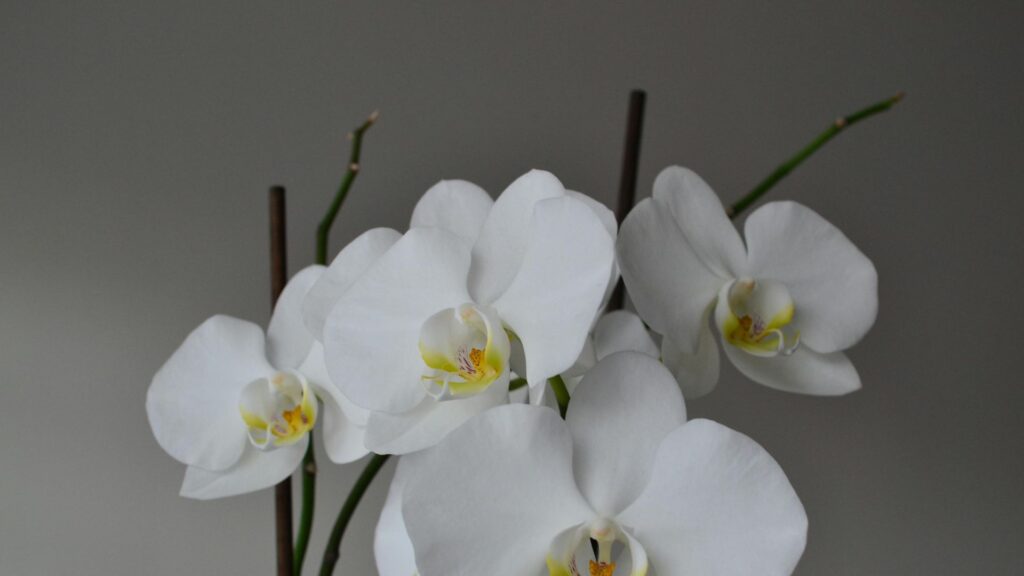
The Ghost Orchid is one of Asia’s most mysterious orchids. Its pale white flowers appear to float in the air because the plant has very few visible leaves.
Many species commonly referred to as Ghost Orchids grow in the tropical forests of Southeast Asia.
Unique Features
The Ghost Orchid is admired for its:
- Pure white flowers
- Leafless appearance
- Elegant shape
- Specialized pollination
- Elusive nature
Distribution
It naturally grows in:
- Thailand
- Malaysia
- Indonesia
- Myanmar
The orchid usually grows high on mature trees in humid forests.
8. Black Orchid
The Black Orchid (Coelogyne pandurata) is one of Asia’s most spectacular orchids.
Its striking green petals and nearly black patterned lip create one of the most unusual color combinations found in nature.
Why It’s Special
The Black Orchid is valued for its:
- Rare color contrast
- Exotic appearance
- Fragrant flowers
- Large blooms
- High ornamental value
Native Habitat
It naturally occurs in:
- Borneo
- Indonesia
- Malaysia
The orchid grows as an epiphyte on large rainforest trees.
9. Lady’s Slipper Orchid
The Lady’s Slipper Orchid (Cypripedium species) is among Asia’s most beautiful native orchids.
Its distinctive pouch-shaped flower traps visiting insects temporarily, helping ensure successful pollination before allowing them to escape.
Why It’s Rare
This orchid has become uncommon because of:
- Illegal collection
- Slow natural growth
- Habitat destruction
- Dependence on soil fungi
- Limited mountain habitats
Native Distribution
It naturally occurs in:
- China
- Nepal
- Bhutan
- Northern India
- Russia
Many species are now protected under conservation laws.
10. Blue Vanda
The Blue Vanda (Vanda coerulea) is one of the few orchids that naturally produce true blue flowers.
Its elegant blooms and long flowering period have made it highly desirable among orchid enthusiasts worldwide.
Distinctive Characteristics
The Blue Vanda features:
- Lavender-blue petals
- Checkerboard pattern
- Sweet fragrance
- Long-lasting flowers
- Excellent hybrid potential
Native Habitat
It naturally grows in:
- India
- Myanmar
- Thailand
- China
The orchid thrives in humid forests with filtered sunlight.
11. Corpse Flower
The Corpse Flower (Amorphophallus titanum) is one of the world’s most extraordinary flowering plants.
It produces one of the largest unbranched flower structures on Earth and emits a powerful odor resembling decaying flesh to attract pollinating insects.
Why It’s Unique
The Corpse Flower is famous for its:
- Massive flowering structure
- Powerful scent
- Rare blooming cycle
- Short flowering period
- Tropical rainforest habitat
Distribution
It naturally occurs in:
- Sumatra, Indonesia
Because the plant flowers only occasionally, witnessing a bloom is considered a remarkable event.
12. Saussurea gossypiphora
The Saussurea gossypiphora, often called the Snow Lotus, is one of the Himalayas’ most remarkable alpine flowers.
Its dense white woolly covering protects it from freezing temperatures, strong winds, and intense ultraviolet radiation.
Why It’s Rare
The Snow Lotus remains uncommon because it:
- Grows above 4,000 meters
- Requires cold alpine habitats
- Grows slowly
- Is collected for traditional medicine
- Faces climate-related habitat loss
Native Habitat
It naturally occurs in:
- India
- Nepal
- Bhutan
- Tibet
It grows on rocky alpine slopes where few flowering plants can survive.
13. Siroi Lily
The Siroi Lily (Lilium mackliniae) is an elegant mountain flower found only in Manipur, India.
Its soft pink to pale lavender flowers bloom for only a few weeks each year on the mist-covered Siroi Hills.
Unique Features
The Siroi Lily is admired for its:
- Delicate pastel-colored blooms
- Graceful trumpet shape
- Pleasant fragrance
- Restricted distribution
- Exceptional beauty
Native Habitat
It naturally grows only in:
- Siroi Hills
- Manipur
- Northeastern India
Because it exists naturally in just one mountain range, it is considered one of Asia’s most endangered lilies.
Why Many Asian Flowers Are Endangered
Asia’s incredible floral diversity is increasingly threatened by both natural and human-caused factors.
Habitat Loss
Rapid urbanization, agriculture, mining, and deforestation continue to reduce natural habitats across the continent.
Many rare flowers survive only in small protected forests or mountain reserves.
Climate Change
Changing temperatures and rainfall patterns are affecting flowering seasons and shrinking suitable habitats, especially for alpine species in the Himalayas.
Illegal Collection
Rare orchids, lilies, and medicinal plants are often collected from the wild for commercial trade.
Removing plants from already small populations can significantly reduce their chances of long-term survival.
Invasive Species
Introduced plants may outcompete native flowers for:
- Water
- Sunlight
- Nutrients
- Growing space
This competition threatens many localized species that have evolved in isolated habitats.
14. Neelakurinji
The Neelakurinji (Strobilanthes kunthiana) is one of Asia’s most spectacular flowering plants. It is famous for blooming only once every 12 years, transforming the hills of the Western Ghats into a breathtaking carpet of blue-purple flowers.
This extraordinary mass flowering attracts thousands of visitors and is one of the most remarkable natural events in Asia.
Why It’s Rare
The Neelakurinji is considered rare because it:
- Blooms only once every 12 years
- Grows mainly in the Western Ghats
- Requires specific mountain conditions
- Is threatened by habitat loss
- Has a limited natural distribution
Native Habitat
It naturally occurs in:
- Kerala
- Tamil Nadu
- Western Ghats, India
The plant thrives in high-altitude grasslands and mountain slopes.
15. Foxtail Orchid
The Foxtail Orchid (Rhynchostylis retusa) is one of Asia’s most beautiful native orchids.
Its long, cascading flower clusters resemble the tail of a fox, giving the plant its common name.
Unique Features
The Foxtail Orchid is admired for its:
- Hanging flower spikes
- White flowers with pink spots
- Pleasant fragrance
- Long flowering season
- Excellent ornamental value
Native Habitat
It naturally grows in:
- India
- Nepal
- Bhutan
- Thailand
- Myanmar
The orchid grows on tree trunks in humid tropical and subtropical forests.
16. Dancing Lady Orchid
The Dancing Lady Orchid (Oncidium species) is well known for its bright yellow flowers that resemble tiny dancers wearing flowing dresses.
Although many cultivated hybrids exist, several wild Asian species have restricted natural ranges.
Why It’s Special
The Dancing Lady Orchid is recognized for its:
- Bright yellow flowers
- Graceful appearance
- Long-lasting blooms
- Attractive branching stems
- Excellent ornamental appeal
Distribution
It naturally occurs in parts of:
- Southeast Asia
- Southern China
- Tropical forests
These orchids prefer warm, humid environments with filtered sunlight.
17. Flame Lily
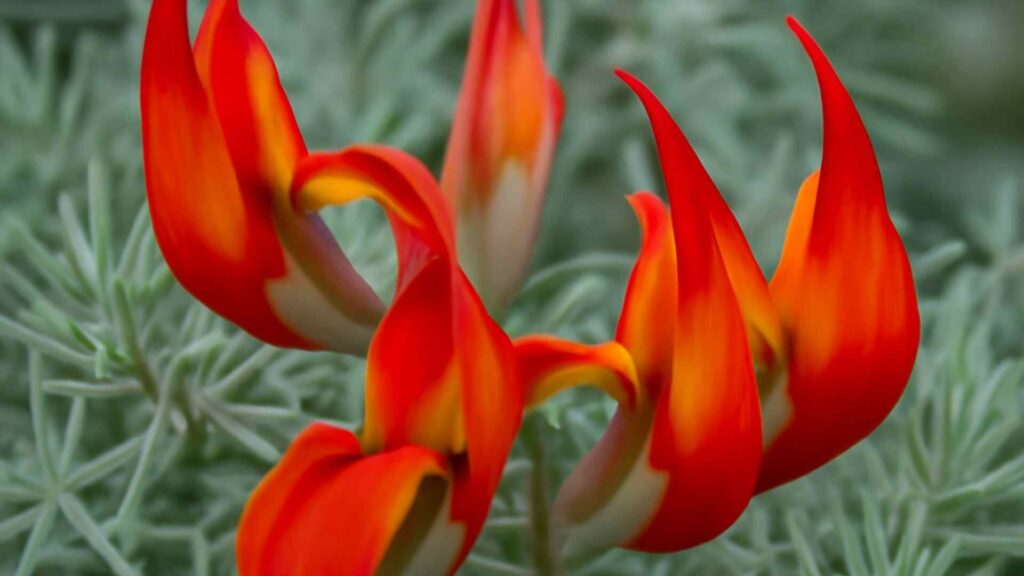
The Flame Lily (Gloriosa superba) is one of Asia’s most striking wildflowers.
Its curled red and yellow petals resemble dancing flames, making it one of the continent’s most recognizable flowering plants.
Distinctive Characteristics
The Flame Lily features:
- Flame-like petals
- Brilliant red and yellow colors
- Climbing stems
- Long flowering season
- Exceptional ornamental beauty
Native Habitat
It naturally grows in:
- India
- Sri Lanka
- Nepal
- Tropical Asia
The plant thrives in grasslands, open forests, and rocky hillsides.
18. Cobra Lily
The Cobra Lily (Arisaema species) is one of Asia’s most unusual mountain flowers.
Its hooded flower closely resembles the raised head of a cobra, giving the plant its memorable common name.
Why It’s Unique
The Cobra Lily is admired for its:
- Snake-like hood
- Purple and green coloring
- Exotic appearance
- Specialized pollination
- Mountain adaptation
Native Habitat
It naturally occurs in:
- India
- Nepal
- Bhutan
- China
- Japan
It grows in cool, shaded mountain forests with moist, fertile soil.
19. Snow Lotus
The Snow Lotus (Saussurea involucrata) is one of Asia’s most treasured alpine plants.
For centuries, it has been valued in traditional medicine and is regarded as a symbol of purity and resilience because it survives in some of the world’s harshest mountain environments.
Why It’s Rare
The Snow Lotus is uncommon because it:
- Grows above 4,000 meters
- Develops slowly
- Has a short flowering period
- Is overharvested in some regions
- Requires extreme alpine conditions
Native Habitat
It naturally grows in:
- China
- Tibet
- Himalayan regions
The plant thrives on rocky alpine slopes with cold temperatures year-round.
20. Parrot Flower
The Parrot Flower (Impatiens psittacina) is one of the most extraordinary flowers in Asia.
Its blossoms closely resemble a flying parrot, making it one of the most unusual flowering plants in the world.
Unique Features
The Parrot Flower is known for its:
- Parrot-shaped blooms
- Lavender and purple coloring
- Delicate petals
- Compact growth
- Exceptional rarity
Native Habitat
It naturally occurs in:
- Thailand
- Myanmar
The species grows in cool mountain forests and moist grasslands, where it is rarely encountered in the wild.
Best Places to See Rare Flowers in Asia
Asia offers countless opportunities to discover rare flowers in their natural habitats. Many of the best locations are protected national parks, mountain reserves, and tropical rainforests.
| Destination | Famous Flowers |
|---|---|
| Valley of Flowers National Park, India | Brahma Kamal, Himalayan Blue Poppy |
| Western Ghats, India | Neelakurinji, Flame Lily |
| Siroi Hills, Manipur | Siroi Lily |
| Kinabalu National Park, Malaysia | Black Orchid, rare mountain orchids |
| Gunung Leuser National Park, Indonesia | Rafflesia, Corpse Flower |
| Mount Apo, Philippines | Jade Vine |
| Himalayan National Parks | Snow Lotus, Blue Vanda |
| Northern Thailand | Parrot Flower |
| Bhutan’s Alpine Meadows | Himalayan Blue Poppy |
| Borneo Rainforests | Black Orchid |
These protected areas preserve Asia’s incredible botanical diversity while supporting conservation and scientific research.
Why Rare Flowers Matter
Rare flowers are much more than beautiful plants. They are essential components of healthy ecosystems and play an important role in maintaining biodiversity.
Support Pollinators
Many rare flowers provide nectar and pollen for:
- Bees
- Butterflies
- Moths
- Birds
- Bats
Some species rely on only one type of pollinator, making their relationships highly specialized.
Preserve Biodiversity
Each rare flower contributes to the stability of its ecosystem by supporting insects, birds, mammals, and microorganisms.
Healthy biodiversity also improves ecosystem resilience to environmental changes.
Advance Scientific Research
Scientists study rare flowers to understand:
- Plant evolution
- Climate adaptation
- Pollination biology
- Conservation strategies
- Habitat restoration
This research helps protect endangered species and improve conservation efforts worldwide.
Best Recommendations
| Purpose | Recommended Flower | Why It Stands Out |
|---|---|---|
| Best Overall | Brahma Kamal | Sacred Himalayan flower with exceptional beauty |
| Largest Flower | Rafflesia | Produces the world’s largest individual flower |
| Best Blue Flower | Himalayan Blue Poppy | Brilliant naturally blue alpine bloom |
| Best Orchid | Blue Vanda | Rare naturally blue orchid with stunning flowers |
| Most Unusual | Parrot Flower | Blossoms resemble a flying parrot |
| Best Tropical Flower | Jade Vine | Spectacular turquoise hanging flower clusters |
| Best Night Bloomer | Kadupul Flower | Blooms for only one night |
| Best Mountain Flower | Snow Lotus | Thrives in extreme alpine conditions |
| Best Forest Flower | Black Orchid | Unique green and black flower combination |
| Best Conservation Icon | Neelakurinji | Famous for blooming only once every 12 years |
FAQs
What is the rarest flower in Asia?
The Middlemist Red, Parrot Flower, and Rafflesia are among the rarest flowers in Asia. Other exceptionally rare species include the Brahma Kamal, Snow Lotus, and Siroi Lily, each of which has a limited natural distribution.
Which is the largest flower in Asia?
The Rafflesia (Rafflesia arnoldii) produces the largest individual flower in the world. A single bloom can exceed 3 feet (1 meter) in diameter and weigh more than 20 pounds (9 kilograms).
Which flower blooms once every 12 years?
The Neelakurinji is famous for blooming only once every 12 years in the Western Ghats of southern India, creating spectacular blue-purple landscapes.
Are rare Asian flowers protected?
Yes. Many rare flowers are protected through national parks, wildlife reserves, botanical gardens, and conservation laws. Several orchid species and alpine flowers are also protected from illegal collection and international trade.
Can rare Asian flowers be grown at home?
Some species, such as the Flame Lily and Foxtail Orchid, can be cultivated under suitable conditions. However, endangered plants should always be purchased from licensed nurseries and never collected from the wild.
Final Thoughts
Asia is home to one of the richest collections of flowering plants on Earth. From the towering Himalayas and lush tropical rainforests to volcanic islands and ancient woodlands, the continent supports an extraordinary diversity of rare and beautiful blooms.
Flowers such as the Brahma Kamal, Rafflesia, Himalayan Blue Poppy, Jade Vine, Blue Vanda, and Neelakurinji demonstrate nature’s incredible ability to adapt to vastly different environments. Their unique shapes, colors, fragrances, and life cycles make them some of the world’s most fascinating flowering plants.
Despite their beauty, many of these species face increasing threats from habitat loss, climate change, and illegal collection. Continued conservation efforts, responsible tourism, habitat restoration, and public awareness are essential to ensuring these remarkable flowers survive for future generations.
Whether you’re a gardener, traveler, botanist, or simply a flower enthusiast, exploring rare flowers in Asia offers a deeper appreciation for the continent’s extraordinary botanical heritage and the importance of protecting its natural treasures.