
Best Indoor Flowering Plants (2026): 25 Beautiful Home Blooms
Introduction
Indoor flowering plants bring color, fragrance, and natural beauty into your home. While many houseplants are grown mainly for their foliage, flowering varieties can add an entirely different level of interest with colorful blooms that appear seasonally or repeatedly throughout the year.
The best indoor flowering plants are those that can adapt to indoor temperatures, lower light levels, and container growing. Some require bright indirect light to bloom well, while others can tolerate moderate or lower-light conditions. Choosing the right plant for the available light in your home is one of the most important steps toward successful flowering.
Indoor flowering plants are suitable for living rooms, bedrooms, kitchens, offices, balconies, and bright windowsills. From elegant Orchids and colorful African Violets to long-lasting Anthuriums and easy-care Peace Lilies, there are options for both beginners and experienced plant lovers.
In this guide, you’ll discover the 25 best indoor flowering plants, compare their care needs, and learn which plants are best for beginners, low-light rooms, colorful displays, and long-lasting blooms.
Quick Answer
Some of the best indoor flowering plants include Orchids, African Violets, Peace Lilies, Anthuriums, Begonias, Kalanchoes, Christmas Cactus, Bromeliads, Jasmine, Geraniums, Hibiscus, Cyclamen, Clivia, Lipstick Plants, Crown of Thorns, Gloxinia, Amaryllis, Chenille Plant, Oxalis, Cape Primrose, Flowering Maple, Hoyas, Gardenias, Lavender, and Miniature Roses.
Quick Comparison
- Best Overall: Orchid
- Best for Beginners: Peace Lily
- Best Long-Lasting Blooms: Anthurium
- Best for Low Light: Peace Lily
- Best for Color: African Violet
- Best for Bright Windows: Hibiscus
- Best Fragrance: Jasmine
- Best Low-Maintenance: Kalanchoe
Comparison Table
| Plant | Light Requirement | Flowering Period | Best Feature |
|---|---|---|---|
| Orchid | Bright Indirect Light | Weeks to Months | Elegant long-lasting blooms |
| African Violet | Bright Indirect Light | Repeated | Compact colorful flowers |
| Peace Lily | Low to Bright Indirect | Seasonal | Easy care |
| Anthurium | Bright Indirect Light | Repeated | Long-lasting colorful spathes |
| Begonia | Bright Indirect Light | Long Season | Flowers and foliage |
| Kalanchoe | Bright Light | Weeks | Low maintenance |
| Christmas Cactus | Bright Indirect Light | Winter | Seasonal blooms |
| Bromeliad | Bright Indirect Light | Long-lasting | Tropical appearance |
| Jasmine | Bright Light | Seasonal | Fragrance |
| Geranium | Bright Direct Light | Long Season | Colorful clusters |
Detailed Guide
1. Orchid
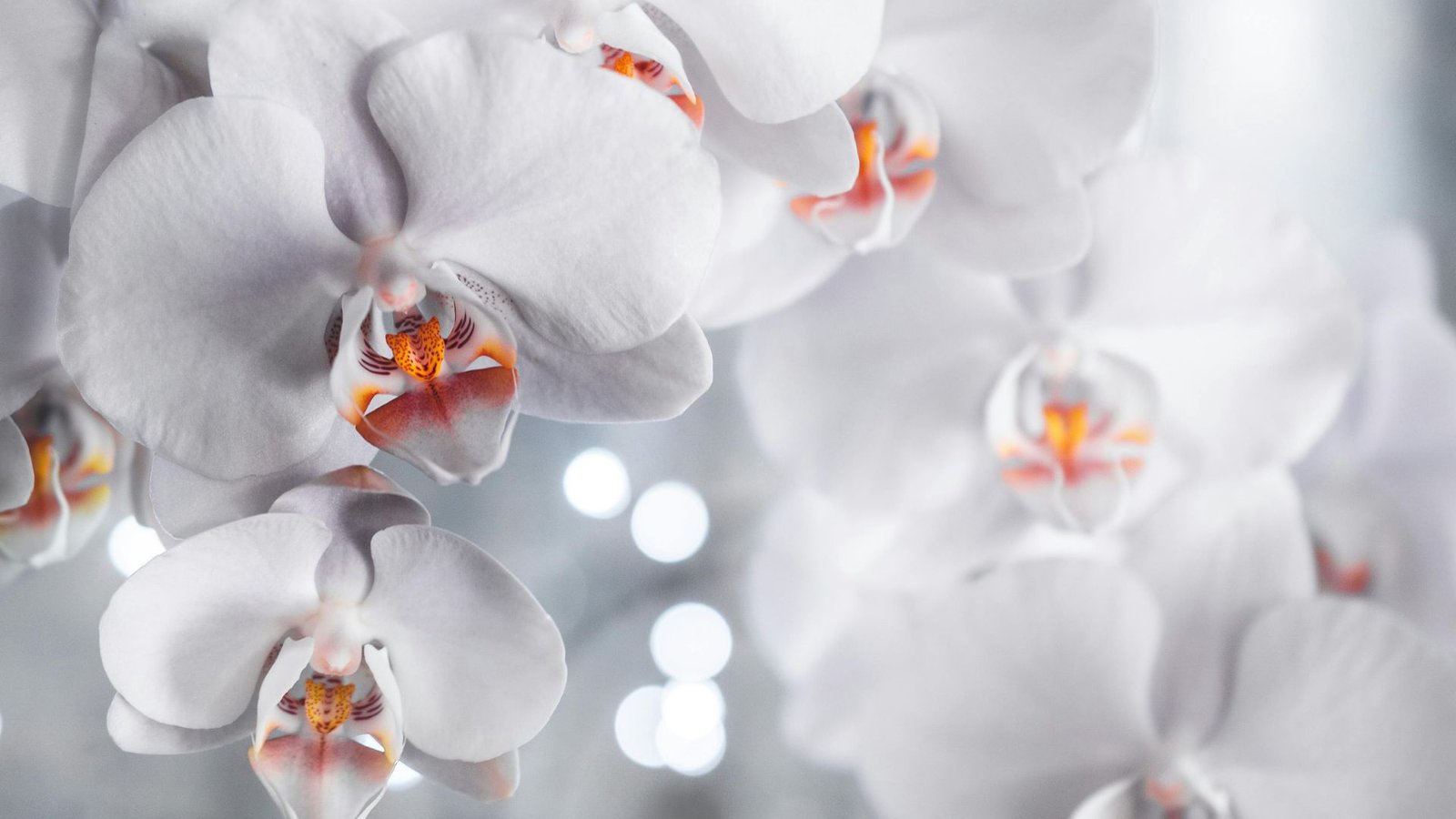
Orchids, especially Phalaenopsis Orchids, are among the most popular indoor flowering plants. Their elegant blooms can last for several weeks or even months, making them a favorite choice for homes and offices.
Although Orchids have a reputation for being difficult, many modern houseplant varieties are surprisingly manageable when given the right conditions.
Why Orchids Are a Top Choice
Orchids offer:
- Elegant and exotic flowers
- Long-lasting blooms
- Many colors and patterns
- Compact indoor growth
- Long-term houseplant potential
Growing Tips
For healthy Orchids:
- Provide bright, indirect light.
- Use a specialized orchid-growing medium.
- Water when the growing medium begins to dry.
- Avoid allowing roots to sit in standing water.
- Maintain moderate humidity.
Phalaenopsis Orchids are particularly suitable for beginners because they adapt well to typical indoor temperatures.
2. African Violet
African Violets (Saintpaulia) are compact flowering plants that can bloom repeatedly indoors throughout the year under suitable conditions.
Their soft, velvety leaves and colorful flowers make them ideal for windowsills, shelves, and small spaces.
Why They’re Excellent Indoors
African Violets provide:
- Repeated flowering
- Compact growth
- Bright flower colors
- Small-space suitability
- Attractive foliage
Growing Conditions
For the best results:
- Provide bright, indirect light.
- Use a lightweight, well-drained potting mix.
- Keep the soil lightly moist.
- Avoid cold water on the leaves.
- Maintain warm indoor temperatures.
Many African Violets bloom repeatedly when they receive consistent care.
3. Peace Lily
Peace Lily (Spathiphyllum species) is one of the easiest indoor flowering plants for beginners.
Its elegant white blooms rise above glossy green leaves, creating a clean and sophisticated appearance.
Why Peace Lilies Are Popular
Peace Lilies offer:
- Good tolerance for lower light
- Attractive glossy foliage
- Elegant white flowers
- Easy indoor care
- Adaptability to typical home conditions
Growing Tips
Peace Lilies grow best with:
- Low to bright indirect light
- Evenly moist but well-drained soil
- Moderate indoor temperatures
- Protection from harsh direct sunlight
They usually flower more reliably when placed in brighter indirect light.
4. Anthurium
Anthurium (Anthurium andraeanum) is a tropical houseplant known for its glossy leaves and colorful, heart-shaped spathes.
The colorful structures often last much longer than typical flowers, providing a long-lasting display indoors.
Why Anthuriums Stand Out
Anthuriums offer:
- Long-lasting colorful displays
- Attractive heart-shaped forms
- Tropical appearance
- Repeated flowering
- Decorative foliage
Growing Conditions
For healthy growth:
- Provide bright, indirect light.
- Use a loose, well-drained potting mix.
- Water when the upper layer of soil begins to dry.
- Maintain moderate to high humidity.
- Avoid intense direct sunlight.
5. Begonia
Begonias (Begonia species) include many beautiful flowering varieties suitable for indoor growing.
Some are valued primarily for their foliage, while others produce colorful flowers for long periods.
Why Begonias Are Great Houseplants
Begonias provide:
- Colorful flowers
- Attractive foliage
- Compact growth
- Long blooming periods
- Excellent container performance
Growing Tips
For the best results:
- Provide bright, indirect light.
- Use well-drained soil.
- Water moderately.
- Avoid waterlogged conditions.
- Maintain good air circulation.
Begonias can be sensitive to excessive moisture, so proper drainage is essential.

6. Kalanchoe
Kalanchoe (Kalanchoe blossfeldiana) is a succulent flowering plant known for its clusters of bright, long-lasting flowers.
Its thick leaves store water, making it one of the easiest flowering plants for people who prefer low-maintenance houseplants.
Why It’s Easy to Grow
Kalanchoe offers:
- Long-lasting flowers
- Low watering requirements
- Bright colors
- Compact growth
- Easy care
Growing Conditions
Kalanchoe performs best with:
- Bright light
- Well-drained soil
- Infrequent watering
- Warm indoor temperatures
Allow the soil to dry between waterings to prevent root problems.
7. Christmas Cactus
Christmas Cactus (Schlumbergera species) is a popular indoor plant that produces colorful flowers during the cooler months.
Its unusual segmented stems and bright blooms make it a favorite seasonal houseplant.
Why It’s Special
Christmas Cactus provides:
- Winter flowering
- Long-lasting plants
- Colorful blooms
- Easy propagation
- Low-maintenance growth
Growing Tips
For healthy plants:
- Provide bright, indirect light.
- Use well-drained potting soil.
- Water when the upper soil begins to dry.
- Avoid extreme temperature changes.
- Reduce watering slightly during rest periods.
With proper care, a Christmas Cactus can live and bloom for many years.
8. Bromeliad
Bromeliads are tropical plants that add a dramatic splash of color indoors.
Many species produce brightly colored flower bracts that can remain attractive for several months.
Why Bromeliads Are Popular
Bromeliads offer:
- Tropical appearance
- Long-lasting color
- Architectural foliage
- Compact growth
- Adaptability to indoor conditions
Growing Conditions
Bromeliads generally prefer:
- Bright, indirect light
- Warm temperatures
- Moderate humidity
- Well-drained growing media
Avoid overwatering the roots, as many Bromeliads are sensitive to constantly wet soil.
9. Jasmine
Jasmine (Jasminum species) is one of the best indoor flowering plants for people who love fragrance. Its delicate white or yellow flowers can fill a bright room with a sweet, recognizable scent.
Not every Jasmine species is equally suited to indoor growing, but varieties such as Arabian Jasmine can perform well when provided with enough light and proper care.
Why Jasmine Is Special
Jasmine offers:
- Beautiful fragrant flowers
- Elegant climbing or trailing growth
- Attractive green foliage
- Seasonal flowering
- A classic indoor plant appearance
Growing Tips
For healthy growth:
- Provide bright light.
- Place near a sunny window when possible.
- Use well-drained soil.
- Water when the upper layer of soil begins to dry.
- Provide support for climbing varieties.
Good airflow can also help maintain healthy foliage.
10. Geranium
Geraniums (Pelargonium species) can make excellent indoor flowering plants when placed near a bright, sunny window.
Their colorful flower clusters and attractive foliage make them popular for windowsills, sunrooms, and enclosed balconies.
Why Geraniums Are Great Indoors
Geraniums provide:
- Long flowering periods
- Bright flower colors
- Attractive foliage
- Easy propagation
- Good container growth
Growing Conditions
Geraniums perform best with:
- Bright direct sunlight
- Well-drained potting soil
- Moderate watering
- Good air circulation
Allow the soil to dry slightly between waterings to prevent root problems.
11. Hibiscus
Hibiscus (Hibiscus rosa-sinensis) brings a bold tropical appearance to bright indoor spaces.
Its large flowers may appear in shades of red, pink, orange, yellow, or other vibrant colors.
Why Hibiscus Stands Out
Hibiscus offers:
- Large, dramatic flowers
- Tropical beauty
- Bright colors
- Repeated flowering
- Attractive glossy foliage
Growing Tips
For the best flowering:
- Provide several hours of bright light.
- Place near a sunny window.
- Keep the soil moderately moist.
- Fertilize during active growth.
- Avoid sudden temperature changes.
Indoor Hibiscus may drop buds if moved frequently or exposed to stress.
12. Cyclamen
Cyclamen (Cyclamen persicum) is a beautiful flowering plant known for its swept-back petals and decorative, patterned leaves.
It is particularly popular as an indoor plant during the cooler months.
Why Cyclamen Is a Good Choice
Cyclamen provides:
- Elegant colorful flowers
- Attractive foliage
- Cool-season blooms
- Compact growth
- Excellent container performance
Growing Conditions
Cyclamen prefers:
- Bright, indirect light
- Cool indoor temperatures
- Well-drained soil
- Moderate watering
Avoid placing Cyclamen near radiators or other heat sources.
13. Clivia
Clivia (Clivia miniata) is a long-lived indoor flowering plant known for its clusters of trumpet-shaped orange, yellow, or red flowers.
Its dark green, strap-like leaves remain attractive throughout the year.
Why Clivia Is Valuable
Clivia offers:
- Long-lived growth
- Attractive evergreen foliage
- Bright flower clusters
- Moderate light tolerance
- Relatively easy care
Growing Tips
Clivia performs best with:
- Bright indirect light
- Well-drained soil
- Moderate watering during active growth
- Slightly reduced watering during rest periods
Mature plants can become impressive specimens and bloom for many years.
14. Lipstick Plant
The Lipstick Plant (Aeschynanthus species) is a tropical flowering houseplant named for its unusual flowers, which emerge from tubular structures resembling lipstick tubes.
Its trailing stems make it particularly attractive in hanging baskets.
Why It’s Unique
Lipstick Plants offer:
- Unusual tubular flowers
- Attractive trailing growth
- Glossy foliage
- Excellent hanging basket performance
- Tropical indoor appeal
Growing Conditions
For healthy growth:
- Provide bright, indirect light.
- Use loose, well-drained soil.
- Water when the upper soil begins to dry.
- Maintain moderate humidity.
- Avoid cold drafts.
15. Crown of Thorns
Crown of Thorns (Euphorbia milii) is a tough succulent flowering plant that can bloom repeatedly throughout the year when grown in bright light.
Its colorful bracts surround small true flowers and can remain attractive for long periods.
Why It’s Low-Maintenance
Crown of Thorns provides:
- Repeated flowering
- Drought tolerance
- Low watering needs
- Long-lasting colorful bracts
- Compact indoor growth
Growing Tips
For the best performance:
- Provide bright direct light.
- Use fast-draining soil.
- Allow the soil to dry between waterings.
- Avoid excessive moisture.
- Handle carefully because the stems contain irritating sap and sharp spines.
16. Gloxinia
Gloxinia (Sinningia speciosa) is known for its large, velvety, trumpet-shaped flowers.
Its blooms can appear in rich shades of purple, red, pink, blue, and white, often with contrasting edges.
Why Gloxinia Is Beautiful Indoors
Gloxinia offers:
- Large colorful blooms
- Compact growth
- Attractive velvety leaves
- Excellent indoor display value
- Dramatic flower colors
Growing Conditions
Gloxinia prefers:
- Bright, indirect light
- Warm indoor temperatures
- Evenly moist but well-drained soil
- Moderate humidity
Avoid splashing water directly onto the leaves and flowers.
17. Amaryllis
Amaryllis (Hippeastrum hybrids) is one of the most spectacular flowering bulbs for indoor growing.
Its tall stems can produce large trumpet-shaped flowers in shades of red, pink, white, orange, and striped combinations.
Why Amaryllis Is Popular
Amaryllis provides:
- Very large flowers
- Dramatic indoor displays
- Easy bulb growing
- Winter flowering potential
- Reusable bulbs
Growing Tips
For healthy growth:
- Provide bright light.
- Use a well-drained potting mix.
- Water moderately.
- Avoid keeping the bulb constantly wet.
- Rotate the pot occasionally for even growth.
After flowering, the leaves continue producing energy that can help the bulb bloom again in a future season.
18. Chenille Plant
Chenille Plant (Acalypha hispida) is an unusual tropical flowering plant known for its long, soft, red flower clusters that resemble fuzzy caterpillars.
Its dramatic appearance makes it a striking choice for bright indoor spaces, especially sunrooms and enclosed balconies.
Why Chenille Plant Stands Out
Chenille Plant offers:
- Unique hanging flower clusters
- Bright red color
- Tropical appearance
- Long flowering potential
- Fast-growing habit
Growing Tips
For healthy growth:
- Provide bright light.
- Maintain warm temperatures.
- Use fertile, well-drained soil.
- Keep the soil moderately moist.
- Maintain moderate humidity.
Because it can grow quickly, occasional pruning may be necessary to maintain a manageable size indoors.
19. Oxalis
Oxalis (Oxalis triangularis), often called Purple Shamrock, is an attractive indoor plant known for its deep purple, triangular leaves and delicate white or pale pink flowers.
Although the foliage is often the main attraction, its flowers add extra beauty during the growing season.
Why Oxalis Is Popular
Oxalis offers:
- Striking purple foliage
- Delicate flowers
- Compact growth
- Easy container growing
- Interesting leaf movement
The leaves often fold during the evening or in low light and reopen when brighter conditions return.
Growing Conditions
Oxalis performs best with:
- Bright, indirect light
- Well-drained potting soil
- Moderate watering
- Warm indoor temperatures
Some plants naturally enter a dormant period, during which growth slows and foliage may temporarily die back.
20. Cape Primrose
Cape Primrose (Streptocarpus species) is a beautiful flowering houseplant closely related to African Violets.
It produces colorful, trumpet-shaped flowers that can appear repeatedly over an extended period.
Why Cape Primrose Is an Excellent Houseplant
Cape Primrose provides:
- Repeated flowering
- Colorful blooms
- Attractive foliage
- Compact indoor growth
- Good performance in bright indirect light
Growing Tips
For the best results:
- Provide bright, indirect light.
- Use a light, well-draining potting mix.
- Keep the soil lightly moist.
- Avoid waterlogged conditions.
- Protect plants from intense direct sunlight.
With consistent care, Cape Primrose can provide flowers for a surprisingly long period.
21. Flowering Maple
Flowering Maple (Abutilon hybrids) is a beautiful flowering plant known for its hanging, bell-shaped blooms.
Despite its common name, it is not a true maple. Its attractive leaves and colorful flowers make it a decorative choice for bright indoor areas.
Why It’s Worth Growing
Flowering Maple offers:
- Unique bell-shaped flowers
- Long flowering potential
- Attractive foliage
- Colorful blooms
- Elegant shrub-like growth
Growing Conditions
For healthy plants:
- Provide bright light.
- Use fertile, well-drained soil.
- Water regularly during active growth.
- Prune occasionally to maintain a compact shape.
A bright location is essential for consistent flowering.
22. Hoya
Hoya (Hoya species), often called Wax Plant, is a popular houseplant with thick, waxy leaves and clusters of star-shaped flowers.
Many Hoya varieties are grown primarily for their foliage, but mature plants can produce highly fragrant and unusual blooms.
Why Hoyas Are Special
Hoyas offer:
- Long-lived growth
- Attractive waxy foliage
- Unique star-shaped flowers
- Fragrant varieties
- Easy-care nature once established
Growing Tips
Hoyas grow best with:
- Bright, indirect light
- A loose, well-drained growing medium
- Moderate watering
- Slight drying between waterings
Avoid removing old flower spurs, known as peduncles, because many Hoyas can produce future flowers from the same locations.

23. Gardenia
Gardenia (Gardenia jasminoides) is famous for its highly fragrant white flowers and glossy green leaves.
It can be more demanding than some other indoor flowering plants, but its beautiful fragrance makes the extra care worthwhile for experienced plant lovers.
Why Gardenias Are Special
Gardenias provide:
- Strong, sweet fragrance
- Elegant white flowers
- Glossy foliage
- Classic appearance
- Repeated flowering potential
Growing Conditions
Gardenias generally prefer:
- Bright, indirect light
- Consistent moisture
- Well-drained, acidic soil
- Moderate humidity
- Stable temperatures
Sudden changes in temperature or watering can cause buds to drop.
24. Lavender
Lavender (Lavandula species) is more commonly grown outdoors, but compact varieties can sometimes be grown indoors when provided with plenty of sunlight and excellent drainage.
Its fragrant foliage and purple flower spikes make it an attractive option for very bright rooms.
Why Lavender Is Popular
Lavender offers:
- Pleasant fragrance
- Attractive purple flowers
- Aromatic foliage
- Compact varieties
- Mediterranean appearance
Growing Tips
For indoor success:
- Provide several hours of direct sunlight.
- Place near a bright south-facing window when suitable.
- Use sandy, fast-draining soil.
- Avoid overwatering.
- Provide good air circulation.
Lavender can be challenging indoors if natural light is limited.
25. Miniature Rose
Miniature Roses (Rosa hybrids) bring the classic beauty of roses into a compact indoor form.
They can produce colorful blooms in red, pink, yellow, white, and other shades.
Why Miniature Roses Are Attractive
Miniature Roses offer:
- Classic rose-shaped flowers
- Compact growth
- Bright colors
- Repeated blooming potential
- Strong decorative value
Growing Conditions
Miniature Roses need:
- Plenty of bright light
- Several hours of direct sunlight
- Fertile, well-drained soil
- Regular watering
- Good air circulation
They can be challenging in low-light homes, but a bright windowsill or sunroom can provide suitable conditions.
How to Choose the Best Indoor Flowering Plants
The best indoor flowering plants depend mainly on the amount of natural light available in your home.
Best Indoor Flowering Plants for Beginners
If you want easy-care options, consider:
- Peace Lily
- Kalanchoe
- Christmas Cactus
- African Violet
- Anthurium
These plants generally adapt well to typical indoor conditions when given proper light and watering.
Best Indoor Flowering Plants for Low Light
Flowering plants usually need some light to produce blooms, but these options can tolerate lower-light conditions better than many others:
- Peace Lily
- Clivia
- Some Begonias
- African Violet in bright indirect light
Remember that “low light” does not mean complete darkness. Even shade-tolerant flowering plants need sufficient light to remain healthy.
Best Indoor Flowering Plants for Bright Rooms
For sunny windows and bright spaces, consider:
- Hibiscus
- Geranium
- Kalanchoe
- Crown of Thorns
- Lavender
- Miniature Rose
These plants generally need stronger light to produce their best flowers.
Best Fragrant Indoor Flowering Plants
If fragrance is important, excellent choices include:
- Jasmine
- Gardenia
- Hoya
- Lavender
Place strongly fragrant plants where their scent can be enjoyed without becoming overwhelming.
Best Recommendations
| Purpose | Recommended Plant | Why It Stands Out |
|---|---|---|
| Best Overall | Orchid | Elegant and long-lasting blooms |
| Best for Beginners | Peace Lily | Easy care and adaptable |
| Best Long-Lasting Display | Anthurium | Colorful spathes last for weeks |
| Best for Repeated Blooms | African Violet | Can flower multiple times a year |
| Best Low-Maintenance | Kalanchoe | Needs relatively little water |
| Best for Bright Windows | Hibiscus | Large, colorful tropical flowers |
| Best Fragrance | Jasmine | Sweet and recognizable scent |
| Best for Hanging Baskets | Lipstick Plant | Attractive trailing stems and flowers |
| Best Winter Blooms | Christmas Cactus | Colorful seasonal flowers |
| Most Dramatic | Amaryllis | Large and spectacular blooms |
FAQs
What is the easiest indoor flowering plant to grow?
Peace Lily and Kalanchoe are among the easiest choices. Peace Lilies tolerate moderate indoor light, while Kalanchoes require bright light but need relatively little water.
Which indoor flowering plant blooms the longest?
Orchids and Anthuriums are known for long-lasting displays. Individual Orchid blooms can remain attractive for weeks, while Anthurium spathes may also last for an extended period.
Can flowering plants bloom indoors all year?
Some indoor flowering plants can bloom repeatedly throughout the year under suitable conditions. African Violets, Anthuriums, Peace Lilies, Hoyas, and some Orchids may produce repeated blooms when they receive enough light and proper care.
Why is my indoor flowering plant not blooming?
Common reasons include:
- Insufficient light
- Incorrect watering
- Lack of nutrients
- Temperature stress
- Immature plants
- Natural seasonal growth cycles
Moving the plant to a brighter suitable location is often one of the most effective ways to improve flowering.
Do indoor flowering plants need direct sunlight?
Not always. Some plants, including African Violets, Orchids, Anthuriums, and Peace Lilies, prefer bright indirect light.
However, plants such as Hibiscus, Geraniums, Lavender, and Miniature Roses usually require stronger direct sunlight to bloom well.
Final Thoughts
The best indoor flowering plants can transform an ordinary room into a colorful and welcoming space. From the elegant flowers of Orchids to the cheerful blooms of African Violets and the tropical beauty of Anthuriums, there is a flowering houseplant for nearly every home.
For beginners, easy-care options such as Peace Lilies, Kalanchoes, and Christmas Cactus are excellent starting points. If you have a bright sunny window, Hibiscus, Geraniums, Crown of Thorns, and Miniature Roses can provide more dramatic flowers.
The most important factor is choosing plants that match your home’s natural light. Once you understand how much direct or indirect light your rooms receive, selecting the right flowering houseplant becomes much easier.
With proper watering, suitable soil, enough light, and consistent care, these 25 best indoor flowering plants can provide beautiful blooms and natural charm throughout the year.