
10 Rare Flowers That Exist in Only One Country
Introduction
Some flowers are so rare that they grow in only one country in the entire world. These are known as endemic flowers, and they are often shaped by unique climates and environments.
In this guide, you’ll discover 10 unique flowers that exist in only one country, along with their origins, characteristics, and why they are so rare.
The world of flowers is vast and endlessly fascinating. While some blooms like roses and lilies can be found in almost every corner of the globe, others are incredibly rare and exist only in one country. These unique flowers, also called “endemic species,” are nature’s way of showing us the incredible diversity of our planet. They grow in very specific climates and conditions, often making them both fragile and precious.
In this article, we’ll explore 10 unique flowers found only in one country. From striking orchids hidden in tropical jungles to desert flowers that bloom once in a lifetime, these rare beauties showcase just how magical Earth can be. Along the way, you’ll learn about their origins, symbolism, cultural significance, and why protecting them is so important.
Why Some Flowers Exist Only in One Country
Some flowers are found only in one country because they depend on very specific environmental conditions that exist nowhere else in the world. These conditions include climate, soil composition, altitude, rainfall patterns, and even the presence of certain pollinators. When all these factors combine perfectly in one location, they create a unique ecosystem where particular flowers can grow and thrive.
For example, some rare flowers need a precise temperature range that doesn’t fluctuate much throughout the year. Others depend on a specific type of soil that contains the right balance of nutrients and minerals. Even a small change in these conditions can make it impossible for the plant to survive elsewhere. Many plants cannot survive in new environments, especially rare flowers struggle outside their habitat due to strict climate and soil needs.
Pollination also plays a major role. Some flowers rely on specific insects, birds, or animals that are only found in certain regions. Without these natural pollinators, the flowers cannot reproduce, which limits their growth to a single geographic area.
Another important factor is isolation. Islands, remote forests, and mountainous regions often develop their own unique plant species because they are cut off from other ecosystems. Over time, these plants evolve in isolation, becoming highly specialized and unable to adapt to different environments.
However, this uniqueness also makes them vulnerable. When their natural habitat is disturbed by climate change, deforestation, or human activity, these flowers have nowhere else to go. This is why many of them are considered rare or endangered.
Geographical isolation plays a major role in this process. When a plant species grows in a location that is separated from other regions, it adapts to that environment and becomes highly specialized. Over time, it loses the ability to survive in different conditions, which is why it remains limited to a single country or region.
Climate is another important factor. Some flowers require very stable weather conditions, such as consistent humidity or seasonal rainfall. Even small changes in climate can prevent them from growing properly. This makes them extremely sensitive and rare.
Soil quality also contributes to this uniqueness. Certain flowers grow only in soil that contains specific minerals or nutrients. Without these elements, the plant cannot develop or reproduce successfully. This strong dependence on local conditions is what makes these flowers so unique and difficult to find anywhere else in the world.
What Are Endemic Flowers?
Endemic flowers are plants that naturally grow in only one specific geographic location, such as a country, island, or region. These flowers evolve over time to adapt to very specific environmental conditions like climate, soil, and altitude.
Because of their limited distribution, endemic flowers are often rare and highly sensitive to environmental changes. This makes them important for biodiversity and conservation efforts.
Are These Unique Flowers Endangered?
Many flowers that are found only in one country are also at risk of becoming endangered. Because their habitat is limited, any change in the environment can have a significant impact on their survival. Human activities such as deforestation, urban development, and agriculture are some of the biggest threats to these plants.
Climate change is another major concern. Changes in temperature, rainfall, and seasonal patterns can disrupt the natural life cycle of these flowers. Since they are highly specialized, they cannot adapt quickly to new conditions, making them more vulnerable than common plants.
In addition to environmental threats, some rare flowers are affected by over-collection. People may pick them for decoration, trade, or personal use, reducing their already small population. This further increases the risk of extinction.
Conservation efforts are essential to protect these unique species. Governments and environmental organizations are working to preserve natural habitats and raise awareness about the importance of biodiversity. Protecting these flowers is not just about saving plants—it is about preserving entire ecosystems and the balance they maintain.

Why Are These Unique Flowers Important?
Unique flowers play a crucial role in maintaining ecological balance. They support pollinators like bees, butterflies, and birds, and contribute to the health of local ecosystems.
Because many of these flowers are rare, they are also indicators of environmental changes. Protecting them helps preserve biodiversity and ensures the survival of many other species.
Can You Grow These Flowers at Home?
Growing flowers that are native to a specific country can be challenging, especially if their natural conditions are difficult to recreate. Many of these flowers require precise environmental factors such as soil type, temperature, humidity, and sunlight. Without these conditions, they may not grow or bloom properly.
However, some rare flowers can be grown in controlled environments like greenhouses. Gardeners who are experienced and willing to invest time and effort can try to replicate the natural habitat of these plants. This includes using specialized soil mixtures, maintaining proper temperature levels, and ensuring adequate moisture.
It is important to note that not all rare flowers are suitable for home gardening. Some species are protected by law, and removing them from their natural environment may be illegal. Others may be too delicate to survive outside their native ecosystem.
For beginners, it is better to start with flowers that have similar characteristics but are easier to grow. This allows you to enjoy the beauty of rare-looking plants without the difficulty of maintaining highly sensitive species.
Tips for Protecting Rare Native Flowers
Protecting rare flowers is important for maintaining biodiversity and preserving natural ecosystems. One of the simplest ways to help is by avoiding the picking of wild flowers. Removing plants from their natural habitat can reduce their population and disrupt the ecosystem.
Supporting conservation efforts is another effective step. This can include donating to environmental organizations, participating in awareness campaigns, or promoting eco-friendly practices. Educating others about the importance of rare flowers also helps create a positive impact.
Planting native species in your garden can contribute to environmental balance. Native plants support local wildlife, including pollinators such as bees and butterflies, which play a crucial role in plant reproduction.
Finally, being mindful of environmental impact is essential. Reducing pollution, conserving water, and protecting natural habitats all contribute to the survival of rare flowers. Small actions can make a big difference in preserving these unique and valuable plants for future generations.
List of Unique Flowers Found Only in One Country
Here’s a quick overview of 10 unique and rare flowers that are closely associated with specific countries around the world.
| Flower Name | Scientific Name | Country/Region | Rarity Level |
|---|---|---|---|
| Jade Vine | Strongylodon macrobotrys | Philippines | Rare |
| Ghost Orchid | Dendrophylax lindenii | USA | Very Rare |
| Gibraltar Campion | Silene tomentosa | Gibraltar | Extremely Rare |
| Hawaiian Hibiscus | Hibiscus arnottianus | Hawaii (USA) | Rare |
| Middlemist Red | Camellia japonica | UK | Extremely Rare |
| Parrot’s Beak | Lotus berthelotii | Canary Islands | Rare |
| Chocolate Cosmos | Cosmos atrosanguineus | Mexico | Rare |
| Flame Lily | Gloriosa superba | Africa/Asia | Rare |
| Blue Poppy | Meconopsis | Himalayas | Very Rare |
| Yellow Lady’s Slipper Orchid | Cypripedium calceolus | Europe | Very Rare |
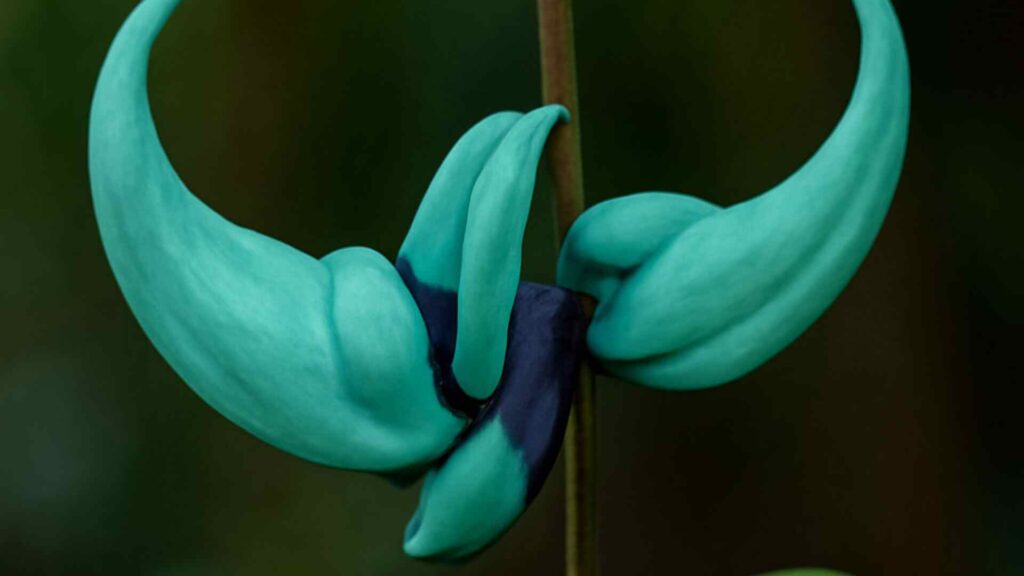
Jade Vine
- Scientific Name: Strongylodon macrobotrys
- Country/Region: Philippines
- Why It’s Rare: Requires specific tropical rainforest conditions and is threatened by deforestation
- Interesting Fact: Known for its glowing turquoise-blue hanging clusters
Sadly, jade vines are endangered due to deforestation, making them a protected treasure of the Philippines.
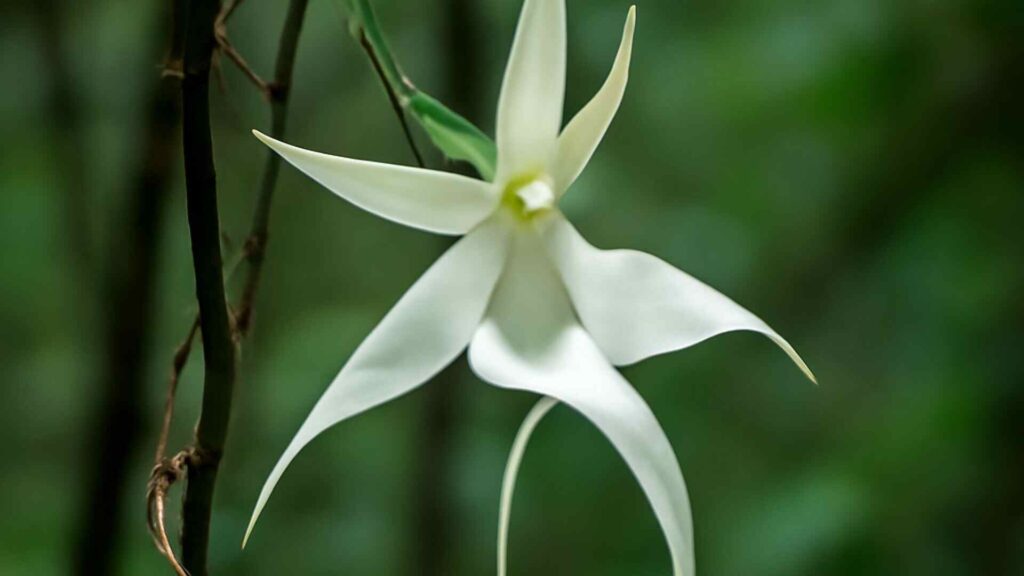
Ghost Orchid
- Scientific Name: Dendrophylax lindenii
- Country/Region: USA (Florida)
- Why It’s Rare: Extremely sensitive to environmental changes and difficult to cultivate
- Interesting Fact: Appears to float in the air because it has no visible leaves
The ghost orchid is notoriously difficult to spot and even harder to grow outside its natural habitat.
Gibraltar Campion
- Scientific Name: Silene tomentosa
- Country/Region: Gibraltar
- Why It’s Rare: Once thought extinct and survives only in a very limited area
- Interesting Fact: Rediscovered in 1994 after being declared extinct
Today, the Gibraltar Campion is carefully preserved in botanical gardens to ensure its survival.
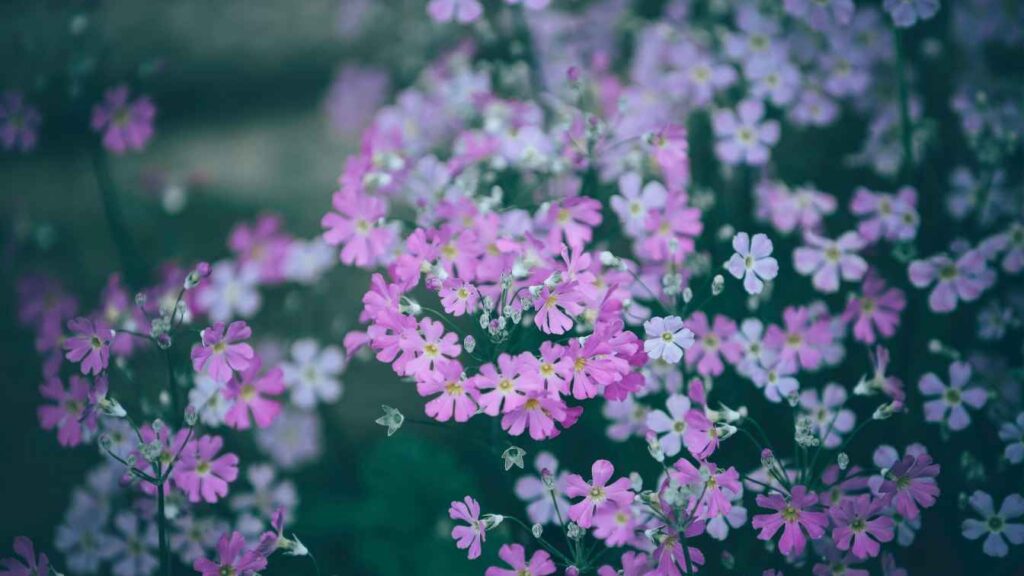
Hawaiian Hibiscus
- Scientific Name: Hibiscus arnottianus
- Country/Region: Hawaii (USA)
- Why It’s Rare: Found only in specific Hawaiian ecosystems and threatened by habitat loss
- Interesting Fact: It is one of the few naturally fragrant hibiscus species
Though hibiscus flowers exist worldwide, this golden species is unique to the Hawaiian islands.
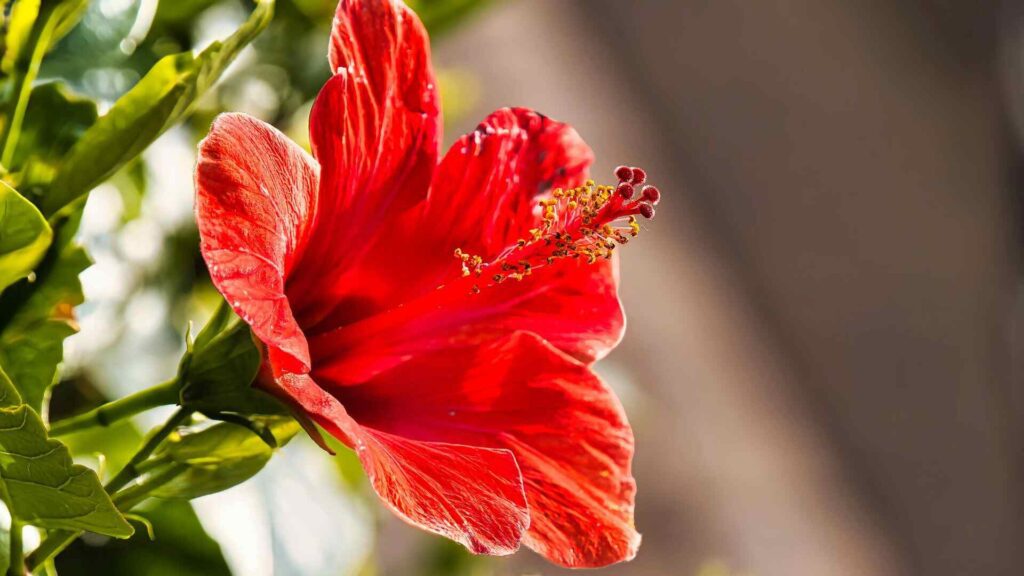
Middlemist Red
- Scientific Name: Camellia japonica
- Country/Region: United Kingdom
- Why It’s Rare: Only two known plants exist in the world
- Interesting Fact: Considered one of the rarest flowers on Earth
Because it no longer exists in the wild, the Middlemist Red is protected and carefully cultivated.
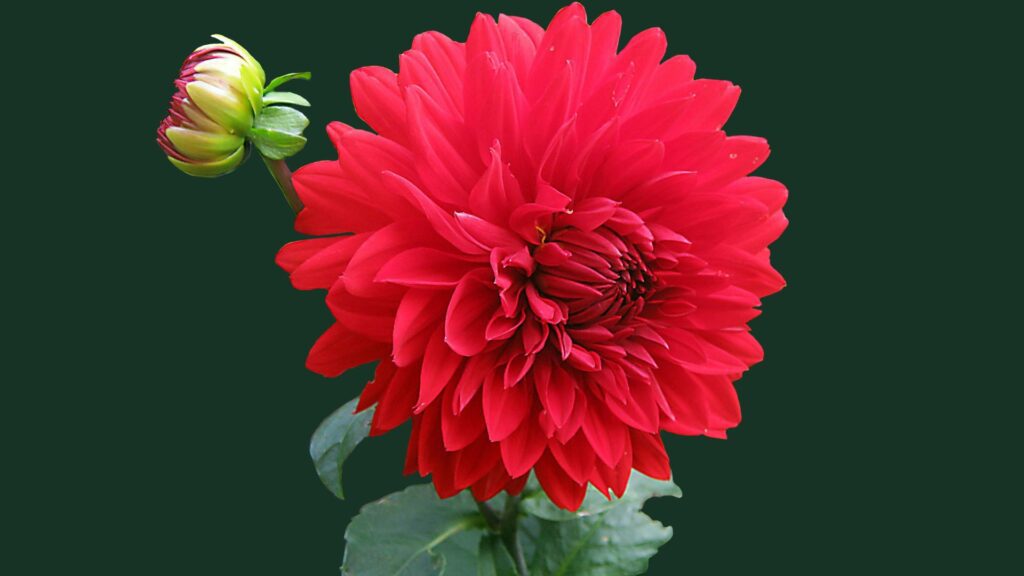
Parrot’s Beak
- Scientific Name: Lotus berthelotii
- Country/Region: Canary Islands
- Why It’s Rare: Declining due to habitat changes and lack of natural pollinators
- Interesting Fact: Its shape resembles a bird’s beak
Though endangered, this flower is still admired in cultivation for its unique design.
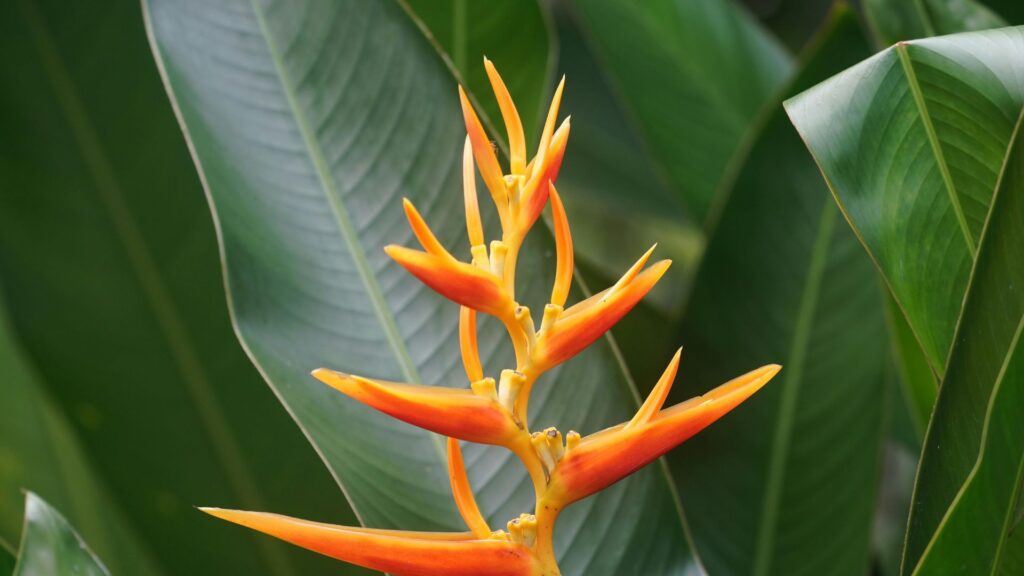
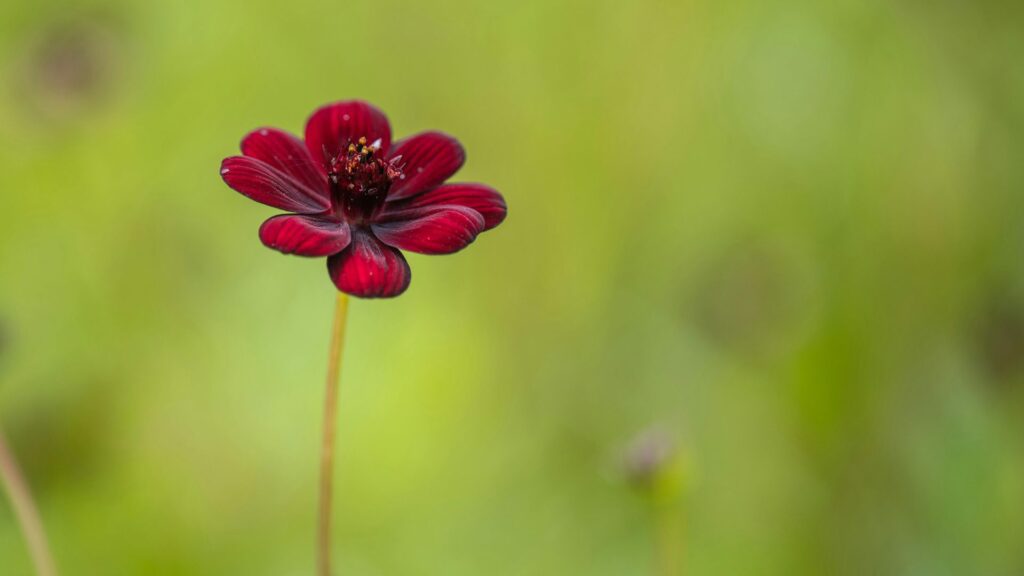
Chocolate Cosmos
- Scientific Name: Cosmos atrosanguineus
- Country/Region: Mexico
- Why It’s Rare: Extinct in the wild and survives only through cultivation
- Interesting Fact: Has a distinct chocolate-like fragrance
Though extinct in the wild, this flower survives through cultivation and is cherished by gardeners worldwide.
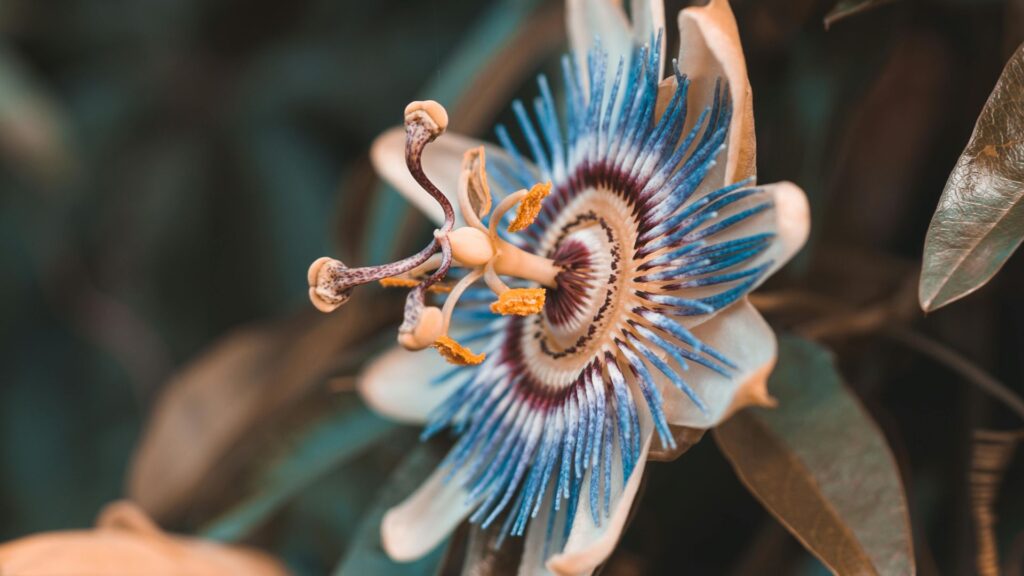
Flame Lily
- Scientific Name: Gloriosa superba
- Country/Region: Africa and Asia
- Why It’s Rare: Overharvesting and habitat destruction have reduced its population
- Interesting Fact: Its petals look like flames, giving it a dramatic appearance
It is both admired for its beauty and respected for its medicinal uses in African traditions.

Blue Poppy
- Scientific Name: Meconopsis
- Country/Region: Himalayas
- Why It’s Rare: Requires very specific cold and moist conditions
- Interesting Fact: Known for its rare true blue color
The Blue Poppy (Meconopsis grandis) is Bhutan’s national flower. With its sky-blue petals and golden center, it looks almost unreal. Blue flowers create a peaceful atmosphere in gardens, especially when you explore rare blue flowers that calm the soul for their soothing beauty..
Because of its delicate nature, the flower can be very difficult to grow outside its native habitat.
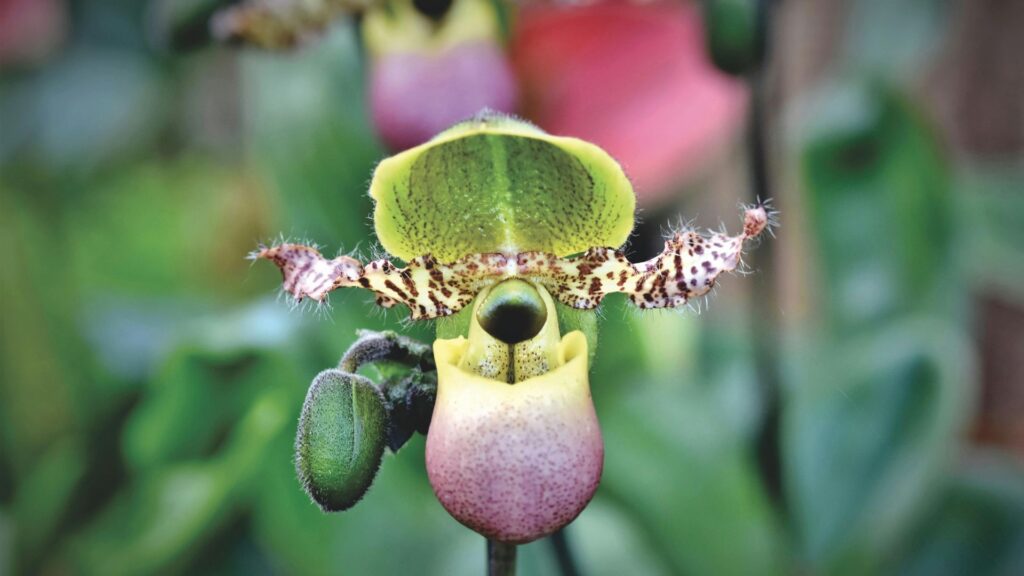
Yellow Lady’s Slipper Orchid
- Scientific Name: Cypripedium calceolus
- Country/Region: Europe
- Why It’s Rare: Protected species with strict growing requirements
- Interesting Fact: Its pouch-like shape traps insects for pollination
The Yellow Lady’s Slipper Orchid (Cypripedium parviflorum) is a wild orchid found in Canada. Its unique pouch-shaped bloom resembles a tiny slipper.
It remains one of the most iconic wild orchids of North America.
Conclusion
These unique flowers found only in one country remind us that nature’s artistry is both fragile and extraordinary. From the jade vine of the Philippines to the blue poppy of Bhutan, these flowers not only beautify their lands but also carry deep cultural and spiritual meanings.
Preserving them is crucial—not just for their beauty but also for the ecosystems they support. If you ever get the chance to see one of these flowers in person, you’ll be witnessing a rare piece of Earth’s living heritage.
❓ FAQs About Unique Flowers
1. What is an endemic flower?
An endemic flower is a plant that grows naturally in only one specific location or country.
2. Why are some flowers found only in one country?
Because of unique environmental conditions like climate, soil, and geographic isolation.
3. What is the rarest flower in the world?
The Middlemist Red is considered one of the rarest flowers, with only a few known specimens.
4. Can these rare flowers be grown elsewhere?
Most cannot survive outside their native habitat due to very specific growing requirements.
5. Are endemic flowers endangered?
Yes, many are at risk due to habitat loss, climate change, and human activity.
6. Which country has the most unique flowers?
Countries with diverse ecosystems like Brazil, the Philippines, and Australia have many unique plant species.