
Rare Flowers in India (2026)
Rare Flowers in India
India is home to one of the richest floral diversities in the world. From the snow-covered Himalayas to the tropical rainforests of the Western Ghats and the lush valleys of Northeast India, the country’s varied climates provide ideal habitats for thousands of flowering plants. Among them are some of the rarest and most fascinating flowers on Earth, many of which are found nowhere else.
Some of these flowers bloom for only a few weeks each year, while others grow only at specific elevations or inside protected forests. Their rarity may result from limited geographic distribution, habitat loss, slow growth, or endangered conservation status. Because many of these species are difficult to cultivate, seeing them in their natural environment is a memorable experience for botanists, photographers, and nature enthusiasts.
In this guide, you’ll discover 20 rare flowers found in India, learn where they grow, what makes them special, and why protecting these remarkable plants is essential for future generations.

Quick Answer
Some of the most remarkable rare flowers in India include the Neelakurinji, Lady’s Slipper Orchid, Blue Vanda, Foxtail Orchid, Siroi Lily, Flame Lily, Cobra Lily, Himalayan Blue Poppy, Ground Orchid, Red Vanda, Pitcher Plant Flower, Rhododendron niveum, Balsam of the Western Ghats, Brahma Kamal, Ceropegia fantastica, Black Orchid, Kurinji Orchid, Lady’s Tresses Orchid, Indian Paphiopedilum, and Forest Ghost Flower.
These flowers are admired for their rarity, unique beauty, restricted habitats, and ecological importance.
Quick Comparison
- Rarest Himalayan Flower: Brahma Kamal
- Best Rare Orchid: Lady’s Slipper Orchid
- Most Famous Bloom: Neelakurinji
- Best Northeast Flower: Siroi Lily
- Most Exotic: Blue Vanda
- Best High-Altitude Flower: Himalayan Blue Poppy
- Most Endangered: Indian Paphiopedilum
Comparison Table
| Flower | Region in India | Bloom Season | Why It’s Rare |
|---|---|---|---|
| Neelakurinji | Western Ghats | Every 12 years | Mass blooming cycle |
| Lady’s Slipper Orchid | Northeast India | Spring | Endangered habitat |
| Blue Vanda | Arunachal Pradesh | Spring–Summer | Limited natural range |
| Foxtail Orchid | Northeast India | Summer | Epiphytic orchid |
| Siroi Lily | Manipur | May–June | Found on one mountain range |
| Flame Lily | Western & Southern India | Monsoon | Declining wild populations |
| Cobra Lily | Eastern Himalayas | Summer | Specialized mountain habitat |
| Himalayan Blue Poppy | Himalayas | Late Spring | High-altitude growth |
| Ground Orchid | Western Ghats | Monsoon | Restricted distribution |
| Red Vanda | Northeast India | Summer | Rare orchid species |
Detailed Guide
1. Neelakurinji
The Neelakurinji (Strobilanthes kunthiana) is one of India’s most celebrated rare flowers. It is famous for transforming entire hillsides into a sea of blue-purple blossoms once every 12 years, creating one of the world’s most spectacular natural events.
This extraordinary flowering cycle has made Neelakurinji a symbol of patience, renewal, and the unique biodiversity of the Western Ghats.
Why It’s Rare
Several factors contribute to its rarity:
- Blooms only once every 12 years
- Found mainly in the Western Ghats
- Sensitive to habitat changes
- Threatened by tourism and land development
- Limited natural distribution
Where It Grows
Neelakurinji is commonly found in:
- Munnar, Kerala
- Nilgiri Hills
- Eravikulam National Park
- Parts of Tamil Nadu and Karnataka
2. Lady’s Slipper Orchid
The Lady’s Slipper Orchid is one of the rarest orchids growing in India. It is instantly recognizable because of its pouch-shaped flower that resembles a tiny slipper.
This unusual structure plays an important role in pollination by guiding insects through the flower in a specific path.
Unique Features
- Slipper-shaped pouch
- Elegant striped petals
- Long-lasting blooms
- Slow-growing habit
- Exceptional ornamental value
Native Habitat
In India, it naturally occurs in:
- Arunachal Pradesh
- Meghalaya
- Nagaland
- Other parts of Northeast India
It grows in cool, moist forests with filtered sunlight.
3. Blue Vanda
The Blue Vanda (Vanda coerulea), often called the Blue Orchid, is among India’s most valuable native orchids.
Its striking blue and lavender flowers are extremely uncommon in nature, making it highly prized by orchid collectors and horticulturists.
Why It’s Special
The Blue Vanda is admired for:
- Rare naturally blue flowers
- Long-lasting blooms
- Sweet fragrance
- Attractive checkerboard petal pattern
- Excellent hybridizing potential
Distribution
It grows naturally in:
- Arunachal Pradesh
- Assam
- Meghalaya
- Other parts of Northeast India
Today, wild populations are protected due to overcollection in the past.
4. Foxtail Orchid
The Foxtail Orchid (Rhynchostylis retusa) is one of India’s most beautiful epiphytic orchids.
Its long cascading flower clusters resemble a fox’s tail, giving the plant its common name.
Distinctive Characteristics
- Hanging flower spikes
- White petals with pink spots
- Pleasant fragrance
- Long flowering period
- Excellent ornamental appeal
Natural Habitat
Foxtail Orchids grow on tree trunks throughout:
- Assam
- Sikkim
- Arunachal Pradesh
- Meghalaya
- Eastern Himalayan forests
They obtain support from trees without taking nutrients from them.
5. Siroi Lily
The Siroi Lily (Lilium mackliniae) is one of India’s rarest endemic flowers.
It grows naturally only on the Siroi Hills of Manipur, making it one of the country’s most geographically restricted flowering plants.
Its delicate pale pink to lavender blooms appear for only a short period each year.
Why It’s Rare
The Siroi Lily is considered rare because:
- It grows on only one mountain range.
- It requires cool, misty conditions.
- Habitat disturbance threatens wild populations.
- It has a limited flowering season.
- Climate change affects its natural environment.
Best Time to See It
The flower typically blooms during:
- May
- June
Visitors from around the world travel to Manipur each year to witness this spectacular flowering season.
6. Flame Lily
The Flame Lily (Gloriosa superba) is one of India’s most striking wildflowers. Its bright red and yellow petals curl backward, creating the appearance of dancing flames.
It is the state flower of Tamil Nadu and also holds cultural and medicinal importance in several parts of India.
Why It’s Rare
Although once more widespread, the Flame Lily has become less common due to:
- Habitat destruction
- Illegal collection
- Overharvesting for medicinal use
- Declining wild populations
- Slow natural regeneration
Native Habitat
The Flame Lily grows naturally in:
- Tamil Nadu
- Karnataka
- Kerala
- Maharashtra
- Parts of Central India
It thrives in grasslands, forests, and open hillsides.
7. Cobra Lily
The Cobra Lily (Arisaema species) is one of the most unusual flowers found in India’s mountainous regions.
Its hooded flower resembles the raised head of a cobra, giving the plant its memorable common name.
Unique Characteristics
- Snake-like hood
- Long tail-like extension
- Deep green and purple coloration
- Distinctive tubular flower
- Exotic appearance
Distribution
Cobra Lilies naturally occur in:
- Sikkim
- Arunachal Pradesh
- Uttarakhand
- Himachal Pradesh
- Eastern Himalayan forests
They prefer cool, shaded forests with moist, well-drained soil.
8. Himalayan Blue Poppy
The Himalayan Blue Poppy (Meconopsis species) is considered one of the most beautiful alpine flowers in Asia.
Its brilliant sky-blue petals make it one of the rarest naturally blue flowers found in India.
Why It’s Special
The Himalayan Blue Poppy is admired for:
- Brilliant blue flowers
- Golden-yellow center
- Delicate silky petals
- High-altitude adaptation
- Short blooming period
Natural Habitat
It grows in alpine regions of:
- Arunachal Pradesh
- Sikkim
- Uttarakhand
- High Himalayan valleys
Because it requires cool temperatures year-round, it is difficult to cultivate in lowland gardens.
9. Ground Orchid
The Ground Orchid (Spathoglottis plicata and related species) is among India’s lesser-known rare orchids.
Unlike many orchids that grow on trees, Ground Orchids develop directly in soil, producing colorful flower spikes throughout the growing season.
Distinctive Features
- Purple, pink, or white flowers
- Upright flower stalks
- Attractive pleated leaves
- Long blooming season
- Easy identification
Where It Grows
Ground Orchids occur naturally in:
- Western Ghats
- Northeast India
- Tropical forests
- Moist woodland clearings
Wild populations remain localized in protected habitats.
10. Red Vanda
The Red Vanda (Renanthera imschootiana) is one of India’s most spectacular orchids.
Its vibrant red flowers bloom in large clusters, creating an unforgettable display in tropical forests.
Why It’s Rare
Its rarity is due to:
- Limited natural distribution
- Habitat loss
- Illegal collection
- Slow growth
- Conservation protections
Native Distribution
The Red Vanda is found mainly in:
- Arunachal Pradesh
- Manipur
- Mizoram
- Nagaland
It usually grows as an epiphyte on large forest trees.
11. Pitcher Plant Flower
The Pitcher Plant (Nepenthes khasiana) is India’s only native pitcher plant and is best known for its insect-trapping pitchers.
Although the pitchers receive most of the attention, the plant also produces small but fascinating flowers.
What Makes It Unique
The plant features:
- Carnivorous pitchers
- Separate male and female flowers
- Climbing stems
- Specialized insect-trapping leaves
- Adaptation to nutrient-poor soils
Native Habitat
Pitcher Plants naturally grow in:
- Meghalaya
This species is protected because of its limited distribution and declining habitat.
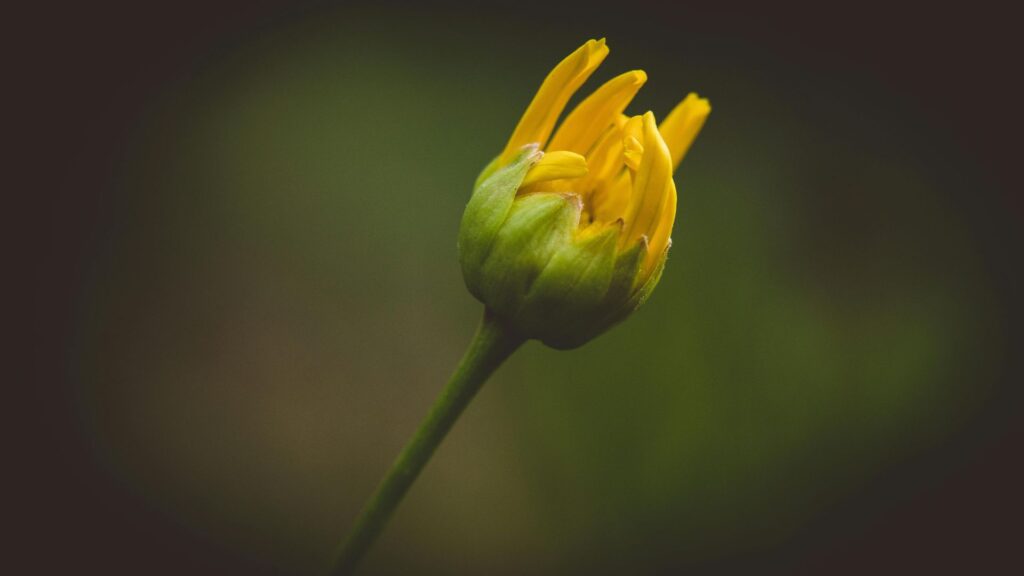
12. Rhododendron niveum
The Rhododendron niveum is the state tree of Sikkim, producing beautiful clusters of deep purple flowers.
Although rhododendrons are common throughout the Himalayas, this particular species has a much more restricted range.
Distinctive Features
- Rich purple blooms
- Glossy evergreen leaves
- Dense flower clusters
- Mountain adaptation
- Attractive ornamental value
Distribution
It grows naturally in:
- Sikkim
- Eastern Himalayas
The species prefers cool mountain forests at higher elevations.
13. Balsam of the Western Ghats
The Balsam (Impatiens species) found in the Western Ghats represents one of India’s richest groups of endemic flowering plants.
Many species occur only on a single hill, valley, or mountain slope.
Why They’re Rare
Numerous balsam species are considered rare because they have:
- Extremely limited distribution
- Short flowering season
- Specialized habitats
- High sensitivity to environmental changes
- Small natural populations
Habitat
These colorful flowers grow throughout:
- Kerala
- Karnataka
- Tamil Nadu
- Maharashtra
Most species bloom during the monsoon season when forests become lush and humid.
Why India Has So Many Rare Flowers
India is recognized as one of the world’s megadiverse countries, supporting an extraordinary variety of flowering plants.
Several factors contribute to this remarkable biodiversity.
Diverse Climate Zones
India includes nearly every major climate type, including:
- Tropical rainforests
- Alpine mountains
- Temperate forests
- Grasslands
- Deserts
- Coastal ecosystems
Each region supports different flowering species.
Mountain Isolation
Mountain ranges such as the Himalayas and the Western Ghats create isolated habitats where plants evolve independently.
This isolation leads to:
- Endemic species
- Unique adaptations
- High levels of biodiversity
- Rare flowering plants found nowhere else
Monsoon Climate
Seasonal monsoon rains provide ideal growing conditions for many wildflowers.
Numerous rare species bloom only during:
- Early monsoon
- Peak rainy season
- Cool post-monsoon months
This seasonal cycle contributes to India’s spectacular floral diversity.
Conservation Areas
National parks, wildlife sanctuaries, and biosphere reserves help protect many of India’s rare flowers.
Important protected regions include:
- Valley of Flowers National Park
- Eravikulam National Park
- Namdapha National Park
- Singalila National Park
- Siroi National Park
These protected landscapes play a vital role in conserving endangered plant species and their natural habitats.
14. Brahma Kamal
The Brahma Kamal (Saussurea obvallata) is one of India’s most sacred and rare alpine flowers. Revered in Hindu mythology, it is often offered at temples in the Himalayan region and is the state flower of Uttarakhand.
This remarkable flower blooms at high altitudes where very few flowering plants can survive.
Why It’s Rare
The Brahma Kamal is considered rare because it:
- Grows only at elevations above 3,000 meters
- Requires cold alpine conditions
- Has a short blooming season
- Is protected in many natural habitats
- Faces pressure from climate change and overcollection
Where It Grows
It naturally occurs in:
- Uttarakhand
- Himachal Pradesh
- Kashmir
- Parts of the eastern Himalayas
15. Ceropegia fantastica
The Ceropegia fantastica is one of India’s most unusual wildflowers. It produces tubular flowers with delicate, cage-like petals that look unlike almost any other flower.
This species belongs to a group of plants found mainly in the Western Ghats.
Unique Features
- Lantern-shaped flowers
- Twisted petals
- Green and purple coloring
- Specialized pollination
- Climbing vine habit
Native Habitat
It grows naturally in:
- Maharashtra
- Karnataka
- Goa
- Western Ghats forests
Many Ceropegia species are now considered threatened because of habitat loss.
16. Black Orchid
The Black Orchid is among India’s most mysterious orchids. Although no orchid is completely black, several species produce flowers so dark purple or maroon that they appear black.
These orchids are highly prized by collectors because of their dramatic appearance.
Why It’s Special
Its appeal comes from:
- Deep, almost black flowers
- Rare natural occurrence
- Elegant orchid form
- Slow growth
- High ornamental value
Distribution
Black orchids are found in parts of:
- Arunachal Pradesh
- Sikkim
- Meghalaya
- Other Himalayan forests
Most grow as epiphytes on mature trees.

17. Kurinji Orchid
The Kurinji Orchid is a lesser-known orchid associated with the biodiversity-rich Western Ghats.
Its delicate flowers bloom in shaded forests where humidity remains high throughout the year.
Distinctive Characteristics
- Small elegant blooms
- Epiphytic growth
- Attractive foliage
- Seasonal flowering
- Forest-dependent habitat
Natural Habitat
It grows in:
- Kerala
- Tamil Nadu
- Karnataka
Healthy evergreen forests are essential for its survival.
18. Lady’s Tresses Orchid
The Lady’s Tresses Orchid (Spiranthes species) produces tiny white flowers arranged in a graceful spiral around the flowering stem.
Its elegant appearance makes it one of India’s most distinctive native orchids.
Unique Features
- Spiral flower arrangement
- Fragrant white blooms
- Slender upright stem
- Compact size
- Long flowering spike
Distribution
It is found in:
- Himalayan foothills
- Grasslands
- Moist meadows
- Open woodland areas
19. Indian Paphiopedilum
The Indian Paphiopedilum belongs to the famous Lady’s Slipper Orchid group and is among India’s most endangered orchids.
Its spectacular pouch-shaped flowers have made it highly desirable among orchid enthusiasts worldwide.
Why It’s Rare
Its populations have declined because of:
- Illegal collection
- Habitat destruction
- Slow natural reproduction
- Restricted distribution
- Forest degradation
Native Habitat
It naturally grows in:
- Arunachal Pradesh
- Meghalaya
- Nagaland
Conservation programs are helping protect remaining wild populations.
20. Forest Ghost Flower
The Forest Ghost Flower is a name often used for several extremely rare, pale forest flowers found in India’s dense mountain woodlands.
These delicate blooms emerge in deep shade and are rarely encountered by visitors.
What Makes It Unique?
- Pale white flowers
- Short blooming season
- Dense forest habitat
- Limited populations
- Difficult to locate in the wild
Because of their elusive nature, they remain among India’s least-seen flowering plants.
Why Many Indian Flowers Are Endangered
Despite India’s incredible biodiversity, many native flowers face serious threats.
Habitat Loss
Expanding cities, agriculture, roads, and infrastructure continue to reduce natural habitats.
This affects flowers growing in:
- Forests
- Grasslands
- Wetlands
- Mountain ecosystems
Climate Change
Changing temperatures and rainfall patterns are altering flowering seasons and suitable habitats.
High-altitude flowers such as the Brahma Kamal and Himalayan Blue Poppy are particularly vulnerable because they have limited options for migrating to cooler environments.
Illegal Collection
Rare orchids and ornamental flowers are sometimes collected from the wild for commercial trade.
Illegal harvesting can:
- Reduce wild populations
- Disrupt natural reproduction
- Threaten endangered species
- Damage fragile ecosystems
Buying plants only from licensed nurseries helps reduce pressure on wild populations.
Invasive Species
Non-native plants may compete with native flowers for:
- Sunlight
- Water
- Nutrients
- Space
This competition can make it difficult for rare species to survive in their natural habitats.
Best Places to See Rare Flowers in India
If you want to experience India’s floral diversity firsthand, these destinations are among the best.
| Destination | Famous Flower |
|---|---|
| Valley of Flowers National Park, Uttarakhand | Brahma Kamal, Himalayan Blue Poppy |
| Eravikulam National Park, Kerala | Neelakurinji |
| Siroi National Park, Manipur | Siroi Lily |
| Namdapha National Park, Arunachal Pradesh | Blue Vanda, rare orchids |
| Singalila National Park, West Bengal | Himalayan wildflowers |
| Western Ghats | Endemic balsams, orchids, and lilies |
These protected areas play a crucial role in preserving India’s extraordinary botanical heritage.
Best Recommendations
| Purpose | Recommended Flower | Why It Stands Out |
|---|---|---|
| Best Overall | Neelakurinji | Famous for its once-in-12-years mass bloom |
| Best Orchid | Blue Vanda | Rare naturally blue orchid native to India |
| Rarest Endemic | Siroi Lily | Found only on the Siroi Hills of Manipur |
| Best Himalayan Flower | Brahma Kamal | Sacred alpine flower with cultural importance |
| Most Beautiful | Himalayan Blue Poppy | Stunning blue petals and alpine beauty |
| Best Tropical Orchid | Foxtail Orchid | Cascading fragrant flower clusters |
| Most Unusual | Cobra Lily | Snake-like hood and exotic appearance |
| Best Carnivorous Plant | Pitcher Plant | India’s only native pitcher plant |
| Best for Nature Lovers | Flame Lily | Brilliant flame-like petals |
| Most Endangered | Indian Paphiopedilum | One of India’s rarest slipper orchids |
FAQs
What is the rarest flower in India?
The Siroi Lily (Lilium mackliniae) is considered one of the rarest flowers in India because it grows naturally only on the Siroi Hills in Manipur. Other exceptionally rare flowers include the Neelakurinji, Brahma Kamal, Blue Vanda, and Indian Paphiopedilum.

Which flower blooms once every 12 years in India?
The Neelakurinji (Strobilanthes kunthiana) is famous for blooming only once every 12 years. During its flowering season, the hills of Kerala and Tamil Nadu are covered in spectacular blue-purple blossoms, attracting visitors from around the world.
What is the state flower of Uttarakhand?
The Brahma Kamal (Saussurea obvallata) is the official state flower of Uttarakhand. It naturally grows in the Himalayan alpine regions and is highly respected for its religious and cultural significance.
Where can I see rare flowers in India?
Some of the best places to see rare flowers include:
- Valley of Flowers National Park, Uttarakhand
- Eravikulam National Park, Kerala
- Siroi Hills, Manipur
- Namdapha National Park, Arunachal Pradesh
- Western Ghats
- Eastern Himalayan forests
These regions support many endemic and endangered flowering plants.
Are rare flowers in India protected?
Yes. Many rare flowers are protected under national conservation laws and are found within wildlife sanctuaries, biosphere reserves, and national parks.
Several orchid species and endemic flowers are also protected from illegal collection and trade to help conserve wild populations.
Can rare Indian flowers be grown at home?
Some species, such as the Flame Lily and Foxtail Orchid, can be cultivated by experienced gardeners if suitable growing conditions are provided.
However, many rare flowers—including the Siroi Lily, Blue Vanda, and Indian Paphiopedilum—have specialized habitat requirements and should only be obtained from licensed nurseries. Wild collection should always be avoided.
Which Indian state has the highest flower diversity?
The northeastern states, particularly Arunachal Pradesh, along with the Western Ghats in Kerala, Karnataka, Tamil Nadu, and Maharashtra, are among India’s richest regions for flowering plant diversity.
These biodiversity hotspots contain hundreds of endemic species found nowhere else on Earth.
Why are orchids so common among India’s rare flowers?
India is home to more than 1,300 orchid species, many of which grow only in humid forests and mountainous regions.
Their rarity is often linked to:
- Restricted habitats
- Slow growth
- Specialized pollination
- Deforestation
- Climate change
These factors make orchids one of the country’s most significant groups of rare flowering plants.
When is the best time to see wildflowers in India?
The best time depends on the region.
- Western Ghats: June to September
- Himalayas: May to August
- Northeast India: April to July
- Valley of Flowers: July to September
Planning your visit around the flowering season offers the best chance to witness these remarkable blooms.
Why is it important to protect rare flowers?
Rare flowers are an essential part of healthy ecosystems. They support pollinators, maintain biodiversity, and contribute to scientific research and ecotourism.
Protecting them helps:
- Preserve endangered species
- Maintain ecological balance
- Support native wildlife
- Safeguard India’s botanical heritage for future generations
Final Thoughts
India’s extraordinary landscapes provide the perfect home for some of the world’s most remarkable flowering plants. From the mist-covered hills of the Western Ghats to the towering peaks of the Himalayas and the lush forests of the Northeast, each region supports unique species that cannot be found anywhere else.
Flowers such as the Neelakurinji, Siroi Lily, Blue Vanda, Brahma Kamal, and Indian Paphiopedilum are more than just beautiful plants—they are symbols of India’s incredible biodiversity and natural heritage. Their limited distribution, specialized habitats, and fascinating life cycles make them treasures worthy of admiration and protection.
While some rare flowers can be cultivated responsibly by experienced gardeners, many are best appreciated in their natural environments. Visiting protected areas, supporting ethical nurseries, and respecting conservation laws are meaningful ways to help ensure these species continue to thrive.
Whether you’re a gardener, traveler, photographer, or simply someone who appreciates nature, exploring rare flowers in India offers an unforgettable journey into one of the richest floral landscapes on Earth. Every bloom tells a story of evolution, resilience, and the remarkable diversity that makes India’s plant life truly exceptional.