
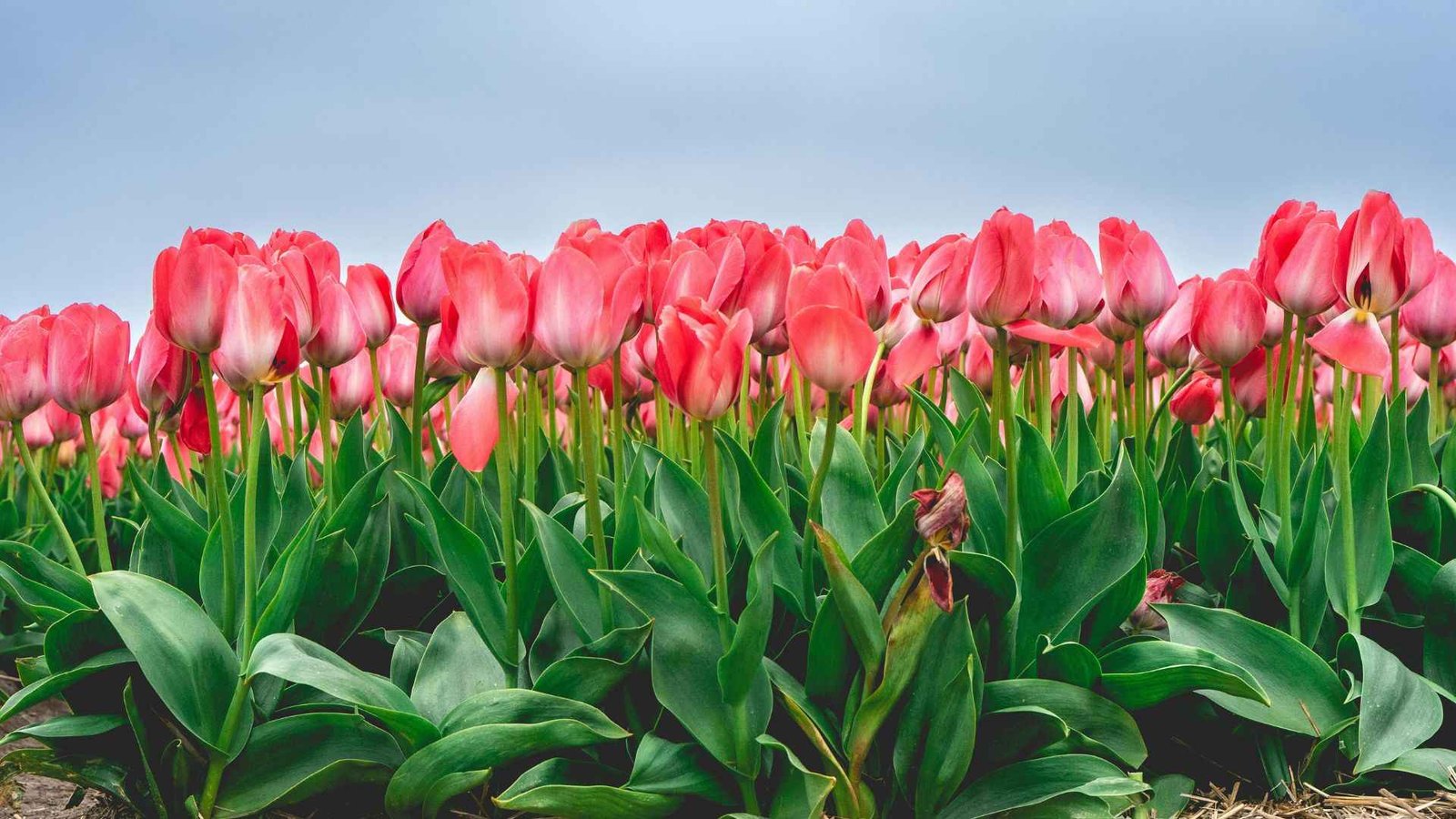
Best Flowers for Full Sun (2026): 25 Heat-Loving Blooms
Introduction
If your garden receives six or more hours of direct sunlight each day, you’re in the perfect position to grow some of the most colorful, resilient, and rewarding flowering plants available. Many of the world’s most popular garden flowers actually perform their best in full sun, producing larger blooms, stronger stems, richer colors, and longer flowering seasons than they would in shady conditions.
Full-sun flowers are excellent choices for flower beds, borders, cottage gardens, containers, rock gardens, and landscape designs. Many are also heat-tolerant, drought-resistant, and highly attractive to butterflies, bees, hummingbirds, and other beneficial pollinators. Once established, several sun-loving species require surprisingly little maintenance while delivering continuous blooms from spring through fall.
Choosing the right flowers, however, depends on more than just sunlight. Soil quality, climate, watering habits, and whether you prefer annuals or perennials all influence how well your plants will perform. Fortunately, there are dozens of beautiful options suited to a wide range of growing conditions.
In this guide, you’ll discover the 25 best flowers for full sun, compare their growing requirements, and learn which varieties are ideal for beginner gardeners, pollinator gardens, containers, and low-maintenance landscapes.
Quick Answer
Some of the best flowers for full sun include Sunflower, Zinnia, Coneflower, Lavender, Marigold, Black-Eyed Susan, Blanket Flower, Salvia, Petunia, Geranium, Cosmos, Lantana, Verbena, Coreopsis, Dianthus, Portulaca, Celosia, Gaillardia, Pentas, Yarrow, Russian Sage, Daylily, Mexican Sunflower, Vinca, and Gazania.
These flowers thrive with at least six hours of direct sunlight daily and reward gardeners with vibrant colors, long blooming seasons, and excellent heat tolerance.
Quick Comparison
- Best Overall: Coneflower
- Best Annual: Zinnia
- Best Perennial: Lavender
- Best for Pollinators: Sunflower
- Best Heat Tolerance: Portulaca
- Best Drought Resistance: Russian Sage
- Best for Containers: Petunia
- Best Low-Maintenance Flower: Black-Eyed Susan
Comparison Table
| Flower | Plant Type | Bloom Season | Sun Requirement |
|---|---|---|---|
| Sunflower | Annual | Summer | Full Sun |
| Zinnia | Annual | Summer–Fall | Full Sun |
| Coneflower | Perennial | Summer–Fall | Full Sun |
| Lavender | Perennial | Late Spring–Summer | Full Sun |
| Marigold | Annual | Spring–Fall | Full Sun |
| Black-Eyed Susan | Perennial | Summer–Fall | Full Sun |
| Blanket Flower | Perennial | Summer–Fall | Full Sun |
| Salvia | Annual/Perennial | Spring–Fall | Full Sun |
| Petunia | Annual | Spring–Fall | Full Sun |
| Geranium | Annual/Perennial | Spring–Fall | Full Sun |
Detailed Guide
1. Sunflower
The Sunflower (Helianthus annuus) is one of the most iconic flowers for sunny gardens. Its towering stems and brilliant golden blooms instantly brighten landscapes while attracting bees, butterflies, and birds.
Most sunflower varieties require abundant sunlight to produce large flowers and healthy stems.
Why It’s Great for Full Sun
Sunflowers thrive because they:
- Love long hours of direct sunlight
- Produce massive blooms
- Grow quickly
- Attract pollinators
- Tolerate summer heat
Growing Tips
- Provide 6–8 hours of sunlight daily.
- Plant in fertile, well-drained soil.
- Water deeply during early growth.
- Stake taller varieties if necessary.
- Deadhead or leave seed heads for birds.
2. Zinnia
Zinnias (Zinnia elegans) are among the easiest flowers for beginners and one of the longest-blooming annuals available.
Available in nearly every color except true blue, they provide vibrant displays from early summer until frost.
Unique Features
Zinnias are prized for their:
- Bright colors
- Fast growth
- Long bloom period
- Excellent cut flowers
- Easy maintenance
Growing Conditions
They perform best with:
- Full sun
- Well-drained soil
- Moderate watering
- Good air circulation
Removing faded blooms encourages continuous flowering.

3. Coneflower
The Coneflower (Echinacea purpurea) is one of the best perennial flowers for sunny gardens.
Its daisy-like blooms with raised central cones attract butterflies, bees, and goldfinches while tolerating drought once established.
Why Gardeners Love It
Coneflowers offer:
- Long blooming season
- Outstanding drought tolerance
- Excellent pollinator support
- Winter seed heads for birds
- Low maintenance
Ideal Growing Conditions
Coneflowers grow best in:
- Full sun
- Average garden soil
- Moderate watering
- USDA Zones 3–9
They return reliably year after year.
4. Lavender
Lavender (Lavandula angustifolia) combines beautiful purple flowers with one of the most recognizable fragrances in gardening.
Native to the Mediterranean, lavender thrives in sunny, dry environments.
Benefits
Lavender provides:
- Fragrant flowers
- Attractive silver foliage
- Pollinator-friendly blooms
- Drought resistance
- Culinary and ornamental uses
Growing Tips
For healthy lavender plants:
- Choose full sun.
- Use sandy or well-drained soil.
- Avoid overwatering.
- Prune after flowering.
- Ensure good air circulation.
5. Marigold
Marigolds (Tagetes species) are dependable annual flowers that bloom continuously throughout the growing season.
Their cheerful yellow, orange, red, and gold flowers make them favorites for borders, vegetable gardens, and containers.
Why They’re Perfect for Sunny Gardens
Marigolds thrive because they:
- Love hot weather
- Bloom for months
- Resist many pests
- Grow quickly
- Require minimal care
Best Growing Conditions
Marigolds prefer:
- Full sun
- Well-drained soil
- Regular watering
- Deadheading for continuous blooms
They are excellent companion plants for vegetable gardens.
6. Black-Eyed Susan
The Black-Eyed Susan (Rudbeckia hirta) is a hardy native wildflower that produces cheerful golden-yellow blooms with dark brown centers.
Its adaptability and long flowering period make it one of the easiest perennials for sunny landscapes.
Why It’s Popular
Black-Eyed Susan is valued for its:
- Bright golden flowers
- Excellent drought tolerance
- Pollinator attraction
- Easy care
- Long bloom season
Growing Conditions
For best results:
- Plant in full sun.
- Use average well-drained soil.
- Water regularly until established.
- Divide mature clumps every few years.
7. Blanket Flower
The Blanket Flower (Gaillardia aristata) produces fiery red, orange, and yellow blooms that resemble miniature sunsets.
These tough perennials flourish in hot, dry conditions where many other flowers struggle.
Outstanding Features
Blanket Flowers offer:
- Continuous summer blooms
- Heat resistance
- Drought tolerance
- Excellent butterfly attraction
- Bright warm colors
Growing Tips
They grow best with:
- Full sun
- Sandy or rocky soil
- Minimal fertilizer
- Occasional deep watering
Avoid overly rich soils, which can reduce flowering.
Why Some Flowers Thrive in Full Sun
Sun-loving flowers have evolved to make the most of abundant sunlight.
Increased Photosynthesis
More sunlight allows plants to produce more energy, leading to:
- Faster growth
- Larger flowers
- More blooms
- Stronger stems
- Healthier foliage
Better Flower Production
Many flowering plants need at least six hours of direct sunlight to produce abundant blooms.
Without enough light, they may develop:
- Fewer flowers
- Weak stems
- Pale foliage
- Slower growth
- Increased disease problems
Improved Heat Tolerance
Many full-sun flowers have adapted to withstand:
- High summer temperatures
- Dry conditions
- Intense sunlight
- Occasional drought
These adaptations make them excellent choices for warm-climate gardens.

8. Salvia
Salvia (Salvia species) is a favorite among gardeners because of its colorful flower spikes, long blooming season, and ability to attract hummingbirds, butterflies, and bees.
Many varieties bloom continuously from late spring until the first frost when grown in full sun.
Why It’s Great for Full Sun
Salvia performs exceptionally well because it:
- Thrives in hot weather
- Produces long-lasting blooms
- Tolerates drought after establishment
- Attracts beneficial pollinators
- Requires little maintenance
Growing Tips
For healthy plants:
- Plant in full sun.
- Use well-drained soil.
- Water regularly during establishment.
- Remove spent flower spikes.
- Divide mature perennials every few years.
9. Petunia
Petunias (Petunia × atkinsiana) are among the most popular annual flowers for gardens, hanging baskets, and containers.
Their trumpet-shaped blooms are available in nearly every color imaginable, making them ideal for creating vibrant summer displays.
Unique Features
Petunias are known for their:
- Continuous flowering
- Wide color selection
- Fast growth
- Excellent container performance
- Pleasant fragrance in some varieties
Ideal Growing Conditions
Petunias thrive with:
- At least 6 hours of direct sunlight
- Fertile, well-drained soil
- Regular watering
- Monthly fertilizer applications
- Deadheading (for some varieties)
Modern self-cleaning varieties require very little maintenance.
10. Geranium
Geraniums (Pelargonium species) are reliable sun-loving plants valued for their colorful flower clusters and attractive foliage.
They bloom continuously throughout the growing season with proper care.
Why Gardeners Love Them
Geraniums provide:
- Bright flower clusters
- Long blooming season
- Heat tolerance
- Easy container growth
- Attractive scented foliage in some varieties
Growing Conditions
For best performance:
- Choose a sunny location.
- Allow soil to dry slightly between watering.
- Remove faded flowers regularly.
- Protect from prolonged soggy conditions.
11. Cosmos
Cosmos (Cosmos bipinnatus) produces delicate daisy-like flowers on tall, airy stems that sway beautifully in summer breezes.
Despite their elegant appearance, cosmos are surprisingly tough and flourish in hot, sunny gardens.
Outstanding Features
Cosmos are appreciated for their:
- Long flowering period
- Graceful stems
- Excellent cut flowers
- Butterfly attraction
- Easy self-seeding
Native Habitat
They perform best with:
- Full sun
- Well-drained soil
- Moderate watering
- Minimal fertilizer
Too much fertilizer often produces extra foliage instead of flowers.
12. Lantana
Lantana (Lantana camara) is one of the toughest flowering plants for hot climates.
Its colorful flower clusters often change shades as they mature, creating beautiful combinations of yellow, orange, pink, red, and purple on a single plant.
Why It’s Excellent for Sunny Gardens
Lantana offers:
- Outstanding heat tolerance
- Continuous blooms
- Butterfly attraction
- Drought resistance
- Minimal maintenance
Growing Tips
Lantana thrives in:
- Full sun
- Sandy or well-drained soil
- Warm temperatures
- Occasional deep watering
Once established, it performs well even during extended dry periods.
13. Verbena
Verbena (Verbena species) produces clusters of small colorful flowers over a long blooming season.
Its spreading growth habit makes it an excellent choice for borders, containers, hanging baskets, and ground cover.
Distinctive Characteristics
Verbena features:
- Dense flower clusters
- Long blooming period
- Excellent heat tolerance
- Pollinator-friendly flowers
- Compact or trailing growth
Growing Conditions
For healthy growth:
- Provide full sun.
- Plant in well-drained soil.
- Avoid overwatering.
- Trim lightly after heavy flowering.
- Feed occasionally during the growing season.
14. Coreopsis
The Coreopsis (Coreopsis species), also called Tickseed, produces cheerful yellow, orange, pink, or red flowers throughout summer.
It is one of the easiest perennials for beginners.
Why It’s Popular
Coreopsis provides:
- Months of colorful blooms
- Excellent drought tolerance
- Pollinator attraction
- Easy maintenance
- Reliable perennial growth
Best Growing Conditions
Coreopsis performs best in:
- Full sun
- Average garden soil
- Moderate watering
- Good drainage
Deadheading encourages additional flowering.
15. Dianthus
Dianthus (Dianthus species) is loved for its fringed petals, spicy clove-like fragrance, and compact growth.
Many varieties bloom repeatedly throughout the growing season when grown in sunny locations.
Unique Features
Dianthus offers:
- Fragrant flowers
- Blue-green foliage
- Long blooming season
- Attractive edging plants
- Excellent rock garden performance
Growing Tips
Plant Dianthus in:
- Full sun
- Well-drained soil
- Slightly alkaline conditions
- Areas with good air circulation
Avoid heavy, waterlogged soils.
16. Portulaca
Portulaca (Portulaca grandiflora), often called Moss Rose, is one of the most heat- and drought-tolerant flowering plants available.
Its succulent leaves store water, allowing it to thrive in hot, sunny conditions where many flowers struggle.
Why It’s Perfect for Full Sun
Portulaca is valued for its:
- Brilliant flower colors
- Succulent foliage
- Extreme drought tolerance
- Continuous summer blooms
- Low maintenance
Growing Conditions
Portulaca grows best in:
- Full sun
- Sandy soil
- Excellent drainage
- Minimal watering
Interestingly, its flowers open fully only in bright sunlight.
17. Celosia
Celosia (Celosia argentea) adds bold texture and vibrant color to sunny gardens.
Its unusual flower heads may resemble flames, feathers, or colorful coral depending on the variety.
Distinctive Characteristics
Celosia features:
- Bright red, orange, yellow, or pink blooms
- Long-lasting flowers
- Excellent heat tolerance
- Unique flower shapes
- Great cut and dried flowers
Native Habitat
Celosia thrives with:
- Full sun
- Fertile, well-drained soil
- Moderate watering
- Warm temperatures
Regular harvesting of blooms encourages additional flowering.
Caring for Flowers in Full Sun
Even heat-loving flowers benefit from proper care during the hottest months.
Water Deeply
Instead of watering lightly every day, provide:
- Deep watering
- Early morning irrigation
- Consistent moisture during establishment
- Reduced watering once drought-tolerant plants mature
Deep watering encourages stronger root systems.
Improve Soil
Healthy soil helps flowers tolerate intense sunlight by improving moisture retention and drainage.
Adding organic matter such as compost can:
- Improve fertility
- Increase water-holding capacity
- Encourage beneficial microorganisms
- Promote stronger flowering
Mulch Around Plants
Applying mulch helps:
- Keep roots cooler
- Reduce evaporation
- Suppress weeds
- Improve soil over time
A 2–3 inch layer of organic mulch works well for most flower beds.

18. Pentas
Pentas (Pentas lanceolata) is one of the best flowering plants for hot, sunny gardens. Its clusters of star-shaped flowers bloom continuously from late spring until frost, providing a reliable source of nectar for butterflies, hummingbirds, and bees.
Why It’s Great for Full Sun
Pentas thrives because it offers:
- Continuous flowering
- Excellent heat tolerance
- Outstanding pollinator attraction
- Bright flower clusters
- Easy maintenance
Growing Tips
For the healthiest plants:
- Plant in full sun.
- Use fertile, well-drained soil.
- Water regularly during dry periods.
- Remove faded flower clusters.
- Fertilize monthly during the growing season.
19. Yarrow
Yarrow (Achillea millefolium) is a hardy perennial that produces flat-topped clusters of tiny flowers above attractive fern-like foliage.
Its exceptional drought tolerance makes it one of the best choices for low-maintenance sunny landscapes.
Unique Features
Yarrow is admired for its:
- Long blooming season
- Drought resistance
- Attractive foliage
- Excellent cut flowers
- Pollinator-friendly blooms
Growing Conditions
Yarrow performs best with:
- Full sun
- Well-drained soil
- Minimal fertilizer
- Moderate watering
Once established, it requires very little care.
20. Russian Sage
Russian Sage (Salvia yangii, formerly Perovskia atriplicifolia) produces airy spikes of lavender-blue flowers that bloom for months.
Its silvery foliage and exceptional heat tolerance make it a standout in sunny landscapes.
Why Gardeners Love It
Russian Sage offers:
- Long flowering period
- Fragrant foliage
- Excellent drought tolerance
- Deer resistance
- Elegant appearance
Best Growing Conditions
It thrives in:
- Full sun
- Dry, well-drained soil
- Hot climates
- Areas with good air circulation
Avoid heavy clay soils that retain excess moisture.
21. Daylily
Daylilies (Hemerocallis species) are among the easiest perennial flowers to grow.
Although each bloom lasts only one day, mature plants produce numerous flower buds over several weeks.
Distinctive Characteristics
Daylilies provide:
- Large trumpet-shaped flowers
- Wide range of colors
- Excellent adaptability
- Fast-growing clumps
- Reliable yearly blooms
Growing Tips
Plant Daylilies in:
- Full sun
- Fertile soil
- Regular watering during flowering
- Locations with good drainage
Divide mature plants every 3–5 years to maintain vigorous growth.
22. Mexican Sunflower
The Mexican Sunflower (Tithonia rotundifolia) is an excellent choice for gardeners who want bold color and abundant pollinator activity.
Its brilliant orange blooms attract butterflies, bees, and hummingbirds throughout summer and fall.
Why It’s Popular
Mexican Sunflower features:
- Large orange flowers
- Excellent heat tolerance
- Rapid growth
- Outstanding pollinator value
- Long blooming season
Native Habitat
It grows best in:
- Full sun
- Average well-drained soil
- Warm climates
- Moderate watering
It performs especially well during hot summers.
23. Vinca
Vinca (Catharanthus roseus), also known as Madagascar Periwinkle, is one of the most dependable annual flowers for hot weather.
Unlike many flowering plants, it continues blooming even during periods of intense heat.
Why It’s Perfect for Sunny Gardens
Vinca is valued for its:
- Heat resistance
- Drought tolerance
- Continuous flowering
- Disease resistance
- Minimal maintenance
Growing Conditions
For best results:
- Choose full sun.
- Plant in well-drained soil.
- Avoid overwatering.
- Allow good air circulation.
It is an excellent choice for borders and containers.
24. Gazania
Gazania (Gazania rigens) produces dazzling daisy-like flowers in shades of yellow, orange, red, bronze, pink, and white.
Its blooms open fully in bright sunlight and close during cloudy weather or at night.
Unique Features
Gazania offers:
- Brilliant flower colors
- Excellent drought tolerance
- Low-growing habit
- Long blooming season
- Attractive silver-green foliage
Native Habitat
Gazania thrives in:
- Full sun
- Sandy soil
- Excellent drainage
- Warm climates
It is particularly useful in rock gardens and coastal landscapes.
25. Gerbera Daisy
The Gerbera Daisy (Gerbera jamesonii) is one of the world’s most popular ornamental flowers.
Its large daisy-like blooms are available in vibrant shades of red, orange, pink, yellow, white, and salmon.
Why It’s a Favorite
Gerbera Daisies provide:
- Large colorful flowers
- Long blooming season
- Excellent cut flowers
- Compact growth
- Attractive garden displays
Growing Tips
For healthy Gerberas:
- Plant in full sun.
- Use rich, well-drained soil.
- Water at the base of the plant.
- Avoid waterlogged conditions.
- Remove faded flowers regularly.
How to Choose the Best Flowers for Full Sun
With so many beautiful options available, choosing the right flowers depends on your garden’s needs.
For Beginner Gardeners
Easy-to-grow choices include:
- Zinnia
- Marigold
- Vinca
- Cosmos
- Sunflower
These flowers require minimal maintenance while providing months of colorful blooms.
For Pollinator Gardens
If your goal is to attract wildlife, consider planting:
- Coneflower
- Sunflower
- Salvia
- Pentas
- Mexican Sunflower
- Lavender
These flowers provide abundant nectar and pollen for beneficial insects and birds.
For Drought-Prone Areas
The best drought-tolerant options include:
- Russian Sage
- Portulaca
- Blanket Flower
- Yarrow
- Gazania
- Lavender
These species continue performing well even during hot, dry summers.
For Containers
Excellent container flowers include:
- Petunia
- Geranium
- Vinca
- Gazania
- Dianthus
Most thrive with regular watering and occasional feeding.

Best Recommendations
| Purpose | Recommended Flower | Why It Stands Out |
|---|---|---|
| Best Overall | Coneflower | Reliable perennial with months of colorful blooms |
| Best Annual | Zinnia | Fast-growing with continuous flowers until frost |
| Best Perennial | Lavender | Beautiful, fragrant, and drought tolerant |
| Best for Pollinators | Sunflower | Attracts bees, butterflies, and birds |
| Best Heat Tolerance | Portulaca | Thrives in extreme summer temperatures |
| Best Drought Resistance | Russian Sage | Flourishes with very little water |
| Best Container Flower | Petunia | Continuous blooms in pots and baskets |
| Best Beginner Flower | Marigold | Easy to grow and highly dependable |
| Best Low-Maintenance | Black-Eyed Susan | Hardy perennial requiring little care |
| Best Long Blooming | Vinca | Flowers continuously through the hottest months |
FAQs
How many hours of sun do full-sun flowers need?
Most full-sun flowers require at least 6 hours of direct sunlight per day. Many species, such as sunflowers, lavender, and zinnias, perform even better with 8 or more hours of sunlight.
Which flowers bloom all summer in full sun?
Some of the longest-blooming flowers include:
- Zinnia
- Petunia
- Vinca
- Lantana
- Salvia
- Pentas
- Marigold
With proper care and regular deadheading, these flowers can bloom continuously from late spring until frost.
What flowers tolerate extreme heat?
Excellent heat-tolerant flowers include:
- Portulaca
- Gazania
- Vinca
- Lantana
- Blanket Flower
- Russian Sage
These plants continue flowering even during hot summer weather.
Should I water full-sun flowers every day?
Not necessarily. Most established plants benefit more from deep watering once or twice a week than from light daily watering. Watering frequency depends on your climate, soil type, rainfall, and plant species.
Which flowers attract butterflies in full sun?
Some of the best butterfly-friendly flowers include:
- Coneflower
- Pentas
- Mexican Sunflower
- Salvia
- Lavender
- Zinnia
- Yarrow
Planting several species together creates a continuous nectar source throughout the growing season.
Final Thoughts
A sunny garden offers endless opportunities to grow vibrant, long-lasting flowers that thrive in bright light and warm temperatures. Whether you prefer towering Sunflowers, colorful Zinnias, fragrant Lavender, hardy Coneflowers, or drought-resistant Russian Sage, there is a full-sun flower suited to every landscape and gardening style.
Many of these plants provide more than beautiful blooms. They attract butterflies, hummingbirds, bees, and other beneficial pollinators while adding color and texture from spring through fall. With proper soil preparation, consistent watering during establishment, and occasional maintenance, even beginner gardeners can enjoy spectacular displays throughout the growing season.
By selecting flowers that match your local climate, soil conditions, and maintenance preferences, you can create a thriving garden that remains colorful even during the hottest months of the year. Whether you’re designing flower beds, borders, containers, or pollinator gardens, these 25 best flowers for full sun offer dependable beauty, resilience, and season-long enjoyment.