20 Rare Native Wildflowers: Beautiful & Unusual Native Blooms
Rare Native Wildflowers
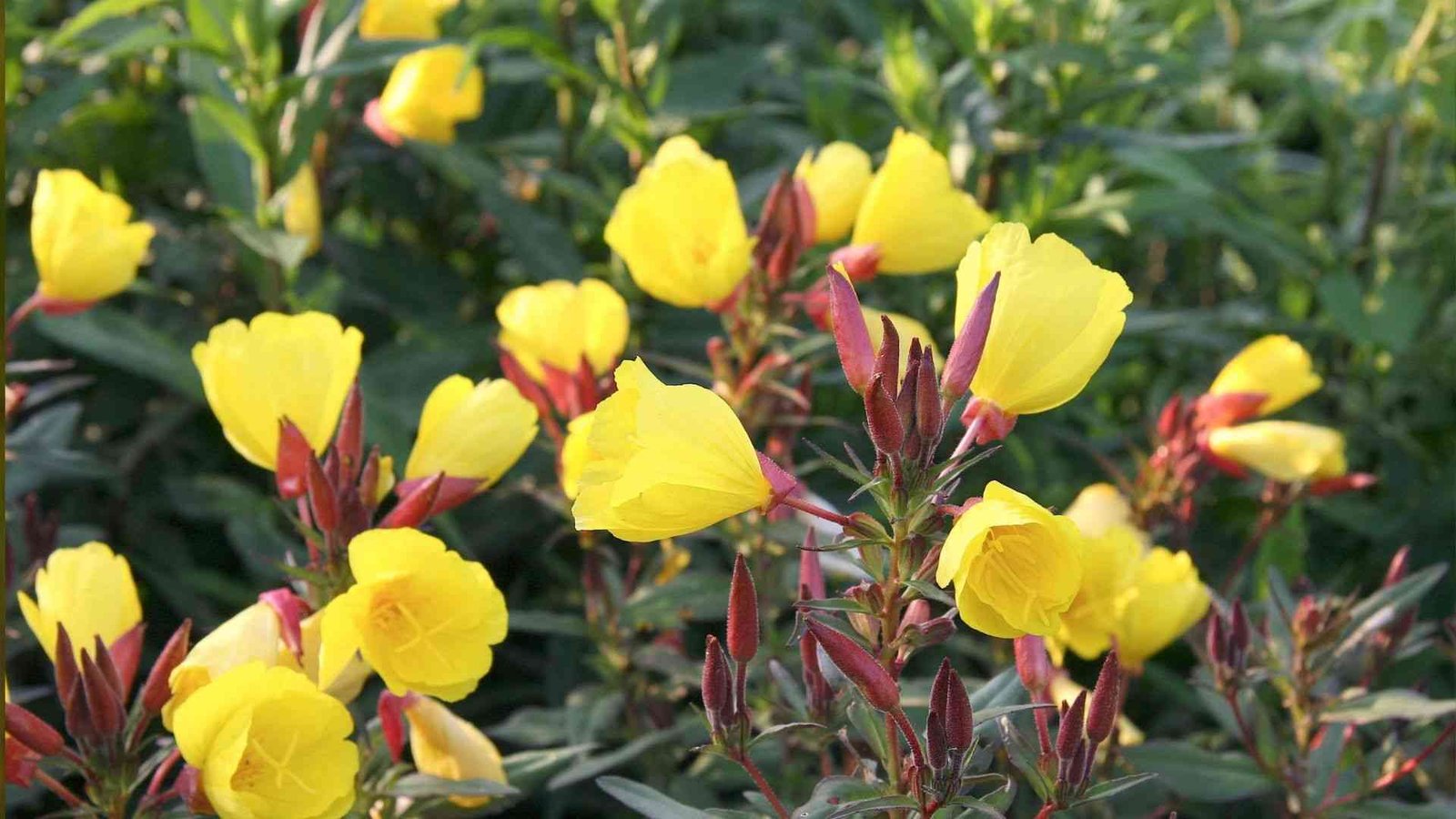
Native wildflowers can be some of the most fascinating plants in the world, especially when a species has a restricted natural range, unusual habitat, or distinctive appearance. Some are genuinely rare, while others are uncommon in cultivation or difficult to encounter outside their native environment.
This guide explores 20 rare, uncommon, and unusual native wildflowers from different parts of the world. Along the way, you’ll learn where they naturally grow, what makes them special, and whether they can be grown in a garden.
Important: “Rare” and “native” are not the same thing. A plant can be native and widespread, or rare but native only to a small geographic area. This guide uses those terms carefully rather than treating every unusual wildflower as endangered.
Quick Answer
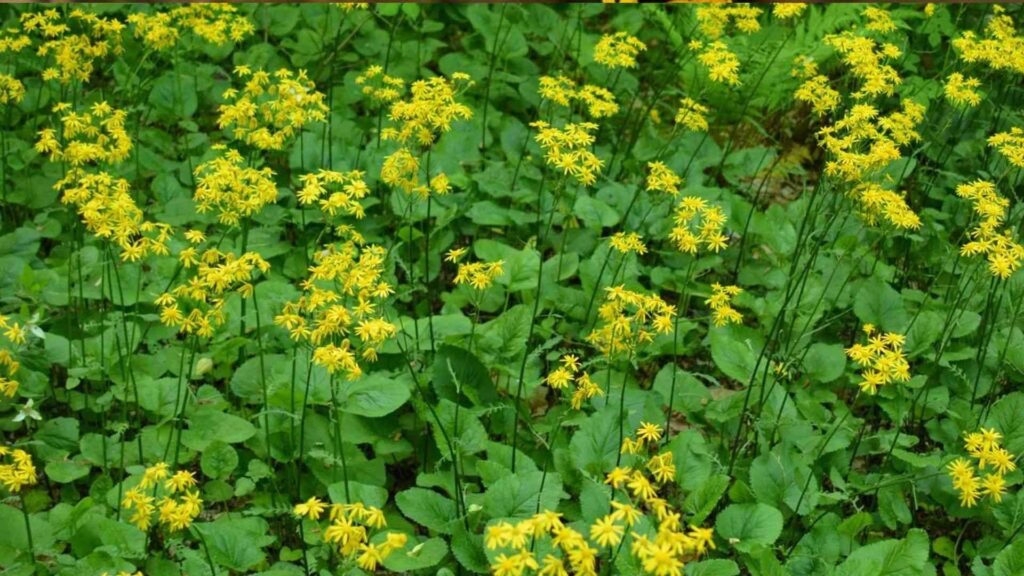
Some of the most interesting rare or uncommon native wildflowers include New England Blazing Star, Lady’s Slipper Orchids, Virginia Bluebells, Amethyst Shooting Star, California Pitcher Plant, Fairy Lanterns, and Twinleaf.
The best choice for a garden depends on your location because native plants are adapted to particular climates, soils, moisture levels, and habitats.
Quick Comparison
| Wildflower | Native Region | Typical Habitat | Garden Difficulty |
|---|---|---|---|
| New England Blazing Star | Northeastern U.S. | Open, dry habitats | Moderate |
| Lady’s Slipper Orchid | North America & Eurasia, depending on species | Woodland & wetlands | Difficult |
| Jack-in-the-Pulpit | Eastern North America | Moist woodlands | Moderate |
| Virginia Bluebells | Eastern North America | Moist woodlands | Easy–Moderate |
| Blue Vervain | North America | Wet meadows & wetlands | Moderate |
| Amethyst Shooting Star | North America | Prairies & open habitats | Moderate |
| California Pitcher Plant | Northern California & Oregon | Wet, nutrient-poor areas | Difficult |
| Lewis Monkeyflower | Western North America | Moist mountain habitats | Moderate |
| Rocky Mountain Penstemon | Western North America | Dry mountain habitats | Easy–Moderate |
| Western Red Columbine | Western North America | Mountains & woodlands | Moderate |
1. New England Blazing Star
Scientific name: Liatris novae-angliae
New England Blazing Star is a striking native perennial recognized for its tall flower spikes and bright purple-pink blooms. It is native to parts of the northeastern United States and is associated with open habitats such as meadows and dry areas.
Gardenia describes it as a rare northeastern native perennial, making it particularly relevant to a guide focused on uncommon native wildflowers. (gardenia.net)
Its upright growth makes it useful for naturalistic borders, pollinator gardens, and meadow-style planting.
Why it’s interesting: A geographically associated native species with distinctive vertical flower spikes.
Best for: Sunny, well-drained gardens and native plantings.
2. Lady’s Slipper Orchid
Scientific name: Cypripedium spp.
Lady’s Slipper Orchids are among the most recognizable native orchids because of their unusual pouch-shaped flowers. Different species occur across North America, Europe, and Asia, so their native range depends on the particular species.
Their unusual appearance can make them seem almost tropical, but many species naturally occur in temperate forests, wetlands, or other specialized habitats.
These orchids are generally not beginner plants. Their growing conditions can be very specific, and wild specimens should never be collected simply because they are difficult to find.
Why it’s interesting: Their slipper-shaped flower is one of the most unusual forms found among native wildflowers.
Best for: Experienced native-plant or orchid growers using legally propagated plants.
3. Jack-in-the-Pulpit
Scientific name: Arisaema triphyllum
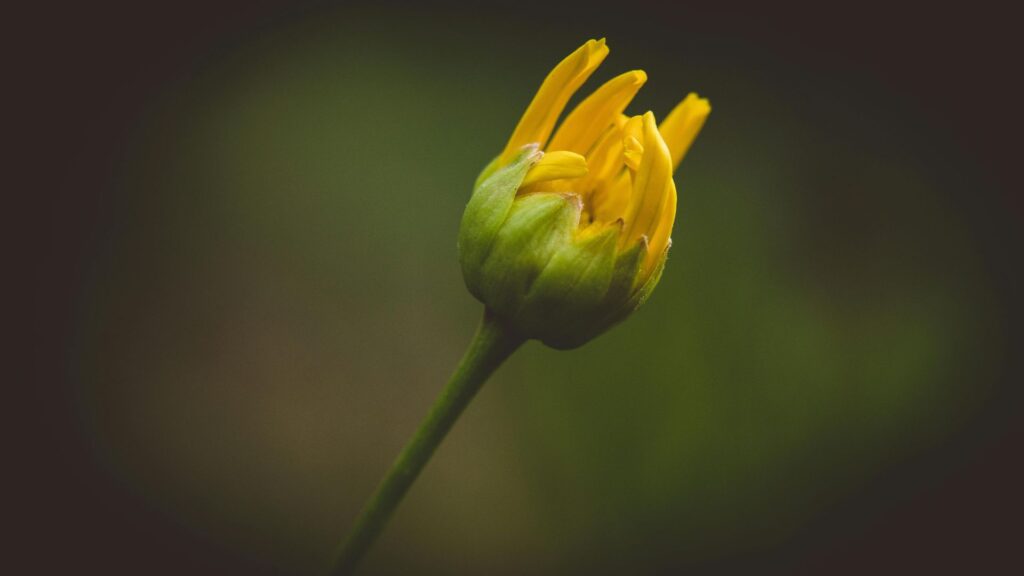
Jack-in-the-Pulpit is a distinctive woodland wildflower native to eastern and central parts of North America. Instead of producing a conventional open flower, it develops a hooded structure called a spathe that surrounds a central spike known as a spadix.
This unusual structure is one reason the plant attracts so much attention in woodland gardens.
It prefers rich, moist soil and naturally grows in shaded woodland environments.
Why it’s interesting: Its flower structure looks completely different from a typical garden bloom.
Best for: Woodland gardens, shaded borders, and moist native plantings.
[Image: Jack-in-the-Pulpit]
4. Virginia Bluebells
Scientific name: Mertensia virginica
Virginia Bluebells are spring-blooming woodland wildflowers native to eastern North America. Their clusters of tubular flowers often begin with a pinkish tone before developing into soft blue or blue-violet blooms.
They can create impressive colonies in suitable woodland conditions, particularly where the soil stays moist during spring.
Unlike some extremely specialized rare plants, Virginia Bluebells can be relatively practical for gardeners who can reproduce their natural growing conditions.
Why it’s interesting: The flowers change color as they develop and form dramatic spring displays.
Best for: Woodland gardens, shaded borders, and moist soils.
For more unusual blue blooms, see our guide to Rare Blue Flowers.
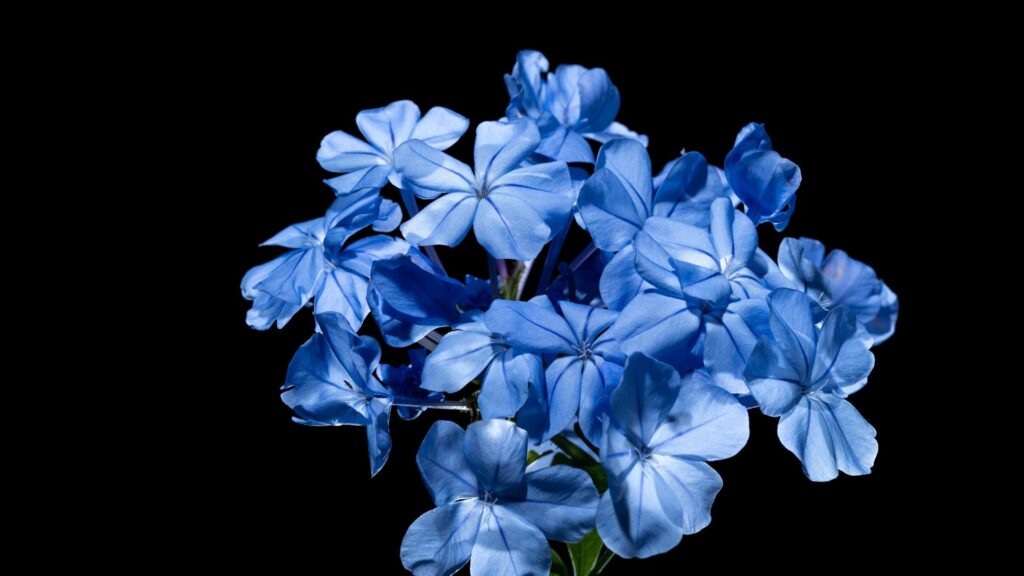
5. Blue Vervain
Scientific name: Verbena hastata
Blue Vervain is a tall North American native wildflower with slender spikes of small blue-purple flowers. It naturally occurs in moist meadows, wetlands, stream edges, and other areas where soil moisture is available.
Kew records its native range from Canada through the United States, making it a useful example of a native wildflower with a broad geographic distribution rather than a narrowly endemic species. (powo.science.kew.org)
That distinction matters: native does not automatically mean rare.
Why it’s interesting: Tall flower spikes give it strong vertical structure in naturalistic gardens.
Best for: Moist meadows, rain gardens, and wildlife-friendly landscapes.
6. Amethyst Shooting Star
Scientific name: Dodecatheon amethystinum
Amethyst Shooting Star is a distinctive wildflower with flowers that bend downward from their stems, creating an appearance somewhat like shooting stars.
The unusual flower shape makes it a favorite among wildflower enthusiasts, while its native habitat connects it with open and woodland environments in parts of North America.
Shooting-star species can be more specialized than ordinary garden perennials, so choosing a locally appropriate species is important.
Why it’s interesting: The reflexed petals create one of the most unusual flower shapes among native wildflowers.
Best for: Native plant collections, rock gardens, and suitable woodland or open habitats.
7. California Pitcher Plant
Scientific name: Darlingtonia californica
California Pitcher Plant is one of the strangest native flowering plants on this list. It is a carnivorous plant that forms tubular pitcher-like leaves adapted to trapping insects.
It naturally occurs in specialized wet habitats in northern California and southwestern Oregon.
The plant is particularly fascinating because its unusual appearance is connected directly to its survival strategy. Instead of relying entirely on nutrients from ordinary soil, it obtains additional nutrients by trapping and digesting prey.
It is not an easy houseplant. Its natural conditions can be difficult to reproduce, especially because it prefers cool roots and consistently wet conditions.
Why it’s interesting: It combines an unusual wildflower with a carnivorous lifestyle.
Best for: Experienced carnivorous-plant growers and specialized bog gardens.
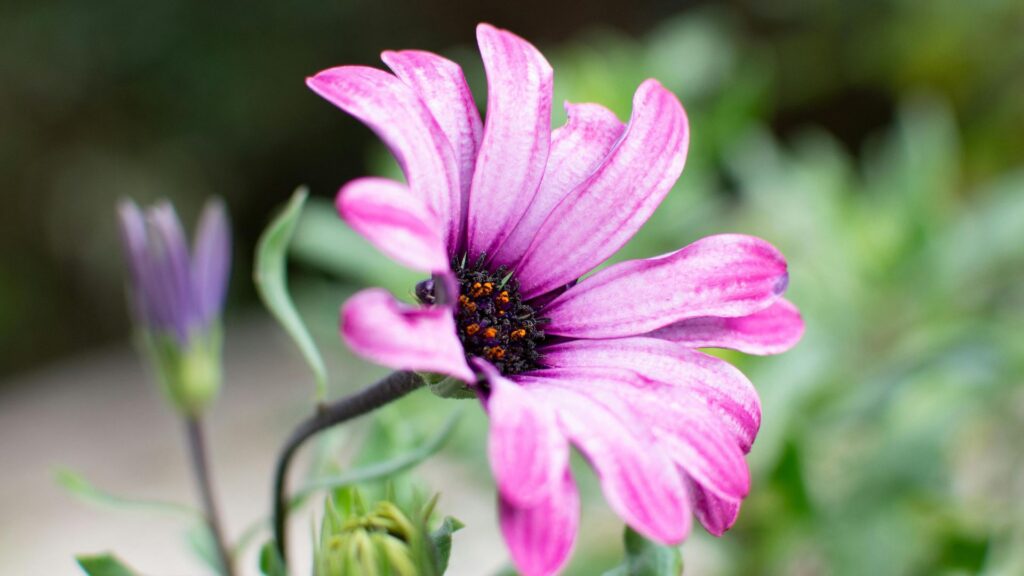
8. Lewis Monkeyflower
Scientific name: Erythranthe lewisii
Lewis Monkeyflower is a western North American wildflower associated with moist mountain habitats. Its flowers can range from pink to reddish or purplish shades, depending on the population and individual plant.
The species is named after Meriwether Lewis, reflecting its connection with the exploration history of western North America.
It is especially interesting for gardeners who enjoy mountain wildflowers and plants adapted to cool, moist environments.
Why it’s interesting: A distinctive western native associated with mountain habitats.
Best for: Cool climates, moist soils, and naturalistic mountain gardens.
9. Rocky Mountain Penstemon
Scientific name: Penstemon strictus
Rocky Mountain Penstemon is a western North American perennial known for its tall stems of tubular blue-purple flowers.
It is naturally associated with dry mountain environments and open landscapes, making it very different from moisture-loving woodland wildflowers such as Virginia Bluebells.
Its relatively drought-tolerant nature can make it a useful choice for gardeners who want native flowers without creating constantly wet soil.
Why it’s interesting: It combines striking blue-purple flowers with adaptation to relatively dry mountain conditions.
Best for: Sunny borders, rock gardens, dry landscapes, and native plant gardens.
10. Western Red Columbine
Scientific name: Aquilegia formosa
Western Red Columbine is a distinctive native wildflower of western North America. Its nodding flowers combine red outer sepals with yellow petals, producing a dramatic two-tone appearance.
The plant occurs across a variety of habitats, including mountain environments and woodland edges.
Its unusual flower structure also makes it valuable for wildlife-friendly gardens because its flowers are adapted to pollinators such as hummingbirds.
Why it’s interesting: The red-and-yellow flowers are immediately recognizable and very different from many common garden blooms.
Best for: Woodland edges, mountain gardens, partial shade, and native plant landscapes.
What Makes a Native Wildflower Rare?
The words native and rare describe different things.
A native wildflower is a plant that naturally occurs in a particular geographic region without being introduced there by people. A rare plant, on the other hand, may have a very limited distribution, small populations, specialized habitat requirements, or another characteristic that makes it uncommon.
A plant can therefore be:
- Native and widespread
- Native and uncommon
- Native and geographically restricted
- Native and threatened
- Native but locally common
This distinction is especially important when researching wildflowers because conservation status can vary by species and location.
The U.S. Botanic Garden’s rare and endangered plant resources highlight how individual plant species can face very different conservation pressures depending on their habitat and population. (usbg.gov)
For that reason, don’t dig rare wildflowers from their natural habitats. If you want one for your garden, look for plants or seeds propagated legally by reputable native-plant growers.
Native Does Not Always Mean Native Everywhere
One of the biggest mistakes people make when choosing wildflowers is assuming that a plant described as “native” is suitable everywhere.
For example, a wildflower native to eastern North America may not be native to California, Europe, Asia, or Australia. Even within one country, native ranges can be highly regional.
That is why the best native-wildflower choice depends on your location, climate, soil, rainfall, sunlight, and habitat.
Before buying a plant, check its documented native range and growing requirements rather than relying only on the word “native” in a product description.
11. Fairy Lantern
Scientific name: Calochortus spp.
Fairy Lanterns are among the most unusual native wildflowers of western North America. Their rounded, hanging flowers can look almost like tiny lanterns suspended from slender stems.
Several Calochortus species are native to California and surrounding western regions, and individual species can have highly specific habitats and ranges.
Because the genus contains many different species, it’s important to identify the exact species before describing one as rare, threatened, or endemic.
Why it’s interesting: The hanging, lantern-like flowers are unlike most traditional wildflowers.
Best for: Specialist native-plant gardens, rock gardens, and dry western landscapes.

12. Twinleaf
Scientific name: Jeffersonia diphylla
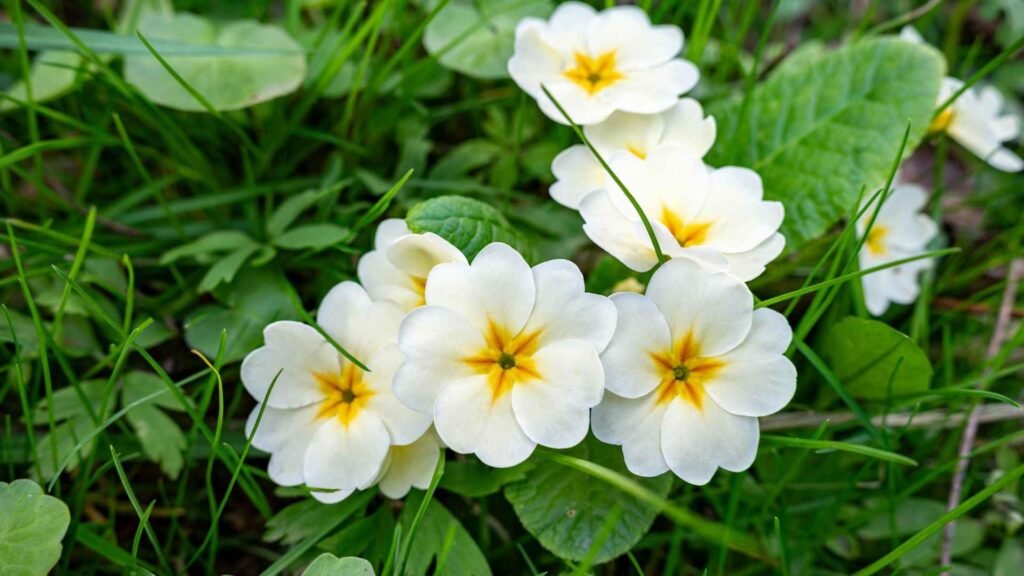
Twinleaf is a delicate woodland perennial native to parts of eastern North America. Its name comes from the paired leaflets that divide each leaf into two distinctive halves.
The plant produces small white flowers in spring before developing unusual seed capsules.
It prefers rich, moist woodland soil and generally performs best when its natural forest-floor conditions are reproduced in cultivation.
Why it’s interesting: The unusual two-part leaves are almost as distinctive as the flower itself.
Best for: Woodland gardens, shaded borders, and native plant collections.
13. Closed Gentian
Scientific name: Gentiana andrewsii
Closed Gentian is an unusual North American wildflower with deep blue flowers that remain largely closed rather than opening widely like many familiar blooms.
The unusual flower structure gives the plant its common name and makes it particularly interesting for anyone studying native wildflowers.
It naturally occurs in moist meadows, woodland edges, and other suitable habitats in parts of eastern and central North America.
Why it’s interesting: Its flowers have an unusual closed form and rich blue coloration.
Best for: Moist native gardens and perennial borders.
For more unusual blue blooms, see our complete guide to Rare Blue Flowers.
14. Dwarf Iris
Scientific name: Iris verna
Dwarf Iris is a small native iris associated with woodland and open habitats in parts of the eastern United States.
Unlike tall cultivated iris varieties, this species remains relatively compact and produces attractive purple-blue flowers close to the ground.
Its smaller size makes it interesting for gardeners who want native flowers for limited spaces or naturalistic woodland settings.
Why it’s interesting: It combines the familiar iris flower form with a much smaller native growth habit.
Best for: Woodland gardens, rock gardens, and small native-plant spaces.
15. Cardinal Flower
Scientific name: Lobelia cardinalis
Cardinal Flower is one of the most striking native wildflowers of eastern and central North America. Its brilliant red flowers rise above dark green foliage, creating a dramatic display in summer.
It naturally favors moist habitats such as stream margins, wet meadows, and woodland edges.
Although it isn’t globally rare, it belongs in a guide like this because it is a distinctive native wildflower with specific habitat preferences and exceptional ornamental value.
Why it’s interesting: Its intense red flowers make it one of the most recognizable native wildflowers.
Best for: Rain gardens, pond edges, moist borders, and wildlife gardens.
16. Trillium
Scientific name: Trillium spp.
Trilliums are woodland wildflowers known for their three-part leaves and three-petaled flowers. Different species occur across North America and parts of Asia, with individual species having different distributions and conservation situations.
Their slow growth and specialized woodland habitats make many trilliums poor candidates for casual collection from the wild.
If you want to grow one, look for nursery-propagated plants from a reputable native-plant source rather than plants dug from forests.
Why it’s interesting: Its three-part structure gives it an instantly recognizable appearance.
Best for: Mature woodland gardens with rich, moist soil.
17. Blue False Indigo
Scientific name: Baptisia australis
Blue False Indigo is a long-lived North American native perennial that produces tall spikes of blue-purple, pea-like flowers.
It naturally occurs in parts of the central and eastern United States and can become a substantial plant once established.
Unlike some highly specialized wildflowers, it can be relatively practical in cultivation if given sufficient sunlight and well-drained soil.
Why it’s interesting: Its blue-purple flower spikes and long-lived habit make it a distinctive native perennial.
Best for: Sunny native gardens, prairie-style borders, and larger landscapes.
18. Spreading Globeflower
Scientific name: Trollius laxus
Spreading Globeflower is a striking North American wildflower associated with wet habitats. Its yellow flowers have a rounded form that gives globeflowers their distinctive appearance.
The species has a much more specialized habitat than many ordinary garden perennials, which is part of what makes it interesting from a conservation perspective.
When discussing a species such as this, it is important to check current regional conservation information rather than assuming that a plant’s status is identical everywhere.
Why it’s interesting: Its rounded yellow flowers and specialized wetland habitat make it unusual.
Best for: Suitable wet gardens and specialist native-plant collections.
19. Shooting Star
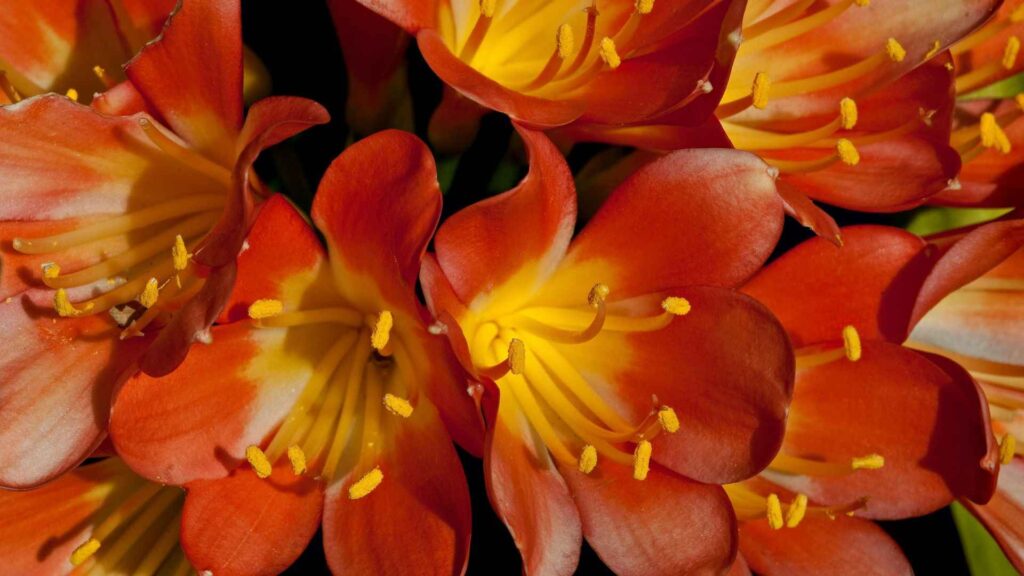
Scientific name: Dodecatheon spp.
Shooting Stars are a group of North American native wildflowers with flowers that point downward and petals that curve sharply backward.
Their unusual form makes them one of the most memorable native wildflower groups for gardeners and plant enthusiasts.
Different species occupy different habitats, so the exact native range and growing requirements should be checked before choosing one.
Why it’s interesting: The flowers look like small shooting stars hanging from their stems.
Best for: Rock gardens, meadows, and specialized native plantings.
20. Woodland Phlox
Scientific name: Phlox divaricata
Woodland Phlox is a fragrant native perennial of eastern and central North America. It produces clusters of blue, lavender, or violet flowers during spring.
Kew records the species across eastern Canada and much of the eastern and central United States. (powo.science.kew.org)
It is especially useful for gardeners who want a native wildflower that can handle partial shade rather than requiring an exposed, sunny location.
Why it’s interesting: Fragrant flowers combined with woodland tolerance make it especially versatile.
Best for: Woodland gardens, shaded borders, and naturalized areas.
You can also explore our guide to Wildflowers That Attract Butterflies for more wildlife-friendly planting ideas.
How to Choose Rare Native Wildflowers for Your Garden
The best native wildflower isn’t necessarily the rarest one. It is the species that fits your local habitat and growing conditions.
Start with these factors:
1. Check the Native Range
First determine whether the species is actually native to your region.
A plant can be native to one state, province, country, or continent without being native to another.
For example, a wildflower native to the eastern United States should not automatically be marketed as a “native plant” for a garden in another part of the world.
2. Match the Habitat
Look at where the flower naturally grows.
A woodland wildflower may prefer:
- Partial or filtered shade
- Rich organic soil
- Consistent moisture
- Protection from extreme heat
A prairie or mountain wildflower may instead prefer:
- Full sun
- Excellent drainage
- Less frequent watering
- Open exposure
Trying to force a plant into the wrong habitat often creates unnecessary maintenance.
3. Buy Propagated Plants or Seeds
If a plant is genuinely rare or conservation-sensitive, do not collect it from the wild.
Choose a reputable nursery that can identify the plant correctly and explain whether its stock is nursery-propagated.
This is especially important with orchids, trilliums, carnivorous plants, and other species that can be difficult to establish from wild-collected material.
Rare vs. Endangered vs. Uncommon
These terms should not be treated as synonyms.
Rare generally describes something occurring infrequently or having a limited distribution.
Uncommon can describe a species that is encountered less frequently than common plants but may still have a healthy overall population.
Endangered is a formal conservation category in many legal and scientific systems and should be used only when supported by the appropriate authority.
The U.S. Botanic Garden’s Rare and Endangered Plant Spotlights provides examples of plants facing different conservation challenges, demonstrating why individual species need to be evaluated separately. (U.S. Botanic Garden)
This distinction matters because calling every unusual wildflower “endangered” can create misinformation.

Why Native Wildflowers Matter
Native wildflowers can play important ecological roles within their natural habitats.
They may provide:
- Nectar for pollinators
- Pollen for insects
- Seeds for birds and other wildlife
- Host plants for particular insects
- Seasonal habitat
- Soil and ecosystem benefits
But the ecological value of a plant depends on the local ecosystem and species relationships.
That’s why locally appropriate native plants are generally more useful than simply choosing a plant because it has the word “native” attached to its name.
For pollinator-focused planting, you can also read our guide to Wildflowers That Attract Bees when that article is published.
How to Grow Rare Native Wildflowers Responsibly
Growing unusual native flowers doesn’t have to mean collecting wild plants.
A responsible approach is:
- Identify species native to your region.
- Research their natural habitat.
- Purchase legally propagated plants or seeds.
- Avoid wild-collected specimens.
- Don’t introduce plants outside their natural range without understanding the ecological consequences.
- Give each plant the soil, light, moisture, and space it needs.
- Allow established native plants to support local wildlife.
For species with conservation concerns, consult local botanical gardens, native-plant organizations, universities, or conservation authorities before purchasing.
5 Questions About Rare Native Wildflowers
What is a rare native wildflower?
A rare native wildflower is a naturally occurring plant that is uncommon, geographically restricted, or difficult to encounter in its native habitat. However, “rare” is not automatically the same as threatened or endangered.
What is the rarest native wildflower?
There isn’t one universally recognized rarest native wildflower. Rarity depends on geographic range, population size, habitat, and the conservation criteria being used.
Can rare native wildflowers be grown in gardens?
Some can. Others have highly specialized requirements and may be difficult or inappropriate for ordinary gardens. Always check the plant’s native range and growing conditions first.
Should I collect rare wildflowers from the wild?
No. Wild collection can damage natural populations, especially when a species has a small or vulnerable population. Nursery-propagated plants and seeds are the safer choice.
How do I find native wildflowers for my area?
Start with a local botanical garden, native-plant society, university extension service, conservation organization, or reputable native-plant nursery. These sources can help identify species genuinely suited to your region.
Final Thoughts
Rare native wildflowers show just how diverse local plant life can be. From the unusual Lady’s Slipper Orchid and California Pitcher Plant to the delicate Twinleaf, Woodland Phlox, and Shooting Star, these plants offer far more than attractive flowers.
The most important lesson is that rare, native, uncommon, and endangered do not mean the same thing. A responsible wildflower guide should distinguish between them and avoid giving every unusual plant an exaggerated conservation label.
If you want to grow these flowers, focus first on species that naturally belong in your region and match your garden’s conditions. Buy responsibly propagated plants or seeds, avoid collecting from the wild, and choose plants that can thrive without constant artificial intervention.
For more rare-flower inspiration, explore our guides to Rare Pink Flowers, Rare White Flowers, and Rare Purple Flowers.