Wildflowers That Attract Bees: 20 Native & Bee-Friendly Blooms
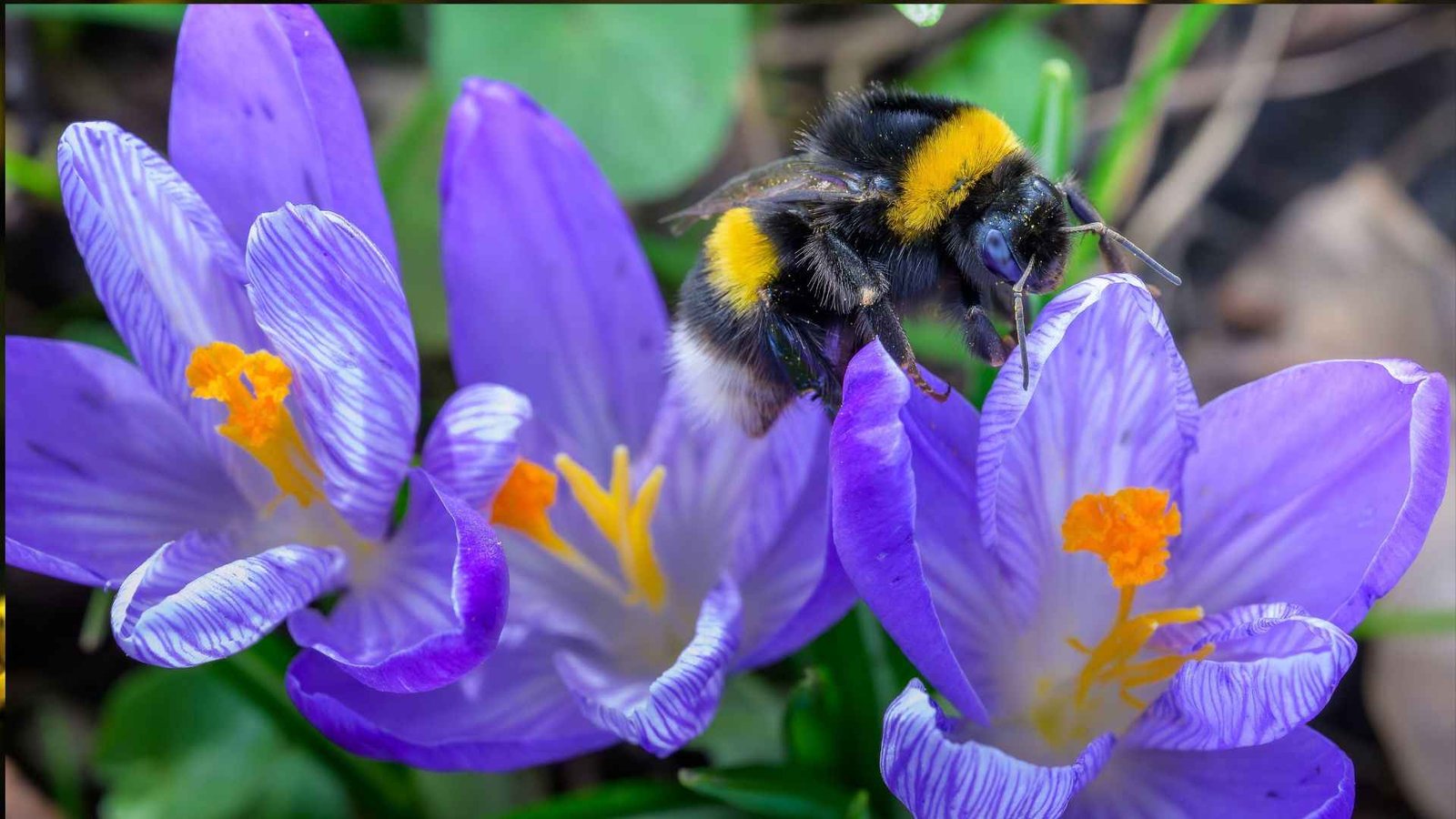
Bees need more than a single favorite flower. A bee-friendly garden works best when it offers a diverse mix of flowers, overlapping bloom periods, and suitable habitat throughout the growing season.
Wildflowers That Attract Bees can be especially valuable because they can provide abundant nectar and pollen while creating a more natural planting style. Native wildflowers are often a particularly useful starting point because they are adapted to the local climate, soils, and growing conditions. However, “native” is regional, so a plant native to one country or state may not be native where you live.
The goal is not simply to plant the most colorful flowers. It is to create a garden where bees can find food from spring through fall and where different bee species can use different flowers.
Quick Answer
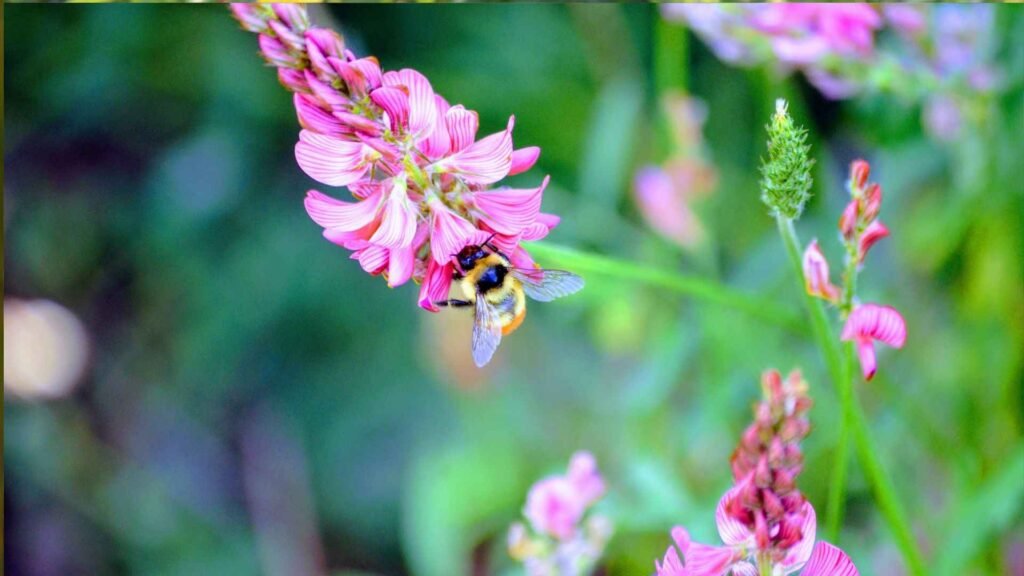
Some of the wildflowers that can attract bees include purple coneflower, wild bergamot, butterfly weed, black-eyed Susan, goldenrod, New England aster, blazing star, blue vervain, coreopsis, prairie clover, mountain mint, wild lupine, penstemon, wild sunflower, wild phlox, yarrow, cornflower, red clover, bird’s-foot trefoil, and knapweed.
For the strongest bee-friendly planting, choose species that are appropriate for your region, combine early-, mid-, and late-season bloomers, and grow several different flower types rather than relying on one species.
Research from the southeastern United States found particularly high bee abundance, richness, and diversity on butterfly weed, Indian blanket flower, and blue vervain. But those findings should not be treated as a universal ranking for every climate or bee community.
Quick Comparison
| Wildflower | Bee Appeal | Typical Bloom Period* | Native Status | Growing Preference |
|---|---|---|---|---|
| Purple Coneflower | High | Summer–fall | Native in parts of North America | Full sun |
| Wild Bergamot | High | Summer | Native in North America | Sun–part shade |
| Butterfly Weed | High | Summer | Native in parts of North America | Full sun |
| Black-Eyed Susan | High | Summer–fall | Native in parts of North America | Full sun |
| Goldenrod | High | Late summer–fall | Native in North America | Sun |
| New England Aster | High | Late summer–fall | Native in eastern North America | Sun |
| Blazing Star | High | Summer | Native in North America | Sun |
| Blue Vervain | High | Summer–fall | Native in North America | Sun–part shade |
| Coreopsis | High | Summer | Several native North American species | Sun |
| Prairie Clover | High | Summer | Native in central North America | Sun |
| Mountain Mint | High | Summer | Native in North America | Sun |
| Wild Lupine | High | Spring–summer | Native in parts of North America | Sun |
| Penstemon | High | Spring–summer | Many native North American species | Sun |
| Wild Sunflower | High | Summer–fall | Native in North America | Sun |
| Wild Phlox | Moderate–high | Spring | Native in eastern North America | Part shade–sun |
| Yarrow | High | Summer–fall | Native status varies by region | Sun |
| Cornflower | High | Summer | Native status varies by region | Sun |
| Red Clover | High | Spring–fall | Native status varies by region | Sun |
| Bird’s-Foot Trefoil | High | Summer | Native status varies by region | Sun |
| Knapweed | High | Summer–fall | Native status varies by region | Sun |
*Bloom periods vary with species, climate, latitude, soil and growing conditions. Always check local plant references before selecting species.
20 Wildflowers That Attract Bees
1. Purple Coneflower
Echinacea purpurea
Purple coneflower is one of the most recognizable bee-friendly wildflowers. Its prominent central cone provides an accessible landing area while the plant produces nectar and pollen during the summer.
It also adds long-lasting color to a pollinator garden and can continue providing value after flowering as its seed heads develop.
Best for: Sunny pollinator borders and naturalistic gardens.
Native status: Native to parts of eastern and central North America; check your local range.
Bloom: Usually summer into early fall.
2. Wild Bergamot
Monarda fistulosa
Wild bergamot, sometimes called bee balm, is a strong choice when you want a native plant with an unusual flower shape.
Its tubular flowers are especially interesting for different pollinators because flower structure can influence which insects can access nectar. Different bee species do not necessarily use flowers in the same way.
Best for: Sunny borders and prairie-style plantings.
Native status: Native to much of North America.
Bloom: Summer.
3. Butterfly Weed
Asclepias tuberosa
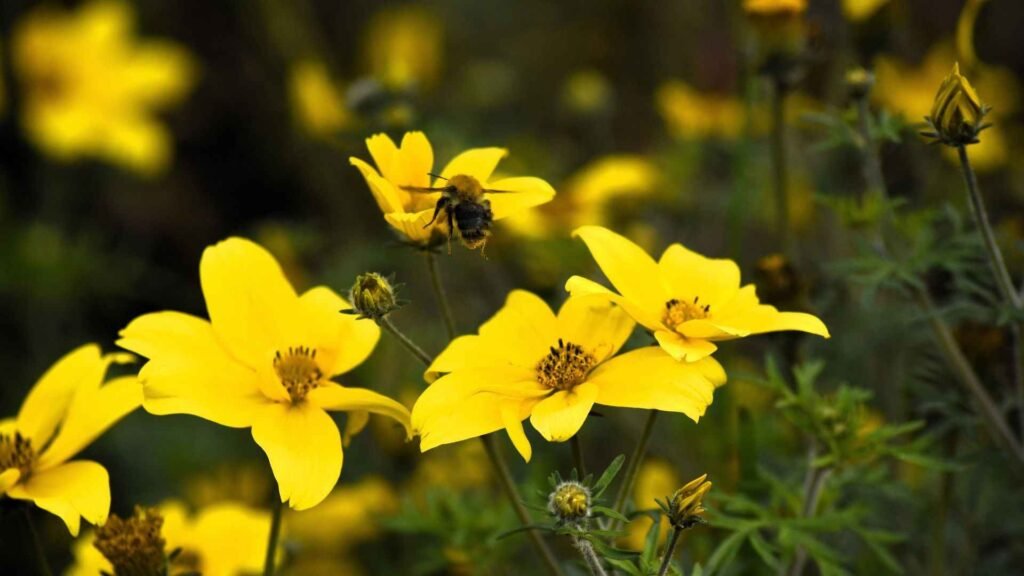
Despite its common name, butterfly weed is useful for more than butterflies. It can also provide an important floral resource for bees.
It is particularly notable because a 2024 study of native bees in the southeastern United States found butterfly weed among the three wildflowers attracting the greatest abundance, richness and diversity of native bees in that experiment.
Best for: Dry, sunny gardens.
Native status: Native to parts of North America.
Bloom: Summer.
4. Black-Eyed Susan
Rudbeckia hirta
Black-eyed Susan produces bright daisy-like flowers with dark centers and can provide a substantial summer-to-fall display.
It works well in groups, which can make the flowers easier for pollinators to locate than isolated individual plants.
Best for: Sunny borders, meadows and low-maintenance gardens.
Native status: Native to much of North America.
Bloom: Summer into fall.
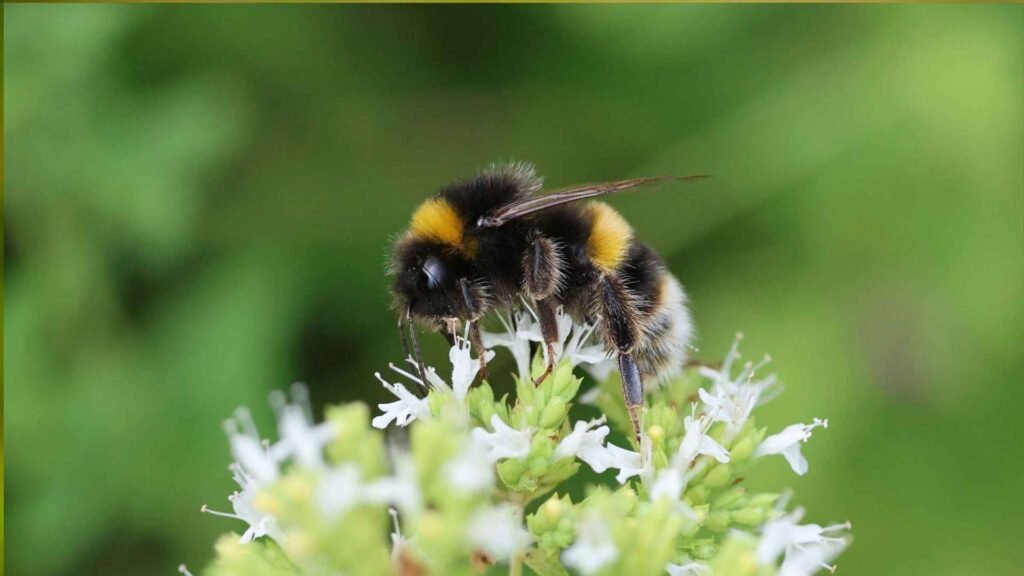
5. Goldenrod
Solidago spp.
Goldenrod is particularly useful for extending the flowering season toward late summer and fall.
This matters because pollinators need food beyond the peak summer flowering period. Extension guidance recommends combining plants with overlapping bloom periods so bees have access to flowers across the growing season.
Best for: Sunny naturalistic gardens.
Native status: Many species are native to North America.
Bloom: Late summer–fall.
6. New England Aster
Symphyotrichum novae-angliae
New England aster is another valuable late-season wildflower.
Its purple flowers can help keep a pollinator garden productive after many summer flowers have finished.
Best for: Sunny, moisture-retentive areas.
Native status: Native to eastern and central North America.
Bloom: Late summer–fall.
7. Blazing Star
Liatris spp.
Blazing star produces tall spikes covered with clusters of flowers. The unusual vertical form also adds structure to a wildflower planting.
Penn State Extension includes blazing star among native wildflowers useful to pollinators and notes that moisture-loving species can be incorporated into suitable areas such as wetter planting zones.
Best for: Sunny borders and pollinator meadows.
Native status: Several species are native to North America.
Bloom: Summer.
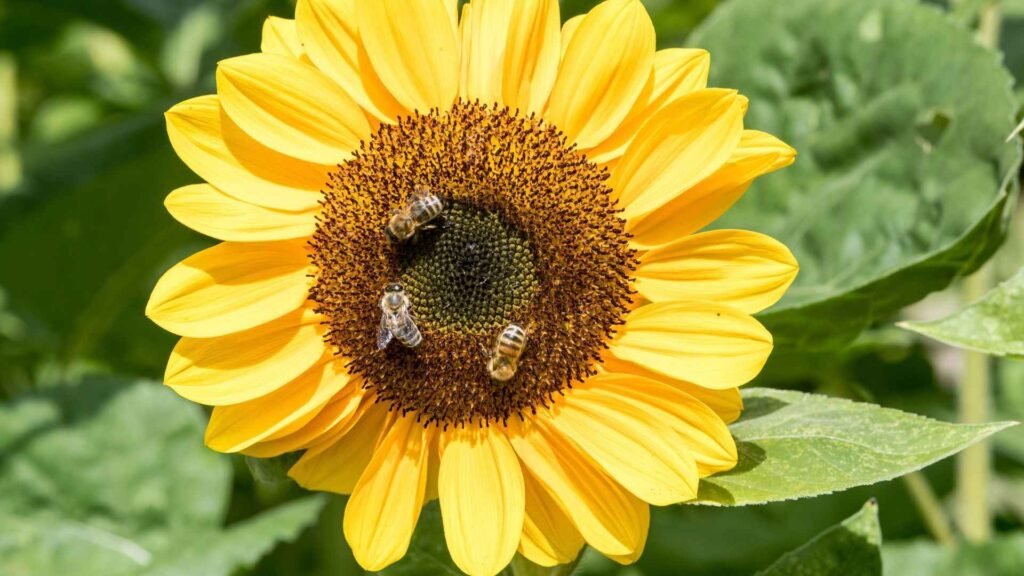
8. Blue Vervain
Verbena hastata
Blue vervain is one of the most interesting choices for a bee-focused wildflower garden.
In the southeastern U.S. study, blue vervain was one of three species that attracted the greatest abundance, richness and diversity of native bees. Together, butterfly weed, Indian blanket flower and blue vervain attracted 89% of the bee taxa recorded in that study.
That does not mean blue vervain will be the single best flower in every garden. Local climate, bee communities and plant availability matter.
Best for: Moist soils and sunny locations.
Native status: Native to much of North America.
Bloom: Summer–fall.
9. Coreopsis
Coreopsis spp.
Coreopsis provides bright, open flowers that fit naturally into pollinator borders and meadow-style plantings.
There are numerous Coreopsis species, so choose one suited to your region rather than assuming every species has the same native range.
Best for: Sunny, well-drained gardens.
Native status: Several species are native to North America.
Bloom: Usually summer.
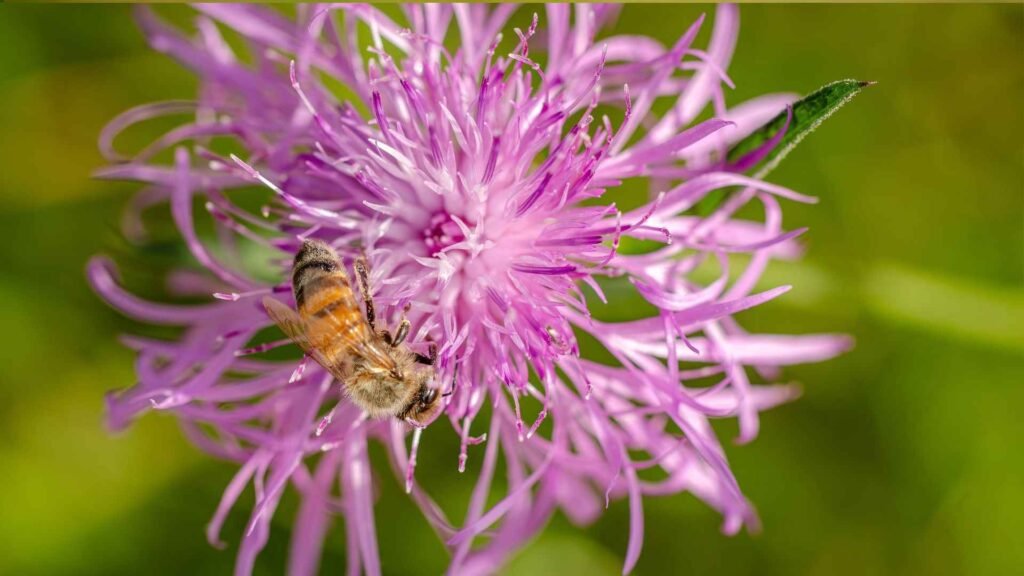
10. Prairie Clover
Dalea spp.
Prairie clovers are useful additions to dry, sunny wildflower gardens. Their compact flower spikes give the planting a different shape from daisy-like species.
Prairie clovers are also specifically included among native wildflowers recommended for wild-bee habitat by Penn State Extension.
Best for: Prairie gardens and dry soils.
Native status: Several species are native to North America.
Bloom: Summer.
11. Mountain Mint
Pycnanthemum spp.
Mountain mint is an excellent choice when you want to add another flower structure to a diverse bee garden.
Different flower shapes and plant families can help support a broader collection of pollinators rather than concentrating all of your planting around one type of bloom.
Best for: Sunny borders and naturalistic plantings.
Native status: Many species are native to North America.
Bloom: Summer.
12. Wild Lupine
Lupinus spp.
Wild lupines bring distinctive upright flower clusters to spring and early-summer gardens.
They can be particularly useful for filling an earlier part of the flowering calendar before many summer wildflowers reach their peak.
Best for: Sunny, well-drained locations.
Native status: Native status varies considerably by species, so select a locally appropriate species.
Bloom: Spring–summer.
13. Penstemon
Penstemon spp.
Penstemons are another group where choosing the correct species matters.
Many species are native to North America, and their tubular flowers add structural diversity to a pollinator planting.
Best for: Sunny, well-drained gardens.
Native status: Species-dependent.
Bloom: Spring–summer, depending on species.
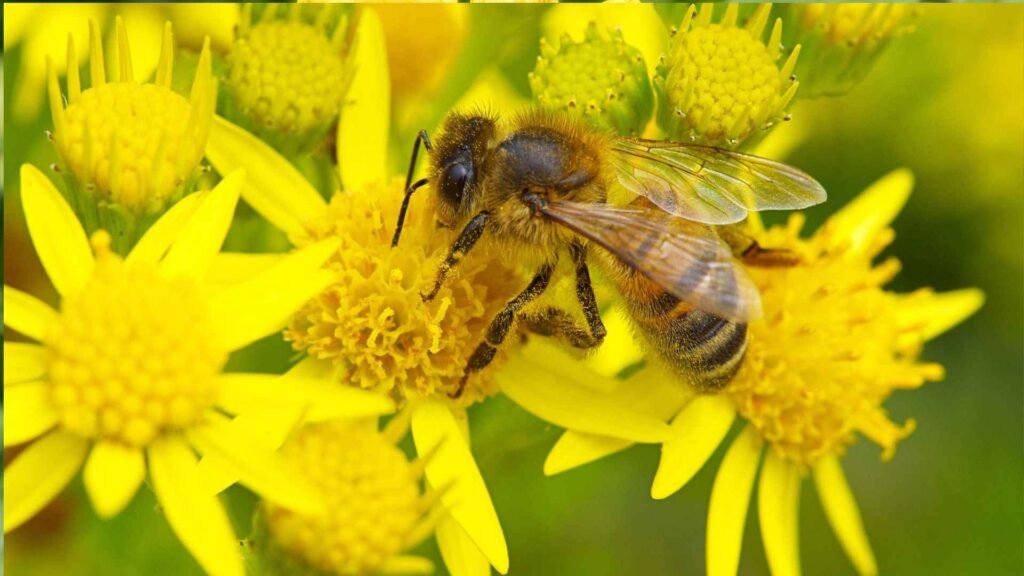
14. Wild Sunflower
Helianthus spp.
Wild sunflowers can provide an abundant summer-to-fall display while adding height to a meadow or large pollinator border.
There are many Helianthus species, so choose a locally suitable one instead of treating all wild sunflowers as interchangeable.
Best for: Large sunny areas.
Native status: Many species are native to North America.
Bloom: Summer–fall.
15. Wild Phlox
Phlox divaricata
Wild phlox can help fill the earlier part of the flowering season.
Cornell Cooperative Extension lists wild blue phlox among spring-to-early-summer plants that can contribute to a succession of blooms for pollinator gardens.
Best for: Part shade to sun, depending on conditions.
Native status: Native to parts of eastern North America.
Bloom: Spring–early summer.
16. Yarrow
Achillea millefolium
Yarrow produces flat-topped clusters of small flowers that can be visited by a variety of insects.
It is also useful for extending flowering into summer and fall.
However, its native status varies by region, so gardeners should check local plant references before treating it as a native wildflower.
Best for: Sunny, relatively dry locations.
Native status: Varies by region.
Bloom: Summer–fall.
17. Cornflower
Centaurea cyanus
Cornflower is a familiar blue-flowered species that can add color to a bee-friendly planting.
It appears in wildflower recommendations from several sources, but its native status is not universal. For that reason, it is better described as a bee-friendly wildflower rather than automatically calling it native.
Best for: Sunny gardens.
Native status: Native status varies by region.
Bloom: Usually summer.
18. Red Clover
Trifolium pratense
Red clover produces nectar-rich flower heads that can be valuable to bees.
It can also help create a less formal, meadow-like appearance.
Like several plants on this list, however, its native status depends on the region, so check local guidance before introducing it.
Best for: Sunny grassland-style plantings.
Native status: Varies by region.
Bloom: Spring–fall, depending on climate.
19. Bird’s-Foot Trefoil
Lotus corniculatus
Bird’s-foot trefoil is particularly relevant when looking at European and UK-oriented wildflower gardens.
Kew’s Grow Wild guidance lists it among plants that provide resources for bees during the middle and later parts of the flowering season.
Best for: Sunny grassland and meadow settings.
Native status: Region-dependent.
Bloom: Mainly summer.
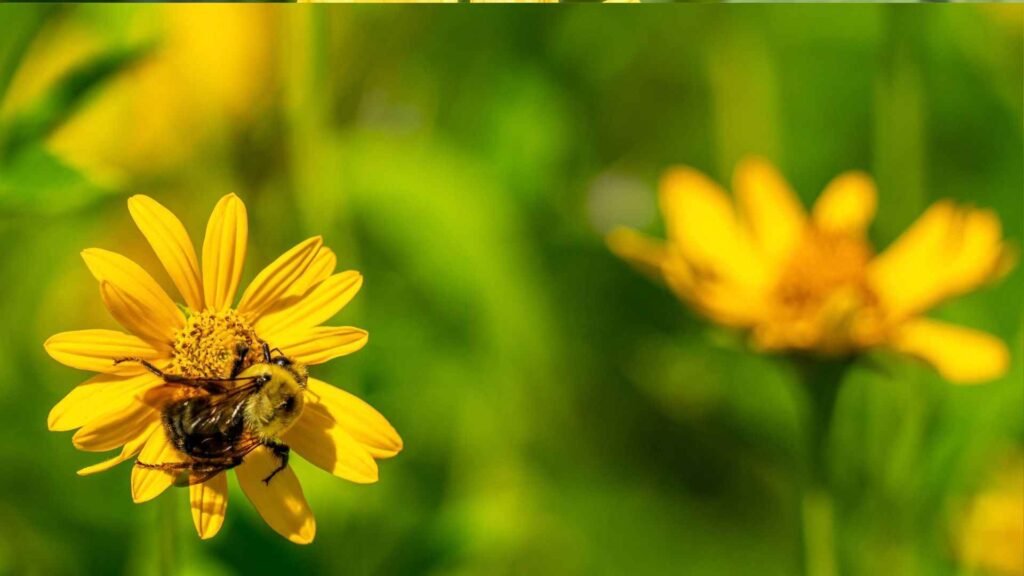
20. Knapweed
Centaurea spp.
Knapweeds can provide a long flowering period and are useful additions to naturalistic planting schemes.
Kew lists common knapweed among its mid- to late-season plants for bees, while other wildflower guidance also highlights knapweed as a valuable pollinator plant.
Best for: Meadows and sunny naturalistic gardens.
Native status: Species and region-dependent.
Bloom: Summer–fall.
Why Bees Need More Than One Type of Wildflower
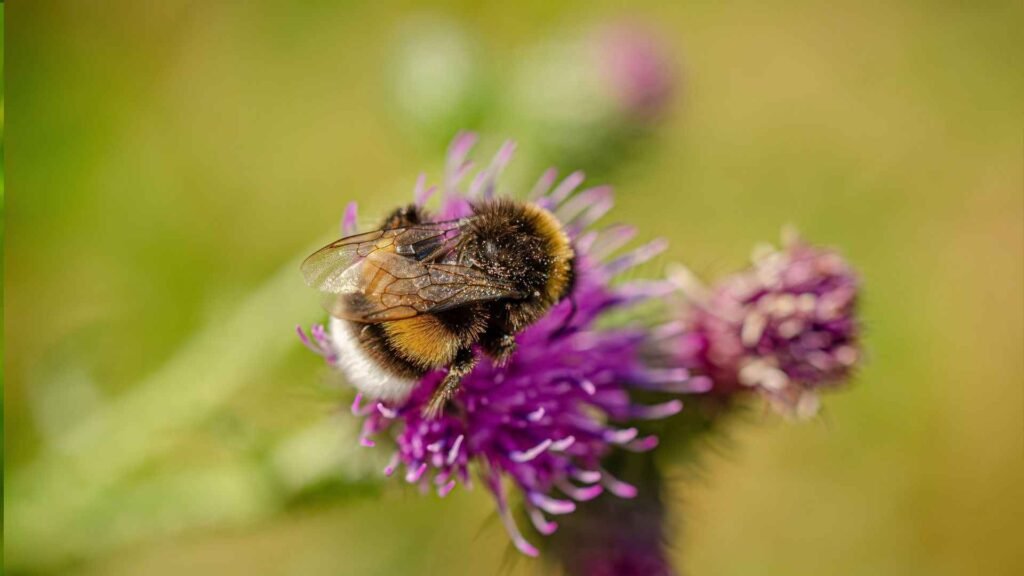
Planting one highly attractive flower can bring bees into the garden, but a diverse planting can offer a more reliable food supply.
Different bee species use different flowers, and individual wildflower species can vary substantially in the abundance and diversity of bees they attract. The 2024 southeastern U.S. study found that while three species attracted particularly high numbers and diversity of bees, some other plants with lower overall bee numbers were still important for uncommon or specialist bees.
That is why a good pollinator planting should not be built around one supposed “best” flower.
Instead, combine:
- Different flower shapes
- Different flower colors
- Different plant families
- Early-, mid- and late-season bloomers
- Plants suited to different soil and moisture conditions
Build a Bee Garden Around Bloom Timing
One of the biggest mistakes in pollinator gardening is choosing plants that all flower at the same time.
A better approach is to create a succession of blooms.
Early season
Consider plants such as:
- Wild phlox
- Wild lupine
- Native violets
- Early native shrubs or trees where appropriate
Early flowers can be particularly important because fewer flowering plants may be available at the beginning of the season.
Midseason
Summer can provide the largest selection:
- Wild bergamot
- Butterfly weed
- Purple coneflower
- Blazing star
- Mountain mint
- Coreopsis
- Prairie clover
- Penstemon
Late season
Keep food available with:
- Goldenrod
- New England aster
- Blue vervain
- Wild sunflower
- Yarrow
- Knapweed where appropriate
Extension guidance similarly recommends choosing plants with overlapping flowering periods so pollinators can find food from spring through fall.
Are Native Wildflowers Always Better for Bees?
Native plants are an important foundation for many pollinator gardens because they are adapted to the local climate, soils and growing conditions. USDA guidance specifically recommends native plants for pollinator gardening.
But there is an important distinction:
Native status is local.
A wildflower can be native in one region and introduced somewhere else.
That means gardeners should not simply copy a list from another country and assume every plant is appropriate.
For example, a wildflower recommended for a North American prairie may have a completely different status in the United Kingdom, Europe or Asia.
The better rule is:
Choose bee-friendly plants that are native or well-adapted to your own region whenever possible.
The RHS also notes that research does not support an overly simplistic “native always wins” rule for every garden; a diverse mix of flowering plants can provide value to pollinating insects.
How to Make Your Wildflower Garden Better for Bees
Plant several species together
Rather than planting one flower in isolation, create groups or drifts.
Cornell guidance recommends planting multiple plants of the same species together because concentrated groups can make flowers easier for pollinators to locate.
Avoid relying on double flowers
Some highly bred double flowers have extra petals that can make pollen or nectar less accessible.
For a pollinator garden, simple, accessible flower forms are often a safer choice. USDA and Cornell guidance both caution about some double-flowered hybrids.
Limit unnecessary pesticide use
A beautiful flower garden is not very helpful to bees if routine pesticide applications expose them to unnecessary risk.
Use non-chemical methods where practical and avoid treating flowering plants when pollinators are actively visiting them.
Leave some natural habitat
Flowers provide food, but bees also need places to live.
Some species nest underground, while others use cavities, stems or other sheltered spaces. A perfectly manicured garden can remove some of these resources.
Consider leaving:
- Small areas of bare soil
- Hollow stems
- Leaf litter
- Dead plant material
- Natural shelter
Wildflower habitat and nesting habitat work together.
Provide water carefully
A shallow water source can supplement a pollinator garden, but avoid deep containers where insects can drown.
Small stones or shallow edges can provide safe places for bees to land.
Wildflowers for Bees by Blooming Season
| Season | Examples |
|---|---|
| Early spring | Wild phlox, wild lupine |
| Late spring | Penstemon, early clovers |
| Early summer | Wild bergamot, coreopsis |
| Mid-summer | Butterfly weed, blazing star, prairie clover |
| Late summer | Purple coneflower, blue vervain, mountain mint |
| Fall | Goldenrod, New England aster, wild sunflower, yarrow |
Exact flowering periods vary significantly by species and location, so use local extension services, botanical gardens or native-plant references when planning your final combination. Cornell’s regional examples demonstrate how bloom periods can be arranged from spring through fall.
Final Thoughts
The best bee-friendly wildflower garden is not necessarily the one with the longest flower list.
It is the one that provides the right diversity at the right time.
Choose several wildflowers suited to your region, combine early and late bloomers, include different flower structures, and give bees more than flowers by providing suitable nesting and shelter areas.
Most importantly, don’t assume that one plant will work equally well everywhere. Even scientific research showing strong bee preferences is geographically specific. The 2024 southeastern U.S. study, for example, found butterfly weed, Indian blanket flower and blue vervain particularly attractive to native bees in that study, while also finding that other plants supported less abundant but potentially important specialist bees.
If you are specifically interested in unusual native species, you can also explore our guide to Rare Native Wildflowers.