
12 Long Blooming Perennials That Keep Your Garden Colorful
Introduction
Long blooming perennials are an excellent choice for gardeners who want colorful flower beds for more than a few weeks each year. Unlike annuals, these plants return for multiple growing seasons, and many produce flowers over an extended period when they receive the right sunlight, water, and care.
Some perennials begin flowering in late spring and continue into summer, while others start in midsummer and keep producing blooms into fall. Certain varieties also flower again after their first flush, especially when faded flowers are removed or the plants are lightly trimmed at the right time.
The best long-blooming perennials depend on your climate, soil, available sunlight, and preferred garden style. A sunny border may suit catmint, coreopsis, and perennial salvia, while gardeners looking for a fuller range of colors can combine coneflowers, hardy geraniums, yarrow, and reblooming daylilies.
This guide covers 12 long-blooming perennial flowers, their approximate flowering seasons, growing requirements, and the situations in which each plant works best.
Quick Answer: Which Perennials Bloom the Longest?
Some of the best long-blooming perennials include threadleaf coreopsis, hardy geranium ‘Rozanne’, catmint ‘Walker’s Low’, perennial salvia, Russian sage, blanket flower, coneflower, black-eyed Susan, yarrow, gaura, garden phlox, and reblooming daylilies.
In suitable growing conditions, several can flower from late spring or early summer into late summer or fall. However, actual flowering periods vary by cultivar, climate, and maintenance. For the longest-lasting garden display, choose several varieties with overlapping flowering seasons instead of relying on a single plant.
Quick Comparison: Best Long-Blooming Perennials
| Perennial | Approximate flowering season | Sunlight | Best feature |
|---|---|---|---|
| Threadleaf coreopsis | Early summer to fall | Full sun | Long-lasting yellow flowers |
| Hardy geranium ‘Rozanne’ | Late spring to fall | Sun to partial shade | Extended blue-purple blooms |
| Catmint ‘Walker’s Low’ | Late spring to early fall | Full sun | Aromatic foliage and pollinator appeal |
| Perennial salvia | Late spring through summer; some rebloom | Full sun | Flower spikes and strong garden structure |
| Russian sage | Summer to fall | Full sun | Airy purple-blue flowers |
| Blanket flower | Summer to fall | Full sun | Bright, daisy-like blooms |
| Coneflower | Summer into early fall | Full sun to light shade | Pollinator-friendly flowers |
| Black-eyed Susan | Summer to early fall | Full sun to partial shade | Golden petals and dark centers |
| Yarrow | Late spring or summer into fall | Full sun | Flat flower clusters and drought tolerance |
| Gaura | Late spring through fall in suitable climates | Full sun | Delicate, butterfly-like flowers |
| Garden phlox | Midsummer to early fall, depending on variety | Sun to partial shade | Fragrant flower clusters |
| Reblooming daylily | Summer, with repeated flowering in selected cultivars | Full sun to partial shade | Easy-care flowers in successive flushes |
Flowering seasons are approximate. Local climate, cultivar, planting conditions, and care can change the timing and duration.
12 Long-Blooming Perennials for Months of Garden Color
1. Threadleaf Coreopsis
Threadleaf coreopsis is a strong choice for sunny gardens where continuous color is a priority. Its fine, delicate foliage creates a soft texture, while its cheerful yellow flowers brighten borders, pathways, and mixed perennial beds.
Many varieties begin flowering in early summer and continue producing blooms into fall when conditions are favorable. Removing faded flowers can encourage additional flowering and help keep plants looking tidy.
Coreopsis grows best in full sun and well-drained soil. Once established, it generally tolerates relatively dry conditions, making it useful for gardeners who want color without constant watering. Avoid keeping its roots in waterlogged soil, particularly during winter.
Best for: Sunny borders, pollinator gardens, and low-maintenance flower beds.
Care tip: Deadhead spent flowers regularly during the flowering season, and divide or rejuvenate crowded plants when necessary.
2. Hardy Geranium ‘Rozanne’
Hardy geranium ‘Rozanne’ is valued for its long flowering season and attractive blue-purple flowers with lighter centers. Unlike many perennials that produce a concentrated flush of blooms, this cultivar can continue flowering over an extended period in suitable conditions.
Its spreading growth habit makes it useful along garden edges, between shrubs, and around taller perennial plants. It can also soften the appearance of pathways and borders.
Plant it in full sun in cooler climates or partial shade where summers are particularly hot. Moist but well-drained soil generally supports healthy growth. Although the plant can tolerate some variation in conditions, prolonged heat and drought may reduce flowering.
Best for: Cottage gardens, border edges, and gardeners who want extended blue-purple color.
Care tip: Give it enough room to spread, and remove damaged foliage if the plant becomes untidy during the season.
3. Catmint ‘Walker’s Low’
Catmint ‘Walker’s Low’ produces abundant blue-purple flower spikes above aromatic gray-green foliage. It is a useful perennial for sunny borders because its flowering period can extend from late spring into summer, with further flowers possible after trimming.
The plant works particularly well beside roses, along pathways, and at the front or middle of a mixed flower bed. Its soft foliage contrasts with plants that have upright stems or bold, broad leaves.
Catmint prefers full sun and well-drained soil. Once established, it is relatively drought-tolerant and usually requires less attention than plants that need consistently moist soil.
Best for: Sunny borders, cottage gardens, pollinator planting, and low-maintenance landscapes.
Care tip: After the first major flush of flowers fades, trim the plant back moderately to encourage fresh growth and possible rebloom.
4. Perennial Salvia
Perennial salvias are among the most useful plants for gardeners who want upright flower spikes and a long summer display. Many varieties produce blue, violet, purple, or pink flowers, and some can bloom repeatedly when faded spikes are removed.
The flowering season depends heavily on the variety. Some begin in late spring and continue through summer, while others produce a stronger first flush followed by a second period of flowering.
Most commonly grown perennial salvias prefer full sun and well-drained soil. They are particularly suitable for mixed borders because their upright flowers add height without taking up excessive space.
Best for: Sunny perennial borders, pollinator gardens, and structured planting schemes.
Care tip: Remove spent flower spikes, but check the needs of your specific variety before carrying out a major trim.

5. Russian Sage
Russian sage is a good option for gardens that need color through the hotter months. Its airy stems carry small lavender-blue flowers that can create a soft, cloud-like effect above silvery foliage.
In suitable climates, it generally flowers from summer into fall. Its open growth habit also makes it useful for adding height and movement without making a border look too crowded.
Russian sage prefers full sun and sharply drained soil. Once established, it is relatively drought-tolerant, making it a practical choice for dry summers and water-conscious gardens. Heavy, consistently wet soil can cause problems, particularly in winter.
Best for: Sunny borders, dry gardens, and naturalistic planting schemes.
Care tip: Avoid excessive watering once the plant is established. Follow local pruning guidance, as the appropriate timing can depend on the climate and cultivar.
6. Blanket Flower
Blanket flower brings vivid red, orange, and yellow tones to sunny garden beds. Its daisy-like flowers make it an attractive option for gardeners who want warm colors over a long summer period.
Many blanket flower varieties flower through summer and may continue into fall when growing conditions are favorable. Regular removal of faded blooms can help maintain a tidy appearance and encourage continued flowering.
Blanket flower performs best in full sun and well-drained soil. It generally handles heat better than prolonged wet conditions, so avoid planting it in areas where water collects after rain.
Best for: Hot, sunny borders, pollinator gardens, and colorful low-water planting.
Care tip: Deadhead regularly during the growing season and avoid overwatering. Leave a few seed heads if you want to encourage natural reseeding or provide food for wildlife.
7. Coneflower
Coneflowers, particularly purple coneflower varieties, are popular perennial choices because they provide attractive flowers and support pollinators. Their raised central cones and drooping petals make them easy to recognize in a summer border.
Most commonly grown coneflowers flower during summer and may continue into early fall, depending on the cultivar and local conditions. Individual flowers do not last indefinitely, but established plants can produce successive blooms over several weeks.
Coneflowers generally prefer full sun and well-drained soil. They can tolerate some dry weather once established, although extended drought may reduce flowering and overall plant vigor.
Best for: Wildlife gardens, mixed perennial borders, and naturalistic planting.
Care tip: Remove faded flowers if you want to encourage a neater display and potentially more blooms. Leave selected seed heads standing through fall if you want to provide seeds for birds.
8. Black-Eyed Susan
Black-eyed Susan produces golden-yellow petals surrounding a dark central cone. Its bright flowers work well in informal borders, cottage gardens, and pollinator-friendly planting schemes.
Depending on the species or cultivar, flowering commonly occurs during summer and may extend into early fall. Some plants bloom more heavily than others, so choosing a suitable variety is important when a long display is your main goal.
Black-eyed Susan usually grows well in full sun, although some varieties tolerate partial shade. It adapts to a range of garden soils but performs best when drainage and moisture suit the particular variety.
Best for: Summer borders, beginner-friendly gardens, and bright, informal planting.
Care tip: Remove spent flowers to keep the plant tidy and encourage further flowering. Check the expected mature size before planting because some varieties spread or grow taller than others.
9. Yarrow
Yarrow is valued for its flat-topped flower clusters, finely divided foliage, and ability to grow in sunny, relatively dry locations. Flowers may be white, yellow, pink, red, or other shades depending on the variety.
Many yarrows bloom from late spring or early summer into late summer or fall, particularly when faded flower clusters are removed. The precise season varies by cultivar and climate.
Yarrow prefers full sun and well-drained soil. It is generally drought-tolerant once established and can spread over time, making it useful for larger borders and naturalistic gardens. In small beds, its spreading habit may require occasional management.
Best for: Dry gardens, pollinator planting, sunny borders, and gardeners who want easy-care flowers.
Care tip: Cut off faded flower clusters to encourage a cleaner appearance and possible additional blooms. Divide plants when they become crowded or spread beyond their allotted space.
10. Gaura
Gaura, also called bee blossom in some regions, produces delicate flowers on slender, branching stems. The blooms often appear to float above the foliage, giving the plant a light, airy appearance that contrasts well with denser perennials.
In suitable climates, gaura can flower from late spring or early summer into fall. Its extended flowering habit makes it useful for adding movement and a softer texture to mixed borders.
Gaura prefers full sun and well-drained soil. It is often a good choice for warm locations, but performance varies by species, cultivar, and winter conditions. Check its suitability for your hardiness zone before planting.
Best for: Sunny mixed borders, naturalistic gardens, and planting combinations that need height without heavy visual structure.
Care tip: Avoid waterlogged soil. Allow enough space for the stems to spread, and remove damaged growth when necessary.
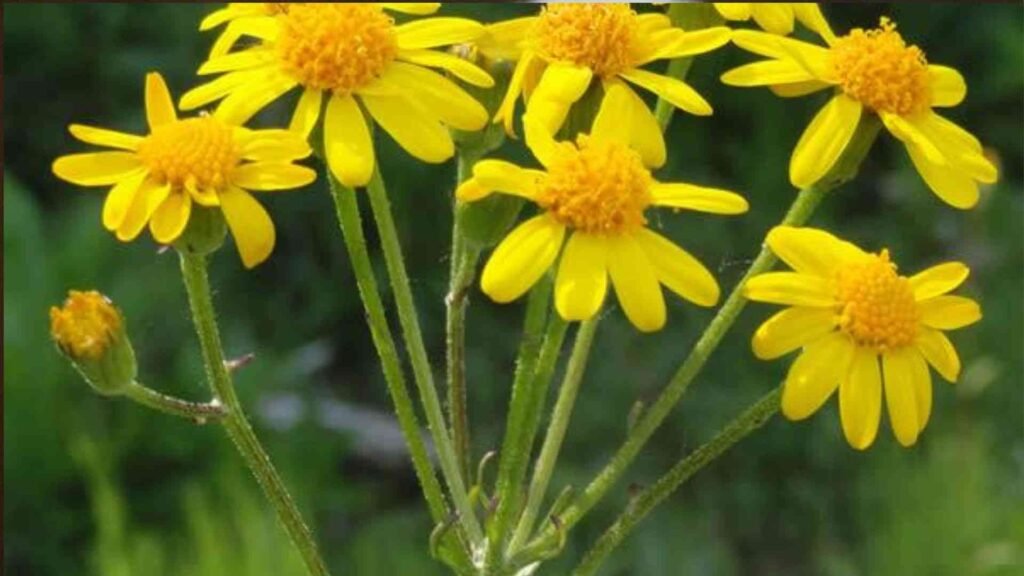
11. Garden Phlox
Garden phlox adds fragrant clusters of flowers to summer gardens. Depending on the variety, flowers may be pink, purple, white, red, or mixed shades. The plants can also provide useful height in the middle or back of a perennial border.
Garden phlox generally flowers during midsummer and may continue into early fall. Its flowering period is often shorter than that of the strongest continuous bloomers in this list, but the generous flower clusters make it valuable for a garden with staggered flowering seasons.
Most garden phlox varieties prefer fertile soil with consistent moisture and good drainage. Adequate airflow around the foliage can help reduce problems with powdery mildew, especially in humid weather.
Best for: Cottage gardens, fragrant borders, and summer flower displays.
Care tip: Water at soil level when practical, avoid overcrowding, and choose mildew-resistant varieties where powdery mildew is a recurring problem.
12. Reblooming Daylilies
Daylilies are reliable perennials for many garden settings, but flowering duration depends on the cultivar. Traditional daylilies may produce a concentrated flowering period, while reblooming selections can produce additional flushes later in the season.
‘Stella de Oro’ is a well-known example of a reblooming daylily. It produces golden-yellow flowers over a prolonged season in suitable conditions, although each individual bloom typically lasts only one day. New buds open in succession, which is why the overall display can continue for much longer.
Daylilies generally grow in full sun to partial shade and adapt to a range of garden soils, provided drainage is reasonable. More sunlight often supports better flowering, while excessive shade can reduce the number of blooms.
Best for: Garden borders, mass planting, and gardeners who want dependable seasonal color.
Care tip: Remove spent flower stalks and damaged foliage as needed. Choose a genuinely reblooming cultivar if an extended flowering season is a priority.
Best Long-Blooming Perennials for Different Garden Needs
The longest-flowering plant is not necessarily the best choice for every garden. Match your selection to the growing conditions and the result you want.
Best for Full Sun
Threadleaf coreopsis, catmint ‘Walker’s Low’, perennial salvia, Russian sage, blanket flower, and yarrow are strong options for sunny areas with suitable drainage.
If your garden experiences hot summers, prioritize varieties suited to your climate. Plants that tolerate heat and dry conditions can be easier to maintain than those that need consistently moist soil.
Best for Low-Maintenance Gardens
Catmint, Russian sage, yarrow, and established coreopsis can be relatively low-maintenance in suitable conditions. They generally benefit from good drainage and do not require the same level of constant watering as some moisture-loving perennials.
Low maintenance does not mean no care. Occasional deadheading, watering during prolonged drought, and dividing crowded plants can improve flowering and long-term performance.
Best for Pollinators
Coneflowers, blanket flowers, salvias, coreopsis, and yarrow can provide useful nectar or pollen resources for bees and other pollinators. Including several species with overlapping flowering seasons can make a garden more valuable to wildlife than planting just one type of flower.
Choose varieties appropriate for your region, and avoid pesticide use that could harm visiting pollinators.
Best for Cottage Gardens
Hardy geranium ‘Rozanne’, catmint, garden phlox, coneflowers, and perennial salvia work well in cottage-style planting. Combining different flower shapes, heights, and colors creates a fuller display and helps the garden remain attractive as individual plants move in and out of bloom.

Best for Extended Summer-to-Fall Color
For a long display, consider combining threadleaf coreopsis, Russian sage, blanket flower, gaura, and reblooming daylilies. Their flowering periods can overlap, but the exact timing depends on your climate and the varieties selected.
The goal is not to make every plant bloom continuously. It is to create a succession of flowers so that the garden continues to have color as earlier blooms fade.
How to Keep Perennials Blooming Longer
Even a naturally long-blooming perennial may produce fewer flowers if its growing conditions are unsuitable. These practical steps can help extend the display.
1. Choose the Right Cultivar
Flowering duration often differs substantially between cultivars of the same plant. When shopping, look for varieties specifically described as long-blooming, repeat-flowering, or reblooming. Confirm that the selected cultivar suits your local climate.
2. Match Sunlight Requirements
Many of the longest-blooming perennials perform best in full sun, but not every garden receives the same amount of light. Check the sunlight requirements of each plant rather than assuming all perennials need identical conditions.
In very hot climates, some plants may benefit from partial afternoon shade, while others flower less when shaded.
3. Remove Faded Flowers When Appropriate
Deadheading removes flowers that have finished blooming. For many perennials, this can encourage additional flowers, prevent unwanted seed formation, or maintain a tidier appearance.
However, the response varies by plant. Some perennials naturally stop flowering after a single flush, and removing spent flowers will not necessarily make them bloom again.
4. Water According to Plant Needs
Newly planted perennials usually need more consistent watering while their roots establish. Mature plants may need less frequent watering, especially drought-tolerant species.
Avoid treating every perennial the same. Russian sage and yarrow generally prefer well-drained conditions, while garden phlox often performs better with more consistent soil moisture.
5. Avoid Excessive Fertilizer
More fertilizer does not automatically produce more flowers. Excess nitrogen can encourage leafy growth at the expense of flowering in some plants.
Start with healthy soil and follow the requirements of the particular species. Fertilize only when needed rather than applying high-nitrogen products routinely.
6. Combine Plants With Different Flowering Windows
A successful perennial garden often uses overlapping flowering periods rather than relying on one exceptionally long-blooming plant.
For example, early-flowering catmint and salvia can overlap with summer coreopsis and blanket flower, while Russian sage and some gaura varieties can continue providing color later in the season.
This approach helps maintain a more consistent display across the growing season.
Frequently Asked Questions
Which perennial flowers bloom the longest?
Threadleaf coreopsis, hardy geranium ‘Rozanne’, catmint ‘Walker’s Low’, some perennial salvias, Russian sage, and gaura are notable options for extended flowering. The longest-lasting choice depends on cultivar, climate, and care.
Are there perennials that bloom all summer?
Yes. Some cultivars of coreopsis, catmint, salvia, gaura, and reblooming daylilies can provide flowers through much of summer under suitable conditions. However, flowering may pause during extreme heat or drought, and not every cultivar blooms for the entire season.
Which long-blooming perennials are easiest to maintain?
Catmint, Russian sage, yarrow, and many coreopsis varieties are relatively easy to grow when planted in appropriate conditions. Good drainage, suitable sunlight, and occasional maintenance are still important.
Do long-blooming perennials return every year?
Most plants described as perennials can return for multiple growing seasons when their hardiness requirements are met. Survival depends on the species, local winter temperatures, soil conditions, and general plant health.
Can long-blooming perennials grow in partial shade?
Some can. Hardy geranium ‘Rozanne’, garden phlox, coneflowers, and daylilies may tolerate partial shade, depending on the cultivar and climate. Many other long-blooming choices produce more flowers in full sun.
Should I deadhead all perennial flowers?
No. Deadheading can encourage additional flowering in some plants, but it is not equally effective for every perennial. You may also want to leave selected seed heads for birds, wildlife, or natural reseeding.
How can I keep my garden colorful from spring through fall?
Plant several perennials with overlapping flowering seasons, and choose cultivars suited to your local conditions. Combine early and late bloomers, include plants with different flower colors and shapes, and provide the sunlight, water, and drainage each species needs.
Final Thoughts
Long-blooming perennials can make a garden more colorful while reducing the need to replant flowers every year. Threadleaf coreopsis, catmint, perennial salvia, Russian sage, blanket flower, and selected reblooming daylilies are useful choices for extended seasonal color.
The best results come from selecting the right cultivars for your climate and combining plants with different flowering windows. Pay attention to sunlight, drainage, watering, and deadheading where appropriate.
Rather than expecting one plant to flower continuously from spring to fall, build a garden in which several perennials take turns providing color. That approach creates a more dependable display and makes it easier to enjoy flowers throughout the growing season.
Long blooming perennials help gardeners enjoy flowers for more than a brief seasonal display. Coreopsis, hardy geranium, catmint, perennial salvia, Russian sage, and other extended bloomers offer different colors, heights, and growing requirements.