
Wildflowers That Attract Butterflies: 20 Beautiful Choices for Your Garden
Wildflowers That Attract Butterflies
Butterflies can turn an ordinary garden into a lively, colorful space. The best way to attract them is to provide reliable nectar sources throughout the growing season while also including plants that can support butterfly caterpillars.
Wildflowers are particularly useful because many are adapted to natural ecosystems and can provide food and habitat for native insects. For the strongest results, choose several species with different bloom times rather than relying on one flower.
Quick Answer
Some of the best wildflowers that attract butterflies include milkweed, Black-Eyed Susan, purple coneflower, asters, bee balm, blazing star, coreopsis, and goldenrod.
For a better butterfly garden, combine flowers that bloom at different times. Also remember that adult butterflies need nectar, while caterpillars often need specific host plants. Milkweed is especially important for monarchs because monarch caterpillars feed on milkweed.
Quick Comparison
| Wildflower | Bloom Period | Light | Butterfly Benefit |
|---|---|---|---|
| Milkweed | Summer | Full sun | Nectar + monarch host plant |
| Black-Eyed Susan | Summer–fall | Full sun | Nectar |
| Purple Coneflower | Summer–fall | Sun–part shade | Nectar |
| Asters | Late summer–fall | Sun–part shade | Nectar + host value |
| Bee Balm | Summer | Sun–part shade | Nectar |
| Blazing Star | Summer | Full sun | Nectar |
| Coreopsis | Summer | Full sun | Nectar + host value |
| Goldenrod | Late summer–fall | Full sun | Nectar + host value |
1. Milkweed
Milkweed is one of the most valuable wildflowers for a butterfly garden, especially when the goal is to support monarchs.
Different milkweed species produce clusters of flowers that provide nectar for adult butterflies. They are also important host plants for monarch caterpillars.
Growing conditions: Most milkweeds prefer full sun and well-drained soil, although requirements vary by species.
Butterfly value: Nectar for adult butterflies and a host plant for monarch caterpillars.
Best for: Butterfly gardens, native borders, meadows, and wildlife gardens.
Tip: Choose a milkweed species that is native or well adapted to your region.
2. Black-Eyed Susan
Black-Eyed Susan (Rudbeckia hirta) is one of the most recognizable yellow wildflowers. Its bright petals surrounding a dark central cone make it an easy addition to a sunny butterfly garden.
It also has a relatively long flowering period, making it useful when you want summer color that continues toward fall.
Growing conditions: Full sun and reasonably well-drained soil.
Butterfly value: Provides nectar for a variety of butterflies and other flower-visiting insects.
Best for: Borders, meadows, native gardens, and beginner-friendly plantings.
Tip: Plant several together to create a more noticeable nectar source.
3. Purple Coneflower
Purple coneflower (Echinacea purpurea) produces large pink-purple flowers around a raised central cone.
Its long-lasting flowers and ability to tolerate relatively dry conditions once established make it a popular choice for naturalistic and butterfly-friendly gardens.
Growing conditions: Full sun to partial shade and well-drained soil.
Butterfly value: Provides nectar for adult butterflies.
Best for: Sunny borders, prairie-style gardens, meadows, and pollinator plantings.
Tip: Leave some mature flower heads standing after blooming to add additional wildlife interest.
4. Asters
Native asters are particularly useful for extending the butterfly season into late summer and fall.
New England aster and other native species produce masses of daisy-like flowers that can provide nectar when many summer flowers are beginning to fade.
Growing conditions: Varies by species, but many asters perform well in full sun and reasonably well-drained soil.
Butterfly value: Important late-season nectar source, with some species also serving as host plants for butterfly larvae.
Best for: Native borders, meadows, cottage-style gardens, and late-season butterfly plantings.
Tip: Choose an aster species naturally suited to your region.
5. Bee Balm
Bee balm (Monarda species), including wild bergamot, produces unusual tubular flowers that are attractive to butterflies as well as other pollinators.
Wild bergamot (Monarda fistulosa) is especially useful in native-style gardens because of its distinctive flowers and upright growth.
Growing conditions: Full sun to partial shade with good air circulation.
Butterfly value: Provides nectar for butterflies and other flower-visiting insects.
Best for: Native gardens, borders, meadows, and pollinator gardens.
Tip: Give plants enough space for good airflow, particularly in humid climates.
6. Blazing Star
Blazing star (Liatris species) produces tall spikes covered with clusters of small purple flowers.
Its upright growth adds another layer of height to a butterfly garden while providing nectar during the summer flowering period.
Growing conditions: Full sun and well-drained soil.
Butterfly value: Nectar source for adult butterflies.
Best for: Prairie gardens, sunny borders, meadows, and layered pollinator plantings.
Tip: Combine it with shorter wildflowers to create different heights within the same garden bed.
7. Coreopsis
Coreopsis produces cheerful yellow flowers and is a practical choice for sunny butterfly gardens.
Several coreopsis species are used in pollinator gardens, and some species can also provide value for butterfly larvae.
Growing conditions: Full sun and well-drained soil.
Butterfly value: Nectar for adult butterflies, with additional host value for some species.
Best for: Beginner gardens, borders, meadows, and pollinator plantings.
Tip: Removing faded flowers can help maintain a tidy appearance and may encourage additional blooms depending on the species.
8. Goldenrod
Goldenrod (Solidago species) is one of the most useful late-season wildflowers for butterfly gardens.
Its clusters of small yellow flowers provide nectar when many earlier summer flowers have finished blooming. Some goldenrod species also support butterfly larvae.
Growing conditions: Usually full sun, although requirements vary among species.
Butterfly value: Late-season nectar and potential host-plant value for some species.
Best for: Meadows, prairie gardens, native borders, and wildlife gardens.
Tip: Choose a locally appropriate goldenrod species because growth habits can vary considerably.
9. Yellow Prairie Coneflower
Yellow prairie coneflower (Ratibida columnifera), also called Mexican hat, has distinctive drooping yellow petals around a tall central cone. It is a drought-tolerant prairie wildflower that works well in sunny naturalistic gardens.
Growing conditions: Full sun and well-drained soil. It tolerates relatively dry conditions once established.
Butterfly value: Its flowers can provide nectar for butterflies and other pollinators.
Best for: Prairies, meadows, dry gardens, native borders, and butterfly gardens.
10. Lanceleaf Coreopsis
Lanceleaf coreopsis (Coreopsis lanceolata) produces bright yellow, daisy-like flowers on upright stems. It is particularly useful for sunny gardens where you want a dependable summer display.
Growing conditions: Full sun and well-drained soil. It can tolerate relatively dry conditions once established.
Butterfly value: Provides nectar for adult butterflies and other flower-visiting insects.
Best for: Meadows, borders, pollinator gardens, and naturalized plantings.
11. Partridge Pea
Partridge pea (Chamaecrista fasciculata) is an annual wildflower with showy yellow flowers marked with reddish-purple near the center. It can flower through much of summer and into early fall.
It is especially interesting for butterfly gardens because it provides nectar for butterflies and also serves as a host plant for several butterfly species.
Growing conditions: Full sun and well-drained soil. It can tolerate relatively dry conditions.
Butterfly value: Nectar source and caterpillar host plant for several butterflies.
Best for: Meadows, butterfly gardens, native plantings, and naturalized areas.
Tip: It can self-seed readily, so give it room if you want it to spread naturally.
12. Yellow Wild Indigo
Yellow wild indigo (Baptisia tinctoria) is a long-lived native perennial with yellow pea-like flowers and attractive blue-green foliage.
It develops a deep root system, so it is better planted where it can remain undisturbed for many years.
Growing conditions: Full sun to light shade and well-drained soil.
Butterfly value: Its flowers provide resources for visiting insects, while Baptisia plants can also support certain butterfly larvae.
Best for: Native perennial gardens, prairie-style landscapes, and low-maintenance borders.
Tip: Give this plant plenty of room because established plants can be difficult to move.
13. Golden Yarrow
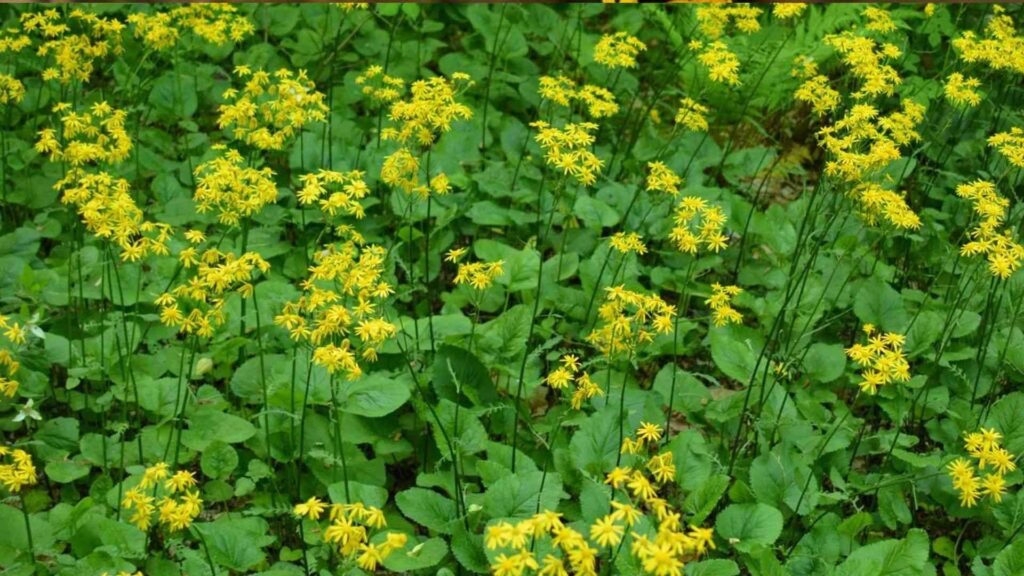
Golden yarrow (Eriophyllum species) produces clusters of small yellow flowers and is particularly useful for dry, sunny landscapes.
Species vary in their native ranges, so choose one that naturally suits your region.
Growing conditions: Full sun and well-drained soil. Many species prefer relatively dry conditions.
Butterfly value: The flowers provide nectar for visiting butterflies and other insects.
Best for: Dry gardens, rock gardens, native landscapes, and low-water plantings.
14. Yellow Star-Grass
Yellow star-grass (Hypoxis hirsuta) is a small native wildflower with bright, star-shaped yellow flowers and grass-like foliage.
Unlike many taller butterfly-garden plants, it stays compact and can fit into smaller naturalistic plantings.
Growing conditions: Full sun to partial shade with soil ranging from relatively dry to moist depending on location.
Butterfly value: Its small flowers can contribute to a diverse native planting, although it is not usually the main nectar plant in a butterfly garden.
Best for: Small native gardens, woodland edges, rock gardens, and ground-level plantings.
15. Sneezeweed
Sneezeweed (Helenium autumnale) produces masses of bright yellow flowers with rounded central disks. It is particularly useful for extending color into late summer and fall.
Despite its common name, the plant’s showy flowers are not a typical cause of hay fever because their pollen is not primarily dispersed by wind.
Growing conditions: Full sun and consistently moist soil are generally preferred.
Butterfly value: Late-season flowers provide nectar and pollen for visiting insects.
Best for: Moist borders, rain gardens, wildlife gardens, and late-season pollinator plantings.
Tip: Avoid letting the soil become excessively dry during hot weather.
16. Yellow Passionflower
Yellow passionflower (Passiflora lutea) is an unusual native vine with small yellowish-green flowers. Its climbing habit makes it different from the upright wildflowers normally used in butterfly gardens.
The species is native to the central and eastern United States and can serve as a host plant for certain passionflower-feeding butterflies.
Growing conditions: Full sun to partial shade and moist, well-drained soil.
Butterfly value: Provides flowers for adult insects and host-plant value for certain butterfly species.
Best for: Native vine gardens, trellises, fences, wildlife gardens, and butterfly habitats.
Important: The plant has documented toxicity concerns, so avoid planting it where children or pets may chew on the foliage.
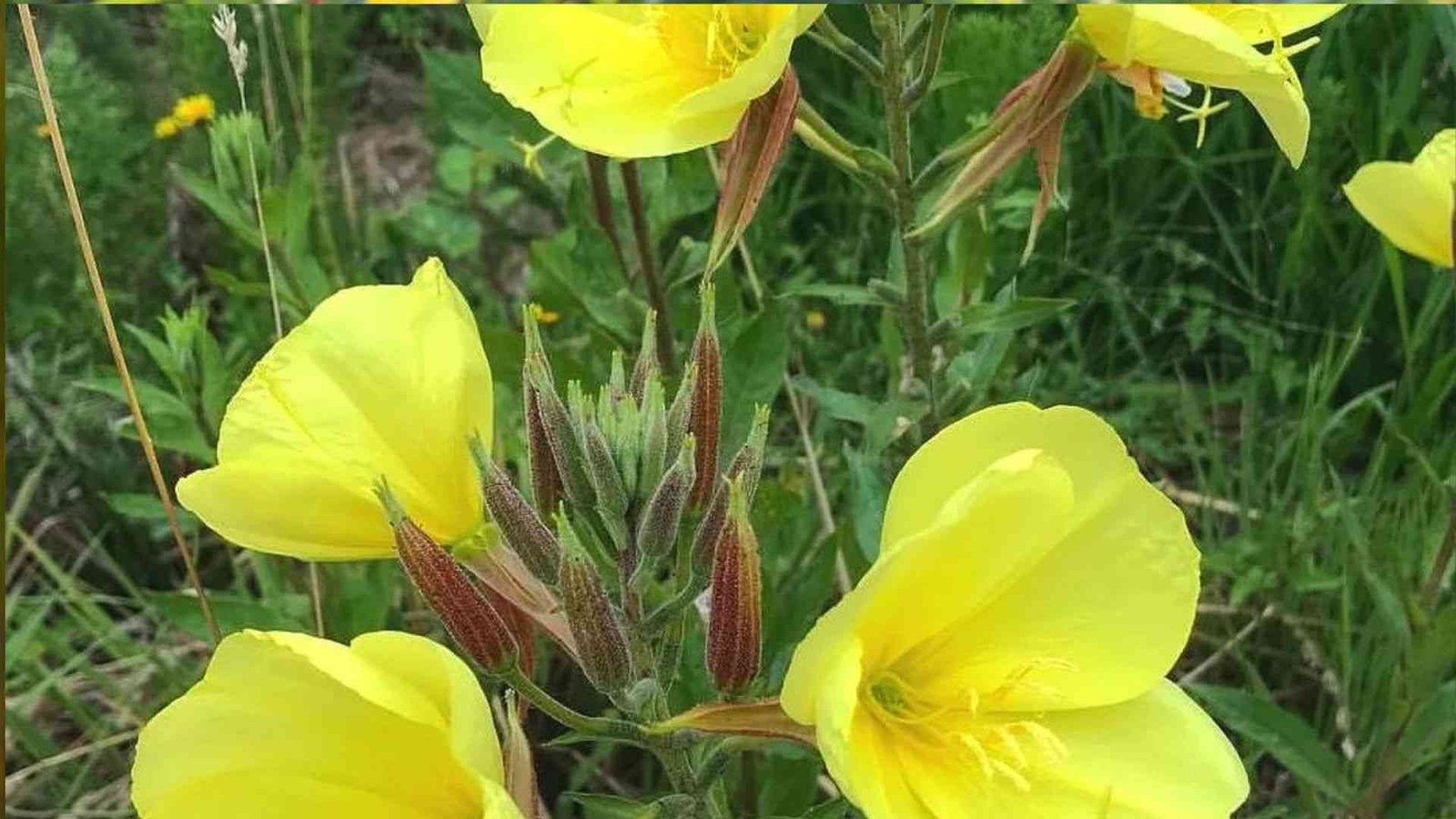
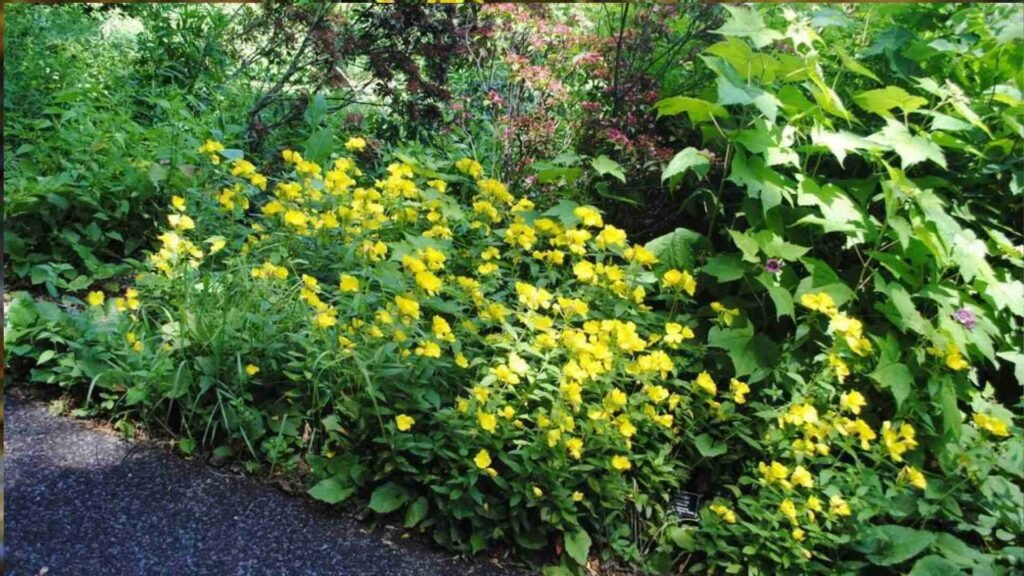
17. Yellow Evening Primrose
Yellow evening primrose (Oenothera species) produces bright yellow, cup-shaped flowers and can add a different flowering rhythm to a wildlife garden.
Some species open their flowers later in the day, making them particularly interesting for gardens designed to support evening-active insects.
Growing conditions: Varies by species, but many prefer full sun and well-drained soil.
Butterfly value: Provides nectar for flower-visiting insects, with evening-opening species also useful for nocturnal pollinator activity.
Best for: Naturalized gardens, wildlife borders, dry gardens, and evening-interest plantings.
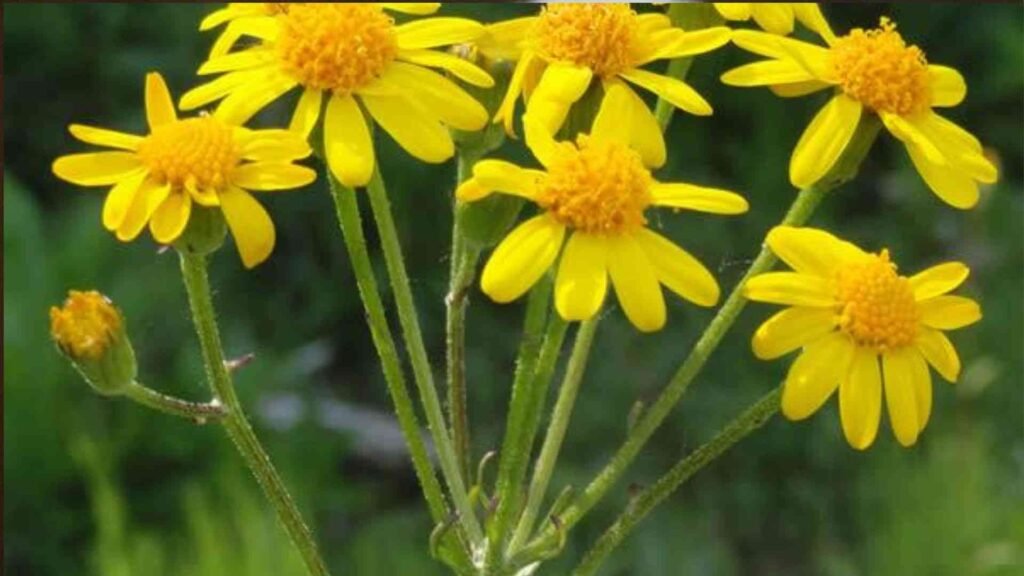
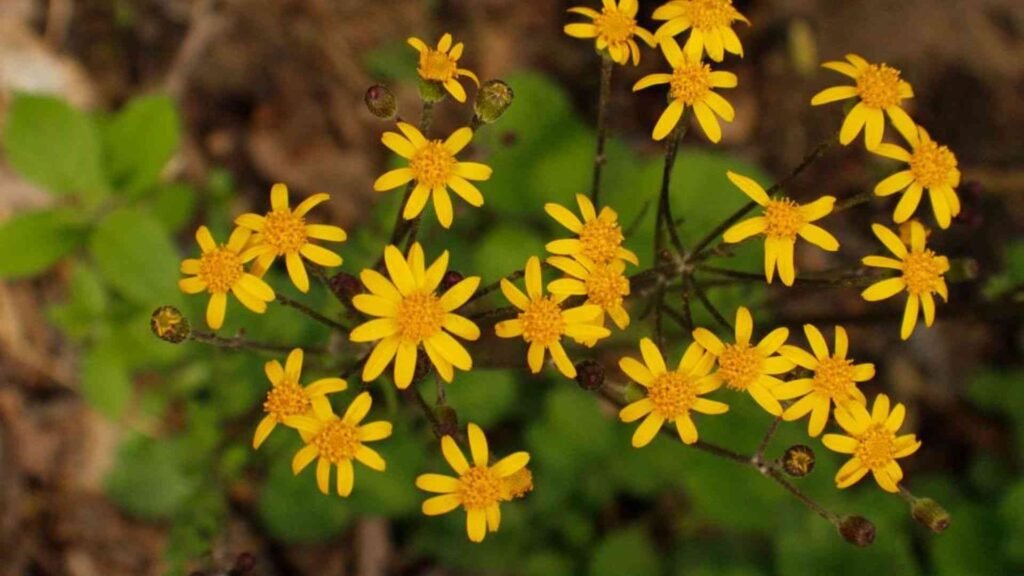
18. Golden Ragwort
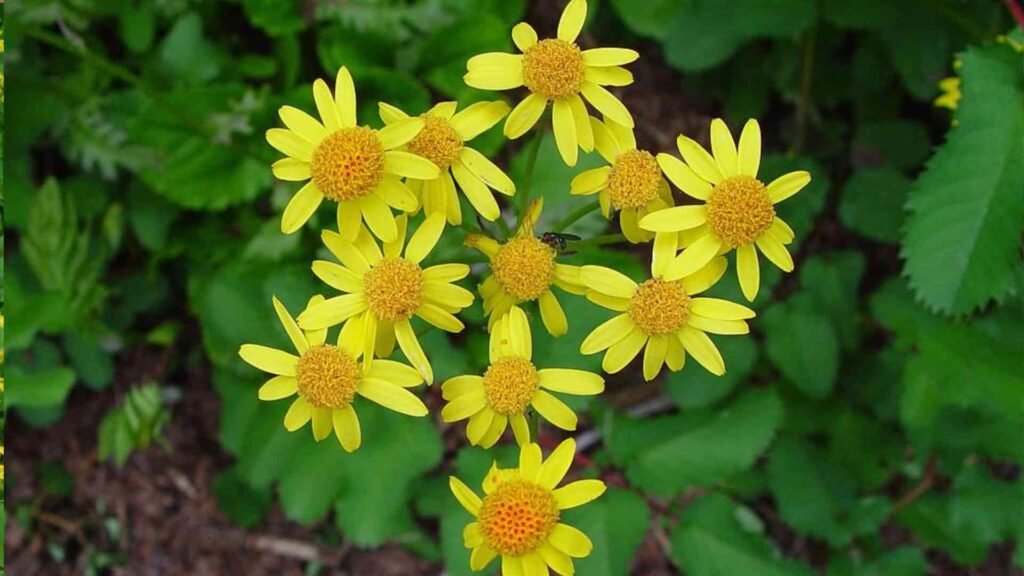
Golden ragwort (Packera aurea) is a spring-blooming native wildflower with bright yellow, daisy-like flowers.
It is especially useful where many sunny butterfly plants struggle because it can grow in moist, shady conditions. Penn State Extension notes that it attracts bees and other pollinators, while University of Maryland Extension identifies it as beneficial to spring pollinators including smaller butterflies and skippers.
Growing conditions: Part shade to full shade and moist or wet soil.
Butterfly value: Provides early-season floral resources.
Best for: Woodland gardens, rain gardens, moist borders, and shady native plantings.
Tip: It spreads by rhizomes and seed, so give it enough room to form a patch.
19. Prairie Coreopsis
Prairie coreopsis (Coreopsis palmata) produces bright yellow flowers on slender stems and works particularly well in prairie-style or naturalistic gardens.
It prefers sunny, relatively dry conditions and can spread through seed and underground stems.
Growing conditions: Full sun to light shade and dry to average soil.
Butterfly value: Provides nectar for butterflies and other pollinators.
Best for: Prairies, meadows, native borders, and drought-tolerant gardens.
20. Stiff Goldenrod
Stiff goldenrod (Solidago rigida) is a sturdy late-season wildflower with dense clusters of yellow flowers.
Like other goldenrods, it can be particularly useful when you want to keep nectar available later in the growing season.
Growing conditions: Full sun and well-drained soil. It can tolerate relatively dry conditions after establishment.
Butterfly value: Provides late-season nectar when many earlier flowers have finished blooming.
Best for: Prairie gardens, sunny borders, meadows, and native wildlife plantings.
Tip: Choose a goldenrod species appropriate for your local ecosystem rather than assuming every species is suitable everywhere.
Creating a Continuous Butterfly Food Supply
The best butterfly gardens combine flowers that bloom at different times.
For example, milkweed and early wildflowers can start the season, followed by bee balm, coneflowers, coreopsis, and blazing star during summer. Asters, goldenrod, stiff goldenrod, and sneezeweed can then help extend floral resources toward fall.
Try planting several plants of the same species together rather than scattering single plants throughout the garden. This creates larger patches of flowers and gives the garden a more natural appearance.
Most importantly, don’t focus only on nectar. A complete butterfly habitat should also include host plants for caterpillars, shelter, sunlight, and areas where butterflies can warm themselves.
How to Create a Better Butterfly Garden
Planting butterfly-friendly wildflowers is only part of creating a useful habitat. The way you arrange and maintain the garden can also affect how valuable it is to butterflies.
Plant for Different Bloom Times
Try to include flowers that bloom in spring, summer, and fall.
Early bloomers such as Golden Ragwort can provide flowers when fewer plants are available. Summer flowers such as Bee Balm, Purple Coneflower, Coreopsis, and Blazing Star can provide nectar through the warmer months. Later bloomers such as Asters and Goldenrod help extend the season.
Grow Flowers in Groups
Instead of planting one individual plant of every species, group several plants together where space allows.
Larger patches can create a stronger visual display and make nectar sources easier for butterflies to locate.
Include Host Plants
A butterfly garden should provide more than nectar.
Adult butterflies feed on nectar, but caterpillars often depend on particular host plants. Milkweed, for example, is essential for monarch caterpillars.
Research which host plants support butterfly species native to your area and include some of them alongside your flowering wildflowers.
Provide Sun and Shelter
Many butterflies spend time warming themselves in sunny locations. Leave some open, sunny areas around your flowers while also providing vegetation or other sheltered spaces.
Avoid making the entire garden excessively dense. A mixture of open areas and vegetation creates a more varied habitat.

Best Wildflowers to Choose
You don’t need all 20 flowers to create a successful butterfly garden.
For beginners: Start with Black-Eyed Susan, Coreopsis, Purple Coneflower, and Bee Balm.
For monarchs: Include regionally appropriate Milkweed and additional nectar-producing wildflowers.
For late-season butterflies: Consider Asters, Goldenrod, Sneezeweed, and Stiff Goldenrod.
For dry gardens: Yellow Prairie Coneflower, Golden Yarrow, Prairie Coreopsis, and Stiff Goldenrod can work where their requirements match your site.
For moist or shady areas: Golden Ragwort and suitable species of Asters or Bee Balm can provide options where conditions allow.
The most important factor is choosing wildflowers that naturally suit your climate, soil, and local ecosystem.
Common Mistakes to Avoid
Planting Only for Flower Color
A beautiful flower is not automatically the right butterfly plant. Consider bloom time, nectar availability, host-plant value, and growing conditions.
Choosing Non-Regional Species
A wildflower that performs well in one region may struggle elsewhere. Check local native-plant recommendations before buying seeds or plants.
Using Pesticides Unnecessarily
Broad-spectrum pesticides can affect beneficial insects as well as garden pests. Use them cautiously and consider less harmful pest-management approaches whenever practical.
Forgetting Caterpillars
Don’t remove every caterpillar you see. Butterfly larvae need specific host plants to complete their life cycles, and some leaf damage is a normal part of supporting wildlife.
Planting Everything at Once
A garden where every plant blooms during the same few weeks can have a long period without flowers. Mix early-, mid-, and late-season bloomers instead.
FAQs
What is the best wildflower for attracting butterflies?
There isn’t one universal best wildflower. Milkweed is particularly important for monarchs, while plants such as Black-Eyed Susan, coneflower, bee balm, coreopsis, asters, and goldenrod can provide nectar for a variety of butterflies.
Do wildflowers attract butterflies naturally?
Yes. Many wildflowers produce nectar that adult butterflies can use. Choosing several suitable species and planting them in sunny locations can make a garden more attractive to butterflies.
Should I plant milkweed in a butterfly garden?
If milkweed species are appropriate for your region, they can be an important addition. Milkweed provides nectar to adult butterflies and serves as the host plant for monarch caterpillars.
What flowers attract butterflies in late summer and fall?
Native asters and goldenrods are particularly useful late in the season. Sneezeweed and stiff goldenrod can also extend the availability of flowers into late summer and fall.
Are native wildflowers better for butterflies?
Regionally appropriate native wildflowers can provide important food and habitat for local insects. However, suitability depends on the species and location, so choose plants adapted to your particular region rather than relying only on the word “native.”
Final Thoughts
Wildflowers can make a butterfly garden more colorful while providing important nectar and, in some cases, caterpillar host plants.
Rather than planting dozens of unrelated flowers, build a simple combination around different bloom periods, suitable growing conditions, and regional native species.
A garden containing Milkweed, Black-Eyed Susan, Purple Coneflower, Bee Balm, Coreopsis, Asters, and Goldenrod can provide a strong starting point. Add other wildflowers based on your soil, sunlight, climate, and the butterfly species you want to support.
The goal is not simply to attract more butterflies for a few weeks. A thoughtfully planted wildflower garden can provide food and habitat throughout much more of the butterfly season.