Yellow Wildflowers for Pollinators: 20 Beautiful Choices for Your Garden
Introduction
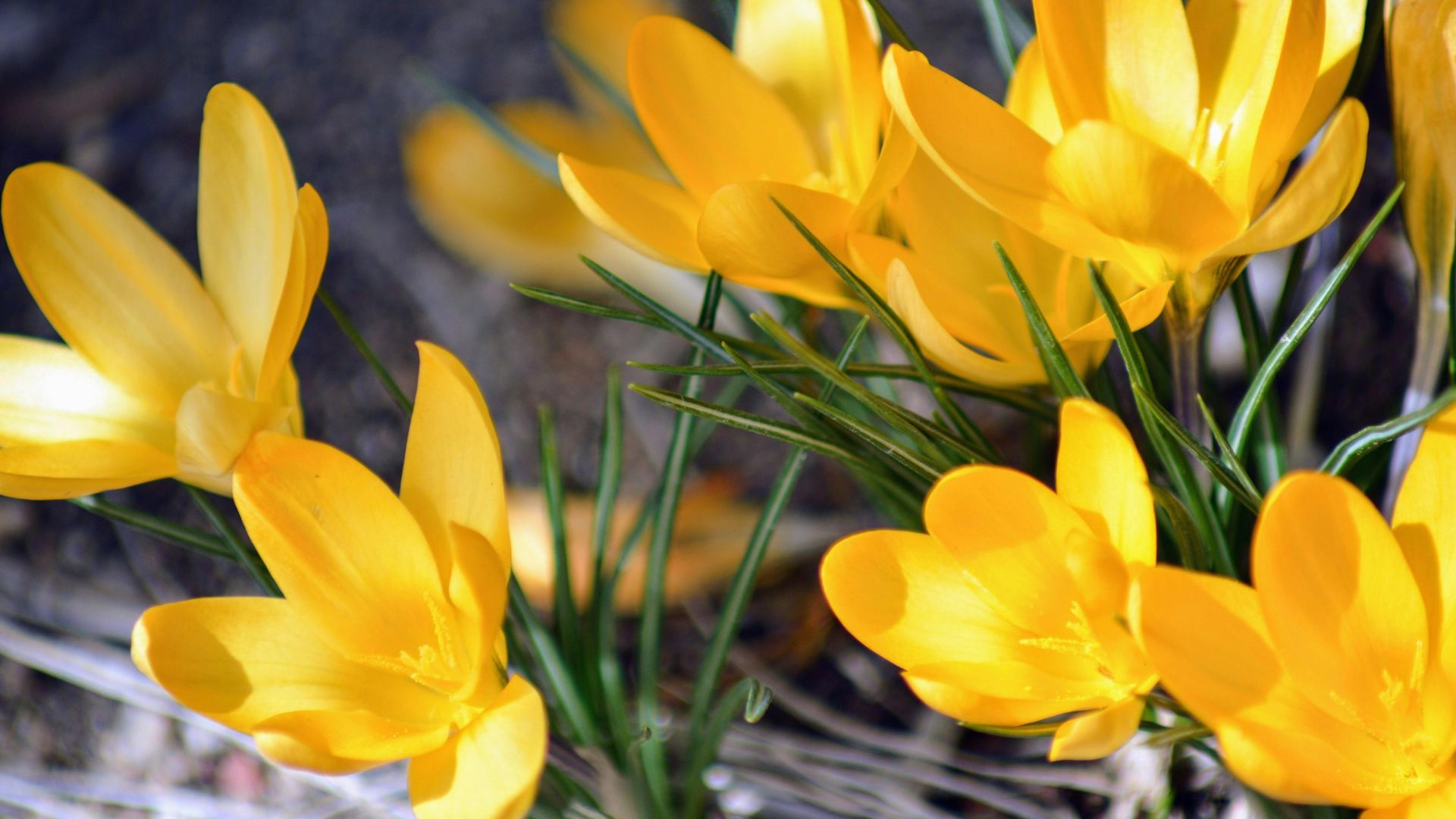
Yellow wildflowers can bring bright, natural color to a garden while providing valuable food sources for bees, butterflies, and other pollinating insects. Many native yellow-flowering plants are especially useful because their flowers provide nectar, pollen, or both during different parts of the growing season.
The best pollinator plants, however, aren’t simply the brightest flowers. Choosing species that are native or well adapted to your region, match your soil and sunlight, and bloom at different times can create a much more useful pollinator garden.
This guide highlights 20 yellow wildflowers worth considering, with practical information about their growing conditions, bloom periods, and pollinator value.
Quick Answer
Some of the most useful yellow wildflowers for pollinators include Black-Eyed Susan, Coreopsis, goldenrod, yellow coneflower, native sunflowers, golden alexanders, and golden aster.
For the strongest results, combine several species with different bloom periods rather than planting only one flower. Choose plants suited to your local climate and prioritize native species whenever possible.

Quick Comparison
| # | Yellow Wildflower | Bloom Season | Light | Best Pollinator Value |
|---|---|---|---|---|
| 1 | Black-Eyed Susan | Summer–fall | Full sun | Bees & butterflies |
| 2 | Coreopsis | Summer–fall | Full sun | Bees & butterflies |
| 3 | Goldenrod | Late summer–fall | Full sun | Bees & many insects |
| 4 | Yellow Coneflower | Summer | Full sun | Bees & butterflies |
| 5 | Native Sunflower | Summer–fall | Full sun | Bees & other insects |
| 6 | Golden Alexanders | Spring–summer | Sun–part shade | Bees & butterflies |
| 7 | Golden Aster | Late summer–fall | Full sun | Bees & butterflies |
| 8 | Blanket Flower | Summer–fall | Full sun | Bees & butterflies |
1. Black-Eyed Susan
Black-Eyed Susan (Rudbeckia hirta) is one of the most recognizable yellow wildflowers. Its golden petals surround a dark central cone, creating a strong visual contrast that works beautifully in native gardens and informal borders.
It is also a practical choice for gardeners who want a relatively easy-to-grow wildflower that can flower for a long period.
Growing conditions: Full sun and well-drained soil are generally ideal. Once established, it can tolerate periods of relatively dry conditions.
Pollinator value: Its open flower structure provides accessible resources for bees and butterflies.
Best for: Beginner pollinator gardens, sunny borders, meadows, and naturalized areas.
2. Coreopsis
Coreopsis includes numerous species and forms, many of which produce cheerful yellow flowers over a long season. Native species such as lanceleaf coreopsis (Coreopsis lanceolata) can be valuable additions to pollinator-focused landscapes.
The flowers are easy to incorporate into sunny borders and prairie-style plantings.
Growing conditions: Full sun is generally preferred, with well-drained soil. Many species tolerate relatively dry conditions after establishment.
Pollinator value: The flowers provide nectar and pollen for visiting insects, including bees and butterflies.
Best for: Sunny gardens, wildflower beds, roadsides, and low-maintenance landscapes.
3. Goldenrod
Goldenrod (Solidago species) is one of the most important late-season yellow wildflowers for many pollinator gardens. Its clusters of tiny yellow flowers can create a striking display when many summer flowers are beginning to fade.
Goldenrod is sometimes incorrectly blamed for causing seasonal allergies; its pollen is relatively heavy and is primarily moved by insects rather than carried extensively by wind.
Growing conditions: Requirements vary by species, but many goldenrods prefer full sun and reasonably well-drained soil.
Pollinator value: Goldenrod can provide abundant late-season floral resources for bees and numerous other insects.
Best for: Native gardens, meadows, wildlife gardens, and late-season pollinator support.
4. Yellow Coneflower
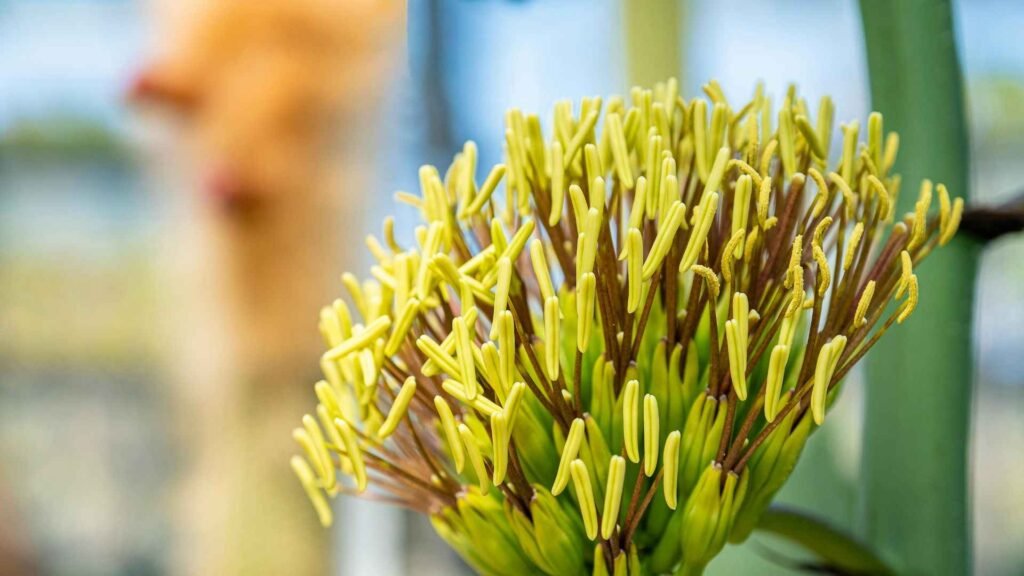
Yellow coneflower (Ratibida pinnata) is a tall prairie-style wildflower with drooping yellow petals surrounding a prominent central cone.
Its height makes it particularly useful when you want to create layers in a pollinator garden rather than keeping every plant at the same level.
Growing conditions: Full sun and well-drained soil are generally preferred. Established plants can tolerate relatively dry conditions.
Pollinator value: Its open flower structure makes it accessible to a variety of insects.
Best for: Prairie gardens, native borders, pollinator gardens, and large sunny spaces.
Growing tip: Plant it toward the middle or back of a border so its tall stems don’t shade smaller flowers.
5. Native Sunflower
Native sunflowers (Helianthus species) can provide some of the most dramatic yellow flowers in a wildlife-friendly garden. Different native species vary significantly in height, soil tolerance, and bloom period.
Unlike many ornamental sunflower cultivars, native species can have particular ecological value within their natural ranges.
Growing conditions: Usually full sun, with requirements varying by species. Some tolerate dry soils while others prefer more moisture.
Pollinator value: The flower heads can attract bees and other flower-visiting insects, while mature seeds can also provide food for birds.
Best for: Large gardens, wildlife plantings, meadows, and pollinator borders.
Growing tip: Check the mature height before planting because some native sunflowers can become very tall.
6. Golden Alexanders
Golden alexanders (Zizia aurea) is an early-season native wildflower that produces flat clusters of small yellow flowers.
Its spring flowering period makes it especially useful in a pollinator garden because it can provide resources before many later-season flowers begin blooming.
Growing conditions: Full sun to partial shade and moderately moist, well-drained soil.
Pollinator value: The small clustered flowers can attract bees and other beneficial insects.
Best for: Native gardens, rain-friendly borders, prairie plantings, and spring pollinator gardens.
Growing tip: Combine it with summer- and fall-blooming native plants to create a longer flowering sequence.
7. Golden Aster
Golden aster refers to several Chrysopsis species that produce clusters of yellow flowers, often later in the growing season.
These plants can be particularly useful in sunny, relatively dry landscapes where some moisture-loving wildflowers struggle.
Growing conditions: Full sun and well-drained soil are commonly preferred, although requirements differ by species.
Pollinator value: Its flowers can provide nectar and pollen for bees and other flower-visiting insects.
Best for: Dry native gardens, rock gardens, meadows, and late-season pollinator plantings.
Growing tip: Identify the exact species before planting because golden aster species can have different regional requirements.
8. Blanket Flower
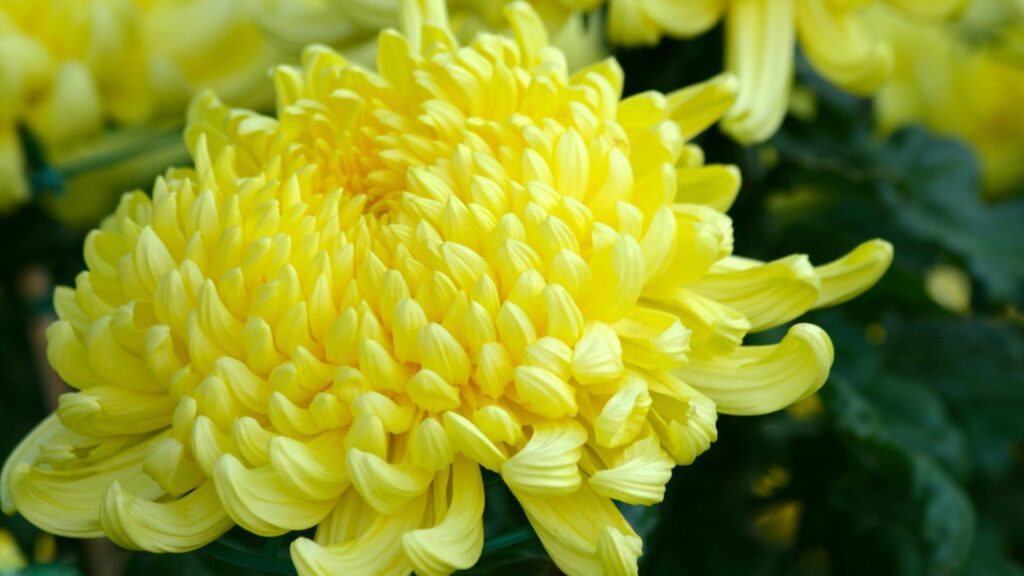
Blanket flower (Gaillardia species) produces warm yellow, red, or orange-red flowers, with some forms showing strong yellow coloration.
It is particularly useful for gardeners looking for a long-blooming plant for sunny, relatively dry conditions.
Growing conditions: Full sun and well-drained soil. Avoid consistently wet locations.
Pollinator value: The daisy-like flowers can attract bees and butterflies during the flowering season.
Best for: Dry gardens, pollinator borders, prairie-style plantings, and beginner-friendly landscapes.
Growing tip: Avoid excessive fertilizer and overly rich, wet soil. Blanket flower generally performs better when drainage is good.
Building a Pollinator Garden With Yellow Wildflowers
Instead of planting all 20 flowers at once, think about flowering succession.
Early-season flowers such as golden alexanders can provide an initial food source. Summer bloomers such as Black-Eyed Susan, coreopsis, yellow coneflower, and blanket flower can carry the display forward. Later bloomers such as goldenrod and golden aster can help extend the supply of flowers into late summer and fall.
This approach can be more useful to pollinators than having a garden where everything blooms for only a few weeks.
The next part will cover 12–20, including additional yellow wildflowers and practical choices for sunny, dry, moist, beginner, and native pollinator gardens.
9. Yellow Prairie Coneflower
Yellow prairie coneflower (Ratibida columnifera) produces bright yellow petals around a tall, prominent central cone. It is a distinctive prairie wildflower that adds height and movement to naturalistic gardens.
Growing conditions: Full sun and well-drained soil. Established plants can tolerate relatively dry conditions.
Pollinator value: Its open flowers can attract bees, butterflies, and other flower-visiting insects.
Best for: Prairie gardens, native borders, meadows, and sunny pollinator plantings.
10. Lanceleaf Coreopsis
Lanceleaf coreopsis (Coreopsis lanceolata) is a long-blooming native wildflower with bright yellow, daisy-like flowers.
It is particularly useful when you want an uncomplicated yellow flower that can handle sunny conditions and relatively lean soil.
Growing conditions: Full sun and well-drained soil. Once established, it can tolerate some drought.
Pollinator value: Its flowers provide accessible pollen and nectar for a range of visiting insects.
Best for: Beginner gardens, roadsides, meadows, and pollinator borders.
11. Black-Eyed Susan
Black-Eyed Susan has already been highlighted as one of the strongest choices, but it deserves special attention when designing a larger pollinator planting.
Its long flowering period and adaptability make it useful for filling the middle of a sunny garden.
Growing conditions: Full sun and reasonably well-drained soil.
Pollinator value: Bees and butterflies commonly visit its open flower heads.
Best for: Sunny native gardens, borders, and meadow-style plantings.
Tip: Combine it with plants that flower earlier or later to avoid having the entire garden peak at the same time.

12. Yellow Wild Indigo
Yellow wild indigo (Baptisia tinctoria) is a long-lived perennial with yellow pea-like flowers. Its foliage remains attractive after flowering, giving it value beyond its bloom period.
It is a good option for gardeners who want a structural perennial rather than a short-lived seasonal flower.
Growing conditions: Full sun to light shade and well-drained soil. Once established, it can be quite drought tolerant.
Pollinator value: Its pea-shaped flowers can be visited by bees and other pollinating insects.
Best for: Native perennial gardens, prairie landscapes, and low-maintenance borders.
Growing tip: Baptisia develops a substantial root system, so choose its permanent location carefully.
13. Golden Yarrow
Golden yarrow (Eriophyllum species) produces clusters of small yellow flowers and can be particularly useful in dry, sunny landscapes.
Different species have different ranges and requirements, so gardeners should select a species appropriate for their region.
Growing conditions: Usually full sun and well-drained soil, with many species preferring relatively dry conditions.
Pollinator value: Its clustered flowers can provide nectar and pollen for visiting insects.
Best for: Dry gardens, native landscapes, rock gardens, and low-water plantings.
14. Yellow Star-Grass
Yellow star-grass (Hypoxis hirsuta) is a small native wildflower with star-shaped yellow flowers and grass-like foliage.
Because it stays relatively compact, it can be useful in gardens where tall wildflowers would be impractical.
Growing conditions: Full sun to partial shade and well-drained soil.
Pollinator value: Its small flowers can provide resources for insects, although it is not usually planted as a major pollinator crop.
Best for: Native ground-level plantings, rock gardens, woodland edges, and small garden spaces.
15. Sneezeweed
Sneezeweed (Helenium autumnale) produces bright yellow flowers and is particularly valuable for extending color toward the end of summer.
Despite its common name, it is not considered a major cause of hay fever; the name is associated historically with the use of dried plant material as snuff.
Growing conditions: Full sun and moist, reasonably fertile soil are generally preferred.
Pollinator value: The flowers attract bees, butterflies, and other insects.
Best for: Moist borders, rain gardens, pollinator plantings, and late-summer displays.
Growing tip: Keep the soil from becoming excessively dry during hot weather.
16. Yellow Passionflower
Yellow-flowering passionflower species and forms can add unusual structure to a garden while supporting flower-visiting insects.
Because passionflowers vary significantly by species, gardeners should identify the exact plant before purchasing or planting it.
Growing conditions: Varies by species. Many passionflowers prefer full sun, warmth, and well-drained soil.
Pollinator value: Their unusual flowers can attract a variety of insects, while some passionflower species also support specialist butterfly larvae.
Best for: Warm-climate gardens, wildlife plantings, and unusual native landscapes.
17. Yellow Evening Primrose
Yellow evening primrose (Oenothera species) produces bright yellow flowers and is well suited to naturalistic gardens.
Some species open their flowers later in the day, making them particularly interesting for gardens designed around evening wildlife activity.
Growing conditions: Requirements vary by species, but many prefer full sun and well-drained soil.
Pollinator value: Evening-opening species can provide resources for nocturnal or crepuscular pollinators such as moths.
Best for: Naturalized gardens, dry borders, wildlife gardens, and evening-interest plantings.
18. Golden Ragwort
Golden ragwort (Packera aurea) produces clusters of yellow flowers in spring and early summer. It is particularly useful for gardeners looking for a yellow wildflower that can handle partial shade.
Its low-growing foliage can also provide useful ground cover under suitable conditions.
Growing conditions: Part shade to shade and moist, well-drained soil.
Pollinator value: Its early flowers provide resources for bees and other insects when fewer plants are blooming.
Best for: Woodland gardens, shady native borders, and moist garden areas.
19. Prairie Coreopsis
Prairie coreopsis (Coreopsis palmata) is a native perennial with yellow flowers and distinctive foliage. It works particularly well in naturalistic plantings where gardeners want a prairie character.
Growing conditions: Full sun and well-drained soil. It generally prefers conditions that are not continuously wet.
Pollinator value: Its open flowers attract a variety of flower-visiting insects.
Best for: Prairies, native borders, meadows, and sunny pollinator gardens.
20. Stiff Goldenrod
Stiff goldenrod (Solidago rigida) produces dense clusters of yellow flowers and is another useful late-season plant for pollinator gardens.
Its sturdy stems give it a more upright appearance than some other goldenrods.
Growing conditions: Full sun and well-drained soil. It can tolerate relatively dry conditions after establishment.
Pollinator value: Late-blooming goldenrod can provide important floral resources when fewer plants remain in bloom.
Best for: Prairie gardens, native landscapes, sunny borders, and late-season pollinator support.
How to Choose Yellow Wildflowers for Pollinators
The best combination depends on your garden.
For beginners: Black-Eyed Susan, lanceleaf coreopsis, and blanket flower are practical starting points.
For dry, sunny gardens: Yellow prairie coneflower, blue? No—choose yellow wildflowers such as golden yarrow, prairie coreopsis, and stiff goldenrod where locally appropriate.
For moist areas: Great blue? Instead, use yellow choices such as sneezeweed and golden alexanders.
For partial shade: Golden ragwort can be a useful option where conditions suit it.
For late-season pollinators: Goldenrod, stiff goldenrod, sneezeweed, and golden aster can help extend flowering later into the season.
The most important rule is to choose species appropriate for your region. A plant that is highly valuable to pollinators in its native range may not provide the same ecological value—or may not grow successfully—somewhere with very different conditions.
Creating a Pollinator-Friendly Garden With Yellow Wildflowers
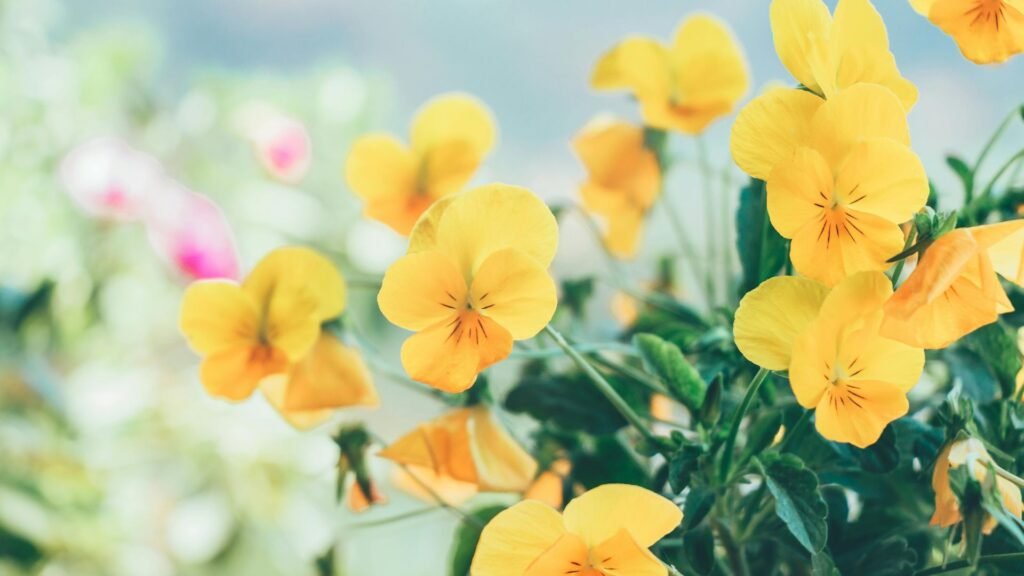
Choosing several yellow wildflowers is only the first step. For a stronger pollinator garden, try to combine flowers with different bloom periods, heights, and growing conditions.
Aim for Continuous Blooms
Instead of choosing plants that all flower at the same time, combine early-, mid-, and late-season bloomers.
For example, Golden Alexanders can provide early-season flowers, while Black-Eyed Susan, coreopsis, and native sunflowers bring color during summer. Goldenrod, golden aster, and stiff goldenrod can help extend the display into late summer and fall.
This gives pollinators access to flowers over a longer period rather than creating one short flowering peak.
Choose Plants That Suit Your Garden
Match each wildflower to the conditions where you plan to grow it.
- Full sun: Black-Eyed Susan, coreopsis, yellow prairie coneflower, blanket flower
- Dry conditions: Golden yarrow, prairie coreopsis, stiff goldenrod
- Moist soil: Sneezeweed, golden alexanders
- Partial shade: Golden ragwort and yellow star-grass
- Naturalistic or meadow gardens: Native sunflower, goldenrod, prairie coreopsis
Always check the requirements of the particular species before planting, especially when a common name covers several different plants.
Avoid Planting Only One Flower Type
A garden filled with one species can provide a strong bloom for a short period, but a mixture of plants generally gives you more varied flower shapes, bloom times, and habitat.
Try combining:
- Low-growing flowers near paths and edges
- Medium-height flowers through the middle of the bed
- Taller wildflowers toward the back
- Late-season bloomers for continued food sources
Avoid relying entirely on ornamental cultivars if your primary goal is supporting local wildlife. Regionally native species are often the most appropriate choice for native pollinators.
Common Mistakes to Avoid
Choosing Flowers Only for Color
A yellow flower may look attractive but still be poorly suited to your soil, climate, or available sunlight.
Start with growing conditions first and flower color second.
Planting Species That Are Not Suitable for Your Region
“Native” does not automatically mean suitable everywhere. A wildflower native to one part of North America may perform poorly or have limited ecological value in another region.
Check regional native-plant resources before buying seeds or plants.
Using Too Much Pesticide
Broad-spectrum pesticides can harm beneficial insects as well as unwanted pests. When possible, use integrated pest-management approaches and avoid unnecessary pesticide applications while plants are flowering.
Forgetting Bloom Timing
If every plant flowers during the same few weeks, your garden may have little available nectar afterward.
Mix spring, summer, and fall bloomers to create a longer flowering season.
20 Yellow Wildflowers for Pollinators: Quick Recap
| Wildflower | Typical Bloom Period | Light | Garden Use |
|---|---|---|---|
| Black-Eyed Susan | Summer–fall | Full sun | Borders, meadows |
| Coreopsis | Summer–fall | Full sun | Pollinator gardens |
| Goldenrod | Late summer–fall | Full sun | Late-season support |
| Yellow Coneflower | Summer | Full sun | Native borders |
| Native Sunflower | Summer–fall | Full sun | Meadows, wildlife gardens |
| Golden Alexanders | Spring–summer | Sun–part shade | Early pollinator garden |
| Golden Aster | Late summer–fall | Full sun | Dry borders |
| Blanket Flower | Summer–fall | Full sun | Dry, sunny gardens |
| Yellow Prairie Coneflower | Summer | Full sun | Prairie gardens |
| Lanceleaf Coreopsis | Summer | Full sun | Beginner gardens |
| Partridge Pea | Summer–fall | Full sun | Wildlife gardens |
| Yellow Wild Indigo | Summer | Sun–light shade | Native borders |
| Golden Yarrow | Summer | Full sun | Dry gardens |
| Yellow Star-Grass | Spring–summer | Sun–part shade | Small native gardens |
| Sneezeweed | Late summer–fall | Full sun | Moist gardens |
| Yellow Passionflower | Varies | Sun | Warm-climate gardens |
| Yellow Evening Primrose | Summer–fall | Full sun | Wildlife gardens |
| Golden Ragwort | Spring | Part shade | Woodland gardens |
| Prairie Coreopsis | Summer | Full sun | Meadows |
| Stiff Goldenrod | Late summer–fall | Full sun | Prairie gardens |
Best Yellow Wildflowers for Pollinators
If you do not want to grow all 20, start with a smaller combination suited to your conditions.
For an easy sunny garden: Black-Eyed Susan, lanceleaf coreopsis, and blanket flower are useful choices.
For a prairie-style garden: Yellow prairie coneflower, prairie coreopsis, goldenrod, and stiff goldenrod can create a more natural appearance.
For a longer flowering season: Combine Golden Alexanders for earlier flowers with summer-blooming coreopsis and Black-Eyed Susan, followed by goldenrod and other late-season species.
For a moist garden: Sneezeweed and Golden Alexanders can be considered where their soil requirements match your site.
The key is not simply planting the largest number of flowers. A smaller selection of well-adapted, regionally appropriate plants can be more practical and easier to maintain.
FAQs
What are the best yellow wildflowers for bees?
Black-Eyed Susan, coreopsis, goldenrod, native sunflowers, and other open-flowered native plants can provide useful resources for bees. The best choices depend on your local species and growing conditions.
Which yellow wildflowers attract butterflies?
Black-Eyed Susan, coreopsis, goldenrod, sneezeweed, and several other nectar-producing wildflowers can attract butterflies and other flower-visiting insects.
What yellow wildflowers bloom late in the season?
Goldenrod, stiff goldenrod, golden aster, sneezeweed, and some coreopsis species can provide flowers in late summer or fall.
Can yellow wildflowers grow in dry soil?
Yes. Several species tolerate relatively dry conditions once established, including yellow prairie coneflower, golden yarrow, prairie coreopsis, and stiff goldenrod. Always check the requirements of the specific species.
Should I choose native yellow wildflowers?
If your goal is to support local pollinators and wildlife, regionally appropriate native plants are often a strong choice. Look for species naturally suited to your local climate, soil, and ecosystem.
Final Thoughts
Yellow wildflowers can bring bright color to a garden while providing valuable floral resources for bees, butterflies, and other insects. The best pollinator garden is not necessarily the one with the most flowers—it is one where the plants are well matched to the site and provide blooms across different parts of the growing season.
Start with a few reliable species such as Black-Eyed Susan, coreopsis, goldenrod, or yellow prairie coneflower, then add other regionally appropriate wildflowers as your garden develops.