Hibiscus Flowers: 25 Beautiful Varieties That Will Transform Your Garden
Hibiscus Flowers
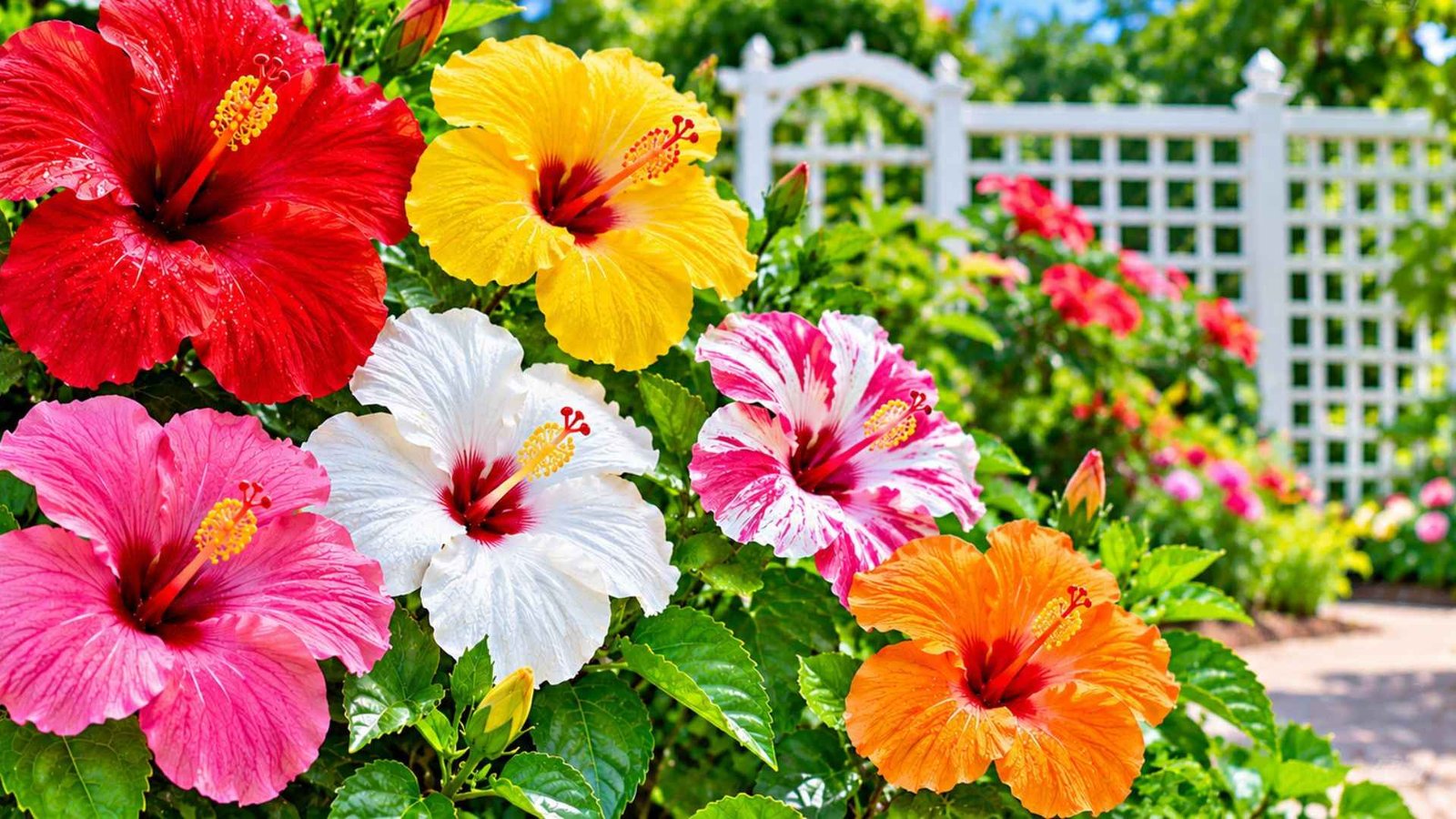
Few flowers bring tropical beauty to a garden quite like hibiscus flowers. Their large, colorful petals, distinctive central stamens, and elegant shapes make them popular choices for home gardens, patios, landscapes, and containers. Depending on the variety, hibiscus flowers can be red, pink, yellow, orange, white, lavender, or beautifully multicolored.
However, not every hibiscus plant grows in the same way. Some varieties thrive in warm tropical climates, while others tolerate cold winters and return from their roots each spring. Certain types grow as evergreen shrubs, others develop into large flowering bushes, and some are herbaceous perennials that produce enormous summer blooms.
Understanding these differences can help you choose the right hibiscus for your garden and avoid common growing mistakes.
In this guide, you’ll discover 25 beautiful hibiscus varieties, their flower colors, growth habits, and ideal growing conditions. You’ll also learn how to plant hibiscus, encourage more flowers, prune correctly, propagate new plants, and deal with common problems.
Whether you’re looking for a dramatic tropical flower, a hardy perennial for your flower bed, or a colorful shrub for your landscape, there is a hibiscus variety worth exploring.
Quick Answer: What Are Hibiscus Flowers?
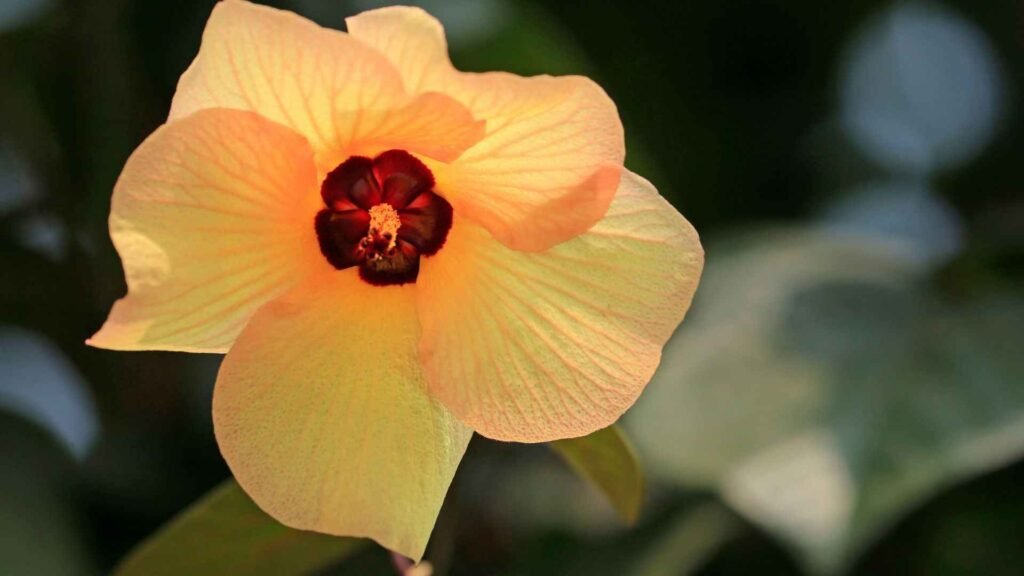
Hibiscus flowers are the blooms of plants belonging to the genus Hibiscus, which is part of the mallow family (Malvaceae). The genus includes hundreds of species, including tropical shrubs, hardy perennials, and deciduous flowering shrubs.
Hibiscus flowers are known for their broad petals, prominent central staminal column, and wide range of colors. Popular examples include tropical hibiscus (Hibiscus rosa-sinensis), hardy hibiscus (Hibiscus moscheutos), and Rose of Sharon (Hibiscus syriacus).
Most ornamental hibiscus plants prefer plenty of sunlight, suitable moisture, and well-drained soil. However, their temperature requirements differ: tropical varieties need protection from cold, while many hardy varieties can survive freezing winters.
Quick Comparison: 25 Types of Hibiscus Flowers
| # | Hibiscus variety | Flower color | Growth habit | Blooming season* | Sunlight |
|---|---|---|---|---|---|
| 1 | Tropical Hibiscus | Red, pink, yellow, orange, white | Evergreen shrub | Warm months, often extended | Full sun–partial shade |
| 2 | Rose of Sharon | White, pink, purple, lavender | Deciduous shrub | Summer–early fall | Full sun |
| 3 | Hardy Hibiscus | Pink, red, white | Herbaceous perennial | Summer–early fall | Full sun |
| 4 | Scarlet Rose Mallow | Scarlet red | Tall perennial | Summer–early fall | Full sun |
| 5 | Swamp Rose Mallow | Pale pink | Tall perennial | Summer–early fall | Full sun–partial shade |
| 6 | Confederate Rose | White, pink, deep pink | Large shrub | Late summer–fall | Full sun–partial shade |
| 7 | Roselle | Creamy yellow with dark center | Annual or short-lived perennial | Late summer–fall | Full sun |
| 8 | Cranberry Hibiscus | Reddish or dark pink | Shrub-like perennial | Warm months | Full sun–partial shade |
| 9 | Yellow Hibiscus | Bright yellow | Shrub or small tree | Seasonal, climate-dependent | Full sun |
| 10 | Hawaiian White Hibiscus | White | Shrub or small tree | Warm months | Full sun–partial shade |
| 11 | Clay’s Hibiscus | Red | Shrub | Seasonal, climate-dependent | Sun–partial shade |
| 12 | Hawaiian Pink Hibiscus | Pink to purplish pink | Shrub | Seasonal, climate-dependent | Full sun–partial shade |
| 13 | Sea Hibiscus | Yellow, aging to orange | Shrub or tree | Warm months | Full sun–partial shade |
| 14 | Japanese Lantern Hibiscus | Red or coral-pink | Tropical shrub | Warm months | Full sun–partial shade |
| 15 | Desert Hibiscus | Pale pink, lavender | Small shrub | Seasonal, climate-dependent | Full sun |
| 16 | Halberd-Leaved Rose Mallow | Pink | Herbaceous perennial | Summer | Full sun |
| 17 | Flower-of-an-Hour | Pale yellow with purple center | Annual | Summer–fall | Full sun |
| 18 | Chinese Shrub Hibiscus | Pink | Flowering shrub | Summer–fall | Full sun–partial shade |
| 19 | Blue Bird Rose of Sharon | Blue-violet with reddish center | Deciduous shrub | Summer–early fall | Full sun |
| 20 | Diana Rose of Sharon | White | Deciduous shrub | Summer–early fall | Full sun |
| 21 | Aphrodite Rose of Sharon | Pink with dark red center | Deciduous shrub | Summer–early fall | Full sun |
| 22 | Luna Red Hardy Hibiscus | Deep red | Herbaceous perennial | Summer–early fall | Full sun |
| 23 | Luna White Hardy Hibiscus | White with red center | Herbaceous perennial | Summer–early fall | Full sun |
| 24 | Luna Pink Swirl Hardy Hibiscus | Pink and white | Herbaceous perennial | Summer–early fall | Full sun |
| 25 | Variegated Tropical Hibiscus | Red flowers; green, pink and cream foliage | Evergreen shrub | Warm months, often extended | Full sun–partial shade |
25 Beautiful Types of Hibiscus Flowers
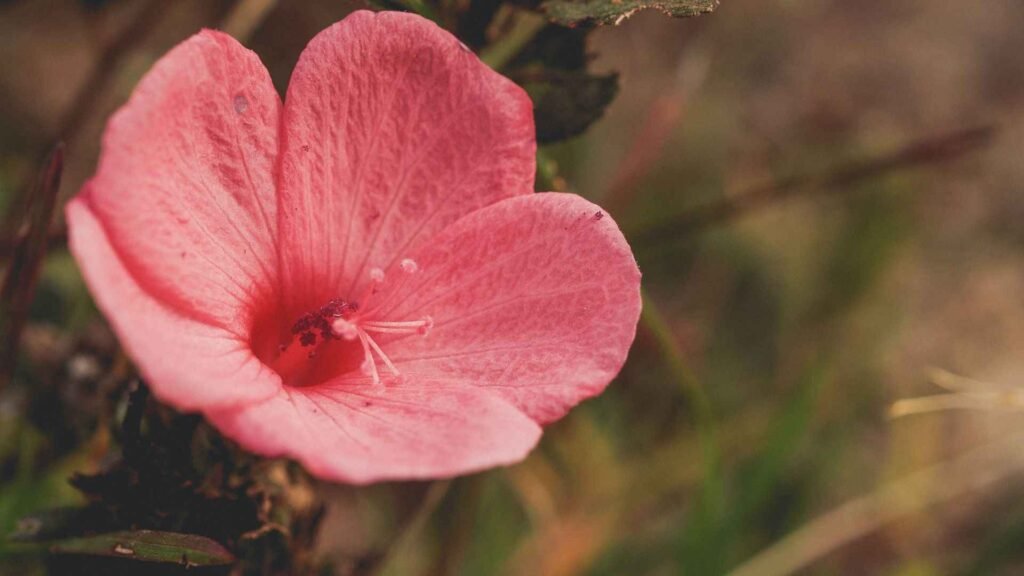
Hibiscus varieties differ in their flower size, petal shape, colors, foliage, mature height, and growing requirements. The following selections introduce some of the most interesting types for ornamental gardens and other uses.
1. Tropical Hibiscus (Hibiscus rosa-sinensis)
Tropical hibiscus is one of the most recognizable ornamental hibiscus plants. Its large, colorful flowers and glossy green foliage create an unmistakable tropical appearance. It is commonly grown in warm-climate gardens, patios, and decorative containers.
The flowers come in several colors, including bright red, pink, orange, yellow, and white. Some cultivars produce single flowers with five broad petals, while others have double blooms with additional layers of petals.
Tropical hibiscus is an evergreen shrub in suitable warm climates. It can grow several feet tall and may become a substantial landscape plant when given enough space. In cooler regions, gardeners often grow it in containers so it can be moved into a protected location during cold weather.
Growing conditions:
- Sunlight: Full sun to light shade, depending on climate.
- Soil: Rich, moist, well-drained soil.
- Water: Regular watering; avoid leaving roots waterlogged.
- Climate: Warm tropical and subtropical conditions.
- Best use: Containers, patios, tropical gardens, and flowering borders.
What makes it special: Its large flowers and extensive range of colors make tropical hibiscus one of the most versatile ornamental choices.
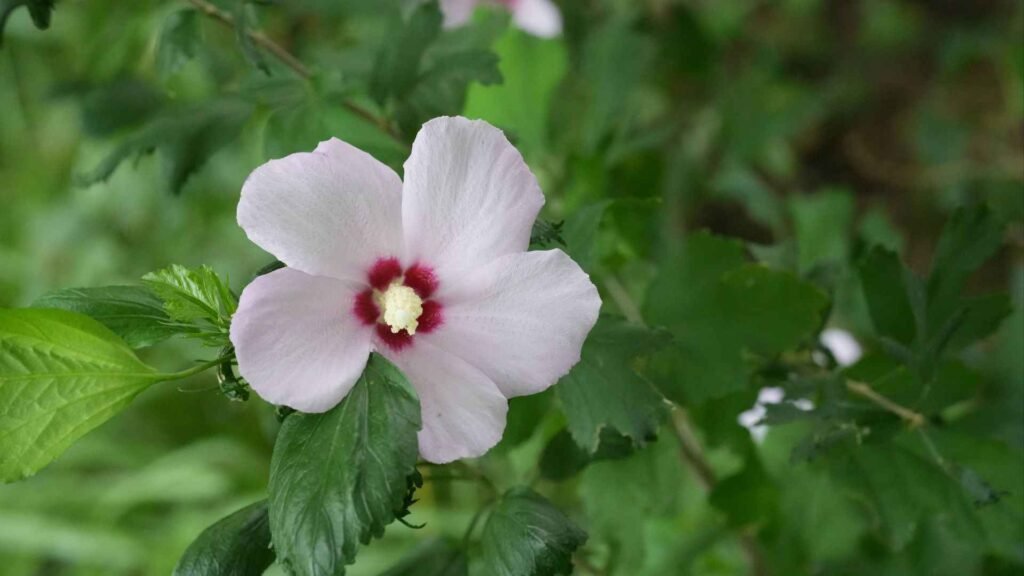
2. Rose of Sharon (Hibiscus syriacus)
Rose of Sharon is a deciduous flowering shrub that brings color to gardens during summer and often into early autumn. It is different from tropical hibiscus because it tolerates colder winters and can grow successfully in many temperate regions.
Its flowers are available in white, pink, lavender, and purple shades, with some cultivars producing blue-violet-looking blooms. Many flowers have a contrasting center that makes their petals especially attractive.
Rose of Sharon works well as a specimen shrub, flowering hedge, or background plant in a mixed garden border. Once established, it can provide seasonal color without requiring the consistently warm conditions needed by tropical hibiscus.
Growing conditions:
- Sunlight: Full sun is generally best.
- Soil: Well-drained garden soil.
- Water: Moderate watering, with additional water during prolonged dry periods.
- Climate: Temperate climates with suitable winter hardiness.
- Best use: Hedges, borders, and ornamental landscapes.
What makes it special: Its ability to tolerate colder conditions makes it a useful alternative to tropical hibiscus for many outdoor gardens.

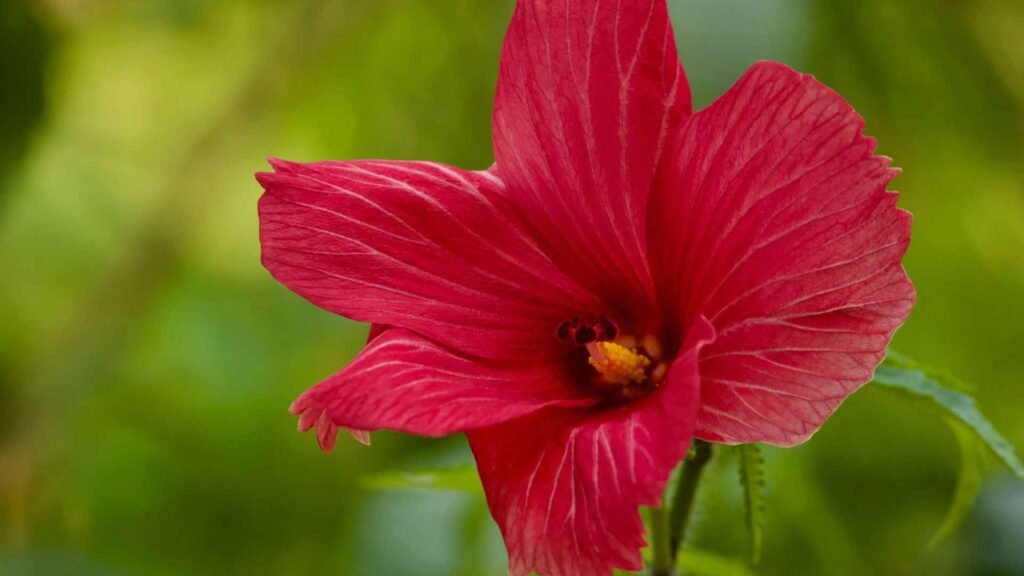
3. Hardy Hibiscus (Hibiscus moscheutos)
Hardy hibiscus is famous for its exceptionally large flowers, which can create a dramatic display in summer gardens. It is also called rose mallow or swamp rose mallow and is native to parts of eastern North America.
Its blooms commonly appear in shades of pink, red, and white. Some cultivars produce flowers several inches across, giving them the impressive appearance often described as dinner-plate hibiscus.
Unlike tropical hibiscus, hardy hibiscus is a herbaceous perennial. Its stems usually die back during winter, but the roots survive in suitable climates and produce fresh growth in spring.
This variety grows especially well in sunny locations with consistently moist soil. It can be planted in perennial borders, rain gardens, and landscapes with adequate room for its mature size.
Growing conditions:
- Sunlight: Full sun.
- Soil: Moist, fertile, well-drained soil.
- Water: Regular watering; do not allow the soil to dry out for long periods.
- Climate: Hardy varieties can grow in many temperate regions.
- Best use: Perennial borders, rain gardens, and large flower beds.
What makes it special: Its enormous summer blooms and ability to return year after year make hardy hibiscus a standout perennial.
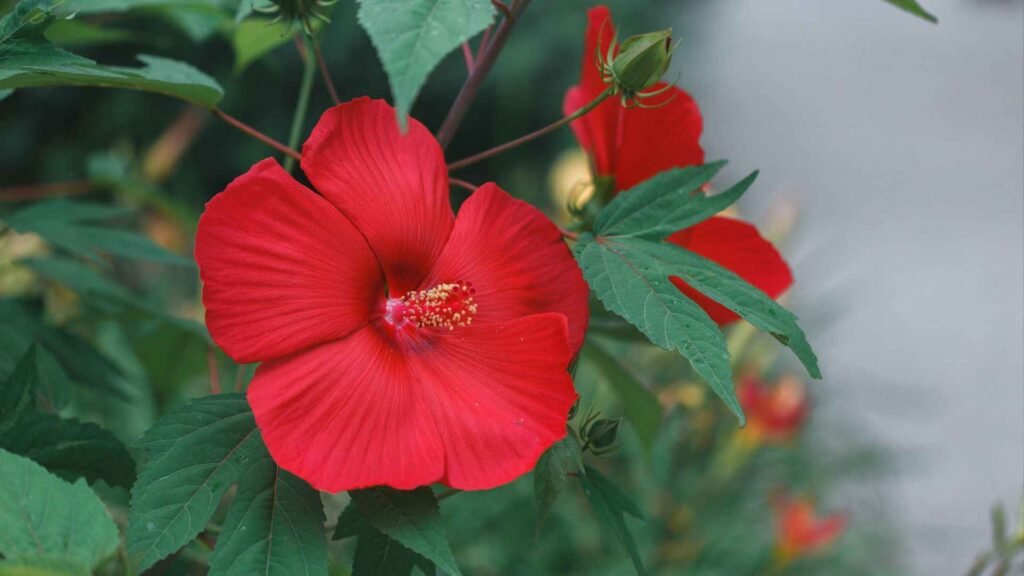
4. Scarlet Rose Mallow (Hibiscus coccineus)
Scarlet rose mallow is a striking hibiscus species recognized by its bright red flowers and deeply divided leaves. Its petals are separated enough to create a distinctive star-like appearance, which is why it is sometimes called Texas star hibiscus.
This tall perennial is native to wetland habitats in the southeastern United States. It naturally grows in moist environments and performs well near ponds, water features, and rain gardens.
Its brilliant red flowers attract hummingbirds and other pollinators. The plant can become quite tall, so it is worth choosing a location where its stems have enough room to grow.
Growing conditions:
- Sunlight: Full sun.
- Soil: Moist to wet soil.
- Water: Consistent moisture.
- Climate: Best suited to regions where its perennial roots can survive winter.
- Best use: Pond edges, wildlife gardens, and moist landscape borders.
What makes it special: Its unusual star-shaped red flowers and tall growth create a dramatic vertical feature in a garden.
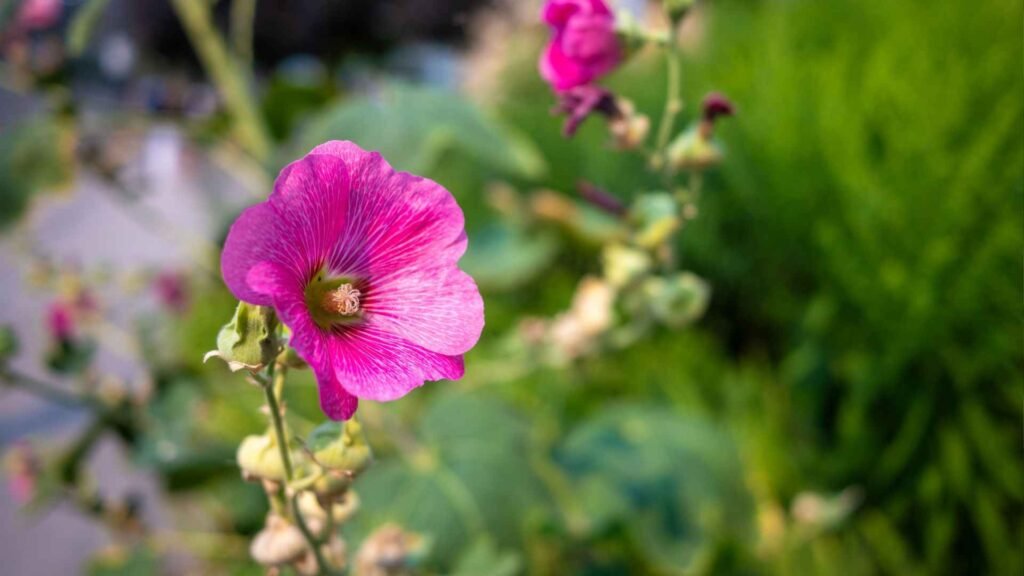
5. Swamp Rose Mallow (Hibiscus grandiflorus)
Swamp rose mallow is a large-flowered hibiscus species associated with wetland environments. It produces beautiful pale pink flowers with prominent central structures and soft-looking foliage.
This species is particularly suitable for gardeners who have naturally moist soil or want to create a rain garden. It can grow into a substantial perennial plant, so it needs enough space to develop properly.
Unlike tropical hibiscus, swamp rose mallow is not primarily grown as a compact patio shrub. Its natural growing conditions make it more suitable for moisture-rich outdoor landscapes.
Growing conditions:
- Sunlight: Full sun to partial shade.
- Soil: Moist, organically rich soil.
- Water: Regular moisture; especially important during dry weather.
- Climate: Choose plants suited to your local winter conditions.
- Best use: Rain gardens, wet borders, and naturalistic landscapes.
What makes it special: Its large, delicate-looking flowers make it an excellent choice for gardens with moist growing conditions.
6. Confederate Rose (Hibiscus mutabilis)
Confederate rose is a large flowering shrub or small tree known for its unusual color-changing flowers. Depending on the cultivar and growing conditions, its blooms may open white or pale pink and deepen to stronger pink shades as they age.
This fascinating color change gives the plant a different appearance throughout the flowering period. Its large leaves and impressive size also make it a noticeable feature in warm-climate landscapes.
Confederate rose generally prefers sunny locations and well-drained soil. It needs enough space to develop because mature plants can become quite large. In areas with cold winters, frost can damage its growth, so local climate suitability should be checked before planting.
Growing conditions:
- Sunlight: Full sun to partial shade.
- Soil: Fertile, well-drained soil.
- Water: Moderate to regular watering during active growth.
- Climate: Best suited to warm climates.
- Best use: Large gardens, specimen planting, and warm-climate landscapes.
What makes it special: Its flowers can change color as they mature, creating a beautiful display of different shades on the same plant.
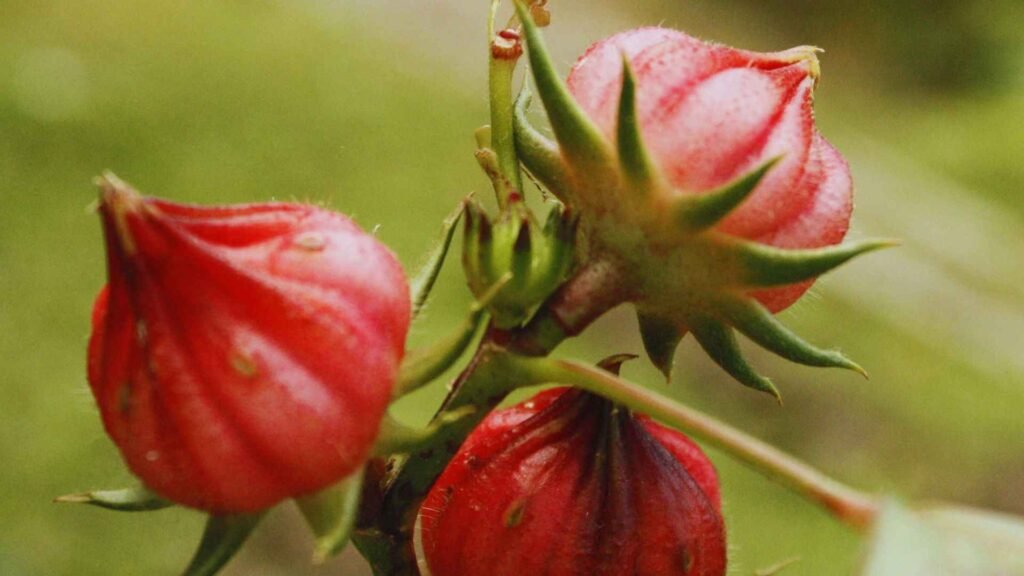
7. Roselle (Hibiscus sabdariffa)
Roselle is a useful and attractive hibiscus species grown in tropical and subtropical regions. Unlike many ornamental hibiscus varieties, it is valued not only for its flowers but also for its fleshy red calyces, which develop around the seed capsules after flowering.
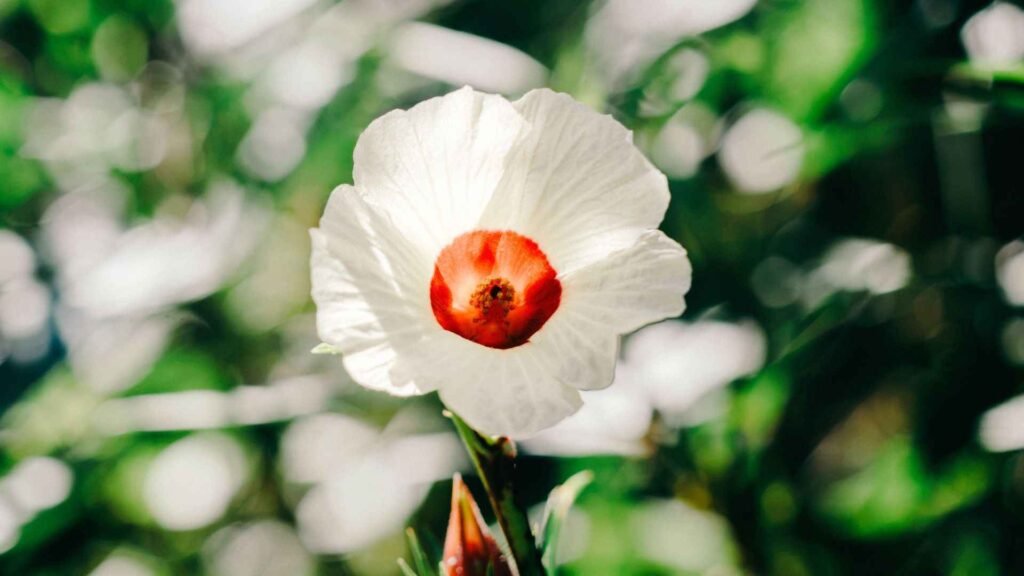
Its flowers are usually pale yellow or creamy yellow with a darker reddish center. The stems may have reddish tones, and the plant develops an upright, bushy growth habit.
Roselle is widely cultivated for its edible calyces, which are used to prepare herbal drinks, juices, jams, jellies, and other foods. Its leaves are also used in some regional cuisines.
Growing conditions:
- Sunlight: Full sun.
- Soil: Fertile, well-drained soil.
- Water: Regular moisture during active growth.
- Climate: Warm conditions and a sufficiently long growing season.
- Best use: Edible gardens, warm-climate landscapes, and productive garden beds.
What makes it special: Roselle combines attractive flowers with useful red calyces that can be harvested for food and beverages.
8. Cranberry Hibiscus (Hibiscus acetosella)
Cranberry hibiscus is especially popular for its colorful foliage. Its leaves are often deep red, burgundy, or purple, and their shape can resemble the leaves of Japanese maple.
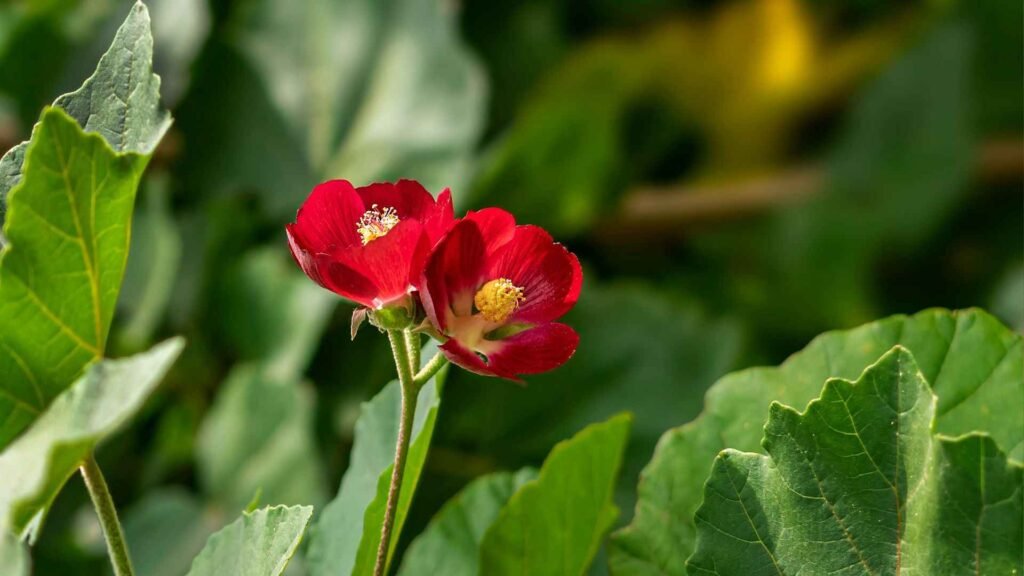
Although its flowers are generally smaller and less showy than those of tropical hibiscus, they add another attractive feature to this ornamental plant. The flowers are commonly reddish or dark pink.
Cranberry hibiscus is often grown as an annual in cooler climates and may behave as a perennial or longer-lived shrub in warmer regions. It can become a striking foliage plant in mixed borders and decorative containers.
Growing conditions:
- Sunlight: Full sun to partial shade.
- Soil: Moist, well-drained soil.
- Water: Regular watering during hot weather.
- Climate: Warm growing conditions; protect from frost.
- Best use: Foliage gardens, containers, and colorful landscape borders.
What makes it special: Its rich burgundy foliage provides garden color even when the plant is not flowering.
9. Yellow Hibiscus (Hibiscus brackenridgei)
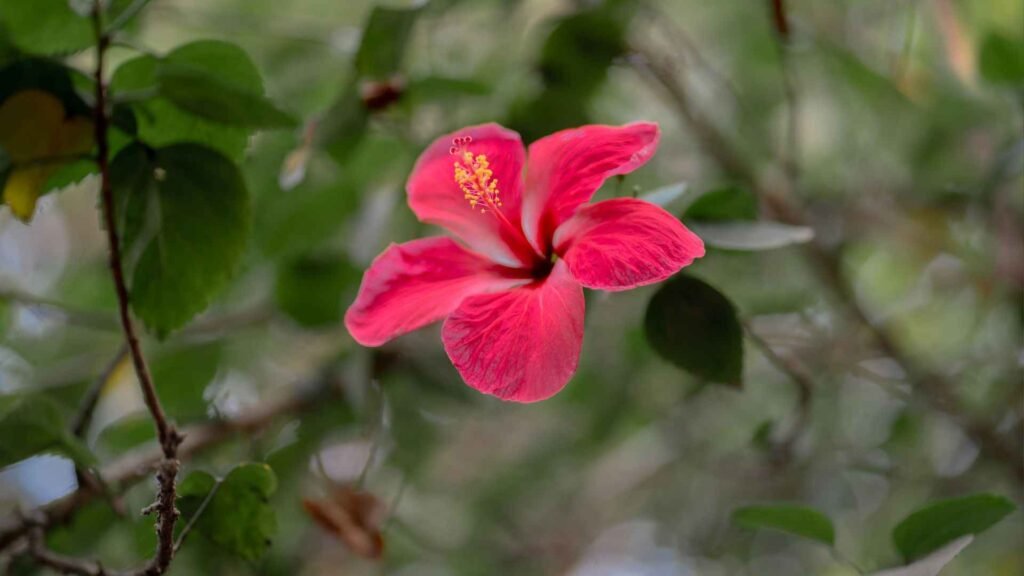
Yellow hibiscus, also known as Brackenridge’s rosemallow or maʻo hau hele, is a remarkable Hawaiian native species. It produces bright yellow flowers, sometimes with a reddish or maroon center.
Unlike many commonly cultivated tropical hibiscus plants, this species has important conservation significance. It is endemic to Hawaii and is federally listed as endangered in the United States.
It grows as a shrub or small tree and is adapted to sunny locations. Although it is beautiful, it should not be collected from the wild. Gardeners interested in growing it should look for legally propagated plants from reputable native-plant nurseries.
Growing conditions:
- Sunlight: Full sun to partial sun.
- Soil: Well-drained soil.
- Water: Avoid excessive watering and poorly drained conditions.
- Climate: Warm Hawaiian and suitable tropical or subtropical environments.
- Best use: Conservation-focused native gardens and authorized cultivation.
What makes it special: Its vivid yellow flowers and rare Hawaiian heritage make it one of the most distinctive hibiscus species.
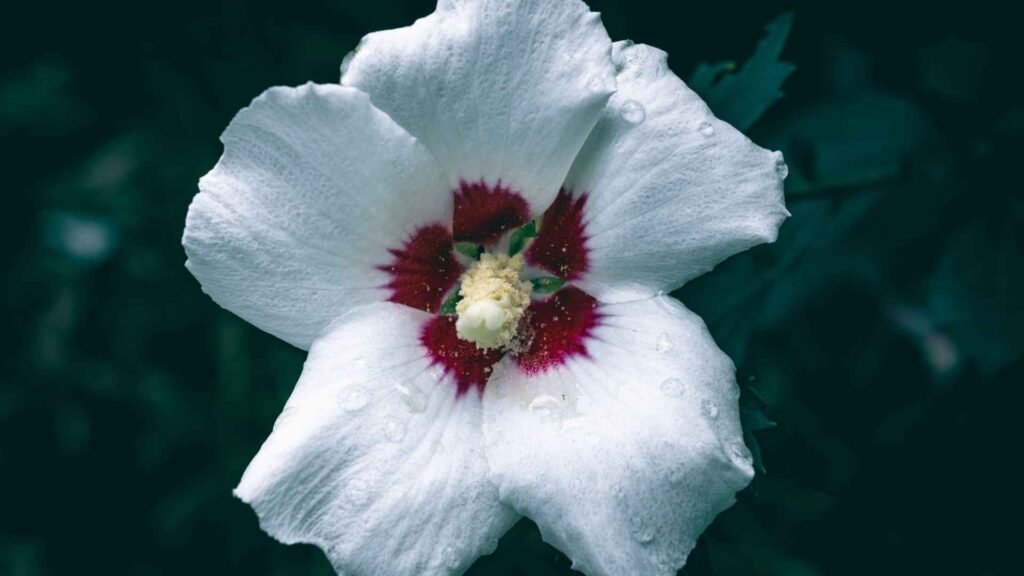
10. Hawaiian White Hibiscus (Hibiscus arnottianus)
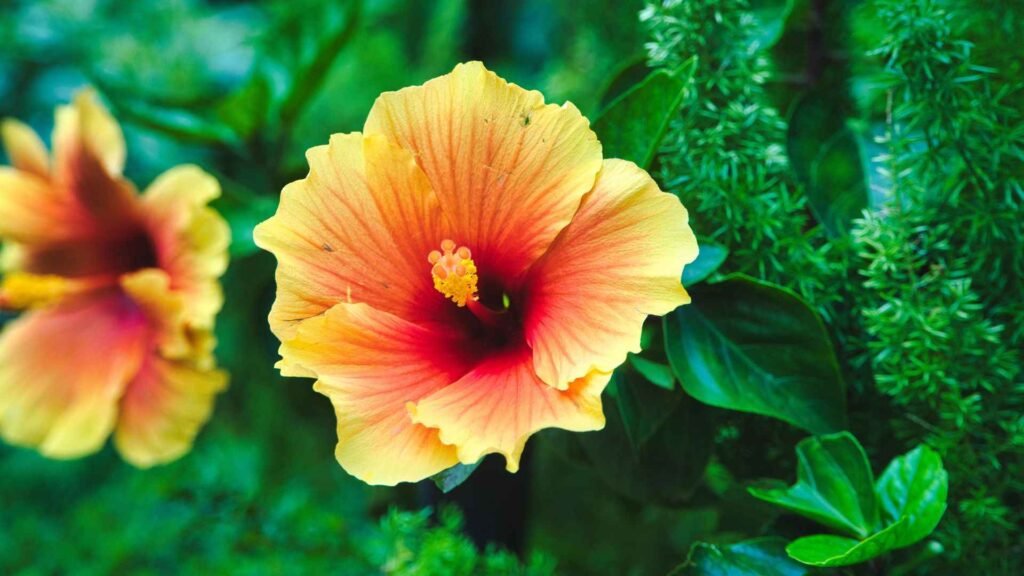
Hawaiian white hibiscus is an elegant native Hawaiian species known for its beautiful white flowers. Its blooms have a delicate appearance and a prominent central staminal column, giving the flower the classic hibiscus shape.
Some forms are valued for their pleasant fragrance, making this species particularly interesting to gardeners who appreciate both flower appearance and scent.
It grows as a shrub or small tree and prefers warm conditions with suitable sunlight and well-drained soil. Different subspecies have different natural distributions and growing characteristics, so identification matters when selecting a plant.
Growing conditions:
- Sunlight: Full sun to partial shade.
- Soil: Well-drained soil suited to the plant’s origin.
- Water: Moderate watering, adjusted to local conditions.
- Climate: Warm tropical conditions.
- Best use: Native Hawaiian landscapes and suitable tropical gardens.
What makes it special: Its graceful white flowers and fragrance distinguish it from many brightly colored ornamental hibiscus varieties.
11. Clay’s Hibiscus (Hibiscus clayi)
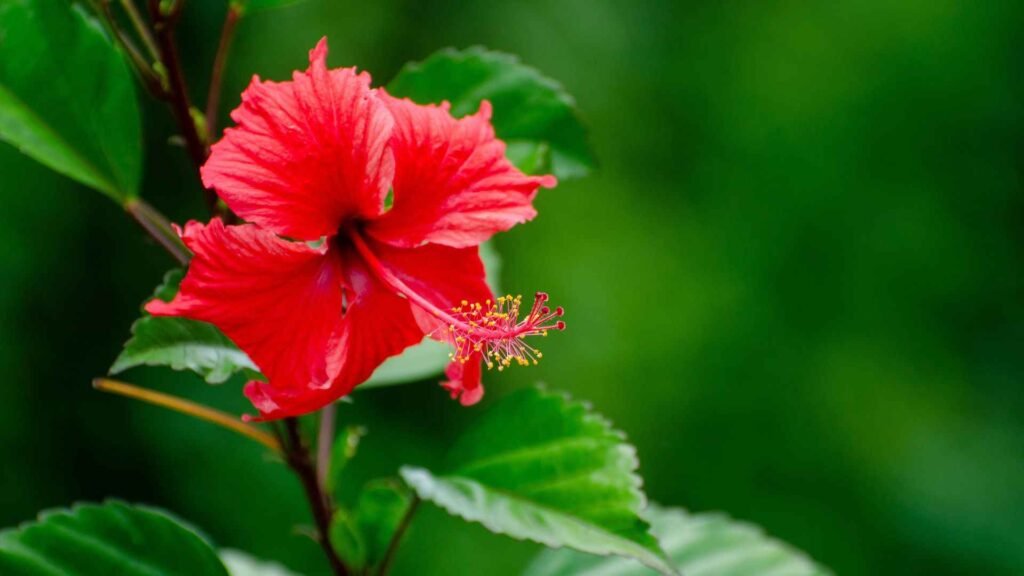
Clay’s hibiscus is a rare Hawaiian species recognized for its attractive red flowers and glossy green foliage. It is native to Kauai and is of particular conservation interest.
Its flowers have the familiar hibiscus structure, with broad petals and a prominent central reproductive column. The strong red color creates a beautiful contrast against its green leaves.
This species is not a common substitute for ordinary garden hibiscus. It has a restricted natural distribution and is federally listed as endangered, so it should be appreciated through conservation programs and responsibly propagated plants rather than collected from the wild.
Growing conditions:
- Sunlight: Generally sunny conditions.
- Soil: Well-drained soil.
- Water: Adapt watering to the plant’s local growing requirements.
- Climate: Warm Hawaiian conditions.
- Best use: Conservation collections and authorized native-plant cultivation.
What makes it special: Its vivid red flowers and limited natural distribution make it a notable example of Hawaii’s unique hibiscus diversity.
12. Hawaiian Pink Hibiscus (Hibiscus furcellatus)
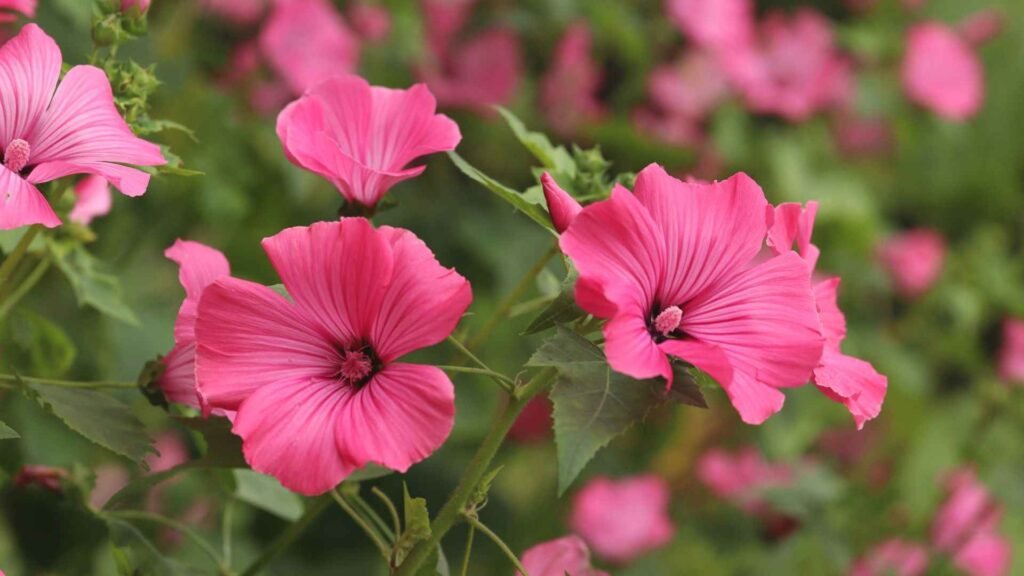
Hawaiian pink hibiscus, also called lindenleaf rosemallow, is a species with attractive pink flowers and a natural association with moist tropical environments.
Its flowers are generally pink to purplish-pink, with a darker central area. The plant has a shrub-like growth habit and can add a natural, tropical appearance to suitable landscapes.
Unlike hibiscus varieties adapted to dry conditions, this species is associated with moist habitats. It is therefore important to consider soil moisture when choosing a planting location.
Growing conditions:
- Sunlight: Full sun to partial shade.
- Soil: Moist soil with good drainage.
- Water: Consistent moisture.
- Climate: Warm tropical and subtropical environments.
- Best use: Moist tropical gardens and native-plant landscapes.
What makes it special: Its attractive pink flowers and natural wetland associations make it different from many common garden hibiscus shrubs.
13. Sea Hibiscus (Hibiscus tiliaceus)
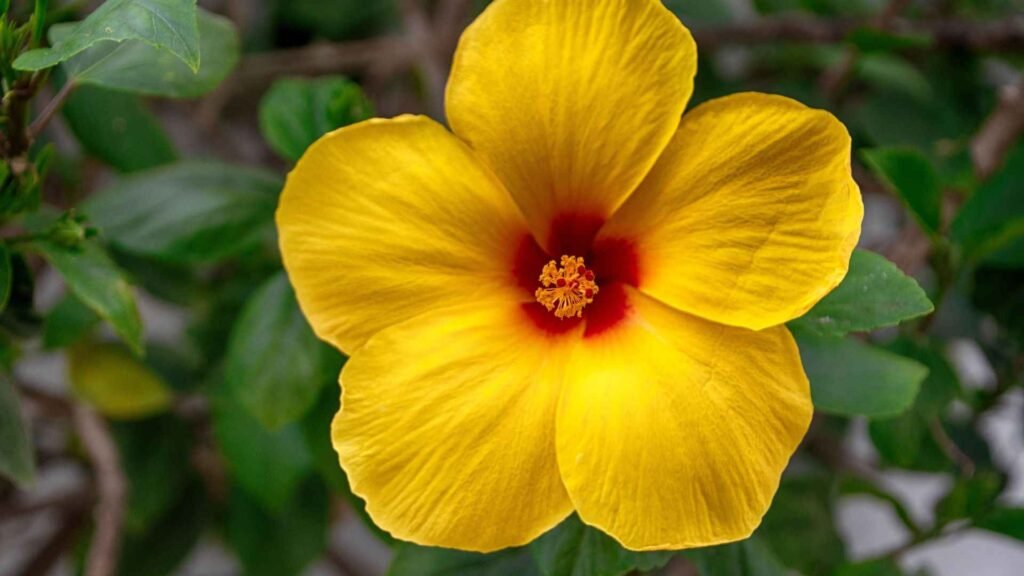
Sea hibiscus is a tropical shrub or tree commonly associated with coastal environments. It has broad, heart-shaped leaves and attractive flowers that usually open yellow with a darker center.
As individual flowers age, their color can change toward orange or reddish shades. This changing appearance gives the plant additional visual interest throughout its flowering period.
Sea hibiscus is adapted to warm coastal environments and is often used in tropical landscaping. It can become a large plant, so it needs adequate space. It is also known under the botanical name Talipariti tiliaceum in modern plant classifications.
Growing conditions:
- Sunlight: Full sun to partial shade.
- Soil: Well-drained soil; tolerates a range of coastal conditions.
- Water: Regular moisture while establishing.
- Climate: Warm tropical and coastal climates.
- Best use: Coastal landscapes, tropical gardens, and spacious outdoor areas.
What makes it special: Its changing flower colors, broad foliage, and coastal adaptability give it a distinctive tropical character.
14. Japanese Lantern Hibiscus (Hibiscus schizopetalus)
Japanese lantern hibiscus is one of the most unusual-looking members of the hibiscus group. Its flowers hang downward and have deeply divided, fringed petals that curl backward, creating a lantern-like appearance.
The blooms are commonly reddish or coral-pink, with a long central staminal column extending below the flower. This unusual structure makes it easy to distinguish from the broad, open flowers of many other hibiscus varieties.
It grows as a tropical shrub and is often used as an ornamental specimen in warm-climate gardens. In cooler regions, it can be grown in a container and protected from cold weather.
Growing conditions:
- Sunlight: Full sun to partial shade.
- Soil: Fertile, well-drained soil.
- Water: Regular watering during active growth.
- Climate: Warm tropical and subtropical conditions.
- Best use: Tropical gardens, containers, and ornamental focal points.
What makes it special: Its dangling, deeply fringed flowers look very different from the traditional hibiscus bloom.
15. Desert Hibiscus (Hibiscus denudatus)
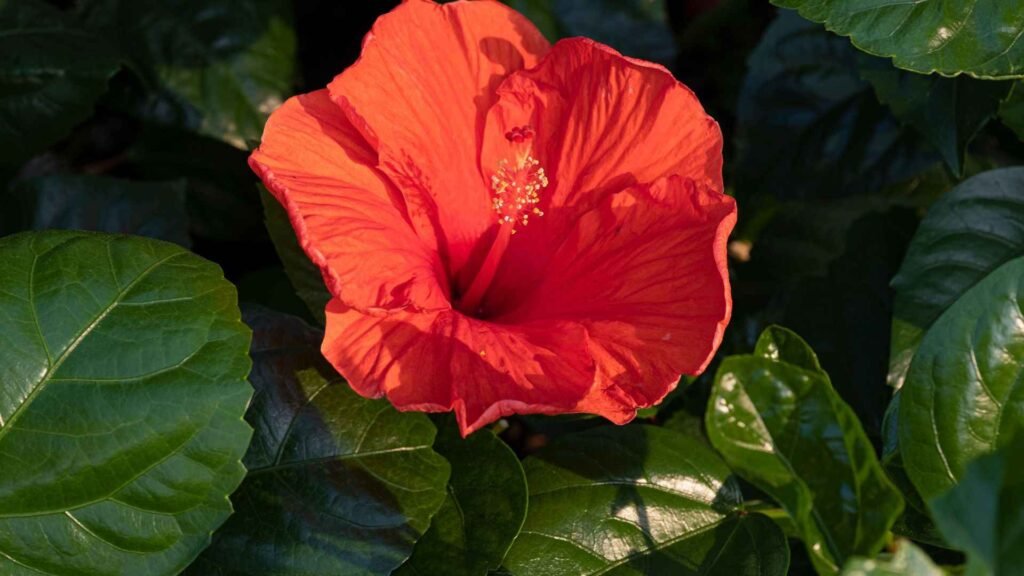
Desert hibiscus is adapted to dry environments and is an interesting choice for gardeners exploring plants suited to arid landscapes. It produces delicate flowers that are generally pale pink, lavender, or purplish in appearance.
Unlike large tropical hibiscus shrubs, this species has a more modest appearance and is adapted to naturally dry habitats. Its ability to grow in challenging conditions makes it particularly interesting for regional native-plant gardens.
It needs well-drained soil and should not be treated like a moisture-loving swamp hibiscus. Excessive irrigation or poorly drained soil can create problems for plants adapted to dry environments.
Growing conditions:
- Sunlight: Full sun.
- Soil: Sandy, rocky, or otherwise well-drained soil.
- Water: Low to moderate watering once established, according to local conditions.
- Climate: Suitable warm, dry environments.
- Best use: Desert gardens, xeriscapes, and native-plant collections.
What makes it special: Its delicate flowers and adaptation to dry habitats show how diverse hibiscus plants can be.
16. Halberd-Leaved Rose Mallow (Hibiscus laevis)
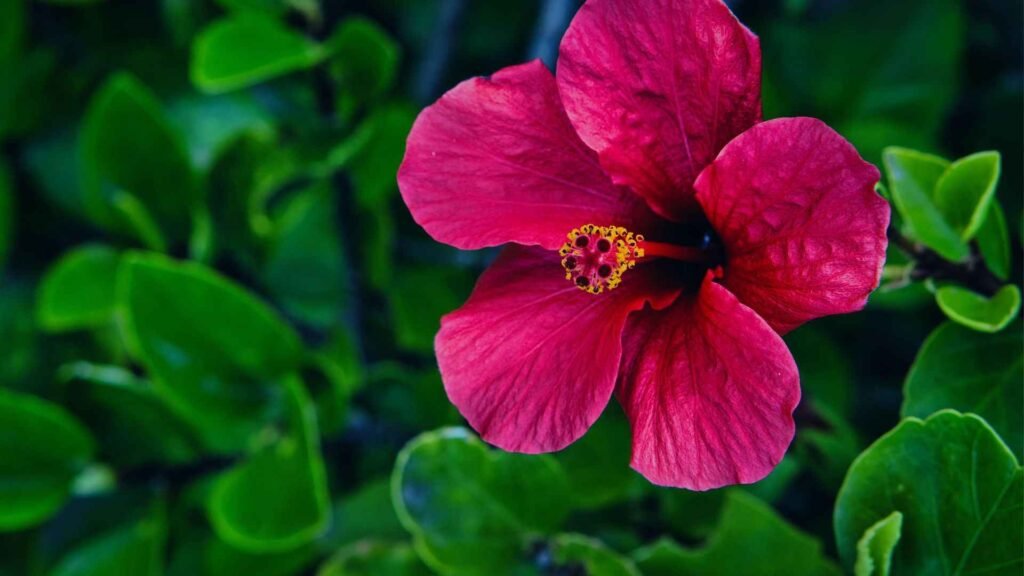
Halberd-leaved rose mallow is a North American native perennial recognized by its distinctive arrow-shaped leaves and attractive pink flowers. Its blooms usually have five broad petals with a darker reddish center.
This species naturally grows in moist environments, including stream banks, wet meadows, and other areas with sufficient soil moisture. It can also be grown in suitable home gardens where it receives plenty of sunlight.
Growing conditions:
- Sunlight: Full sun.
- Soil: Moist, fertile soil.
- Water: Regular watering, especially during dry periods.
- Climate: Suitable temperate regions.
- Best use: Native gardens, rain gardens, and moist flower borders.
What makes it special: Its unusual leaf shape and delicate pink flowers make it easy to distinguish from many other rose mallows.
17. Flower-of-an-Hour (Hibiscus trionum)
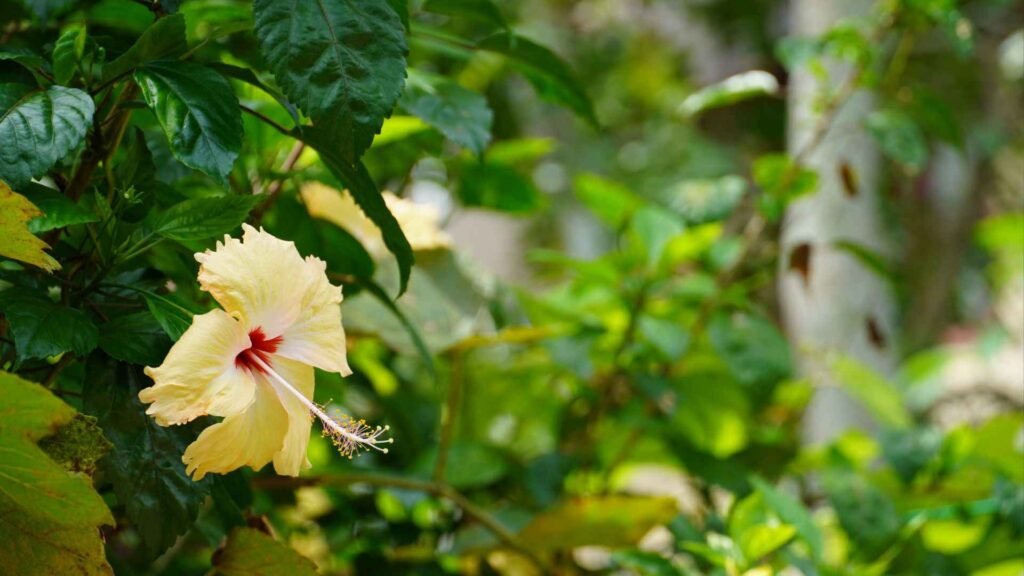
Flower-of-an-hour is a fascinating annual hibiscus known for its delicate, short-lived flowers. Each bloom typically features pale yellow or creamy petals with a dark purple center.
The flowers usually open during sunny parts of the day and close later, giving the plant its unusual common name.
Unlike large tropical hibiscus shrubs, this species has a smaller growth habit and is often grown in informal garden settings. It can also self-seed under suitable conditions.
Growing conditions:
- Sunlight: Full sun.
- Soil: Well-drained soil.
- Water: Moderate watering.
- Climate: Warm growing seasons.
- Best use: Informal flower beds and cottage-style gardens.
What makes it special: Its dark-centered flowers and brief blooming period create a distinctive garden display.
18. Chinese Hibiscus (Hibiscus paramutabilis)
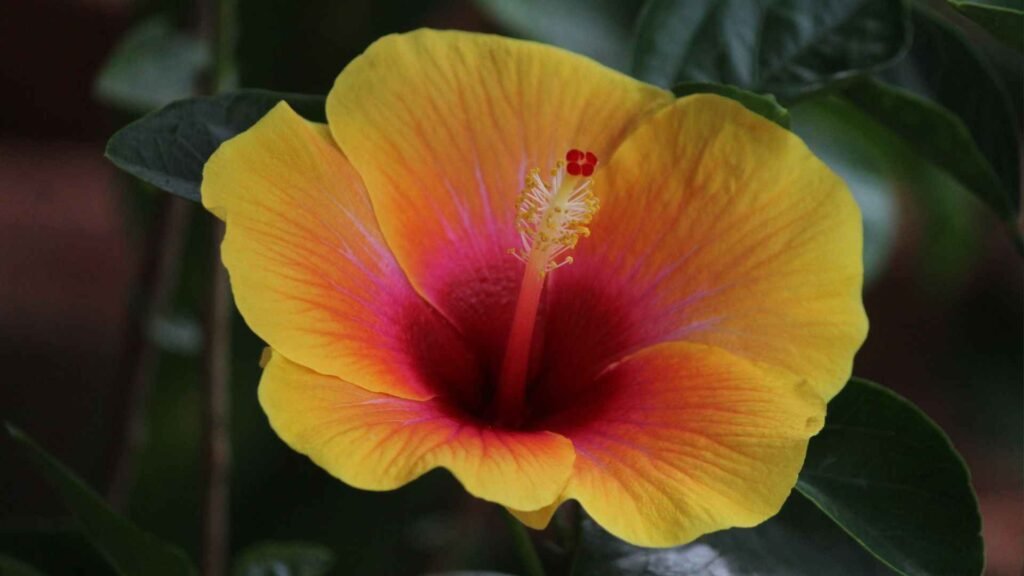
Chinese hibiscus is a flowering shrub native to China. It produces attractive pink flowers with prominent central structures and has a growth habit suitable for ornamental landscapes.
Although it is less commonly encountered in ordinary garden centers than tropical hibiscus, it is an interesting species for gardeners who enjoy exploring different members of the hibiscus genus.
It prefers warm growing conditions, suitable sunlight, and soil that retains some moisture without becoming waterlogged.
Growing conditions:
- Sunlight: Full sun to partial shade.
- Soil: Fertile, well-drained soil.
- Water: Moderate watering.
- Climate: Mild to warm conditions, with protection where winters are severe.
- Best use: Ornamental shrub planting and botanical collections.
What makes it special: Its pink flowers and distinct species identity make it an interesting alternative to familiar tropical hibiscus.
19. Blue Bird Rose of Sharon (Hibiscus syriacus ‘Blue Bird’)
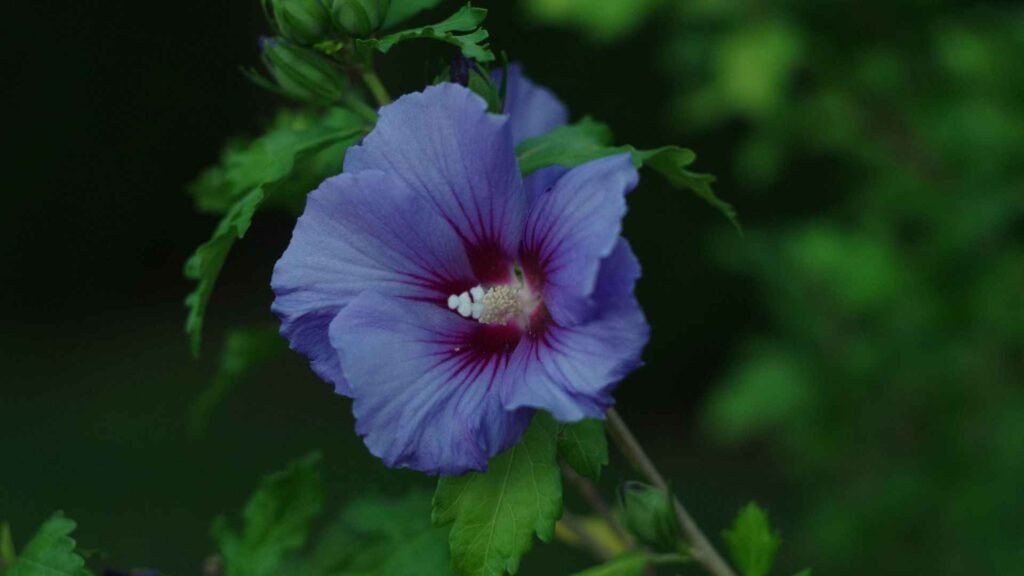
Blue Bird is a popular cultivar of Rose of Sharon, grown for its attractive blue-violet flowers with reddish-purple centers.
It develops as a deciduous flowering shrub and can be used in mixed borders, foundation planting, and informal hedges. Its summer flowers provide color when many spring-flowering shrubs have finished blooming.
The actual flower color may appear more violet or lavender-blue depending on sunlight, soil conditions, and viewing conditions.
Growing conditions:
- Sunlight: Full sun.
- Soil: Well-drained garden soil.
- Water: Moderate watering.
- Climate: Suitable temperate climates.
- Best use: Flowering hedges, shrub borders, and specimen planting.
What makes it special: Its blue-violet flowers provide a cooler color contrast to the red, pink, and white shades commonly associated with hibiscus.
20. Diana Rose of Sharon (Hibiscus syriacus ‘Diana’)
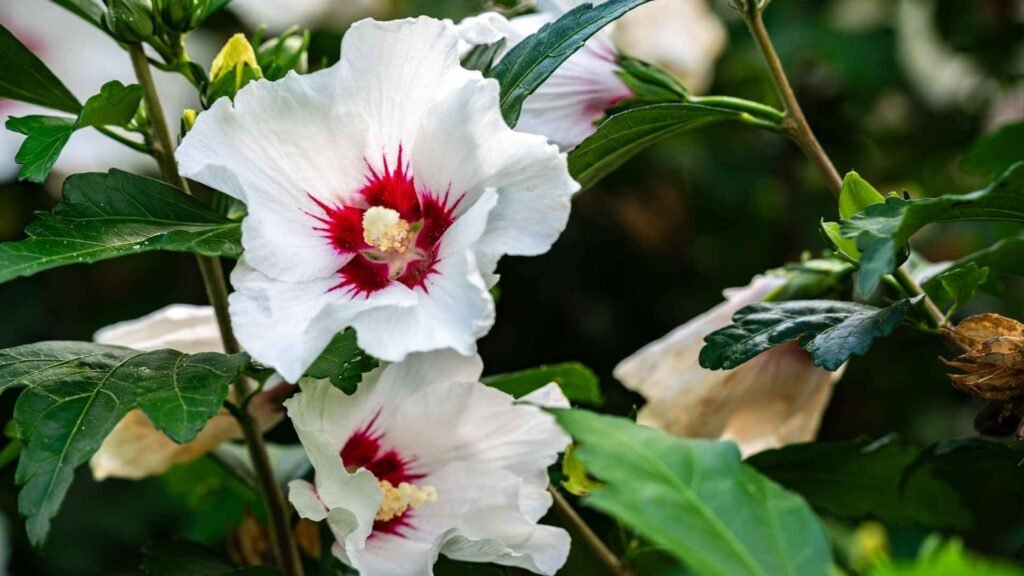
Diana is a well-known Rose of Sharon cultivar that produces large, pure white flowers. The blooms create a clean, elegant appearance and contrast beautifully with the plant’s green foliage.
One of its attractive features is that the flowers remain visually fresh and bright throughout the summer flowering period. It can be planted as a specimen shrub or included in a flowering hedge.
Like other Rose of Sharon cultivars, it is deciduous and tolerates colder conditions better than tropical hibiscus.
Growing conditions:
- Sunlight: Full sun.
- Soil: Well-drained soil.
- Water: Moderate watering, particularly during dry weather.
- Climate: Temperate climates.
- Best use: White garden themes, hedges, and ornamental borders.
What makes it special: Its large white flowers make it a beautiful option for gardeners who prefer simple, elegant floral colors.
21. Aphrodite Rose of Sharon (Hibiscus syriacus ‘Aphrodite’)
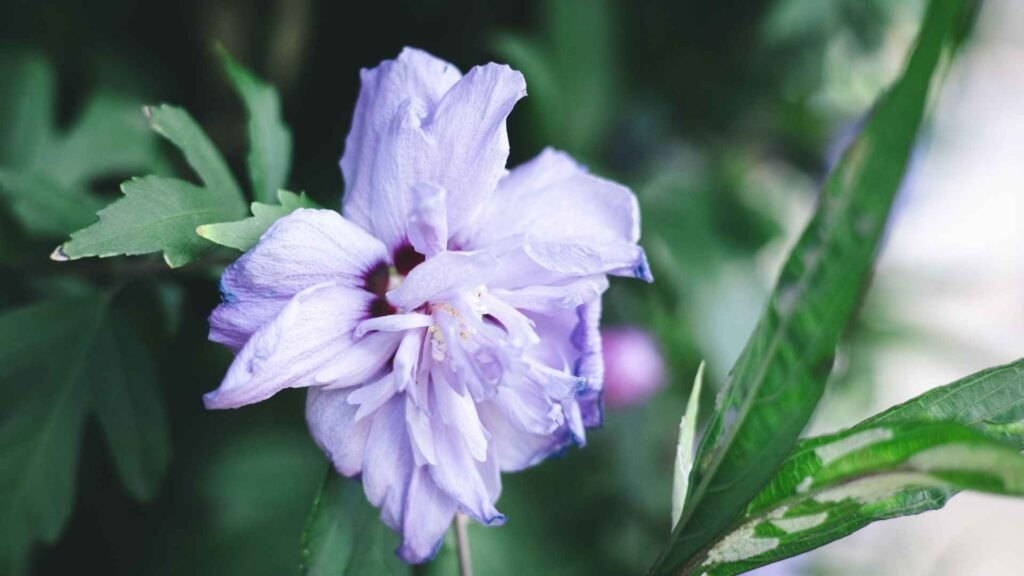
Aphrodite is another attractive Rose of Sharon cultivar, recognized for its pink flowers with a prominent dark red center.
Its colorful blooms make it a popular choice for summer landscapes, where it can add contrast to green foliage and other flowering shrubs.
The plant grows as a deciduous shrub and is generally suitable for temperate gardens. It can be planted individually or grouped with other Rose of Sharon varieties to create a colorful flowering border.
Growing conditions:
- Sunlight: Full sun.
- Soil: Well-drained, reasonably fertile soil.
- Water: Regular watering while establishing.
- Climate: Temperate growing conditions.
- Best use: Shrub borders, flowering hedges, and garden focal points.
What makes it special: Its pink petals and dark central markings give the flowers a striking appearance.
22. Luna Red Hardy Hibiscus (Hibiscus moscheutos ‘Luna Red’)
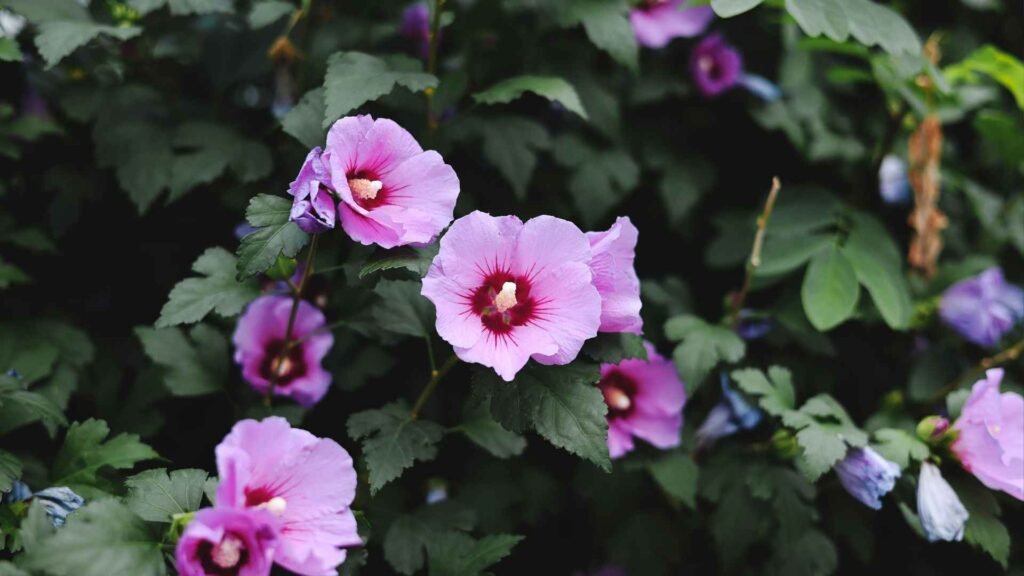
Luna Red is a cultivated hardy hibiscus known for its large, deep red flowers. It belongs to the Luna series of compact hardy hibiscus selections.
Its flowers create a bold display during summer, while its relatively compact growth habit makes it suitable for smaller garden spaces compared with some taller hardy hibiscus plants.
Like other hardy hibiscus varieties, its stems die back during winter in colder climates, with fresh growth emerging from the roots in spring.
Growing conditions:
- Sunlight: Full sun.
- Soil: Moist, fertile, well-drained soil.
- Water: Regular watering.
- Climate: Suitable temperate climates.
- Best use: Perennial borders, containers, and summer flower beds.
What makes it special: Its large red flowers combine tropical-looking beauty with the cold tolerance of hardy hibiscus.
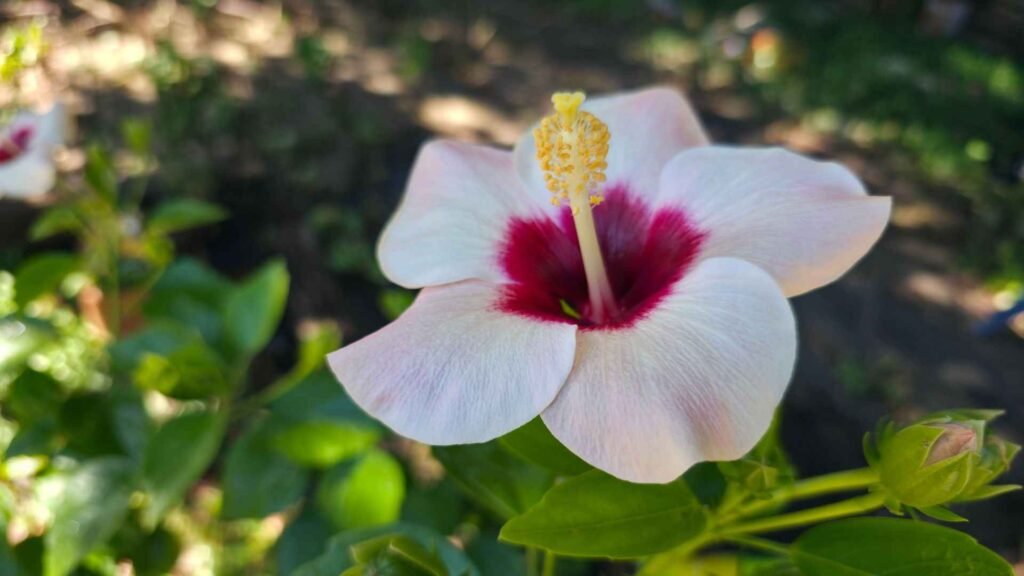
23. Luna White Hardy Hibiscus (Hibiscus moscheutos ‘Luna White’)
Luna White is a beautiful hardy hibiscus cultivar that produces large white flowers with contrasting reddish centers.
Its clean white petals make it useful in garden designs that combine light-colored flowers with darker foliage or colorful perennial plants.
The plant has a compact growth habit compared with many traditional hardy hibiscus selections. It is suitable for sunny garden beds where the soil stays consistently moist.
Growing conditions:
- Sunlight: Full sun.
- Soil: Moist, fertile, well-drained soil.
- Water: Regular watering.
- Climate: Temperate regions where hardy hibiscus can overwinter.
- Best use: White flower gardens, perennial borders, and containers.
What makes it special: Its white petals and contrasting centers create a bright, elegant summer display.
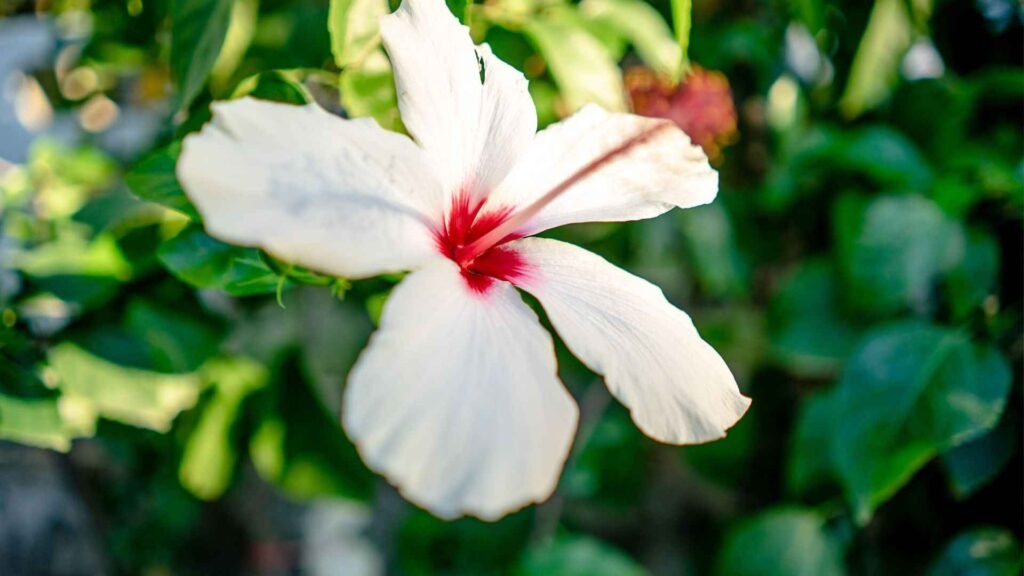
24. Luna Pink Swirl Hardy Hibiscus (Hibiscus moscheutos ‘Luna Pink Swirl’)
Luna Pink Swirl is a hardy hibiscus cultivar valued for its attractive pink and white flower patterns. Its blooms often display a combination of lighter petals and deeper pink markings.
This cultivar brings a softer appearance to the garden than solid red or dark-colored hardy hibiscus varieties. It works particularly well in mixed perennial borders where different flower colors can complement one another.
Like other hardy hibiscus selections, it needs adequate moisture during active growth and a sunny planting location for good flowering.
Growing conditions:
- Sunlight: Full sun.
- Soil: Moist, fertile soil with good drainage.
- Water: Consistent watering.
- Climate: Suitable temperate climates.
- Best use: Cottage gardens, perennial beds, and summer borders.
What makes it special: Its pink-and-white flower patterns provide a softer, more decorative appearance.
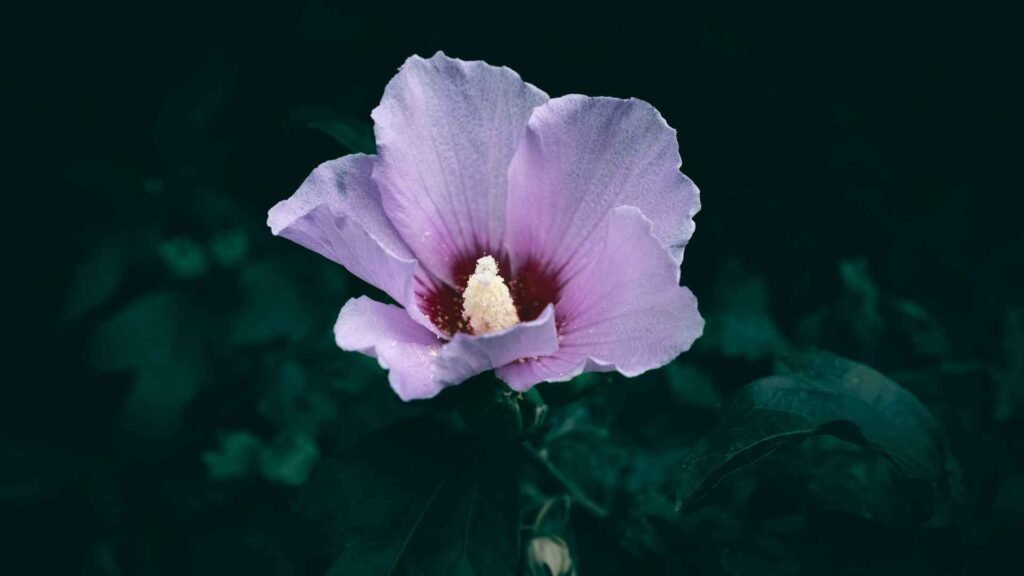
25. Variegated Tropical Hibiscus (Hibiscus rosa-sinensis ‘Cooperi’)
Variegated tropical hibiscus, commonly associated with the cultivar ‘Cooperi’, is especially valued for its colorful foliage. Its leaves may display green, cream, pink, and reddish tones, creating a striking appearance even when the plant is not flowering.
Its flowers are generally smaller and less important as a visual feature than the foliage, although the plant can also produce attractive red flowers.
This tropical shrub is best grown in warm climates or protected containers in regions where winter temperatures become too low.
Growing conditions:
- Sunlight: Bright sunlight to partial shade.
- Soil: Fertile, well-drained soil.
- Water: Regular watering during active growth.
- Climate: Warm tropical and subtropical conditions.
- Best use: Decorative containers, tropical gardens, and colorful foliage displays.
What makes it special: Its multicolored foliage makes it an excellent choice for gardeners who want visual interest beyond the flowering season.
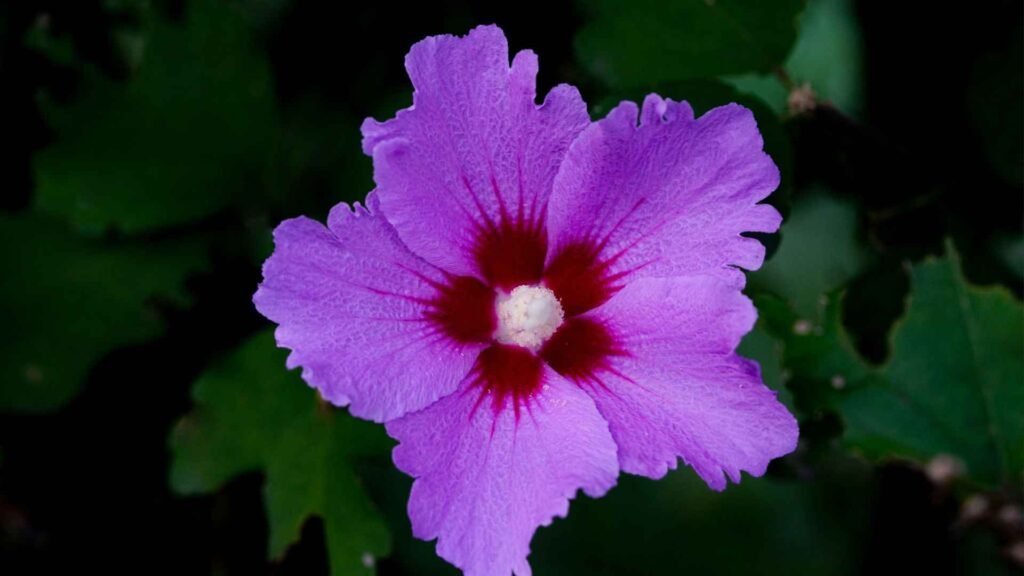
How to Grow and Care for Hibiscus Flowers
Growing hibiscus successfully depends on choosing the right variety, providing suitable sunlight, maintaining consistent moisture, and protecting the plant from unsuitable temperatures. Although tropical and hardy hibiscus share some basic requirements, their care differs in important ways.
1. Choose the Right Location and Soil
Most flowering hibiscus varieties prefer a sunny location with at least six hours of sunlight daily. Tropical hibiscus may benefit from afternoon shade in extremely hot climates, while hardy hibiscus generally performs best in full sun.
Choose fertile, well-drained soil that retains some moisture without becoming waterlogged. Add organic matter to improve soil structure and support healthy root development.
2. Water Hibiscus Plants Correctly
Hibiscus plants need adequate moisture during active growth and flowering. Water tropical hibiscus when the upper layer of soil begins to dry, adjusting frequency according to temperature and container size.
Hardy hibiscus prefers consistently moist soil, particularly during summer. Avoid excessive watering in poorly drained soil because it can damage roots. Desert-adapted species require less frequent watering once established.
3. Use the Right Fertilizer
Feed hibiscus during its active growing season with a balanced fertilizer suitable for flowering plants. Follow the manufacturer’s instructions and avoid excessive feeding.
Too much nitrogen can encourage leafy growth at the expense of flowers. Container-grown hibiscus may need regular feeding because nutrients gradually become depleted from potting soil.
4. Prune Hibiscus for Healthy Growth
Pruning helps maintain an attractive shape and encourages fresh growth. Tropical hibiscus can be lightly pruned to remove damaged branches and control its size.
Rose of Sharon is generally pruned during late winter or early spring before new growth begins. Hardy hibiscus stems can be cut back after they die naturally in autumn or winter. Avoid removing healthy growth unnecessarily.
5. Propagate Hibiscus Plants
Hibiscus can be propagated through stem cuttings or seeds, depending on the species.
Stem cuttings are commonly used for tropical hibiscus cultivars because they can produce plants with characteristics similar to the parent. Take healthy cuttings, remove lower leaves, and place them in a suitable moist propagation medium.
Seed propagation is useful for certain species, although seedlings may differ from their parent plants.
6. Common Hibiscus Problems and Solutions
Hibiscus plants can experience several growing problems:
| Problem | Possible cause | Solution |
|---|---|---|
| Yellow leaves | Overwatering or nutrient problems | Check drainage and feeding |
| Buds dropping | Temperature or watering stress | Maintain stable conditions |
| Few flowers | Insufficient sunlight | Improve light exposure |
| Sticky leaves | Aphids or other insects | Inspect and manage pests |
| Leaf discoloration | Spider mites or other pests | Check leaf undersides |
Inspect plants regularly and address problems early. Good airflow, suitable watering, and proper growing conditions help reduce many common issues.
7. Protect Hibiscus During Winter
Tropical hibiscus is sensitive to frost. In cold regions, grow it in containers and move it indoors before temperatures become damaging.
Hardy hibiscus and Rose of Sharon tolerate colder conditions, although their winter requirements vary by variety. Protect young plants with suitable mulch where appropriate, and avoid keeping moisture-sensitive roots waterlogged during winter.
Frequently Asked Questions About Hibiscus Flowers
1. What are the most popular types of hibiscus flowers?
Some of the best-known hibiscus plants include tropical hibiscus (Hibiscus rosa-sinensis), hardy hibiscus (Hibiscus moscheutos), and Rose of Sharon (Hibiscus syriacus). Other interesting choices include Roselle, Scarlet Rose Mallow, Japanese Lantern Hibiscus, and Confederate Rose.
The best variety depends on your climate, available space, and whether you want an ornamental, edible, or wildlife-friendly plant.
2. What colors do hibiscus flowers come in?
Hibiscus flowers come in a wide range of colors, including:
- Red
- Pink
- White
- Yellow
- Orange
- Purple
- Lavender
- Multicolored combinations
Some varieties have contrasting centers, while others have solid-colored petals or decorative patterns.
3. Do hibiscus flowers come back every year?
Many hibiscus plants return every year, but this depends on the species and climate.
Hardy hibiscus varieties are herbaceous perennials that can regrow from their roots after winter. Tropical hibiscus is generally evergreen in warm climates but may be damaged or killed by frost. Rose of Sharon is a deciduous shrub that produces new growth each growing season.
4. How much sunlight do hibiscus plants need?
Most flowering hibiscus plants grow and bloom best in a sunny location. Many prefer at least six hours of direct sunlight daily.
However, tropical hibiscus may benefit from some afternoon shade in extremely hot climates, particularly when grown in containers. Always consider the requirements of the individual species or cultivar.
5. How often should I water a hibiscus plant?
Watering frequency depends on the variety, soil, temperature, and growing location.
Tropical hibiscus generally prefers consistently moist but well-drained soil. Hardy hibiscus also needs regular moisture, especially during active growth and flowering. Desert-adapted species require less water once established.
Check the soil before watering rather than following a rigid daily schedule. Avoid leaving container plants sitting in water.
6. Can hibiscus grow in pots?
Yes. Many hibiscus varieties grow successfully in containers, particularly tropical hibiscus and compact hardy cultivars.
Choose a pot with drainage holes and use a suitable, well-draining growing medium. Container plants usually need more frequent watering than plants growing directly in garden soil.
Make sure the pot is large enough for the mature plant and repot when the roots outgrow the container.
7. Why is my hibiscus plant not flowering?
Several factors can prevent hibiscus from flowering.
Common causes include insufficient sunlight, excessive nitrogen fertilizer, irregular watering, temperature stress, and unsuitable pruning.
Try providing suitable sunlight, maintaining consistent soil moisture, and using a balanced fertilizer appropriate for the plant. Also check whether the plant is healthy and growing actively.
8. What is the best fertilizer for hibiscus?
A balanced fertilizer formulated for flowering shrubs or hibiscus can support healthy growth. Some gardeners prefer products with relatively lower phosphorus, but the ideal fertilizer depends on the soil and plant requirements.
Follow the product label and avoid excessive feeding. Too much fertilizer can encourage leafy growth at the expense of flowers or contribute to nutrient imbalances.
9. When do hibiscus flowers bloom?
Many hibiscus varieties bloom during warm weather, particularly in summer.
Tropical hibiscus may flower over an extended period in suitable climates. Hardy hibiscus generally produces its main display during summer, while Rose of Sharon commonly flowers from summer into early autumn.
Exact flowering periods depend on the species, cultivar, climate, and growing conditions.
10. Can hibiscus survive winter?
Some hibiscus varieties tolerate cold winters, while others need protection.
Hardy hibiscus can survive freezing temperatures in suitable growing zones because its roots remain alive beneath the soil. Rose of Sharon is also cold-tolerant compared with tropical hibiscus.
Tropical hibiscus is sensitive to frost and should be moved indoors or protected when temperatures become too cold.
11. How do you propagate hibiscus plants?
Hibiscus can be propagated through methods such as stem cuttings and, for certain species, seeds.
Stem cuttings are commonly used for tropical hibiscus cultivars because they can preserve the characteristics of the parent plant. Seed propagation is useful for species and breeding work, but seedlings may not produce flowers identical to the parent plant.
The best method depends on the particular hibiscus.
12. Are hibiscus flowers edible?
Some hibiscus species have edible parts. Roselle (Hibiscus sabdariffa) is particularly well known because its fleshy red calyces are used in drinks, jams, and other foods.
However, not every hibiscus species or ornamental cultivar should automatically be considered edible. Correct identification and food-safe growing practices are important before consuming any plant.
13. Do hibiscus flowers attract bees and butterflies?
Yes, many hibiscus varieties attract pollinators. Their flowers provide pollen and, depending on the species, nectar for visiting insects and other wildlife.
Some varieties may also attract hummingbirds, particularly those with red, tubular-looking flowers and suitable nectar availability.
14. Why are the leaves on my hibiscus turning yellow?
Yellow leaves can result from several issues, including overwatering, underwatering, poor drainage, nutrient deficiencies, pests, or natural leaf aging.
Check the soil moisture first. If the soil remains waterlogged, improve drainage and adjust watering. Also inspect the undersides of leaves for insects such as aphids, whiteflies, or spider mites.
15. Which hibiscus is best for beginners?
The best beginner hibiscus depends on the local climate.
Rose of Sharon can be a practical choice for many temperate gardens because it tolerates colder winters and grows as a flowering shrub. Tropical hibiscus is a popular option for warm regions and containers, while hardy hibiscus is attractive for sunny perennial gardens.
Choose a variety suited to your climate rather than selecting one based on flower color alone.
Conclusion
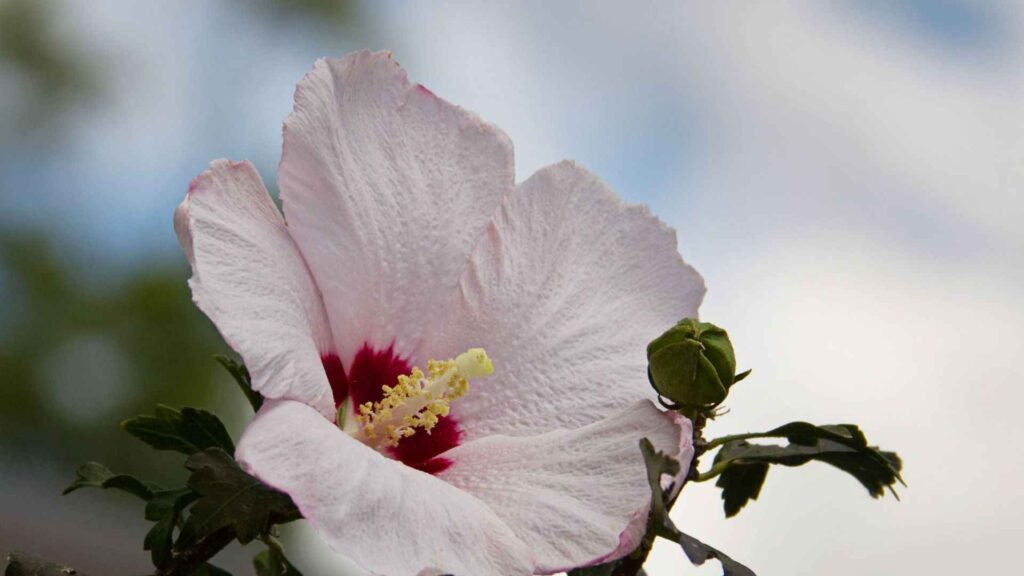
Hibiscus flowers offer an impressive combination of color, variety, and garden beauty. From the large tropical blooms of Hibiscus rosa-sinensis to the enormous flowers of hardy hibiscus and the elegant white blossoms of Rose of Sharon, there is a type for many different garden styles and climates.
Some varieties are grown mainly for ornamental flowers, while others, such as Roselle, have useful edible parts. Certain species attract pollinators, and others stand out because of unusual foliage, distinctive flower shapes, or conservation importance.
Before choosing a hibiscus, consider your local climate, available sunlight, soil moisture, and the mature size of the plant. Tropical varieties need protection from frost, whereas many hardy types can survive winter outdoors and return in spring.
With the right variety and suitable growing conditions, hibiscus can become a beautiful and rewarding addition to your garden, bringing attractive flowers and tropical character throughout its flowering season.